

In viscose fiber production, maintaining precise control of digester pressure is central to every stage of the process, from cellulose cooking methods through alkaline cellulose treatment. Real-time inline pressure measurement ensures consistent product quality and enhances operational safety by directly influencing the performance of the digesters.
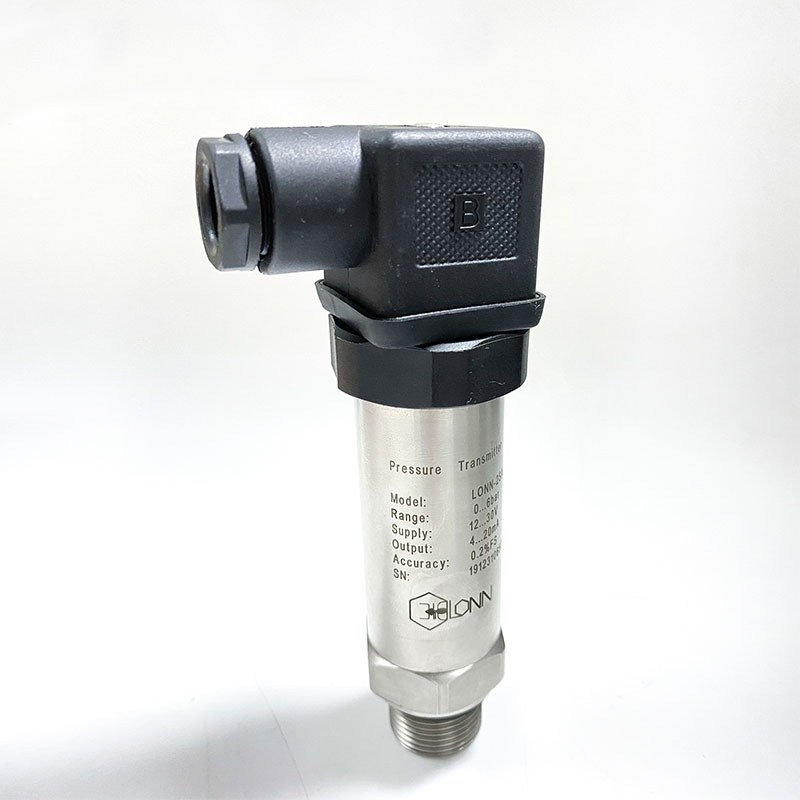
During cellulose alkalization and NaOH solution concentration for viscose, these devices provide uninterrupted data streams. Excessive or insufficient pressure can alter the NaOH concentration, leading to crystalline deposits that block digester lines and halt production. By delivering immediate pressure readings, Lonnmeter inline pressure transmitters help operators spot deviations early, reducing costly downtime and supporting digester pressure control that safeguards equipment longevity.

Chemical Fibre Plant
*
Overview of Viscose Fiber Production: Process Flow and Control Points
The viscose fiber production process comprises several sequential steps, starting from cellulose cooking methods. Initially, cellulose pulp—often sourced from wood or cotton linter—is steeped in a sodium hydroxide solution. This phase, known as the alkaline cellulose treatment, is where cellulose reacts with NaOH to form alkali cellulose. The concentration of NaOH solution for viscose production is critical; inaccurate dosages lead to fluctuations in reactivity and impact fiber strength uniformity. If the sodium hydroxide concentration deviates from the required range, cellulose alkalization becomes inconsistent, resulting in fibers with varying tensile properties.
Post-alkalization, the process moves to washing—removing excess alkali—and then xanthation, where alkali cellulose reacts with carbon disulfide to make cellulose xanthate. This intermediate is dissolved in dilute sodium hydroxide, producing viscose dope, a spinning solution that must meet strict quality specifications. During these viscose fiber manufacturing steps, digester pressure control is paramount. Consistent pressure stabilizes chemical reactions and maintains process safety. Steam input regulation plays an essential role—insufficient steam delivery slows reactions while excessive steam can break seals, undermine fiber consistency, and elevate operating costs.
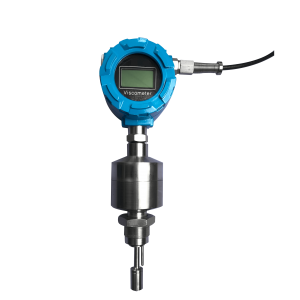
Monitoring solution consistency involves not only regulating NaOH concentration for viscose, but also addressing crystallization and blockage risks common in fiber production. Crystallization can occur if temperature, concentration, or flow rates are poorly managed, obstructing pipes or digester internals. Effective use of inline pressure transmitters ensures that digester pressure is continuously tracked. Inline density meters and viscosity meters, such as those manufactured by Lonnmeter, deliver real-time data on solution parameters—helping optimize mixing, dissolution, and spinning conditions.
Level transmitters and temperature transmitters complement this instrumentation suite, detecting deviations that may indicate imminent blockage in viscose processing or environmental release threats. Plant operations also focus on sealing aging prevention and seal leakage solutions. Seals exposed to caustic solutions deteriorate, risking leaks that harm both worker safety and environmental compliance. Regular inspection schedules, timely replacement protocols, and leak detection sensors are implemented to safeguard process integrity.
The combined application of these control points and inline instruments throughout sodium hydroxide usage in fiber production ensures that each stage—from pulp cooking to fiber spinning—runs reliably. This approach prevents costly breakdowns, promotes crystallization prevention, and supports the uniformity needed for high-quality viscose fiber output.

Chloralkali Process Diagram
*
Key Process Challenges Addressed by Inline Pressure Measurement Solutions
Monitoring and controlling pressure throughout the viscose fiber production process are critical to achieving high product quality and efficient operations. Sodium hydroxide treatment in viscose making, also known as cellulose alkalization, depends on precise pressure control to maintain optimal NaOH solution concentration. Inline pressure transmitters offer real-time feedback, enabling process engineers to act as soon as a deviation is detected. This rapid response is essential for avoiding faults such as fiber inconsistency, yield reduction, or degraded fiber strength that can result from pressure fluctuations during key viscose fiber manufacturing steps.
Lonnmeter inline pressure transmitters address several common operational challenges. Their real-time data empowers swift regulation during cellulose cooking methods, where uniform penetration of NaOH into cellulose pulp is vital. Any lag in detecting pressure shifts can cause localized concentration changes, resulting in uneven alkaline cellulose treatment. For example, if pressure drops unexpectedly during digestion, insufficient sodium hydroxide usage in fiber production may cause weak fiber formation and blockages from incomplete reactions.
Blockage prevention is especially critical, as crystallization can form in the process pipelines when local NaOH concentrations spike, or pressure falls outside set parameters. Lonnmeter transmitters continuously track the digester environment, allowing operators to intervene before crystallization leads to severe blockages. Likewise, by enabling precise steam input regulation in fiber production, they support energy efficiency and optimal temperature control, factors closely linked to maintaining the correct digester pressure and fiber strength uniformity.
Seal aging and leakage are persistent threats in alkaline cellulose treatment environments, where aggressive chemicals accelerate component deterioration. Pressure data from Lonnmeter devices offer early warning of abnormal pressure trends, indicating emerging seal problems. Logging even minor leaks helps prevent production interruptions, product loss, and unscheduled maintenance, reducing long-term costs and protecting operator safety.
Lonnmeter transmitters are engineered for seamless integration with existing automation and control systems. This compatibility streamlines data flows for coordinated decision-making. When used together with inline concentration meters, density meters, viscosity meters, level transmitters, and temperature transmitters, they support comprehensive process oversight. Plant managers can optimize NaOH solution concentration for viscose and digester pressure control, ensure product consistency, and manage energy use efficiently—all vital aspects for reducing maintenance costs and ensuring sustainable viscose fiber production.

Optimal Installation Points and Efficiency Gains
Positioning inline pressure transmitters at the inlet and outlet of the NaOH digester gives a comprehensive, real-time picture of pressure dynamics during crucial cellulose cooking phases. Accurate pressure readings at these locations enable tight control over NaOH solution concentration for viscose, directly impacting alkaline cellulose treatment and the cellulose alkalization process. Placing transmitters near control valves helps track steam input regulation, which is key for optimizing temperature profiles and maintaining consistency across viscose fiber manufacturing steps.
Installations at steam input lines and sites known for crystallization or blockage offer early warning for potential disruptions. Monitoring these zones reduces the risk of seal leakage and supports sealing aging prevention strategies. This proactive approach counters common problems like blockage in viscose processing or uneven NaOH distribution.
Real-time feedback from pressure transmitters underpins stable digester pressure control. Stable operating pressures prevent sudden surges or drops that could cause unplanned stoppages. They also improve fiber strength uniformity by ensuring sodium hydroxide treatment in viscose making remains within target parameters.
Continuous, reliable pressure data reduces inefficiencies from seal leakage, which otherwise leads to fluctuating sodium hydroxide usage in fiber production and maintenance challenges. Efficient pressure monitoring supports the sustainability of viscose fiber production process by cutting chemical waste and limiting downtime. As the, such advanced inline measurement tools are essential for cost-effective, high-quality, and environmentally sound viscose fiber production. The precision that pressure transmitters deliver translates directly into improved operational efficiency, reduced maintenance costs, and superior product uniformity.





Frequently Asked Questions (FAQs)
Q1: How does real-time digester pressure control improve the viscose fiber production process?
Real-time digester pressure control keeps sodium hydroxide treatment and cellulose cooking within tightly regulated parameters. This precision ensures the cellulose alkalization process runs consistently, minimizing fluctuations that can harm fiber uniformity. When pressure remains stable, each cellulose batch receives equal exposure to NaOH, resulting in more predictable and robust fiber strength. The end product delivers improved quality due to these controlled conditions.
Q2: What role does NaOH solution concentration play in viscose fiber manufacturing steps?
NaOH solution concentration for viscose is a determining factor in the success of alkaline cellulose treatment. The cellulose must be exposed to a specific NaOH concentration to undergo effective conversion; too little leads to incomplete reactions, leaving fibers weak and uneven. Excess concentration can degrade cellulose, causing fiber brittleness. Accurate concentration regulation is foundational for maintaining quality control in every step of viscose fiber manufacturing, from initial treatment to final spinning.
Q3: What common issues can inline pressure transmitters help prevent in viscose fiber production?
Inline pressure transmitters are vital for crystallization prevention in fiber production. Stabilized pressure reduces the risk of NaOH crystallizing, which could clog pipes and trigger costly blockages in viscose processing. They also enable sealing aging prevention by flagging abnormal pressure drops, which may indicate seal leakage. Early detection of seal leakage solutions is possible by monitoring these fluctuations, reducing unplanned shutdowns and avoiding product contamination.
Q4: Why is steam input regulation important for viscose fiber strength uniformity?
Steam input regulation controls the temperature and pressure inside the digester, both vital to the cellulose cooking methods. If steam delivery wavers, temperature and pressure can fluctuate, causing inconsistencies in cellulose swelling and fiber formation. Real-time monitoring instruments guarantee that fiber batches achieve uniform structure and strength, supporting consistent product outcomes and reducing wastage due to failed specifications.
Q5: Can other inline process instruments enhance pressure transmitter effectiveness in viscose fiber plants?
Other inline process instruments play a complementary role in monitoring and controlling sodium hydroxide usage in fiber production. Combining inline density meters, viscosity meters by Lonnmeter, concentration meters, level transmitters, and temperature transmitters creates a more complete picture of process health. For example, density meters verify the concentration of NaOH solutions during cellulose alkalization, while viscosity meters check the flow properties needed for efficient spinning. These instruments ensure that every parameter is synchronized, improving fiber quality and process efficiency.
Post time: Jan-15-2026


