

Inline pressure measurement is essential in the nitration of benzene due to the stringent control required over reactor conditions. During the benzene nitration process, accurate monitoring of pressure helps to maintain optimal conversion rates and prevents deviations that can compromise product quality or plant safety. Nitrate reactor design must address the hazards associated with gas-liquid-solid three-phase reactions. Rapid exothermic events, sudden release of nitrogen oxides, or accidental blockages can generate abrupt pressure changes, posing risks of equipment rupture or environmental releases.

Nitration of Benzene
*
The Nitration of Benzene and its Operational Complexities
The nitration of benzene stands as a foundational process in large-scale chemical manufacturing, transforming benzene and mixed acid into nitrobenzene, a key fine chemical intermediate. Nitrobenzene’s broad utility spans the production of pharmaceuticals, dyes, explosives such as TNT, and advanced polymer precursors. The process’s industrial significance is anchored not only in the economic value of nitrobenzene applications but also in the rigor with which operational parameters must be controlled.
Comprehensive Overview of Industrial Benzene Nitration Process
The industrial nitration of benzene is a foundational step in producing nitrobenzene, a precursor in fine chemical intermediates such as aniline synthesis. At its core, this transformation uses electrophilic aromatic substitution, where benzene is converted into nitrobenzene by reaction with a nitrating mixture—typically concentrated nitric acid and sulfuric acid. The mixed acid facilitates the formation of the nitronium ion (NO₂⁺), the principal electrophile, through the reaction:
2 H₂SO₄ + HNO₃ → NO₂⁺ + H₃O⁺ + 2 HSO₄⁻
The nitronium ion attacks the benzene ring, producing nitrobenzene while releasing heat due to the exothermic nature of the reaction. Rigorous control over temperature, acid concentration, and reactant flow rates is crucial; excessive heat or concentration variations can cause unwanted by-products and process instability, making fine-tuned operational parameters indispensable for optimal nitrobenzene synthesis and avoiding dangerous side reactions.
In designing industrial nitrate reactors, engineers must address several technical challenges. The reaction’s significant exothermicity requires heat exchangers or cooling jackets integrated into reactor vessels. Reactor construction materials must withstand continuous exposure to highly oxidative and corrosive acids. Glass-lined steel and fluoropolymer-lined reactors are common, but tantalum and corrosion-resistant alloys can offer increased longevity in critical areas, especially with the introduction of tantalum diaphragm pressure transmitters for accurate, stable pressure measurement. Tantalum’s chemical inertness under mixed acid conditions reduces maintenance and downtime.
Effective pressure measurement in nitration reactors is vital. Maintaining pressure within safe, designed limits ensures structural integrity, mitigates risks associated with feed throttling, and enables closed-loop control for automated systems. Real-time pressure monitoring, using advanced transmitters designed for aggressive environments, supports both safety and process optimization. Modern reactors employ strategically positioned inline pressure transmitters featuring self-cleaning ports and regular purge cycles to counteract blockages from precipitating solids or evolving gases that are common in the gas-liquid-solid three-phase mixture found during continuous operation.
A particular operational concern is pressure tapping channel clogging. Due to multiphase flow and solid formation during nitration, pressure taps can become obstructed, leading to inaccurate readings or abrupt pressure spikes. Solutions such as self-cleaning transmitter designs, optimized port placement away from zones prone to solid deposition or gas evolution, and routine purging protocols significantly decrease downtime and maintenance intervention. This continuous pressure control allows operators to avoid sudden, hazardous increases in reactor pressure while maintaining unbroken process continuity.
Recent developments in heterogeneous catalysis—specifically with eco-friendly solid acid catalysts—provide higher yields and reduced sulfuric acid consumption. This innovation improves the sustainability of the nitrobenzene production route and lessens the corrosion risk associated with excessive use of strong acids. Using tailored nanocatalysts or composite oxide materials, manufacturers achieve efficient nitronium ion generation in liquid-phase reactions, simplifying reactor operation, reducing environmental impact, and facilitating easier pressure management.
Material selection for reactor internals and instrumentation remains key, as mixed acids pose severe corrosion threats. Tantalum diaphragm pressure transmitters are standard in modern installations for their resistance to chemical attack, reducing costly replacements and allowing extended operational periods without process interruptions.
Overall, industrial benzene nitration leverages precise chemistry, controlled reactor engineering, specialized instrumentation, and advanced corrosion-resistant materials to deliver safe, scalable nitrobenzene production. Each advancement in reactor design, catalyst technology, or real-time pressure control directly supports the efficiency and reliability demanded in fine chemical intermediates production.

Nitrobenzene Production via Benzene Nitration
*
Challenges in Nitrate Reactor Operation
Mixed Acid Properties and Aggressive Environment
The benzene nitration process relies on a mixture of concentrated nitric and sulfuric acids, forming a strongly oxidizing and highly corrosive medium. This mixed acid environment aggressively attacks common construction materials, causing rapid equipment degradation, thinning of pipe walls, and accelerated gasket failures. Corrosion in the nitrate reactor not only shortens the lifespan of critical components but also increases the risk of process leaks, which can create hazardous working conditions due to both the toxicity of the chemicals and the potential for runaway reactions. Tantalum diaphragm pressure transmitters are frequently specified because tantalum resists chemical attack even under severe mixed acid exposure. Selecting proper wetted materials for all reactor sensors and tapping points is essential for reducing maintenance frequency and maintaining reliable benzene nitration process control.
Gas-Liquid-Solid Three-Phase Reaction Complications
The nitrate reactor’s operation features simultaneous presence of gas, liquid, and solid phases. Nitrogen oxides and steam evolve as gases; acids and benzene form the liquid phase; insoluble reaction byproducts appear as solids. This three-phase system leads to highly variable flow regimes. Eddies, swirling, and plug formation can occur in pipes and taps. Solid particles and sticky deposits threaten to clog pressure transmitter tapping channels and impulse lines, most notably at the sensor diaphragm or tubing bends. Clogging directly compromises the reliability of real-time pressure readings, which can cause delayed or erroneous process responses and impact nitrobenzene quality. Preventive maintenance routines, such as periodic flushing and using impulse line designs with minimized deadlegs, are standard industry practices to counter these challenges. Correct placement of advanced pressure sensors in regions with less solid deposition enhances continuous monitoring performance.
Abrupt Pressure Rises and Safety Threats
Benzene nitration is a strongly exothermic reaction. Sudden increases in temperature or acid flow rates can lead to abrupt pressure spikes. Without real-time monitoring, these pressure increases may exceed the design limits of reactor vessels and piping, risking mechanical rupture, hazardous release of toxic gases, and plant safety compromise. Real-time pressure monitoring with robust transmitters, such as those equipped with tantalum diaphragms, provides early detection of unsafe trends. Immediate operator intervention, automatic shutdown protocols, and alert sequences rely on reliable sensor outputs. Regular calibration and maintenance of pressure transmitters further ensure operational safety, preventing overpressure incidents and maintaining a secure environment for continuous nitrobenzene production. Sensors must be strategically located and adequately protected from process fouling to deliver uninterrupted performance under challenging nitration conditions.
Advanced Inline Pressure Measurement: Addressing Reactor Control Demands
Pressure Transmitters in Benzene Nitration
Precise pressure control is essential in the nitration of benzene, where mixed acid’s oxidizing and corrosive properties present demanding reactor conditions. Pressure transmitters such as the Rosemount 3051 are engineered to meet these challenges. They use corrosion-resistant diaphragms—commonly sapphire or tantalum—to withstand the aggressive action of nitric and sulfuric acids. The transmitter’s construction ensures stable, drift-free readings over extended operation, an important feature since even minor deviations in pressure can affect nitrobenzene purity and reactor safety.
The real-time pressure data from the transmitter allows for immediate process control responses. As pressure within the nitrate reactor can quickly escalate due to rapid gas evolution or exothermic reactions, automated systems use these readings to modulate feed rates and venting routines. This helps keep pressure within strict limits needed for the nitrobenzene production process and reduces off-spec batches.
Ease of maintenance and calibration is another critical factor. The Rosemount 3051 supports field calibration, letting technicians quickly recalibrate on-site without disassembling the device, which diminishes downtime and ensures safer, more efficient nitrobenzene production, as described in manufacturer technical documentation.
The robust transmitter design also resists fouling from acid vapors or reaction byproducts, avoiding process interruptions. Rapid detection and recovery prevent dangerous pressure excursions and ensure continued output of fine chemical intermediates for pharmaceuticals and other nitrobenzene applications.
Tantalum Diaphragm Benefits
A tantalum diaphragm is preferred for nitrate reactor applications due to its high corrosion resistance. Unlike steel or conventional alloys, tantalum maintains its integrity in the presence of concentrated acids at elevated temperatures and pressures. For the gas-liquid-solid three-phase reaction challenges in benzene nitration, this is vital; lesser materials may pit, rupture, or catalyze unwanted side reactions.
Tantalum’s resistance to the mixed acid environment reduces unscheduled transmitter changes. This minimizes downtime and maintenance costs, ensuring continuous real-time pressure monitoring in chemical reactors. In practice, operators experience fewer incidents of sensor clogging or failure, both of which can lead to abrupt pressure rises—a major safety hazard in nitration reactors.
These attributes make advanced pressure sensors with tantalum diaphragms indispensable for meeting the reliability and safety expectations of modern nitrate reactor design, especially when producing high-purity nitrobenzene for fine chemical intermediates.
Product Integration and Installation Practices
Correct installation of advanced pressure sensors and transmitters in the benzene nitration process is crucial for efficiency and safety. Recommended points of installation include both upstream and downstream of the nitrate reactor, interstage mixing locations, and areas near pressure tappings prone to clogging. Positioning at these locations enables real-time pressure monitoring, providing early warning of pressure fluctuations that could arise from irregular feed rates, catalyst fouling, or blockages in the mixed acid lines.
Strategically placing pressure transmitters helps rapidly detect subtle shifts linked to the mixed acid’s oxidizing and corrosive properties. For example, mounting sensors close to the reactor inlet ensures prompt identification of feed pressure changes, minimizing the risk of unsafe conditions during nitrobenzene production. Similarly, installing monitoring devices near interstage mixing points allows operators to assess the effectiveness of gas-liquid-solid mixing, a core challenge in three-phase reactions. This setup supports safer operations and enhances fine chemical formulation for pharmaceutical intermediates.
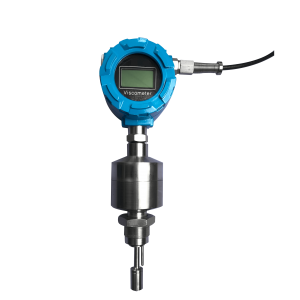
Integrating inline analyzers such as concentration meters, density meters—by Lonnmeter—viscosity meters, level transmitters, and temperature transmitters establishes a holistic process monitoring system across the nitration reaction mechanism. Inline density and viscosity meters verify that the physical properties of the reaction medium align with process targets, helping to prevent unplanned shutdowns caused by deviations in nitrobenzene production conditions.
This comprehensive instrumentation also supports better catalyst utilization and waste reduction. When a combination of sensors signals abnormal readings—for example, low pressure combined with irregular density—the process can be adjusted before off-spec product or hazardous conditions develop. Inline analyzers facilitate prompt interventions and optimize nitrate reactor design for efficiency and production reliability.
Special care in installation is required near potential clogging-prone pressure tappings. Using sensors with a tantalum diaphragm at these sites provides protection from the mixed acid’s aggressive and oxidizing nature, ensuring long-term accuracy and minimizing maintenance downtime. Proper calibration and maintenance of pressure transmitters, especially those with advanced features for chemical processing, are essential for sustained performance and operator safety.
Close coordination of all sensing devices empowers plant teams to maintain stable operating profiles. This reduces safety risks associated with abrupt pressure changes, improves product consistency, and supports high-value nitrobenzene applications within fine chemical and pharmaceutical manufacturing.
Combating Process Bottlenecks and Reducing Cost
Inline pressure transmitters are pivotal in optimizing the nitration of benzene by enabling real-time pressure monitoring throughout the nitrobenzene production process. These sensors collect continuous and highly accurate data from the nitrate reactor, eliminating the need for frequent manual sampling. Reduced manual sampling lowers labor costs and limits operator exposure to the mixed acid’s highly corrosive and oxidizing environment, increasing both efficiency and safety.
With uninterrupted data streams, processes like the benzene nitration reaction can be analyzed for trends that indicate deterioration or early signs of malfunction. This supports predictive maintenance, reducing unplanned equipment outages and costly shutdowns for emergency repairs. By leveraging detailed pressure profiles, maintenance teams can schedule interventions based only on real evidence, not rigid intervals, maximizing equipment uptime and resource use.
Continuous monitoring by advanced pressure sensors enables the control system to adapt acid and energy inputs, improving the stoichiometry of the nitration reaction mechanism. This approach allows the reactor to maintain optimal operating conditions. As a result, energy consumption drops, acid inventory is conserved, and the throughput of nitrobenzene—an essential fine chemical intermediate for pharmaceuticals and other applications—improves. These gains lower overall unit production costs and enhance plant competitiveness.
The use of inline data also strengthens safety safeguards. Pressure spikes—caused by issues like clogging from solid byproducts or abrupt changes in reaction rate—are detected instantly by transmitters. Automated safety interlocks respond by isolating affected sections or adjusting feeds, protecting personnel and production assets. These rapid interventions are particularly vital given the exothermic nature of the nitration process and the risk associated with handling strong acids and nitrated aromatics.
Sensor choice is critical for maximizing longevity and cost control in this harsh environment. Diaphragms manufactured from tantalum, as often adopted in advanced pressure transmitters, resist the corrosive mixed acid found in the reactor. This material minimizes maintenance frequency, prevents drift in pressure readings, and supports the reliability of both safety and control systems.
The combined effect of predictive maintenance, resource optimization, and automated safety delivers substantial savings across the nitrobenzene production process. Implementing inline sensing technologies such as real-time pressure monitoring tools and robust materials selection is fundamental to overcoming three-phase reaction challenges and achieving economic, safe, and sustainable chemical manufacturing.

Key Safety Measures for Reactor Management
Real-time monitoring within the nitration of benzene is central to maintaining secure and stable reactor conditions. Advanced inline sensors—like pressure transmitters equipped with tantalum diaphragms—continuously track actual pressure values within the nitrate reactor. This live feedback is crucial during complex gas-liquid-solid three-phase reactions, where sudden pressure surges may occur due to clogging, rapid gas evolution, or the aggressive oxidizing and corrosive properties of mixed acids.
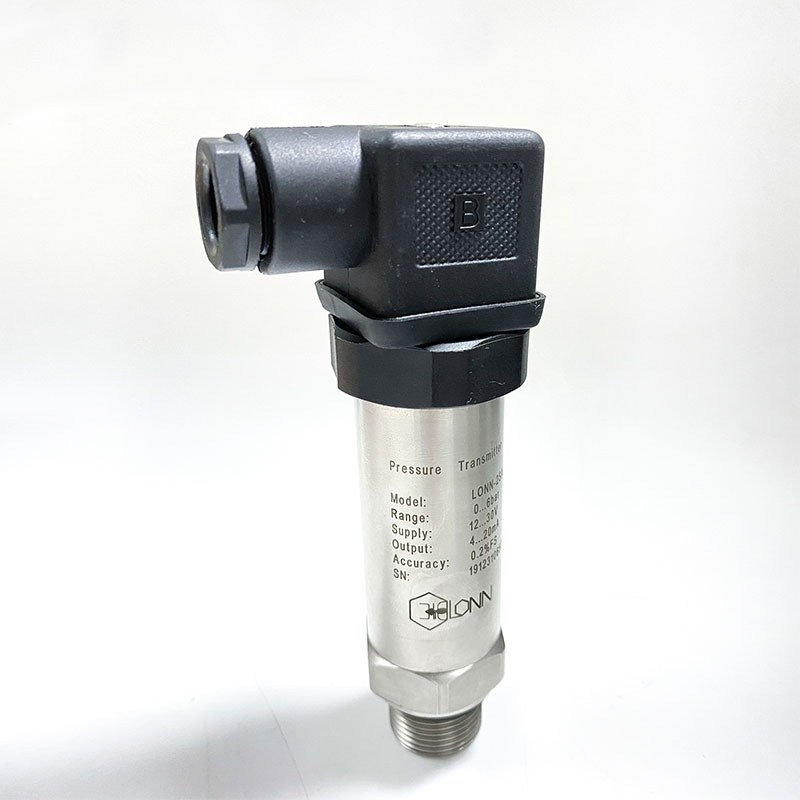
Inline pressure sensors and meters, including those manufactured by Lonnmeter, provide robust, corrosion-resistant measurements essential when processing nitrobenzene, fine chemical intermediates for pharmaceuticals, and other sensitive products. Tantalum diaphragms offer optimal chemical compatibility for nitric and sulfuric acid environments, significantly enhancing sensor longevity and reliability. Real-time pressure monitoring in chemical reactors allows operators to detect deviations immediately, which is especially critical during emergency venting or depressurization protocols to prevent catastrophic outcomes.
Pressure signals from these advanced sensors integrate directly with distributed control systems. This seamless connection ensures immediate response to unsafe conditions—a key safeguard against runaway nitration reaction mechanisms. If pressure rises beyond preset limits, the control system can automatically trigger corrective actions, such as emergency isolation, venting, or gradual reactor depressurization. These interventions help mitigate the risk of reactor overpressure, environmental release, and ensure compliance with rigorous safety standards in nitrobenzene production processes.
Calibration and maintenance are essential for sensor integrity. For example, pressure transmitters (such as the Rosemount 3051) require regular calibration to maintain accuracy under varying process loads. Ensuring prompt sensor maintenance brings consistent reliability, reducing the incidence of false alarms and guaranteeing precise response when abrupt pressure changes occur.
Preventing clogging is another critical aspect—inline density meters and viscosity meters from Lonnmeter are designed to withstand fouling and maintain accurate readings across the demanding conditions of the benzene nitration reactor. Reliable sensor performance ensures that data transmitted to control systems remains trustworthy, empowering safe decision-making and reducing the likelihood of uncontrolled nitrobenzene release.
By leveraging these technologies and rigorous protocols, facilities can address the unique safety challenges posed by the oxidizing and corrosive operation of the nitrate reactor. This approach ensures both efficient nitrobenzene production and robust safety management throughout chemical processing stages.
Why Choose Lonnmeter Inline Pressure Transmitters?
Lonnmeter inline pressure transmitters are engineered to meet the stringent demands of the benzene nitration process. This reaction occurs in highly corrosive environments, where the mixed acid system—typically sulfuric and nitric acids—poses serious challenges to sensor longevity and accuracy. Lonnmeter transmitters deliver precise, real-time pressure data vital for maintaining reaction efficiency, safety, and product yield in nitrobenzene production.
A core advantage of Lonnmeter’s design is its use of specialized materials. The deployment of a tantalum diaphragm ensures maximum corrosion resistance against aggressive mixed acid media. Tantalum offers superior inertness compared to standard stainless steels, dramatically reducing sensor degradation and measurement drift in the hostile oxidizing and corrosive conditions present during nitration of benzene. This directly supports reactor uptime and reliable operation.
Pressure sensors in nitrate reactors must contend with the dynamic and sometimes unpredictable pressure profiles caused by gas-liquid-solid three-phase reaction challenges. Lonnmeter’s transmitters are engineered for resilience under these conditions, providing stable readings even when rapid pressure surges or abrupt changes occur. This robustness is essential for safety measures, particularly when preventing runaway reactions or equipment failure caused by pressure excursions.
Maintenance simplicity is another distinction of Lonnmeter devices. The streamlined design reduces susceptibility to clogging by solids and allows for easy in-situ cleaning or recalibration—key for minimizing downtime in continuous nitrobenzene production. Furthermore, they are compatible with standard plant calibration procedures, making integration with established workflows straightforward.
Seamless integration with plant control architectures amplifies the utility of Lonnmeter transmitters. Their signal output forms the backbone of advanced process monitoring instrumentation, allowing direct feedback into distributed control systems (DCS). Reliable, high-resolution pressure data supports finely-tuned nitrate reactor design and operation, enabling fine-tuning of reaction conditions, quick response to deviations, and better yield of fine chemical intermediates used in pharmaceuticals.
Consistent real-time pressure monitoring using Lonnmeter transmitters helps prevent dangerous conditions such as over-pressurization. When abnormal trends are detected, automated safety measures can rapidly adjust feed rates or activate relief systems to protect personnel and assets. These features are essential for risk management in nitrobenzene applications where any loss of pressure control could threaten product integrity and plant safety.
In summary, Lonnmeter resources excel in the benzene nitration process by combining durable, corrosion-resistant materials, operational resilience, ease of maintenance, and seamless data integration, powering the safe and efficient production of nitrobenzene and downstream intermediates.





Frequently Asked Questions (FAQs)
What role does inline pressure measurement play in the nitration of benzene?
Inline pressure measurement is essential in the nitration of benzene, a process that is highly exothermic and sensitive to disturbances. Continuous, real-time data from inline pressure transmitters support immediate control adjustments, stabilizing reaction conditions to prevent sudden pressure spikes or drops. This minimizes the risk of process upsets, overpressure events, and hazardous releases, protecting both plant equipment and personnel. Pressure transmitters are critical to maintaining optimum reaction parameters and yield throughout the nitrobenzene production process.
Can tantalum diaphragm pressure transmitters withstand the strong oxidizing and corrosive properties of mixed acid?
Tantalum diaphragms are specifically selected for their exceptional resistance to corrosive and oxidizing environments, such as the nitric-sulfuric acid mixtures used in benzene nitration. These diaphragms ensure the pressure transmitters operate reliably without degrading or leaching contaminants into the process. Even under prolonged exposure, they maintain sensor integrity and deliver accurate readings, which is essential for safe, long-term reactor operation in nitrobenzene manufacturing.
How do gas-liquid-solid three-phase reaction challenges affect pressure measurement in nitrate reactors?
Gas-liquid-solid three-phase reactions are common in nitration processes and introduce unique challenges. Gas bubbles or solid particles can obstruct pressure tapping points and impulse lines, leading to unreliable or false readings and potential transmitter malfunction. Clogging can cause delayed response times and create safety hazards. The latest inline pressure transmitters incorporate features like self-cleaning diaphragms or clog detection alarms, which help ensure the accuracy and reliability of pressure data, even with frequent phase transitions and fouling risks in nitrate reactor design.
What are the maintenance requirements for the pressure transmitter Rosemount 3051 in nitration reactors?
The Rosemount 3051, especially when equipped with a tantalum diaphragm, is engineered for reduced routine maintenance and straightforward calibration. Scheduled diagnostic runs and periodic calibration checks help uphold accuracy. Preventive cleaning of impulse lines and inspections for signs of fouling or blockage in the diaphragm area are advised. Consistent maintenance preserves measurement reliability, promptly detects potential sensor drift, and minimizes unplanned downtime in the nitrobenzene production process.
Why is real-time pressure monitoring necessary for safety in benzene nitration?
Real-time pressure monitoring is essential for immediate detection of rapid or abnormal pressure shifts in the benzene nitration process. Such capability enables operators to intervene before conditions escalate into hazardous situations like reactor overpressurization or containment loss. This is crucial for reliably producing fine chemical intermediates for pharmaceuticals and other applications. Real-time monitoring, paired with robust sensors and advanced alarm systems, is vital to maintaining high safety standards in modern chemical reactors.
Post time: Jan-16-2026


