

Inline pressure transmitters anchor the safety and efficiency of glacial acetic acid production and purification. The acetic acid distillation process depends on stable pressure management—especially in vacuum distillation and dehydration towers, where even slight deviations can impact both operational safety and product quality.
Precise, real-time feedback from inline pressure transmitters prevents pressure surges that can trigger overflows, foaming, or thermal decomposition of acetic acid. These risks are amplified in vacuum distillation for acetic acid concentration, where tight process pressure control not only boosts product purity but also limits energy use associated with reboiler operation and tower reflux. Effective pressure control directly affects column loading, vapor-liquid equilibrium, and, ultimately, the yield of high-purity acetic acid.

Acetic Acid Distillation Column
*
Overview of Industrial Glacial Acetic Acid Production and Purification
Industrial glacial acetic acid production and purification starts with the transformation of raw materials—most commonly methanol through carbonylation or bioconversion of biomass—into crude acetic acid. Upstream processing involves reactors where feedstock conversion takes place. Commonly used catalysts, like rhodium complexes, facilitate efficient methanol carbonylation, resulting in a crude product containing water and various byproducts.
After reaction, the mixture undergoes initial separation to remove heavier or insoluble byproducts. Crude acetic acid streams, which still hold significant amounts of water and low-boiling impurities, are routed to downstream purification. Here, the process centers on a sequence of thermal and liquid-liquid extraction operations to strip water and trace impurities while recovering high-purity acetic acid.
The acetic acid distillation process is fundamental. Distillation columns—especially dehydration towers—remove water and adjust acetic acid concentration. Dehydration towers rely on counter-current vapor-liquid contact at controlled temperatures and pressures to drive water towards the column top while retaining acetic acid at the base. Vacuum distillation columns follow, enabling separation of acetic acid from lower-boiling impurities and acetic anhydride with reduced thermal decomposition risk. Process pressure control throughout these columns is crucial: low pressures reduce boiling points, lowering energy demand and preserving product quality as highlighted in technical reviews and industry guidelines.
Critical process equipment includes:
- Dehydration towers tasked with water removal.
- Vacuum distillation columns designed for impurity separation and energy management.
- Heat exchangers to integrate process heat and minimize energy loss.
- Condensers for vapor recovery and reflux control.
- Liquid-liquid extraction stages where solvents like esters may strip out remaining traces of water or byproducts.
Modern industrial acetic acid purification methods blend thermal separation with advanced operations for better efficiency and yield. Membrane technologies—though less common than distillation—offer selective water–acetic acid separation for specific feedstocks. Energy-saving liquid-liquid extraction, using selective solvents upstream or downstream of distillation, boosts removal of azeotropic impurities and reduces energy intensity. Plants commonly blend process optimization strategies, using real-time data and automation to synchronize distillation, extraction, and dehydration stages for optimal product quality and energy efficiency.
Maintaining high-purity glacial acetic acid hinges on reliable process controls and careful instrumentation selection. Lonnmeter inline density and viscosity meters deliver real-time data for process verification, particularly in crude separation and post-distillation quality checks. Integration of these analyzers allows for continuous monitoring, streamlined troubleshooting, and immediate response to deviations, ensuring consistent, high-yield operation.
In practice, vacuum distillation for acetic acid concentration remains popular due to its scalability and energy efficiency, while dehydration tower operation and maintenance have become focal points for maximizing throughput and minimizing costly downtime. Proper design and optimized operation of each separation unit provide the backbone for reliable, high-volume glacial acetic acid production that meets rigorous commercial and regulatory standards.
Core Concepts in Acetic Acid Distillation and Pressure Control
Acetic acid distillation column design and operation prioritize precise control of mass transfer. The column must efficiently separate acetic acid from common impurities such as water, acetaldehyde, and formic acid. This relies on selecting internal hardware—sieve trays, bubble cap trays, or high-capacity structured packing—to match expected vapor and liquid traffic.
The reflux ratio determines the purity and yield achievable. Too low, and component separation falters; too high, and energy demands escalate without improvement. Hydraulics inside the column must be stable across all trays to prevent flooding or weeping, both of which impair separation efficiency. Stable process pressure underpins all elements of acetic acid distillation process optimization, as boiling points and vapor–liquid equilibria shift with any fluctuation.
Glacial acetic acid production and purification require vacuum distillation to maximize purity while averting thermal decomposition. Operating under controlled sub-atmospheric pressure drops the boiling point of acetic acid well below its decomposition threshold, protecting product quality. Careful management of vacuum ensures consistent operation. Pressure excursions introduce risk—rising pressure may cause thermal degradation, while a drop compromises column hydraulics and may allow vapor carryover into downstream systems.

Acetic Acid Purification Process
*
The acetic acid dehydration tower is engineered for one purpose: aggressive water removal. Water and acetic acid form azeotropes, limiting conventional distillation. The dehydration tower, often operating at reduced pressure and equipped with specialized internals, strips water to meet glacial specifications. If water is not effectively removed, downstream distillation stages cannot achieve target product purity regardless of energy input. Routine maintenance of the dehydration tower’s trays, circulation pumps, and instrumentation is essential. Operators monitor for early signs of problems, such as unusual pressure drops or temperature deviations, which may signal fouling, tray damage, or vapor bypass.
Continuous measurement and control protect the dehydration tower against operational hazards. Frequent issues like flooding (caused by excess liquid holdup) or weeping (liquid leaking through trays) directly affect acetic acid yield and quality. For troubleshooting acetic acid distillation systems, operators rely on process data to diagnose and correct these issues promptly, minimizing efficiency loss.
Process pressure control methods in acetic acid production rely on direct inline measurement using robust transmitters. Accurate pressure readings form the foundation of automated feedback loops that adjust set points to maintain stability in distillation and dehydration towers. Safety interlocks use these same measurements, rapidly triggering shutdowns in the event of dangerous deviations to protect both equipment and personnel.
Advanced pressure measurement in chemical processing often utilizes high-reliability transmitters like those based on differential capacitance principles. Proper calibration is crucial—drift can cause faulty readings and suboptimal control, so routine reference to guides such as the Rosemount 3051 pressure transmitter calibration guide is common practice.
In all stages, industrial acetic acid purification methods depend on a combination of equipment integrity, continuous measurement, and process automation. Every step, from vacuum distillation for acetic acid concentration to dehydration and final purification, is enabled by precise and stable pressure control. Lonnmeter in-line density and viscosity meters are often integrated at key points, providing critical process data alongside the pressure and temperature measurements essential for efficient, high-yield operation.
Advanced Inline Instruments for Acetic Acid Distillation and Purification
In glacial acetic acid production and purification, advanced inline instruments give operators immediate, high-precision data to optimize the distillation column design and operation. Inline pressure transmitters, such as those produced by Lonnmeter, are vital for monitoring column pressure, especially in vacuum distillation for acetic acid concentration. These transmitters ensure stable operating pressures during dehydration tower operation and within main fractionation columns, securing product quality and process safety.
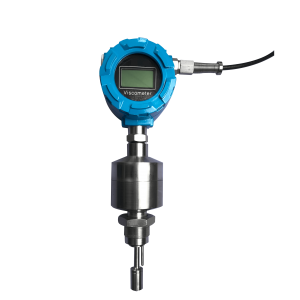
Beyond pressure sensors, plants integrate inline instruments such as concentration meters, density meters, viscosity meters, level transmitters, and temperature sensors. Inline concentration meters track acid strength, quickly flagging deviations that signal leaks, entrained water, or incomplete separation. Density meters, including models from Lonnmeter, continuously validate product purity and inform distillation process optimization. Inline viscosity meters reveal changes in feedstock or indicate polymer buildup on trays or packing—a crucial diagnostic tool during troubleshooting acetic acid distillation systems.
Level transmitters keep operators informed about liquid holdup in columns and reboilers. This prevents flooding and ensures correct reflux ratios for efficient separation in glacial acetic acid vacuum distillation techniques. Temperature sensors, installed at strategic locations like column trays, the overhead accumulator, and reboiler, provide essential feedforward and feedback data for advanced acetic acid process pressure control methods.
Lonnmeter’s inline pressure transmitter parallels established methods for advanced pressure measurement in chemical processing. When installed on dehydration towers, it supplies realtime vacuum level feedback. This is critical for keeping water evaporation and acetic acid stripping step precisely controlled and maintaining desired overhead composition. In the main distillation column, pressure control signals from the Lonnmeter transmitter adjust vent valves, reflux flow, and condenser duty. This prevents hazardous overpressure events and preserves optimal separation efficiency which is core to industrial acetic acid purification methods.
Real-world operation often presents challenges such as fouling, sudden feed composition swings, or vacuum leaks. Rapid, accurate feedback from the full suite of inline sensors lets operators and control systems react immediately, stabilizing the process and reducing the risk of off-spec batches. Advanced inline instrumentation does not just boost safety and compliance but significantly enhances overall process efficiency and product recovery across modern acetic acid purification plants.

Installation Placements and Optimization for Inline Pressure Measurement
Precise placement of inline pressure measurement devices is critical for effective process control in glacial acetic acid production and purification. In a typical acetic acid distillation column design and operation, instrument positioning impacts response time, data reliability, and system optimization. Recommended installation points include column vapor outlets, reboiler lines, condenser returns, and crucial junctions within dehydration towers and extraction loops.
At column vapor outlets, inline pressure transmitters capture real-time fluctuations in vapor phase, directly correlating with overhead product composition and purity. This positioning improves acetic acid distillation process optimization by enabling operators to quickly respond to pressure disturbances—minimizing lag between process changes and system remediation. For vacuum distillation techniques, especially when concentrating glacial acetic acid, mounting transmitters in reboiler lines supports early detection of sudden pressure changes, which can indicate fouling, leaks, or vapor flow disruptions.
Installing inline transmitters at condenser return lines enhances monitoring of dynamic pressure changes during condensed-phase transitions. Proper placement here yields more accurate feedback for controlling column pressure, which is highly sensitive in vacuum distillation for acetic acid concentration. In dehydration towers, transmitters near feed injection points, vapor outlets, and side draw lines can illuminate pressure profiles essential for troubleshooting distillation systems and improving plant uptime.
Optimized placement contributes directly to minimized raw material consumption and reduced product losses. With rapid, reliable pressure feedback, operators can tighten control over sensitive operations, reacting to deviations before they amplify. This dramatically lowers the frequency and volume of off-spec product requiring rework, supporting industrial acetic acid purification methods at scale. Locating devices at critical junctions helps ensure that measured parameters align closely with the actual state of the process, increasing the value of advanced pressure measurement in chemical processing.
Supporting these placements with robust inline transmitters, plant engineers can faithfully execute acetic acid process pressure control methods. Strategic installation ensures quick signals for operational corrections during every phase, ultimately maximizing uptime and supporting continuous, efficient glacial acetic acid production and purification.
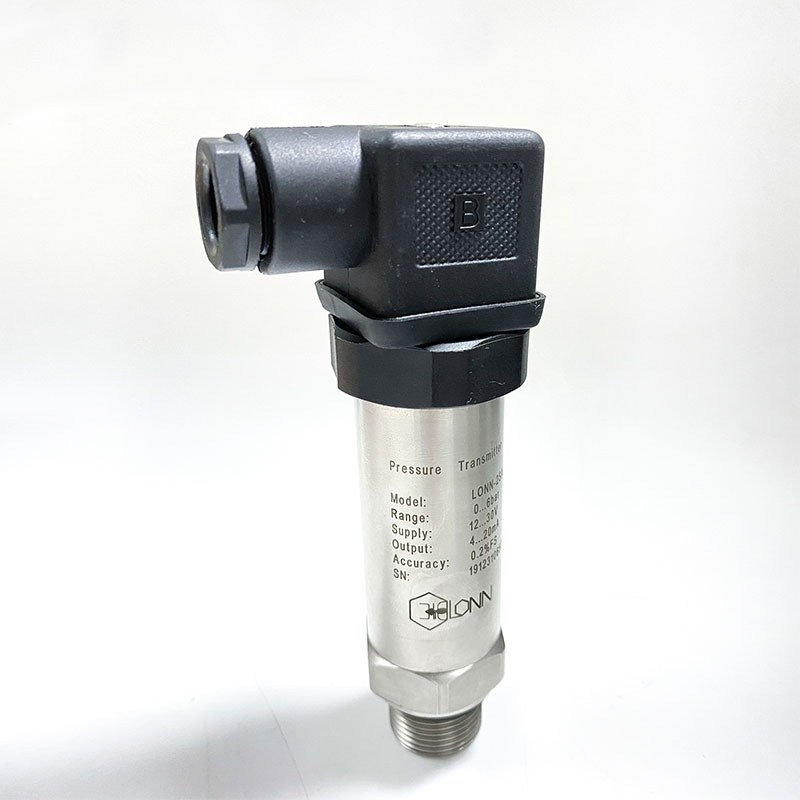
Lonnmeter Inline Pressure Transmitter
The Lonnmeter inline pressure transmitter is designed to meet the demanding requirements of glacial acetic acid production and purification. Engineered for chemical resistance, it operates reliably in harsh environments found in acetic acid distillation columns, dehydration towers, and vacuum distillation units.
A standout feature is the transmitter’s fast digital response. This capability optimizes acetic acid distillation process control by ensuring real-time pressure feedback. Quick pressure readings are essential for monitoring total column pressure, stabilizing vacuum conditions during vacuum distillation for acetic acid concentration, and enabling precise regulation in high-purity acetic acid dehydration towers.
The device boasts extensive chemical compatibility, supporting exposure to concentrated acetic acid vapor and cleaning-in-place agents. Its robust design protects measurement components from corrosion, minimizing sensor drift and maintenance needs in continuous operation scenarios typical of industrial acetic acid purification methods.
The Lonnmeter transmitter seamlessly integrates with contemporary DCS and PLC plant architectures. It features universal communication protocols, which simplify wiring and commissioning in new and retrofit projects. This removes the complexity often associated with integrating traditional analog transmitters into distributed control systems, leading to efficient upgrades when optimizing acetic acid distillation column design and operation. The transmitter is a direct replacement option for legacy or Rosemount pressure transmitters, ensuring straightforward installation. Comprehensive certifications support deployment in regulated chemical environments.
Advanced diagnostic functions are included, enhancing system reliability. The transmitter actively detects deviations from standard pressure profiles, such as unexpected pressure drops in vacuum circuits or abnormal spikes during process upsets. These digital diagnostics enable early detection of column flooding, leaks, or vacuum failures, which are common troubleshooting scenarios in acetic acid distillation systems. Automated alarms deliver rapid notification, reducing manual checks and allowing proactive maintenance that prevents unplanned downtime.
By combining fast digital measurement, high chemical durability, and plug-and-play plant integration, the Lonnmeter inline pressure transmitter is a precise and reliable tool for advanced pressure measurement in chemical processing applications—including challenging acetic acid process pressure control methods.
Efficiency Gains and Cost Reduction with Modern Inline Instruments
Modern inline instruments, such as the Lonnmeter series, have significantly transformed glacial acetic acid production and purification. By fully integrating inline density meters, concentration sensors, and level transmitters into distillation columns and dehydration towers, plants realize strong efficiencies and lower costs across multiple aspects of operation.
Process stability is a direct result of real-time inline measurement. With Lonnmeter density meters, continuous feedback ensures acetic acid distillation process optimization by keeping column operation within optimum parameters. Density and concentration readings are immediately available, enabling control systems to adjust reflux ratios, heating rates, and vacuum conditions, crucial for stable operation in glacial acetic acid vacuum distillation techniques. This results in fewer fluctuations, tighter control of both overhead and bottoms product specifications, and less risk of producing off-spec material.
Tighter control also translates into measurable energy savings. More precise control of column pressure and temperature means that only the required energy is consumed for vaporization and separation. In practice, inline measurement allows process pressure controllers—supported by input from tools like pressure transmitters configured using established acetic acid process pressure control methods—to minimize swings, thus avoiding excessive reboiler or vacuum pump operation. Energy savings compound with reduced generation of off-spec batches. Fewer excursions mean less material is reprocessed or discarded, directly impacting the bottom line.
Predictive diagnostics enabled by these instruments further streamline maintenance. Inline density and concentration meters, like the Lonnmeter series, continuously report health and calibration status. Operators receive early warning of sensor drift or fouling, particularly important during prolonged continuous runs in vacuum distillation for acetic acid concentration and dehydration stages. Maintenance is planned based on equipment condition, not a fixed calendar, reducing unexpected downtime and extending asset life. As a result, troubleshooting acetic acid distillation systems becomes more systematic, with fewer after-the-fact corrections.
Cost reduction is reinforced in several ways. Real-time measurement and control eliminate the need for frequent manual sampling, lowering labor requirements and the risk of sample handling errors. Predictive alerts decrease reliance on emergency repairs and shortens process interruptions. Product loss is minimized because accurate density feedback ensures that the switch between product tanks is optimized, and off-grade transitions are sharply reduced. Utilities consumption is lower since only the required steam or vacuum is used to maintain target setpoints. Additionally, fewer unscheduled shutdowns mean the plant makes fuller use of its installed capacity.
By linking these instruments in modern distributed control architectures, each sensor—density, concentration, level—feeds continuous data for rapid adjustment and oversight. The result is a more reliable, energy-efficient, and cost-effective system for industrial acetic acid purification methods, particularly in applications demanding high purity or operated under vacuum distillation conditions. These improvements directly support ongoing plant competitiveness and compliance with stringent quality requirements in chemical production.
Upgrade your acetic acid distillation, purification, and vacuum dehydration systems with Lonnmeter inline pressure transmitters, engineered for precise real-time pressure control. Efficient pressure management is crucial for optimizing glacial acetic acid production and purification, especially in demanding applications such as acetic acid distillation column design, vacuum distillation, and dehydration tower operation.





FAQs
1. How does process pressure control impact acetic acid distillation column efficiency?
Precise process pressure control is central to efficient acetic acid distillation column design and operation. Maintaining stable pressure within setpoints directly affects separation performance by keeping components at their intended relative volatility. Consistent pressure reduces energy requirements for reboiling and condensing, which optimizes steam use and cooling water demand. Tight control is also crucial for stable operation, minimizing off-spec product and supporting consistent glacial acetic acid production and purification. Inline transmitters supply real-time pressure data, enabling immediate corrective actions and fine-tuning for maximum separation efficiency and steady-state operation.
2. Why is vacuum distillation critical in glacial acetic acid production and purification?
Vacuum distillation is essential to glacial acetic acid production because it allows separation to occur at temperatures well below atmospheric boiling points. Lower operating temperatures are necessary to prevent thermal decomposition of acetic acid, especially when targeting extremely high purity. Carefully controlled vacuum conditions also reduce energy consumption. Employing accurate inline pressure transmitters supports glacial acetic acid vacuum distillation techniques by ensuring that low pressures are maintained without fluctuation, thereby protecting product quality and equipment integrity.
3. What are the benefits of using a Rosemount 3051 differential pressure transmitter in chemical plants?
A Rosemount 3051 differential pressure transmitter is widely used in acetic acid purification systems due to its high accuracy, reliability, and stability. It delivers real-time, precise pressure readings which underpin advanced pressure measurement in chemical processing. This improves process control in distillation columns and dehydration towers by enabling operators to maintain optimal pressure profiles, thereby increasing yield and reducing the risks of dangerous pressure deviations. Reliability also minimizes maintenance intervals and unplanned downtimes, supporting safe and efficient continuous operation.
4. Where should inline pressure transmitters be installed in an acetic acid distillation process?
Inline pressure transmitters must be strategically located to capture key pressure dynamics throughout the acetic acid distillation process. Common critical points include vapor outlets at the top of distillation columns, reboiler steam supply connections, column feed inlets, and at the heads and tails of columns. Proper placement ensures real-time awareness of any pressure shifts that may indicate instability, leaks, or fouling, allowing swift troubleshooting and maintenance of product quality.
5. What role does pressure measurement play in troubleshooting acetic acid distillation systems?
Pressure measurement is vital for troubleshooting acetic acid distillation systems. Rapid, accurate data from inline pressure transmitters pinpoints issues such as vacuum leaks, steam supply inconsistencies, or column flooding. For example, a drop in column head pressure can signal a vapor leak, while unexpected high pressure might indicate fouling or reboiler malfunction. Quick identification of such issues keeps glacial acetic acid yields and purity on target, prevents extended downtime, and extends equipment life—all critical in demanding acetic acid dehydration tower functions and maintenance routines.
Post time: Jan-15-2026


