

When you start looking at inline viscometers for a real production process, the first thing you notice is that the price spread between technologies is significant. Vibrational meters start at one level. Rotational meters, especially those designed for high viscosity, can cost two to three times more upfront.
The sticker price is not the whole story, though. Maintenance costs, uptime, and the cost of process upsets from instrument failure all factor in. Here is how to think through the comparison properly.

Upfront Cost: Where They Actually Differ
Vibrational inline viscometers are mechanically simpler, which translates directly to a lower purchase price. The sensor is a solid tuning fork with a piezoelectric driver. There is no rotating shaft, no shaft seal, and no gearbox.
Rotational viscometers have more hardware. A motor, a torque sensor, a rotating spindle, and a dynamic shaft seal are all part of the standard package. That complexity drives the price up, especially for models rated for very high viscosity.
If your viscosity range fits within what a vibrational meter handles, there is not much reason to pay extra for rotational upfront.
Maintenance: The Hidden Cost Differentiator
Here is where the math gets more interesting. Over a five-year operating period, maintenance on a rotational viscometer typically costs more than the original purchase price. The shaft seal is the main reason. It is a wear item that degrades over time, especially in hot or abrasive services.
Seal replacement usually requires pulling the instrument from the process, which means downtime. In a continuous process line, that is not a trivial cost.
Vibrational meters have no shaft seal. The only regular maintenance is occasional cleaning of the fork if the process liquid leaves deposits. That is a five-minute job compared to an hour-plus for a seal replacement.
Total Cost of Ownership: 5-Year Comparison
|
Cost Item |
Vibrational |
Rotational |
|
Purchase price (typical) |
Lower |
2–3× higher |
|
Seal replacement (5 yr) |
None |
1–2 replacements typical |
|
Planned maintenance time |
Occasional fork cleaning |
Annual motor/spindle check |
|
Expected downtime events |
Very few |
Seal replacement = 1 event min |
|
5-year TCO estimate |
Significantly lower |
2–4× higher than vibrational |
The One Factor That Can Override the Budget Argument
Viscosity range is the exception to every budget argument. If your process runs above roughly 20,000 to 30,000 centipoise at normal operating temperature, a vibrational meter may not be the right fit. Not because of cost, but because the measurement range of vibrational sensors does not extend that far.
In that situation, rotational is not a preference. It is a requirement. Paying more and dealing with more maintenance is the price of getting a usable measurement.
The practical takeaway: if your viscosity is within range for a vibrational meter, the budget argument for choosing rotational is hard to justify on any metric.
Application Fit: Where Each Technology Belongs
|
Application |
Best Fit |
Why |
|
Paint and coating mixing |
Vibrational |
Range fits, low maintenance |
|
Food processing ( sauces, syrups) |
Vibrational |
Cleanability, fast response |
|
Adhesives and sealants |
Vibrational or rotational |
Depends on viscosity level |
|
Heavy fuel oils, asphalts |
Rotational |
Beyond vibrational range |
|
Chemical reactors |
Vibrational |
Mid-range viscosity, continuous |
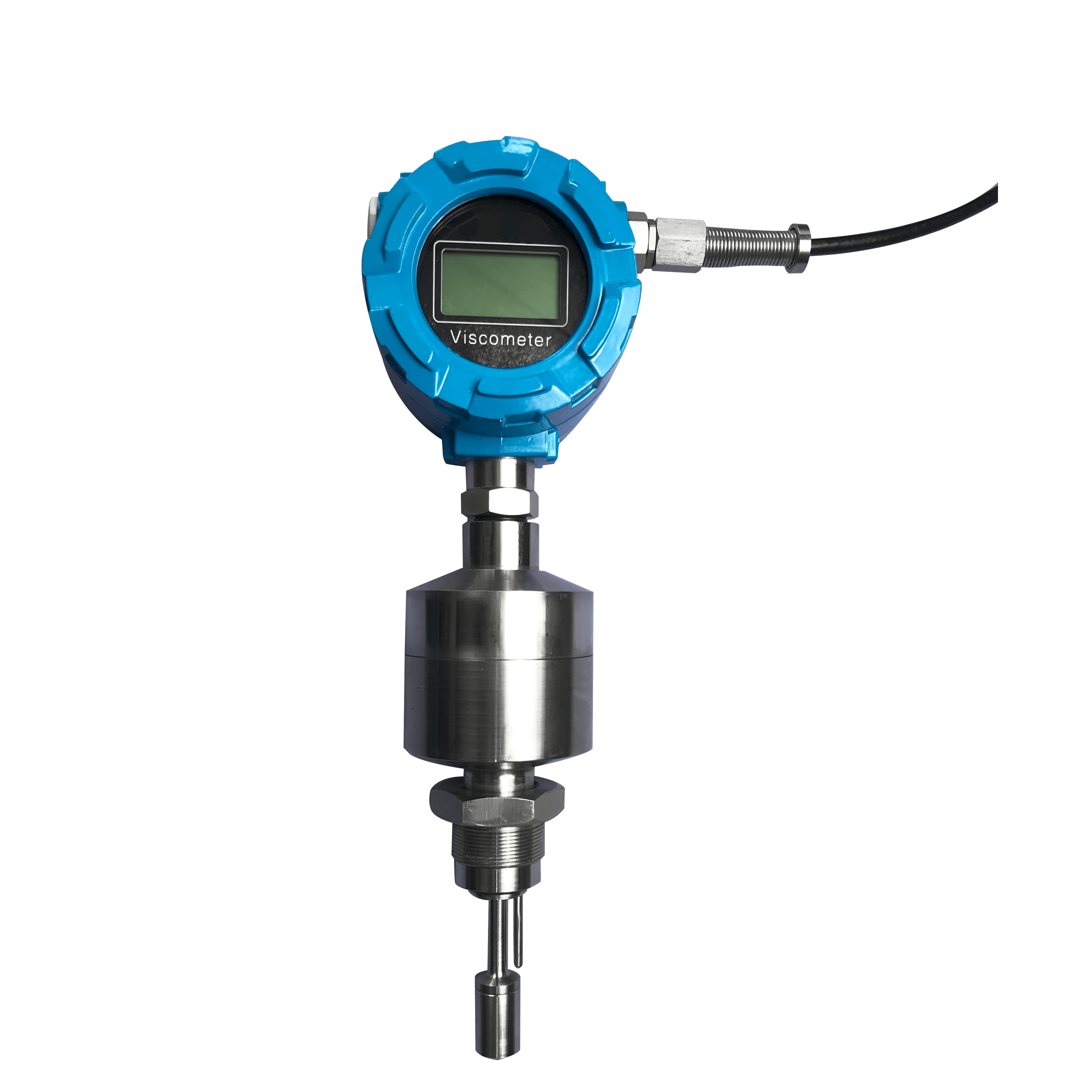
The LONNMETER LONN-DN100: Vibrational Choice for Budget-Conscious Plants
If your viscosity range fits within the LONN-DN100 specification, the instrument represents the lower total cost of ownership path. No seal to replace, minimal maintenance, and a response time measured in seconds rather than minutes.
The standard 4-20mA output handles basic control loop integration. For sites that want access to diagnostic data and remote configuration, the RS485 Modbus RTU option provides that without changing the sensor platform.
If you are not sure whether the LONN-DN100 covers your viscosity range, the LONNMETER team can help you review the process requirements and confirm fit before you make a purchase decision.
Post time: Jun-15-2026


