

Introduction: The Question Most Engineers Eventually Ask
If you’re evaluating an online density meter, you’ve probably come across two main technologies:
- Vibrating Fork (Tuning Fork) Density Meters
- Coriolis Density Meters
At some point, the question becomes unavoidable:
Which one is actually better for my application?
The honest answer is:
it depends on what you need — and just as importantly, what you don’t need.
At LONNMETER, we’ve worked with both types in real industrial environments. This guide breaks down the differences based on practical use, not just specifications.
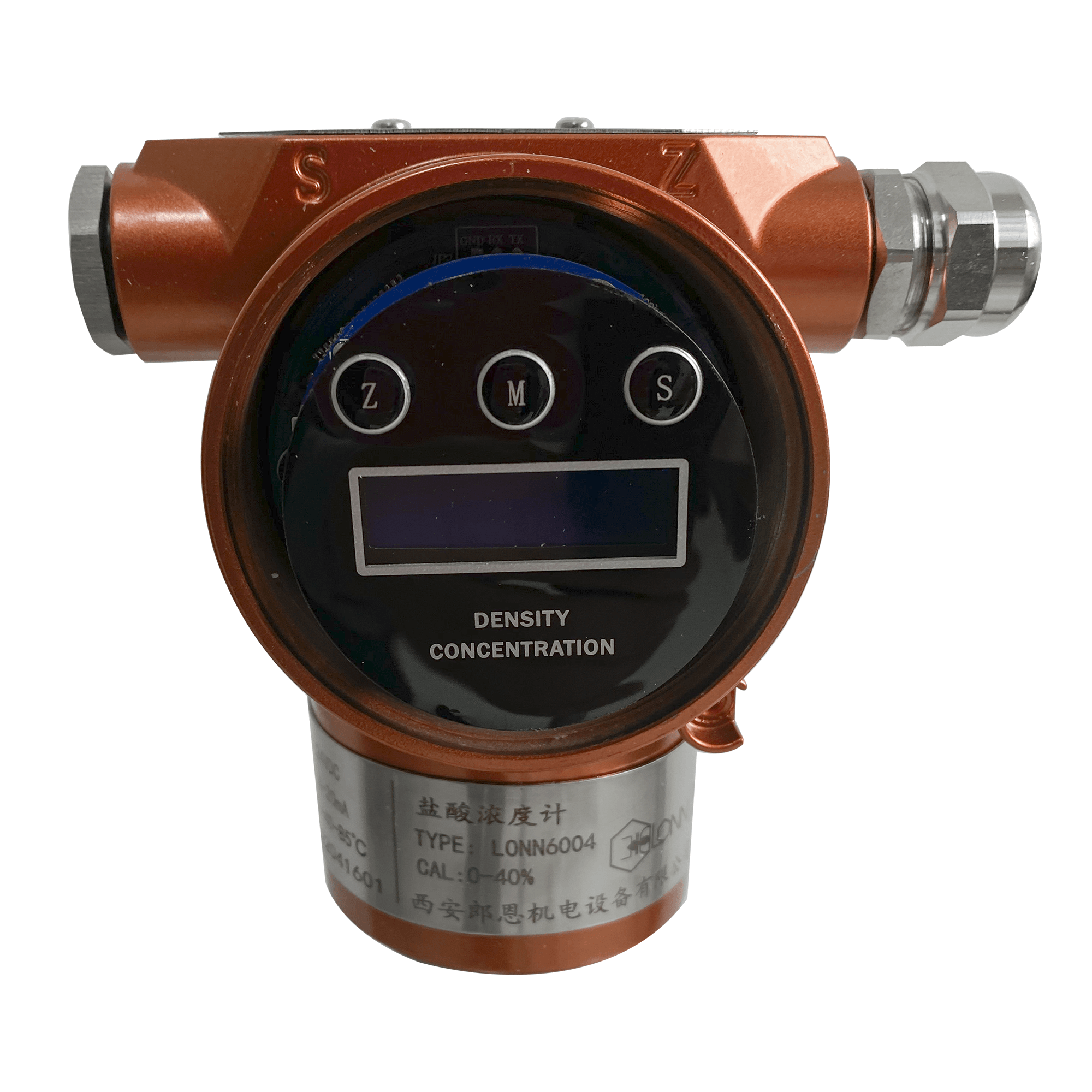
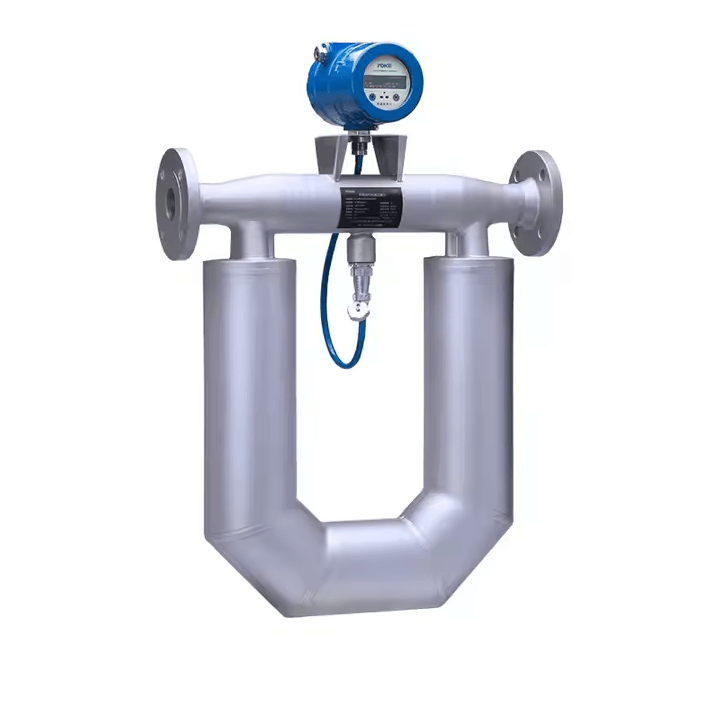
Quick Overview: What’s the Core Difference?
Before going deeper, here’s the simplest way to understand it:
- Vibrating Fork → Measures density directly via vibration frequency
- Coriolis → Measures mass flow and calculates density
One is focused and simple
The other is multi-functional and more complex
1. What Are You Actually Trying to Measure?
This is the most important question — and often overlooked.
If your goal is:
- Density monitoring
- Interface detection in pipelines
- Concentration control
A vibrating fork density meter is usually sufficient.
If your goal is:
- Mass flow measurement
- Simultaneous density + flow + temperature
A Coriolis meter may be more appropriate.
In practice:
Many customers initially consider Coriolis, but later realize:
“We only need density — not a full flow measurement system.”
2. Cost vs Value: Are You Over-Specifying?
Coriolis meters are powerful — but they come at a cost.
Typical comparison:
|
Factor |
Vibrating Fork |
Coriolis |
| Initial cost | Lower | Significantly higher |
| Installation complexity | Simple | More complex |
| Maintenance cost | Lower | Higher |
If you don’t need mass flow data,
a Coriolis meter may be overkill for your application.
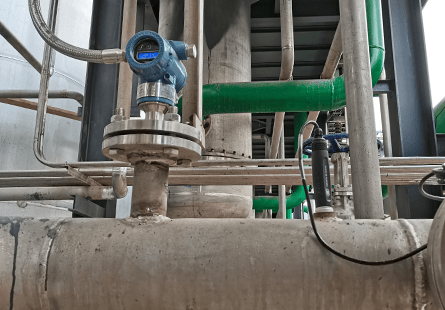
At LONNMETER, many customers switch to vibrating fork solutions after realizing they can achieve the same process control at a much lower cost.
3. Performance in Real Pipeline Conditions
Industrial environments are rarely ideal.
Common challenges:
- Vibration from pumps
- Flow fluctuations
- Limited installation space
How they compare:
Vibrating Fork:
- More tolerant to external vibration
- Performs well in stable liquid conditions
- Easier to install in pipelines and tanks
Coriolis:
- More sensitive to vibration and installation stress
- Requires stricter mounting conditions
- Heavier and bulkier
In pipeline applications, simplicity often leads to more reliable long-term performance.
4. Installation and Space Requirements
This is a practical issue that often becomes a deciding factor.
Vibrating Fork:
- Compact design
- Can be installed directly into pipelines or tanks
- Flexible mounting options
- Requires full inline installation
- Heavier structure
- May need additional support
Coriolis:
In retrofit projects or space-limited systems,
vibrating fork solutions are often easier to implement.
5. Accuracy: Does Higher Always Mean Better?
Coriolis meters are known for very high accuracy.
But the real question is:
Do you actually need that level of accuracy?
Typical comparison:
- Vibrating Fork: around ±0.002 g/cm³
- Coriolis: can be higher precision
In many industrial processes:
- Blending
- Interface detection
- Quality monitoring
The accuracy of a vibrating fork meter is already more than sufficient.
Beyond that point, higher accuracy may not translate into real process benefits.
6. Maintenance and Long-Term Operation
Over time, maintenance becomes more important than specifications.
Vibrating Fork:
- Simple structure
- Easier cleaning
- Lower maintenance requirements
- More complex internal structure
- Higher maintenance cost
- More sensitive to process conditions
Coriolis:
For remote or continuous operations,
simplicity often leads to better uptime.
7. When Should You Choose Each Type?
Choose Vibrating Fork if:
- You only need density measurement
- You are working with pipelines or tanks
- You want a cost-effective solution
- You need reliable, low-maintenance operation
Choose Coriolis if:
- You need mass flow + density together
- Your process requires ultra-high precision
- Budget is less of a concern
How LONNMETER Fits In
At LONNMETER, we focus on practical density measurement solutions.
Our vibrating fork online density meters are designed for:
- Pipeline applications (oil & gas, chemicals)
- Interface detection
- Continuous process monitoring
- Accuracy: ±0.002 g/cm³
- Repeatability: ±0.0001 g/cm³
- Temperature compensation built-in
- مقاust design for industrial environments
Key features:
We don’t try to replace Coriolis in every case.
Instead, we help customers answer a simpler question:
“What is the most efficient solution for this specific application?”
Final Thoughts: The Right Tool for the Right Job
There is no “best” technology — only the right fit.
But in many real-world cases:
- Coriolis offers more than needed
- Vibrating fork delivers exactly what’s required
That’s why more engineers are choosing simpler, purpose-built solutions for density measurement.
Need Help Deciding?
If you’re comparing options or planning a new project, we can help you evaluate what actually fits your process.
Visit: https://www.lonnmeter.com/
Talk to our team for:
- Application-based recommendations
- Technical consultation
- Fast quotation
Post time: Apr-17-2026


