

Polyethylene polymerization is a highly exothermic reaction that risks uncontrolled heat release, sudden pressure surges, and runaway polymerization explosions if not strictly controlled; key hazards arise from catalyst overfeeding, unintended oxygen ingress, and operational cross-contamination, where even minor lapses can push the reaction beyond safe limits. Maintaining a stable, slight positive pressure in the reactor is critical for both safety and process control: this pressure regime prevents air ingress, eliminates oxygen-related risks, sustains an inert atmosphere, optimizes nitrogen blanketing, minimizes nitrogen consumption relative to excessive purging, and cuts operational costs while reducing pressure shock risks.

Polyethylene (PE) Plant
*
Causes and Prevention of Runaway Polymerization
Uncontrolled polymerization is triggered when catalyst dosing exceeds setpoints, when oxygen enters the process vessel, or when inhibition systems fail. Catalyst dosing errors can occur due to inaccurate flow control or malfunctioning feed pumps, allowing the reaction rate to exceed the heat removal capacity. Oxygen ingress, often caused by faulty seals, poor nitrogen blanketing, or vacuum leaks, introduces a strong oxidant that can accelerate free-radical polymerization reactions beyond control. Insufficient inhibition—whether due to low inhibitor concentration or erratic dosing—removes one of the critical barriers to runaway.
Process upsets such as temperature spikes or agitation failure can destabilize reaction rates, often resulting in hazardous pressure rises. Prevention strategies require integrated safety protocols. Continuous application of reaction inhibitors is essential for moderating free-radical propagation. Monitoring oxygen content with rapid-response sensors prevents oxygen content exceedance in polymerization processes; if thresholds are crossed, automated emergency shutdown protocols can isolate and depressurize the reactor.
Trip settings for safety valves must be configured based on the maximum allowable working pressure to eliminate chemical plant shutdown accidents. Valves should initiate venting immediately when setpoints are breached, ensuring pressure never exceeds safe operating limits. Nitrogen inerting, distinct from basic nitrogen blanketing, involves flooding the reactor’s headspace with nitrogen to push out all traces of air and oxygen. This technique is crucial for explosion prevention, as it provides additional protection against ignition sources. Effective nitrogen blanketing benefits chemical reactors by maintaining a consistent inert layer while controlling slight positive pressure, which restricts oxygen ingress and enhances overall safety.
Safe operating procedures for polymerization reactors prioritize reliable pressure control, robust trip settings, ongoing monitoring, and correct execution of nitrogen consumption reduction strategies. In all cases, improving the product qualification rate begins with elimination of oxygen sources and strict runtime adherence to established polymerization reactor safety protocols.
Controlling Slight Positive Pressure in Reactors
Maintaining a slight positive pressure with nitrogen is vital in polymerization reactors. This pressure—kept just above atmospheric—acts as a physical barrier to air ingress. When pressure dips below this set point, oxygen may enter the reactor, raising the risk of runaway polymerization or product contamination. A consistently managed nitrogen supply guards against this.
Pressure control also protects safety equipment. Unintentional pressure drops can trip safety valves, resulting in unplanned releases, reactor depressurization, and possible shutdowns. Strategic positive pressure management reduces the likelihood of safety valve trips, sustaining production and safeguarding staff.
Safe operating procedures for polymerization reactors integrate nitrogen blanketing with precise pressure control. Standard methods employ differential pressure transmitters, like the 3051, for real-time monitoring and adjustment. This approach ensures pressure stays within a narrow, optimal window, maximizing safety and operational reliability.
Correct pressure management—together with blanketing—promotes stable polymerization, reduces nitrogen consumption, and minimizes the chances of oxygen content exceedance. These measures form the backbone of effective runaway polymerization prevention techniques and support the elimination of chemical plant shutdown accidents. Controlling slight positive pressure in reactors is fundamental to advancing safety, improving product qualification rate in polymer manufacturing, and aligning with established polymerization reactor safety protocols.

Inline Pressure Measurement and Advanced Process Control
Continuous inline pressure measurement is fundamental in maintaining slight positive pressure within polyethylene polymerization reactors. This approach supports both the prevention of runaway polymerization and the elimination of chemical plant shutdown accidents. Accurate, real-time pressure monitoring enhances nitrogen blanketing, enabling safer control and consistency in reacting conditions. This helps avoid oxygen content exceedance—a main trigger for runaway polymerization explosion causes—and supports safety valve trips, which are vital safety measures in the event of pressure excursions.
Inline pressure transmitters, such as the 3051 differential pressure transmitter, provide dependable and immediate data to process control systems. They maintain the required pressure margin that prevents air ingress, enabling effective nitrogen inerting for explosion prevention, while also supporting nitrogen consumption reduction strategies. When used for continuous monitoring, these transmitters deliver reliable feedback for automatic adjustments, thus contributing to both polymerization reactor safety protocols and steady pressure control.
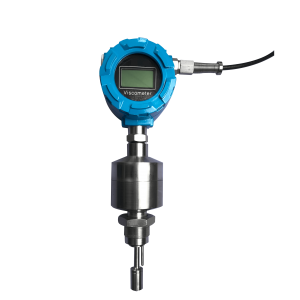
Integrating inline instruments forms a comprehensive suite for advanced process control in polymerization reactors. The inline concentration meter tracks monomer levels, informing operators about the real-time composition and serving as a frontline defense against unsafe deviations. The Lonnmeter inline density meter regulates the concentration of the polymer solution, providing immediate insight into production quality and reaction consistency—key for improving the product qualification rate in polymer manufacturing. The Lonnmeter inline viscosity meter adds a further layer of assurance by detecting shifts between reaction phases; its data is crucial for correcting abnormal states that could otherwise escalate toward unsafe conditions.
Further, the inline level transmitter gives real-time visibility into reactant inventory. This data supports safe operating procedures for polymerization reactors by preventing overfills or unexpected shortages that can destabilize pressure or temperature. The inline temperature transmitter enables exact monitoring of exotherms, which can be the starting point of runaway scenarios if not tightly managed. By providing direct and continuous temperature data, it gives operators the information they need to act swiftly and precisely before minor upsets become major risks.
This synergistic use of inline measurements results in superior process reliability and productivity. With immediate access to interconnected data streams—from pressure to temperature, level, concentration, density, and viscosity—control systems perform advanced interventions instantly. This holistic approach not only maintains the intended slight positive pressure but also underpins all aspects of nitrogen blanketing benefits in chemical reactors, setting the standard for robust, safe, and efficient polymerization operations.
Lonnmeter Inline Pressure Transmitters
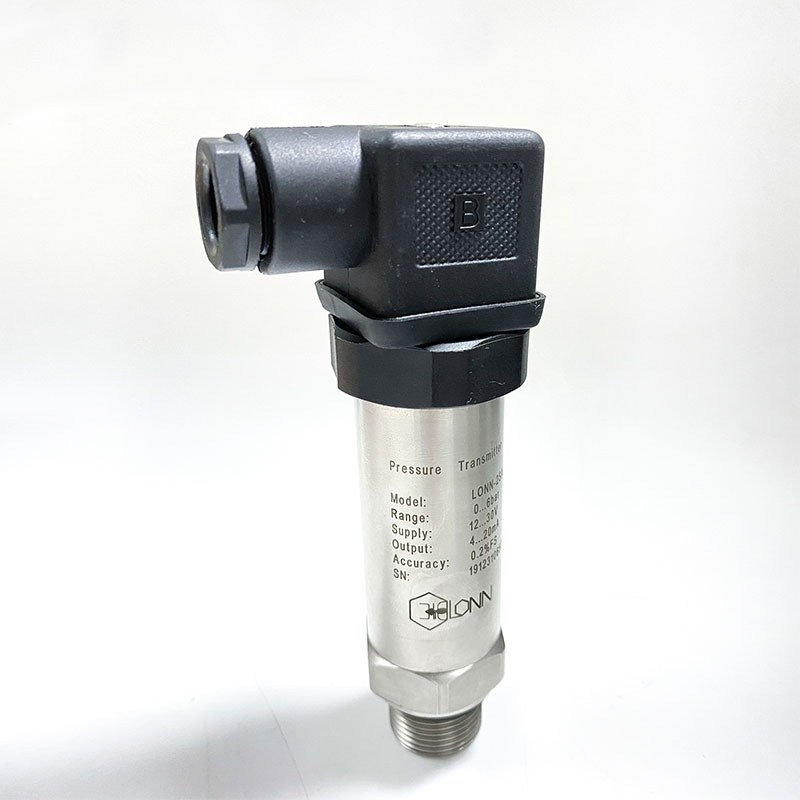
Lonnmeter inline pressure transmitters deliver real-time, high-precision measurements tailored to the demands of nitrogen blanketing in polymerization reactors. Designed for high-purity, corrosive nitrogen environments, these transmitters employ sensor materials that prevent contamination and withstand aggressive cleaning cycles. This rugged construction ensures consistent, drift-free readings, crucial for controlling slight positive pressures and implementing reliable runaway polymerization prevention techniques.
Inline installation of Lonnmeter transmitters at strategic locations—including reactor gas feed lines, blanket return lines, pressure safety valve headers, and isolation points—enables tight control over blanket pressure. Precise monitoring on these lines substantially reduces safety valve trips, a frequent cause of shutdown accidents and system instability in polyethylene plants. For example, a transmitter placed upstream from a safety valve can signal subtle pressure changes, preventing oxygen content exceedance and minimizing risks associated with runaway polymerization explosion causes.
By maintaining optimal pressure and reducing fluctuations, operators achieve significant nitrogen consumption reduction. Tighter pressure control minimizes excess nitrogen feed rates and improves the efficiency of nitrogen blanketing versus nitrogen inerting strategies. Consistent pressure environments also streamline compliance with polymerization reactor safety protocols, reducing the risk that off-specification product will need rework or disposal. Plants benefit from improved product qualification rates, as stable reactor conditions support safer operating procedures and more uniform polymer properties.
Cost savings are realized on several fronts. Eliminating the need for emergency shutdowns leads to fewer interruptions in production, which directly impacts plant uptime. Optimization of process stability further lowers costs by maintaining batch consistency and reducing material waste. In addition, the robust design of Lonnmeter transmitters cuts maintenance demands, limiting downtime related to sensor recalibration or replacement.
Deployment of Lonnmeter inline pressure transmitters, whether as part of slight positive pressure control or integrated with existing reactor pressure management protocols, helps ensure a safer, more efficient, and more cost-effective polymerization process.

Benefits of Accurate Pressure Monitoring in in Polyethylene (PE) Plants
Precise operational strategies are vital for improving the safety and efficiency of polymerization reactors, especially in polyethylene (PE) production where nitrogen blanketing is employed to prevent oxygen ingress and mitigate runaway polymerization explosion causes. Advanced approaches focus on controlling slight positive pressure in reactors and optimizing nitrogen consumption.
Nitrogen Consumption Reduction
Precision control of nitrogen supply minimizes excess use while maintaining safe operating conditions. Utilizing advanced transmitters, such as 3051 differential pressure transmitters, operators can achieve demand-based regulation—delivering nitrogen strictly according to the process needs. This limits wastage and directly supports nitrogen consumption reduction strategies.
System designs that incorporate re-circulation loops and low-leakage connections further reduce nitrogen losses. These approaches retain inert atmospheres with lower overall nitrogen flows, enhancing nitrogen inerting for explosion prevention. Proper system integrity avoids excessive nitrogen escaping, making nitrogen blanketing more economical and sustainable compared to traditional nitrogen inerting.
Eliminating Shutdown Accidents and Maintaining Product Quality
Continuous monitoring with reliable inline transmitters is central to polymerization reactor safety protocols. Inline instruments, such as Lonnmeter’s density and viscosity meters, remotely track critical process parameters in real time, detecting trending deviations before they escalate. This capability ensures that shifts in reactor pressure or composition are identified well ahead of the safety valve trips common in polymerization reactors.
Pressure and oxygen exceedance sensors generate early warnings when thresholds approach unsafe levels. Immediate feedback allows timely corrective actions—such as adjusting the nitrogen feed, initiating venting, or slowing reactant addition—preempting conditions that cause shutdown accidents and loss of productivity. These reactor pressure control methods are essential for maintaining optimal conditions, preventing oxygen content exceedance in polymerization processes, and enhancing the product qualification rate.
By integrating these strategies, PE plants can uphold safe operating procedures for polymerization reactors and achieve superior product integrity. The systematic use of advanced transmitters and inline monitoring delivers operational reliability, minimizes risks associated with runaway polymerization, and leverages the core benefits of nitrogen blanketing in chemical reactors.
Gas Hazard Risk Assessment and Integrated Process Monitoring
Systematic risk assessment forms the foundation of safe operating procedures for polymerization reactors. Operators deploy structured tools to identify and analyze explosion hazards, focusing on the root causes related to runaway polymerization and uncontrolled oxygen ingress. Common runaway polymerization explosion causes include inadvertent introduction of air, malfunctioning safety valve trips, and mismanagement of slight positive pressure within the reactor. Using these tools, facilities map out potential scenarios, such as oxygen content exceedance or pressure surges, which may trigger exothermic reactions and subsequent overpressure events. This process supports targeted nitrogen inerting and blanketing strategies, which prevent ignition and reduce the risk of polymerization reactor shutdown accidents.
The effectiveness of these protocols intensifies when paired with continuous monitoring. Integrating inline transmitters—such as differential pressure transmitters and Lonnmeter density and viscosity meters—provides real-time data critical to controlling slight positive pressure in reactors. These transmitters inform operators of deviations in pressure, density, or viscosity, which can signal unsafe polymerization kinetics or oxygen infiltration. Continuous data streams advanced by process analytics allow for immediate detection and corrective action, raising the product qualification rate and limiting off-spec batches.
Operators leverage process data from inline transmitters to refine nitrogen consumption reduction strategies. Analytics based on transmitter outputs guide nitrogen blanketing and inerting rates, ensuring the lowest necessary usage for explosion prevention while maintaining a non-reactive gas barrier. This effort not only optimizes protective protocols but also supports cost-effective operation without compromising reactor safety.
By combining risk assessment tools and inline process monitoring—including the application of 3051 differential pressure transmitters in reactors—facilities enhance their ability to prevent accidents, minimize chemical plant shutdowns, and sustain a controlled environment. This integrated approach ensures nitrogen blanketing benefits are maximized and supports a proactive culture of safety within polymer manufacturing.





FAQs
What is the role of nitrogen blanketing in preventing runaway polymerization explosions in PE plants?
Nitrogen blanketing serves as a primary runaway polymerization prevention technique by displacing oxygen from the reactor atmosphere. Oxygen is a critical reactant in many hazardous polymerization reactions. By maintaining a slight positive pressure with nitrogen, the reactor is protected against atmospheric air ingress, which would otherwise introduce oxygen. This strategy eliminates one of the key runaway polymerization explosion causes and provides robust safety measures by making uncontrolled oxidation and rapid chain reactions impossible.
How do inline pressure transmitters, such as the Lonnmeter or 3051 differential pressure transmitter, contribute to polymerization reactor safety?
Inline pressure transmitters continuously supply accurate pressure readings to the reactor’s control system, which is vital for executing modern polymerization reactor safety protocols. Fast detection of pressure changes enables the control system to adjust nitrogen feed rates automatically, ensuring pressure stays within set safe limits. When pressure indicates issues such as catalyst runaway or oxygen leak, these transmitters alert operators before conditions trigger safety valve trips—a frequent precursor to plant shutdown accidents. Their fast response supports safe operating procedures for polymerization reactors, detecting and addressing symptoms before runaway reactions escalate.
What other inline instruments should be integrated in a polymerization reactor process?
A comprehensive reactor instrumentation scheme goes beyond pressure measurement. Inline concentration meters monitor monomer levels, ensuring precise reactant feeds. Density meters, such as those manufactured by Lonnmeter, track the physical properties of slurries, helping to identify phase separations linked to process deviations. Inline viscosity meters provide data on polymer consistency through phase transitions, key for managing product quality. Level transmitters maintain correct batching and prevent overflow. Temperature transmitters signal abnormal exothermic profiles, which can precede runaway conditions. These instruments together, with pressure transmitters, enact multi-dimensional polymerization reactor pressure control methods. Their synergy delivers real-time oversight of all critical parameters.
How can nitrogen consumption be reduced during polymerization in PE reactors?
Effective nitrogen consumption reduction strategies depend on the precision of inline pressure transmitters. By consistently controlling slight positive pressure in reactors, the system avoids excessive nitrogen feed that might occur with less accurate devices. The transmitter’s real-time feedback supports demand-based regulation, tightly maintaining nitrogen flows within minimum safe thresholds. Detection of fluctuations and fast feedback loops allow operators to respond quickly to pressure drops, eliminating waste and ensuring nitrogen inerting for explosion prevention is both protective and efficient.
How does controlling slight positive pressure improve product qualification rate in polymer manufacturing?
Maintaining slight positive pressure keeps oxygen levels below critical thresholds, preventing oxygen content exceedance in polymerization processes. This stabilizes reaction conditions, reducing oxygen-induced polymer defects—such as chain termination or discoloration—leading to fewer off-specification batches. Reliable pressure control also lowers the chance of process interruptions or emergency shutdowns. The result is a consistent manufacturing environment that supports improved product qualification rate in polymer manufacturing, ultimately increasing yields and reducing rework.
Post time: Jan-13-2026


