

Inline pressure transmitters detect pressure pulsation in gas processing equipment, allowing rapid response by operators when unstable process conditions arise. Early warnings from inline measurement help prevent deviations that cause system imbalance or process upsets.
For example, absorption tower design depends on stable operating pressures. Inline pressure transmitters monitor tower conditions to maintain efficient acid gas removal unit process performance. Fluctuations in tower pressure can affect acid gas removal techniques in natural gas processing by shifting mass transfer rates or causing liquid carryover, requiring immediate corrective action to protect downstream units.

Ethane Purification
*
Compliance, Safety, and Asset Protection Requirements
Natural gas acid gas removal systems are highly vulnerable to corrosion risk caused by acidic compounds and moisture. Inline pressure measurement enables immediate detection of abnormal pressure drops, flagging potential leaks and corrosion before failure occurs. Operators use real-time pressure data to initiate corrosion prevention in gas plants, reducing repair costs and production losses. Inline transmitter data also allow early management of condensate blockage in pipelines, which could otherwise restrict flow and lead to particulate fouling in gas processing units.
Signal fluctuation in process transmitters often indicates flow instability or condensate accumulation. Monitoring pressure trends helps troubleshoot signal fluctuation and anticipate upset scenarios, enabling proactive control. This approach supports compliance with operational safety standards and asset integrity strategies critical in gas processing environments.
Maximizing Asset Yields and Energy Efficiency
Accurate inline pressure measurement directly enhances reboiler heat duty optimization, supporting reboiler heat duty calculation and improving energy efficiency in distillation and regeneration tower operation. In absorption towers in gas processing, pressure data guides reflux ratio calculation for gas processing, influencing ethane purification process performance and associated gas recovery methods.
Integration with inline instruments such as an inline concentration meter, Lonnmeter inline density meter, inline viscosity meter, inline level transmitter, and inline temperature transmitter provides holistic asset monitoring. This comprehensive data framework promotes optimal associated gas utilization in oil and gas fields, ensuring maximum recovery and efficient hydrocarbon gas processing technologies deployment. Precise pressure measurement supports quick adjustments to process variables, minimizing waste and maximizing returns in plants managing ethane recovery and purification in natural gas systems.
Overview of Acid Gas, and Associated Gas Processing
Acid gas removal unit processes in gas treatment rely on removing CO₂ and H₂S to meet market and environmental specifications. The most common principle is chemical absorption, especially amine-based systems. The absorption tower design and function are pivotal, facilitating intimate contact between upward-flowing natural gas and downward-flowing liquid amine. This process captures acid gases into the amine solution.
Absorption towers in gas processing require careful control of operating parameters like contact time, temperature, and pressure, as these influence removal efficiency and operational cost. After absorption, the rich amine flows to a regeneration tower. Here, heat liberates absorbed acid gases, restoring the amine for reuse. This dual cycle—absorption and regeneration tower operation—is central to the process.
Regeneration process in gas treatment involves reboiler heat duty calculation to optimize thermal energy input, balancing acid gas stripping efficiency and amine degradation risks. Modern systems adopt enhanced techniques such as the Sulfinol-X process, which integrates chemical and physical absorption to boost system efficiency, especially in challenging gas streams. Innovations in acid gas removal techniques in natural gas processing enable lower solvent circulation rates and energy requirements.
Corrosion risk in natural gas processing, particularly in acid gas sections, necessitates metallurgy selection and corrosion prevention in gas plants, leveraging amine filtration, precise temperature control, and routine maintenance.
Associated Gas Recovery Methods and Profitability
Associated gas, often produced alongside crude oil, consists of valuable hydrocarbons. Efficient associated gas recovery methods are critical for economic and environmental reasons. Recovery may include reinjection, direct sale, conversion to LNG or NGLs, or power generation. Each pathway supports associated gas utilization in oil and gas, maximizing resource value and reducing routine flaring.
Inline monitoring—such as inline viscosity and density meters from Lonnmeter—plays a vital role during recovery, ensuring steady-state operation and early detection of issues like signal fluctuation in process transmitters. Consistent inline pressure transmitter placements at critical points help detect and mitigate pressure pulsation causes, enabling safe and reliable plant operation.
In hydrocarbon gas processing plant optimization, recovered associated gas is separated, purified, and routed to suitable markets or conversion technologies. Inline measurements allow engineers rapid troubleshooting of signal fluctuation and enable fast response to condensate blockage problems, particulate fouling, or emerging corrosion threats.
Conversion of gas streams to useful products requires cross-functional design: optimized reflux ratio in distillation, calculated reboiler heat duty, robust particulate fouling control, and proactive maintenance. This integration drives profitability, highlighting the importance of pressure and quality monitoring across the full processing chain.

Critical Process Stages in Acid Gas and Hydrocarbon Gas Treatment
Absorption Towers in Gas Processing
Absorption towers are a core part of natural gas acid gas removal systems. Their design must support continuous acid gas removal, maintaining safety and gas quality. Consistent, reliable measurement of pressure and liquid levels inside the absorption tower directly impacts the efficiency of acid gas removal techniques in natural gas processing. Real-time feedback allows operators to adjust solvent flow rates, ensuring the absorption medium remains at optimal loading for CO₂ and H₂S capture.
Retention of optimum reflux ratio in distillation is essential to separate hydrocarbons from acid gases, especially in the ethane purification process. For reliable reflux ratio calculation in gas processing, dedicated pressure transmitters provide live data both above and below the distillation trays. This data allows control systems to calculate the reflux ratio with precision and quickly adjust flows, stabilizing product purity and recovery rates. In advanced associated gas recovery methods, transmitter feedback is integral for both steady-state and dynamic operation, minimizing startup losses and enhancing the performance of absorption towers in gas processing.
Regeneration Tower Operation and Regeneration Process in Gas Treatment
Regeneration tower operation is fundamental in restoring solvent capacity in acid gas removal unit processes. Accurate thermal and hydraulic balance relies on real-time inline pressure measurement at key tower locations. These measurements detect deviations in column pressure caused by flooding, weeping, or maldistribution, which can degrade solvent regeneration efficiency.
Pressure data, combined with temperature and flow information, feed directly into reboiler heat duty calculation, a critical parameter for optimizing hydrocarbon gas processing plant performance. Inline transmitters facilitate continuous surveillance for pressure pulsation causes, which may arise from pump vibration, control valve chatter, or vapor flow instability. By identifying these disturbances early, operators can undertake pressure pulsation mitigation, adjust reboiler duty, and maintain solvent regeneration within its design specifications. This directly supports reboiler heat duty optimization and overall operational reliability in gas treatment.
Condensate Management and Corrosion Risk Mitigation
Condensate blockage in pipelines and processing equipment risks downtime and corrosion. Inline pressure transmitters reveal sudden changes in pressure drop, indicating potential condensate accumulation. These fast alerts enable operators to take action before blockages escalate, reducing downtime and maintenance requirements. The same pressure instrumentation warns of particulate fouling in gas processing units, signaling early-stage filter plugging or tray deposits.
Supporting corrosion prevention in gas plants, continuous system pressure integrity verification detects leaks, seal failures, or abnormal pressure excursions—conditions that can foster acid attack or accelerate metal loss. Routine data evaluation confirms the effectiveness of established corrosion risk mitigation measures. In associated gas utilization in oil and gas, sustained pressure monitoring ensures long-term process assurance and operational safety.
Particulate Fouling and Signal Fluctuation Mitigation
Inline measurement enables the detection of particulate fouling through changes in differential pressure across filters, trays, or packing sections. Early identification of pressure trends allows plant staff to employ particulate fouling control methods such as filter changes, wash routines, or process adjustments before significant restriction arises.
Signal fluctuation in process transmitters poses a challenge in data accuracy for hydrocarbon gas processing technologies. Troubleshooting focuses on pinpointing wiring issues, ground loops, and vibration sources that can cause erratic readings. Regular calibration and installation checks minimize drift, maintaining transmitter performance and minimizing downtime. Stable transmitter operation is essential for accurate reflux ratio, heat duty, and flow calculations, all of which underpin precise and safe acid gas removal operations.
Instrumentation for Excellence: Inline Pressure Transmitters and Advanced Sensors
Rosemount Differential Pressure Transmitter 3051 Applications and Calibration
Strategic placement of the Rosemount 3051 differential pressure transmitter in natural gas acid gas removal systems enhances control accuracy during critical operations such as sour gas scrubbing and amine absorption. In hydrocarbon gas processing technologies, these transmitters enable stable monitoring across absorber and regeneration towers, optimizing acid gas removal unit process efficiency and supporting effective ethane purification process by delivering reliable pressure readings for reflux ratio calculation and reboiler heat duty optimization.
The Rosemount 3051 calibration procedure is guided by manufacturer protocols, emphasizing the importance of zero trim and span adjustment under operational conditions. For absorption tower design and function, calibrating the transmitter against expected process pressure ranges avoids signal fluctuation troubleshooting near column trays and during pressure pulsation in gas processing equipment. Calibration also mitigates measurement drift caused by condensate blockage problems and solutions, corrosion risk in natural gas processing, or particulate fouling in gas processing units—ensuring signal integrity in associated gas recovery methods and hydrocarbon gas processing plant optimization.
Rosemount 2088 Pressure Transmitter Features and Field Integration
The Rosemount 2088 pressure transmitter is engineered for durability in corrosive, high-pressure environments typical of gas processing units. Its robust housing, advanced sealing, and chemical-resistant materials guard against corrosion risk and particulate fouling control methods, making it suitable for process streams in acid gas removal techniques in natural gas processing.
Integration involves adherence to the Rosemount 2088 installation and maintenance guidelines. Field mounting should limit direct exposure to vibration and pressure pulsation causes and mitigation, with connections tightened per torque specifications to avoid leaks and signal fluctuation. Technicians frequently select the 2088 for monitoring hydrocarbon recovery columns, regeneration tower operation, and critical condensate lines where condensate blockage in pipelines is a concern. Periodic sensor verification and recalibration, with particular attention to environmental changes and reboiler heat duty calculation cycles, maintain system reliability for associated gas utilization in oil and gas.
Role of Complimentary Inline Sensors in Gas Plants
The addition of complimentary inline sensors, such as an inline density meter or inline viscosity meter manufactured by Lonnmeter, extends actionable intelligence beyond pressure monitoring. For example, integrating an inline concentration meter alongside a pressure transmitter in an absorption tower enables simultaneous tracking of acid gas loading trends and provides early warning of fouling or blockage. Inline density meters enhance process control by verifying gas quality and composition, critical for ethane recovery and purification in natural gas and optimizing reflux ratio in distillation.
Inline viscosity meters contribute to the detection and prevention of particulate fouling, and enable better assessment of flow regime in hydrocarbon gas streams. Inline level transmitters paired with pressure units ensure accurate monitoring of liquid interfaces in absorbers and regeneration columns, preventing overflow conditions and supporting regeneration process in gas treatment. Inline temperature transmitters validate process temperatures, complementing pressure data for robust reboiler and heater control, which is vital for reboiler heat duty optimization.
Effective deployment requires matching sensor types and installation points to process challenges such as signal fluctuation, corrosion prevention in gas plants, and mitigation of condensate blockage. By leveraging pressure transmitters with Lonnmeter’s inline density and viscosity meters, operators achieve greater visibility into process performance, corrosion risk management, and enhanced hydrocarbon gas processing plant optimization.
Integration with Control Systems
To maximize return from inline measurements, integrate transmitter outputs into the plant’s distributed control system (DCS) or supervisory control and data acquisition (SCADA) environment. Analog 4–20 mA signals remain standard for robust, industry-wide compatibility. Where available, use digital communication protocols (e.g., HART, Foundation Fieldbus) for real-time diagnostics and multi-variable parameter transmission.
Connection schemes typically route transmitter outputs to input terminal boards in central control rooms. Use shielded cables to minimize electromagnetic interference and avoid routing parallel to high-voltage lines, which cause signal fluctuation in process transmitters. For transmitter clusters at critical stages—such as those downstream of the regeneration tower or across reflux and reboiler duty checks—assign dedicated input channels within the DCS to ensure uninterrupted trending and alarm management.
Set up logic sequences within the control system to automate alarms and interlocks. For example, link transmitter output at pipeline low points to automatic valves or drain traps to resolve condensate blockage in pipelines as soon as pressure drops are detected. Few operator interventions are then needed, reducing manual oversight and operator burden during continuous hydrocarbon gas processing.
All integration steps must comply with electrical classification, intrinsic safety, and grounding practices that suit gas plant environments, minimizing corrosion risk, particulate fouling, and ensuring overall process security. Strategic installation and system integration of pressure transmitters thus enable proactive monitoring vital for high-performance associated gas recovery methods and continuous optimization of natural gas acid gas removal systems.
Benefits of Advanced Inline Pressure Measurement
Process Optimization for Lower OPEX and Higher Throughput
Advanced inline measurement solutions such as pressure sensors, density meters, and viscosity meters help streamline hydrocarbon gas processing plant optimization. Real-time pressure data, together with input from additional sensors like Lonnmeter inline density and viscosity meters, enable highly accurate closed-loop control strategies. For example, continuous monitoring of pressure and density at key points within absorption towers and regeneration towers permits fine-tuning of parameters such as reflux ratio and reboiler heat duty.
Optimized reboiler heat duty calculation—grounded in accurate sensor feedback—directly reduces energy consumption and thus operational expenditure (OPEX). By stabilizing heat input and correcting deviations, plants can increase throughput without sacrificing product purity. In ethane recovery and purification in natural gas streams, precise inline measurements support stable operation of absorption tower sections and minimize energy demand for both regeneration and reflux processes. These interventions contribute to improved profitability, making advanced inline instrumentation integral for maintaining economic competitiveness in associated gas recovery methods.
Risk Reduction and Asset Longevity
Inline sensors offer proactive protection against key risks in gas processing. Continuous pressure monitoring detects pressure pulsation—a common cause of mechanical fatigue and potential equipment failure in gas processing units. Early signals of pulsation allow operators to mitigate stress on seals, gaskets, and internals before loss events or unplanned capex arises. Density and viscosity readings from Lonnmeter devices give real-time feedback on the presence of particulate fouling. Deviations indicate the onset of particulate buildup that can obstruct pipelines or absorption tower trays, enabling timely maintenance and minimizing costly downtime.
Corrosion risk is another critical concern in natural gas acid gas removal systems. Inline measurement identifies anomalous pressure drops or shifts in density suggesting condensate blockage, water ingress, or acid gas breakthrough. Prompt detection supports preventive interventions that extend asset longevity. Combined, these capabilities help maintain stable, safe operation while protecting plant infrastructure.
Support for Modern, Integrated Gas Recovery and Acid Gas Removal Operations
Modern associated gas utilization in oil and gas requires seamless synergy between gas separation, acid gas removal techniques, and downstream processing. Inline measurement solutions are crucial in acid gas removal unit processes, where accurate pressure, density, and viscosity data guide real-time operation of absorption towers, regeneration towers, and condensate handling systems.
During acid gas removal, inline sensors stabilize process variables that determine effective CO₂ and H₂S scrubbing efficiency. Real-time monitoring ensures that absorption tower design and function can adapt to changing feed gas compositions while maintaining optimal mass transfer zones. Inline density readings contribute to regeneration tower operation, confirming solvent purity and regeneration efficiency. Such instrumentation is essential in preventing signal fluctuation during the regeneration process in gas treatment, preserving product quality and system reliability.
In advanced hydrocarbon gas processing technologies, including ethane purification process flows, the synergy of inline sensors enables immediate troubleshooting and adaptive control. Operators can efficiently balance mass transfer conditions, optimize reboiler heat duty, and manage reflux ratio calculation for gas processing without signal fluctuation or process instability. The result is enhanced associated gas recovery efficiency, minimized condensate blockage problems and solutions, and robust corrosion prevention in gas plants, all anchored by comprehensive sensor feedback.


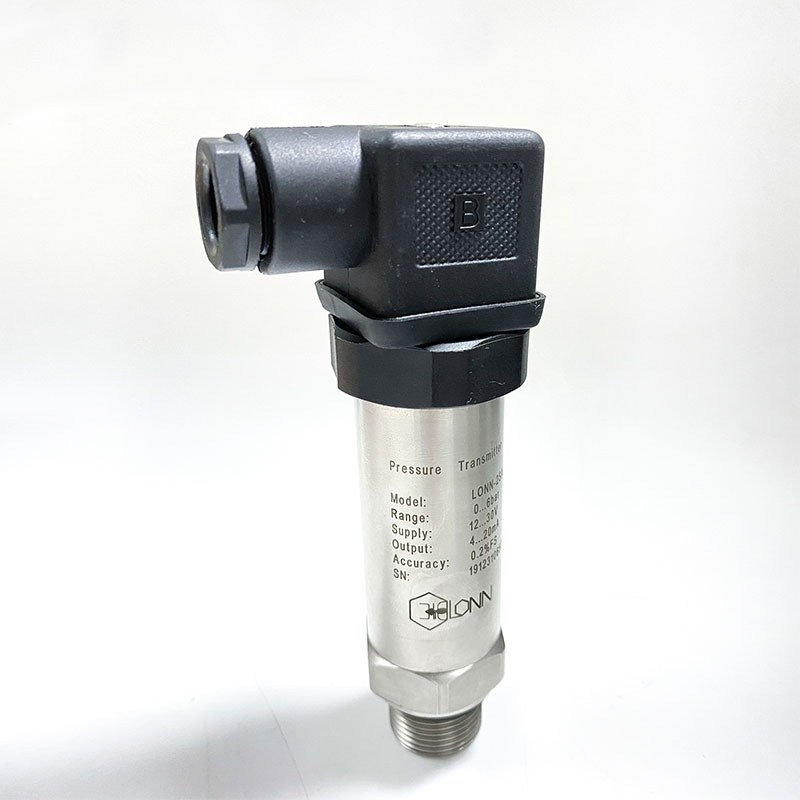
Lonnmeter Inline Pressure Transmitters
Lonnmeter inline pressure transmitters are engineered for reliability in the extreme environments common to acid gas removal unit processes and associated gas recovery methods. In oilfield operations, these transmitters are exposed to corrosive acid gases, high moisture, and frequent temperature swings. The robust sensor housings and wetted materials ensure long-term stability even in acidic and high-moisture gas streams.
Their simple commissioning process—featuring plug-and-play connections and automatic sensor recognition—reduces downtime during installation and changeouts. This is crucial during upgrades or repairs in gas treatment systems where minimizing outages directly impacts hydrocarbon gas processing plant optimization.
Digital communication protocols are standard in every Lonnmeter transmitter, enabling integration with distributed control systems and advanced diagnostics. These transmitters continuously self-monitor for issues such as signal fluctuation, baseline drift, and condensate blockage risk. Early self-diagnostic alerts help operators catch problems before they lead to hazardous events or unexpected shutdowns.
Designed with the demands of acid gas removal techniques and ethane purification processes in mind, Lonnmeter transmitters withstand pressure pulsation and particulate fouling. This improves uptime in gas processing regimes that include absorption towers and regeneration towers, where stable pressure measurement is essential for accurate reflux ratio calculation and reboiler heat duty optimization.
Unlike conventional transmitters, Lonnmeter’s inline units have sealed electronics that reduce corrosion risk and enable use in moist or contaminated gas processing streams. They are compatible with most hydrocarbon gas conditioning processes, eliminating frequent recalibration or sensor failures due to contamination. This ensures reliable monitoring for continuous-safety and compliance in natural gas acid gas removal systems.
Routine maintenance cycles are less frequent thanks to the system’s in-built diagnostics. This shift from reactive to predictive maintenance aids safe facility management and reduces total cost of ownership. As a result, plant managers and instrumentation engineers can maintain high throughput and operate within emissions limits, critical for associated gas utilization in oil and gas and other applications.
How to Engage: Request a Quote or Technical Consultation
Plant managers, instrumentation engineers, and gas facility operators can initiate the engagement process with Lonnmeter in three straightforward steps. First, contacting technical sales directly enables an in-depth review of specific plant conditions—such as unique condensate blockage problems or the need for signal fluctuation troubleshooting. This can be done via email, telephone, or an online inquiry form.
Second, during technical consultation, the Lonnmeter team will gather application-specific parameters, including process gas composition, target absorption tower pressures, and expected pressure pulsation causes and mitigation constraints. This tailored approach ensures each transmitter is matched precisely to the operating environment.
Third, after application review, customers receive a detailed, customized quote. If additional validation is needed, demonstration units can be arranged on-site, supporting hands-on evaluation in real process conditions. This stepwise approach allows stakeholders to ensure Lonnmeter inline pressure transmitters fulfill all performance and compliance requirements for complex gas processing operations before full-scale implementation.



Frequently Asked Questions (FAQs)
How do inline pressure transmitters help prevent condensate blockage in pipelines?
Inline pressure transmitters play a critical role in associated gas recovery methods and hydrocarbon gas processing plant optimization. These devices supply continuous pressure data, allowing operators to detect sudden drops or irregular pressure profiles—a common sign of condensate accumulation within pipelines. Recognizing these trends in real time enables rapid intervention, such as adjusting operating parameters or initiating pigging routines, which minimizes the risk of condensate blockage. This preventative approach helps avoid unplanned shutdowns and maintains steady throughput, ensuring the reliability of associated gas utilization in oil and gas environments.
What is the role of inline sensors in optimizing an absorption tower’s performance?
Inline sensors—including those measuring pressure, level, concentration, and temperature—are essential for effective absorption tower design and function, particularly in acid gas removal unit processes. These sensors provide real-time data that supports the stable operation of absorption towers in gas processing. Pressure transmitters, for example, help maintain target pressures that are crucial for acid gas removal techniques in natural gas processing. Accurate data from inline sensors is vital for precise reflux ratio calculation for gas processing, which affects efficiency in separating acid gases and enhances overall performance of natural gas acid gas removal systems.
How do pressure measurement devices support reboiler heat duty optimization?
Precise pressure measurement at the reboiler section enables tight control of operational pressures, which is fundamental for reboiler heat duty optimization in the regeneration process in gas treatment. Operators rely on these readings to optimize heat input, directly impacting the energy efficiency of the reboiler. Well-regulated pressure supports optimal reboiler heat duty calculation, ensuring that acid gas removal remains efficient without unnecessary energy loss. Consistent pressure monitoring reduces risks linked to pressure pulsation in gas processing equipment, which, if left unchecked, can disrupt heat duty and separation.
Why is controlling particulate fouling important in acid gas removal units?
In acid gas removal units, particulate fouling can lead to a progressive rise in pressure drop across equipment such as absorbers and regenerators. This increased resistance not only reduces process efficiency but raises the risk of equipment failure. Inline pressure measurements allow operators to rapidly detect abnormal pressure fluctuation, which may indicate early-stage fouling. Early identification allows for timely intervention—cleaning or switching operational conditions—and supports particulate fouling control methods that protect hydrocarbon gas processing technologies from persistent performance loss.
What is the difference between the Rosemount 3051 and 2088 pressure transmitters in application?
The differential pressure transmitter 3051 is preferred for applications that demand high-accuracy differential measurements, such as controlling reflux ratio in distillation columns or monitoring pressure drop across reboilers. Its precision makes it a strong fit where nuanced pressure distinctions drive efficient acid gas removal techniques. The 2088 model, in contrast, is designed for straightforward gauge or absolute pressure monitoring, suitable for harsh service conditions where reliability is essential. While both models can be supported with detailed installation and calibration guides, selection depends on the process requirement—differential control versus robust, single-point pressure readings.
Post time: Jan-13-2026


