

Diesel hydrotreating is a key oil refining process that removes sulfur and nitrogen from feedstock while saturating aromatic compounds, primarily using hydrogen gas in a hydrogenation reactor system. The process begins with blending untreated diesel and hydrogen, followed by catalytic reactions in the reactor under elevated pressures. Downstream, a high-pressure separator divides hydrogen-rich gas from the treated liquid, and final fractionation produces refined diesel and byproducts. Pressure conditions critically influence reaction rates, catalyst performance, and product stability, ensuring effective contaminant removal and hydrocarbon saturation. Stable pressures across stages—from reactor to separator—are essential for high conversion rates, consistent quality, and efficient continuous operation, as even minor drifts can disrupt chemistry and lead to off-spec products.

Diesel Hydrotreating
*
Accurate pressure measurement enables real-time control in the reactor loop, reducing risks from fluctuations and drift while enhancing efficiency, safety, and catalyst longevity. Industrial pressure transmitters, including inline systems and explosion-proof designs, are integrated into high-pressure separators and reactors for precise monitoring in hazardous environments. Continuous oversight detects anomalies like blockages or leaks, and features like online calibration minimize measurement errors in diesel desulfurization plants. This also helps mitigate corrosion and erosion, making uninterrupted pressure monitoring the foundation for process stability, operational integrity, and high-quality diesel output.
Inline Pressure Transmitters and Pressure Measurement Solutions
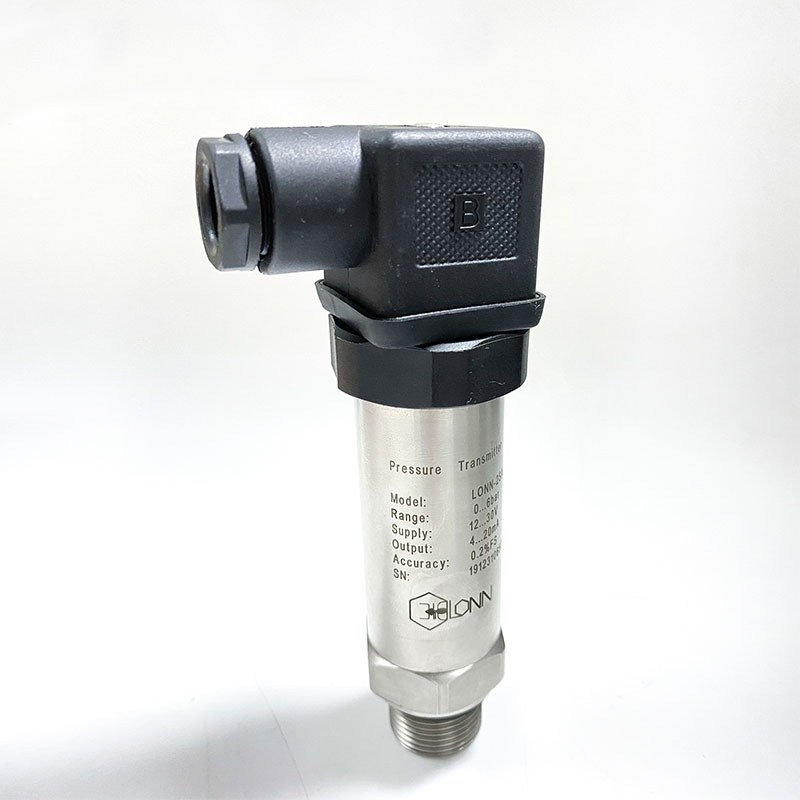
Inline pressure transmitters are crucial for achieving precise, real-time monitoring during the diesel hydrotreating process. These transmitters detect changes in process line pressure and immediately convert them into standardized digital signals, enabling efficient process control. Digital outputs, often 4-20 mA or fieldbus protocols, streamline integration into modern pressure gauge and transmitter systems across the diesel hydrotreating unit process. Their compact designs fit seamlessly in restricted locations typical of hydrogenation reactor arrangements and high pressure separator vessel applications.
Inline devices offer high-temperature tolerance, ideal for environments with elevated thermal loads typical in continuous hydrogenation reactor operation. Their robust construction, coupled with advanced sensor elements, maintains performance even as process fluids reach extreme temperatures and pressures. Integration flexibility is another advantage, as these transmitters are engineered to be embedded directly into process streams, maximizing measurement accuracy while minimizing potential drift from mechanical or thermal stress.
Pressure measurement devices used in diesel fuel hydrotreating technology span several categories. Pressure transmitter transducers form the backbone, converting process pressure into electrical signals. Hazardous location pressure transmitters are designed and certified to operate safely in zones with explosive vapors or reactive chemicals, which frequently occur in diesel desulfurization process operations. Explosion-proof certification ensures these transmitters withstand and contain potential ignition sources, preserving safety in high-risk sites.
Inline pressure transmitters tailored for process control simplify maintenance and enhance online calibration while reducing downtime. Their intrinsic design allows comprehensive diagnostics and automated zero-point adjustments, directly supporting continuous hydrogenation reactor operation and high pressure separators in oil refining. Selection of corrosion versus erosion-resistant construction is vital; devices exposed to sulfur-rich or abrasive process streams require specialized alloys and coatings to maintain measurement reliability. For example, in high pressure separator vessel applications and reactive hydrogenation reactors, corrosion-resistant transmitters prevent gradual degradation from aggressive chemicals, while erosion-resistant designs withstand damage from solid contaminants.

Sensor placement inside the process line directly impacts measurement drift, pressure transmitter accuracy, and overall device lifecycle. If transmitters are installed upstream of high turbulence or in joints with fluctuating temperatures, drift and wear can increase, reducing operational reliability. Strategic positioning, complemented by precision machining and robust enclosure design, reduces drift and maximizes the device’s operating lifespan—even amid high-pressure, hazardous environments.
Ultimately, high-quality inline pressure transmitters enable operators to maintain stable diesel hydrotreating unit process conditions, protect equipment integrity, and support ongoing compliance with safety and performance standards. The choice of industrial pressure transmitters for oil and gas must balance process specifics, certification requirements, and environmental resistance to deliver optimum results in challenging refinery operations.
Addressing Process Challenges with Lonnmeter Inline Pressure Transmitters
Diesel hydrotreating processes depend on precise pressure control, especially in continuous hydrogenation reactors and high pressure separator vessel operations. These units operate under demanding conditions, such as rapid pressure fluctuations, elevated temperatures, and exposure to highly corrosive and erosive media. Measurement drift can disrupt process stability, leading to off-spec diesel and compliance risks.
Continuous hydrogenation reactor operation poses unique challenges. Pressure transmitters are exposed to hydrogen, catalyst fines, and sulfur compounds, which accelerate corrosion and erosion. Lonnmeter inline pressure transmitters are engineered with advanced materials and construction, enabling resilience against corrosive and abrasive conditions found in diesel desulfurization processes and hydrogenation reactor designs. These transmitters provide stable, accurate readings—crucial for optimizing hydrogen feed rates and maintaining reactor conversion efficiency.
In high pressure separator vessel applications, reliable pressure measurement is essential for proper phase separation and product purity. Lonnmeter inline pressure transmitters feature hazardous location pressure transmitters certification and explosion-proof designs, ensuring continuous safety and accuracy. Enhanced sensor housings and sealings offer robust defense against aggressive refinery media and external impacts, minimizing the risk of infiltration that can degrade sensor performance or trigger operational downtime.
Lonnmeter’s technology supports seamless integration into diesel hydrotreating unit processes. Devices are designed for simple installation, reducing downtime during commissioning or replacement. The pressure gauge and transmitter systems interface directly with existing process control architectures, using standardized mounting and connection formats. This minimizes retrofit complexity and enables operators to leverage real-time digital diagnostics.
The transmitters’ performance stability in hazardous environments supports process-critical stages, such as hydrogenation and separator management. Long-term pressure measurement accuracy is maintained even in environments where corrosion vs erosion in industrial equipment is a concern. Onboard digital capabilities allow for online calibration of pressure measurement devices, further reducing the impact of measurement drift and enhancing data reliability.
Operators in oil refining benefit from dependable pressure measurement, facilitating process optimization and regulatory compliance across diesel fuel hydrotreating technology deployments. Lonnmeter products emphasize durability and safety, meeting the rigorous demands of industrial pressure transmitters for oil and gas—delivering steady, actionable data to maximize operational efficiency.

Seamless Integration for Operational Excellence
Lonnmeter inline pressure transmitters optimize the diesel hydrotreating process by providing real-time, digital measurement data that enables advanced process control and immediate operator response. Their integration into diesel hydrotreating unit process and hydrogenation reactor design environments ensures precise monitoring of pressures, allowing for automated trend analysis and instant alerts that support both safety and efficiency. Operators benefit from actionable insights generated from continuous data streams, which facilitate advanced diagnostics—essential for minimizing downtime and maximizing throughput.
Compatibility with diesel hydrotreating instrumentation systems is essential for operational visibility and maintaining process standards. Lonnmeter transmitters work seamlessly within high-pressure separator vessel applications and continuous hydrogenation reactor operation frameworks. This compatibility supports pressure gauge and transmitter systems commonly found in hazardous environments, where explosion-proof and hazardous location pressure transmitters are mandatory to safeguard personnel and infrastructure. Accurate inline pressure measurement devices online reduce the risk of measurement drift, bolstering reliability during continuous operations and routine calibrations.
To achieve ultra-low sulfur diesel and renewable diesel production targets, operational adaptability is critical. Lonnmeter devices empower process improvements such as indigenous catalyst systems and renewable feedstock flexibility, which are key to lowering CO₂ emissions and meeting ASTM and EN diesel desulfurization process standards. Inline pressure transmitters enable operators to maintain the optimal conditions in hydrogenation reactors and high-pressure separators—an essential factor in maximizing catalyst performance and product purity.
Pressure measurement accuracy in hazardous environments must address challenges like corrosion vs erosion in industrial equipment. Lonnmeter transmitters are engineered for durability, reducing the influence of harsh conditions on measurement fidelity. This robustness is vital to maintaining precise control and supporting flexible diesel fuel hydrotreating technology in dynamic refinery settings.
Through seamless integration and smart measurement capabilities, Lonnmeter establishes a foundation for excellence in diesel hydrotreating and hydrogenation operations, driving compliance, safety, and production efficiency.
Selecting and Specifying Your Lonnmeter Inline Pressure Transmitter
Choosing the right Lonnmeter inline pressure transmitter for your diesel hydrotreating process is essential for accuracy, reliability, and safe operations. Start by evaluating the exact pressure range within your diesel hydrotreating unit process. Lonnmeter transmitters must withstand pressures from low to ultra-high common in hydrogenation reactor design and high pressure separators in oil refining. Always verify the transmitter’s span aligns with peak operating pressures and emergency scenarios.
Assess corrosion and erosion resistance of the pressure transmitter. Diesel fuel hydrotreating technology exposes devices to aggressive media—hydrogen, hydrocarbons, and process chemicals. Stainless steel, Hastelloy, and other high-performance materials are vital for wetted parts. Consider which process stream—feed, effluent, separator, or recycle—demands the most robust construction. Erosion often occurs in high-velocity sections, while corrosion risk increases with water, sulfur, and byproducts. The pressure transmitter must be selected based on the specific threat profile for each location.
Hazardous area compliance is mandatory. For continuous hydrogenation reactor operation and high pressure separator vessel applications, explosion-proof and hazardous location pressure transmitters certification are required. Lonnmeter transmitters designed for hazardous environments meet international standards, helping mitigate ignition risks and ensuring protection in Class 1, Division 1 or ATEX Zones. Review your site classification with safety managers and request documentation proving compliance with relevant standards.
Digital connectivity is increasingly a baseline demand in pressure measurement devices for oil and gas. Choose a Lonnmeter transmitter supporting analog (4-20mA), digital fieldbus (HART, Modbus), or IoT-enabled options. Ensure compatibility with your plant’s pressure gauge and transmitter systems so measured data flow integrates smoothly with distributed control systems. Some sites require real-time online calibration or remote diagnostics; review these needs with your plant engineers.
When requesting a quote for a Lonnmeter inline pressure transmitter, prepare technical data sheets detailing application pressure, temperature, medium, hazardous area classification, and desired accuracy. Provide details on potential measurement drift in pressure transmitters, calibration intervals, and expected lifecycle. Lonnmeter technical support offers tailored advice for diesel desulfurization process requirements and can help with pressure measurement accuracy in hazardous environments. Highlight if your installation involves multipoint measurement, redundancy, or pressure transducer technology integration.
For specialized diesel hydrotreating applications, ensure your inquiry covers every operational detail: pressure fluctuation profiles, vessel sizing (for high pressure separator vessel applications), and operational context. Accurate specification prevents equipment failure, improves safety, and guarantees correct readings, supporting critical process control decisions in industrial pressure transmitters for oil and gas.





Frequently Asked Questions
What is the role of inline pressure transmitters in the diesel hydrotreating unit process?
Inline pressure transmitters play a central role in the diesel hydrotreating unit process. They continuously monitor pressure at strategic points, such as feed lines, hydrogen gas input, and reaction zones. This ongoing data enables precise control of hydrogen and feed injection rates, ensures the hydrogenation reactor design operates within its safe parameters, and supports optimal operation of high pressure separators in oil refining. By maintaining stable operating conditions, these devices protect catalyst life, improve yield, and help ensure compliance with safety and environmental standards imposed on the diesel desulfurization process.
How do hazardous location pressure transmitters work in corrosive refinery environments?
Hazardous location pressure transmitters are designed to manage the risks present in corrosive refinery environments found in diesel fuel hydrotreating technology. Their explosion-proof enclosures and corrosion-resistant sensors are built to withstand exposure to aggressive chemicals, high temperatures, and possible explosive atmospheres. Certification for hazardous environment use guarantees that even if flammable vapors or gases are present, the instrument will not ignite them. Pressure transmitter transducer technology is selected for its reliability under these demanding conditions, ensuring accurate measurement and enhanced safety during continuous hydrogenation reactor operation.
What are the main differences between corrosion and erosion in pressure measurement devices?
Corrosion is the chemical deterioration of device materials, most often caused by reactive process media contacting the pressure measurement surfaces. Erosion, in contrast, is a form of physical wear resulting from high-velocity flow and entrained particulates commonly seen in the diesel hydrotreating unit process. While corrosion may lead to pitting and loss of sensor integrity, erosion typically produces thinning or grooves in wetted components. Both degrade pressure measurement accuracy in hazardous environments. Selecting the right materials and protective options is essential to maintain precise gauge and transmitter system performance.
How can measurement drift in pressure transmitters affect diesel hydrotreating operation?
Measurement drift refers to the gradual change in a pressure transmitter’s output, unrelated to actual process changes. In a diesel hydrotreating unit process, drift can result in incorrect pressure control of the hydrogenation reactor or high pressure separator vessel applications. Such inaccuracies may reduce product yield, compromise product quality, or trigger unsafe operating conditions. Lonnmeter’s inline pressure transmitters for process control offer advanced diagnostics and features that help spot and correct drift early, supporting robust pressure measurement accuracy essential in industrial pressure transmitters for oil and gas.
Where can I find pressure measurement devices online suitable for diesel hydrotreating?
Industrial pressure transmitters specifically engineered for diesel hydrotreating environments—including inline and hazardous location models—are available through Lonnmeter’s online catalog. Their range includes explosion-proof pressure transmitters and transducers designed for extreme pressures and chemically aggressive media. Online selection tools and technical support can assist with device configuration, ensuring compatibility with your diesel hydrotreating unit process and facilitating pressure measurement devices online calibration or custom application needs.
Post time: Jan-07-2026


