

Online Density Meter: Complete Guide for Industrial Applications
Introduction: Why Density Measurement Matters
In industrial processes, density is more than just a physical parameter. It is a key variable used to control product quality, optimize efficiency, and ensure safe operation.
From oil pipelines to chemical production lines, accurate density data allows engineers to make real-time decisions.
However, many operations still struggle with unstable readings, measurement drift, or incorrect instrument selection.
At LONNMETER, we work with customers facing these challenges and help them build more reliable density measurement systems.
This guide explains how online density meters work, where they are used, and how to choose the right solution.

What Is an Online Density Meter?
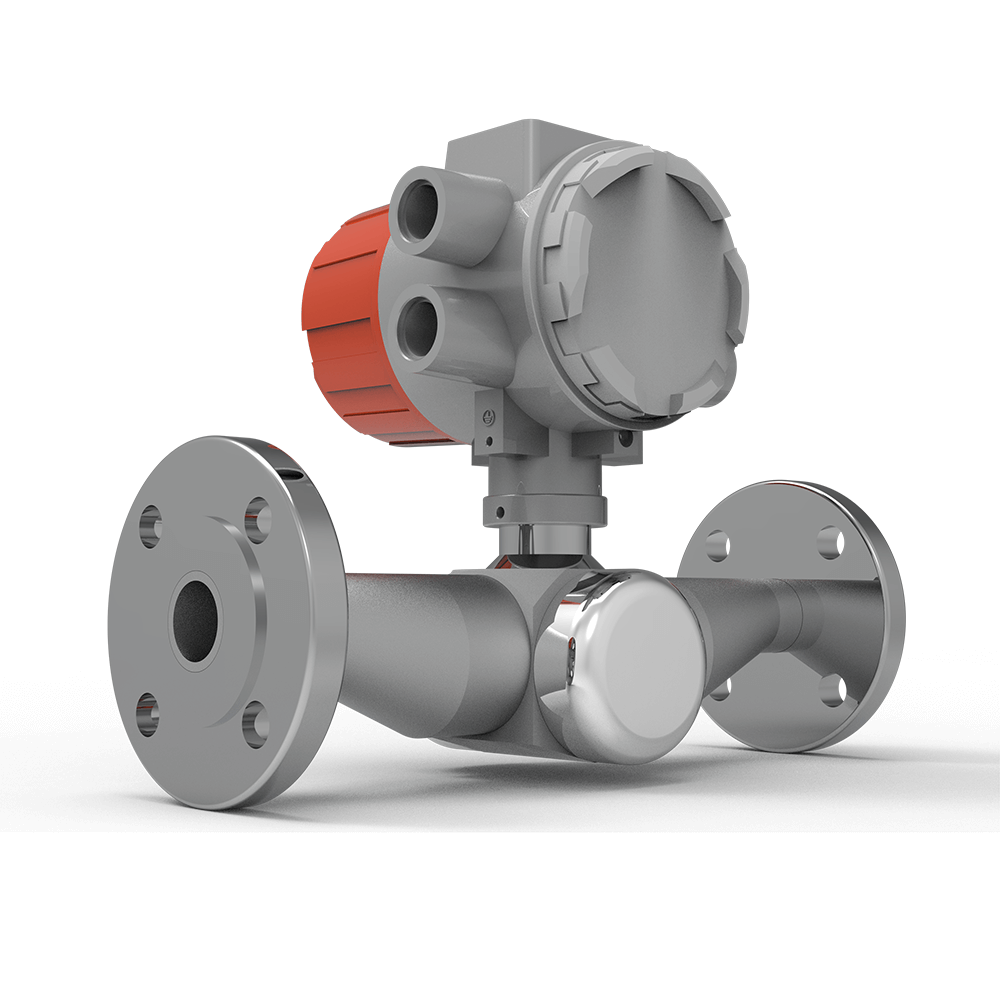
An online density meter (also known as an inline density meter) is installed directly in a pipeline or tank to measure liquid density continuously.
Unlike laboratory testing, it provides:
- Real-time data
- Continuous monitoring
- Direct integration with control systems
Most industrial devices use the vibrating fork principle, which offers a stable and practical solution for continuous measurement.
How Does an Online Density Meter Work?
The sensor vibrates at a specific frequency when immersed in a liquid.
When density changes, the vibration frequency changes accordingly. The system converts this signal into a density value and applies temperature compensation.
This method is widely used because it:
- Works reliably in flowing conditions
- Requires minimal maintenance
- Is suitable for industrial environments
Where Are Online Density Meters Used?
Oil & Gas Industry
Used for:
- API gravity measurement
- Pipeline interface detection
- Fuel quality monitoring
Chemical Processing
Used to control:
- Reaction conditions
- Concentration levels
- Product consistency
Blending Systems
Helps maintain:
- Accurate mixing ratios
- Stable product quality
- Reduced material waste
Tank Monitoring
Supports:
- Inventory management
- Quality verification
- Process stability
How to Choose the Right Online Density Meter
1. Process Conditions
Consider temperature, pressure, and chemical compatibility.
2. Accuracy and Repeatability
Typical industrial accuracy is around ±0.002 g/cm³, but consistency is more important than absolute precision.
3. Installation
Avoid turbulence, vibration, and air bubbles. Proper installation is critical for stable readings.
4. Integration
Ensure compatibility with PLC or DCS systems using standard outputs like 4–20 mA or RS485.
5. Maintenance
Choose systems that are easy to clean and calibrate.
Common Density Measurement Problems
Unstable Readings
Often caused by flow disturbances or air bubbles.
Measurement Drift
Usually due to fouling or temperature changes.
Incorrect Results
Often related to poor installation or wrong application selection.
Inline vs Portable Density Meter
Inline density meters provide continuous monitoring, while portable devices are used for manual spot checks.
In many applications, both are used together.
Why Real-Time Density Measurement Matters
Real-time data enables:
- Faster decision-making
- Better process control
- Reduced waste
- Improved product consistency
How LONNMETER Supports Your Application
At LONNMETER, we focus on practical performance in real industrial environments.
Our online density meters provide:
- Stable and reliable measurement
- Built-in temperature compensation
- Easy integration into control systems
We also support customers with application analysis and installation guidance.
Conclusion
An online density meter is a key part of modern industrial process control.
Reliable results depend not only on the instrument but also on installation, process conditions, and maintenance.
Choosing the right solution can significantly improve efficiency and reduce operational risks.
Need Help?
Visit: https://www.lonnmeter.com/
Contact LONNMETER for technical support and product recommendations.
Post time: Apr-27-2026


