

Continuous pressure monitoring is critical in lubricating oil systems for large-scale gearboxes, particularly in wind power and mining operations. It provides immediate feedback on system health, allowing operators to detect pressure deviations before they result in mechanical damage. This real-time monitoring enables timely interventions, protecting expensive components from premature wear or catastrophic failure.
For gearbox oil lubrication solutions in harsh industrial environments, it is essential to have a robust automatic oil lubrication system. These systems rely on precise, uninterrupted data from pressure sensors to ensure oil flow is maintained for bearing and gear protection, even under fluctuating operational loads. In large machinery, a drop in oil pressure can indicate leaks, pump failure, or filter blockages. Early identification of these issues helps to mitigate secondary damage to other system components and extends the lifespan of critical bearings and gearing assemblies.

Wind Turbine Gearbox
*
Lubricating Oil Systems in Heavy Industry Machinery
Oil lubrication systems are the backbone of industrial gear box lubrication. They reduce frictional wear and dissipate heat generated in the gearbox during operation. Without continuous lubrication, gear teeth and bearings quickly degrade, leading to expensive failures and frequent unplanned shutdowns—a critical concern in both wind power and mining equipment.
An automatic oil lubrication system integrates precise control and automated oil delivery. This system maintains steady lubricating oil pressure and ensures every moving part receives the needed lubrication without the risk of operator error. By automating delivery and pressure adjustment, these systems help maintain consistent oil films, safeguard against abnormal wear, and keep working temperatures within optimal ranges, crucial for maximizing machinery lifespan and efficiency.
Critical Components and Functions
A typical oil lubrication system for machinery includes several essential components. The lubricating oil pump for industrial use drives oil from the reservoir into the gearbox under pressure. It works in tandem with the industrial lubricating oil pump’s advanced design for high reliability during extended service intervals.
Oil system pressure transmitters play an instrumental role in lubricating oil pressure monitoring. They provide continuous, real-time readings, alerting operators if the system deviates from target pressure ranges. This immediate feedback helps prevent lubrication failures, which can cascade into large-scale gearbox damage or downtime.
Filtration units are integrated to remove particulates and contaminants from circulating oil. Clean oil preserves gear surfaces and bearing life. Together, robust pumps, precision industrial pressure transmitters, reliable level and temperature sensors, and effective filtration establish stable operating conditions, extend service periods between maintenance, and reduce total lifecycle costs of heavy-duty gearboxes.
Process Flow in Large-Scale Gearboxes
In practical operation, lubrication oil is pulled from a reservoir and pressurized by the pump. The pressurized oil travels through piping and specialized galleries inside the gearbox. As it flows, it coats bearings, shafts, and gear teeth, reducing friction and carrying away heat and microscopic debris.
Inline instrumentation is crucial for maintaining performance and protecting machinery assets. An inline pressure transmitter captures real-time system pressure, providing instant visibility into oil flow and alerting to potential blockages or pump issues. Inline level transmitters track oil reservoir status, ensuring supply continuity.
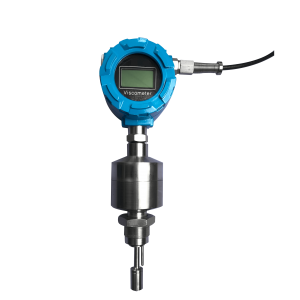
Monitoring additional oil properties further strengthens gearbox reliability. An inline concentration meter checks for oil contamination or dilution. Lonnmeter’s inline viscosity meter measures oil thickness, revealing degradation or contamination that threatens protection films. Inline temperature transmitters confirm oil stays within safe operating ranges to prevent thermal breakdown. By integrating these sensors into a continuous oil pressure monitoring system, operators achieve deep visibility for fast diagnostics and longer machinery lifecycles.
Each element, from industrial lubricating oil pumps to advanced monitoring transmitters, works together to deliver reliable gear box oil lubrication solutions for today’s demanding industrial settings.

Challenges of Pressure Monitoring in Wind Farms & Mining Operations
Industrial environments such as wind farms and mining operations are characterized by dynamic loads and variable operating conditions. Gearboxes in these settings are constantly subjected to pressure fluctuations caused by start-stop cycles, varying torque, and environmental stresses. Inadequate pressure regulation in an oil lubrication system for machinery exposes gearboxes to failures, which frequently result in unexpected downtime and extensive repair costs.
Inline pressure transmitters form the backbone of modern lubricating oil pressure monitoring. Devices such as industrial pressure transmitters and oil lubrication system monitoring sensors provide operators with actionable insight into lubrication system performance. When paired with reliable lubricating oil pumps for industrial use—ensuring both flow and pressure—these monitoring tools help maintain optimal lubrication at all times.
Implementing continuous oil pressure monitoring systems allows for maintenance to be scheduled proactively, minimizing costly delays. When pressure readings are outside threshold values, alerts prompt inspections or automatic shutdowns. This preemptive approach cuts down on emergency interventions and eliminates the risk of catastrophic failure caused by unnoticed lubricant starvation.
How Inline Pressure Transmitters Work in Oil Lubrication Systems
Instrumentation Overview and Compatibility
Inline pressure transmitters are essential for monitoring oil lubrication systems in large-scale gearboxes and industrial machinery. These industrial pressure transmitters, such as the Rosemount 3051 coplanar pressure transmitter and the Rosemount 3051 absolute pressure transmitter, are engineered to deliver precise, real-time measurement of oil pressure. Their robust design makes them suitable for a wide range of operating environments, from wind power gearboxes to mining equipment.
For automatic oil lubrication system setups, transmitters provide continuous readings that allow for immediate detection of pressure deviations. In oil lubrication system for machinery, transmitters play a vital role in safeguarding pumps and gearboxes against pressure-related faults, ensuring reliable lubricant delivery and avoiding costly malfunctions. Lonnmeter inline pressure transmitters offer consistent measurement and integrate easily with both manual and automated systems, supporting the demands of industrial gearbox maintenance and lubricating oil pressure monitoring.
Integration of Other Inline Parameters
Continuous oil pressure monitoring systems rely on multi-parameter data to keep equipment running optimally. Inline concentration meters and viscosity meters help verify that the lubricating oil retains its intended formulation and viscosity, factors critical for industrial gear box lubrication and overall system efficiency. Products like those from Lonnmeter allow operators to check oil density and viscosity alongside pressure, supporting thorough lubrication system monitoring.
Complementary to pressure measurement, inline level transmitters confirm that the lubricating oil pump for industrial use is maintaining adequate oil volume inside the system. Simultaneously, inline temperature transmitters track oil temperature, making it possible to diagnose abnormal heat generation or cooling issues. This collective monitoring provides an accurate, holistic view of gear box oil lubrication solutions and supports predictive maintenance strategies.
Recommended Installation Placements
Recommended mounting positions include the discharge side of lubricant pumps, the gear inlet of industrial gearboxes, and the outlet of oil filters. These points are most likely to reveal abnormal pressure shifts or obstructions, enabling rapid intervention and minimal downtime.
Strategic placement ensures continuous pressure monitoring for machinery at critical system junctures. In advanced lubrication systems transmitters are distributed at intervals to cover the entire loop. This configuration can support high oil delivery rates—up to 3000 l/min—and enables robust digital monitoring for ongoing system health. With the integration of inline transmitters, operators can quickly identify and remediate pressure anomalies, benefiting the longevity and reliability of industrial lubricating oil pumps and gearboxes.
Key Benefits: Efficiency, Reliability, and Cost Reduction
System Efficiency and Reliability Gains
Continuous pressure monitoring for machinery, particularly in lubricating oil systems for large-scale gearboxes, directly enhances operational efficiency. Inline and continuous oil pressure monitoring ensures that critical components receive the exact amount of lubrication needed at all times. This balance prevents both under-lubrication, which can accelerate wear and risk catastrophic failures, and over-lubrication, which wastes resources and can cause overheating or churning losses. Oil system pressure transmitters, including inline variants like Lonnmeter’s devices, give real-time data to machinery operators and maintenance teams, making it easier to respond to changes before issues become critical.
Predictive monitoring, enabled by continuous oil pressure feedback, allows for early identification of abnormal pressure drops or surges. In industrial gearbox maintenance, detecting such anomalies can prevent unscheduled downtime and avoid secondary damage to connected components—outcomes directly linked to extended gearbox and machinery life. This approach has been shown to reduce breakdown frequency compared with systems relying on periodic manual checks, supporting long-term reliability in demanding applications such as wind turbines or mining equipment.
As an example, an automatic oil lubrication system paired with high-accuracy inline monitoring quickly registers when a lubricating oil pump for industrial use is malfunctioning. This immediate alert triggers intervention, protecting bearings and gears from damage due to loss of lubrication pressure and minimizing maintenance response time.
Direct Cost Benefits
Continuous oil pressure monitoring systems contribute to significant operational cost savings. Automating the monitoring process decreases the reliance on labor-intensive, manual checks, which reduces the frequency of emergency interventions and unplanned part replacements. When machinery operates with consistent and optimal lubrication—monitored via reliable oil lubrication system monitoring tools—components last longer, and wear patterns are minimized, lowering the total cost of ownership for industrial gearbox lubrication solutions.
Automated systems support higher equipment uptime, as maintenance can become more targeted and preventive rather than reactive. Monitoring lubricating oil pressure trends over time, especially when using industrial pressure transmitters and other instrumentation, allows teams to schedule interventions before damage occurs. For end users, this translates to a leaner spare parts inventory, fewer production stoppages, and reduced risk of severe gear or pump failures—key advantages for mining and wind power operators, where any downtime may incur heavy costs.
An example involves replacing periodic manual inspection of an industrial lubricating oil pump with continuous online monitoring. Early detection of declining pressure not only avoids sudden failures but means maintenance occurs during planned outages, maximizing operational continuity. This combination of Lonnmeter inline sensors and automatic oil lubrication systems directly supports efficiency, reliability, and tangible cost reduction throughout industrial oil lubrication systems.

Rosemount 3051 and Lonnmeter Inline Pressure Transmitter Solutions
Rosemount 3051 Applications and Features
The Rosemount 3051 coplanar pressure transmitter excels in oil lubrication systems for machinery, offering mounting flexibility in confined spaces and harsh gearbox environments. Its design allows technicians to position the transmitter close to lubricating oil pump manifolds or within tight, temperature-volatile gearcases, crucial for industrial gear box lubrication scenarios. Rosemount 3051 coplanar configurations are especially suitable for continuous oil pressure monitoring systems in large-scale gearboxes, supporting precise lubricating oil pressure monitoring and early fault detection.
The Rosemount 3051 absolute pressure transmitter maintains accuracy under fluctuating barometric conditions, a key requirement for gear box oil lubrication solutions deployed across varying elevations or in remote wind power installations. Its robust sensor technology enables industrial gearbox maintenance teams to track pressure deviations in real time—ensuring reliable, uninterrupted operation of automatic oil lubrication systems, regardless of environmental shifts.
For seamless integration in continuous pressure monitoring for machinery, the Rosemount 3051 inline pressure transmitter offers a streamlined solution. Its compact form supports flexible installation into oil lubrication system for machinery, enabling straightforward retrofitting with legacy industrial lubricating oil pump setups. This feature ensures high-resolution feedback for lubricating oil pressure monitoring, which is essential for proactive maintenance and safeguarding critical transmission assets.
Promoting Lonnmeter Inline Pressure Transmitters
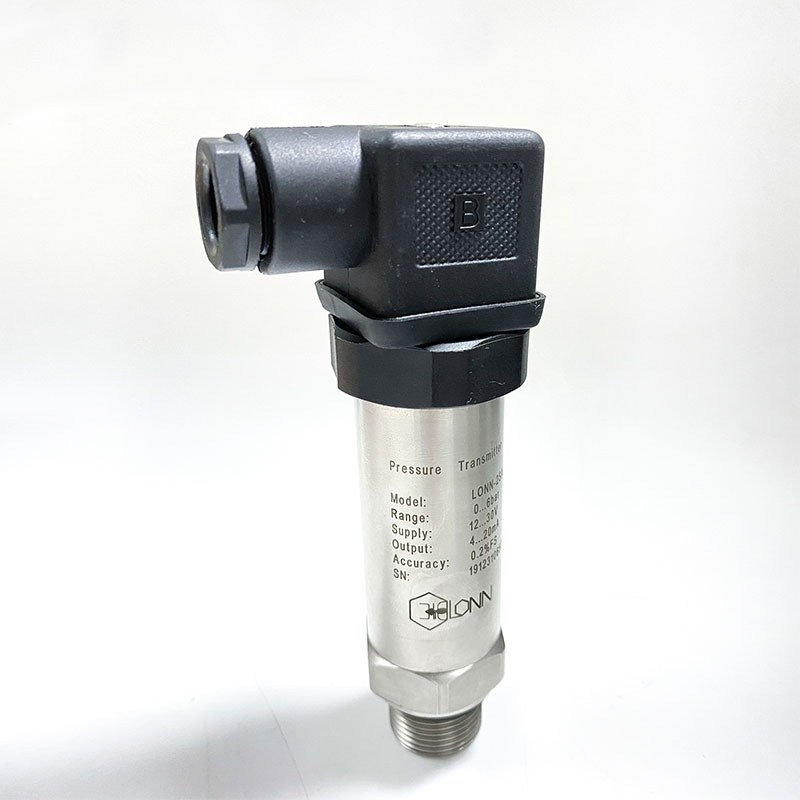
Lonnmeter inline pressure transmitters are engineered for rapid response and robust durability, making them suitable for heavy-duty oil lubrication system monitoring. Each unit withstands harsh industrial environments common in mining equipment and wind turbine gearboxes. Lonnmeter pressure transmitters provide industry-standard connectivity, allowing direct integration into continuous oil pressure monitoring systems and automatic lubricating oil pump controls.
Compatibility with industrial lubricating oil pump systems is a central feature. Lonnmeter’s construction supports precise oil system pressure transmitter functionality within diverse mechanical layouts. This ensures reliable monitoring for industrial gearbox lubrication applications. Readings remain accurate across dynamic load changes, temperature swings, and fluid composition variations—key factors in sustained industrial gearbox maintenance.
Lonnmeter’s pressure transmitters are designed to work in tandem with existing gear box oil lubrication solutions. This enables efficient transition from manual to automatic oil lubrication system management, or from conventional sensor arrays to advanced continuous pressure monitoring for machinery.
Request a Quote
To enhance reliability, efficiency, and cost-effectiveness in industrial gear box lubrication, Lonnmeter inline pressure transmitters deliver optimized oil lubrication system monitoring. Contact us to request a quote and integrate Lonnmeter solutions for superior gearbox and machinery protection.





FAQs
What is the importance of an automatic oil lubrication system in industrial gearboxes?
An automatic oil lubrication system in industrial gearboxes ensures consistent and precise oil delivery to bearing surfaces. Proper lubrication reduces friction, lowers operating temperatures, and minimizes wear. Automated oil lubrication systems decrease manual maintenance, avoiding human error and supporting optimized uptime in critical machinery. By maintaining a stable oil film, these systems improve the reliability and extend the service life of gear components, leading to significant savings on repairs and replacements.
Where should inline pressure transmitters be installed in an oil lubrication system?
Inline pressure transmitters should be strategically placed at key points in the oil lubrication system for machinery. Ideal locations include the discharge side of the lubricating oil pump for industrial use, immediately before oil enters the gearbox, and after filtration units. These positions enable continuous pressure monitoring and allow for real-time detection of system anomalies, such as blockages or leaks. Installing oil system pressure transmitters at these points ensures the integrity and efficiency of the industrial gear box lubrication process.
Which parameters, besides oil pressure, should be monitored in a gearbox lubrication system?
Continuous pressure monitoring for machinery is essential, but monitoring only oil pressure is insufficient. A robust oil lubrication system for machinery should also include sensors for oil concentration, viscosity, temperature, and oil level. Inline meters such as those manufactured by Lonnmeter are necessary to assess oil quality and detect degradation or contamination early. High-accuracy readings for viscosity and temperature allow engineers to maintain optimal lubrication performance and reliability across varying operating conditions.
How does using a Rosemount 3051 inline pressure transmitter improve lubricating oil monitoring?
Implementing the Rosemount 3051 inline pressure transmitter in oil lubrication system monitoring brings reliable, real-time pressure measurement to industrial gearbox maintenance. Applications of the Rosemount 3051 coplanar pressure transmitter include early detection of pressure drops from pump failures or leaks. Key features found in the Rosemount 3051 absolute pressure transmitter ensure stable results, even with fluctuating process conditions. The transmitter’s robust design and sensitive detection capabilities enable rapid identification of anomalies, which helps schedule preventive maintenance and reduce costly downtime.
What are the benefits of using inline instrumentation for gear box oil lubrication solutions?
Inline instrumentation provides continuous, real-time data across critical lubrication parameters. These include oil pressure, viscosity, and temperature. Continuous oil pressure monitoring systems detect faults promptly, reducing unplanned downtime and supporting predictive maintenance strategies. Inline instruments offer improved reliability for industrial gear box lubrication, saving on labor and operational costs. When integrated, these tools support maximum machinery lifespan and sustained performance in demanding environments.
Post time: Jan-08-2026


