

The Critical Need for Real-Time Inline Pressure Monitoring
Storing and using ammonia anhydrous liquid presents distinct challenges in the iron and steel industry, especially during flue gas denitration. Liquid ammonia storage presents hazards stemming from its toxicity, flammability, explosive potential, and propensity to leak under pressure. Operators must adopt robust safety protocols to control ammonia handling flammable and explosive hazards. Even minor failures in pressure regulation can trigger catastrophic events such as ammonia gas leaks, chemical burns, or large-scale exposure threats, jeopardizing personnel and nearby communities.

Iron and Steel Plant
*
To address these risks, continuous pressure measurement systems for ammonia storage tanks are essential. Inline pressure transmitters deliver uninterrupted real-time data on tank internal conditions, which directly supports ammonia liquid storage safety. With precise, timely pressure readings, plant operators can act immediately if abnormal readings signal leaks, runaway pressure surges, or mechanical malfunctions.
Modern flue gas emission control techniques, such as selective catalytic reduction, rely on ammonia as a reducing agent in flue gas treatment for efficient nitrogen oxides (NOx) reduction methods. Maintaining compliant flue gas emission standards calls for uninterrupted and controlled ammonia dosing. Real-time pressure monitoring enables automatic feed cutoff technology for ammonia tanks. When pressure falls outside a safe threshold, ammonia injection can be stopped instantly, protecting both the process and surrounding environment from spills or uncontrolled reactions.
With strict ammonia storage tank safety regulations in place, plants need remote diagnosis in ammonia storage management and on-site ammonia exposure monitoring. Integrated inline transmitters form the backbone of zero leakage ammonia systems, allowing fast troubleshooting and verification for regulatory compliance.
The complexity of flue gas denitration with liquid ammonia intensifies the need for robust ammonia storage management protocols. Deploying advanced, real-time inline pressure monitoring systems supports the dual goals of liquid ammonia spill prevention strategies and continuous, compliant ammonia emission monitoring and compliance. This capability ensures operational safety, consistent regulatory alignment, and maximum performance in controlling industrial emissions.
Understanding the Industrial Process
Ammonia Anhydrous Liquid in Flue Gas Denitration
Ammonia anhydrous liquid serves a critical purpose in flue gas denitration for iron and steel plants. It acts as a reducing agent in selective catalytic reduction (SCR), a widely used technique to control nitrogen oxides (NOx) emissions. During the SCR process, ammonia is injected into the flue gas stream, where it reacts with nitrogen oxides in the presence of a catalyst. This chemical reaction converts harmful NOx compounds into harmless nitrogen and water vapor, aligning emissions with strict compliant flue gas emission standards.
Efficient operation requires a steady and reliable supply of ammonia anhydrous liquid. Ammonia storage tank systems are integral for uninterrupted SCR processes. Insufficient ammonia flow or pressure fluctuations can lead to rapid exceedance of regulatory NOx limits and risk costly compliance violations. Maintaining consistent ammonia storage and delivery therefore underpins effective flue gas emission control and ongoing adherence to national and regional environmental standards.

Risks in Liquid Ammonia Storage
Liquid anhydrous ammonia storage tanks are typically constructed from high-grade carbon steel, engineered for high pressure and low temperature containment. Most tanks are vertical or horizontal cylindrical vessels, equipped with reinforced welds and thermal insulation to limit boiling and minimize vapor loss. Critical aspects of tank engineering address the need for zero leakage ammonia systems; flange connections, seal gaskets, and emergency pressure relief valves are designed and maintained to prevent accidental releases.
Safety is paramount due to the substantial ammonia liquid toxicity risks. Ammonia vapors pose severe hazards to respiratory and ocular tissues. Short-term exposure at concentrations above regulatory threshold limit values can cause respiratory distress or fatal poisoning. Because ammonia is also flammable and may form explosive mixtures with air at certain concentrations, tank areas must be equipped to mitigate ammonia handling flammable and explosive hazards—this includes continuous pressure measurement systems for ammonia storage and automatic feed cutoff technology for ammonia tanks.
Spill and leak prevention rely upon robust spill containment, double-walled construction, and regular on-site ammonia exposure monitoring. Plant safety managers must implement liquid ammonia spill prevention strategies such as perimeter diking, rapid-response neutralization materials, and remote diagnosis in ammonia storage management to detect and address containment breaches swiftly.
Storage and handling practices are strictly regulated. Occupational ammonia storage tank safety regulations require vapor detection, ventilation, emergency shutdown systems, and periodic inspection. Agencies enforce ammonia emission monitoring and compliance to safeguard both personnel and the surrounding environment. Exposure limits for ammonia gas are set by regulatory bodies to minimize health and safety risks during all aspects of storage, transfer, and usage.
Technical Foundations of Real-Time Inline Pressure Monitoring
Why Inline Pressure Measurement Matters
Continuous pressure measurement systems for ammonia anhydrous liquid storage are essential for maintaining safe and compliant operations. Liquid anhydrous ammonia storage tanks must be reliably monitored due to the high toxicity and pervasive risks of ammonia—including its flammable, explosive nature and severe health hazards on release. Inline pressure transmitters form the backbone of real-time ammonia liquid storage safety, offering constant insight into tank condition.
The immediate detection capability of inline pressure transmitters allows operators to act on any abnormal pressure rise or drop. This swift response is critical for protecting processing equipment and infrastructure from mechanical failure or stress, such as over-pressurization scenarios or vacuum formation. In combination with ammonia emission monitoring and compliance protocols, inline pressure readings ensure adherence to flue gas emission control and compliant flue gas emission standards.
These transmitters also support automatic feed cutoff technology for ammonia tanks. If pressure exceeds safe limits or a risk of ammonia liquid toxicity is detected, the system can instantly shut off supply to prevent escalation. Inline pressure transmitters enable remote diagnosis in ammonia storage management. Technicians can assess conditions and coordinate intervention without direct exposure, improving worker safety and reducing on-site ammonia exposure risks. This integration is vital to ammonia handling flammable and explosive hazards, spill prevention strategies, and meeting ammonia storage tank safety regulations.

Integrating Multiple Inline Instruments for Complete Process Control
Effective management of ammonia storage and its role in nitrogen oxides (NOx) reduction methods requires seamless integration of several inline instruments. Each device—inline pressure transmitter, inline concentration meter, inline density meter, inline viscosity meter, inline level transmitter, and inline temperature transmitter—contributes unique and complementary data.
The inline pressure transmitter detects threats such as leaks or blockages, while the inline level transmitter tracks the precise amount of liquid ammonia available, informing both prevention of overfilling and maintaining correct headspace to avoid pressure imbalance. The inline concentration meter confirms ammonia purity and consistency, which directly relates to its efficacy as a reducing agent in flue gas treatment.
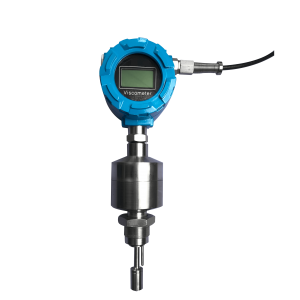
Lonnmeter’s inline density meter provides real-time feedback on the actual ammonia density, offering early warning in the event of contamination, stratification, or abnormal phase changes within the tank. The viscosity meter further informs operators about the fluid’s handling characteristics, helping avoid line clogs or pump issues.
When monitored collectively and analyzed in real time, these instruments allow operators to maintain critical stability in ammonia feed rates for flue gas denitration techniques. They make it possible to avoid over-pressurization, maintain vacuum within safe parameters, and ensure zero-leakage ammonia systems. This coordination reduces the likelihood of liquid ammonia spills, leaks, or unintended emissions, supporting ammonia emission monitoring and compliance outcomes.
In summary, continuous real-time feedback from a network of inline instruments is the technical core of modern liquid ammonia storage safety and effective control in iron and steel plant flue gas denitration.
Key Regulatory, Safety, and Compliance Considerations
Ammonia anhydrous liquid is a critical component in selective catalytic reduction (SCR) for flue gas denitration in iron and steel manufacturing. Strict liquid ammonia storage safety and flue gas emission control standards govern these industrial operations.
Current ammonia storage tank safety regulations require the use of robust construction materials, pressure relief systems, and fail-safe mechanisms on all liquid anhydrous ammonia storage tanks. Hydrostatic relief valves are essential to prevent overpressure and guarantee the system remains within safe operating limits. Regulations also mandate double-walled or vacuum-insulated tank designs to contain leaks. Zero leakage ammonia systems are required by many authorities to reduce both human and environmental exposure to ammonia liquid toxicity risks.
For flue gas emission control, ammonia as a reducing agent in flue gas treatment is subject to regulations targeting the reduction of nitrogen oxides (NOx). Emission standards stipulate maximum allowable NOx concentrations in stack gases. Operators must employ proven nitrogen oxides (NOx) reduction methods, often supported by compliant flue gas emission standards that define limits and prescribe continuous ammonia emission monitoring and compliance protocols.
Industry safety recommendations address ammonia’s toxicity, flammable, and explosive hazards. Strict human exposure limits are set, normally ranging from 25 ppm (parts per million) for short-term exposures. Mandatory personal protective equipment (PPE) includes chemical-resistant gloves, goggles, and respiratory protection. Facilities must train personnel in rapid detection and response protocols for leaks. Handling ammonia also involves minimizing ignition sources and ensuring proper ventilation in storage and transfer zones.
On-site ammonia exposure monitoring is emphasized to detect vapor releases swiftly. Facilities increasingly use sensor arrays linked to continuous pressure measurement systems for ammonia storage. These systems, sometimes in tandem with automatic feed cutoff technology for ammonia tanks, support real-time intervention and process adjustment, thereby enhancing safety. Leak alarms and remote diagnosis in ammonia storage management enable early identification of risk scenarios, reducing downtime and protecting workers.
Effective liquid ammonia spill prevention strategies focus on engineering and administrative controls. Isolation valves and secondary containment structures are standard to restrict spill impact. Emergency response plans and regular spill drills prepare staff for rapid containment and recovery.
Strict adherence to ammonia storage tank safety regulations and the integration of emission monitoring and prevention technologies are fundamental to ensuring safe and compliant operation of flue gas denitration techniques in iron and steel plants.
Lonnmeter Inline Pressure Transmitters in Ammonia Storage and Flue Gas Denitration
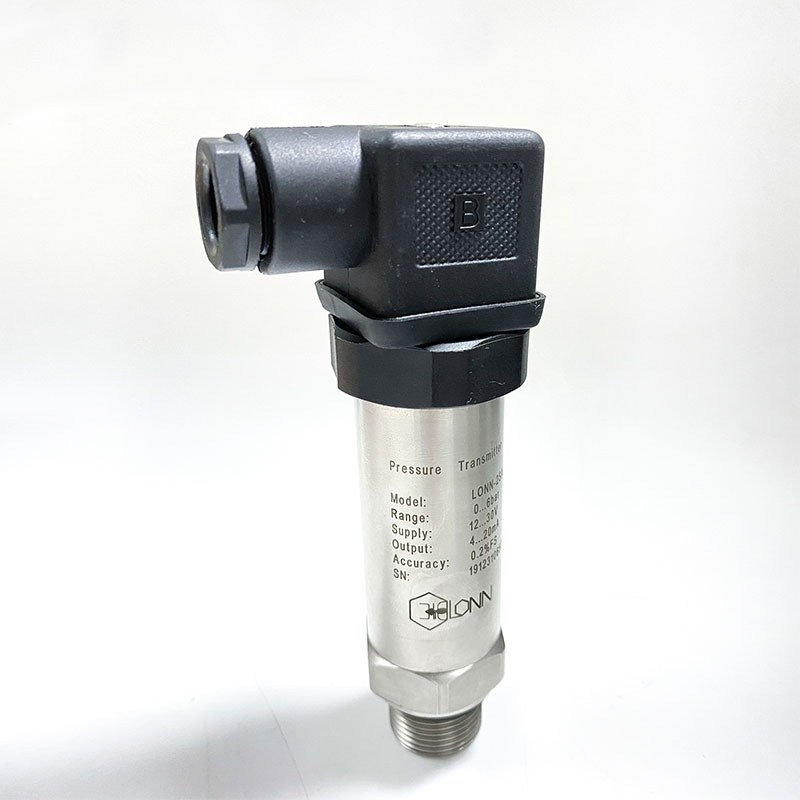
Lonnmeter inline pressure transmitters are engineered for the rigorous demands of ammonia anhydrous liquid handling and storage environments. These transmitters play a critical role in maintaining liquid ammonia storage safety, particularly in managing liquid anhydrous ammonia storage tanks crucial for flue gas denitration techniques. Accurate, real-time pressure measurement enables compliant flue gas emission standards, facilitating effective nitrogen oxides (NOx) reduction methods through precise injection of ammonia as a reducing agent in flue gas treatment.
The transmitter’s construction offers high chemical resistance, specifically designed to withstand the corrosive and toxic nature of ammonia liquid. This high chemical resistance is necessary to prevent system degradation and leakage, directly supporting zero leakage ammonia systems. Rapid fault detection capabilities are integral to the design; the sensors are equipped to trigger automatic feed cutoff technology instantly during abnormal pressure events. This feature minimizes ammonia handling flammable and explosive hazards, addressing critical ammonia liquid toxicity risks and aligning with the strictest ammonia storage tank safety regulations.
Support for remote diagnosis is incorporated, allowing facility operators to access transmitter diagnostics and live status without direct on-site intervention. This remote access framework enhances continuous pressure measurement systems for ammonia storage, enabling rapid troubleshooting and minimizing exposure risk by reducing the need for maintenance personnel to enter hazardous zones. Seamless integration with existing process control systems ensures that pressure data feeds directly into supervisory platforms and emergency response logic circuits. This integration allows real-time feedback for ammonia emission monitoring and compliance, optimizing ammonia injection rates and supporting liquid ammonia spill prevention strategies.
The effectiveness of pressure monitoring relies on optimal sensor placement. Lonnmeter recommends direct pipeline mounting at pressure-critical points to capture localized fluctuations. Placement at storage tank inlets and outlets enables comprehensive feedback on filling and dispensing operations, facilitating immediate reaction to leaks or blockages. Positioning inline pressure transmitters at ammonia injection nozzles ensures feedback for precise ammonia dosing, crucial for effective flue gas emission control and the prevention of ammonia overdosing that can lead to regulatory breaches or efficiency losses.
Combined, these solutions deliver a robust platform for continuous, reliable, and compliant management of ammonia systems, minimizing risk while supporting operational efficiency in demanding industrial applications.

Benefits of Advanced Inline Pressure Monitoring for Iron and Steel Plants
Advanced inline pressure monitoring systems for liquid anhydrous ammonia storage tanks enable continuous, real-time tracking of vessel conditions during flue gas denitration processes. This approach ensures stable tank operation and promptly detects pressure anomalies. As a result, these systems increase operational efficiency by allowing immediate adjustment of process parameters, preventing ammonia feed interruptions, and reducing the need for frequent manual checks.
Continuous pressure measurement directly minimizes unplanned downtime. Faults such as pressure drops or surges, which can lead to liquid ammonia spills or process shutdowns, are identified instantly. Automatic feed cutoff technology responds to dangerous conditions, halting ammonia flow to avoid catastrophic leaks and supporting zero leakage ammonia systems in compliance with industry safety regulations. Efficient monitoring lowers the likelihood of equipment failures, saving on emergency repair and maintenance costs and preserving plant uptime.
Accurate pressure management safeguards liquid ammonia storage safety. By maintaining tanks within strict limits, the risks associated with ammonia’s toxicity, flammability, and explosiveness are substantially reduced. Integrated pressure data—when combined with remote diagnosis technology—allows operators to respond to emerging threats and diagnose issues without physical presence, improving safety for on-site personnel. This approach reduces accidental exposure incidents and facilitates targeted intervention, enhancing ammonia spill prevention strategies and supporting regulatory compliance.
From an emissions perspective, precise control of pressure within ammonia tanks ensures reliable dosing of ammonia as a reducing agent in flue gas treatment. Stabilized feed rates enable consistent nitrogen oxides (NOx) reduction, supporting compliant flue gas emission standards and effective flue gas emission control. The continuous data flow allows real-time optimization of ammonia utilization, which improves flue gas denitration techniques and prevents overuse of the chemical. As a result, operational costs are reduced and environmental performance strengthened.
Further, inline monitoring reinforces ammonia emission monitoring and compliance. Reliable system data provides documentation for regulators, demonstrating adherence to ammonia storage tank safety regulations. It enables rapid action in response to exceedances, ensuring permitted emission levels are not breached and supporting a proactive approach to nitrogen oxides reduction methods. Enhanced monitoring and instant alerts improve on-site ammonia exposure monitoring, shielding personnel and infrastructure from the dangers of both acute and chronic ammonia liquid toxicity risks.
In summary, advanced inline pressure monitoring transforms liquid ammonia storage management in iron and steel plants by enhancing operational efficiency, reducing maintenance requirements, safeguarding workers and the environment, and driving consistent achievement of flue gas emission control targets.





Frequently Asked Questions (FAQs)
What are the primary hazards associated with ammonia anhydrous liquid used in flue gas denitration?
Ammonia anhydrous liquid is highly toxic, and inhalation can result in severe respiratory damage within minutes. Its strong corrosive nature means it can rapidly deteriorate carbon steel, concrete, or aluminum, increasing risk of system failure. Under certain conditions, liquid anhydrous ammonia is both flammable and explosive, especially in confined spaces with air. Safe handling requires zero-leakage ammonia systems, robust tank design, and sealed transfer lines. Continuous instrumentation and frequent on-site ammonia exposure monitoring are necessary to avoid toxic vapor release, accidental spills, or catastrophic tank ruptures.
How does continuous inline pressure measurement improve liquid ammonia storage safety?
Continuous inline pressure measurement is central to maintaining liquid ammonia storage safety. Real-time pressure readings offer immediate alerts for over-pressure events, leaks, or valve malfunctions. Early detection supports quick isolation using automatic feed cutoff technology for ammonia tanks. This rapid response capability prevents accidental ammonia release and ensures that storage tank operations align with liquid ammonia storage safety regulations. Continuous monitoring also prevents structural stress or rupture risks by maintaining stable pressures inside storage vessels.
Where should inline pressure transmitters be installed in ammonia storage systems?
Inline pressure transmitters should be fitted at key points throughout ammonia storage systems. Locations include the inlets and outlets of storage tanks, the main ammonia supply lines, and regions where ammonia is injected into the flue gas for denitration. Strategic placements allow for fast identification of pressure surges, drops due to leaks, or blockages within the system. Coordinated with other sensors, this configuration is foundational for zero leakage ammonia system performance throughout the ammonia handling process.
What role do additional inline measurement devices play alongside pressure transmitters?
A comprehensive ammonia storage safety setup employs more than just pressure transmitters. Inline concentration, density, and viscosity meters (such as those by Lonnmeter), along with level and temperature instrumentation, deliver a real-time operational snapshot of the entire ammonia delivery network. These tools help operators precisely dose ammonia as a reducing agent in flue gas treatment, detect inconsistencies or contamination, and maintain process stability. For example, inline density meters protect against improper ammonia concentration, while temperature sensors alert to abnormal heat generation that could signal a leak or reaction. Only through the interplay of such devices can maximum safety, efficient nitrogen oxides (NOx) reduction, and consistent storage tank compliance be achieved.
How does real-time monitoring help maintain compliant flue gas emission standards?
Real-time monitoring provides the automated process control essential for compliant flue gas emission standards. By tracking pressure, concentration, flow, and tank levels, operators can adjust ammonia dosing for effective nitrogen oxides (NOx) reduction methods. It also acts as a safeguard to prevent accidental releases during operation, supporting ongoing documentation required by regulatory bodies. Comprehensive monitoring solutions help iron and steel plants seamlessly meet emissions targets, especially as emission compliance is scrutinized under stringent flue gas emission control mandates.
Post time: Jan-14-2026


