

Real-time pressure monitoring is vital for maintaining safe and efficient gasoline refinery process operations. Inline pressure measurement ensures that distillation columns, both atmospheric and vacuum, operate within designed parameters, directly influencing the quality of product separation and overall process yield.
Continuous, accurate inline pressure data is critical during the distillation of gasoline process. Fluctuations in pressure inside atmospheric distillation columns can impact boiling points and phase equilibrium, causing incomplete separation or off-spec gasoline fractions. This leads to product quality loss, reduced yield, or increased energy usage as operators try to correct deviations. Inline pressure transmitters respond more quickly than older remote systems, providing reliable feedback to process controls and minimizing delays caused by impulse lines and temperature gradients. This precision allows operators to maintain optimal vapor-liquid ratios and prevent disturbances in fractionation, which is essential in both atmospheric distillation column operation and vacuum distillation column process management.

Distillation Columns Used in Crude Oil Refining
*
Fundamentals of Gasoline Distillation: Atmospheric and Vacuum Distillation Columns
Distillation underpins how a gasoline refinery works, separating complex crude oil into valuable products by exploiting differences in boiling points. The atmospheric distillation column is the initial step in the gasoline distillation process. Here, crude oil is heated and vaporized at near-atmospheric pressure. As vapor rises through the column, trays or packing maximize contact with cooler surfaces, causing condensation of heavier fractions at lower levels, while lighter hydrocarbons—such as naphtha (precursor to gasoline), kerosene, and diesel—continue upward to their respective collection points. The column’s operation directly affects refinery throughput, with expansions at major refineries in 2024 increasing capacity and enhancing the output of gasoline and other key distillates.
Once atmospheric distillation is complete, the heavier, non-vaporized residue is transferred to the vacuum distillation column. Operating under reduced pressure, the vacuum distillation column prevents thermal cracking by lowering boiling points, allowing further fractionation of components like lubricating base oils, waxes, and heavy gas oils. Over 80% of modern refineries employ vacuum distillation for this crucial residue conversion, highlighting its significance in efficient gasoline refinery process steps.
Pressure is fundamental in both the atmospheric distillation column operation and vacuum distillation column process. Maintaining appropriate pressure ensures predictable vapor-liquid equilibrium (VLE), allowing accurate separation of hydrocarbons by their volatility. Incorrect pressure can alter boiling points and hamper fractionation, risking undesired side reactions or failing to isolate desired products. For example, excessive column pressure increases the boiling point, which may lead to thermal degradation of sensitive fractions. Conversely, vacuum conditions lower boiling points, enabling separation without deformation of heavier components.
Precise, real-time pressure measurement is essential for optimizing the distillation of gasoline process. Industrial pressure transmitters, such as differential pressure transmitters, are installed at strategic points to continuously monitor pressure differentials and column integrity. These devices, including models referenced in Rosemount 3051 transmitter installation guide and 2088 pressure transmitter features, provide reliable online data for both gas and liquid measurement, ensuring safe, efficient refinery distillation column maintenance. Advanced column internals—like improved trays and structured packing—and integrated process control systems now enhance pressure stability in vacuum units, leveraging modern measurement technologies for quality and yield optimization.
Recent advancements in vacuum distillation technology focus on upgrading internals, streamlining pressure control, and integrating digital monitoring. Enhanced automation and physical modeling support adaptive process control, greatly reducing energy use and improving yield consistency. Vacuum distillation’s growing adoption, now standard in residue conversion, demonstrates its vital role as part of the gasoline refining process steps for producing high-value fractions from increasingly complex and heavier crude feeds.
In summary, the interplay of atmospheric and vacuum distillation columns, dictated by nuanced pressure management and robust online industrial pressure measurement devices, is foundational to gasoline distillation processes. These columns together support refinery flexibility, enhance product purity, and drive throughput in response to evolving crude compositions and demand patterns.
Challenges in Pressure Measurement for Gasoline Distillation
Gasoline distillation processes occur in highly demanding environments. The atmospheric distillation column operation exposes measurement devices to high temperatures, often surpassing 400°C, especially in the lower sections of the column. At these temperatures, electronic components and seals in industrial pressure transmitters for gas and liquid measurement face polymer degradation and drift, which can compromise accuracy and lifespan.
Corrosive atmospheres add another layer of complexity. Feedstocks in the gasoline refinery process contain sulfur compounds and chlorides. These components, combined with water vapor at high heat, form corrosive acids that can attack traditional metal or elastomer-based measurement systems. For example, stainless steel pressure sensor diaphragms may suffer pitting or crevice corrosion, especially in vacuum distillation column process environments. Selecting suitable materials such as high-nickel alloys or ceramic diaphragms becomes critical to maintain transmitter integrity.
Gasoline refining process steps also introduce fluctuating and often turbulent pressure profiles due to changing feed rates, draw-off adjustments, or reflux ratio modifications. During the distillation of gasoline process, rapid transients and pulsing flows can impart noise into measurement signals. This complicates stable control, requiring pressure transmitters with fast, dynamic response and digital filtering capabilities to report true process pressures instantly.
Reliance on manual intervention increases the risk of human error, especially at critical control points like overhead vapor pressure and bottoms product pressure. Inconsistent logging or delayed manual readings introduce uncertainty, affecting real-time quality control. Durable, fully online pressure transmitters reduce this risk by providing continuous, real-time data across the column height, supporting both product cut optimization and refinery distillation column maintenance planning.
Because the critical pressure readings directly affect product cut points and yields, device reliability is non-negotiable. A failure in differential pressure transmitters for refinery service can result in off-specification naphtha or gasoline blending components, forcing reprocessing or disposal. The need to minimize intervention and measurement error is strongest around the rectifying and stripping sections where even small pressure deviation alters the internal vapor-liquid equilibrium. Selecting robust devices for industrial pressure measurement devices online, and following precise installation guidelines, is essential to maintain process consistency.
In summary, the unique challenges of the gasoline distillation process—thermal, chemical, and dynamic—demand specialized pressure measurement technology. Only high-durability, quick-response, and corrosion-resistant transmitters, specified for continuous and online operation with minimal human adjustment, can assure long-term, error-minimized performance in these refinery environments.

Inline Pressure Transmitters: Solutions for Distillation Process Optimization
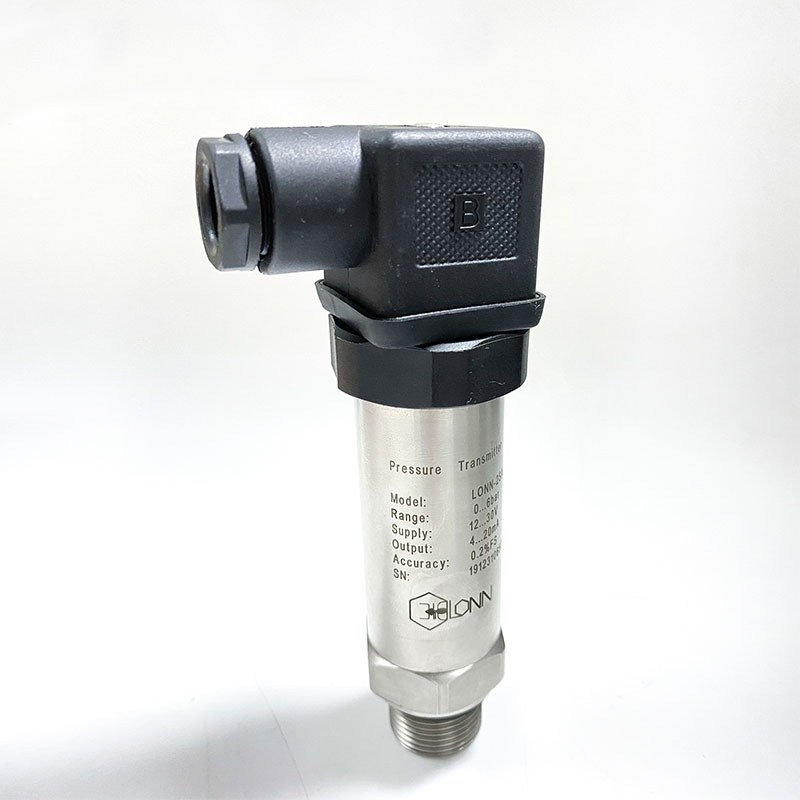
Lonnmeter inline pressure transmitters are engineered for precise, robust, and continuous measurement, supporting every stage of the gasoline refinery process. These transmitters are designed to withstand the variable pressures found in atmospheric distillation column operation and the low pressures of the vacuum distillation column process. Their advanced sensor technology ensures reliable industrial pressure transmitters for gas and liquid measurement, delivering consistent accuracy even when exposed to fluctuating temperatures, physical vibrations, and chemical contaminants.
The continuous monitoring capabilities of Lonnmeter’s pressure transmitters provide immediate insight into both typical and abnormal pressure variations. This enables operators to promptly adjust flows, condenser loads, or reboiler duties within the distillation of gasoline process. Accurate pressure readings are especially important during gasoline refining process steps where column flooding, weeping, or packing damage could lead to reduced efficiency or operational hazards.
Key design features enhance their performance and reliability. Lonnmeter transmitters use chemically resistant materials to ensure compatibility with the aggressive hydrocarbons and cleaning agents encountered during refinery distillation column maintenance. Their robust build allows deployment across all sections of the distillation columns—whether mounted near corrosive trays, in overhead lines, or on vacuum side draws. Advanced electronic assemblies within the transmitters facilitate real-time data integration, streamlining diagnostics and supporting precise process control. This real-time feedback loop empowers operators to sustain tight control in both atmospheric and vacuum column applications.
Seamless transition between distillation steps depends heavily on stable pressure profiles. Accurate, online industrial pressure measurement devices can help operators anticipate changes in vapor-liquid equilibrium, avoiding both product off-spec events and unscheduled shutdowns. Lonnmeter’s devices support this by maintaining high-resolution tracking of pressure changes through heating, vaporization, fractionation, and condensation steps. This is critical for maximizing output efficiency and ensuring the most economically advantageous product cut points during distillation column operation.
Operational safety is significantly improved through reliable inline pressure data. Proper alarm triggers and automated trip functions rely on real-time monitoring, which mitigates risks such as overpressure, vacuum collapse, and potential hydrocarbon releases. In summary, Lonnmeter inline pressure transmitters provide the robust construction, advanced technical features, and tight integration necessary for optimal, safe, and efficient operation of gasoline distillation columns—delivering essential instrumentation for understanding how a gasoline refinery works from start to finish.
Rosemount 3051 vs 2088 Pressure Transmitter
The Rosemount 3051 differential pressure transmitter is a central component for precise pressure measurement in gasoline refinery processes. Its design emphasizes high performance, supporting critical tasks such as monitoring the pressure drop across trays or packed beds in both atmospheric distillation column operation and vacuum distillation column process steps. High accuracy—typically within ±0.04% of span—ensures that even minor pressure changes reflecting liquid level, flow rate, or density are detected, which is vital to stable column operation and real-time feedback in the distillation of gasoline process.
A major advantage of the Rosemount 3051 transmitter is its compact, robust enclosure, which allows installation in tight spots on refinery columns while maintaining long-term reliability. Digital communication protocols like HART and Foundation Fieldbus facilitate efficient calibration, diagnostics, and integration into distributed control systems. This supports streamlined refinery distillation column maintenance and allows for rapid sensor parameter adjustments during gasoline refining process steps. Installation can reference the Rosemount 3051 transmitter installation guide for proper alignment and impulse line connection, ensuring optimal performance and data accuracy.
In parallel, the Rosemount 2088 pressure transmitter is used for direct gauge or absolute pressure measurement of process streams entering or exiting distillation columns. Its rugged construction withstands harsh conditions typical in gasoline refinery environments, including vibration, corrosive atmospheres, and temperature fluctuations that are common during the operation of industrial pressure transmitters for gas and liquid measurement. Precision sensing elements, with ranges adaptable to most refinery process pressures, ensure the 2088 pressure transmitter features stable and repeatable outputs for use in both atmospheric and vacuum column sections.
Both the 3051 and 2088 transmitters integrate seamlessly with process automation, supporting continuous feedback and rapid fault diagnosis. Their versatile mounting options and standardized signal outputs make them suitable for upgrade projects or as replacements during refinery shutdowns. These differential pressure transmitters for refinery application help ensure stable gasoline distillation process control, minimize unplanned downtime, and support compliance with operational safety standards. Incorporating field-proven industrial pressure measurement devices online enhances the reliability of stepwise process control in critical gasoline refining process steps, from feed preheat to product draw-off.

Specifying the right industrial pressure measurement devices online is vital for the gasoline refinery process, especially where the accuracy and reliability of readings impact operational safety and product quality. Lonnmeter focuses on making the selection of inline pressure transmitters straightforward for refinery operators managing the complex gasoline distillation process.
Selecting transmitters for atmospheric distillation column operation and vacuum distillation column process control requires detailed application knowledge. Each refinery’s process configuration demands unique device features, which influence installation locations, component compatibility, and maintenance cycles. Lonnmeter provides dedicated support through experienced engineering teams who help break down refinery requirements—from the separation stages in atmospheric and vacuum towers to the piping routes for gas and liquid flows.
Gasoline refining process steps often involve multiple pressure zones, each with unique transmitter needs. For example, accurately monitoring the differential between column pressure and condenser pressure is crucial in both atmospheric and vacuum units to maintain optimal separation. While standard transmitter models like the 3051 series are often referenced for their specifications, many refinery environments require calibration or feature adaptation beyond basic datasheet descriptions. Lonnmeter experts assist in navigating these details, ensuring the selection not only meets standard transmitter features but is tailored to the specific chemical and mechanical demands of each distillation stage.
Requesting a quote from Lonnmeter directly connects operators to this application-focused expertise. This process ensures every device recommendation—whether for high-accuracy differential pressure transmitters for refinery overhead lines or robust instruments for residue draw-off points—reflects the exact operational needs. The result is compatibility with both legacy assets and modernized column systems across all phases of gasoline refining and distillation.
Direct engagement through a quote does not end at device supply. Lonnmeter’s ongoing support extends through specification, installation, and routine refinery distillation column maintenance, addressing common concerns about how a gasoline refinery works and continuously improving safety and efficiency. This tailored guidance, combined with product-specific insights, secures long-term reliability in industrial pressure transmitters for gas and liquid measurement—empowering operators to manage complex refinery processes with confidence.





Frequently Asked Questions (FAQs)
What is the role of pressure measurement in the gasoline distillation process?
Pressure measurement is critical in the gasoline distillation process. Accurate, real-time pressure readings maintain optimal operating conditions within both atmospheric and vacuum distillation columns. Stable pressure directly affects the efficiency of separation between various hydrocarbon fractions. If pressure drifts outside target values, operators may see off-spec products or process upsets. In atmospheric distillation column operation, precise pressure control prevents flooding or weeping, maximizing product quality. In a vacuum distillation column process, maintaining low pressures avoids thermal cracking, protecting valuable yield. Effective pressure measurement safeguards both safety and operational integrity in the distillation of gasoline process.
How do Rosemount 3051 and 2088 pressure transmitters improve refinery operations?
The Rosemount 3051 differential pressure transmitter offers high-accuracy, inline monitoring for gas and liquid measurements. It supports rapid detection of small pressure changes that signal column upsets or leaks. The Rosemount 2088 pressure transmitter is known for reliability and reduced maintenance needs. Both transmitters include robust sealing and electronics suitable for harsh refinery environments. These features help operators adhere to refinery distillation column maintenance schedules by minimizing downtime. With quick installation (as outlined in the Rosemount 3051 transmitter installation guide) and proven durability, they offer continuous data vital for maintaining safe and profitable gasoline refining process steps.
Why is vacuum distillation important in the gasoline refinery process?
Vacuum distillation is essential for upgrading heavier fractions left after atmospheric distillation. By reducing column pressure, the boiling points of heavy hydrocarbons decrease, allowing separation at lower temperatures. This minimizes thermal cracking, which could otherwise lead to coke formation and equipment fouling. The vacuum distillation column process thus broadens the range of products—including lighter fractions for gasoline—improving refinery flexibility. This step is key to maximizing yield and quality in the overall gasoline refinery process, enabling the recovery of additional distillates that would be wasted or degraded under atmospheric pressure.
Can Lonnmeter pressure transmitters be used in both atmospheric and vacuum distillation columns?
Lonnmeter inline pressure transmitters are built for flexibility in deployment across the entire refinery process. They function reliably in both atmospheric and vacuum distillation columns, accommodating variable process pressures and harsh chemical environments. Their design leverages corrosion-resistant materials and modular signal integration, delivering consistent, accurate pressure data. Whether monitoring the demanding conditions of an atmospheric distillation column operation or the precise requirements of a vacuum distillation column process, Lonnmeter’s engineering ensures signal stability, accuracy, and long-term performance.
Where can I find reliable pressure measurement devices online for refinery applications?
Lonnmeter offers a portfolio of inline industrial pressure transmitters for gas and liquid measurement, designed specifically for gasoline refinery processes. Purchasing industrial pressure measurement devices online from Lonnmeter allows access to specialized engineering support and detailed product expertise. Detailed recommendations address both new installations and upgrades for existing units. Whether the need is differential pressure transmitters for refinery distillation columns or maintenance planning tools, direct contact with Lonnmeter secures solutions tailored for every gasoline refining process step.
Post time: Jan-05-2026


