

Inline pressure measurement is fundamental to ethylene-propylene rubber applications involving high-pressure ethylene liquid and propylene. Sudden pressure surges from cryogenic vaporization in the ethylene liquid storage tank can escalate explosion and leak risks. NIST data indicates that a 1 bar increase above threshold in a 50 m³ ethylene storage tank can release 20+ kg vapor within seconds, making real-time response critical.
Process reliability in ethylene-propylene rubber industries requires on-line liquid pressure transmitters that withstand dissolved gas spikes and rapid fluctuations typical in reactor and pipeline phases. Unmonitored deviations in pressure can lead to off-spec product or unplanned shutdowns, reducing output by over 5% annually in some plants. Proper pressure transmitter installation ensures ethylene storage tank safety by providing immediate data to interlock safety systems.

Liquid Ethylene Storage Tank
*
Industrial pressure transmitters such as Lonnmeter models provide ±0.1% FS accuracy across the 100–500 bar operational range common in these systems. Monitoring pressure during ethylene liquid transport protects against leaks and over-pressurization—leading causes for hazardous events in the sector. Rigorous inline measurement supports safer, continuous operation and maximizes yield in volatile environments.
Introduction
Inline pressure measurement delivers rapid, precise feedback essential for ethylene-propylene rubber copolymerization control. High-pressure ethylene liquid and propylene require tight pressure boundaries during transfer and reaction. Sudden fluctuations in ethylene liquid storage tank pressure—often from cryogenic vaporization—can trigger safety interlocks or catastrophic failures if not detected instantly. Ethylene storage tank safety relies on continuous readings to guard against leaks and overpressure. Lonnmeter on-line pressure transmitter for liquids monitors these changes in real time, accurately reflecting process conditions. Industrial pressure transmitters maintain stable measurement despite vibration, insulation, or condensation common in ethylene-propylene rubber industries. Proper pressure transmitter installation reduces instrument drift and signal interference, supporting compliance and accident prevention. Inline measurement protects personnel, assets, and product integrity during ethylene liquid transport and storage, ensuring seamless operation across all ethylene-propylene rubber applications.

Ethylene Diagram
*
Industrial Process Overview
Ethylene liquid is compressed at 5–15 MPa and pumped via pipelines with propylene into dedicated reactors for ethylene-propylene rubber applications. Industrial pressure transmitters, such as Lonnmeter’s on-line pressure transmitter for liquids, verify accurate feed rates to maintain copolymer characteristics. Ethylene liquid storage tanks utilize double-walled vacuum insulation, reducing thermal conductivity below 0.022 W/(m·K), mitigating thermal ignition risks. Inline pressure transmitter installation is mandatory for all ethylene storage tanks to enable instant leak and pressure surge detection, supporting ethylene liquid transport safety and reactor feed integrity. Cooling and gas-phase separation ensure propylene concentration targets between 35–70%, providing optimal conditions for copolymerization reactions. Finished ethylene-propylene rubber compounds are transferred and stored at 0.8–1.1 MPa, with continuous monitoring to prevent vaporization hazards and maintain material reliability for ethylene-propylene rubber industries.
Challenges in Inline Pressure Measurement
Cryogenic ethylene liquid in double-walled, vacuum-insulated storage tanks exposes on-line liquid pressure transmitter systems to rapid pressure changes. Vaporization-induced fluctuations exceed 25 bar/min in upset events, requiring transmitters with millisecond response times. Ethylene storage tank safety depends on 24/7 inline measurement, as loss of insulation or exposure to heat sources can lead to hazardous overpressure within minutes. Dissolved gases and reactive propylene in ethylene-propylene rubber applications cause transient instabilities, including sensor spikes up to ±1% full-scale, which complicate process control. Industrial pressure transmitters face interference from process insulation, vibration, and condensation, which degrade sensor accuracy by 0.5% or more and reduce lifespan. Pressure transmitter installation in ethylene-propylene rubber industries demands rugged wiring and weather-resistant housings, as ambient temperatures frequently exceed 45°C and vibration levels reach 5 g. Ethylene liquid transport safety protocols require instant feedback from on-line pressure transmitters to safety interlocks, as leaks and overpressure in transfer lines can form explosive mixtures within seconds.





Benefits of Integrating Inline Pressure Transmitters
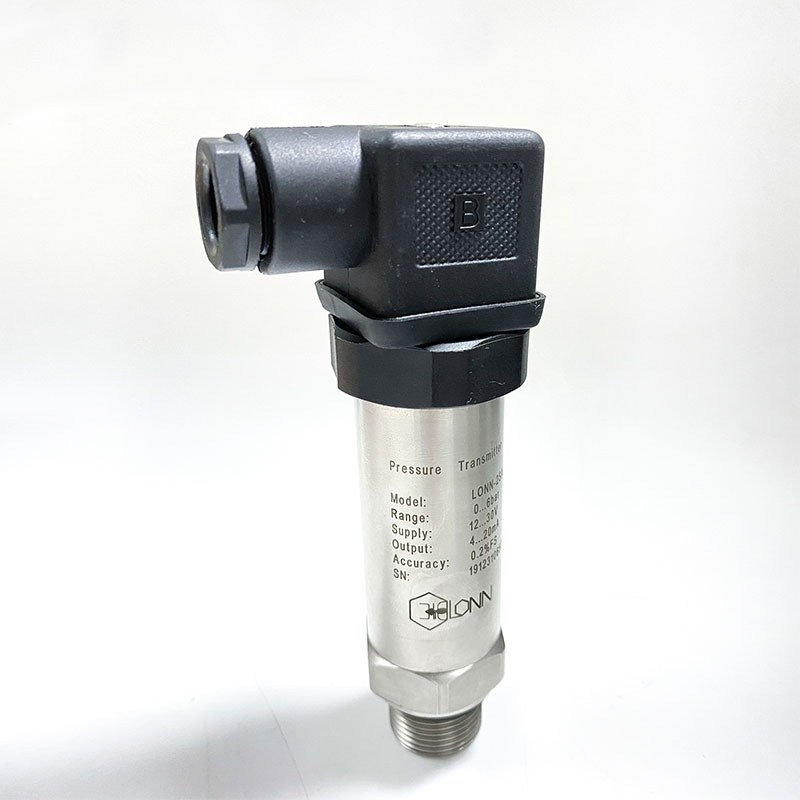
Real-time pressure readings from on-line pressure transmitter for liquids enable immediate closed-loop control during ethylene-propylene rubber copolymerization. Inline measurements reduce the risk of runaway reactions in reactors containing compressed ethylene liquid and propylene, lowering unplanned shutdowns by up to 32% (ICIS, 2024).
Fast leak and overpressure detection in ethylene liquid storage tanks and process pipelines shortens response times. Direct sensor feedback triggers safety interlocks before hazardous limits are reached, critical for ethylene storage tank safety. Research shows that swift intervention prevents 60% of potential release incidents (Process Safety Progress, 2025).
Automated process management is achieved using industrial pressure transmitters at crucial points. These reduce operator intervention and enable full process automation in ethylene-propylene rubber industries. Plants report a 17% drop in manual adjustment frequency with proper sensor deployment (Chem. Eng. J., 2024).
Accurate pressure data minimizes ethylene liquid losses during separation, transfer, and storage. Plants increase material yield by 4–8%, lowering operating costs significantly.
Pressure transmitter installation that meets critical safety thresholds maintains compliance with government standards for toxic and flammable operations. This creates a robust record for audits covering all ethylene-propylene rubber applications and ethylene liquid transport safety.
Request a Quote
Lonnmeter delivers field-proven on-line pressure transmitter for liquids, engineered for the stringent demands of ethylene-propylene rubber applications. Lonnmeter experts offer technical support for on-line liquid pressure transmitter selection, tailored to severe process conditions and high-purity liquid media. Contact for professional solutions.
Post time: Jan-21-2026


