

Introduction: Density Measurement Is Easy — Until It Isn’t
In theory, measuring density sounds simple.
In reality, most engineers know the truth:
density measurement becomes complicated the moment you move from the lab to the field.
Unstable flow, temperature changes, vibration, air bubbles — all of these can turn “accurate measurement” into unreliable data.
At LONNMETER, we’ve worked with customers across petrochemical, chemical processing, and energy industries. The same questions come up again and again.
This article walks through those real-world questions — and what actually matters when selecting an online density meter.
1. Will This Density Meter Actually Work in My Process?
This is always the first question — and the most important one.
Engineers are not just buying an instrument.
They’re asking:
Will it handle my fluid?
Will it survive my environment?
Will it keep working six months from now?
What matters in practice
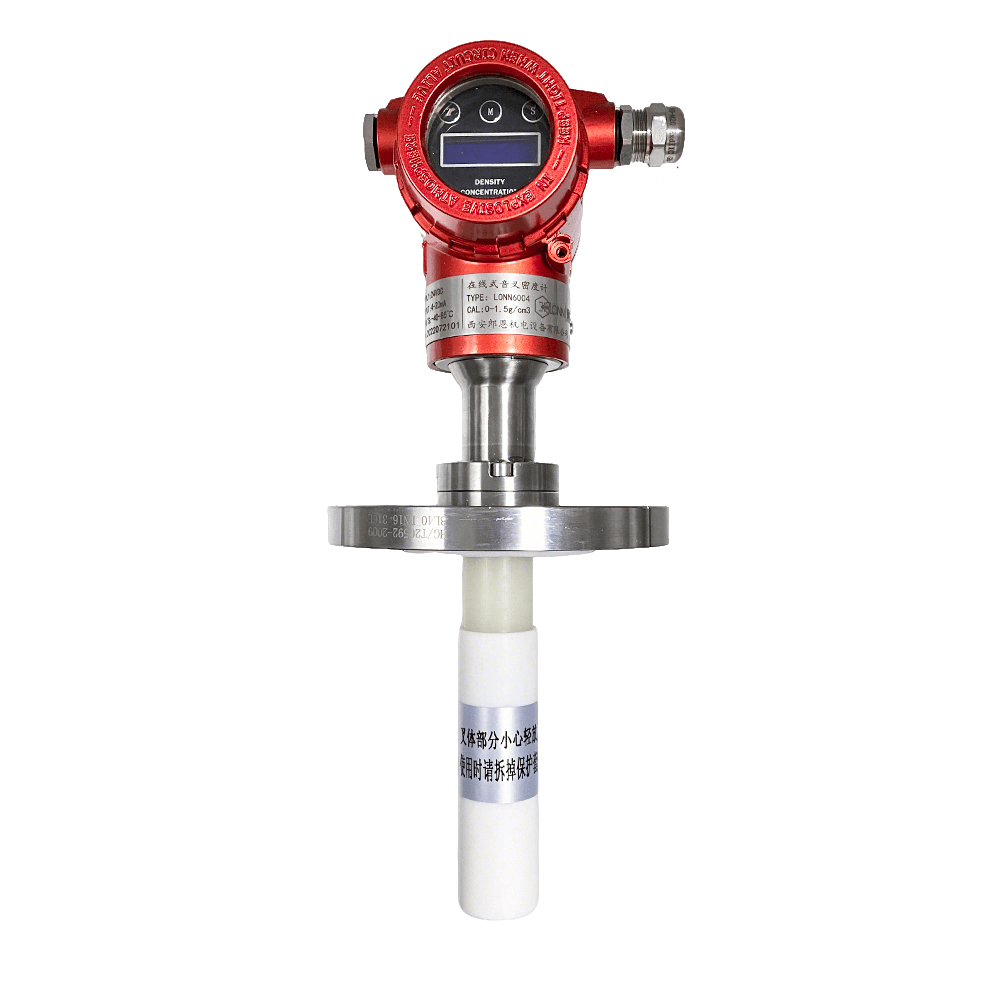
For most industrial applications, a vibrating fork (tuning fork) density meter is one of the most reliable approaches.
Instead of relying on manual sampling, it measures density continuously by detecting changes in vibration frequency when the sensor is in contact with the liquid.
In real applications, this means:
No need for lab sampling
Continuous inline monitoring
Stable readings even in flowing conditions
At LONNMETER, our online density meters are commonly used in:
Petroleum products like diesel and gasoline
Chemical media such as acids and alkalis
Solvents, alcohols, and process liquids
If your process is a single-phase liquid system, this type of solution is usually the most practical and cost-effective choice.
2. How Accurate Does It Need to Be — and Will It Stay Accurate?
Accuracy is one thing.
Stability over time is what really matters.
Many engineers have experienced this:
The instrument is accurate at the beginning
But readings slowly drift over time
What to look for
In industrial environments, a reliable online density meter should provide:
Accuracy around ±0.002 g/cm³
Repeatability up to ±0.0001 g/cm³
Built-in temperature compensation
But more importantly:
It should maintain that accuracy under real process conditions
Not just under ideal factory calibration
At LONNMETER, temperature compensation is built directly into the sensor design, helping reduce drift caused by process fluctuations.
This is especially important in:
Blending processes
Chemical reactions
Oil and fuel measurement
Even small deviations can lead to noticeable process errors.
3. Can It Handle My Operating Environment?
This is where many instruments fail — not in performance specs, but in real-world conditions.
Typical challenges in the field:
High temperatures
Pressure fluctuations
Corrosive media
Mechanical vibration
What actually works
A density meter must be built with the environment in mind.
For example, LONNMETER online density meters are designed with:
Operating temperature range from -25°C to 120°C (custom options available)
Pressure resistance up to 2.5 MPa
Multiple material options:
316L stainless steel
Hastelloy
Titanium
These are not just “spec sheet features” — they directly determine whether the instrument will last in your process.
If the material selection is wrong, failure is only a matter of time.
4. How Much Does Installation Affect Performance?
More than most people expect.
In fact, many “measurement problems” are actually installation problems.
Common mistakes engineers run into:
Installing too close to pumps
Ignoring flow conditions
Poor sensor positioning
What we recommend
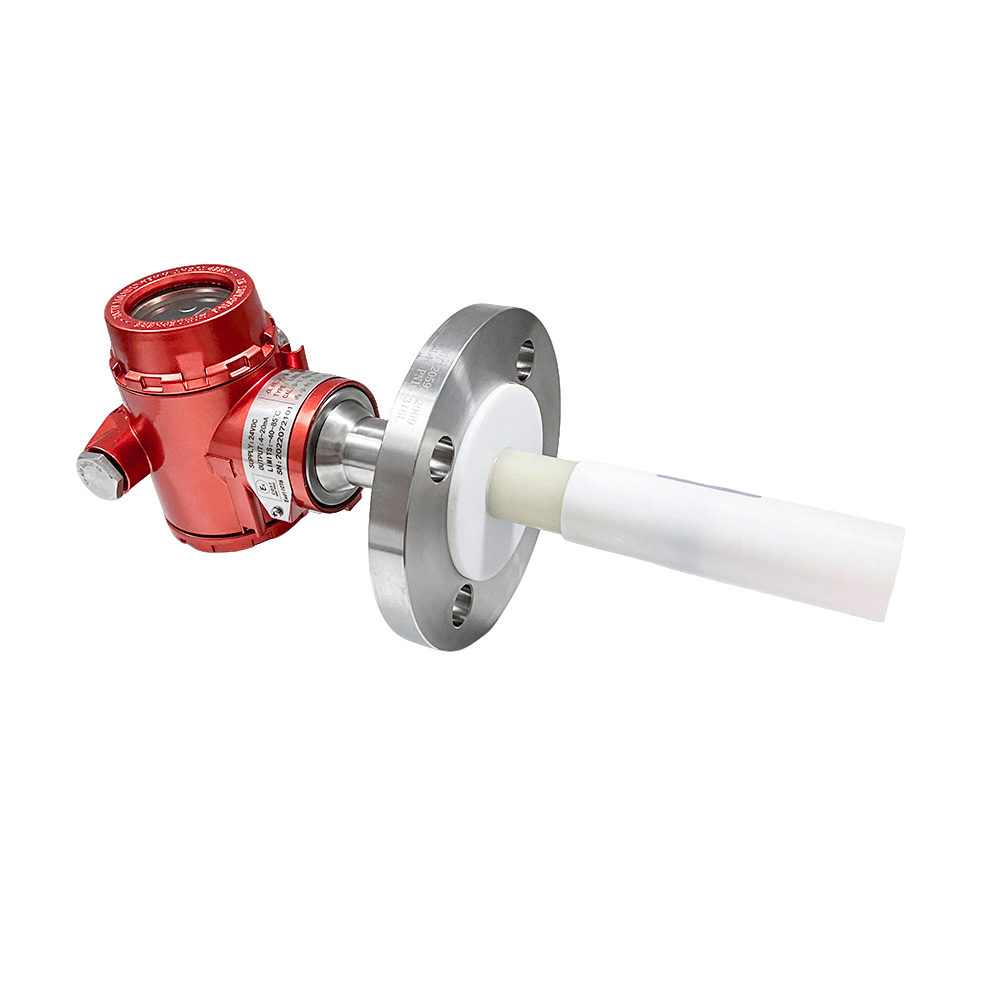
Based on field experience, stable measurement usually requires:
Controlled flow velocity (around 1 m/s or lower)
Avoiding turbulence and strong vibration zones
Proper immersion of the sensing element
Straight pipe sections when possible
At LONNMETER, we always guide customers on installation because:
Even a high-end instrument will give poor results if installed incorrectly.
5. What About Maintenance and Calibration?
No one wants an instrument that requires constant attention.
What engineers really care about:
Can I maintain it myself?
How often do I need to calibrate?
What happens if readings become unstable?
Practical reality
A well-designed online density meter should not be maintenance-heavy.
Typical maintenance includes:
Periodic cleaning (if buildup occurs)
Simple verification using water calibration (25°C reference)
Occasional zero or span adjustment
In most cases, issues are caused by:
Coating or fouling on the sensor
Air bubbles in the fluid
Process conditions outside design limits
At LONNMETER, we focus on making calibration and adjustment simple enough to be handled on-site — without complicated procedures.
6. What Value Does It Bring to the Process?
At the end of the day, engineers are not buying instruments —
they are solving process problems.
Where online density measurement makes a difference:
Product quality control
Mixing and blending consistency
Pipeline interface detection
Process automation
Reducing manual sampling
What customers typically achieve:
More stable product quality
Less material waste
Faster process response
Lower labor costs
In many cases, the instrument pays for itself through process optimization, not just measurement.
Final Thoughts: What Actually Matters
Choosing an online density meter is not about picking the highest specification.
It’s about finding a solution that fits your real process conditions.
From our experience at LONNMETER, the most successful projects always come down to five things:
Matching the instrument to the application
Ensuring stable and repeatable measurement
Selecting the right materials
Installing it correctly
Keeping maintenance simple
If these are done right, the result is not just accurate data —
but a more reliable and efficient process.
Need Help with Your Application?
If you’re evaluating options or dealing with unstable measurements, we’re happy to help.
At LONNMETER, we provide:
Application-based recommendations
Technical support before and after installation
Fast response for international projects
Visit: https://www.lonnmeter.com/
Or contact our team to discuss your specific process
Post time: Apr-15-2026


