

Maintaining consistent kerosene fuel delivery is a foundational requirement for efficient industrial kiln operation. Fuel pressure monitoring is vital, as fluctuations can disrupt combustion, leading to heat imbalances, poor product quality, and increased power consumption. One challenge in industrial kilns maintenance is that varying process loads and fuel viscosity changes can cause shifts in pipeline pressure if not carefully controlled. Since kerosene exhibits viscosity and density changes with temperature, continuous pressure monitoring provides early warning against supply deviations that might otherwise go unnoticed.
Unregulated pressure can also directly harm burner nozzles. Nozzle wear occurs as a result of both pressure surges and sudden drops; over-pressurization accelerates erosion of metal orifice surfaces, while low pressure can allow incomplete atomization, causing soot buildup and clogging. This directly affects nozzle protection, as consistent pressure extends nozzle life and preserves combustion stability. Pressure deviations lead to incomplete combustion, generating unburned hydrocarbons and excess carbon monoxide, which in turn escalate operational costs from increased maintenance and fuel waste. Proper fuel pressure transmitter benefits include less frequent nozzle replacements and reduced furnace downtime.

Oil Fuel Rotary Kiln
*
Fundamental Concepts: Inline Pressure Transmitters and Kerosene Fuel Monitoring
Inline pressure measurement is a core technique in fuel pressure monitoring for industrial kiln and boiler operation. In this approach, a pressure transmitter is installed directly into the kerosene fuel pipeline. This configuration enables real-time, continuous monitoring of supply pressure as the fuel flows to combustion chambers.
The 3051 coplanar pressure transmitter is a commonly referenced device for these applications, valued for its versatility and compatibility with a range of industrial kiln operation environments. It supports gauge, absolute, and differential pressure measurements, making it suitable for continuously tracking kerosene fuel pressure fluctuations. Its coplanar design allows for straightforward mounting with manifold valves, reducing downtime during transmitter service or calibration and enhancing safety during industrial kilns maintenance.
Operationally, the 3051 coplanar pressure transmitter works by detecting the force exerted by the kerosene fuel on a sensing diaphragm. This force deflects the diaphragm, creating a differential voltage across strain gauges bonded to the diaphragm’s surface. The transmitter converts this electrical signal into standard analog (4-20 mA) or digital protocols, compatible with industrial automation and control systems. This provides a seamless interface for continuous fuel pressure monitoring systems and easy integration with SCADA or DCS environments. Transmitters like the 3051 feature robust signal transmission, ensuring sensitive changes in fuel pressure are relayed without delay, supporting rapid industrial furnace pressure control measures when needed.
Continuous, real-time fuel pressure monitoring is essential for optimizing kerosene fuel usage. Stable pressure is necessary to ensure the atomization at burner nozzles remains consistent. Pressure deviations can undermine proper spray formation, resulting in incomplete fuel combustion and performance losses. By maintaining a tight pressure profile, operators reduce the risk of nozzle erosion, a leading nozzle wear prevention challenge. Fluctuations cause repeated impacts or lapses in lubrication at nozzle faces, accelerating wear and increasing replacement costs and downtime.
Precise control of kerosene pressure supports not only combustion quality but also safer kiln operation. Real-time signals from the pressure transmitter allow for immediate corrective action, protecting fuel lines and safeguarding personnel against the effects of overpressure events. Routine fuel pressure sensor calibration and the ability to reference detailed documentation such as the 3051 pressure transmitter manual or consult Rosemount 3051 pressure transmitter troubleshooting guides help sustain long-term measurement reliability. This combination of advanced instrumentation and operational diligence delivers the critical control required for best-in-class nozzle protection techniques and continuous pressure monitoring in industrial settings.

Lonnmeter Inline Pressure Transmitters: Product Integration and Solution
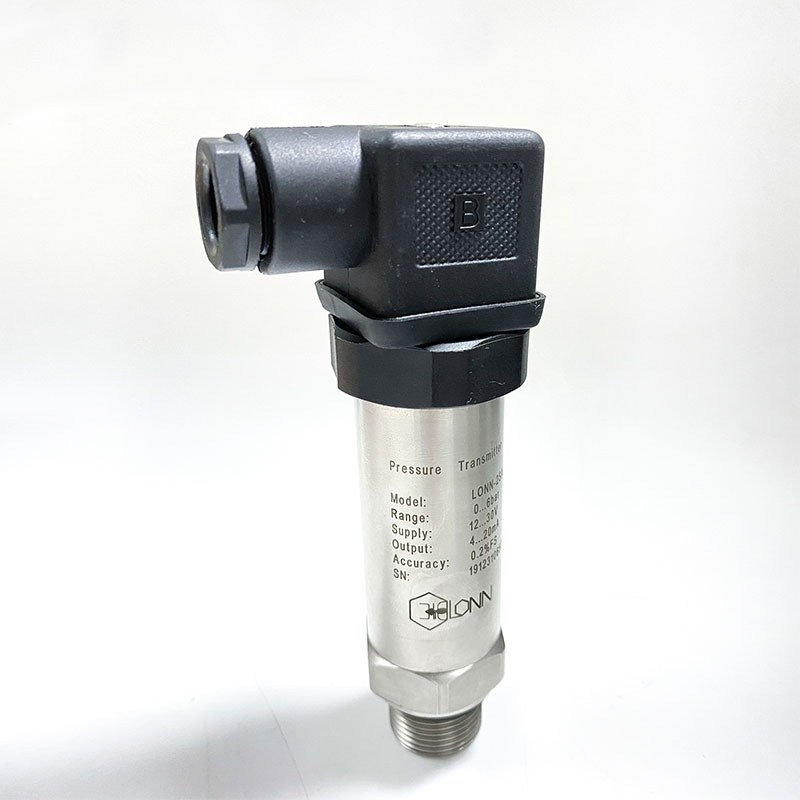
Lonnmeter inline pressure transmitters are engineered for direct integration into kerosene fuel lines serving industrial kilns and boilers. They offer standardized process connections for quick installation, fitting seamlessly within existing fuel supply layouts. These transmitters are designed for both new builds and retrofits, sending real-time pressure data to plant control systems to support continuous fuel pressure monitoring.
Key product features include rapid measurement response, essential for tracking dynamic pressure changes as burners cycle on and off during industrial kiln operation. The rugged housing withstands high temperatures, vibration, and moisture typical of kiln and boiler environments, maintaining precise readings during demanding shifts. Lonnmeter units support industry-standard output signals such as 4–20 mA, facilitating easy linkage to DCS, PLCs, and SCADA for fuel pressure monitoring.
Continuous pressure monitoring with a transmitter like the 3051 Rosemount coplanar pressure transmitter, as detailed in the 3051 pressure transmitter manual, delivers stable, accurate readings for ongoing process control. These devices integrate predictive maintenance capabilities, alerting operators to pressure anomalies before they can escalate into downtime or damage. For instance, a drift in baseline pressure can trigger a check for nozzle clogging, fuel supply leaks, or signal the need for fuel pressure sensor calibration—critical points for industrial kilns maintenance and safe kerosene fuel usage.
Lonnmeter transmitters help minimize nozzle wear by tightly controlling fuel pressure within prescribed thresholds. Controlled pressure prevents erosion of nozzle orifices, eliminating performance loss and unscheduled maintenance. Continuous monitoring also improves nozzle protection techniques, providing instant alarms against sudden pressure drops. Such drops can indicate pump failure or filter blockage, potentially halting production.
Precise fuel pressure control enhances kiln and boiler efficiency. Accurate data supports fuel delivery optimization, combustion stability, and reduces fuel waste. By integrating Lonnmeter transmitters, operators benefit from fast troubleshooting similar to procedures documented in Rosemount 3051 pressure transmitter troubleshooting guides. The approach results in improved uptime, lowered maintenance costs, and increased reliability of industrial furnace pressure control systems—demonstrating the direct benefits of fuel pressure transmitter integration for continuous fuel pressure monitoring systems.

Recommended Installation and Strategic Placement for Optimal Fuel Pressure Monitoring
Optimal fuel pressure monitoring within kerosene supply circuits for industrial kiln operation depends on the precise installation of inline pressure transmitters. Strategic placement guarantees continuous pressure monitoring, supports industrial kilns maintenance, and enhances overall system safety and efficiency.
Ideal locations for installing pressure transmitters include the upstream and downstream positions relative to pumps. Upstream of pumps, pressure transmitters provide real-time data on supply inlet pressure. This helps detect supply-side shortages or obstructions that can lead to pump cavitation—critical for stable kerosene fuel usage. Downstream of pumps, transmitters monitor the delivery pressure directly fed to burners or manifold systems. This ensures pressure is maintained within required parameters for burner operation, aiding effective industrial furnace pressure control and preventing unexpected shutdowns.
Near burner nozzles, the presence of pressure transmitters is essential. Monitoring pressure at this point defends nozzle integrity, supports nozzle wear prevention, and enables rapid detection of blockages or leaks. Detailed readings near nozzles also facilitate precise fuel pressure sensor calibration, ensuring spray pattern consistency and reliable combustion. Additionally, at critical junctions—such as branch points, filter inlets and outlets, or mixing manifolds—continuous fuel pressure monitoring systems provide valuable oversight, alerting operators to localized pressure losses or restrictions before they migrate downstream.
Three main factors affect the final placement decision for transmitters. First, accessibility is key for ongoing maintenance, transmitter calibration, and any Rosemount 3051 pressure transmitter troubleshooting. Easy access reduces downtime and supports routine industrial kilns maintenance. Second, vibration and isolation concerns should be addressed by mounting transmitters on sturdy supports, away from direct mechanical vibrations of pumps or rotating gear. This practice diminishes signal noise and prolongs device lifespan, as excessive vibration can skew readings or hasten sensor fatigue.
Third, transmitters should integrate seamlessly into existing control systems. Positioning them near cable trays or control cabinets streamlines wiring and data integration while minimizing exposure to high temperatures or accidental mechanical damage. Strategic proximity to control infrastructure ensures that continuous pressure alarms or process deviations can be acted on promptly.
Insights from mechanical kiln inspections confirm that regular assessment of pressure transmitter locations is crucial for operational reliability. Effective nozzle protection techniques rely on accurate upstream and downstream data, particularly around areas of common mechanical wear or debris accumulation. Inspection guidelines recommend clear visual access for pressure transmitters, robust mounting to reduce vibration, and periodic calibration checks—all contributing to the overall benefits of fuel pressure transmitters in proactive maintenance and risk mitigation.
In conclusion, a strategic approach to transmitter installation—upstream and downstream of pumps, near burner nozzles, and at critical system points—enables comprehensive fuel pressure monitoring. Factoring in accessibility, vibration isolation, and system integration ensures optimal performance, safety, and longevity of the monitoring setup.
Operational Benefits: Efficiency, Cost Savings, and Maintenance Enhancement
Precise fuel pressure monitoring forms the backbone of reliable industrial kiln operation. By maintaining optimal kerosene supply pressure, operators can minimize the risk of fuel system disruptions that commonly lead to unplanned shutdowns. Continuous fuel pressure monitoring enables early detection of irregularities that can cause nozzle fouling and accelerated wear. When pressure is accurately tracked using devices like the 3051 Rosemount pressure transmitter, the chances of nozzle erosion, clogging, and heat imbalance are substantially reduced. This results in longer intervals between maintenance interventions and lower rates of premature nozzle failure—protecting equipment longevity and supporting proactive maintenance strategies.
Reduced downtime is another critical outcome of deploying robust fuel pressure monitoring solutions. Rapid correction of pressure deviations prevents abrupt losses of flame stability, enabling kilns and boilers to maintain continuous operation. Fuel pressure transmitter benefits include stable combustion and improved energy transfer, curbing energy waste. By preventing erratic fuel delivery, these systems also assure greater fuel economy—critical for facilities seeking to lower operational expenses and optimize kerosene fuel usage.
Continuous fuel pressure monitoring systems enhance industrial kilns maintenance beyond basic performance tracking. Integration of real-time pressure data into central plant monitoring platforms allows maintenance personnel to move from reactive to data-driven maintenance scheduling. With fuel pressure sensor calibration records and transmitter health diagnostics, teams can precisely predict when parts will require servicing or replacement. This reduces the risk of emergency interventions and increases workforce efficiency by focusing efforts only where needed.
In practice, data from pressure transmitters like the 3051 coplanar pressure transmitter can be analyzed for patterns that signal deteriorating performance. Operators can combine pressure readings with nozzle protection techniques to further extend component life. Rosemount 3051 pressure transmitter troubleshooting guides facilitate prompt resolution of faults, ensuring that pressure monitoring remains reliable and actionable. Overall, the adoption of continuous pressure monitoring not only sustains efficient fuel supply but also drives down maintenance costs and elevates uptime in industrial furnace pressure control.
Better Control of Your Kiln’s Fuel Pressure Monitoring
Lonnmeter offers inline pressure transmitters engineered for continuous fuel pressure monitoring in industrial kiln operation and boiler systems. To ensure reliable kerosene fuel usage, nozzle wear prevention, and consistent industrial furnace pressure control, choosing the correct transmitter configuration is vital.
Begin by reaching out to Lonnmeter’s technical sales team with details of your kiln or boiler application, fuel characteristics, typical pressure ranges, and maintenance goals, such as adopting nozzle protection techniques. The consultation process allows experts to recommend the best-fit transmitter, addressing specific challenges like fuel pressure sensor calibration routines, integration with continuous fuel pressure monitoring systems, and strategies for minimizing dynamic fluctuations.
Once your requirements are outlined, Lonnmeter provides guided support through product selection. The team assists in matching transmitter options for your operating pressure, installation constraints, and industrial kilns maintenance schedules. Configuration details—such as mounting requirements and output parameters—are tailored for optimal performance.
After product selection, you receive a comprehensive quote detailing equipment, recommended accessories, and setup information designed for smooth implementation into your fuel pressure monitoring system. The process is streamlined by Lonnmeter’s consultative approach, ensuring attention to all operational and maintenance aspects without workflow disruption.
Requesting a quote from Lonnmeter helps you leverage expert guidance to optimize continuous pressure monitoring, support effective nozzle wear prevention, and maintain proper fuel pressure in demanding industrial environments.





FAQs
What is the role of a 3051 Rosemount pressure transmitter in monitoring kerosene fuel supply for industrial kilns?
A 3051 Rosemount pressure transmitter enables precise, uninterrupted monitoring of kerosene fuel line pressure. It provides real-time data critical for stable industrial kiln operation by maintaining pressure within set limits. Accurate measurement from the transmitter safeguards burner nozzles against sudden surges or drops that can cause excessive wear or disrupt combustion.
How does fuel pressure monitor technology improve kiln efficiency?
Continuous pressure monitoring ensures kilns receive an optimal, uninterrupted supply of kerosene. When fuel pressure remains stable, flame conditions in the kiln are consistent, minimizing the risk of operational disruptions. This stability reduces nozzle wear rates, leads to fewer stoppages for repairs, and optimizes kerosene usage, ultimately supporting both energy and cost efficiency in industrial furnace pressure control.
Where should inline pressure transmitters be installed on an industrial fuel system for best results?
For reliable monitoring, inline pressure transmitters are best installed at locations vulnerable to pressure changes. Positioning them near fuel pump outlets detects early-stage problems. Installing transmitters close to burner nozzles gives direct feedback on feed pressure, supporting nozzle protection techniques. It is also effective to place them at critical points along supply lines where pressure losses or surges may occur, especially in complex or segmented piping systems.
What maintenance practices are recommended for inline pressure transmitters in kerosene fuel lines?
Routine visual inspections detect leaks, loose fittings, or corrosion. Following procedures in the 3051 pressure transmitter manual, regular calibration checks verify sensor accuracy. Cleaning sensor connections helps prevent erroneous readings caused by residue or contamination, which is common in kerosene fuel usage. Scheduled calibration, including fuel pressure sensor calibration, should not be skipped, as drift over time can reduce monitoring precision and response effectiveness.
How does pressure monitoring protect against nozzle wear in industrial kilns and boilers?
Continuous fuel pressure monitoring systems safeguard nozzles by minimizing exposure to damaging pressure fluctuations. Erosion and premature nozzle failure result from repeated surges or instabilities. By using pressure transmitters to maintain constant kerosene delivery, wear is significantly reduced, maintenance intervals are extended, and replacement costs decline. This is a cornerstone practice in industrial kilns maintenance for preserving long-term system performance and reliability.
Post time: Jan-08-2026


