

Industrial-scale synthesis of pyrazolo [1,5-a] pyrimidine derivatives depends on precise, real-time control of fluid density. Inline density meter applications ensure each batch attains strict purity thresholds, directly influencing the efficiency of organic photovoltaics and OLED device fabrication.

OLED OPV Materials
*
Efficient synthesis of pyrazolo [1,5-a] pyrimidine derivatives for organic optoelectronic materials demands strict control over reactant concentration. Inline density measurement is essential for maintaining batch-to-batch reproducibility. Traces of density fluctuations impact purity, directly affecting device performance in OLED and organic photovoltaics. Industrial processes utilize inline density meters to monitor acetone dicarboxylic acid synthesis, a key step forming the pyrazole ring structure critical for organic optoelectronic devices.
Synthesis of Pyrazolo [1,5-a] Pyrimidine Derivatives
The synthesis of pyrazolo [1,5-a] pyrimidine derivatives for organic optoelectronic materials and organic photovoltaics uses stepwise organic synthesis techniques. Acetone dicarboxylic acid serves as the primary precursor for constructing the pyrazole ring structure. This carboxylic acid derivative provides high-yield ring formation and supports reliable batch scalability in industrial processes.
Accurate control of feed ratios and solvent composition directly impacts the integration of intermediates and overall process reproducibility. Specific solvent control enables formation of pyrazole rings with electronic characteristics tailored for organic photovoltaic cells efficiency. Inline density meter applications, such as those provided by Lonnmeter, maintain consistent reactant ratios and monitor structural conversion events in real-time. This inline density meter for industrial processes assures precise material handling, mitigating the risk of off-spec intermediates.
Every step—from condensation, cyclization, to final derivatization—requires correction of solution density and concentration due to the sensitivity of pyrazole ring applications in OLED/OPV performance. Controlled integration of intermediates by continuous monitoring ensures the functional properties meet cutting-edge organic optoelectronic devices trends.
![Synthesis of pyrazolo[1,5-a]pyrimidines](http://www.lonnmeter.com/uploads/Synthesis-of-pyrazolo15-apyrimidines.png)
Synthesis of pyrazolo[1,5-a]pyrimidines
*
Related Industrial Background
Organic photovoltaics use thin-film structures made from organic optoelectronic materials to convert light into electricity. The efficiency of organic photovoltaic cells depends on tight control during organic synthesis techniques, especially for pyrazole-containing molecules. Pyrazolo[1,5-a]pyrimidine derivatives feature a pyrazole ring structure that improves charge transport and emission in OLED and OPV devices. Inline density meter applications support continuous quality control during large-scale synthesis, ensuring consistent reactant ratios required for optimal device performance.
What is Organic Photovoltaics?
It refers to devices built from organic compounds with tunable optoelectronic properties, offering mechanical flexibility and lightweight construction. Acetone dicarboxylic acid synthesis acts as the central route for assembling the pyrazole ring, which is crucial both in advanced materials and as building blocks for pharmaceuticals. Uses of acetone dicarboxylic acid include the production of various pyrazole derivatives in medicinal chemistry and electronic applications. Consistency in industrial processes depends on real-time measurements to meet strict optoelectronic device trends and efficiency standards.
Challenges in Inline Density Measurement
Precise inline density meter control remains difficult in pyrazolo[1,5-a]pyrimidine synthesis due to low solubility of intermediates and products. Acetone dicarboxylic acid synthesis generates poorly soluble pyrazole ring derivatives, causing particulate suspension and unpredictable density readings. Particulate formation escalates during cooling or crystallization, disrupting continuous measurement and impacting product integrity in organic optoelectronic materials.
Complex reaction matrices with multiple solvents and reactants further complicate inline density meter applications. Reactant ratios shift rapidly; density fluctuations can result from overlapping physical changes, not only concentration shifts. Viscosity and temperature vary as cyclization, condensation, and purification steps generate exothermic or endothermic profiles, especially in high-throughput organic synthesis techniques. These factors destabilize organic photovoltaic cells efficiency and make calibration maintenance crucial.
Differentiation between pyrazole derivatives is mandatory for organic optoelectronic devices trends and organic photovoltaics. Cross-sensitivity to structurally similar by-products can degrade data confidence. High-throughput demands minimal downtime for inline density meter for industrial processes, yet frequent cleaning and recalibration become unavoidable when processing multiple pyrazole derivatives in sequence.
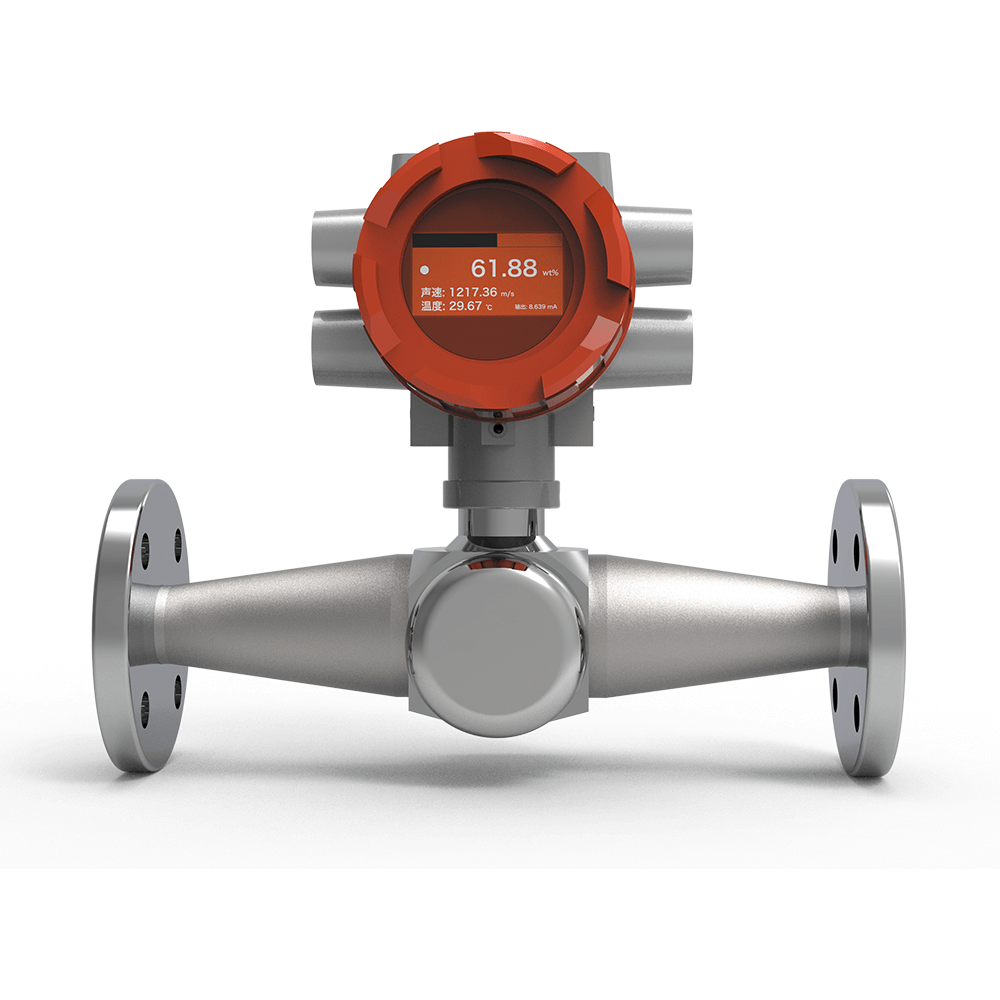
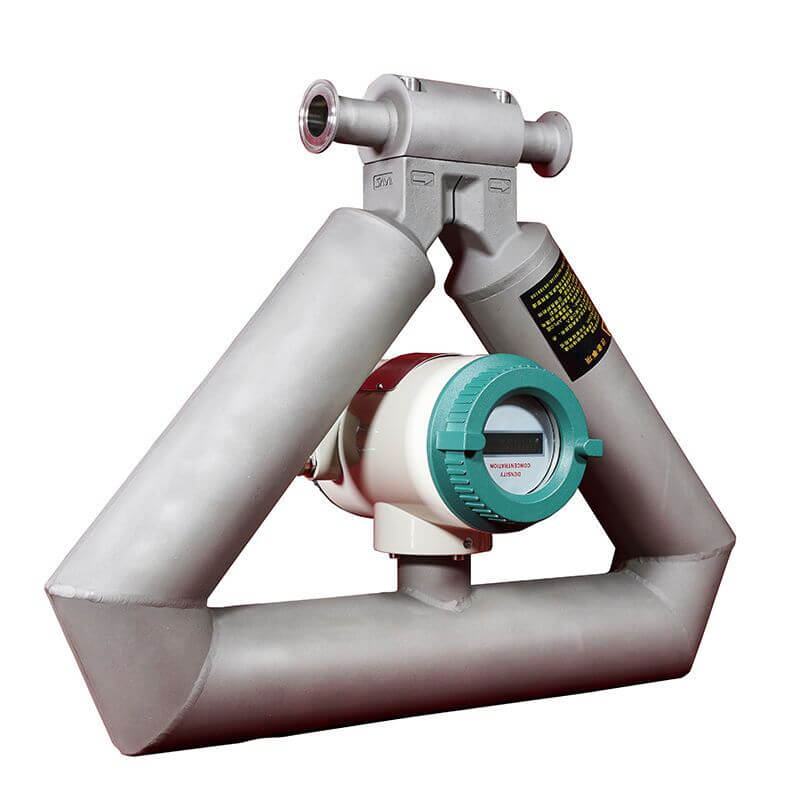
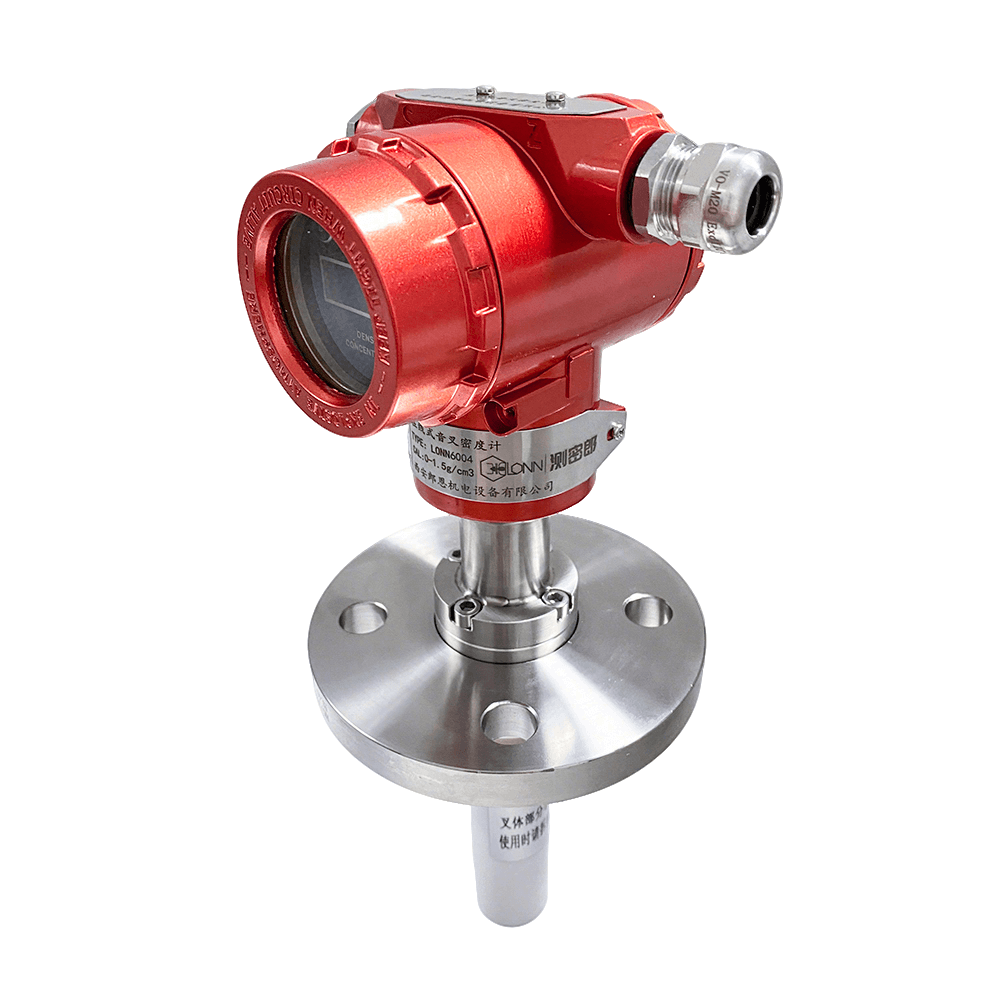

Benefits of Integrating Inline Density Meters/Inline Concentration Meters
Inline density meter applications deliver direct, real-time control of reactant concentrations in organic synthesis techniques for pyrazole ring structures. Continuous feedback supports process consistency, limiting batch variation and elevating reproducibility in industrial medicinal chemistry and organic optoelectronic materials manufacturing. Integrated inline density meters minimize manual sampling—reducing labor demand and cutting total cycle times by up to 70% versus offline analysis.
In organic photovoltaics (OPV) production, precision control provided by inline density meters boosts organic photovoltaic cells efficiency, maintaining uniformity in thin-film deposition and solution quality throughout module fabrication. The use of Lonnmeter inline instruments mitigates off-spec batches during acetone dicarboxylic acid synthesis, preserving yield and functional properties crucial for downstream pyrazole ring applications and device performance.
Real-time inline measurements support rapid process scalability: industrial lines can increase throughput of pyrazolo[1,5-a]pyrimidine derivatives without sacrificing product standards or device eligibility in organic optoelectronic devices.
Request a quote to address inline density measurement requirements in organic synthesis for OLED and organic photovoltaics with Lonnmeter inline density meter. Lonnmeter instruments deliver real-time process optimization for acetone dicarboxylic acid synthesis, pyrazole ring structure formation, and control of reactant ratios in high-throughput organic optoelectronic materials manufacture.
Post time: Jan-27-2026


