

Understanding VOC Waste Gas Treatment
Volatile Organic Compounds (VOCs) are organic chemicals that easily evaporate at room temperature, making them significant contributors to air pollution in metallurgical industries. In metallurgical processes, major VOC sources include storage tanks—where vapor losses occur during the handling and storing of volatile liquids—as well as operational units such as wastewater treatment and refining reactors. Typical VOC species emitted encompass aliphatic hydrocarbons (pentane, cyclopentane), cycloalkanes (cyclohexane), and aromatic hydrocarbons (notably toluene, which drives secondary organic aerosol formation).
The treatment of VOC waste gases is crucial for several reasons. First, VOCs are precursors to tropospheric ozone, contributing to smog and poor air quality that affect entire regions. Second, they pose health risks—prolonged exposure is linked to respiratory illnesses, increased cancer risk, and other toxicological concerns. Finally, untreated VOC emissions jeopardize compliance with increasingly stringent environmental regulations, threatening operational continuity and corporate reputation. Effective VOC waste gas treatment delivers simultaneous benefits: environmental protection, regulatory compliance, and improved occupational safety by reducing indoor and ambient VOC concentrations.
- Selecting a suitable VOC waste gas treatment technology relies on several factors: Type and Concentration of VOCs: Technologies are tailored to specific compounds—cyclohexane and toluene demand different removal approaches than simpler aliphatic hydrocarbons. High-concentration, high-flow VOC streams may require integrated systems, while low-concentration, intermittent sources are better suited to adsorption-based methods.
- Process Conditions and Site Constraints: Available space, compatibility with existing equipment, and the integration of inline concentration measurement devices, such as those produced by Lonnmeter, are critical. Accurate, real-time concentration measurements enable precise control of adsorption saturation and guide adsorbent regeneration schedules, ensuring consistent VOC removal efficiency.
- Adsorption and Regeneration Needs: VOC adsorption technology utilizes materials such as activated carbon, zeolites, or nanomaterial composites. The choice of adsorbent hinges on sorption capacity, chemical selectivity, availability, and required regeneration methods. For instance, alkaline aqueous solutions are often employed for the regeneration of adsorbent materials used in VOC capture and recovery systems. Adsorbent lifespan, maintenance schedules, and regeneration cycles must be factored into system design, particularly where long-term performance and cost efficiency are a priority.
Regulatory and Monitoring Requirements: Fenceline monitoring and inline measurement systems verify treatment effectiveness and provide continuous data crucial for compliance with air pollution control regulations. Such monitoring allows for rapid adjustments to control processes, supporting VOC emission control systems in maintaining safe and legal thresholds. Overall, the metallurgical industry’s approach to VOC waste gas treatment is shaped by a detailed understanding of emission sources, health and environmental priorities, and the technical capabilities of detection and removal systems. Advanced inline concentration measurement and adaptive adsorbent regeneration are essential for maintaining system performance and meeting regulatory demands.

VOCs Absorption from Gas Streams
*
Types of VOC Waste Gas Treatment Systems
Metallurgical industry operations generate significant VOC emissions, necessitating the adoption of effective VOC waste gas treatment systems. The three primary VOC waste gas treatment methods in metallurgy are adsorption, catalytic oxidation, and advanced oxidation processes. Each approach offers distinct mechanisms and integration possibilities to address VOC air pollution control in metallurgical settings.
Adsorption Technology
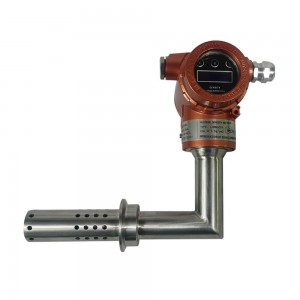
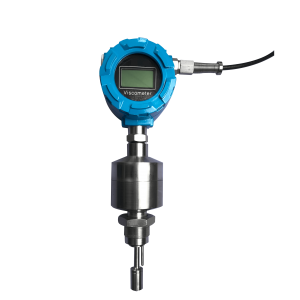
Adsorption systems utilize solid materials to trap VOCs from waste gas streams. Common adsorbents include activated carbon and engineered porous structures such as metal-organic frameworks (MOFs). High surface area and chemical stability make MOFs particularly effective for capturing a broad array of VOCs. Inline concentration measurement of adsorbents, using precise tools like Lonnmeter’s inline density meters and viscosity meters, enables real-time monitoring of adsorption saturation. This ensures optimal performance and timely regeneration.
Adsorption saturation occurs when the adsorbent material is fully loaded with VOCs and cannot capture more. Regeneration of adsorbent materials can involve thermal treatment, solvent extraction, or applying alkaline aqueous solutions. Selecting adsorbent types for VOC removal depends on the target pollutant, expected VOC concentrations, and operational lifecycle requirements. Factors such as adsorbent lifespan and maintenance schedules must be managed to secure long-term performance. For example, activated carbon has demonstrated durable service life under proper regeneration protocols.
Catalytic Oxidation Systems
Catalytic oxidation transforms VOCs into less hazardous compounds, primarily carbon dioxide and water, through chemical reactions facilitated by a catalyst. MOF-derived catalysts have advanced this technology, offering improved efficiency and selectivity. Both monometallic and bimetallic MOF catalysts, and systems doped with noble metals, provide multiple active sites for VOC interaction, accelerating oxidation even at lower operating temperatures. Monolithic MOF-based catalysts are designed for continuous flow reactors, commonly found in metallurgy plants, and can maintain robust performance across diverse VOC waste gas profiles.
Integration of inline measurement devices, such as Lonnmeter’s inline density and viscosity meters, supports optimized catalyst operation by monitoring real-time process variations, gas concentrations, and flow characteristics. This ensures that catalytic systems sustain high conversion rates while managing material degradation and regeneration schedules.
Advanced Oxidation Processes (AOPs)
Advanced oxidation processes deploy highly reactive species—such as hydroxyl or sulfate radicals—to degrade persistent VOCs. MOFs can act as both supports and activators in these systems. Photocatalytic oxidation and photo-Fenton reactions are prominent AOP techniques, with MOFs generating or stabilizing reactive oxygen species under light or chemical activation.
AOPs are especially valuable for treating VOCs and persistent organic pollutants (POPs) that resist conventional adsorption or catalytic treatments. Integration with existing process equipment is feasible, given that AOP reactors can be retrofitted into VOC emission control systems with monitoring from inline density and viscosity meters to maintain process consistency.
System Integration in Metallurgical Plants
Effective VOC waste gas treatment systems are integrated directly with metallurgical plant operations. Adsorption units may be installed upstream of emission stacks for direct VOC capture and recovery. Catalytic oxidation and AOP reactors can be coupled with furnaces, off-gas lines, or dedusting units, forming a layered approach to VOC abatement.
Real-time process feedback from inline measurement devices, such as Lonnmeter inline density meters and viscosity meters, enables dynamic system control for maximum VOC removal efficiency, optimal energy use, and reduced downtime.
Comparative charts and system configuration diagrams illustrate how adsorption, catalytic oxidation, and advanced oxidation differ in their material requirements, operational costs, removal rates, and compatibility with existing metallurgical infrastructure. For example:
| System Type | Typical Adsorbent/Catalyst | Removal Efficiency | Integration Complexity | Typical VOC Profiles |
| Adsorption | Activated Carbon, MOFs | High (for non-polar VOCs) | Moderate | BTEX, Toluene |
| Catalytic Oxidation | MOF-derived, Noble-metal Catalysts | High | Moderate | Alkanes, Aromatics |
| AOPs | Photocatalytic MOFs, Fenton Catalysts | Very High | High | Persistent Organic Pollutants |
Successful VOC waste gas treatment benefits metallurgy plants by enabling regulatory compliance, reducing workplace hazards, and cutting secondary pollution.
Advanced VOC Waste Gas Treatment Technologies
Adsorption-based technologies are central to VOC waste gas treatment, with recent advances centering on metal-organic frameworks (MOFs) and activated carbon adsorbents. MOFs are crystalline structures combining metal ions with organic ligands, yielding large surface areas and highly tunable pore structures. Studies find MOFs achieve VOC adsorption capacities upwards of 796.2 mg/g, markedly higher than conventional materials like activated carbon, zeolites, or polymer resins. Activated carbon remains the industrial benchmark due to its cost-efficiency and proven reliability but generally offers lower average adsorption capacities.
Hybrid adsorbents are gaining prominence for their synergy. For example, combining MOFs such as UIO-66 with activated carbon from porous mesquite grain (ACPMG) boosts adsorption. Experimental results demonstrate the UIO/ACPMG20% nanohybrid achieves peak gasoline vapor adsorption at 391.3 mg/g. Modifying the proportion of carbon to MOF allows precise control of surface area and functional group distribution, critical for maximizing VOC uptake and tailoring the adsorbent to the specific composition of metallurgical waste gases.
Adsorption saturation—the point at which adsorbent capacity peaks—is a key process consideration. Regeneration of adsorbent materials, including both MOFs and activated carbon hybrids, involves desorption. For instance, the UIO/ACPMG nanohybrid desorbed 285.71 mg/g of gasoline vapor in recovery tests. Consistent cyclic regeneration confirms adsorbent reusability, lessening operational expenses and solid waste generation.
Catalytic VOC removal systems form another pillar of advanced treatment, leveraging chemical transformation rather than physical capture. These systems incorporate monometallic, bimetallic, or supported noble metal catalysts. The underlying mechanism is typically oxidative decomposition—catalysts accelerate the conversion of VOCs into benign byproducts, such as CO₂ and H₂O, at moderate temperatures. Selection of catalytic material is determined by VOC type, waste gas composition, and process economics. Supported noble metals often deliver the highest activity and selectivity, but bimetallic and monometallic options are preferred where cost or resistance to poisoning matter. Mechanistically, catalysts facilitate electron transfer and bond cleavage, breaking down VOC molecules to minimize atmospheric release.
Alkaline aqueous solutions play a supporting role in VOC capture and adsorbent regeneration. These solutions absorb targeted VOC types and enable the chemical breakdown or neutralization of pollutant molecules. For spent adsorbents, alkaline streams promote desorption of VOCs, restoring the adsorptive functionality. Integrating alkaline aqueous regeneration into treatment systems extends adsorbent lifespan and minimizes hazardous waste.
Inline concentration measurement is crucial for optimizing VOC waste gas treatment systems. Precision measurement, utilizing Lonnmeter’s inline density and viscosity meters, allows real-time quantification of adsorbent concentrations during process cycles. Continuous monitoring enables rapid detection of adsorption saturation and triggers timely regeneration. These measurement tools facilitate adaptive process control, maximizing overall efficiency and ensuring regulatory compliance.
Effective industrial VOC air pollution control blends advanced adsorbents like MOFs, activated carbon, and their hybrids, catalytic decomposition methods, chemical capture through alkaline solutions, and process optimization via inline measurement. These coordinated tactics ensure robust VOC capture, adsorbent longevity, and efficient system operation—all critical for metallurgical waste gas management.

Adsorbents: Selection, Performance, and Characteristics
Effective VOC waste gas treatment relies on the strategic selection and deployment of adsorbents designed to capture a wide range of volatile organic compounds under challenging metallurgical process conditions. Several core criteria shape the selection and practical utility of adsorbent materials in these settings.
Selection begins with adsorption capacity, a measure of how much VOC a material can capture before reaching saturation. High-capacity adsorbents minimize maintenance and operational interruptions, supporting stable industrial VOC waste gas treatment systems. Selectivity is equally crucial—materials must capture target VOCs robustly while excluding interference from co-pollutants common in metallurgical flue gases, such as metal fumes or particulates. Fast adsorption and desorption kinetics enable quick response to emission surges and efficient adsorbent regeneration, crucial for maintaining treatment effectiveness and lowering operating costs. Since metallurgical emissions often occur at elevated temperatures and potentially corrosive atmospheres, the adsorbent’s resistance to thermal and chemical degradation directly impacts its lifespan and process reliability.
Porosity and surface area are defining material characteristics. Activated carbons are renowned for exceptionally high surface areas and microporosity, offering strong performance in industrial VOC adsorption technology and VOC air pollution control methods. Zeolites, with their uniform micropores and crystalline structure, provide selective and thermally-stable adsorption, favoring the removal of specific classes of VOCs. Metal-organic frameworks (MOFs) present customizable pore sizes and chemical functionalities, allowing precision targeting of VOC molecules. However, their commercial use is still emerging, and initial costs are generally higher than traditional materials.
Cost-effectiveness is a central consideration. Activated carbon adsorption for VOCs remains favored due to its market availability, low cost, and solid VOC capture efficiencies. Yet, its performance can decline at high temperatures typical in metallurgical furnaces unless engineered for thermal resistance. Zeolites, while sometimes costlier to produce, compensate with thermal resilience, especially when used in high-temperature adsorption beds. MOFs, though offering unmatched tunability, often involve greater material and processing costs, and their long-term stability under continuous industrial operation is a current focus of research and engineering practice.
The ease and effectiveness of adsorbent regeneration significantly affect lifecycle operational costs and environmental footprints. Adsorption saturation in VOC treatment prompts planned regeneration cycles. Methods such as thermal desorption, steam treatment, or alkaline aqueous solutions vary in energy requirement, environmental burden, and impact on adsorbent structure. For example, activated carbon can often be regenerated thermally, restoring significant capacity for repeated reuse, while zeolites and MOFs may permit chemical or lower-temperature regeneration under optimal settings. The choice of regeneration method influences adsorbent lifespan and maintenance demands, balancing performance continuity with cost containment. Inline concentration measurement of adsorbents, using devices like Lonnmeter’s inline density and viscosity meters, assists in optimizing regeneration triggers and maintaining system efficiency without over-extending adsorbent use or unnecessary replacements.
Environmental impacts extend beyond operational emissions. Spent adsorbent management—either through recycling, reactivation, or secure disposal—must conform to regulatory requirements and broader sustainability goals. Efficient regeneration of adsorbent materials curbs secondary waste creation. Operation and replacement strategies must also consider the supply chain stability for adsorbent provisioning, especially if high-performance materials are used in large-scale industrial VOC treatment solutions.
Comparative industrial and research analyses conducted in 2023–2024 underline the trend toward modifying classic adsorbents (such as impregnated activated carbons) or developing hybrid catalyst-adsorbent combinations. These advanced systems offer improved VOC capture and simultaneous degradation, fostering compliance with increasingly stringent VOC emission control systems’ standards, while maximizing resource efficiency and minimizing process downtime. Selecting the optimal adsorbent for a VOC waste gas treatment method, therefore, requires a holistic assessment: performance in metallurgical conditions, regeneration practicality, cost structure, environmental compliance, and integration with existing capture and recovery systems must all be weighed for sustained, high-performing VOC emission control.
Adsorption Saturation and Regeneration of Adsorbent
Adsorption saturation occurs when an adsorbent—such as activated carbon—can no longer effectively capture VOCs from waste gas, as all its available adsorption sites are filled. In VOC waste gas treatment systems, reaching saturation leads to a marked drop in removal efficiency, making regeneration or replacement of the adsorbent essential for sustained performance. The onset of saturation is determined by the VOC load, the physical-chemical properties of the VOCs (especially saturated vapor pressure), and the adsorbent’s pore characteristics and functional groups.
Regeneration restores the adsorbent’s ability to bind VOCs, thus extending its lifespan and improving the cost-effectiveness of VOC emission control systems. Several proven techniques are employed in industrial VOC treatment solutions:
Thermal regeneration involves heating the saturated adsorbent to drive off captured VOCs. For formaldehyde adsorbents, mild thermal treatment at 80–150 °C for 30–60 minutes can restore the original adsorption efficiency with minimal (<3%) performance loss over repeated cycles. For more resilient VOCs like benzene and toluene, temperatures up to 300 °C may be needed, yielding desorption rates as high as 95% and stable adsorbent performance over multiple cycles.
Vacuum-thermal regeneration enhances desorption by concurrently applying heat (around 200 °C) and vacuum, which reduces the partial pressure of VOCs and encourages their release. This method can achieve up to 99% regeneration efficiency. Studies show activated carbon retains 74.2%–96.4% of its initial capacity after seven vacuum-thermal cycles, demonstrating excellent cycle stability and structural preservation.
Steam regeneration uses steam to desorb VOCs, ideally suited for hydrophilic adsorbents and polar VOCs. Chemical regeneration, such as treatment with alkaline aqueous solutions, involves washing the adsorbent to neutralize and remove adsorbed compounds. Alkaline solutions can be particularly effective when VOCs display acidic behavior or when regeneration needs to avoid high energy costs associated with thermal methods.
Adsorbent choice is a decisive factor: activated carbon and biochar are frequently selected for their optimal pore structure and cost profile, balancing initial adsorption strength with ongoing cycle stability. Mesoporous materials (pores >4 nm) expedite VOC desorption during regeneration, preserving adsorbent capacity across cycles.
Continuous inline concentration measurement of adsorbent efficiency is crucial to maximizing the lifespan and treatment performance of VOC capture and recovery systems. Devices like inline density meters and inline viscosity meters from Lonnmeter offer real-time monitoring, ensuring that adsorbent saturation is detected early and regeneration is scheduled accurately. This capability prevents unnecessary adsorbent replacement, reduces downtime, and optimizes VOC air pollution control methods.
Regular inline tracking not only supports long-term adsorbent performance but also enables industrial operators to balance cost, efficiency, and regulatory compliance in VOC waste gas treatment technology. Inline monitoring ensures the adsorbent is always functioning within its optimal range, safeguarding system reliability and treatment outcomes.
Monitoring, Detection, and Quantification of VOCs
Effective management of VOCs in metallurgical waste gas and wastewater streams depends on robust sample preparation, advanced detection instrumentation, and refined data collection approaches. Sample preparation directly impacts VOC waste gas treatment reliability by isolating and concentrating target compounds to minimize matrix interference. In wastewater with complex organic loads, protocols combining a denaturant such as urea with sodium chloride salting-out have achieved improved sensitivity for trace VOCs. This method promotes separation of VOCs from protein and particulate matter, maximizing analyte recovery for subsequent analysis. For gaseous samples, direct introduction to metal oxide sensor arrays enables rapid evaluation without extensive pre-treatment, a distinct advantage in high-throughput VOC emission control systems.
Instrumentation advances are defining VOC emission detection. Inline analyzers, such as Lonnmeter’s inline density and viscosity meters, provide real-time physical property data that correlate tightly with VOC concentration changes. These meters enhance VOC waste gas treatment methods by supporting continuous monitoring and reducing the risk of undetected emission spikes. Electroanalytical sensor arrays utilizing three or more metal oxide electrodes now routinely distinguish both the type and density of VOCs within mixed gas flows. Coupling these with fast signal processing techniques allows distinction of individual components even in the presence of significant industrial interference. Spectrophotometric detectors complement these setups, offering high specificity for certain classes of VOCs and facilitating inline concentration measurement of adsorbent materials, which is critical when assessing adsorption saturation in VOC treatment and planning adsorbent regeneration.
Data collection and computational analysis have evolved to handle the non-linear emission profiles found in metallurgical operations. Continuous streaming of measurement data, enabled by inline sensors and analyzers, is fundamental to developing robust VOC air pollution control methods. Computational modeling supports VOC waste gas treatment systems by transforming sensor data into actionable emission portraits for regulatory compliance and process optimization. Real-time quantification ensures timely response to changes in adsorbent lifespan and performance within industrial VOC capture and recovery systems. The use of high-resolution sensing and advanced sample preparation protocols maximizes the benefits of VOC waste gas treatment technology, enhancing the precision and reliability of industrial VOC treatment solutions.
Recent innovations have enabled rapid detection and quantification of VOCs directly in field settings, reducing analytical delays and supporting improved execution of VOC adsorption technology. Instrumentation such as metal oxide sensor arrays and spectrophotometric methods further fortify the long-term effectiveness of VOC emission control systems by ensuring accurate monitoring, timely data capture, and effective management of adsorbent regeneration techniques. This approach is vital for maintaining VOC waste gas treatment systems at peak efficiency and meeting strict environmental standards.
Benefits of VOC Waste Gas Treatment in Metallurgical Operations
Effective VOC waste gas treatment systems in metallurgical operations deliver essential benefits, starting with a significant reduction of hazardous emissions. Metallurgical processes—like metal shredding, ore smelting, and solvent-based cleaning—emit volatile organic compounds that contribute to workplace air pollution and elevate health risks through inhalation exposure. Modern VOC emission control systems, including activated carbon adsorption, regenerative thermal oxidizers, and closed process enclosures, can capture or destroy more than 95% of these harmful gases, measurably improving air quality within facilities. For example, industry adoption of enclosed shredding and high-temperature oxidizers has led to measurable reductions of airborne VOCs, resulting in safer working environments.
Implementing robust VOC air pollution control methods not only ensures the well-being of plant personnel but directly supports regulatory compliance. Stringent emission limits mandated by local, national, and international agencies require continuous adherence, with noncompliance resulting in fines and operational interruptions. Upgraded VOC waste gas treatment technology, tailored to the emission profile—such as hybrid adsorption and oxidation systems—enables metallurgical operators to not only meet but maintain compliance through precise, verifiable pollutant abatement. Integration with real-time concentration measurement instruments, such as inline density meters or inline viscosity meters from Lonnmeter, allows for continuous performance monitoring, ensuring that emissions stay within allowable thresholds and supporting thorough reporting.
Corporate environmental responsibility is enhanced as well. By systematically reducing VOC emissions, operators demonstrate commitment to environmental, social, and governance (ESG) goals. Credible emission reductions in metallurgical plants signal responsible stewardship to regulators, local communities, and business partners, positioning organizations as industry leaders in sustainability and attracting favorable stakeholder perceptions.
VOC waste gas treatment systems are also cost-effective when designed for efficiency and long-term operation. Utilizing adsorption technologies with advanced regeneration techniques—such as alkaline aqueous solutions for cleaning activated carbon beds—helps extend the lifespan of adsorbent materials. Effective regeneration of adsorbent materials enables the repeated use of costly media, reducing total operating expenditure. For instance, monitoring adsorption saturation in VOC treatment processes, informed by inline concentration measurement, supports timely intervention before breakthrough occurs, preserving system integrity and minimizing unplanned downtime.
Process optimization, such as waste heat recovery in oxidizers or tailored system operation based on real-time emissions data, further reduces energy and maintenance costs. The adoption of adsorbent types specifically engineered for recurrent regeneration, coupled with data-driven maintenance schedules, results in longer intervals between replacement cycles, fewer disposal challenges, and lower resource consumption overall.
In summary, deploying comprehensive VOC waste gas treatment methods across metallurgical operations is a proven pathway to safer workplaces, regulatory compliance, strengthened corporate responsibility, and sustained cost savings through efficient system operation and adsorbent material management.
Best Practices for VOC Waste Gas Management
Designing and operating effective VOC waste gas treatment systems in metallurgical facilities relies on strategic planning, robust monitoring, and meticulous maintenance. To maximize the benefits of VOC waste gas treatment technology, engineers start with a detailed assessment of emission sources, ensuring system selection best matches the plant’s VOC profiles and operational patterns. For example, high-temperature regenerative thermal oxidizers are typically installed where there are high, steady VOC loads, while activated carbon adsorption is favored for low-concentration, variable emissions.
System Installation, Monitoring, and Maintenance Strategies
The installation of VOC emission control systems is performed with redundancy, accessibility, and future expandability in mind. Scaling system capacity to accommodate peak emissions is a standard precaution. This may involve modular configurations that allow the facility to add treatment units as production expands. Strategic placement of pre-filters and dust collectors ahead of key VOC treatment units protects performance by minimizing fouling from particulates, which are prevalent in metallurgical off-gases.
Selecting corrosion-resistant materials is essential due to acidic and complex compounds often present with VOCs. Integration of advanced automation—the backbone of modern industrial VOC treatment solutions—allows real-time regulation of flow rates, temperatures, and emergency shutoffs. Automated, inline monitoring of VOC concentrations, coupled with devices such as inline density meters and inline viscosity meters manufactured by Lonnmeter, provides crucial process intelligence for both operational efficiency and regulatory compliance.
Routine system audits, scheduled inspections, and preventive maintenance are standard practice to sustain long-term adsorbent performance and maximize uptime. For example, regular checks on valves, thermal integrity, and emission monitoring equipment prevent system failures that could lead to regulatory breaches or unsafe working conditions.
Safe Handling and Disposal of Spent Adsorbents
VOC adsorption technology, particularly with activated carbon or zeolite beds, introduces the need for careful management of saturated adsorbent materials. As adsorbent beds reach saturation, VOC capture efficiency declines—a phenomenon known as adsorption saturation in VOC treatment. Accurate inline concentration measurement of adsorbents enables timely change-outs or regeneration cycles, minimizing release risks and ensuring compliance.
Spent adsorbents often contain concentrated VOCs, classifying them as hazardous waste. Safe handling requires contained discharge mechanisms and adherence to hazardous materials protocols. Disposal follows regulated pathways—often incineration at approved facilities or, where feasible, reactivation through controlled thermal or chemical regeneration processes. Safe storage of spent media before transport is critical to prevent accidental release or fire hazards.
Optimization of Regeneration Cycles and Alkaline Aqueous Solution Usage
The regeneration of adsorbent materials is a cornerstone of sustainable VOC capture and recovery systems. Optimizing the regeneration cycle is crucial for extending adsorbent lifespan and reducing operational costs. Factors influencing this optimization include breakthrough curve monitoring using inline measurement tools, the type and volume of regeneration agent, and thermal management for energy efficiency.
Use of alkaline aqueous solutions, common for certain VOC-laden spent adsorbents, requires careful control of chemical concentration and contact time to ensure full restoration of adsorptive capacity while minimizing chemical consumption and wastewater production. Regular monitoring of solution pH and contaminant load informs cycles and minimizes excess. Spent caustic and process washwater from regeneration must be treated or neutralized before discharge.
Implementing process controls that dynamically adjust regeneration intervals—based on real-time loading data—reduces unnecessary chemical use and promotes a balance between adsorbent utilization and performance. For example, advanced metallurgical operations document that optimizing these cycles not only lowers costs, but also enhances system reliability and environmental outcomes.






Frequently Asked Questions (FAQs)
What are VOC waste gas treatment systems, and how do they work?
VOC waste gas treatment systems are engineered solutions designed to remove volatile organic compounds (VOCs) from industrial air streams in metallurgy. These systems commonly employ adsorption, where VOCs adhere to porous adsorbents such as activated carbon, zeolites, or advanced metal-organic frameworks (MOFs). Catalytic oxidation is another core technology, converting VOCs into benign substances like CO₂ and H₂O using catalysts—typical examples are platinum or transition metal oxides. Hybrid approaches often combine these methods: VOCs are first adsorbed, then desorbed and fed to a catalytic reactor for final decomposition, maximizing removal efficiency with minimal secondary pollution.
What are the key benefits of VOC waste gas treatment in metallurgy?
Implementation of VOC waste gas treatment provides essential benefits: it reduces hazardous emissions, limits worker exposure to toxic substances, and ensures compliance with environmental standards. Advanced systems—especially those allowing adsorbent regeneration—boost operational efficiency and lower costs. By keeping emissions below regulated thresholds, businesses mitigate risk and support broader sustainability initiatives, while maintaining optimal process flow and minimizing unscheduled downtime.
How does adsorption saturation affect VOC waste gas treatment?
Adsorption saturation occurs when an adsorbent’s capacity is exhausted and VOC removal efficacy drops sharply. This is a crucial process limit: once saturated, the adsorbent can no longer effectively remove VOCs, causing breakthrough events and possible regulatory violations. Continuous monitoring of adsorbent loading—especially using inline concentration measurement devices—provides early warning and helps prevent loss of control. Timely regeneration or replacement of spent adsorbent is therefore integral to stable system operation and complianc.
What is adsorbent regeneration and how is it performed?
Adsorbent regeneration restores adsorption capacity by removing accumulated VOCs from the material. Regeneration is typically achieved through thermal techniques—using heat or steam—or chemical methods, such as flushing with solvents or alkaline aqueous solutions. The choice of regeneration method depends on the adsorbent type and nature of VOCs retained. Proper regeneration extends adsorbent lifespan, lowers running costs, and supports continuous operation.
Why is inline concentration measurement of adsorbent important?
Inline concentration measurement systems, such as those provided by Lonnmeter, deliver real-time insights into adsorbent loading and saturation states. This continuous data stream allows operators to accurately time regeneration cycles and avoid performance loss. Immediate knowledge of adsorbent status supports regulatory compliance and optimizes overall system efficiency by preventing unnecessary adsorbent replacement or excessive downtime.
Can alkaline aqueous solutions improve adsorbent regeneration?
Alkaline aqueous solutions are proven to enhance the desorption of certain VOCs, particularly those with acidic components or complex molecular structures. By increasing the removal rate of retained pollutants, alkaline regeneration reduces adsorbent fatigue and extends operational cycles. Studies show this method produces higher restoration levels compared to thermal regeneration alone, and minimizes the frequency of adsorbent replacement.
How are VOCs detected and quantified in metallurgical waste gases?
Detection and quantification rely on continuous sampling and advanced instrumentation. Inline analyzers and sensors—often integrated into the process—provide real-time VOC concentration readings in waste gas streams. This data guides control system settings, optimizes adsorbent usage, and ensures emission limits are not exceeded. Technologies include gas chromatography and photoionization detectors, while inline density and viscosity meters, such as those from Lonnmeter, offer additional insight into waste gas composition and adsorbent effectiveness. Accurate, ongoing measurement is critical for regulatory auditing and maintaining high treatment performance.
Post time: Dec-10-2025


