

Understanding the Vinyl Chloride Monomer Process
Vinyl chloride monomer (VCM) stands as the cornerstone of the modern plastics industry, providing the essential building block for the production of polyvinyl chloride (PVC). As a commodity chemical, VCM is exclusively used for PVC polymerization, which enables the manufacture of everything from medical devices and construction materials to wire coatings and consumer goods. The demand for VCM correlates closely with global PVC output, making its secure, efficient, and safe production of paramount industrial importance.
VCM is a colorless, highly flammable gas at ambient conditions, commonly handled as a pressurized liquid in dedicated facilities. Its chemical structure, CH₂=CHCl, comprises a vinyl group linked to a single chlorine atom. This molecular arrangement allows facile polymerization, a reactivity trait underpinning the vinyl chloride polymerization reaction essential in the PVC polymerization process steps. The physical properties of liquid vinyl chloride—such as a boiling point of −13.4°C and a density of 0.91 g/mL at 20°C—require robust process control and specialized storage systems that maintain the compound as a liquid for downstream vinyl chloride monomer manufacturing process operations.
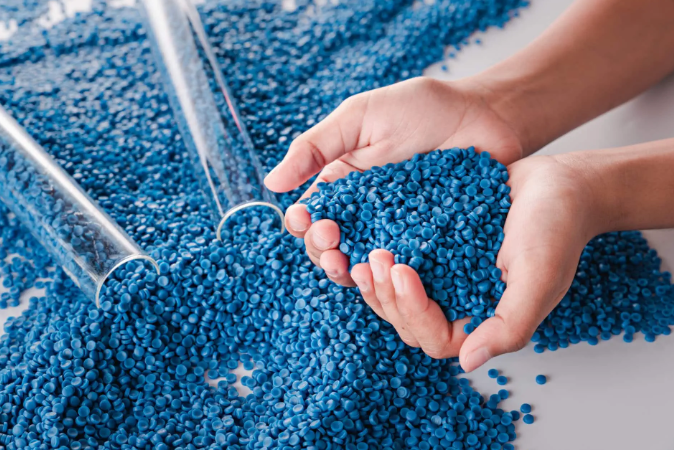
Vinyl Chloride Monomer Process
*
The uses of VCM outside the scope of PVC are negligible, underscoring its role as a dedicated monomer for polymerization. Consequently, all aspects of vinyl chloride monomer plant design, from reactor train layout to product purification and recovery, are optimized for large-volume, continuous conversion to supply PVC polymerization technology.
However, the handling and storage of VCM pose considerable hazards. VCM is classified as a Category 1 carcinogen, with strong evidence linking it to hepatic angiosarcoma and other severe health outcomes following long-term exposure. Its toxicological profile is exacerbated by the formation of reactive metabolites, which bind cellular macromolecules and disrupt biological processes. Acute exposure leads to neurological depression, while chronic occupational exposure is associated with “vinyl chloride workers’ disease”—a syndrome comprising liver damage, scleroderma-like symptoms, and bone lesions. Regulatory exposure limits are stringent: as of 2024, the Occupational Safety and Health Administration (OSHA) sets an 8-hour permissible exposure limit of 1 ppm, with even lower thresholds recommended by ACGIH and NIOSH to reflect evolving toxicological understanding.
VCM is also extremely flammable, with an explosive range between 3.6% and 33% in air. The combination of toxicity and flammability has led to rigorous safety measures in every VCM production facility. Process lines are fully enclosed and maintained under inert atmospheres—typically nitrogen—with continuous leak detection and emergency vent systems in place. Local exhaust ventilation, process enclosure, prohibitions on open flames, and tightly controlled access zones further reduce risk. Liquid VCM is stored and transported under pressure in corrosion-resistant tanks, usually stabilized with polymerization inhibitors such as phenol to guard against hazardous autoinitiated reactions.
Main VCM Production Pathways
VCM manufacturing is dominated by two industrial-scale pathways: direct chlorination and oxychlorination. Both revolve around the generation and transformation of ethylene dichloride (EDC), the principal intermediate which is then cracked to yield VCM.
In the direct chlorination route, ethylene reacts with chlorine gas in a highly exothermic liquid-phase process, generally over a ferric chloride or similar catalyst to produce EDC via:
C₂H₄ + Cl₂ → C₂H₄Cl₂
Alternatively, the oxychlorination process combines ethylene, hydrogen chloride, and oxygen using a copper(II) chloride catalyst, producing EDC and water:
C₂H₄ + 2HCl + ½O₂ → C₂H₄Cl₂ + H₂O
This method offers economic and feedstock flexibility advantages by recycling HCl generated during VCM production, which would otherwise present waste disposal problems.
Once EDC is synthesized, it is subjected to thermal cracking at approximately 500°C, typically in the vapor phase over pumice or ceramic packing, to produce VCM and hydrogen chloride:
C₂H₄Cl₂ → CH₂=CHCl (VCM) + HCl
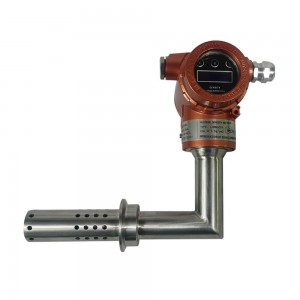
VCM product emerging from the cracking furnace is mixed with a complex mixture of by-products and unreacted feedstocks. Multiple purification stages—primarily distillation—are employed for separation, with special emphasis on the vinyl chloride monomer purification process. VCM distillation tower operation and associated heat integration schemes are optimized to maximize purity (typically >99.9%), essential for high-quality PVC polymerization. Inline density meters such as those produced by Lonnmeter are frequently utilized to monitor the VCM liquid density at various temperatures, helping operators quickly spot off-spec batches or contamination events.
Production plants favor integrated layouts that combine direct chlorination and oxychlorination reactors, coordinated recycling of hydrogen chloride, and energy recovery strategies. These hybrid designs support lower feedstock costs and improved energy utilization. Up-to-date vinyl chloride monomer process technology strives for high yield, safety, and flexibility in handling diverse raw material qualities, while rigorous monitoring of key properties (including density and purity) at various process nodes ensures both PVC quality and regulatory compliance for health, safety, and the environment.

Detailed Process Flow of Vinyl Chloride Monomer Production
Vinyl Chloride Production Process Flow Diagram
Modern vinyl chloride monomer (VCM) production relies on a tightly integrated process flow, typically visualized by a comprehensive diagram mapping each critical step. The process begins with raw material inputs—primarily ethylene, chlorine, hydrogen chloride, and oxygen. Within a vinyl chloride monomer plant design, these materials are routed through direct chlorination and oxychlorination reactors to synthesize ethylene dichloride (EDC), the central intermediate.
In direct chlorination, ethylene reacts with chlorine under controlled temperatures (40–90°C) to produce EDC. Parallelly, the oxychlorination unit combines hydrogen chloride (often recycled from later process steps), ethylene, and oxygen—using a copper-based catalyst at higher temperatures (200–250°C) to generate EDC and water. Both reaction pathways are coordinated to recycle unreacted gases and optimize utilization rates, forming the core of the balanced vinyl chloride monomer production process.
Purification of crude EDC involves distillation columns that strip away water, chlorinated hydrocarbon byproducts, and other impurities. The refined EDC then feeds the pyrolysis, or cracking, furnace—a process operating at 480–520°C and moderate pressure. Here, thermal decomposition yields VCM and releases hydrogen chloride, which is often returned to the oxychlorination loop. Quenching and rapid cooling of cracked gases prevent unwanted side reactions and degrade hazardous byproduct formation.
The resulting gas stream is separated and purified using further distillation columns and phase separators. Dedicated VCM purification techniques, including multi-stage distillation and absorption, ensure product purity typically exceeding 99.9%. Volatile unreacted EDC is recycled, maximizing conversion while reducing emissions. Stringent containment systems and frequent process monitoring protect against leaks and ensure compliance with safety protocols for flammable, carcinogenic liquid vinyl chloride.
Throughout the vinyl chloride monomer manufacturing process, energy management and heat recovery are essential for sustainability. Exothermic heats from chlorination and oxychlorination are recaptured, preheating future feedstocks or generating process steam. Pinch analysis and heat integration strategies are employed across heat exchanger networks, minimizing fuel consumption and environmental impact.
Process simulation platforms—most notably Aspen Plus—are integral for design, scale-up, and optimization. These digital models simulate material balances, reaction kinetics, phase behavior, and energy flows at every step, enabling rapid validation of plant performance under varied scenarios. Energy efficiency, EDC-to-VCM yields, and environmental loads are regularly tuned using simulation data, supporting both economic and regulatory goals for advanced vinyl chloride monomer process technology.
Critical Unit Operations in a VCM Plant
EDC Synthesis and Purification
EDC synthesis utilizes two complementary reaction pathways—direct chlorination and oxychlorination—each with distinct operational demands. In direct chlorination, finely controlled mixing of ethylene and chlorine occurs in a liquid-phase reactor, with temperature regulation to avoid excessive byproduct formation. Heated exothermically, this reactor requires integrated cooling and gas-phase separation to safeguard conversion efficiency.
Oxychlorination employs a fixed-bed or fluidized-bed reactor, using a copper chloride catalyst supported on alumina. Ethylene, recycled hydrogen chloride, and oxygen are blended and reacted at 200–250°C. The process produces both EDC and water vapor. Careful temperature control and stoichiometric balancing minimize hazardous chlorinated byproducts.
Combined crude EDC streams from both routes undergo staged purification. Initial steps remove water formed during oxychlorination via phase separation and distillation. Secondary columns strip lighter compounds (like chloroform) and heavy ends, resulting in EDC purity suitable for high-efficiency pyrolysis. Recycle loops recover unconverted materials and byproducts, optimizing raw material usage in this closed-loop configuration.
Thermal Cracking to Vinyl Chloride
Thermal cracking, or pyrolysis, is the VCM production bottleneck. Here, high-purity EDC vapor is heated to 480–520°C within a tubular furnace, often indirectly heated to stabilize temperature gradients and avoid hot spots. This highly endothermic reaction cleaves EDC to form vinyl chloride monomer and hydrogen chloride by a free-radical mechanism.
Key process variables—temperature, residence time, and pressure—are optimized using advanced process control systems and simulation models. Excessive temperatures can promote polymeric fouling and byproduct formation such as tar or heavy chlorinated compounds. Rapid quenching immediately after cracking halts side reactions and condenses useful product fractions. Process analytics track HCl generation, which is typically recovered and returned to oxychlorination.
VCM Purification and Distillation
Downstream purification is crucial for achieving high vinyl chloride monomer purity. Gas-liquid separation removes water and heavier residues before the main distillation columns. The vinyl chloride monomer distillation process operates under careful pressure and temperature control, ensuring separation from unreacted EDC, HCl, and azeotropes with other chlorinated organics.
Column pressure and reflux ratios are optimized to balance energy usage against purity goals—higher reflux improves separation at the cost of steam and cooling energy. Multi-effect condensation and reboiler systems improve efficiency, especially when paired with integrated heat recovery.
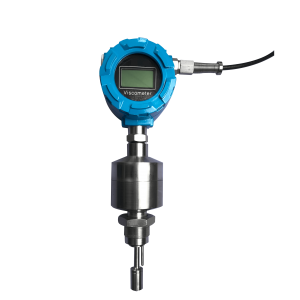
Beyond physical separation, advanced process control strategies enable real-time adjustments to column conditions, responding to feedstock variability or off-spec events. Quantitative risk assessment underpins operational safety, supporting leak detection and emission minimization critical for this volatile chemical. The implementation of online measurement solutions, such as inline density and viscosity meters from Lonnmeter, provides accurate, real-time monitoring essential for product quality and safe operation.

Physical and Chemical Properties Relevant to VCM Production
VCM Liquid Density and VCM Liquid Handling
VCM’s liquid density varies significantly with temperature and pressure—a key operational variable in vinyl chloride monomer handling and storage. At standard conditions (20°C), vinyl chloride monomer density is typically reported as 0.911–0.913 g/cm³. As temperature rises, density decreases, impacting volumetric flow rates and tank storage calculations.
For example, at 0°C, density can rise to approximately 0.930 g/cm³, while at 50°C it falls closer to 0.880 g/cm³. Such changes require recalibration of transfer equipment and careful process monitoring, as variations affect downstream PVC polymerization process steps. Lonnmeter’s inline liquid density meters are commonly deployed in these circuits for continuous verification, supporting inventory control and custody transfers by providing near-instantaneous readings across changing process conditions.
Solubility characteristics of liquid vinyl chloride are also critical. VCM is only sparingly soluble in water but highly miscible with organic solvents, influencing choices in containment materials and emergency mitigation measures during handling and storage.
Safety and Environmental Controls
Vinyl chloride is a highly flammable liquid and vapor, with a flashpoint as low as –78°C and a broad explosive range. Its acute toxicity and recognized carcinogenicity necessitate strict vinyl chloride monomer safety measures. In process design, double-walled piping, nitrogen blanketing, and extensive leak detection networks are employed throughout the vinyl chloride monomer manufacturing process.
Transport and storage utilize pressure-rated vessels equipped with relief systems and refrigerated environments to minimize vapor pressure and thus release risk. Real-time emissions monitoring and containment protocols serve both workplace safety and environmental compliance. For vented streams, scrubber systems and incinerators reduce release of chlorinated hydrocarbons, adhering to evolving regulatory standards in industrial chemical operations. Emergency planning and regular drills remain mandatory practices in all modern VCM plants, given the potential for both acute and chronic exposure hazards associated with this compound.
Process Optimization and Efficiency Improvements
Energy Optimization and Integration
Heat integration has become a core strategy in vinyl chloride monomer production process design. Pinch analysis is the foundational approach for mapping hot and cold process streams, revealing the pinch point—the thermal bottleneck where heat recovery is maximized. In a typical vinyl chloride monomer plant, major streams needing cooling, such as EDC pyrolysis effluent, are matched against streams requiring heating, such as reboilers in VCM purification steps. The resulting composite curves help determine the minimum hot and cold utility requirements, ensuring the process operates near its thermodynamic efficiency limits.
Optimized heat exchanger networks (HENs) recover heat from outgoing hot streams to preheat incoming cold feeds. This systemic reuse of energy cuts steam and cooling utility costs by 10–30% when rigorously applied, as shown in studies of full-scale VCM plants. Retrofit applications are common, accommodating existing equipment by adding parallel exchangers or reconfiguring flow without significant downtime. This staged implementation, verified via steady-state simulation, ensures energy savings are tangible while keeping capital costs moderate.
Pinch-based integration does more than trim operating costs. It also shifts overall environmental performance—less fuel burned means lower CO₂ emissions, supporting compliance with tightening emissions regulations. The emission savings are often proportional to energy conserved; plants report up to a 25% reduction in CO₂ from the VCM section alone following a HEN retrofit validated by composite curve analysis.
Advanced Process Optimization Techniques
Process simulations underpin the optimization of vinyl chloride monomer manufacturing process flows. Using steady-state simulation, engineers design and scale new units, test multiple operating scenarios, and ensure that the energy and material balances are tight. This ensures robust performance across process variations and anticipated production rates.
Multi-objective optimization, employing approaches such as genetic algorithms, balances competing priorities. In VCM operations, the central objectives are product yield, minimum energy use, and reduced greenhouse gas emissions. Modern methods blend mathematical programming with heuristic process knowledge to generate realistic and operationally flexible plant layouts. These techniques often deliver solutions with improved heat recovery while maintaining throughput and product purity standards critical for downstream PVC polymerization process steps.
Iterative adjustment is essential. After an initial HEN configuration is selected via simulation, plant data analytics and digital monitoring provide real-time performance evaluation. Operators can make minor adjustments—such as tweaking process flow rates or heat exchanger duty allocations—based on actual temperature and composition data. This feedback loop ensures consistent operation near the optimized design set points even as feedstock or production demand shifts.
Tools such as inline density meters and viscosity meters from Lonnmeter provide direct measurement of fluid properties in real time. These measurements identify deviations that may arise from fouling, process disturbances, or off-spec feed materials. With accurate, real-time density and viscosity data, operators maintain the performance targets set during the design and commissioning stages.
Economic Evaluation and Sustainability Metrics
A comprehensive economic evaluation for a VCM plant quantifies capital investment, operating expenses, and the timeline for payback. Initial capital expenditure includes the cost of new exchangers, piping, and recirculation systems needed to implement or retrofit a heat exchanger network. For retrofits, incremental capital costs remain modest because major process equipment is reused or repurposed. The operational cost savings—mainly energy—often offset the investment within 1–3 years, especially in regions with high natural gas or steam prices.
Sustainability metrics in the vinyl chloride monomer production process encompass more than energy consumption. Key measures include overall resource efficiency, CO₂ emissions per ton of product, and water consumption in cooling circuits. Analysis of recent case studies confirms that successful HEN optimization consistently drives improvements in these metrics. Total resource input per ton of VCM falls, emissions decline, and compliance with sustainability reporting frameworks improves.
Payback scenarios commonly factor in both direct utility savings and indirect benefits such as lower carbon tax liabilities and fewer emissions permit costs. In regions with escalating regulatory pressure, the ability of a vinyl chloride monomer plant to demonstrate continuous improvement on these metrics strongly influences long-term viability and competitiveness.
In summary, process optimization and energy integration—anchored by advanced simulation, multi-objective optimization, and direct inline measurement (such as those enabled by Lonnmeter technology)—form the core of modern, efficient, and sustainable vinyl chloride monomer plant design.
Polyvinyl Chloride (PVC) Polymerization Utilizing VCM
Introduction to PVC Polymerization Process
Vinyl chloride monomer (VCM) is the essential building block for polyvinyl chloride (PVC) production. The vinyl chloride polymerization reaction transforms this volatile, colorless liquid into one of the world’s most used plastics. PVC polymerization is predominantly carried out using suspension and emulsion methods.
In the suspension polymerization process, VCM is dispersed in water with the aid of suspending agents such as polyvinyl alcohol or methyl cellulose. The process begins with high-shear agitation to generate fine VCM droplets suspended in the aqueous phase. Polymerization initiators, often organic peroxides or azo compounds, are then introduced. Under precisely controlled temperatures (commonly 40–70°C), the VCM droplets polymerize, forming beads or particles of PVC. The batch is held under agitation, and the reaction rate is dictated by initiator type, concentration, and temperature profile. Careful tuning of these parameters is crucial to ensure a narrow and uniform particle size distribution. Upon completion, the reaction mixture is cooled, unreacted VCM is stripped, and stabilizing agents or modifiers may be introduced before subsequent filtration, washing, and drying stages.
The emulsion polymerization route operates with a different set of requirements. Here, VCM is emulsified in water using surfactants (soap-like molecules), forming much smaller droplet sizes compared to the suspension process. This method produces PVC latex—a colloidal dispersion ideal for specialty applications, such as coatings or synthetic leathers. Initiator systems often rely on redox pairs, operating at comparatively lower temperatures. Emulsion polymerization allows even finer control of particle characteristics, such as morphology and porosity, although it involves more complex downstream product recovery steps.
Modern PVC polymerization technology often integrates in situ monitoring tools, such as particle size analyzers or in-line density meters (as manufactured by Lonnmeter), into the process. These tools offer real-time feedback, allowing for continuous adjustments to agitation speed, temperature, and initiator feed, thereby enhancing product consistency and minimizing waste.
VCM Quality Parameters for Efficient PVC Manufacturing
The efficiency and quality of PVC manufacturing are closely tied to the physical and chemical properties of VCM. High-purity VCM is vital for successful polymerization and superior downstream polymer performance.
Impurities present in VCM—such as residual water, acetylene, chlorinated organics, or metal ions—can poison initiators, retard polymerization rates, and introduce defects into the PVC resin. For example, the presence of trace chlorinated hydrocarbons, even in parts-per-million concentrations, may alter the kinetics of the reaction or result in off-color product. Effective vinyl chloride monomer purification processes are implemented upstream, using techniques such as multi-stage distillation (operated in dedicated VCM distillation towers) to reduce impurities to acceptable thresholds.
Physical properties—specifically VCM density and its control—play a direct role in the downstream handling and process reproducibility. VCM’s liquid density varies substantially with temperature, affecting dosing accuracy, phase behavior during polymerization, and agitation efficiency. For instance, at 0°C, VCM’s density is approximately 1.140 g/cm³, dropping with temperature increases. Reliable, real-time monitoring of VCM liquid density (using inline density meters like those from Lonnmeter) ensures correct feed ratios, enables precise heat transfer calculation, and supports robust batch-to-batch product uniformity.
Residual contaminants, particularly unreacted VCM, can compromise both safety and product quality. Elevated levels of free VCM in finished PVC present toxicological risks and can negatively impact properties such as porosity, mechanical strength, and color stability. Regulations typically mandate exhaustive stripping steps and continuous VCM monitoring throughout the production cycle to ensure safe and compliant product output.
The impact of VCM quality on PVC is best summarized in the following chart:
| VCM Quality Attribute | Effect on PVC Process and Product |
| Purity (chemical composition) | Directly affects polymerization rate, molecular weight distribution, color, and thermal stability |
| Physical state (liquid density) | Influences dosing accuracy, mixing efficiency, and polymer morphology |
| Impurity content | Leads to initiator deactivation, reaction inhibition, and poor mechanical/end-use properties |
| Residuals (e.g., water, organics) | May cause porosity defects, uneven particle morphology, and downstream processing issues |
Ensuring stringent control of VCM quality through advanced purification, proper storage, and real-time density measurement technologies is integral for efficient vinyl chloride monomer plant design and for meeting the demanding safety measures required in modern vinyl chloride monomer process technology.






Frequently Asked Questions
What is the vinyl chloride monomer process?
The vinyl chloride monomer production process is an industrial sequence transforming ethylene into vinyl chloride monomer (VCM), the vital feedstock for PVC resin manufacturing. It starts with chlorination of ethylene, forming ethylene dichloride (EDC), typically through direct chlorination or oxychlorination. Next, high-purity EDC is thermally cracked in furnaces at 480–520°C, yielding VCM and hydrogen chloride (HCl). Downstream, multiple distillation towers purify VCM, removing impurities and water to deliver >99.9% purity essential for polymerization. The complexity and configuration of the vinyl chloride monomer production flow diagram depend on plant design, efficiency targets, and integration of waste.
How does a vinyl chloride monomer plant ensure safety and environmental compliance?
Because VCM is flammable, carcinogenic, and environmentally hazardous, a vinyl chloride monomer plant design prioritizes containment and mitigation. Facilities implement multilayered emission control solutions to intercept organochlorine vapors. Automated leak detection systems and process shutdown protocols prevent accidental releases. Critical areas use gas-tight seals and dedicated vent abatement units. HCl byproduct is recycled or treated to minimize effluent. Quenching after EDC cracking stops dioxin formation. Compliance is ensured through integrated real-time monitoring and adherence to regulatory limits on air and water emissions.
What is liquid vinyl chloride, and why is its density important?
Liquid vinyl chloride is the condensed, pressurized form of VCM—stored and transported at low temperature or high pressure to prevent vaporization. Density of liquid vinyl chloride, typically ranging from 0.910 to 0.970 g/cm³ depending on temperature and pressure, is a critical parameter for designing storage vessels, road tankers, and transfer lines. VCM liquid density data is also essential for inventory tracking, blending operations, accurate mass balances, and verification of process yields across the manufacturing workflow. Inline density meters, such as those produced by Lonnmeter, offer continuous monitoring required for operational safety and efficiency.
Why is the distillation tower critical in the VCM purification process?
Distillation towers are central to the vinyl chloride monomer purification process. They separate VCM from residual EDC, low-boiling chlorinated impurities, and “heavy ends” formed during production. Proper VCM distillation tower operation ensures that polymerization-feed monomer meets strict quality standards. Any contamination, such as unsaturated compounds or moisture, can hinder the PVC polymerization process steps, cause off-spec resin, or damage downstream catalysts. Advanced VCM purification techniques employ multi-effect rectifiers and specialty trays to optimize separation, recover byproducts, and minimize reboiler fouling.
How does the PVC polymerization process relate to vinyl chloride monomer production?
VCM’s purity and stability are prerequisites for high-quality polyvinyl chloride resins. The PVC polymerization process directly consumes VCM in polymerization reactors (commonly via suspension, emulsion, or bulk technology). Accurate control of VCM composition affects molecular structure, impurity profiles, and physical properties of final PVC products. The close link between the vinyl chloride monomer manufacturing process and PVC polymerization technology means that any process fluctuations in VCM—such as density variation, trace impurities, or temperature excursions—can propagate to the polymerization stage, affecting efficiency and product performance.
Post time: Dec-18-2025


