

Understanding Sulfuric Acid Anodizing of Aluminum Profiles
The sulfuric acid anodizing process is a fundamental surface treatment of aluminum profiles, widely relied upon to improve corrosion resistance, enhance surface hardness, and allow for further functionalization of aluminum by dyeing or sealing. The process operates by submerging aluminum profiles in an anodizing bath containing sulfuric acid (H₂SO₄) as the electrolyte. An external DC power source is applied, with the aluminum serving as the anode and a material like lead or aluminum as the cathode.
Electrochemical Reactions and Oxide Film Formation
The sulfuric acid anodize process produces an aluminum oxide (Al₂O₃) layer through controlled electrochemical oxidation. At the anode, the aluminum surface reacts per the simplified reaction:
2 Al (s) + 3 H₂O (l) → Al₂O₃ (s) + 6 H⁺ (aq) + 6 e⁻
This produces a dual-structured oxide film. First, a non-porous, thin barrier layer forms in direct contact with the aluminum metal, providing dielectric properties and initial corrosion protection. As anodizing continues, a thicker, porous oxide layer develops outward, characterized by an array of microscopically aligned hexagonal cells and vertical pores. These pores are formed due to the ongoing, localized dissolution of the oxide film by the sulfuric acid electrolyte at the base of each pore, balanced with ongoing oxide growth driven by oxygen evolution and ion migration at the metal/oxide interface. This dual-layer geometry is essential for effective dye uptake, sealing, and the improved durability of anodized aluminum profiles.

Anodizing Aluminum - Metal Surface Finishing
*
Importance of Anodizing Bath Chemistry and Concentration Control
The efficiency and performance of the sulfuric acid anodizing process for aluminum are closely tied to the anodizing bath’s chemical composition, particularly sulfuric acid and dissolved aluminum concentrations. Controlling these parameters is crucial for producing consistent, high-quality oxide films with specific thickness, hardness, and corrosion resistance.
Relationship Between Anodizing Bath Concentration and Oxide Film Properties
The sulfuric acid concentration in the anodizing bath directly determines aluminum oxide film thickness. At lower sulfuric acid concentrations (below 10 wt%), the rate of oxide layer growth outpaces its chemical dissolution, allowing the formation of thicker, more uniform aluminum oxide layers. As acid concentration increases to typical process values (10–20 wt%), oxide film thickness tends to decrease because the acid’s dissolving effect becomes more pronounced, reaching an equilibrium where growth and dissolution are balanced. Above 20 wt%, chemical dissolution accelerates—resulting in even thinner films and in some cases, film pitting or structural defects.
Changes in anodizing bath concentration also impact the structure and porosity of the oxide layer. Lower concentrations yield compact layers with smaller, more ordered pores and smoother surfaces—key to high electrical insulation and barrier properties. Typical sulfuric acid concentrations develop the standard porous structure needed for dye uptake and further coating. However, higher acid levels produce larger, irregular pores and increased surface roughness, compromising film uniformity and mechanical integrity.
Dissolved aluminum, a byproduct of ongoing anodizing, alters bath chemistry over time. Elevated aluminum levels can hinder oxide growth, reduce film thickness, and affect pore structure. Thus, rigorous management and periodic removal of dissolved aluminum are necessary for process consistency.
Influence on Anodic Oxide Film Hardness and Corrosion Resistance
Anodic oxide film hardness and corrosion resistance are directly linked to the bath chemistry. Optimal sulfuric acid concentrations (usually 10–20 wt%) promote films with balanced porosity and strong, dense cell walls, maximizing mechanical hardness and providing substantial corrosion resistance. Suboptimal concentrations (either too low or too high) lead to excessive film porosity, weak structures, and increased defect rates, all of which undermine hardness and allow aggressive media or contaminants to penetrate the coating, reducing corrosion protection.
For applications demanding long-lasting aluminum anodic oxidation, such as architectural or aerospace components, careful measurement—using a reliable sulfuric acid concentration meter like Lonnmeter—and adjustment of sulfuric acid and aluminum levels are essential to maintain desirable surface properties.
Consequences of Imbalanced Bath Composition
If anodizing bath chemistry deviates from recommended ranges, several negative outcomes occur:
- Poor anodizing efficiency: High sulfuric acid or aluminum concentrations can significantly slow or destabilize the formation of the aluminum oxide film, causing uneven oxidation and inefficiency in the sulfuric acid anodizing process.
- Reduced film durability and uneven performance: Excess acid or metal content results in fragile, variably thick anodic films prone to flaking, pitting, and lower wear resistance. These weaknesses directly reduce part lifespan and reliability, critical in corrosion-resistant aluminum surface treatment.
To ensure all benefits of anodizing aluminum with sulfuric acid—maximum aluminum oxide film thickness, improved anodic oxide film hardness, and superior oxide film corrosion resistance—continuous sulfuric acid concentration measurement in the anodizing bath and careful control of dissolved aluminum are imperative. This disciplined approach prevents performance losses and supports high standards in the aluminum anodizing process for corrosion resistance and durable surface finish.
Methods for H2SO4 Concentration Measurement in Anodizing Baths
Precise sulfuric acid concentration measurement is essential for effective sulfuric acid anodizing process control. Accurate anodizing bath concentration ensures consistent aluminum oxide film thickness and reliable anodized aluminum corrosion protection.
Titration Methods: Practical Procedures and Interpretation
Sodium hydroxide titration is the foundational chemical approach for quantifying sulfuric acid in anodizing baths. The core procedure involves:
Sample Collection and Preparation:
Use clean, dry glassware to collect a representative bath sample. Filter if necessary to remove particulates. Dilute with distilled water for manageable acid strength.
Equipment and Chemicals Required:
- Standardized sodium hydroxide (NaOH) solution: typically 0.1 N or 0.5 N
- Indicator: methyl orange for colored/impure baths (endpoint at pH ≈ 4.2); phenolphthalein for clear baths (endpoint at pH ≈ 8.2–10)
- Burette, pipette, conical flask, calibrated volumetric glassware
Titration Procedure:
- Add a known sample volume (e.g., 10 mL) to a flask
- Introduce 2–3 drops of indicator
- Fill burette with NaOH, record starting volume
- Titrate sample, swirl constantly, observe indicator color change
- Methyl orange changes from red to yellow at endpoint; phenolphthalein from colorless to pink
- Record NaOH volume used
Challenges in Manual Sampling and Result Reliability:
Manual sampling introduces variability. Improper cleaning can contaminate samples, resulting in inaccurate readings. Highly colored or contaminated anodizing baths complicate endpoint observation. In such cases, potentiometric titration (using a pH meter) can enhance accuracy. Blank titrations are essential to account for reagent impurities. The appearance of the endpoint can be obscured in baths containing metals, dyes, or sludge, affecting surface treatment of aluminum profiles and oxide film corrosion resistance. Automated burettes and modern titration stations (digital or potentiometric) are increasingly preferred for repeatable results in high-throughput operations.
Online Automatic H2SO4 Concentration Meters
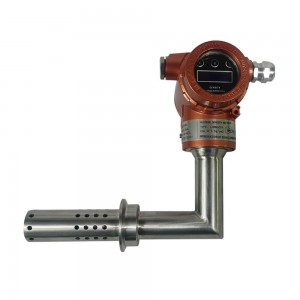
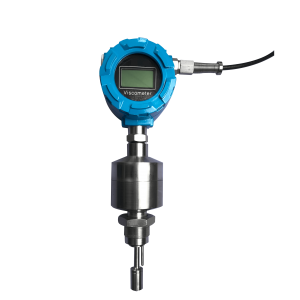
Online sulfuric acid concentration meters—such as those from Lonnmeter—enable continuous, in-situ monitoring of anodizing bath chemistry. These devices directly measure H₂SO₄ levels within the bath, eliminating sampling errors and delays.
How In-Situ Measurement Improves Process Consistency:
Real-time data enables operators to maintain sulfuric acid anodizing process parameters within optimal ranges. Continuous tracking prevents deviations that might lead to variations in aluminum oxide film thickness or anodic oxide film hardness. This reduces risks of soft, underformed coatings or overly aggressive oxidation, benefiting long-lasting aluminum anodic oxidation.
Integration with Real-Time Process Control and Feedback Loops:
Modern sulfuric acid concentration meters integrate with plant control systems. Setpoints can be enforced, triggering automatic acid addition or water dilution if the anodizing bath concentration drifts. Feedback loops stabilize operating conditions—key for optimizing anodizing bath chemistry and enhancing anodized aluminum corrosion protection. Continuous monitoring supports aluminum anodizing process for corrosion resistance and ensures stable oxide film corrosion resistance.
In high-volume environments, online measurement ensures sulfuric acid anodizing bath control is robust, minimizing manual intervention and supporting consistent surface treatment of aluminum profiles. This leads to improved product quality and increased operational efficiency.
Real-Time Monitoring of Anodizing Bath Components
Continuous real-time monitoring of the anodizing bath is essential for managing the key parameters in the sulfuric acid anodizing process. Achieving high-quality oxide film demands precise control over sulfuric acid concentration and dissolved aluminum.
Continuous Analysis Techniques for Sulfuric Acid and Dissolved Aluminum
Modern anodizing plants employ several continuous analysis strategies to maintain optimal bath composition:
Inline Sensors and Digital Probes for H2SO4 Concentration Measurement
Inline sensors—including digital pH and conductivity probes—deliver continuous feedback on H2SO4 concentration. Some systems feature advanced algorithms correlating signal data directly to sulfuric acid levels. Devices like a sulfuric acid concentration meter, including products offered by Lonnmeter, are specifically designed for sulfuric acid anodizing bath control. They can be installed directly in the circulation loop or tank to generate instant readings, providing actionable data for bath correction and ensuring tight adherence to sulfuric acid anodizing process parameters.
This immediate detection capability extends to dissolved aluminum. Sensors using potentiometric measurement assess aluminum content through specific electrochemical reactions correlated with anodizing bath chemistry. Integration of these probes with plant control systems allows for automated dosing, directly influencing the accuracy and uniformity of aluminum oxide films.

Benefits of Real-Time Monitoring for Stable Bath Operation
Implementing continuous monitoring tools delivers critical advantages for the sulfuric acid anodize process:
Prevention of Parameter Drift
Sulfuric acid and dissolved aluminum can shift outside setpoints due to gradual consumption or accumulation. Continuous sulfuric acid concentration measurement with online analyzers or inline meters prevents silent drift, which would otherwise impact the thickness and hardness of the anodic oxide film. Stable bath chemistry secures the long-term durability and corrosion protection of anodized aluminum.
Immediate Detection of Deviations Impacting the Anodizing Process
In real-time, analyzers and sensors detect any bath deviations—such as drops in sulfuric acid or spikes in dissolved aluminum—that threaten oxide film quality. Alerts are triggered instantly, permitting corrective actions before costly defects arise. Uniformity in aluminum surface treatment techniques is preserved, optimizing anodized aluminum corrosion protection and producing consistent results in every batch.
For example, if dissolved aluminum exceeds recommended levels, excessive precipitation may encourage pitting or reduce the structure’s integrity. Real-time monitoring ensures rapid adjustments, safeguarding oxide film corrosion resistance and supporting the production of long-lasting aluminum anodic oxidation layers. Automated control feeds help manufacturers meet stringent requirements for anodic oxide film thickness and hardness, directly improving both appearance and performance.
Routine integration of online titration analyzers and inline H2SO4 concentration meters removes the uncertainty of batch sampling and subjective measurement. This robust system leads to measurable improvements in anodizing bath concentration control, chemical consumption efficiency, and product quality throughout the aluminum anodizing process for corrosion resistance.
Integrating Sulfuric Acid Concentration Meters in Anodizing Operations
Criteria for Selecting a Sulfuric Acid Concentration Meter
The sulfuric acid anodizing process depends on precise control of H₂SO₄ concentration. Selection of a sulfuric acid concentration meter involves careful evaluation of three main factors: accuracy, compatibility, and maintenance requirements.
Accuracy is essential. The anodizing bath operates optimally within 150–220 g/L H₂SO₄, and oxide film properties—such as thickness, corrosion resistance, and hardness—are highly sensitive to deviations in acid concentration. Meters should meet a minimum field accuracy of ±2–4 g/L for routine operation. For advanced process lines, particularly in aerospace or high-spec surface treatment of aluminum profiles, look for devices or procedures capable of maintaining ±1–2 g/L control. Conductivity-based meters are common, but they become less reliable as aluminum accumulates; density (hydrometer) meters and titration-based reference methods offer better precision in critical applications.
Compatibility with the specific operating environment is essential. The meter must withstand the chemical conditions of the anodizing bath, including high acidity and elevated aluminum ion concentrations. Devices should be compatible with temperature compensation systems, as bath temperature fluctuations of 2–3°C can cause measurement errors exceeding 5 g/L if uncorrected. Meters unable to compensate for temperature or dissolved aluminum may result in poor anodic oxide film characteristics and unpredictable corrosion resistance.
Maintenance considerations include ease of cleaning, sensor fouling resistance, and availability of robust calibration routines. For online monitoring, choose meters with automated cleaning or recalibration features to minimize drift. Manual systems, like hydrometers, require regular rinsing with deionized water to prevent residue buildup. Prioritize meters from providers with a track record for long-life sensors and ready access to spare parts. The Lonnmeter series, for example, provides real-time measurements and is designed for harsh process chemistry.
Integration with Existing Process Management Systems should be evaluated. Modern sulfuric acid anodize process lines benefit from meters that can interface with digital controllers, PLCs, or SCADA systems. Look for instruments offering standard output protocols (e.g., 4–20 mA or Modbus) for seamless monitoring and control of sulfuric acid anodizing bath parameters. This integration allows for automated dosing adjustments to maintain optimum anodizing bath concentration and ensures reproducible production of aluminum oxide films with target thickness and corrosion resistance.
Recommendations for Calibration Intervals and Quality Control Best Practices
High-quality sulfuric acid concentration measurement requires rigorous calibration and control procedures. Best practices include:
- Calibration Intervals: Conductivity and density meters must be calibrated against laboratory titration at least weekly under typical production loads. If operating near process limits or when frequent bath changes occur, daily calibration is recommended. Calibration protocols should account for the increase of dissolved aluminum in the bath, which impacts sensor readings.
- Cross-validation: Use automatic titrators as the gold standard to reference and adjust online sensor readings. Periodically cross-check results from online meters with manual titration to detect drift, especially after bath maintenance or aluminum buildup exceeds 15–20 g/L.
- Quality Control: Implement daily or per-shift verification checks—spot sample analysis, sensor health checks, and review of bath temperature logs. Document all calibration and test results for traceability. Confirm that all meters are performing within their specified range and accuracy under actual process conditions.

Aluminum Anodizing
*
Steps for Achieving Superior Surface Treatment of Aluminum Profiles
Pre-treatment: Cleaning and Etching for Uniform Anodizing Results
Pre-treatment is essential for high-quality surface treatment of aluminum profiles in the sulfuric acid anodizing process. The sequence begins with thorough cleaning (degreasing) to remove oils, greases, and other organic contaminants. This is commonly performed with alkaline cleaners at 50–70°C for 2–10 minutes, sometimes enhanced with ultrasonic agitation for profiles with complex geometries. Efficient rinsing with deionized or softened water prevents redeposition of soils and prepares the surface for subsequent steps.
Etching follows, using sodium hydroxide (NaOH) solutions at 30–100 g/L and 40–60°C, typically for 2–10 minutes. This step removes a thin layer of aluminum, erasing surface flaws, extrusion lines, and any pre-existing oxide films. Control over bath composition and etch time avoids excessive metal loss and roughening, maintaining profile precision. Additives such as inhibitors can reduce unwanted side effects like hydrogen pickup. After etching, the aluminum surface tends to retain insoluble intermetallics—known as smut—that must be removed for best results.
Desmutting is carried out with nitric or sulfuric acid baths (15–25% HNO₃; at room temperature for 1–3 minutes). Ammonium bifluoride may be included for alloys with high silicon or copper content. This step ensures a microscopically clean, homogeneous surface. Final rinsing is critical before anodizing to avoid contamination of the subsequent anodizing bath.
Consistent monitoring of bath composition, temperature, and process times is vital for reproducible results and to prevent surface defects like streaking or pitting. Modern lines employ real-time sensors and closed-loop rinses to maximize quality and minimize environmental impact. The ultimate aim is a perfectly clean, evenly etched aluminum profile that is free from residual smuts and ready for the sulfuric acid anodize process.
Anodizing: Maintaining Exact Bath Parameters Throughout Oxide Film Growth
Precise control of the anodizing bath is central to creating aluminum oxide films with optimal hardness and corrosion resistance. The sulfuric acid anodizing process relies on maintaining strict parameters:
- Sulfuric acid concentration in the anodizing bath must be kept within a defined range, typically 150–220 g/L. Continual sulfuric acid concentration measurement ensures that deviations are promptly corrected.
- Tools such as the Lonnmeter sulfuric acid concentration meter provide quick and reliable h2so4 concentration measurement, supporting both manual and automated bath adjustments.
- Bath temperature is usually held between 18°C and 22°C. Deviations can affect aluminum oxide film thickness, uniformity, and appearance.
- Current density, typically 1–2 A/dm² for standard anodizing, is adjusted according to alloy type and required oxide thickness.
- Bath agitation ensures uniform ion distribution and heat dissipation.
Careful sulfuric acid anodizing bath control ensures consistent growth of the anodic oxide film. This allows for precise tuning of aluminum oxide film thickness (often 5–25 μm for architectural profiles and up to 70 μm for hard anodizing) and maximizes both anodic oxide film hardness and oxide film corrosion resistance. Real-time measuring sulfuric acid concentration in anodizing bath also helps avoid common defects such as burning, soft films, or poor color response, enabling the many benefits of anodizing aluminum with sulfuric acid.
Optimal anodizing bath concentration adjustment is particularly important for long production runs, where drag-in of rinse water or metal ion accumulation can dilute or contaminate the bath. Fast and accurate anodizing bath chemistry adjustments, informed by frequent h2so4 concentration measurement, are critical to ensuring uniform, durable oxide coatings.
Post-treatment: Sealing Techniques to Lock in Film Hardness and Corrosion Resistance
After anodizing, sealing treatments close the porous structure of the fresh aluminum oxide layer, providing lasting protection against corrosion and enhancing anodic oxide film hardness. The main sealing techniques for anodized aluminum include:
- Hot water sealing: Immersion in near-boiling deionized water (96–100°C) for 15–30 minutes hydrates the oxide, forming stable boehmite.
- Nickel acetate sealing: Using a solution of nickel acetate at 85–95°C, this method improves corrosion resistance and color stability, especially for dyed coatings.
- Cold sealing: Involves proprietary sealing agents at temperatures as low as 25–30°C and is favored for energy savings and faster throughput.
The choice of sealing process depends on desired oxide performance, cost targets, and end-use requirements. Each approach must be carefully monitored for time, temperature, and bath composition to ensure complete sealing. Poor sealing can result in lowered corrosion protection and decreased film hardness, compromising both the aesthetics and functional lifespan of the coated aluminum profile.
Optimizing post-treatment not only enhances anodized aluminum corrosion protection but also supports long-lasting aluminum anodic oxidation for demanding applications. Regular bath analysis and process control drive consistent results across production batches.
By following best practices at each step—cleaning and etching, precise sulfuric acid anodize process control, and vigilant post-treatment sealing—manufacturers can reliably produce aluminum profiles with superior surface quality, optimized film hardness, and exceptional resistance to corrosion.






Frequently Asked Questions
What is the optimal H2SO4 concentration in a sulfuric acid anodizing bath?
The optimal sulfuric acid concentration for the sulfuric acid anodizing process is typically between 150 and 220 g/L, which equates to 15–20% by volume. The most cited ideal value is 180 g/L or 18% by volume. This range is critical in producing anodic oxide films with superior hardness and corrosion resistance. Running baths in this window promotes consistent oxide layer thickness across aluminum profiles, supports dye uptake, and minimizes risk of powdery or fragile coatings. Concentrations below 150 g/L slow oxide growth and may create soft, porous films, while concentrations above 220 g/L increase dissolution and can thin the coating excessively. For specialized processes, such as hard anodizing, slightly higher concentrations (up to 240 g/L) and lower temperatures may be used but are not ideal for standard production.
How does anodizing bath concentration affect aluminum oxide film thickness?
Anodizing bath concentration has a direct, measurable effect on aluminum oxide film thickness. Higher sulfuric acid concentrations enhance oxide dissolution, leading to thinner and more fragile layers. Conversely, lower acid levels yield thicker films but tend to increase porosity, reducing hardness and corrosion protection. Finding the right concentration is vital: 180 g/L reliably produces a dense, durable oxide layer with controlled porosity suited for architectural and industrial uses. Deviating from this concentration will change the film’s protective and mechanical properties. For example, running at 220 g/L often results in slightly finer pores but risks faster film loss during anodizing.
What is a sulfuric acid concentration meter and why is it important?
A sulfuric acid concentration meter continuously measures the H2SO4 level in anodizing baths. It is essential for maintaining consistent bath chemistry, crucial for aluminum surface treatment. With a concentration meter, operators can adjust the sulfuric acid dose in real time, preventing manual error and ensuring stable production quality. This maintains proper bath parameters and supports optimal oxide film formation. Devices such as the Lonnmeter offer reliable, automatic monitoring tailored to the sulfuric acid anodize process, reducing the frequency of manual sampling and analysis.
Why is real-time h2so4 concentration measurement critical in the anodizing process?
Real-time h2so4 concentration measurement is indispensable for controlling anodizing bath concentration. Immediate feedback enables quick correction of deviations, keeping bath chemistry stable. If concentration fluctuates, oxide layer thickness, hardness, and corrosion resistance can suffer. Reliable measurement systems help ensure each batch meets specifications, sustaining high performance in aluminum anodizing for corrosion resistance and surface durability. This approach is especially crucial in large-volume or automated operations, where human intervention is limited.
Can improper bath concentration cause defects in anodized aluminum?
Yes, running the sulfuric acid anodizing process outside the recommended concentration window can cause serious defects. These include weak oxide film adhesion, irregular surface color, diminished hardness, and reduced corrosion resistance. Using a sulfuric acid concentration meter for continuous h2so4 concentration measurement sharply reduces defect risk. For instance, excess acid content may dissolve freshly formed oxide, resulting in uneven or thin coatings, while insufficient acid concentration produces porous, easily damaged films. Regular monitoring is essential for long-lasting aluminum anodic oxidation.
Post time: Dec-03-2025


