

Inline flow measurement is an indispensable necessity for the safe, compliant transportation of hazardous chemicals like sulfuric acid on chemical tankers. It delivers real-time, accurate flow data to prevent overfilling, spills and cross-contamination, meets strict regulatory requirements including IMO and MARPOL standards, and enables precise custody transfer. Lonnmeter Coriolis mass flowmeters provide unmatched reliability, integrating seamlessly with shipboard automation to minimize human error and operational risks.
Introduction to Sulfuric Acid Handling in Marine Transportation
Sulfuric acid is a fundamental chemical in industrial operations, driving large-scale processes in fertilizer manufacturing, chemical synthesis, petroleum refining, and metal processing. Its significance extends to battery production, wastewater treatment, and the textile sector, cementing sulfuric acid’s position as one of the most widely used and transported bulk liquid chemicals in the world.

Chemical Tankers
*
Because of its strong corrosive properties and hazardous nature, marine chemical tanker vessels are engineered with dedicated features for safe sulfuric acid carriage. Tanks are typically constructed from high-alloy stainless steel or coated with specialized linings like titanium, ensuring resistance to acid attack and compliance with international regulations. Double-hull designs, robust venting, segregated pumping systems, and cargo heating/cooling networks are standard design elements enhancing both chemical tanker safety and operational reliability. The International Maritime Organization’s (IMO) regulatory framework, including the International Maritime Dangerous Goods (IMDG) code and MARPOL provisions, further mandates high standards for marine chemical tanker design, crew competency, and emergency preparedness.
Marine transportation of sulfuric acid faces several unique challenges. Accurate sulfuric acid flow measurement during loading, transit, and discharge is essential to prevent overfilling, minimize spill risks, and account for cargo custody. The highly corrosive and viscous nature of sulfuric acid demands the use of advanced marine flowmeter technology—traditional flow measurement devices are unsuitable, as they quickly degrade or lose calibration. Coriolis mass flowmeter and other mass flowmeter for chemicals offer robust performance in these environments, providing direct mass flow data unaffected by changes in temperature, density, or acid concentration.
On-board flow metering serves as a cornerstone of modern marine flow metering solutions. Integrated sulfuric acid flow meters, such as marine chemical process flowmeters based on coriolis flowmeter technology, continually monitor and transmit real-time sulfuric acid flow measurement data to the ship’s cargo control stations. These systems support accurate sulfuric acid flow monitoring for inventory tracking, leak detection, and process optimization, ensuring both mariner safety and efficient marine freight transport. Reliable on-board flow measurement systems allow operators to verify loading/unloading balances and meet regulatory reporting obligations while minimizing handling risks.
Implementing high-performance marine flowmeter technology—specifically inline devices like the Lonnmeter inline density meter or inline viscosity meter—forms the foundational layer of safety and efficiency for chemical tanker shipping. Proper sulfuric acid flow measurement instrumentation not only supports operational efficiency but also reinforces comprehensive marine chemical tanker safety management protocols required for handling hazardous chemicals at sea.

Core Design Considerations for Chemical Tankers Transporting Sulfuric Acid
Chemical tanker shipping of sulfuric acid demands a robust combination of specialized tank construction, advanced segregation, precision cargo handling, and seamless integration of safety and measurement systems.
Specialized Tank Construction: Double-Hull Structure and Corrosion-Resistant Coatings
Modern marine chemical tankers transporting sulfuric acid employ a double-hull structure, which creates two watertight layers separating the cargo from the marine environment. This dramatically reduces environmental risks in the event of outer hull damage—a critical factor for marine cargo shipping involving highly corrosive cargoes.
Tank material selection is dictated by sulfuric acid’s aggressive nature. Tanks are typically constructed from high-grade stainless steels such as 316L and 904L, or titanium for optimal resistance. Where stainless steel or titanium is not economically feasible, mild steel tanks are protected by advanced corrosion-resistant coatings. Glass-flake reinforced vinyl ester coatings are widely applied for their durability and low permeability, offering up to a decade of protection in field studies. Hybrid polymer coatings, combining organic and inorganic molecules, are increasingly specified to balance flexibility with chemical resistance, especially valuable under dynamic cargo conditions. Application procedures involve surface preparation by abrasive blasting and controlled environmental parameters to ensure adhesion and longevity. Regular inspection of these coatings—via thickness measurements, holiday testing, and immersion assessments—prevents premature degradation, steel pitting, or catastrophic liner failure, all of which have historically led to significant operational hazards and repair costs.
Segregation Systems and Prevention of Cross-Contamination
Strict segregation systems are essential for marine freight transport operations. Cargo tanks are divided with independent piping, valves, and venting arrangements, ensuring different chemical grades, including various strengths and concentrations of sulfuric acid, cannot mix during shipping. Segregated ballast systems and fully independent cargo lines for each tank prevent accidental cross-contamination or backflow, maintaining chemical purity and safe handling environments.
Advanced tank cleaning systems, employing high-pressure heated water or chemical sprays, are critical after each voyage to remove any residual acid and guarantee tank integrity for subsequent loads. Failures in segregation or cleaning systems have, in the past, led to dangerous chemical reactions and substantial cleanup challenges.
Pumping and Cargo Transfer Systems for Highly Corrosive Fluids
Specialized pumping systems on marine chemical tankers are engineered to withstand prolonged exposure to sulfuric acid’s corrosive effects. Cargo pumps, typically constructed from high-alloy stainless steel or lined with compatible composite materials, are designed to manage aggressive media without structural compromise. These pumps facilitate both cargo loading and unloading during marine cargo shipping operations.
Transfer pipelines are fabricated from corrosion-resistant metals or protected with composite linings. Flanged connections employ high-resistance gaskets, such as PTFE, to maintain system integrity during transitions. All connections, valves, and pipes are subject to frequent inspection for leaks or mechanical wear.
Key Safety Equipment and Integration with Measurement Systems
Chemical tanker safety relies on the integration of precision measurement and monitoring systems with traditional safety equipment. Overfill detection sensors, temperature and pressure gauges, and emergency shutdown systems are standard. These are complemented by sulfuric acid flow meters and advanced marine flow metering solutions to deliver real-time sulfuric acid flow measurement and flow monitoring throughout cargo handling processes.
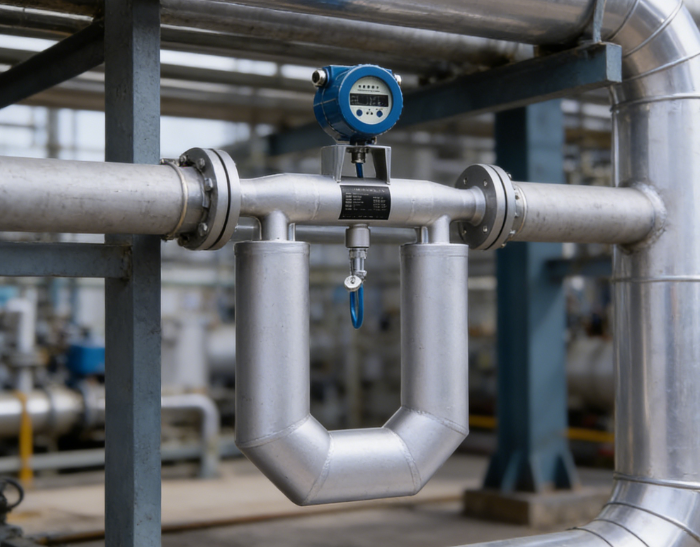
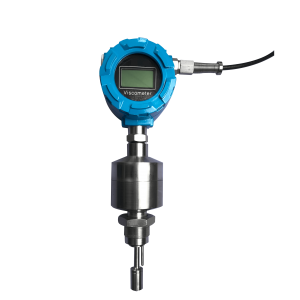
Coriolis mass flowmeter technology is preferred for on-board flow metering due to its direct, accurate measurement of mass flow and density—critical for tracking sulfuric acid transfer rates and validating cargo quantities. Lonnmeter’s inline density and viscosity meters can be integrated at key transfer points, providing additional layers of process verification and incident prevention. These measurement instruments enable operators to perform continuous sulfuric acid flow measurement in compliance with regulatory regimes, safeguard personnel through timely alarm activation, and optimize chemical process flowmeter data for billing and inventory management.
The complete safety network also includes gas detection units, high-quality personal protective equipment, fixed and portable firefighting capabilities, and inert gas systems to combat accidental releases or reactions. Integration of flow monitoring with engineering controls and quick-shutdown mechanisms ensures rapid risk containment, preserving crew safety and marine ecosystems during chemical tanker shipping of sulfuric acid.
Flow Measurement Technology in Chemical Tankers
The Role of Sulfuric Acid Flow Meters
Accurate, continuous, and real-time sulfuric acid flow measurement is central to chemical tanker safety and operational integrity. Sulfuric acid transfers on marine chemical tankers require precise dosing and monitoring to prevent overfills, leaks, or uncontrolled reactions. Mismanagement can cause environmental hazards or costly damage to ship systems.
Common sulfuric acid flow meter types on chemical tankers include positive displacement meters, electromagnetic flowmeters, and Coriolis mass flowmeters. Positive displacement meters struggle with slurries or viscous acids. Electromagnetic flowmeters require conductive fluids but may lack accuracy during property changes under shipboard temperature surges.
Sulfuric acid’s high corrosivity severely limits the lifespan of many conventional meters. Fluctuating viscosity, density, and temperature alter flow characteristics, straining devices not specifically engineered for such aggressive media. The constant motion and vibration on tankers further demand robust meters capable of reliable, real-time sulfuric acid flow monitoring.
Coriolis Mass Flowmeter: The Preferred Solution
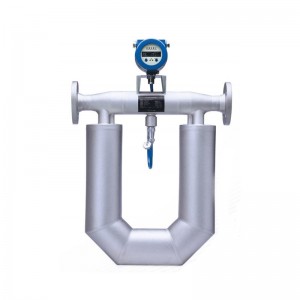
Coriolis mass flowmeters utilize the Coriolis effect. As sulfuric acid flows through vibrating sensor tubes, the flowing mass induces a phase shift in tube vibration. This phase shift is proportional to the mass flow rate. Embedded sensors continuously track these time lags to provide direct mass flow readings, uninfluenced by shifting viscosity, density, or temperature.
Real-time sulfuric acid flow measurement also benefits from the Coriolis meter’s multi-parameter capability. The same sensor setup measures mass flow, density, and temperature simultaneously. On marine chemical tankers, this means one device can support sulfuric acid flow monitoring, concentration checks, and temperature alarms, all within a single installation.
Compared to other marine flow metering solutions, Coriolis flowmeter technology is uniquely resilient to sulfuric acid’s challenges. Where electromagnetic meters can be tricked by rapid density swings or require recalibration, and positive displacement meters suffer from acid attack and fouling, Coriolis designs excel due to their all-welded, non-moving-part construction and direct mass measurement method. Coriolis meters require minimal maintenance and show strong resistance to fouling or clogging.
Precautions and best practices are critical for reliability. Meters must be made from acid-resistant alloys—materials like tantalum or other high-grade alloys are essential to withstand prolonged sulfuric acid exposure, especially under marine freight transport conditions. On-board flow measurement systems benefit from careful mounting that mitigates vibration and eliminates stress from onboard motion.
Integration into shipboard automation allows the Coriolis mass flowmeter to regulate acid dosing or dilution, support bunkering operations, and maintain data logs for regulatory compliance in marine cargo shipping. Properly selected and installed, these meters drastically reduce manual handling and risk, replacing obsolete radiometric and mechanical alternatives with more accurate marine flowmeter solutions for chemical process flowmeter needs.
The advantages of Coriolis mass flowmeters—reliability, accuracy, multi-parameter data, corrosion resistance, and automation compatibility—make them the clear first choice for sulfuric acid flow monitoring on chemical tankers. Their adoption increases operational safety, minimizes maintenance, and ensures compliance with marine chemical tanker safety and environmental requirements.
Installation and Maintenance of On-Board Flow Metering Systems
Proper installation of sulfuric acid flow meters is critical for chemical tanker safety, accuracy in marine cargo shipping, and operational reliability. Coriolis flowmeter technology, specifically, is widely adopted due to its robustness and precision in managing corrosive fluids like sulfuric acid.
Guidelines for Optimal Installation
Material selection is fundamental when installing sulfuric acid flow meters on marine chemical tankers. All wetted parts exposed to acid, such as tubes and measuring chambers, must utilize corrosion-resistant materials like Hastelloy C-22, tantalum, or high-performance PTFE liners. Standard marine-grade stainless steel is not suitable for concentrated sulfuric acid, as it risks rapid degradation.
The meter must be installed where it remains fully liquid-filled during all operating scenarios. Positioning can be either horizontal or vertical; vertical installations typically enhance drainability, while horizontal mounting may alleviate mechanical stress. The choice should consider the specific layout of the marine freight transport system and Lonnmeter’s product guidelines. Placement must avoid high-vibration zones unrelated to process flow, as stray pipe vibrations impact the accuracy and longevity of the sensor.
Adjacent piping must also resist sulfuric acid corrosion, typically using PTFE-lined steel or advanced FRP composites. Flow meters should not be installed near pump outlets or immediately downstream of valves, minimizing exposure to turbulent flows that can distort sulfuric acid flow measurement. Proper support brackets and pipe isolation techniques help prevent vibration transfer and mechanical loads from affecting mass flowmeter for chemicals performance.
Temperature management also matters; the meter should be specified for the highest process temperature expected during marine cargo shipping. Pressure ratings must match or exceed pipeline surges—a critical safety aspect for chemical tanker operations. Flow meter orientation should also facilitate full drainability and cleaning, minimizing acid pooling that accelerates corrosion.
Explosion protection is essential due to the hazardous nature of cargo and chemical tanker shipping environments. Coriolis flow meters must use explosion-proof housings or intrinsically safe wiring, in line with maritime standards for hazardous areas. Chemical-resistant cable conduits are mandated, with careful routing to avert damage from vibration or chemical exposure. Proper electrical earthing and bonding dissipate static build-up—a significant risk during sulfuric acid transfer, improving the safety of marine chemical tanker operations.
All meters should be mounted for easy accessibility. This is vital for routine inspection, cleaning, periodic calibration, and emergency repairs. Devices must have high ingress protection ratings—IP66 minimum—to withstand humid, salt-laden air typical in marine freight transport.
Maintenance Practices
Routine maintenance of on-board flow metering systems in chemical tankers maximizes equipment lifespan and minimizes costly downtime. Regular inspection focuses on chemical-resistant seals, meter cleaning to prevent acid crystallization, and verifying the security of all electrical and mechanical connections. Acid-resistant seals and gaskets must be replaced according to manufacturer recommendations, considering sulfuric acid’s aggressive properties.
Routine cleaning with compatible solutions removes acid residues, preventing deposit build-up. Meter housings, especially for the Coriolis technology, must remain intact to preserve IP ratings. Flexible pipe connectors, when used, should be checked for embrittlement or leaks. Maintenance logs must be kept as per marine industry reporting regulations, documenting all service activities for safety audits and insurance requirements.
Remote diagnostics and predictive maintenance features—now common in marine flow metering solutions—help spot early warning signs of sensor drift or partial blockage, enabling scheduling of maintenance before costly failures or interruptions occur.
Integrated System Checks
Modern marine flow metering solutions often connect directly to shipboard automation and cargo management systems. Integrated system checks should test not only the flow meter but the entire data pathway. For Lonnmeter mass flow meters, ship engineers must verify consistent communication with automated control systems through supported protocols.
Periodic simulations can be run: a dummy transfer or metered recirculation verifies the flowmeter’s output matches expected values at the control console. Alarm functionality, such as thresholds for high/low sulfuric acid flow, should be periodically triggered and checked. Linking flow meters to shipboard emergency shutdowns further enhances chemical tanker safety, enabling immediate response if abnormal readings signal leaks or line ruptures.
All installation, maintenance, and calibration events must be captured in onboard records, with standards dictated by maritime authorities. Crew members require regular training not just in meter operation, but also in handling potential spills and responding to metering system alerts within marine cargo shipping protocols.
Below is a schematic representation of best practices for installation, routine maintenance, and system integration of sulfuric acid flow meters aboard a chemical tanker:
Real-Time Flow Measurement: Enhancing Safety and Compliance
Real-time sulfuric acid flow measurement is fundamental to chemical tanker safety and compliance. On chemical tankers, especially during high-risk operations such as loading and unloading sulfuric acid, immediate access to accurate flow data underpins safe procedures, fast anomaly detection, and effective response management. Systems such as Coriolis mass flowmeters and magnetic flow meters deliver continual, high-precision readings of mass and volume flow, density, and temperature, even in demanding marine environments. These marine flowmeter technologies are integrated into automation systems for optimal chemical tanker safety and process control.
Operational Decision-Making During Loading and Unloading
Instantaneous flow data equips crew with a live picture of mass and volume transferred, ensuring sulfuric acid flow monitoring aligns with operational plans. By tracking real-time values, ship operators can prevent both under- and overfilling, minimizing risks to the vessel structure and preventing hazardous spills. Real-time sulfuric acid flow meter readings also enhance accountability for delivered cargo volumes. If deviations occur—such as unexpectedly high or low flow rates—operators can halt operations immediately, reducing response time from minutes to seconds. This is especially critical during marine cargo shipping or marine freight transport, where even minor spills of sulfuric acid can have severe consequences.
Remote Monitoring and Early Anomaly Alerting
On-board flow metering data streams directly to vessel control centers and can be monitored remotely by shore-based teams. When marine flow metering solutions detect abnormal patterns—such as sharp drops (potential leaks) or uncontrolled surges (rupture or misrouted cargo)—automated alerts notify crew and supervisors. Some vessels employ visual dashboards and programmable alarms to set safe operating limits. These mechanisms trigger early-warning signals, helping crews isolate segments, shut down valves, or reroute cargo pipelines before a minor incident escalates. Remote sulfuric acid flow monitoring reduces the need for manual inspection and minimizes crew exposure to hazardous environments.
Emergency Management Supported by Continuous Data
Effective emergency protocols rely on uninterrupted access to real-time flow measurement. Live data from chemical process flowmeters, including mass flowmeters for chemicals, serve as the primary evidence for leak localization and spill assessment. For example, if a pipeline rupture occurs during loading, continuous sulfuric acid flow measurement shows drop-offs compared to normal baselines. This enables rapid isolation of the affected tank, activation of containment systems, and shipment of accurate records to first responders and authorities. Coriolis flowmeter technology, which also indicates fluid density and temperature, further informs hazard assessment and cleanup strategies by pinpointing product contamination or temperature excursions.
Meeting Regulatory Requirements for Hazardous Cargo Tracking
Stringent marine transportation regulations demand traceability and reporting of hazardous substance movement. International organizations and marine authorities require chemical tanker shipping firms to maintain accurate, real-time logs of loading and unloading operations. On-board flow measurement systems, using instant reporting from magnetic and Coriolis marine flowmeters, generate digital records that prove compliance during port inspections and audits. These records—complete with time-stamped values—are critical for demonstrating safe handling, custody transfer, and leak-free operation.
Continuous Crew Training and Response Readiness
Maintaining marine tanker safety depends on the proficiency of crew with sulfuric acid flow meters and real-time data systems. Regular hands-on training familiarizes operators with reading displays, interpreting alert patterns, and executing standard operating procedures (SOPs) based on flow anomalies. Drills often use simulated leak scenarios, during which flow meter alarms prompt step-by-step emergency actions. After-action reviews reinforce best practices for acknowledging alarms, securing valves, and communicating findings. Proper training minimizes human error, ensures compliance with hazardous cargo protocols, and keeps chemical tanker safety performance high during every marine transportation phase.
Application Perspectives: Chemical Tankers and Marine Transportation
Marine transportation of sulfuric acid presents unique operational and safety challenges for chemical tankers. The highly corrosive nature of H₂SO₄, combined with the demanding marine environment, requires robust engineering choices to maintain vessel integrity and ensure chemical tanker safety throughout shipping routes.
Marine chemical tankers transporting sulfuric acid must use specialized cargo tanks, piping, and flow measurement points to manage the risks of corrosion and material degradation. Tank material selection is central: while rubber-lined carbon steel tanks are often deployed for economic reasons, further research points to duplex stainless steels and high-nickel alloys for enhanced resistance, especially where acid concentrations vary or voyage conditions introduce dilution risks. Peer-reviewed assessments confirm that intermediary concentrations and impurities, particularly seawater ingress or chlorides, sharply increase localized corrosion, even for austenitic stainless steels and commonly used linings.
Flow meter adaptation is equally critical, as these instruments are exposed to the same harsh chemical and mechanical stresses as tanks and pipes. On-board sulfuric acid flow measurement requires equipment fully compatible with both corrosive liquid and the ship’s environmental conditions. Coriolis mass flowmeters and inline density meters, such as those manufactured by Lonnmeter, have become standard for sulfuric acid flow monitoring due to their non-intrusive design, lack of moving parts, and high reliability in turbulent or vibration-prone settings—challenges frequently encountered on marine chemical tankers. These devices can withstand pressure surges and flow variation without degrading measurement accuracy, even as the ship encounters different temperatures and movements during transit.
Routes and environmental variance further complicate the picture. Marine chemical tankers may traverse regions with dramatic changes in humidity, ambient temperature, and seawater exposure. On-board flow measurement systems, such as mass flowmeters for chemicals and inline density meters, must operate dependably under these dynamic conditions, including frequent loading and unloading at ports, thermal cycling, and exposure to aggressive cargoes. Long-term data suggests that system adaption—using advanced flow meter materials, robust electronic housings, and protected installations—reduces downtime and minimizes the risk of measurement drift or complete sensor failure.
The integration of high-performance marine flow metering solutions contributes to the long-term operational benefits in marine freight transport. Continuous sulfuric acid flow monitoring on chemical tankers yields early warning of leaks, accidental dilution events, or unexpected changes in tank integrity, directly reducing the risk of costly cargo loss or environmental incidents. Over time, the systematic use of resilient sulfuric acid flow meters reduces maintenance burdens, mitigates corrosion-induced wear, and supports compliance with strict maritime chemical transport standards.
Modern instrumentation, especially corrosion-resistant inline density and viscosity meters from companies like Lonnmeter, supports these operational gains by enabling real-time detection of both micro-scale corrosion phenomena and larger system failures. Data from peer-reviewed studies underscore that such monitoring allows ship operators to address small leaks or corrosion sites before escalation, dramatically reducing the incidence of catastrophic damage seen in recent marine accident reports where undetected water ingress led to rapid acid attack on carbon steel tanks.
Ultimately, the selection and deployment of purpose-built, marine-rated flow measurement instruments—aligned to the specific chemical and physical challenges of sulfuric acid cargoes—play a central role in safeguarding cargo integrity, maximizing efficiency, and extending the service life of the global chemical tanker fleet. The synergy between carefully chosen tank materials and continuous on-board flow monitoring mitigates corrosion risk, enhances ship safety, and supports the uninterrupted global movement of hazardous chemical cargoes.






FAQs
What is a sulfuric acid flow meter used for on chemical tankers?
A sulfuric acid flow meter is essential for precise, real-time measurement of sulfuric acid during marine transportation. Its primary function on chemical tankers includes monitoring the volume and rate of H₂SO₄ flow during cargo transfer operations, such as loading, unloading, and internal transfers. This instrumentation is critical for ensuring chemical tanker safety by allowing operators to prevent overfilling, reduce spillage risk, and provide documentation for regulatory compliance and cargo loss prevention. Inline flow monitoring enables closed-loop sampling, which limits crew exposure to hazardous fumes and ensures traceability in chemical tanker shipping processes.
Why are Coriolis mass flowmeters preferred for sulfuric acid measurement in marine applications?
Coriolis mass flowmeters are preferred in marine chemical tanker environments due to their direct mass flow measurement capability and robustness in corrosive conditions. Their design allows accurate, stable readings of mass flow, fluid density, and temperature regardless of pressure or viscosity changes. The absence of internal moving parts reduces susceptibility to sulfuric acid’s corrosive effects—especially when wetted components are made from materials like Hastelloy or titanium. This reliability translates into dependable cargo monitoring, safer on-board flow metering, and lower maintenance in the challenging marine environment, ensuring safety and efficiency throughout chemical process flowmeter applications.
How does on-board flow metering enhance safety during marine transportation of chemicals?
On-board flow metering provides real-time, continuous sulfuric acid flow monitoring, empowering operators to detect leaks, partial blockages, or abnormal flow rates immediately. Rapid identification of such anomalies allows for fast intervention, minimizing spill risks and reducing crew exposure to hazardous substances. Alarm systems linked to flow data help initiate emergency procedures, supporting compliance with international safety regulations and contributing to safer marine freight transport on chemical tankers. Integration of these marine flow metering solutions with ship automation adds another safety layer by decreasing the necessity for manual checks and improving response times in emergency situations.
Can corrosion affect the performance of sulfuric acid flow meters?
Corrosion is a significant challenge for any sulfuric acid flow meter due to the aggressive nature of H₂SO₄. However, modern devices utilize corrosion-resistant materials—such as PTFE, PFA, Hastelloy, or titanium—for all wetted parts and sensor surfaces. This choice of materials ensures reliable, long-term operation even in hostile acid environments found in marine tanker systems. Advanced flow meters are specifically engineered to withstand the chemical and mechanical stress encountered on-board, reducing maintenance needs and lowering the risk of unexpected failures. Regular inspection and calibration remain essential to maintaining optimal performance and compliance with safety standards.
Is real-time flow measurement mandatory in chemical tanker transportation?
While regulatory mandates can vary by flag state and tanker route, the trend in 2024 is a strong recommendation—and in some jurisdictions, a requirement—for real-time sulfuric acid flow measurement. International conventions, such as those from the IMO and MARPOL, call for precise monitoring and recordkeeping of all transfers of hazardous cargoes. Implementing on-board flow measurement systems improves operational efficiency, ensures regulatory compliance, and enables faster, more decisive response to emergency events during marine cargo shipping. Chemical tanker operators align with these standards not only for legal reasons but also to protect assets, crew, and the environment, especially when transporting hazardous materials like H₂SO₄.
Post time: Dec-25-2025


