

Continuous measurement of liquid propylene density is a cornerstone for the safe, efficient, and high-quality operation of facilities engaged in propylene purification, storage, and handling. It forms the basis for inventory control, material balances, and ensuring that both process and final product specifications—such as those for polymer grade propylene—are reliably met. For volatile and pressurized substances like propylene, precise density data is not only a technical necessity but also a pivotal safety parameter influencing tank fill calculations, vapor space determination, and risk mitigation in storage and transfer situations.
Introduction
High-purity, polymer-grade propylene (PGP) is central to the modern chemical industry, especially in the production of polypropylene. With a purity typically above 99.5%, PGP ensures efficient polymerization reactions, optimal catalyst performance, and the manufacture of polypropylene with uniform physical and chemical properties. PGP quality directly impacts industries ranging from packaging and automotive parts to electronics and medical devices, where even minor variations in polymer structure or mechanical strength can have substantial downstream consequences.

Propylene Production
*
The purification of propylene to reach polymer-grade standards involves removing traces of propane, dienes, oxygenates, and other potential contaminants. These impurities, even at ppm levels, can severely poison sensitive catalysts such as Ziegler-Natta and Metallocene systems, leading to catalyst deactivation, reduced yields, broader molecular weight distributions, and altered end-product characteristics. Polypropylene plants rely on techniques like advanced distillation, adsorption by metal–organic frameworks (MOFs), and membrane separation to minimize these contaminants and preserve process stability.
Secure storage and meticulous handling of liquid propylene are critical due to its hazardous properties. Propylene is extremely flammable, stored under elevated pressure, and forms explosive mixtures with air. Robust protocols are required: storage must occur in well-ventilated environments using certified high-pressure containers equipped with pressure relief devices and vapor monitoring. Only trained personnel should conduct transfer and sampling operations under strict adherence to occupational safety regulations, ensuring both product integrity and workplace safety.
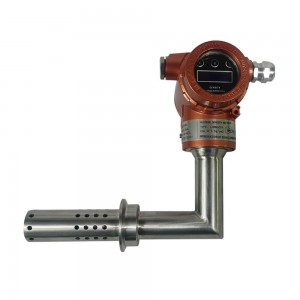
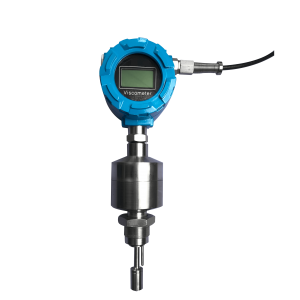
Another cornerstone of reliable propylene supply is the precise measurement of liquid propylene density—a property closely tied to process control, inventory management, and product quality. Measuring the density of liquids, particularly propylene, is essential for determining purity and for calibrating flow and mass measurement during storage, transfer, and polymerization feed stages. Traditional methods such as hydrostatic weighing offer reference values but lack suitability for continuous use in industrial settings. Advanced solutions—oscillation-type density meters, including those manufactured by Lonnmeter—enable inline, real-time monitoring, supporting both quality assurance and operational efficiency. These devices provide high accuracy and are engineered to perform under the challenging temperatures and pressures encountered in propylene logistics and polypropylene production, ensuring consistency and traceability across the supply chain.
Understanding the interplay between propylene purification, reaction feed integrity, secure storage practices, and rigorous density measurement is essential for delivering consistent, high-quality polymer-grade propylene to the world’s polypropylene plants, sustaining the performance and safety standards the industry demands.
Polymer-Grade Propylene: Definition, Properties, and Production
What Is Polymer-Grade Propylene?
Polymer-grade propylene is a highly purified form of propylene (C₃H₆) essential for producing polypropylene and other polymers. Its significance comes from the strict quality demands of polymerization catalysts like Ziegler-Natta and metallocene systems. These catalysts are highly sensitive to contaminants such as sulfur, phosphorus, water, and oxygenates, which can deactivate the catalyst and degrade the polymer product quality. For this reason, polymer-grade propylene must exceed a purity threshold of 99.5%, with common industrial specifications reaching up to 99.7%. Sulfur content is limited to less than 0.1–0.2 ppm, phosphorus usually below 0.1 ppm, and water below 5 ppm to protect catalyst activity and longevity. Competing catalyst technologies, such as those utilized in bulk, solution, and gas-phase polymerizations, differ in their impurity tolerances, but all require highly purified feedstock for optimal performance and economic operation. Maintaining this purity is critical to prevent costly catalyst replacement and downtime caused by deactivation or contamination of the reaction feed for propylene production.
Key Physical Properties
Propylene is a colorless, highly volatile gas at standard conditions, presenting unique challenges for handling and storage. Its boiling point is –47.6 °C, and its melting point is –185 °C. When stored or transported as a liquid under pressure, understanding both liquid propylene density and volatility is crucial for safe, efficient operation. At –48°C and atmospheric pressure, the liquid propylene density is around 0.51 g/cm³. Under typical pressurized storage (e.g., 8–10 bar, 20°C), density can rise to approximately 0.49–0.52 g/cm³. These density parameters are vital for process mass balances, tank sizing, and level measurement. Propylene is about 1.5 times denser in vapor phase than air, contributing to a tendency for escaped vapors to accumulate in low-lying areas, posing explosive risks. Proper measurement of liquid propylene density is achieved through precise inline density meters, such as those produced by Lonnmeter, allowing operators to accurately monitor and control inventories and to optimize storage conditions. The volatility and phase behavior require engineered solutions for phase separation, flash control, and leak detection during both handling and storage.
Primary Production Methods
The main industrial routes for making polymer-grade propylene are steam cracking, catalytic cracking, and olefin disproportionation (notably metathesis).
Steam Cracking: Steam cracking of hydrocarbons (naphtha, LPG, or ethane) primarily yields ethylene but also generates a valuable propylene by-product. Initial products contain a mix of hydrocarbons requiring multistep purification, including cryogenic distillation and hydrogenation, to reach polymer-grade standards. One challenge is the close boiling points of propylene and propane, which complicates separation and drives up energy and equipment costs.
Catalytic Cracking: Fluid catalytic cracking (FCC) units convert gas oils into lighter alkenes, producing propylene as a major co-product. FCC and related processes also produce higher olefins (C₄–C₈), whose subsequent cracking may increase propylene yield but adds complexity to separation routines.
Olefin Disproportionation (Metathesis): Metathesis technologies, such as the reaction of ethylene and butenes, enable on-purpose production of propylene. These methods are attractive for feedstock flexibility and can directly produce high-purity streams with fewer heavy by-products, reducing downstream purification demands. However, feedstock quality and by-product profiles still influence purification system design.
Production processes inherently yield by-products—ranging from hydrogen, methane, and various C₄+ hydrocarbons to trace impurities—that must be efficiently separated to isolate propylene at polymer-grade purity. Each route’s by-product slate determines the intensity and character of downstream purification, particularly in the selective removal of propane, unsaturates, and trace poisons. Purification steps, including selective hydrogenation, distillation, adsorption, and advanced membrane systems, are tailored for each process to meet the stringent propylene purification requirements demanded by polymerization operations.
The continuous monitoring and adjustment of critical physical parameters, such as propylene liquid density and temperature, during both production and storage, is achieved using advanced inline measurement technologies like those by Lonnmeter. This data is essential in both mass balance calculations and for ensuring compliance with safety standards, especially in the handling and storage of liquid propylene where precise control is mandated.
Below is a comparison chart showing typical liquid propylene density at different conditions:
| Temperature (°C) | Pressure (bar) | Liquid Propylene Density (g/cm³) |
| -48 | 1 | 0.51 |
| 0 | 5 | 0.52 |
| 20 | 9 | 0.49 |
| 40 | 15 | 0.47 |
Accurate density measurement informs both safety procedures and operational efficiency in any facility dealing with propylene storage and handling.

Propylene Purification Strategies for Polymer Grade Supply
Industrial Purification Techniques
Distillation remains the cornerstone for propylene purification, separating propylene from propane and other light hydrocarbons to meet the >99.5% purity threshold required for polymer grade propylene. The process leverages minute differences in boiling points—propylene at -47.6 °C and propane at -42.1 °C—necessitating tall, high reflux columns and significant energy input. This heavy energy demand makes conventional distillation costly, particularly as purity requirements tighten and operational targets increase. Limitations include propylene losses (historically up to 2,900 tons per year in single-unit refineries) and diminishing returns as more trays or higher reflux are applied to marginal purity improvements.
Advanced distillation strategies address some of these challenges. Implementing bottom flash distillation, for instance, can reduce propylene losses by over 70%, translating to substantial operating expense savings for facilities willing to invest in new column configurations or modifications. Hybrid membrane-distillation units further enhance energy efficiency and flexibility, especially when handling variable feedstocks. Such hybrids demonstrate a 12.6% reduction in annual costs by offloading some separation duty to selective polymeric or inorganic membranes before final rectification by distillation. Extractive distillation approaches using specially selected ionic liquids as entrainers, such as [BMIM][TFA], enable energy cuts of up to 82% over traditional methods. These innovations collectively move the industry toward more sustainable, scalable, and cost-effective propylene purification.
Adsorption-based purification provides an alternative or complement to distillation. Materials like Cu-MOF-74 (copper-based metal–organic frameworks) have proven exceptionally effective due to their carefully engineered microporosity and open metal sites. These frameworks enable highly selective physisorption of propylene via molecular sieving and preferential interactions between unsaturated hydrocarbons and copper nodes. Experimental fixed-bed tests confirm that Cu-MOF-74 can yield propylene with purity exceeding 99.5%, directly meeting polymer industry standards. Notably, these adsorption systems operate at modest pressures and near-ambient temperatures, sharply reducing energy input compared to thermal processes, and may be regenerated for continuous use.
More recent purification architectures integrate multiple technologies. Hybrid schemes typically employ first-stage adsorption using ultra-microporous frameworks (such as azolate-based sorbents) to concentrate propylene, followed by polishing distillation to guarantee contaminant removal. These methods secure ultra-high-purity output, cut energy consumption, and streamline operations. For example, single adsorption–desorption cycles have been reported to deliver >99.7% propylene in lab and pilot studies. Hybrid hollow-fiber membrane and distillation trains further support process stability and rapid adaption to raw material fluctuations, delivering consistent polymer-grade products while reducing carbon footprints.
Achieving Ultra-High Purity
Polymer-grade propylene requires contaminant levels typically below 30 ppm propane, 1 ppm ethylene, 1 ppm water, and ppt levels of catalyst poisons (e.g., O₂, CO, amines, sulfur compounds) to protect high-activity polymerization catalysts and ensure consistent polymer properties. Achieving and maintaining such purity levels relies on tightly integrated purification trains, combining primary bulk separation with downstream finishing steps and real-time monitoring.
Process integration is fundamental. Purification systems are designed as nodes within the broader propylene production value chain, dovetailing closely with upstream cracking or dehydrogenation units and downstream polymerization reactors. Quality control is maintained from raw material feed to final product storage. Integration of inline analyzers and advanced density and viscosity meters—such as those manufactured by Lonnmeter—enables rapid, precise measurement of key propylene liquid properties, such as liquid density, which is a vital parameter for inventory, custody transfer, and reaction feed management.
An example process integration approach might include:
- Primary distillation for bulk separation and impurity reduction,
- Cu-MOF-74 or similar adsorbent beds for selective fine purification,
- Final distillation or membrane polishing to reach <10 ppm total hydrocarbon impurities.
This architecture minimizes both capital and operational costs while ensuring the propylene feed meets or exceeds industry purity standards.
Reliable supply of ultra-pure propylene is essential for polypropylene and copolymer production lines, as catalyst sensitivity to trace contaminants directly impacts yield, product quality, and operational efficiency. Maintaining tight control over propylene liquid density—measured both in tanks and at the reactor feed—prevents inadvertent feed deviations and supports consistent polymer characteristics. Methods for measuring liquid density, such as inline vibrational density meters and calibrated laboratory pycnometers, are integrated throughout propylene storage and handling operations. Lonnmeter technologies, designed for real-time, high-accuracy monitoring, aid in closing the control loop for quality assurance, handling, and storage of liquid propylene as a ready reaction feed.
Secure handling and storage of propylene depend on a combination of physical containment, process analytics, and feedback from inline devices. These measures, integrated with purification strategies, ensure that the final product delivered to polymer production is not only ultra-pure but also reliably meets all necessary physical and chemical specifications connected to density, composition, and contamination thresholds.

Propylene Storage and Handling: Best Practices and Challenges
Safe and Efficient Storage
Selecting the optimal storage solution for propylene requires evaluating pressurized vessels, refrigerated tanks, and underground caverns. Pressurized vessels are the most common method for moderate capacity, utilizing steel tanks designed under ASME standards. These systems operate at ambient temperature, maintaining propylene as a liquid by sustaining pressures above its boiling point. Their effectiveness depends on adhering to strict foundation requirements, corrosion protection, and outfitting with pressure relief devices. Periodic inspection is necessary to maintain ongoing safety compliance.
Refrigerated tanks are suited for large-scale or long-term propylene storage. These tanks maintain sub-ambient or cryogenic temperatures with robust insulation, minimizing vaporization risks and loss. Full containment or double-walled designs further enhance safety by offering redundancy in the event of primary containment failure. Operational demands for refrigerated storage include vigilant monitoring of insulation integrity and structure due to thermal cycling stresses. Failures in leakage containment or insulation can rapidly escalate to widespread vapor release and overpressure scenarios.
Underground caverns, typically constructed in salt domes or suitable rock formations, are employed when extremely large inventories must be stored. These caverns benefit from intrinsic thermal insulation and containment, reducing the risks associated with surface fires or explosions. However, engineering complexity increases with the need to ensure leak-tight operation, manage withdrawal/injection logistics, and prevent groundwater or contamination issues.
Proper storage rests on rigorous control of temperature, pressure, and insulation. Propylene must be stored within narrow thermal and pressure limits to prevent hazardous phase changes. Overpressure or excessive heat can cause rapid vaporization, creating both safety and purity issues. Advanced storage facilities employ continuous temperature and pressure sensing alongside automatic control valves and heat exchangers to keep conditions stable. Compliance with fire-rated barrier requirements and regulatory inventory limits is mandatory for all storage assets.
A critical factor in both storage design and operational management is liquid propylene density. Propylene liquid density varies with temperature and pressure, directly impacting tank sizing and inventory management. For instance, a minor change in storage temperature can shift the density enough to significantly affect the calculated inventory. To manage this, facilities deploy real-time measurement techniques—such as inline density meters, radar level transmitters, and correction tables—to convert measured volumes into accurate mass inventories. This is vital for regulatory reporting and for minimizing inventory discrepancies. Using mass-based management rather than volume-only tracking, especially with liquid propylene, delivers the accuracy needed for both custody transfer and loss prevention.
Below is a chart illustrating how liquid propylene density changes with temperature, highlighting its direct effect on tank inventory calculations:
| Temperature (°C) | Liquid Propylene Density (kg/m³) |
|------------------|----------------------------------|
| -40 | 636 |
| -20 | 608 |
| 0 | 579 |
| 20 | 550 |
| 40 | 520 |
As demonstrated, a rise in temperature from -40°C to 40°C decreases liquid density by over 100 kg/m³, underscoring the importance of temperature-stabilized storage and precise density measurement in inventory management.
Handling Procedures
Effective handling of liquid and gaseous propylene is fundamental for both plant safety and reliable supply. Procedures begin with dedicated protocols for safe transfer, loading, and unloading. All transfer lines and hoses must be compatible with propylene’s physical and chemical characteristics to prevent swelling or degradation. Connections are pressure-tested, and all transfers are monitored from a central control room. All personnel involved in handling use flame-resistant clothing, personal gas detectors, and antistatic equipment to eliminate ignition sources.
Transfer operations adhere to a best-practice sequence: verifying tank and line isolation, grounding and bonding equipment, slowly ramping line pressure, and constant vapor balancing to avoid overpressure. Pipeline distribution systems are equipped with remotely operated valves and pressure relief mechanisms. During loading and unloading, vapor displacement systems or closed-loop vapor recovery are used to minimize emission of flammable vapors and avoid air ingress, which could cause explosive mixtures.
Given the volatility and flammability of propylene, hazard mitigation is a core operational principle. Procedures are validated for both normal and emergency situations. Operators routinely verify all connections for leaks using soapy water or dedicated gas leak detectors. The workspace is kept clear of unnecessary personnel and ignition sources, and emergency shutoff valves are positioned at accessible points. Failure scenarios—such as damaged hoses, overfilled tanks, or instrument faults—are addressed by automatic system shutdowns and high-integrity vapor containment.
Vapor recovery and leak prevention are essential in maintaining both safety and operational reliability. Modern vapor recovery systems—such as bottom flash or vapor recompression units—reduce atmospheric venting and provide recycling options for process streams. Facilities with such systems report significant reductions in flaring losses and improved economic performance. Leak detection arrays with gas sensors and alarms are integrated into plant safety infrastructure, allowing for rapid response in case of accidental releases. Leak detection is augmented by emergency shutdown systems that isolate compromised sections of the system and activate high-rate vapor scrubbing or deluge water curtains.
A key element in safe propylene handling is maintaining robust inventory tracking. Inline density meters, such as those manufactured by Lonnmeter, support accurate real-time measurement of liquid propylene density. These meters provide essential data to control systems, helping operators verify that transfer and storage procedures do not result in over- or underfilling, thus minimizing spill and vaporization risks. Direct density measurement, alongside pressure and temperature readings, forms the cornerstone of reliable inventory and custody operations, especially with fluctuating thermal and pressure conditions.
Altogether, best practices in propylene storage and handling combine engineered solutions, continuous monitoring, and rigorously enforced procedures to address the unique challenges presented by this highly volatile chemical. Their collective implementation remains non-negotiable for safe, compliant, and efficient operation in the production, storage, and distribution of polymer grade propylene.
Measuring the Density of Liquid Propylene: Principles and Solutions
Importance of Density Measurement
For inventory management, determining the precise liquid propylene density allows operators to convert between volume and mass with minimal error, which is vital for accounting, custody transfer, and loss prevention. In process control, real-time density measurements are used to ensure consistent feed composition for reaction units, including those supplying reaction feeds for polypropylene production. Even minor deviations in liquid propylene properties can impact catalyst performance and end-product quality. Quality assurance teams rely on density as a direct indicator of product conformity and purity, especially to validate the material as polymer grade propylene. Further, awareness of accurate density is critical for safety, influencing decisions about tank levels, pressure relief settings, and emergency response strategies under the highly flammable and volatile conditions typical of propylene service.
Methods for Measuring Liquid Density
Several methods are available to measure the density of a liquid such as propylene, each with distinct principles, advantages, and drawbacks.
The most traditional approach is the hydrometer, a calibrated glass float immersed in the liquid whose level of buoyancy directly relates to density. Although widely used for simplicity, hydrometers can lack the precision required for propylene service, where small differences have large consequences.
More advanced is the oscillating U-tube densitometer. This digital instrument consists of a hollow, oscillating tube through which the sample flows. The frequency of oscillation varies with the mass of the tube and the liquid inside, allowing direct and highly accurate density determination, provided temperature and pressure are well controlled.
Digital density meters—some based on oscillating U-tube technology—integrate direct readouts, automatic temperature compensation, and data storage. These are highly suitable for demanding environments and are often implemented in laboratories as well as in-line for process monitoring. Inline density meters produced by Lonnmeter are tailored for industrial propylene applications, offering robust performance under challenging process conditions.
Factors Altering Liquid Density Measurements
Several variables can affect the accuracy of liquid propylene density measurement:
- Temperature Variation: As temperature rises, thermal expansion lowers the density of propylene. Small deviations can have significant effects due to propylene’s high expansivity; thus, temperature control and compensation are non-negotiable.
- Pressure Changes: Unlike gases, liquids, including propylene, show modest but critical density increases with pressure, especially under process or storage pressures typical for liquified gases. Measuring systems must be rated for these conditions and appropriate corrections applied.
- Impurities and Contaminants: The presence of other hydrocarbons or dissolved gases alters density directly, affecting purity certification for high-value streams such as polymer grade propylene. Quality control routines must exclude or account for these effects.
Application to Propylene Operations
Measured liquid propylene density data underpins key operational functions within propylene storage and handling facilities. In storage management, it determines not only how full a tank is, but how much mass it truly holds—a vital distinction when tank level gauges report volume, yet commodities are sold by mass. For material balances, it assures that process flows are accurately accounted, essential in both continuous and batch operations.
In feedstock preparation for reaction units, such as those in propylene purification or polymerization plants, knowing the precise density guarantees correct feed composition and process stability, directly influencing output quality. Mistakes in density measurement can result in off-spec product, inefficient catalyst usage, or even hazardous situations due to overfilled vessels in pressurized service.
From a compliance perspective, regulatory bodies mandate rigorous density measurement and documentation for volatile chemicals, both to ensure public safety and to standardize market transactions. Industrial operations aiming for operational excellence rely on this data not just to meet regulatory baselines, but to optimize equipment utilization, increase yield, and minimize unplanned downtime—all of which hinge on having reliable, accurate liquid density values available at every point in the process.
Correct density measurement for liquids like propylene is thus not a routine task, but a strategic instrument for advancing efficiency, quality, and safety throughout the lifecycle of propylene storage, transport, and usage.
Applications and Quality Demands of Polymer-Grade Propylene
Polymer-grade propylene, with purity levels exceeding 99.5%, is the principal reaction feed for polypropylene production and a broad array of advanced polymers. Its stringent purity specification is not arbitrary but a direct requirement dictated by the sensitivity of modern polymerization catalysts, notably Ziegler-Natta and metallocene systems. Even trace contaminants—acetylenes, sulfur- or nitrogen-containing compounds, oxygenates, and specific hydrocarbons—can poison catalysts, trigger irreversible fouling, and sharply diminish polymer yield and process efficiency.
Role as Reaction Feed for Polypropylene and Advanced Polymers
Polypropylene manufacturing depends on a consistent supply of polymer-grade propylene, where impurities are held far below parts-per-million, and for some poisons, below parts-per-billion levels. Ziegler-Natta catalyst systems, foundational to isotactic polypropylene production, are highly vulnerable to even minute concentrations of poisons such as water, oxygen, carbon monoxide, or methylacetylene. These impurities not only deactivate catalyst active sites but severely impact crystallinity, molecular weight distribution, and stereospecificity of the produced polymer.
The direct correlation between impurity load and catalyst consumption leads to significant cost implications. Frequent catalyst replacement, unplanned process stoppages, and large-scale off-spec product generation can all result from lapses in input quality. Therefore, continuous propylene purification is not a luxury but a necessity for reliable and profitable operation.
Additional Uses in Chemical Intermediates and Specialty Syntheses
Beyond polypropylene, polymer-grade propylene is integral to several high-value chemical production pathways. It supports acrylic acid synthesis through two-stage catalytic oxidation and cumene production via alkylation of benzene. Both processes also rely on high-purity feeds:
- In acrylic acid production, even minor sulfur or oxygenate contaminants can deactivate proprietary oxidation catalysts, lowering yields or promoting unwanted by-products.
- Cumene synthesis similarly relies on propylene purity to ensure zeolite catalyst longevity and conversion selectivity, with documented industrial plants achieving >99.999% conversions and >99.97% product purity when using rigorously purified feeds.
Specialty applications, such as polyol, plasticizer, and surfactant manufacture, impose equally demanding propylene purity requirements, making off-spec feeds a technical and economic risk.
Business Value of Maintaining Polymer-Grade Purity in Storage and Distribution
The commercial imperative extends throughout the propylene value chain. During storage and transportation—typically in pressurized vessels or spheres—polymer-grade propylene remains vulnerable to contamination from environmental moisture, leaching from vessel materials, hydrocarbons, and oxygen. Even marginal contamination can be detected at the point of use via gas chromatography-mass spectrometry (GC-MS or GC-ICP-MS), often triggering batch rejection or remedial purification.
Industry standards (e.g., ASTM D5273) mandate comprehensive impurity profiling at all major custody transfer points. Operational strategies utilize robust sample handling, online gas chromatography, and continuous density measurement technologies to monitor product quality. For instance, measuring propylene liquid density is essential not only for custody transfer but also as an indirect quality control mechanism: deviations in expected liquid density can flag impurity ingress or compositional variation. Inline density meters, such as those by Lonnmeter, provide real-time verification of liquid propylene density throughout transfer and storage.
The chart below summarizes the relationship between propylene purity, catalyst lifespan, and the likelihood of unscheduled shutdowns:
Increasing propylene purity results in dramatic extension of catalyst run length and reduced frequency of process interruptions (data adapted from recent peer-reviewed studies).
Effective handling and storage of liquid propylene—ensuring consistently high liquid propylene density and uncompromised chemical purity—thus underpin plant reliability, customer specifications, and overall business profitability. Strict control during storage and distribution, informed by accurate methods to measure density of liquids and advanced analytical impurity detection, safeguards product integrity across the supply chain.






Frequently Asked Questions
What is the process for propylene purification to meet polymer-grade standards?
Polymer grade propylene must exceed 99.5% purity, with very low levels of propane and trace contaminants. Historically, energy-intensive fractional distillation has been the backbone of purification, separating propylene from similar hydrocarbons such as propane. Due to closely matched boiling points, this process faces thermodynamic challenges and high operational costs.
Recent advances prioritize adsorption and membrane-based technologies for increased selectivity and lower energy consumption. Adsorbents like Cu-MOF-74 leverage engineered pore sizes and open metal sites to selectively capture impurities—primarily propane and trace alkanes—enabling a single-step purification. The efficiency of such systems hinges on careful control of temperature, pressure, and flow rate. Laboratory and pilot-scale studies confirm these adsorbents can be regenerated multiple times without notable performance loss, supporting industrial scalability. Fine-tuned adsorbent structures now also remove a broader spectrum of impurities including sulfur compounds and alkynes, matching polymerization catalyst requirements.
Membrane-based separation offers another route, with modern organosilica formulations achieving high selectivity and robust stability. Membrane methods separate propylene by exploiting subtle differences in molecular size and permeation characteristics, making them especially suitable when ultra-high purity is required.
Why is reaction feed quality critical in polypropylene production?
Achieving and maintaining high purity in the reaction feed is essential for polypropylene production. Catalysts used in polymerization are sensitive to impurities such as sulfur, metals, oxygenates, and other hydrocarbons. Even trace contaminants can poison active catalyst sites, leading to reduced activity, increased by-product rates, and shortened catalyst lifespan. High-purity reaction feed ensures optimum catalyst efficiency, stable polymer properties, and consistent yield. Regulatory standards also mandate impurity limits to protect both process safety and polymer quality, making purification and vigilant monitoring of the feedstock indispensable.
How should propylene storage and handling be managed safely?
Propylene is stored in pressurized or refrigerated tanks specifically designed for flammable gases. These tanks must be fitted with pressure-relief valves, temperature controls, and mechanisms for detecting and managing leaks. Storage areas require robust ventilation and strict exclusion of ignition sources. Routine inspections and maintenance minimize leak and failure risks. Training operators on the handling and transfer of polymer grade propylene, including the use of personal protective equipment, ensures the safety of personnel and plant assets. Always follow local regulatory codes for hazardous material storage.
What determines the density of liquid propylene, and why does it matter?
Liquid propylene density depends mainly on temperature and pressure. As either variable shifts, so does the measurable density—a property critical for tank sizing, mass balance calculations, custody transfer, and process modeling. Small errors in measuring propylene liquid density can lead to significant discrepancies in inventory or flow control, underlining the need for precise, continuous monitoring during production and storage.
How do you measure the density of a liquid like propylene?
The most accurate method for density measurement of liquids, including propylene, is the oscillating U-tube densitometer. This device vibrates a tube filled with sample liquid and measures changes in oscillation frequency, which directly correlates with density. Correct calibration and strict control of temperature and pressure are required to ensure reliability. Alternatives include manual hydrometers and pycnometers, but these are suited for applications where throughput or precision requirements are less stringent. Inline digital density meters, such as those manufactured by Lonnmeter, can be installed for real-time monitoring and process control. Preparing the sample—ensuring it is degassed and at equilibrium temperature—enhances measurement accuracy.
What are the risks and necessary precautions when handling polymer-grade propylene?
Polymer-grade propylene is extremely flammable. Ignition can occur from static discharge, open flames, or even hot surfaces. Handling requires full compliance with personal protective equipment guidelines, rigorous process enclosure, and strict exclusion of ignition sources. Storage and transfer operations must be performed in well-ventilated areas. Leak detection systems and alarm protocols are vital for early hazard identification. All piping and tanks should be regularly inspected for stress and corrosion. Emergency procedures for spills or leaks, including containment and evacuation plans, must be clearly documented and drilled.
Why is polymer-grade propylene preferred in certain chemical production streams?
Polymer-grade propylene’s purity confers distinct advantages in downstream manufacturing. High purity enhances reaction efficiency, reduces the formation of unwanted by-products, and supports consistent, high-quality polymer production. Since modern catalysts are susceptible to contamination, only ultra-pure propylene ensures reliable process performance and compliance with stringent product specifications required in critical applications such as food packaging and automotive components.
Post time: Dec-18-2025


