

Potash is a term used for various salts that contain potassium in water-soluble form, most notably potassium chloride (KCl) and sulfate of potash (SOP). It is indispensable in agriculture, acting as a primary source of potassium—one of the three key nutrients needed by crops. Potassium is vital for triggering enzyme activity, supporting photosynthesis, regulating water movement in plants, and bolstering resistance to drought and disease. Its contribution leads to increased crop yield, improved fruit quality, and greater resilience against environmental stressors, underpinning sustainable farming worldwide.
Within the mining sector, the potash mining process transforms naturally occurring potassium-bearing minerals into high-purity fertilizers essential for feeding a growing population. The process begins with the extraction of potash ore, which can be achieved via underground mining, solution mining, or surface mining depending on deposit depth and geology. Beneficiation flowsheets typically employ potash flotation process, where potassium salts are separated from clays and salts, followed by gravity separation in mineral processing and thermal crystallization steps to reach the required purity.
Optimizing each stage of the potash production methods is critical for plant output, efficiency, and product quality. This is where potash slurry density measurement becomes central. Accurate density measurement techniques for slurry in mining help operators control process parameters, improve mineral separation efficiency optimization, and maximize concentrate recovery rate. By maintaining optimal slurry density, facilities can enhance flotation recovery in potash mining, optimize potash crystallization for purity, and implement best practices for gravity separation in mining. The result is consistent concentrate quality and cost-effective operation.

Potash Mining
*
Understanding the Potash Mining Process
1.1 Types of Potash Deposits and Mining Approaches
Potash originates from geological deposits formed through the evaporation of ancient saline waters. The principal deposit types are sylvinite, carnallite, and secondary products from evaporation processes.
- Sylvinite Deposits: These consist mainly of potassium chloride (KCl, known as sylvite) intermixed with sodium chloride (NaCl, or halite). They dominate global production due to their thickness, high grade, and straightforward processing. Major examples include the Saskatchewan Basin in Canada and the Permian Basin in Russia.
- Carnallitite Deposits: These contain the hydrated mineral carnallite (KMgCl₃·6H₂O) alongside halite. Processing is more complex due to magnesium content. Key occurrences are found in the Zechstein Basin (Germany/Poland), Solikamsk (Russia), and the Dead Sea region.
- Evaporative (Salt Lake) Deposits: In salt lakes and playas—such as those on the Qinghai-Tibet Plateau—potash forms by sequential evaporation of brines. These environments can yield multiple minerals, including sylvite, carnallite, polyhalite, and langbeinite.
Mining Methods Compared
Potash extraction relies mainly on two approaches: conventional underground mining and solution mining.
- Underground Mining: Used primarily for shallow, thick, high-grade beds like sylvinite. Ore is extracted through room-and-pillar methods, providing effective resource recovery and safety.
- Solution Mining: Applied for deeper or more complex deposits, including many carnallitite formations. Water or brine is injected to dissolve potash, which is then pumped to the surface for crystallization.
- Salt Lake Extraction: Solar evaporation is used in arid regions to recover potash from brines.
Best practices leverage advanced automation, selective mining, and integrated solutions for optimized yield and safety. Modern operations often combine underground and solution mining; hybrid sites utilize both, selecting the method based on deposit depth and mineralogy. Advanced potash production now incorporates these varied mining and extraction technologies to maximize efficiency and quality.
1.2 Overview of Potash Ore Processing Techniques
Once extracted, potash ore undergoes a series of well-defined processing stages to achieve high-purity concentrate.
1. Extraction and Breaking
- Ore is mined (either removed from underground or dissolved and pumped in solution form).
- Mechanical breaking reduces large lumps for easier handling.
- Broken ore is transferred by conveyor or slurry pipeline to processing plants.
- Slurry formation enables efficient movement and handling of fine-particle material.
- Crushers and mills reduce ore to a controlled particle size.
- Target sizing improves downstream mineral separation efficiency and concentrate recovery rates.
- Flotation: The main process for sylvinite and many carnallitite ores. Potash minerals are selectively separated from halite and other gangue. Desliming enhances recovery and purity, with typical flotation circuits achieving 85–87% recovery rates and 95% desliming efficiency.
- Gravity Separation: Occasionally applied; particularly relevant in specific ore types with distinctive densities, supporting mineral separation efficiency optimization.
- Hot Leaching and Crystallization: Utilized for carnallite-rich ores and final purification. Dissolved potash is recrystallized to boost product purity, often reaching 95–99% KCl content.
- Process Integration: Nearly 70% of global potash plants rely on froth flotation as the central method, with thermal dissolution–and–crystallization for the highest purity grades.
2. Transport
3. Crushing and Grinding
4. Mineral Separation Processes
5. Slurry Handling and Density Control
Throughout processing, the concept of slurry—a mixture of solids suspended in liquid—is essential. Control of potash slurry density underpins separation efficiency and equipment performance. Accurate density measurement techniques for slurry in mining are critical to adjusting flow rates, optimizing flotation recovery, and enhancing concentrate recovery rates. Sensors and automated systems monitor and regulate density to ensure efficient potash extraction and processing.
The Critical Role of Slurry Density Measurement
2.1 Defining Slurry in the Potash Mining Context
In potash mining, a slurry is a mixture of finely ground potash ore and water or brine. This suspension may also contain dissolved salts and process chemicals, especially during potash flotation, crystallization, or gravity separation steps. The solids content ranges widely depending on the stage of processing, from dilute slurries in separation circuits to thick slurries in waste handling. The composition and physical properties of these slurries change frequently, influenced by ore geology and process adjustments.
Slurry density—mass per unit volume of this mixture—is most often measured at several critical stages:
- After crushing and grinding, to control feed to flotation circuits
- Post-flotation, to optimize thickener and clarifier operations
- During crystallization, where precise density guides product purity and recovery
- In pipeline transport, to minimize pipe wear and pumping costs
Accurate slurry density measurement underpins automated control of potash processing steps and ensures each operation receives feed material of optimal consistency.
2.2 Impacts of Accurate Slurry Density Measurement
Process Efficiency and Throughput
Precise density measurements directly impact overall plant throughput in the potash mining process. Pumps and pipelines are sized based on density expectations. Overly dense slurries can cause excessive wear, blockages, or pump failure, while dilute slurries waste energy and reduce mineral separation efficiency.
Concentrate Recovery Rate and Product Quality
Density control in flotation circuits is vital for enhancing flotation recovery in potash mining. High or low slurry density can disrupt froth stability, decrease selectivity, and reduce KCl recovery rates. For example, maintaining consistent feed density to flotation yields 85-87% recovery and product grades above 95% KCl. Similarly, in the potash crystallization process, incorrect density leads to impure crystals and reduced product yield, compromising the economic performance of the plant.
Flotation and Crystallization Outcomes
Key separation steps such as potash flotation and crystallization require tight density windows. Too low a density leads to poor collision rates between particles and bubbles during flotation, while excessive density increases gangue entrainment and process instability. In crystallization, accurate density is synonymous with controlling supersaturation, crystal growth, and ultimately the purity of the final product.
Prevention of Processing Issues
Consistent density also prevents operational issues such as pipe blockages, excessive pump wear, and inconsistent grades in final potash products. Deviations from target densities can cause settling or stratification in pipelines, fouling process tanks, and producing variable concentrate grades—leading to reprocessing, downtime, or product out-of-specification events.
2.3 Industry Standards and Modern Density Measurement Technologies
Accurate potash slurry density measurement relies on a mix of conventional and advanced technologies tailored to the process:
1. Coriolis Mass Flow Meters
Coriolis meters measure mass flow and density by detecting oscillation changes in sensor tubes. They excel in accuracy and can handle variable slurry makeup, making them suitable for precision process control. Despite high capital cost and susceptibility to wear in abrasive slurries, they are preferred for applications prioritizing optimizing concentrate recovery rate and digital integration. Their direct digital output allows seamless links to plant automation and analytics systems.
2. Ultrasonic Density Meters
Using sound velocity in the slurry, ultrasonic meters offer inline density assessment without moving parts. While attractive from a safety and maintenance perspective, their accuracy can be challenged by fluctuating particle size or concentration—typical in potash tailings streams.
3. Manual Sampling and Laboratory Analysis
Laboratory measurements—whether gravimetric or via pycnometry—set the standard for calibration and quality assurance. They deliver high accuracy but are unsuitable for real-time control due to labor requirements and sampling delays.
Selection Criteria
The choice of density measurement technology in potash mineral processing must balance:
- Accuracy (process stability, quality)
- Maintenance demands
- Worker safety (especially for radiometric sources)
- Integration potential with plant automation and real-time process analytics
Many operations pair continuous online meters with periodic lab checks for robust, traceable control.
Digitalization Trends
Modern plants are moving toward real-time analytics and automated process control, linking density gauges directly with distributed control systems (DCS) for rapid adjustments. This supports enhanced energy efficiency, consistent product quality, and minimizes human error.
Modern density measurement techniques and controls are now essential for efficient potash production methods, optimizing gravity separation in mineral processing, and meeting stringent product and environmental requirements.

Potash Flotation Process: Optimization with Density Control
3.1 The Potash Flotation Process: Fundamentals
Potash flotation is primarily used to separate sylvite (KCl) from halite (NaCl) and insolubles. The process hinges on the difference in surface chemistry between target minerals. Sylvite is rendered hydrophobic using selective collectors, allowing for froth separation, while halite and clays are suppressed with depressants.
Desliming is crucial before flotation. It removes fine clays and silicates, which otherwise coat mineral surfaces, hinder reagent effectiveness, and lower selectivity. Effective desliming can reach efficiencies as high as 95%, directly supporting high-grade recovery in the flotation circuit. Operations consistently achieve 61–62% K₂O concentrate grade with this approach, underlining desliming’s importance in potash salt separation.
Flotation circuits are tailored by separating the feed into coarse and fine fractions post-desliming. Each fraction undergoes specialized reagent dosing and conditioning to maximize sylvite recovery. Key reagents include:
- Salt-type collectors (for sylvite),
- Synthetic polymer depressants (such as KS-MF) to suppress unwanted halite and insolubles,
- Surfactants and dispersants to further promote selectivity and mitigate slime effects.
Operational parameters like flow rates, cell agitation speeds, and reagent dosages are adjusted for optimal separation. Globally, about 70% of potash production relies on froth flotation, with high-purity products attained by integrating flotation with thermal dissolution–crystallization methods.
3.2 Density Measurement in the Flotation Circuit
Slurry density in the flotation circuit is a critical control factor. It directly influences bubble-particle interactions, impacting sylvite’s attachment efficiency, reagent consumption rates, and eventual separation.
Effects of Slurry Density:
- Low Density: Bubble-particle contact improves, but recovery can suffer due to weaker froth stability and increased water carryover.
- High Density: More collisions occur, but excess solids hinder selective attachment, demand higher reagent dosages, and can dilute concentrate quality.
Optimal density tuning is required for both coarse and fine fractions to maximize mineral separation efficiency and minimize losses. Operators use density meters, nuclear gauges, and in-line sensors to provide real-time feedback, allowing for continuous adjustments that enhance concentrate grade and recovery.
Desliming’s Role:
Case studies show that rigorous desliming—monitored by density measurement—yields recovery rates of 85–87% for sylvite and maintains high flotation selectivity. Removing insolubles before the flotation step improves reagent performance and elevates final product quality, especially when combined with precision density control.
For example, at sites utilizing synthetic depressants, density optimization following desliming has been shown to boost recovery rates by more than 2%—a significant impact in large-scale potash mineral processing techniques.
Potash Crystallization Process: The Role of Feed Density
4.1 Overview of the Potash Crystallization Step
Potash crystallization is a thermal process following flotation and desliming in the potash mining process. After flotation—where sylvite (KCl) separates from halite (NaCl) and other gangue—the concentrate undergoes hot leaching. This involves mixing crushed sylvinite ore with heated brine, typically at 85–100°C, dissolving more KCl than NaCl due to their differential solubilities at elevated temperatures.
The leachate, enriched in KCl, is separated from undissolved solids. It is then cooled, prompting KCl to crystallize out preferentially as its solubility sharply drops with temperature. These KCl crystals are recovered by filtration or centrifugation, washed, and dried. This sequence—flotation, hot leaching, and crystallization—maximizes both potash recovery and product purity, producing final products with 85–99% recovery and 95–99% KCl content.
4.2 How Slurry Density Affects Crystallization Efficiency
Slurry density is a decisive factor in the potash crystallization process. It refers to the mass of solids suspended in the liquid phase and directly impacts nucleation rates, crystal growth, and purity.
- Nucleation Rates: Higher slurry densities increase the likelihood of crystal nucleation, leading to more but smaller crystals. Excessive density can cause the system to favor nucleation over growth, resulting in fine particles rather than larger, recoverable crystals.
- Crystal Size Distribution: Dense input typically yields finer KCl crystals, which may complicate downstream filtration and washing. Lower density favors fewer nuclei and the growth of larger crystals, simplifying recovery.
- Purity: If the slurry is too dense, impurities like NaCl and insoluble particles can co-precipitate, diminishing product quality. Proper density control minimizes these inclusions, optimizing purity.
- Dewatering Performance: Finer crystals from high-density feeds may pack tightly, impeding drainage in filtration or centrifugation. This increases moisture content in the final product and raises drying energy requirements.
Slurry density intersects with concentrate recovery rates, product grade, and mineral separation efficiency optimization. Inadequate control can lower both KCl yield and purity, undermining the economic and operational outcomes of the potash crystallization process.
4.3 Monitoring and Control Points for Density during Crystallization
Precise measurement and regulation of slurry density is essential for efficient potash extraction and high-quality crystallization outcomes. Inline density sampling is standard practice, utilizing vibrating tube densitometers, Coriolis meters, or nuclear density gauges. Real-time data enables continuous monitoring and rapid correction when deviations occur.
Best practices include:
- Strategic Placement of Sensors: Locate sampling instruments in feed lines entering the crystallizer and in recirculation loops. This ensures timely and accurate readings relevant for process control.
- Automated Feedback Control: Integrate density signals with programmable logic controllers (PLCs) or distributed control systems (DCS). These systems adjust slurry flow, recycle rates, or brine addition to maintain target density ranges.
- Data Integration with Flotation Systems: Because slurry density exiting the flotation circuit sets the initial condition for crystallization, maintaining consistent float concentrate density facilitates stable crystallizer operation. Density readings from both flotation and crystallization units should be linked in a feedback loop, allowing coordinated adjustments that improve concentrate recovery rate and mineral separation efficiency.
Examples include counter-current leaching circuits, where density control in each stage supports optimal crystal growth and downstream dewatering. Plants often implement density alarms and process interlocks to prevent over- or under-density events, protecting both product quality and equipment.
Effective control of slurry density is a cornerstone of modern potash production methods, offering means to optimize crystallization for purity, increase recovery, and reduce energy and water consumption through best practices in potash mineral processing techniques.
Gravity Separation in Mineral Processing: Supplementing Potash Recovery
5.1 Introduction to Gravity Separation Methods Relevant to Potash
Gravity separation is a mineral processing technique that exploits the differences in particle density and settling velocity to achieve separation. In the potash mining process, gravity separation has niche applications, supplementing other primary treatments like flotation, desliming, and crystallization. Gravity separation methods relevant to potash include heavy media separation (HMS), jigging, and spiral concentrators, though flotation remains dominant in potash flowsheets.
The principle of gravity separation relies on particles of different densities and sizes settling at different rates when suspended in a fluid. In potash plants, this principle is used to separate denser constituents such as clay, insoluble minerals, or sodium chloride (halite) from sylvite (potash ore) fractions. The process is most effective where a sufficient difference exists between mineral densities—sylvite (KCl) has a density of roughly 1.99 g/cm³, while halite (NaCl) is 2.17 g/cm³. Although the density differential is small, in certain flowsheet stages, it is leveraged to further concentrate potash and remove impurities alongside flotation and crystallization steps.
Gravity separation is typically implemented after initial screening and desliming, often in conjunction with other potash mineral processing techniques. It acts as a supplementary step where crucial purity or concentrate recovery must be achieved and offers a cost-effective method for coarse/fine separation when flotation selectivity is insufficient. For example, removal of insoluble clay in feeds to flotation, or upgrading coarse undersize fractions from screen washing, can both benefit from gravity separation. In some plants, older gravity circuits remain for handling specific waste or salt fractions, especially where flotation performance is not optimal for coarser particles or in saline brines that affect reagent chemistry.
Gravity separation is not a replacement for the potash flotation process, but it complements it, especially in situations where enhancing flotation recovery in potash mining or increasing overall concentrate recovery rate is important. When specific mineral separation efficiency optimization is needed—such as achieving ultra-high product purity or removing persistent gangue—gravity separation is valuable as a secondary approach.
5.2 Slurry Density and Gravity Separation Performance
The effectiveness of gravity separation in the potash crystallization process and other potash production methods is directly tied to slurry density. The fundamental relationship here is between slurry density, settling velocity of particles, and the overall efficiency of separation.
As defined by Stokes’ Law, in laminar flow, a particle’s settling velocity increases with the difference between particle and fluid density and as particle size increases. In a potash mining process, controlling slurry density allows operators to tune the medium such that sylvite or associated minerals settle or float at optimal rates. Too high a slurry density leads to hindered settling—particles impede each other’s movement—decreasing mineral separation efficiency and yielding poor concentrate grades. Conversely, very low densities may reduce separation throughput and lead to entrainment of fine gangue, decreasing recovery.
Optimizing the feed density, measured through accurate potash slurry density measurement techniques, is recognized as one of the best practices for gravity separation in mining:
- High-Density Slurries:
- Result in particle-particle interactions (hindered settling)
- Lower separation sharpness
- Increased fines carryover
- Low-Density Slurries:
- Increased water use and energy for slurry handling
- Reduced process throughput
- Potential for loss of fine valuable minerals
Target operational densities typically range from 25% to 40% solids by weight, depending on the specific gravity separation device and mineralogy. Operators commonly adjust these levels during startup and washing stages, balancing competing needs for concentrate recovery rate and product purity.
For example, in a potash spiral circuit, adjusting the feed density within this optimal range impacts the split of KCl in clean concentrate versus middlings and tails. Upstream desliming, which removes ultra-fine clays and silts, is a critical control step to ensure the feed to gravity separation remains in the right density window. High-quality density measurement techniques for slurry in mining, such as nuclear density gauges or Coriolis meters, enable automated control systems to maintain these targets, leading to consistent process performance and efficient potash extraction.
Strict slurry density control at this stage not only enhances downstream flotation or crystallization results but directly addresses methods to increase concentrate recovery in mineral processing by minimizing losses during intermediate separation steps. This detailed attention to slurry density within gravity circuits is crucial for modern potash mineral processing techniques and underpins broader strategies for optimizing potash crystallization for purity and yield.

Recovery from Potash Brine Effluent
*
From Data to Decisions: Process Monitoring and Automation
6.1 Integration of Density Measurement into Plant-Wide Control
Plant-wide automation in the potash mining process relies on integrating accurate slurry density measurements across SCADA (Supervisory Control and Data Acquisition), DCS (Distributed Control Systems), and standalone controllers. These systems orchestrate real-time process control, enabling dynamic reaction to process variations that affect product quality and recovery rates.
Ensuring Data Reliability and Operator Actionability:
- Calibration and Validation: Systematic calibration using known standards and routine in situ checks addresses instrument drift, especially crucial in environments with abrasive or high-solids slurries characteristic of potash production methods.
- Signal Filtering: Advanced digital filtering smooths density signals, minimizing the impact of entrained air bubbles, sensor fouling, or short-term process upsets while maintaining rapid response to genuine process changes.
- Data Quality Visualization: SCADA/DCS interfaces incorporate real-time data quality indicators, confidence flags, and historical trend overlays. This ensures operators can easily distinguish between actionable signals and anomalies, increasing the reliability of operator responses.
For example, when the electrical density gauge detects an unexpected increase in slurry density in a flotation cell, the control system can automatically alert the operator, trigger process alarms, or adjust the dosing of reagents to maintain target setpoints—tightening control on concentrate recovery and dewatering efficiency.
6.2 Continuous Improvement: Analytics for Recovery and Efficiency
Maximizing potash recovery and plant throughput hinges on using historical and real-time density data to identify patterns, predict issues, and drive continuous optimization.
Optimizing Concentrate Recovery Rate:
- Data Analytics: By trending past and present density readings across the potash flotation process, plant engineers can pinpoint process bottlenecks or drift in expected behaviors—such as rising tailings density indicating sub-optimal flotation conditions. High-resolution density data feeds analytics dashboards that correlate process adjustments (like grind size, reagent rates, or air flow in cells) with improvements in KCl concentrate yield.
- Setpoint Optimization: Data-driven control logic can autonomously adjust setpoints for density at various process stages, ensuring that each unit (e.g., thickeners, flotation cells) operates at its most efficient point, reducing variability in downstream crystallization and enhancing purity.
Robust integration of density measurement techniques with plant-wide automation systems—combined with analytics—lays the groundwork for sustained improvements across the potash mining process. This approach supports both enhancing flotation recovery in potash mining and optimizing potash crystallization for purity while driving operational efficiency and proactive asset management.
Environmental, Economic, and Operational Benefits
7.1 Direct Process and Product Quality Improvements
Precise potash slurry density measurement enables tighter control over the potash flotation process. Maintaining the optimal slurry density ensures more effective separation between sylvite (KCl) and gangue minerals, yielding higher-grade concentrates. For example, flotation circuits holding slurry density within targeted ranges routinely sustain K2O grades of 61–62% with desliming efficiencies approaching 95%. This consistency directly translates to fewer processing upsets, as uniform slurry feed supports stable froth formation and controlled reagent interaction.
Product quality also benefits as improved density control means the final potash consistently meets strict market specifications—both for industrial and agricultural applications. Variations in concentrate grade, moisture content, or particle size are reduced, enhancing customer satisfaction and contract compliance. Meeting precise product criteria is required in markets like fertilizer production, where buyer demands dictate particle composition and purity.
7.2 Economic Value of Accurate Slurry Measurement
Accurate density measurement has major economic repercussions. Stabilizing slurry density improves recovery rates—flotation circuits can push up mineral separation efficiency, evidenced by 85–87% recovery rates where density is tightly regulated. This efficiency means more potash recovered per ton of ore mined, reducing waste and boosting profitability.
Energy usage drops, too. Proper density keeps pumps and mixers in their ideal working range, and prevents excessive power draw. Reagent consumption declines, because correct density ensures effective reagent-particle contact, so less is wasted on non-target minerals. Maintenance costs shrink due to improved process stability; uniform slurry density lessens wear and tear on pumps, pipes, and flotation cells by avoiding blockages and abrasive pulsing.
7.3 Sustainability and Waste Reduction
Optimizing slurry density in the potash mining process yields substantial environmental benefits. With controlled density, ore, water, and energy resources are used efficiently—only what’s necessary for effective separation is consumed. This leads to lower tailings volumes and reduced fresh water requirements.
Tailings management also improves. Enhanced mineral separation means cleaner tailings with reduced residual potash, minimizing environmental risk and simplifying disposal. Some operations integrate flotation wastes into cemented paste backfill (CPB) systems—using tailings to fill mined-out chambers and stabilize underground workings. Studies show that the strength and flowability of CPBs are optimized through precise slurry density control, balancing handling ease with structural integrity while avoiding excess extraction of fresh materials.
Resource use is further minimized by using backfill technologies based on flotation waste, combined with carefully adjusted lime dosages. Such integration not only strengthens underground structures but also shrinks the long-term environmental footprint of mining. Together, these measures represent sustainable best practices in potash mineral processing.


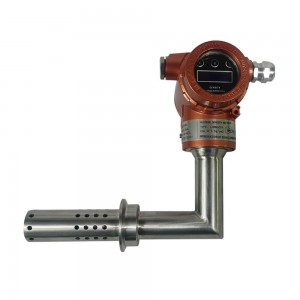


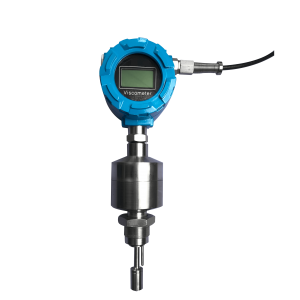


Slurry density measurement lies at the core of the potash mining process, dictating performance from ore extraction through concentrate production. Monitoring and controlling slurry density is non-negotiable for maintaining separation efficiency during flotation, gravity separation in mineral processing, and subsequent potash crystallization steps. These parameters directly control how well sylvite and other valuable minerals are separated from impurities, impacting not only mineral separation efficiency optimization but also the final purity and grade of the concentrate. Incorrect densities often result in lost recovery, increased tailings, and operational disruption, underscoring the need for precise measurement at each step of potash mineral processing techniques.
The close relationship between controlled slurry density and improved concentrate recovery rate is evidenced by both field data and industry best practices. For instance, maintaining optimal density in the flotation circuit enhances flotation recovery in potash mining by maximizing bubble-particle contact and minimizing entrainment of gangue minerals. This results in consistently high KCl recovery rates—often 85–99% as noted by leading producers. In crystallization, density control allows for optimizing supersaturation levels, reducing energy consumption, and securing product purity targets, which is essential for downstream processing or direct sale. Every phase, from grinding to gravity separation in mining, benefits from density management—reducing equipment downtime, enhancing water conservation, and improving overall plant productivity.
Continuous innovation in density measurement techniques for slurry in mining is fueling operational excellence across the industry. The shift away from manual, slow laboratory analyses and nuclear gauges toward real-time, non-invasive ultrasonic and Coriolis-based technologies means operators react faster to process changes, reducing both physical and financial losses. Integration with advanced process control systems further guarantees automatic adjustments, minimizing human error and supporting safe, sustainable potash production methods. As regulations tighten and market dynamics evolve, best practices now emphasize sensor-driven density monitoring, continuous staff training, and regular equipment updates to meet rising demand and shrinking ore grades. Adopting these principles will maximize efficiency, increase concentrate recovery using methods to increase concentrate recovery in mineral processing, and consistently deliver high-grade potash products.
Post time: Dec-02-2025


