

Real-time slurry density measurement is indispensable in the polyethylene manufacturing process, underpinning optimized production, safety, and rigorous quality control. Accurate monitoring of slurry density ensures that both high-density polyethylene (HDPE) and other polyethylene types are produced under tightly controlled conditions, directly influencing key operational targets at every phase of production.
Introduction to Polyethylene Manufacturing Methods
Polyethylene, especially high-density polyethylene (HDPE), is vital for modern infrastructure, packaging, automotive, and construction industries. Its high strength-to-density ratio, chemical resistance, and versatility have led to widespread adoption in critical applications, with HDPE pipes, containers, and films found in everything from drinking water systems to food packaging.
HDPE is produced mainly by three industrial polymerization routes: the slurry process, gas-phase process, and solution process. Each shapes the polymer’s final properties, impacts operational safety, and determines environmental performance. The slurry process, sometimes called the suspension process, utilizes a hydrocarbon solvent as the medium in which ethylene monomers polymerize, forming suspended solid HDPE particles. Gas-phase processes operate without solvents, using fluidized bed reactors to polymerize ethylene with suspending catalyst particles in a gaseous environment. Solution processes dissolve the polymer in a hydrocarbon solvent at elevated temperatures, producing HDPE with specific property profiles, though this route sees more specialized use due to operational complexity.

Polyethylene Technology
*
Among these, the slurry process is a preferred choice in the polyethylene manufacturing plant setting, particularly for standard and specialized HDPE grades such as PE80 and PE100 for pipe applications. The process is resilient, adaptable, and enables precise control over HDPE molecular weight distribution—critical for applications demanding mechanical strength and crack resistance. Its ease of solvent separation and ability to handle a wide spectrum of HDPE grades make it indispensable for producing products with stringent quality standards, like rigid piping and high-stress industrial containers. Optimized slurry polymerization has set the benchmark for reliability, large-scale consistency, and production flexibility in the global polyethylene manufacturing process. This is why meticulous monitoring and control measures, including real-time slurry density measurement using devices such as slurry density meter and ultrasonic slurry density meter, are essential in maintaining process efficiency and product quality in slurry process polyethylene production.
The Slurry Process for Polyethylene Production
The slurry process is a foundational polyethylene manufacturing process, especially for high-density polyethylene (HDPE). Central to its operation is a loop reactor where ethylene polymerizes in suspension within a hydrocarbon solvent, typically isobutane or hexane. Ethylene monomer, comonomers (if used), and catalyst are fed continuously into the reactor. Polymer particles form and remain suspended, creating a dense slurry which circulates under the action of reactor pumps. Effective agitation is critical—ensuring solids stay suspended and maximizing contact between monomer and catalyst.
In this setup, hydrocarbon solvents serve as the reaction medium rather than as true reactants. They dissipate heat, aid in particle transport, and help separate the growing polymer from the catalyst surface. Reactor designs feature inner cooling coils and optimized pump arrangements to handle exothermic heat loads and mitigate the risk of fouling, a common challenge as polymer particles swell and aggregate during growth. Advanced loop reactors incorporate dual-pump systems and cyclic operations to manage pump energy consumption and minimize the likelihood of blockages caused by rising viscosity or aggregation of polymer particles. Simulation models reveal that if swelling is not controlled, viscosity increases, flow destabilizes, and fouling or even reactor shutdown may occur. Design interventions, such as adjusting pump placement or integrating cyclic flow operations, have been validated to enhance process continuity and safety.
Catalysis is the technological core of slurry process polyethylene. Two classes of catalysts dominate: Ziegler-Natta and chromium-based (Phillips) catalysts. Ziegler-Natta catalysts often use magnesium dichloride supports and titanium-based actives, granting precise control over HDPE’s molecular weight distribution, density, and other key properties. Advanced variants allow for bimodal molecular structures: a high-molecular-weight fraction for mechanical strength and a low-molecular-weight fraction for processability. Polymerization kinetics can be tuned by altering hydrogen concentration, which regulates chain termination rates, yield, and particle size. Ziegler-Natta catalysts thus enable custom tailoring of critical HDPE attributes, essential for structural applications such as pipe grades requiring exceptional toughness and crack resistance.
Phillips (chromium oxide) catalysts operate via a distinct mechanism, where chromium alkyls serve as the primary polymerization centers. These catalysts are robust, versatile, and capable of producing HDPE with moderate to high density and excellent environmental stress crack resistance. However, the array of achievable polymer properties is more limited compared to Ziegler-Natta systems, with less direct control over molecular weight distribution. Process variables—especially temperature, pressure, and hydrogen content—are still leveraged to produce a spectrum of HDPE grades, though with different mechanistic flexibilities.
Operating conditions within the slurry reactor—temperature, pressure, and agitation—directly shape particle characteristics. Typical temperatures range from 85°C to 110°C, while pressure is maintained between 5 to 40 bar to keep the solvent in liquid phase and drive ethylene solubility. Agitation intensity affects particle size and uniformity, preventing settling and aggregation. Fine-tuning these conditions optimizes polymer particle formation, ensuring consistent bulk density, morphology, and physical properties. Manipulating hydrogen levels tunes the chain length distribution and thus the resin’s toughness and melt flow index. Recent studies using molecular dynamics simulations and thermal analysis confirm these parameters’ substantial roles in adjusting crystalline morphology, modulating lamellar structures, and thus controlling mechanical performance.
The slurry process remains a process of choice for the production of high-strength HDPE. It enables not only high productivity but also tight quality control through real-time adjustment of process variables and catalyst formulations. Mechanical profiles can be precisely engineered, making the resulting HDPE suitable for pressure pipes (PE80, PE100), fuel tanks, and blow-molded containers. The technology’s inherent flexibility in tailoring molecular architecture fosters material grades that meet diverse regulatory and performance demands. Combined with advances in process modeling and the integration of real-time measurement instruments—such as Lonnmeter’s custom slurry density meters—manufacturers achieve consistent resin quality and operational efficiency, vital for versatile applications ranging from municipal piping to consumer packaging.
Graphical summaries of recent process optimizations, catalyst performances, and the interplay between process variables and HDPE properties are widely published in peer-reviewed journals. These resources underscore the slurry process’s resilience, scalability, and exceptional capacity for producing industry-leading HDPE grades at large scale, reflecting its ongoing dominance in advanced polyethylene manufacturing plants.
The Vital Role of Real-Time Slurry Density Measurement in Polyethylene Plants
The measurement of slurry density is fundamental for precisely dosing monomer, catalyst, and co-monomer streams throughout the slurry process. Fluctuations in density can indicate deviations in solids concentration, which disrupt polymerization kinetics and lead to process instability. Maintaining the target density permits immediate correction of monomer flow rates and catalyst dosages, resulting in higher product uniformity and efficient raw material utilization.
Slurry density impacts equipment safety and process stability. High solids concentration elevates slurry viscosity, increasing pump loads and raising the risk of fouling or reactor blockages. Uncontrolled density changes may result in thermal hotspots, uneven heat transfer, and ultimately, operational hazards. By employing continuous density monitoring—using inline instruments such as ultrasonic slurry density meters tailored for industrial environments like those from Lonnmeter—plants obtain early warnings that allow intervention before critical thresholds are breached. This direct link between density data and process safeguards is vital for safe, uninterrupted operation in polyethylene manufacturing plants.
Real-time slurry density measurement also shapes product quality. Consistent density ensures accurate control of melt flow index, particle size, and other polymer attributes crucial to customer specifications. Inline measurement replaces labor-intensive sampling and testing, providing instantaneous feedback for blending and finishing stages. This accelerates release cycles, reduces rejects, and minimizes waste, all of which lower production costs for facilities producing high-density polyethylene and related grades. Deviations in slurry density, when caught early by customized inline meters, can be rectified before impacting final product batches, protecting both process yield and quality.
Precision in measuring and controlling slurry density throughout the polyethylene manufacturing process is now achieved with advanced solutions like ultrasonic slurry density meters. These tools are quick, non-invasive, and suitable for the harsh, abrasive conditions encountered in HDPE production. Modern inline density meters—such as those developed by Lonnmeter—provide reliable, continuous data without radioactive sources, minimizing maintenance burdens and aligning with health and safety goals.
Effective slurry density control not only optimizes raw material usage but also elevates operational efficiency and ensures that the properties of high density polyethylene meet stringent market demands. Continuous monitoring reduces waste and energy consumption, stabilizes throughput, and enhances profitability across the supply chain. The adoption of real-time, inline slurry density measurement techniques stands as a decisive factor for the competitiveness and sustainability of today’s polyethylene manufacturing plants.

Technologies for Slurry Density Measurement: Meeting the Needs of Modern Polyethylene Manufacturing
Polyethylene manufacturing plants rely on precise slurry density measurement to ensure consistent product quality and maintain efficient, safe operations. Several principal methods have emerged to address the unique requirements of the slurry process in polyethylene, with rapid evolution in real-time density monitoring technologies.
Conventional slurry density measurement methods, such as manual sampling and nuclear densitometry, present significant drawbacks. Manual sampling suffers from delayed feedback and variability due to operator intervention; nuclear techniques pose health and safety risks, require strict regulatory oversight, and are less adaptable to rapid process changes. These limitations drive the adoption of non-invasive, automated solutions that deliver actionable, real-time data under the demanding conditions of high-density polyethylene production.
Ultrasonic Slurry Density Meter: Advancements and Advantages
The ultrasonic slurry density meter stands as the leading technology in modern reactors. Utilizing the time-of-flight principle, ultrasonic waves are transmitted through the slurry and the travel time is correlated directly with density. This method offers several major strengths for the polyethylene manufacturing process:
- Non-invasive operation: Sensors avoid direct contact with the slurry, substantially reducing mechanical wear, contamination risk, and downtime for maintenance.
- Accuracy and Reliability: Real-time feedback and robust sensor construction ensure high accuracy 0.001 g/ml, even in abrasive or particulate-rich conditions where traditional systems fail.
- Adaptability to Harsh Environments: Ultrasonic sensors withstand the elevated temperatures, chemical exposure, and mechanical abrasion common in polymerization reactors.
- Continuous Process Control: The technology supports dynamic, automated adjustment of process parameters, facilitating stable reactor operation and uniform high-density polyethylene quality.
Ultrasonic homogenization further enhances these meters; cavitation and high-intensity shear forces within the process ensure superior particle dispersion and uniformity, improving both measurement reliability and polymerization performance. In practical operations, ultrasonic density meters readily detect phase transitions and subtle shifts in polymer network development, allowing immediate corrective action for product and process optimization.
Customized Density Measurement Solutions for Challenging Reactor Environments
Not all polyethylene production environments are alike. Reactors often demand customized slurry density meters to cope with rapid material build-up, strong vibration, and extreme temperature variations. Custom slurry density meter manufacturers have responded with innovations such as bypass density measurement devices that integrate self-recalibration routines using water as a reference. This design prevents fouling and ensures consistent accuracy between process runs without extensive cleaning.
Other innovative custom solutions leverage non-contact measurement principles, such as magnetic induction tomography, which uses annular electrodes and multiple coils to sense solids concentrations in complex slurries. This approach offers robust, high-accuracy measurement (validated through experimental studies) and is engineered for retrofit into legacy polyethylene manufacturing plants without major process interruption or extensive infrastructure changes.
Customized slurry density meters from specialist companies also address the effects of pump vibration and reactor agitation. Features such as modular sensor mounts and advanced signal processing improve measurement stability, extend equipment service life, and simplify routine maintenance.
Integrating Slurry Density Technologies with Advanced Process Control
In today’s plants, best-in-class slurry density meters, particularly ultrasonic units, increasingly operate as integral components within advanced process control (APC) systems. Linking real-time slurry density data directly to automation platforms yields multiple advantages:
- Enhanced Process Consistency: Automated parameter adjustments minimize manual intervention, preventing abrupt density changes and stabilizing reactor performance.
- Improved Product Uniformity: Feedback loops based on accurate, continuous density readings help maintain target resin properties across batches.
- Safer, Greener Operations: Ultrasonic solutions eliminate radioactive sources, aligning with contemporary environmental, safety, and sustainability standards.
- Cost and Maintenance Efficiency: With fewer calibration cycles and reduced fouling, modern density meters cut operational costs and avoid unplanned downtime.
Software integration capabilities, smart calibration features, and modular sensor connectivity—common in current slurry density meter offerings from Lonnmeter and other custom-focused manufacturers—ease retrofit and scaling. These technical characteristics ensure seamless integration with distributed control systems, supporting data-driven optimization throughout the polyethylene manufacturing process.
Add to this the durability of sensor materials and the resilience of signal transmission under extreme process conditions, and current slurry density measurement technologies effectively fulfill every contemporary necessity for real-time, plant-wide quality and process control in high-density polyethylene operations.

Customization and Selection of Slurry Density Meters: Addressing Plant-Specific Challenges
Real-time slurry density measurement is foundational for consistent product quality in the polyethylene manufacturing process. The performance of a slurry density meter directly shapes process control, energy use, and end-product specifications in a polyethylene manufacturing plant. However, the dynamic conditions in high-density polyethylene (HDPE) and other polyethylene reactor systems require meters adapted to each plant’s operating realities.
Why Operational Parameters Demand Custom Solutions
Key process variables—monomer throughput, the nature and feed rate of catalyst, and reactor scale—significantly alter slurry behavior. High monomer throughput can intensify solid loading, shift flow regimes, and affect the interface between solid catalyst particles, monomers, and growing polymer chains. This flux in slurry composition is mirrored in real-time density changes that only a properly configured density meter can capture.
Catalyst selection and concentration drive agglomerate morphology. For instance, silica-based catalysts yield different particle sizes and aggregation than those based on other supports. Such variations may produce slurries with wildly different mass concentrations, flow behaviors, and tendencies for sensor fouling. If the meter calibration or technology does not account for these, serious density measurement errors can occur, leading to off-spec product or even operational disruptions.
Reactor scale introduces further complications. Large loop reactors common in HDPE production feature non-Newtonian, often heterogeneous, flow. Plugging, aggregation, and local variances in solid-liquid distribution demand both robust meter sensors and flexible calibration routines. A standard, “off-the-shelf” instrument typically underperforms in these applications, driving the necessity of a custom slurry density meter that is specifically engineered for the plant’s unique slurry process polyethylene requirements.
Essential Elements of Customized Meter Design
A customized slurry density meter often employs non-intrusive, abrasion-resistant sensors—ultrasonic technology is prevalent due to its long-term stability in harsh environments. Where solids content and flow regime are highly variable, as in HDPE or other polyethylene reactors, modern meters integrate bypass-mounted components for reduced fouling and easier periodic self-cleaning.
Meters must be precisely calibrated for particle morphology, expected solid mass concentration ranges, and process temperature. Incorporating automatic recalibration, as with water reference systems, further enhances data reliability. These features allow the meter to adapt to both momentary and sustained process changes, ensuring consistent and accurate readings even as the physical properties of the slurry evolve.
Meter installation is equally critical; optimal positioning ensures representative flow engagement, avoiding zones of dead flow or excessive turbulence. Real-world polyethylene manufacturing benefits from placing meters in areas of high and uniform slurry movement, which minimizes measurement lag and error due to localized aggregation.
Selecting a Custom Slurry Density Meter Manufacturer
Selecting the right custom slurry density meter manufacturer is as important as choosing the correct design. Four key criteria are essential:
Technical Support: Responsive, knowledgeable support is necessary for configuring, installing, and maintaining meters in demanding reactor environments. The supplier must demonstrate proficiency in working with polyethylene slurries, offering guidance for sensor calibration and long-term use.
Proven Track Record: Manufacturers like Lonnmeter with a history of supplying reliable, high-accuracy inline density meters for industrial clients should be prioritized. References and case studies from comparable polyethylene manufacturing plants are vital to establish reliability.
Adaptability: The partner should offer a range of configurable options: sensor type (ultrasonic, bypass, direct immersion), measurement range, materials resistant to chemical/catalyst attack, and integration with plant-specific flow geometries.
Integration with Digital Plant Systems: Even though meter manufacturers do not deliver full digital systems, data output formats must align with plant automation—examples include robust analog outputs, HART, or Modbus protocols, facilitating seamless real-time process monitoring and control interfaces.
A leading custom slurry density meter company will also help tailor maintenance routines, cleaning cycles, and calibration schedules around plant operations, reflecting the necessities of real-time density measurement in polyethylene production. This ensures that meters remain dependable—whether measuring density in a pilot-scale research loop or a full-scale, high-capacity polyethylene manufacturing plant.
Investing in a customized slurry density meter is a technical necessity, not a luxury, in modern polyethylene manufacturing. Proper meter selection and customization are critical levers for maximizing yield, controlling slurry density in high-density polyethylene production, and achieving operational excellence across the plant.
Impact of Slurry Density Control on High-Density Polyethylene Product Quality
Rigorous, real-time slurry density measurement is fundamental to producing high-density polyethylene (HDPE) with targeted grades and precise molecular weights. During the polyethylene manufacturing process, the concentration and distribution of solid polymer particles in the reactor slurry are directly linked to the formation and growth of polymer chains. Maintaining this density within stringent limits ensures the polymerization proceeds at a controlled rate, promoting a desired molecular weight distribution (MWD), which determines end-use properties and compliance with specifications.
Variation in slurry density affects both polymer microstructure and molecular architecture. Higher slurry densities typically yield HDPE particles with reduced swelling and compaction, producing resins with consistent particle morphology and optimal MWD for mechanical performance. Advanced experimental data from industrial polyethylene manufacturing plants confirm that real-time control of slurry density significantly narrows the spread in product properties, minimizing off-spec resin production and enhancing batch-to-batch consistency. Inline measurement, especially using ultrasonic slurry density meters, enables this level of precision without manual sampling, thus advancing process reliability and product quality.
Precise slurry density control exerts a direct influence on several critical HDPE properties:
- Strength: Polymer particles formed under stable slurry densities show higher impact and tensile strengths. This is especially important for applications such as industrial piping and pressure-rated components, where product failure can have significant safety and financial consequences.
- Processability: The rheological characteristics—crucial for extrusion or blow molding—are governed by resin microstructure, itself a function of how slurry density is controlled and maintained. Stable slurry conditions lead to polymers with predictable melt flow indices (MFI), reducing the risk of processing instabilities in downstream manufacturing.
- Specification Compliance: Standards such as ASTM D3350 set rigorous requirements for strength, toughness, and molecular weight. Meeting these consistently is only possible when density control is both continuous and accurate, which in turn is enabled by modern ultrasonic density meters.
A key operational challenge in polyethylene manufacturing plants is flexible production—being able to rapidly adjust for different HDPE resin grades without major downtime or waste. Here, the reliability and speed of slurry density control underpin agility. By accurately monitoring and adjusting the density setpoint, operators can tune molecular weights and MWDs to produce grades tailored for diverse applications, from geomembranes to bottle caps. This direct link between density measurement and grade switching supports industrial innovation, enabling plants to serve complex market demands while keeping resource use and costs in check.
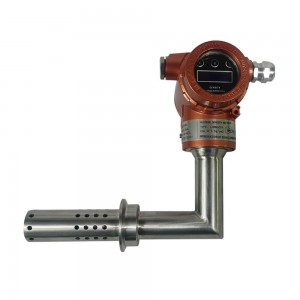
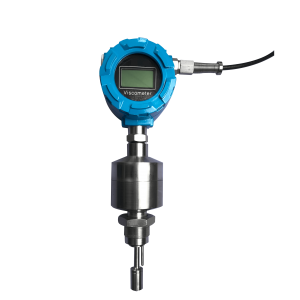
Lonnmeter, as a manufacturer of custom slurry density meters (using ultrasonic technology), addresses the necessities of real-time density measurement with robust, intrinsically safe, and maintenance-minimal instruments designed for harsh slurry process polyethylene environments. The reliability and accuracy of such meters enable plants to fully harness the benefits of slurry density control—delivering polymer grades that consistently meet the most stringent industry and application standards.
Integrating Density Measurement for Process Optimization
Integrating real-time slurry density measurement into loop slurry reactors is central to optimizing the polyethylene manufacturing process. Continuous, accurate data on slurry density enables integration with advanced process control, including model predictive control (MPC), artificial neural networks, and fuzzy PID-based strategies. These methodologies rely on near-instantaneous feedback from inline instruments like ultrasonic slurry density meters, which provide non-invasive, precise tracking of slurry density in reactors and pipelines.
High-density polyethylene production requires precise regulation of slurry density to ensure consistent polymer quality, especially during grade transitions and when feedstocks fluctuate. Automated control algorithms interpret real-time density measurements to adjust process parameters (monomer flow, agitator speed, temperature) in milliseconds, reducing the lag found in offline or delayed sampling. Advanced systems, using data from devices such as Lonnmeter inline ultrasonic slurry density meters, adaptively tune responses to minimize deviations from target setpoints. For example, Smith fuzzy PID controllers refined by genetic algorithms have demonstrated a 35.9% decrease in response time and 36.6% faster stabilization compared to traditional PID controls, directly improving process resilience and product uniformity.
Tight control of slurry density also underpins substantial improvements in process efficiency and material utilization. By minimizing density oscillations:
- Reactors achieve steady-state operation more rapidly after disturbances.
- Polymer yield increases due to fewer off-spec batches.
- Energy waste is curtailed, as over-compensation in temperature, agitation, or feed rates is reduced.
For example, in a model predictive control framework, integrating continuous ultrasonic slurry density data has shown to enhance the reactor’s ability to navigate grade transitions with minimal waste of ethylene and catalyst. Consistency in slurry density also allows more efficient use of compressors and pumps, lowering specific energy consumption per metric ton of high-density polyethylene produced.
The ramifications extend to cost savings and risk management. Real-time feedback reduces the likelihood of out-of-spec production, minimizing costly post-process rework and raw material waste. Early detection of anomalies—such as rapid temperature rises, density spikes, or pump cavitation—allows for rapid intervention, reducing unplanned downtime and the risk of reactor upset. Simulation studies on industrial-scale reactors support these findings: robust, continuous density monitoring led to measurable decreases in process risk factors and unplanned interventions, confirming the value of real-time feedback for safe, reliable plant operation.
From a sustainability standpoint, continuous slurry density measurement contributes actively to waste minimization and efficient resource utilization. Real-time control ensures that only material meeting stringent specifications leaves the polyethylene manufacturing plant, limiting both waste volumes and environmental impact. Waste heat generation and solvent use are also optimized, supporting the broader goals of sustainable polymer production.
Inline solutions, such as Lonnmeter custom slurry density meters, deliver the necessities of real-time density measurement with the adaptability required for different reactor configurations and operating ranges. As efficiency, reliability, and sustainability become imperatives in polymer manufacturing, integrating advanced slurry density monitoring and control stands as a cornerstone for competitive and resilient high-density polyethylene production.






Frequently Asked Questions (FAQs)
What are the necessities of real-time density measurement in the slurry process polyethylene production?
Real-time density measurement is essential in the slurry process for controlling reactor conditions and ensuring batch-to-batch consistency in the polyethylene manufacturing process. Consistent measurement allows for immediate feedback and rapid adjustments, stabilizing parameters such as solids concentration and melt flow index (MFI). This control is vital for maintaining precise product specifications, minimizing quality deviations, and reducing raw material waste. Without real-time data, labs cannot provide timely process insights, leading to increased risk of process upsets and inefficiency. Early detection of deviations through real-time density helps prevent reactor fouling and blockage, keeping the process safe and uninterrupted. In high-density polyethylene production, these measurements are indispensable for delivering uniform products in demanding applications like piping and packaging.
How does a slurry density meter improve the polyethylene manufacturing process?
A slurry density meter delivers continuous, in-line monitoring of the reactor’s slurry density. This enables operators to fine-tune catalyst and monomer dosing based on real-time feedback, leading to more uniform polymer particle formation and reduced risk of off-spec material. Improved dosing decreases feedstock waste and optimizes conversion rates. Operators also detect shifts in reactor performance before major upsets, allowing proactive maintenance and adjustment. For example, a rising density reading can signal particle aggregation, prompting intervention to avoid reactor fouling. Continuous data from a reliable meter supports not only operational efficiency but also regulatory compliance by maintaining process transparency and traceability.
Why choose an ultrasonic slurry density meter for high-density polyethylene production?
Ultrasonic slurry density meters use sound waves for density measurement, minimizing the issues associated with traditional nuclear gauges. These meters operate non-intrusively, reducing mechanical wear and virtually eliminating the risk of fouling. In HDPE environments—often highly abrasive and chemically aggressive—ultrasonic meters maintain accuracy and stability over extended periods. Their resistance to chemical attack and lack of moving parts result in low maintenance requirements. The real-time, drift-free measurements are essential for process optimization, enabling immediate corrective action. Ultrasonic meters also support environmental and safety objectives by avoiding radioactive sources, reducing compliance burdens, and aligning with ESG principles.
When is a customized slurry density meter necessary, and how do I select the right manufacturer?
A customized slurry density meter is necessary when standard instruments cannot meet specific process conditions—such as unusually high throughput, unconventional reactor geometries, or reactors testing novel catalysts. In these cases, tailored measurement solutions address unique integration or environmental demands, ensuring accurate and reliable data despite process complexity. When selecting a manufacturer, prioritize technical expertise in polyethylene manufacturing plant environments, proven reliability of measurement technology, and the ability to provide meters that physically and electronically integrate with your existing control systems. Lonnmeter, focusing exclusively on meter hardware rather than systems or software, is an example of this specialized approach, offering hardware solutions designed for demanding polymerization applications. Consider long-term maintenance, calibration needs, and adaptability to evolving process conditions when evaluating potential suppliers.
What differentiates high-density polyethylene produced via the slurry process?
High-density polyethylene from the slurry process displays superior mechanical strength, slow crack growth resistance, and robust chemical stability. These properties arise from precise control of reaction conditions, including slurry density, which influences polymer molecular structure, crystallinity, and branching. Consistent slurry density measurement ensures narrow quality distribution, producing HDPE that meets rigorous application demands for piping, containers, and technical films. For example, process innovations like advanced catalysts and carefully controlled flow conditions allow tailoring the microstructural properties to achieve higher tensile strength and durability. Continuous density control, supported by reliable in-line meters, is the foundation for this level of repeatable, high-quality product manufacturing in modern polyethylene plants.
Post time: Dec-17-2025


