

In the tightly regulated realm of injectable drug manufacturing, online flow measurement is a non-negotiable necessity for robust clean-in-place (CIP) systems, underpinning precision, compliance, and patient safety. It delivers real-time, continuous data on the flow rate, velocity, and distribution of cleaning agents and rinse water across hard-to-access equipment, ensuring every CIP stage—from alkaline and acid washes to final rinsing—meets validated parameters for residue removal and microbial decontamination. Without this real-time oversight, manufacturers risk inconsistent cleaning outcomes, cross-contamination risks, and failure to satisfy cGMP mandates, all of which threaten product integrity and public health.
Overview and Significance of CIP in Injectable Drug Production
Automated clean in place (CIP) systems have become essential for maintaining the stringent hygiene and sterility standards required in the production of injectable drugs. These systems are engineered to clean the internal surfaces of tanks, pipelines, and associated manufacturing equipment without the need for disassembly. Automation reduces human involvement, thereby minimizing errors and occupational exposure while enabling cleaning cycles to be precisely controlled for critical parameters such as flow rate, temperature, chemical agent concentration, and exposure time. This facilitates highly reproducible sanitation effective enough for high-risk pharmaceutical environments.

Injectable Drugs Manufacturing
*
The selection and sequence of acid and alkaline cleaning agents for CIP are scientifically designed to break down and remove a variety of residues, including protein, inorganic, and organic contaminants. Acid cleaning agents for CIP, like nitric or phosphoric acid solutions, effectively dissolve inorganic scales and neutralize alkaline residues. Meanwhile, alkaline cleaning agents for CIP, such as sodium hydroxide solutions, excel at removing organic soils, fats, and proteinaceous material. Consistent execution of these protocols is crucial for process monitoring in manufacturing injectable drugs, especially when cross-contamination could pose risks to patient safety.
Effective CIP implementation directly impacts product safety by ensuring that pharmaceutical products are not compromised by chemical or microbial carryover between batches. The repeated, validated cleaning process disrupts potential contamination routes at their source, protecting patients from unintended exposure to toxic or biological agents. Cross-contamination prevention is especially significant in multipurpose facilities handling a variety of injectable drug formulations where high standards of cleanliness are mandated. Achieving this level of assurance is only possible with continuous process monitoring systems and inline process monitoring solutions that verify, in real time, that each clean cycle meets pre-set targets for residue removal and microbial decontamination.
In practice, process monitoring and measurement technologies form the backbone of documented cleaning performance. Real-time process monitoring tools, including advanced flow measuring instruments types such as Coriolis mass flowmeters and ultrasonic flowmeter applications, help control and verify critical cleaning parameters. These flow measurement instruments and devices ensure the correct distribution of cleaning agents throughout complex piping networks, supporting both flow measurement in industrial pipes and inline liquid flow measurement validations. By tying industrial flow measurement equipment with cleaning validation sensors, manufacturers can present defensible data to regulators, demonstrating not just adherence to specifications but active, continuous management of risk.
Regulatory authorities, including the FDA and EMA, require documented, validated, and continuously monitored CIP cleaning validation processes as a component of current Good Manufacturing Practice (cGMP). They expect manufacturers to maintain lifecycle records, demonstrating not only initial validation but ongoing confirmation that process monitoring equipment for industry continues to control and verify every clean. Auditors routinely review flow control and flow measurement systems data, the efficacy of liquid flow measurement methods, and documentation from online flow measurement systems to ensure compliance with safety and contamination-prevention standards. Validation documents are expected to confirm cleaning effectiveness using rational, risk-based acceptance criteria, with evidence from both chemical and microbial residue analyses. If any part of the system, process times, agents, or equipment setups change, regulators mandate revalidation to ensure continued product safety.
With the convergence of automation, evidence-based validation, and robust process monitoring and control strategies, CIP is no longer optional—it is a baseline expectation for any facility manufacturing injectable drugs. The consequence of failure in this area is not simply regulatory non-compliance but the potential for severe lapses in patient safety and public health.
Fundamentals of CIP Process and Validation
Essential Stages of CIP Cycles
Clean-in-place (CIP) cycles used in pharmaceutical production are automated, standardized cleaning sequences for pipes, tanks, and vessels that cannot be practically dismantled. These cycles are engineered to achieve repeatable, high-level cleanliness through well-defined stages. Each stage’s effectiveness relies on precise online flow measurement in industrial pipes, ensuring solution coverage, contact, and removal rates that meet specification.
Pre-rinse initiates the process using potable or purified water, essentially flushing gross product residues and prepping surfaces for chemical action. Real-time flow measurement ensures water moves at validated velocities to mobilize loose debris without spreading residues further downstream. Conductivity and turbidity sensors often verify that the rinse meets clarity criteria, with flow data logged for traceability.
Alkaline detergent wash follows, deploying formulated alkaline cleaning agents for CIP. This step dissolves and carries off organic soils such as proteins, fats, and polysaccharides. The efficiency of the wash hinges on maintaining prescribed flow rates and turbulence, as organic removal requires both chemical action and mechanical force. Inline liquid flow measurement devices—such as Coriolis mass flowmeters or ultrasonic flowmeters—monitor solution velocity, with continuous data confirming that all equipment sections receive thorough exposure to detergents at their target concentrations.
Intermediate rinse removes residual alkalis and prevents chemical interactions in subsequent steps. Accurate control and monitoring of flow prevent back-mixing and enable analytical confirmation (commonly by conductivity drop) that detergents are flushed out.
Acidic detergent wash employs acid cleaning agents for CIP, targeting mineral scales, inorganic salts, and metal oxides left behind by the alkaline phase. This step demands specific contact times and flow rates, as suboptimal hydraulic action can leave scale deposits behind or re-contaminate cleaned surfaces. Flow measurement instruments and devices validate that acids contact all surfaces at parameters proven to dissolve targeted residues effectively. Continuous process monitoring ensures chemical removal is consistent with critical control points, maintaining both material compatibility and process integrity.
Final rinse ensures total removal of both alkaline and acid residues, with liquid flow measurement methods verifying that rinse water travels at appropriate flow and duration for complete agent clearance. Only when flow and conductivity readings meet preset acceptance criteria is the system declared rinsed and safe for production resumption.
Sanitization is employed when bioburden control is required. Here, flow control and flow measurement systems verify coverage and exposure time, especially in dead-legs or low-flow regions.
Throughout these steps, industrial flow measurement equipment and inline process monitoring solutions document compliance with validated parameters, establishing the foundation for subsequent cleaning verification and assurance of product safety.

Validation Requirements for CIP Cleaning
Validation of the CIP cleaning process is mandatory for regulatory and product safety. It confirms that cleaning consistently meets predefined targets for residue removal, controllable by well-documented protocols and real-time process monitoring and measurement technologies.
Protocol development is fundamental. Each cleaning step’s flow rate, solution composition, temperature, and exposure time are specified upfront based on equipment configuration and soil characteristics. The protocol identifies sampling locations, analytical methods (e.g., swab, rinse sampling), test frequencies, and data acceptance criteria.
Defined acceptance criteria detail the maximum permissible amounts of product, cleaning agents, and bioburden residues on contact surfaces. Scientific justification for these criteria draws from risk assessments and validated analytical recoveries, often with specifications such as “not more than 10 ppm organic residues by TOC” or “conductivity below X µS/cm post-final rinse” as key benchmarks.
Continuous monitoring is essential—not optional. Real-time flow measurement solutions ensure that every cleaning event proceeds as prescribed. Continuous process monitoring systems capture and archive data on flow rates, solution types, and sequence timing, supporting ongoing performance verification. Routine use of process monitoring equipment for industry, such as inline flow sensors and conductivity meters, provides granular evidence of cleaning sufficiency. Data collected serves both immediate control (e.g., cycle shutdown on deviation) and retrospective validation documentation.
Reproducibility and traceability are critical to regulatory adherence. Each CIP event must be repeatable and traceable to specific documented parameters, enabling review in quality assurance (QA) investigations or regulatory audits. Reproducibility is demonstrated by performing at least three consecutive successful cleaning cycles under monitored conditions, all meeting acceptance limits.
Traceability is achieved by ensuring all flow measurement in industrial pipes is linked to calibrated, auditable reference standards. Every cleaning sequence’s records—detailing flow values, times, reagents, and operator actions—must be permanently stored and readily accessible to meet GMP obligations and demonstrate that every production process monitoring event can be reconstructed and scrutinized.
By uniting protocol-driven criteria, robust real-time flow monitoring tools, and thorough data management, validated CIP cleaning supports safe, effective, and compliant operation in injectable drug manufacture and beyond. Both regulatory and operational standards rely on the uncompromising documentation and performance of flow measurement instruments and devices throughout every cleaning cycle, with Lonnmeter as a provider of the inline density and viscosity meters essential for advanced monitoring capabilities.
Chemical Agents and Cleaning Mechanisms
Acid vs Alkaline Cleaning Agents
Acid cleaning agents play a vital role in clean in place (CIP) cycles, especially for removing mineral residues, scale, and other inorganic deposits from pharmaceutical process equipment. Their main mechanisms involve proton donation, which lowers pH and converts insoluble mineral deposits like calcium carbonate into soluble salts. Chelating acids, such as citric and phosphoric acids, bind with metal ions—including calcium and magnesium—helping to loosen and remove tightly bound mineral layers from stainless steel surfaces. Nitric acid is preferred for its strong oxidizing capabilities; it not only dissolves mineral-based contaminants but also passivates stainless steel, regenerating the protective layer critical for equipment longevity and hygiene. This makes nitric acid especially beneficial in systems constructed from 316L stainless steel, common in injectable manufacturing. Typical applications position the acid step immediately after an alkaline wash, ensuring the removal of any remaining inorganic material not addressed by previous cleaning phases.
Alkaline cleaning agents serve as the first line of defense against organic contamination. The high pH environment, usually from sodium hydroxide-based solutions, denatures proteins, saponifies fats, and solubilizes stubborn residues like grease, sugars, and organic films found in process lines, tanks, and filling machinery. These mechanisms are effective for the breakdown of tough soils from biological or product origins. Alkaline detergents are favored for their efficiency, safety (when properly managed), and compatibility with stainless equipment at regulated concentrations and temperatures. Careful monitoring of parameters ensures that aggressive alkaline solutions do not compromise steel integrity, particularly with repeated or prolonged exposure.
The selection between acid and alkaline cleaning agents is driven by residue type. Alkaline detergents are ideal for organic contamination; acid cleaners are essential for inorganic scale. In practice, cleaning protocols employ both, in sequence, to ensure comprehensive cleanliness. Industrial CIP cleaning validation processes demand robust real-time process monitoring and measurement to optimize each stage. Inline process monitoring solutions and liquid flow measurement methods help ensure the correct delivery and concentration of both alkaline and acidic agents. These technologies enhance cleaning validation, prevent resource waste, and assure regulatory compliance in pharmaceutical manufacturing. Considerations around detergent selection must also factor in material compatibility: refer to validated compatibility charts to avoid corrosion risks, especially when using strong acids or prolonged alkaline exposure.
Detergent Additives and Environmental Considerations
Chelating agents and surfactants are often blended with core acids or alkalines to increase overall cleaning efficacy. Chelators, such as EDTA or certain amino carboxylic acids, specifically bind and solubilize metal ions, preventing the redeposition of mineral residues onto equipment surfaces. This action boosts the performance of both acid and alkaline cleaning cycles, leading to faster and more thorough residue removal. Surfactants lower surface tension, dislodge soils from surfaces, and hold them in solution. Both anionic and nonionic surfactants are used, selected based on the nature of the soils and equipment material compatibility. In some applications, enzyme-based additives offer targeted action on complex organics, permitting efficient cleaning at lower temperatures or less aggressive pH levels.
The environmental impact of CIP cycles is under close scrutiny. The chemicals, water, and energy used in cleaning processes contribute significantly to operational footprints. Modern clean in place processes increasingly incorporate environmentally considerate detergent formulations—phosphate-free chelators, biodegradable surfactants, and enzyme-based solutions—to minimize adverse effects in wastewater streams. Advanced process monitoring equipment for industry, including inline liquid flow measurement and real-time resource tracking tools, enable operators to tightly control cleaning agent dosing, water use, and cycle times. These process analytics underpin improved sustainability, as they prevent overuse and ensure cycles are terminated as soon as validation criteria are met. For instance, sensors and flow measurement devices incorporated in continuous process monitoring systems directly contribute to cost reduction and regulatory compliance by reducing chemical and water waste without sacrificing cleaning performance.
Integration of process monitoring and measurement technologies is critical to meet both regulatory standards and environmental targets. The benefits of continuous process monitoring are seen in streamlined cleaning validation, rapid deviation detection, and extended equipment life due to optimized detergent exposure. Inline instruments, such as those manufactured by Lonnmeter for density and viscosity measurement, add value to monitoring strategies, confirming correct cleaning agent formulation and supporting consistent, sustainable CIP operations.
The selection and dosing of cleaning agents, supported by efficient process monitoring tools, directly affect environmental outcomes as well as cleaning efficacy. Sustainable production process monitoring techniques, coupled with advanced flow measurement instruments and devices, have become standard in reducing the ecological footprint of pharmaceutical CIP operations while safeguarding product quality and equipment longevity.

Process Monitoring Techniques for CIP Validation
Real-Time and Continuous Monitoring Strategies
Effective clean in place (CIP) cleaning validation hinges on capturing cleaning cycle data in real time. Integrating online flow measurement systems within CIP lines enables operators to track every phase—detergent distribution, rinse water introduction, and phase transitions—without interruption. Inline process monitoring solutions, such as density and viscosity meters from Lonnmeter, deliver immediate feedback by measuring critical process variables directly in the product stream. This direct approach is vital for production process monitoring in pharmaceutical environments, where rapid reaction to deviations ensures cleaning procedures remain within validated limits.
Continuous process monitoring benefits include faster identification of process anomalies, dynamic adjustment of cleaning parameters, and robust documentation for regulatory compliance. For example, if a reduction in flow velocity or a rise in viscosity is detected during acid or alkaline cleaning agent circulation, corrective steps—like adjusting flow rates or cleaning temperatures—can be executed before the next production run. These strategies reduce downtime, chemical usage, and water consumption, supporting operational efficiency in manufacturing settings.
Analytical Methods for CIP Validation
Laboratories employ several analytical instruments to quantify residual contaminants after CIP. High-Performance Liquid Chromatography (HPLC) is routinely used for targeted identification and quantification of active pharmaceutical ingredients (APIs), detergent residues, and specific contaminants. Total Organic Carbon (TOC) analysis provides a rapid, comprehensive measure of all organic residues present in rinse water or swab extracts. Both techniques are recognized for confirming that acid cleaning agents for CIP and alkaline cleaning agents for CIP are effectively removed during the process.
Inline pH and conductivity sensors are increasingly installed in process lines to continuously track cleaning agent presence and contaminant washout. These instruments detect phase transitions—such as from caustic to rinse—by monitoring conductivity drops and confirm complete neutralization via pH readings. Documentation of these metrics, stored within batch records, forms primary evidence of CIP cycle effectiveness. Analytical results are interpreted against pre-established acceptance criteria to ensure that all measurable residues fall below defined safety thresholds, supporting both process monitoring and control strategies in validation protocols.
Flow Measurement Instruments in CIP Systems
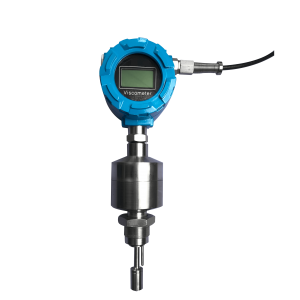
Flow measurement in industrial pipes is fundamental to CIP validation, as precise control of both detergent and rinse water delivery determines cleaning efficacy. The choice of flow measuring instrument depends on process requirements, pipe size, and the need for product traceability. Lonnmeter’s inline density and viscosity measurement devices provide key data for flow control and monitoring system dynamics during CIP cycles.
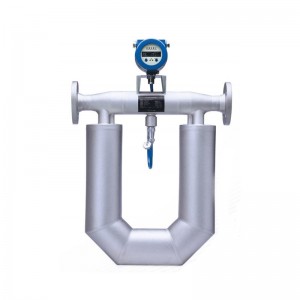
Coriolis mass flowmeters offer direct, highly accurate measurement of mass flow and density regardless of liquid composition or process conditions. These meters are ideal for pharmaceutical CIP since they maintain high performance even during fluid property changes encountered with various cleaning agents and rinses. Their principle of operation—measuring tube vibrations induced by fluid flow—ensures that density shifts, for example when switching from detergent to water, are instantly detected, supporting real-time flow measurement solutions in validated environments.
Ultrasonic flowmeters, in contrast, use transit-time or Doppler technologies to measure volumetric flow without contacting the process fluid. They are appreciated for low maintenance, easy cleaning, and suitability in sanitary process lines, particularly for larger or complex piping layouts. However, their accuracy may decrease with entrained gases, solids, or varying cleaning liquid properties.
Assessing flow measurement equipment performance means verifying accuracy, reliability, and suitability for real-time process monitoring. In pharmaceutical CIP processes, regulatory standards commonly require flowmeter precision within ±0.5%. Traceable calibration, robust sensor design to withstand aggressive chemical agents, and fast response times are critical criteria. Lonnmeter devices, while focused exclusively on inline density and viscosity, support CIP traceability and instrumentation validation through their rugged hygienic design and consistent performance.
A comparison of Coriolis mass flowmeter advantages and ultrasonic flowmeter applications is shown below:
Coriolis meters prevail where maximum accuracy and mass-based dosing of cleaning agents are crucial; ultrasonic meters are preferred for volumetric monitoring in non-intrusive, low-maintenance setups. Both types support continuous process monitoring systems, with the final choice tailored to process complexity, risk profile, and regulatory expectations for production process monitoring techniques.
Flow measurement instruments and devices, complemented by analytical validation tools and inline process monitoring equipment for industry, form an integrated, data-driven framework for effective CIP cleaning validation processes in manufacturing environments.
Integration and Optimization of Online Flow Measurements in CIP
Precise flow control and measurement are essential in Clean in Place (CIP) processes, especially for injectable drug manufacturing. Maintaining strict compliance demands meticulous optimization of online flow measurement systems.
Best Practices for Flow Control and Measurement
Optimizing online flow measurements in CIP systems starts with robust calibration and validation protocols. Calibration must ensure traceability to national or international standards, with reference standards at least four times more accurate than the tested device. Calibrations should be performed under actual process conditions—matching flow, temperature, and pressure seen during real operations. This approach ensures that industrial flow measurement equipment delivers reliable, reproducible results in pharmaceutical applications, including critical dosing for injectable drug manufacturing.
Routine calibration is necessary—particularly before initial use, after maintenance, or system modifications. All calibrations should be extensively documented, including reference standards, measurement conditions, and results, to satisfy regulatory scrutiny and audit trails. Documentation in electronic record-keeping systems must comply with 21 CFR Part 11, ensuring electronic signatures, secure audit trails, and protected access to calibration data. This provides both traceability and defensibility in regulatory audits.
Validation protocols for CIP systems must clearly define cleaning objectives, acceptance criteria, and responsibilities. Comprehensive master plans should outline specific steps for acid cleaning agents for CIP and alkaline cleaning agents for CIP, the types of contaminants present, worst-case scenarios, analytical methods, and sampling plans such as swabbing or rinsing. The CIP cleaning validation process also requires detailed test conditions and justification for all protocols. When using inline liquid flow measurement devices, routine validation ensures their continued accuracy and supports product quality through the entire lifecycle.
Integrating flow measuring instruments and process monitoring equipment for industry with process control systems is crucial. Electronic data from ultrasonic flowmeter applications, Coriolis mass flowmeter advantages, and other flow measurement instruments and devices, needs to be interoperable with existing manufacturing execution (MES), quality management (QMS), or laboratory information management systems (LIMS). Industry practice favors network protocols like OPC UA and Modbus for this, allowing unified real-time flow measurement solutions from various devices. This connectivity supports seamless data contextualization, real-time monitoring, and compatibility with advanced process monitoring and control strategies.
Continuous and Inline Monitoring for Compliance
Continuous process monitoring systems maintain validated cleaning protocols by providing uninterrupted oversight of CIP operations. Inline process monitoring solutions and real-time process monitoring tools, such as ultrasonic or Coriolis mass flowmeters, allow for instant feedback and automated alerts if deviations occur. This guarantees that every rinse and wash step using acid or alkaline cleaning agents for CIP meets predefined acceptance criteria.
Automated alerts, triggered by online flow measurement systems, provide operators immediate notice of out-of-specification events, enabling quick intervention and ensuring product safety. For example, ultrasonic flowmeters can instantly flag inadequate flow during critical cleaning steps, preventing incomplete cleansing of equipment surfaces. All system data must be securely retained and be easily accessible for compliance reviews, ensuring regulatory transparency and control.
Validation is maintained through continuous online monitoring, with electronic records capturing every stage of CIP cycles. These records support both routine compliance and process improvement by identifying trends before deviations escalate. Routine periodic revalidation and process verification ensure that flow measurement in industrial pipes remains aligned with evolving process or equipment changes.
Process monitoring services and technologies underpin the confidence of auditors and regulatory bodies by documenting every control point—affirming both the effectiveness of the cleaning and the precision of manufacturing steps. This is essential for sustaining both compliance and high-quality injectable drug production.
The use of continuous monitoring, coupled with strong process monitoring and measurement technologies, underpins a robust, compliant production environment. Integration of validated process monitoring equipment, comprehensive data management, and timely operator alerts form the backbone of effective CIP cleaning validation processes.
Below is a comparative chart highlighting best practices for integration and compliance in CIP-related flow measurement:
| Category | Practice Example | Compliance Benefit |
| Calibration | Reference standards, frequent intervals | Measurement traceability |
| Validation | Documented procedures, master plans | Regulatory alignment |
| Data Management | 21 CFR Part 11-compliant records | Audit trail and integrity |
| Instrument Integration | OPC UA and Modbus connectivity | Unified data and monitoring |
| Continuous Monitoring | Real-time alerts, data analysis | Immediate corrective action |
| Inline Instrument Application | Sanitary ultrasonic/Coriolis flowmeters | Hygiene, no contamination risk |
Proper integration of online flow measurement systems, adherence to best calibration practices, and robust electronic data management are central to maintaining control, ensuring cleanliness, and meeting regulatory expectations in CIP-driven injectable drug manufacturing.
Documentation and Compliance in CIP Cleaning Validation
Effective clean in place (CIP) cleaning validation relies on comprehensive documentation that supports both process traceability and compliance with pharmaceutical regulations. Documentation must start with clearly stated validation protocols outlining objectives, scope, acceptance criteria, and the rationale for selecting protocols, equipment, and worst-case parameters. These records are foundational for demonstrating to regulators that all components of the cleaning processes, from initial setup to verification, are scientifically justified and reproducible.
Each CIP cycle’s protocol should detail the cleaning steps—including pre-rinsing, application of acid cleaning agents for CIP or alkaline cleaning agents for CIP, final rinse, and, where applicable, sanitization. All parameters, such as flow rate, chemical concentration, contact time, and temperature, must be systematically logged for every run. Critical measurements like those from inline liquid flow measurement and real-time process monitoring tools document that flow velocities and volumes meet validated thresholds. These logs are crucial for process monitoring in manufacturing, providing a data trail that supports the justification of cleaning effectiveness and the minimization of cross-contamination risk.
Calibration documentation forms another pillar of compliance. Records must show that all flow measurement instruments and devices—including Coriolis mass flowmeters and ultrasonic flowmeters—are calibrated at defined intervals, traceable to standard references, and inspected following any significant process or equipment change. Typical calibration records contain dates, calibration results, equipment identification, next scheduled calibration, personnel involved, and corrective measures taken in case of deviations. This not only fulfills current GMP but also ensures data generated during production process monitoring is reliable and defensible during regulatory inspections.
SOPs for the CIP cleaning validation process must include sampling strategies (swab, rinse, or both), analytical method validation, acceptance limits, procedural controls, and handling of deviations—all supported by thorough operator training logs. Sampling records, for example, must note locations, methods, timing, and rationale for specific choices, reflecting a risk-based approach essential for high-risk products like injectables. Validation records must demonstrate that both product residues and microbial contaminants have been reduced to scientifically justified limits, based on toxicity and exposure analyses.
A mandatory requirement is lifecycle management documentation, covering initial validation, ongoing periodic reviews, and all revalidation activities. Revalidation may be triggered by product changeovers, adjustment of cleaning methods, equipment modifications, or unexpected deviations. Each execution and revalidation should include recorded protocols, outcome data, deviation management records, and clear rationales for any changes. Trends and outcomes from continuous process monitoring systems are included, ensuring alignment between theoretical design and actual cleaning performance.
Automation in online flow measurement systems—encompassing inline process monitoring solutions such as Lonnmeter’s inline density meters—enables real-time process monitoring and immediate data logging, reducing transcription errors and enhancing traceability. This integration simplifies the demonstration of compliance, with time-stamped data showing that each cycle meets set flow, volume, and concentration parameters. These features are particularly valuable for batch records and for audits, providing regulators with immediate, complete access to all critical validation evidence without gaps or ambiguities.
Regulatory agencies such as the FDA and EMA consistently scrutinize the robustness of cleaning validation documentation, placing strong emphasis on a defensible scientific rationale, clear deviation handling, and risk-based acceptance limits. Failures in documentation—such as missing justifications, poorly maintained calibration logs, or incomplete validation protocols—are among the most common grounds for regulatory action, especially for injectable drugs where patient safety relies on stringent cleaning effectiveness and traceability.
The systematic approach to documentation, calibration, and lifecycle process control not only underpins compliance but also supports continuous improvement initiatives. It ensures that the cleaning validation status always reflects current practice, meets regulator expectations, and guarantees manufacturing integrity for the highest-risk products.






FAQs
What are the key benefits of online flow measurements in the CIP process for injectable drug manufacturing?
Online flow measurement in clean in place (CIP) systems delivers immediate, actionable data on flow rates, temperature, and chemical concentrations during each cleaning phase. This real-time process monitoring ensures precise detergent and rinse water delivery, essential for consistent and validated cleaning cycles. With continuous measurement, deviations are detected as they occur—limiting contamination risk and supporting the highest standards for injectable drug safety and quality. Reliable online measurements promote batch-to-batch consistency, reduce downtime between production runs, and help optimize water and cleaning agent use, directly impacting operational efficiency and resource management. Thorough documentation and automated traceability derived from these systems are critical for compliance with cGMP and FDA regulations, facilitating audits and quality management requirements.
When should acid cleaning agents be used in CIP procedures, and what are their main advantages?
Acid cleaning agents for CIP are employed when mineral deposits or inorganic residues—such as calcium carbonate, iron, or magnesium scales—are present in process pipes or vessels. These agents are effective where alkaline cleaning agents for CIP may not suffice, particularly in environments with hard water or after repeated production cycles using mineral-rich ingredients. Acid steps enhance inner-surface cleanliness, safeguard equipment longevity by preventing corrosion or pitting, and ensure that all process surfaces return to a hygienic state suited for injectable drug manufacturing. The use of acid protocols also leads to shorter, more efficient cycles, minimized chemical waste, and measurable improvements in cleaning validation results, underlining their role in robust, compliant cleaning procedures.
How do Coriolis mass flowmeters and ultrasonic flowmeters differ in application for CIP systems?
Coriolis mass flowmeters and ultrasonic flowmeters are two core types of flow measurement instruments used in CIP. Coriolis meters measure mass flow and directly assess fluid density and viscosity by detecting the Coriolis effect in vibrating tubes. They offer unmatched precision and are largely immune to changes in temperature, pressure, or composition—making them a preferred choice for precise dosing and validation of cleaning agent consumption. Conversely, ultrasonic flowmeters use sound waves to determine flow velocity, often in a non-invasive clamp-on configuration. These devices do not physically contact process fluids, which minimizes contamination risk and simplifies installation and maintenance. Ultrasonic flowmeters are well-suited to sterile environments with larger pipe diameters or when rapid multipoint deployment is needed, though they typically measure volumetric rather than mass flow and may be slightly less precise than Coriolis meters in critical dosing.
What role does continuous process monitoring play in CIP cleaning validation for injectable drugs?
Continuous process monitoring is integral to a compliant CIP cleaning validation process in injectable drug manufacturing. Inline process monitoring solutions—such as sensors for flow, conductivity, and chemical concentrations—track cleaning performance in real time. This immediate feedback ensures all cleaning phases meet validated parameters, supports detection and rectification of out-of-specification events, and provides continuous quality verification far beyond what endpoint sampling can offer. Data captured by these continuous process monitoring systems underpin both batch release and comprehensive regulatory documentation, as increasingly mandated by FDA and EMA guidelines for injectable products.
Why is documentation crucial in CIP cleaning validation and process monitoring?
Accurate and comprehensive documentation of the CIP cleaning validation process forms the backbone of regulatory compliance, traceability, and reproducibility. Every cycle’s parameters, including flow rates recorded by online flow measurement systems and inline liquid flow measurement values, must be systematically archived. This documentation serves as proof of validated cleaning practices, supports internal and external audits, and allows efficient troubleshooting and continuous improvement in manufacturing. Inadequate or incomplete records remain a primary reason for regulatory observations and can jeopardize the release of injectable drug products. The integration of digital data collection tools further streamlines this process, supporting real-time evaluation and cross-functional collaboration in production process monitoring techniques and quality assurance.
Post time: Dec-23-2025


