

Maintaining optimal oleum concentration presents distinct challenges in industrial copper smelting technologies. The inherently reactive and corrosive nature of oleum demands highly robust oleum concentration meters and measurement methods, capable of delivering accurate and reliable readings within hazardous production environments. Copper smelting steps—such as matte production, slag management, and concentrate purification—often require tailored control of oleum concentration to balance process efficiency and mitigate unwanted side reactions that may produce off-gases or increase hazardous waste.
Understanding Oleum in Copper Smelting
The Function and Application of Oleum
Oleum is a solution of sulfur trioxide (SO₃) dissolved in sulfuric acid (H₂SO₄), with its concentration stated by the percentage of free SO₃. In copper smelting, oleum acts as a vital enhancement agent for sulfuric acid regeneration. Copper ore smelting steps generate large quantities of sulfur dioxide (SO₂) gas as sulfide ores are roasted. This SO₂ is oxidized over a catalyst to SO₃, which then must be absorbed effectively to produce commercial sulfuric acid.
Oleum is used in absorption towers specifically to capture SO₃. Its absorption capacity exceeds that of standard sulfuric acid when SO₃ content rises above 98%, preventing the formation of acid mist and ensuring maximum uptake. By forming oleum, the process allows for efficient sulfur recovery and minimizes loss through mist carryover, which would otherwise hamper productivity and environmental compliance. After absorption, oleum can be diluted in controlled steps to produce sulfuric acid at desired concentrations, usually at 98%. This flexibility keeps the smelting operation responsive to fluctuating SO₂ levels from variable ore feeds and operational changes.
Contrasting with standard sulfuric acid, oleum’s strength lies in its ability to buffer large SO₃ loads and facilitate acid recovery without excessive dilution or the loss of valuable gas. Standard sulfuric acid is less effective at capturing high concentrations of SO₃ and can produce harmful mist that escapes recovery systems. In copper metallurgical operations, this difference underpins the strategic use of oleum as an intermediate rather than relying on single-stage absorption by sulfuric acid.

Copper Smelting Process
*
Copper Smelting Process Overview
The copper extraction process includes several key steps:
- Concentrate Roasting: Copper sulfide ores are heated, generating SO₂.
- Gas Collection and Cooling: Off-gas containing SO₂ is collected, cooled, and cleaned of particulates.
- Catalytic Oxidation: SO₂ is passed through catalyst beds, converting it into SO₃.
- Absorption Stage:
- Initial Tower: Concentrated sulfuric acid absorbs SO₃ up to its solubility limit (≈98% H₂SO₄).
- Oleum Tower: Remaining SO₃ is absorbed by preformed oleum, increasing the SO₃ concentration and preventing acid mist formation.
- Oleum Dilution: Oleum is carefully mixed with water or dilute acid streams to regenerate commercial-grade sulfuric acid.
- Sulfuric Acid Recovery: The final acid product is stored or used in downstream processes.
An annotated copper smelting process diagram typically highlights:
- Points where off-gas is diverted for SO₂ capture.
- Towers where SO₃ is absorbed into oleum.
- Locations for oleum dilution and acid recovery.
- Recovery tanks and emission monitoring sites.
Each absorption, reaction, and recovery point marks a critical control stage where oleum concentration analysis techniques are applied. Plant operators use oleum concentration sensors for real-time monitoring, ensuring that SO₃ is adequately captured and conversion efficiency remains high. Regular oleum concentration measurement methods maintain process optimization and help meet environmental standards by minimizing SO₂ emissions and acid mist losses.
The Science and Significance of Oleum Concentration
Chemical Principles and Impact
Oleum, a potent mixture of sulfur trioxide (SO₃) in sulfuric acid, plays a pivotal role in the copper smelting process, particularly during the sulfation and oxidation stages. Accurate control of oleum concentration directly influences the chemical pathways and kinetics of these reactions.
In the sulfation stage, copper oxides and other mineral residues react with oleum, converting them into soluble copper sulfates. This transformation is foundational to the subsequent leaching steps in the copper extraction process, as it enables efficient dissolution of copper and maximizes yield. Higher oleum concentrations correspond to increased SO₃ availability, accelerating the conversion of copper-bearing minerals through enhanced sulfonating power. As corroborated by experimental column leaching studies, raising oleum dosages leads to up to 49.7% higher sulfation efficiency, validating theoretical models such as the shrinking core model for leaching kinetics.
The presence of SO₃, governed by oleum concentration, not only boosts sulfation but also affects auxiliary oxidation reactions responsible for transforming sulfides and other impurities. Local SO₃ levels in the smelting environment are regulated both by direct oleum addition and catalytic oxidation of SO₂ over smelting dusts containing oxides like Fe₂O₃ and CuO. Fluctuations in these concentrations can alter the rate, completeness, and selectivity of oxidation and sulfation, thus impacting impurity removal—critical for refined copper quality—and the formation of intermediate or byproduct species.
Variability in oleum concentration can lead to incomplete conversion of copper minerals, reduced solubility, or undesired byproduct formation such as basic copper sulfates, which complicate downstream separation. Overdosing, on the other hand, induces excess acidity and heightened corrosiveness, presenting operational and safety challenges. This necessitates careful dosing and monitoring, where tools like inline density meters and inline viscosity meters—such as those produced by Lonnmeter—provide real-time insight into the true concentration of oleum during industrial copper smelting steps.
Environmental and Operational Consequences
The consistency of oleum concentration is central not only to metallurgical outcomes but also to environmental protection and operational stability. Inconsistent oleum dosing leads to process upsets, which can result in uncontrolled emissions, incomplete sulfation, and increased production of acid mist. Elevated SO₃ levels from excessive oleum may escape as fugitive emissions, while insufficient dosing allows untreated sulfur compounds or metal contaminants to pass into waste streams.
Modern copper smelting process diagrams illustrate the tight integration between oleum handling, gas absorption towers, and effluent treatment systems. Maintaining precise oleum concentration is essential for both process stability—meaning steady yields and reduced downtime—and for meeting regulatory discharge limits, especially concerning acid mist (SO₃) and heavy metal content in gaseous or liquid effluent.
Environmental compliance mandates stringent monitoring and control over oleum concentration to minimize environmental load. Insufficient control can lead to non-compliance events, such as excess sulfur emissions or unauthorized discharge of acidic effluents. These scenarios are further complicated by the physical properties of oleum: its tendency to solidify or form hazardous mists under unstable temperature or concentration regimes, which can jeopardize downstream processing and handling safety.
Robust oleum concentration control, underpinned by reliable inline concentration analysis techniques and sensors, is thus a fundamental safeguard. Lonnmeter’s devices, operating within the harsh chemical environment of smelting, help ensure that real-time deviations in oleum concentration are promptly detected. This enables rapid corrective action to maintain stable plant operation while upholding environmental stewardship and regulatory standards for the copper extraction process.

Methods for Oleum Concentration Measurement
Traditional Measurement Techniques
Historically, oleum concentration in copper smelting process streams was measured with manual laboratory techniques, primarily titration and gravimetric analysis. The cornerstone method is a two-stage titration process. First, analysts determine the free sulfur trioxide (SO₃). A sample is dissolved in ice-cold water, minimizing SO₃ volatility. The produced sulfuric acid is titrated against a standardized alkali, using indicators such as methyl orange, which reliably signals the endpoint in strong acid solutions. Next, a separate aliquot undergoes full dilution and is titrated for total acidity—quantifying both original H₂SO₄ and SO₃-derived acid.
Accuracy relies on swift sample handling and the technician’s skill, particularly preventing SO₃ loss, which would cause underestimation. Variance can arise from subjective endpoint detection, slow throughput, and repeated manual steps. These classical approaches still underpin regulatory and batch certification analyses, valued for robustness and low operational cost, yet unsuited for real-time control or rapid process adjustments during copper ore smelting steps and industrial copper extraction process diagrams.
Modern Analytical Approaches
Recent advances have moved oleum concentration analysis towards faster, automated, and non-destructive methods. Spectrophotometric techniques, such as Vis–SWNIR absorption spectroscopy, allow rapid, in-situ oleum concentration determination by evaluating unique absorption signatures of oleum components. Chemometrics-driven approaches process spectral data using mathematical models, greatly enhancing selectivity and quantification accuracy across complex process streams.
Online analytical technologies integrate sensors into copper smelting process equipment, which allows continuous oleum concentration monitoring without sample extraction. These real-time methods deliver quick feedback, supporting dynamic control of the copper smelting process. Automated potentiometric titration systems, while still based on chemical neutralization reactions, streamline endpoint detection and limit manual error, though they may not fully eliminate the need for precise sample handling.
Compared to classical methods, modern approaches offer:
- Non-destructive, continuous measurements
- Rapid analysis suitable for intense industrial copper smelting technologies
- Reduction in human-dependent error
- Improved data integration within oleum concentration monitoring systems
However, regulatory standards for batch quality assurance often reinforce titrimetric methods as the reference for dispute resolution and certification.
Key Instrumentation for In-Process Monitoring
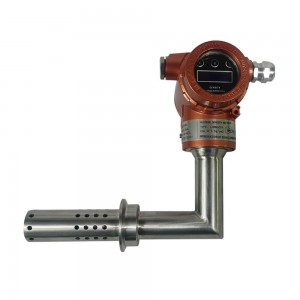
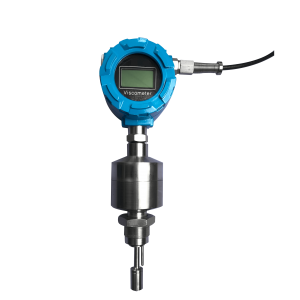
Instruments for inline oleum concentration monitoring play vital roles in modern copper extraction processes. Inline density meters and viscosity meters from Lonnmeter form the foundation of non-invasive oleum concentration sensors. Their robust design allows installation directly into process pipelines, continuously reporting fluid properties essential for concentration calculations. These devices do not require reagent additions and conserve sample integrity, making them highly compatible with industrial copper smelting technologies.
Automation hardware, such as flow controllers and sampling valves, enables the precise regulation and safe management of oleum streams. Measurement data from Lonnmeter’s meters can be directly integrated into plant control systems. This seamless data flow delivers continuous feedback for real-time adjustment, optimizing oleum concentration control across all copper ore smelting steps.
By pairing advanced sensing instrumentation with automated plant controls, industrial operators maintain tighter process tolerances, improve safety due to reduced manual handling, and achieve optimal oleum concentration for target product specifications. Integration of oleum concentration sensors is now a key feature for optimizing oleum concentration in industrial applications, ensuring reliability and compliance throughout the copper smelting process diagram.
Oleum Concentration Control Strategies
Process Control Fundamentals
Copper smelting plants maintain oleum concentration using both feedback and feedforward control schemes. Feedback control uses real-time measurement of oleum concentration. If the value drifts from its setpoint, the system adjusts operational variables, such as water addition rates, gas temperatures, or absorber flowrates, to correct the deviation. For example, a PID controller computes the difference between the target and measured concentration, then modifies inputs proportionally, integrating over time to reduce persistent errors and factoring rapid changes in process conditions.
Feedforward control anticipates disturbances before they affect oleum concentration. These controllers predict responses to changes in upstream SO₂ gas concentration, process flow rates, or furnace output variability. By modifying absorption process variables in advance, feedforward control prevents unwanted shifts in concentration. Combining feedback and feedforward strategies ensures both rapid disturbance rejection and correction of model or instrumentation errors. Plants often implement these in distributed control systems (DCS) for seamless transitions between control states and dynamic adjustment across copper smelting stages.
Optimization Techniques
Optimizing oleum addition, recirculation, and recovery is essential for stable product quality. Plants utilize mass balance calculations, historical process data, and continuous monitoring to fine-tune the amount of sulfur trioxide, water, and acid in absorption towers. Oleum recirculation—re-routing a portion of the product back to the absorber—helps maintain target concentration during feed variability or processing upsets; this technique also maximizes SO₃ utilization, reducing raw material consumption.
Advanced sensors play a critical role. Inline density meters and viscosity meters—such as those from Lonnmeter—supply real-time, accurate readings of the process stream. These meters empower chemometric models to correlate sensor data with exact oleum concentrations. Using multivariate analysis, operators can link factors like temperature, flow, or acid strength to concentration values and predict process needs. With this approach, plants actively optimize oleum dosing and recovery to match demand, reduce waste, and maintain compliance with product specifications.
Troubleshooting and Calibration
Oleum concentration control faces several common pitfalls:
- Sensor Drift: Errors from sensor aging or fouling can produce misleading readings, causing off-spec product or excessive corrective actions.
- Process Nonlinearities: Sudden changes in gas composition or flow can overwhelm control loops, leading to instability or oscillation.
- Instrumentation Delays: Time lags in measurement or control actions can slow down system response, especially in complex multi-stage absorption setups.
Technical solutions include careful sensor selection, robust control algorithms, and periodic fault diagnosis routines. For example, twin sensor setups can cross-check oleum concentration readings for rapid anomaly detection. Split-range controllers smooth transitions across absorption stages when process parameters change unexpectedly.
Regular calibration, validation, and maintenance are vital for sustained measurement accuracy. Calibration involves routine comparison of inline sensor outputs (Lonnmeter’s density or viscosity meters) to trusted lab-based standards, correcting deviations promptly. Validation checks test the entire measurement chain for correct response under simulated process conditions. Maintenance procedures—cleaning sensor probes, checking transmission lines, and inspecting mounting points—help prevent buildup and mechanical failures, ensuring reliable monitoring over time.
By combining robust control strategies with advanced inline measurement, proactive optimization, and diligent calibration, copper smelting plants consistently achieve precise, stable oleum concentration throughout all steps of the copper extraction process.
Environmental Management and Waste Minimization
Managing Acidic and Saline Effluents
Copper smelting process generates acidic and saline effluents, particularly those containing chlorine-bearing compounds and high chloride concentrations. These waste streams present challenges due to corrosivity, regulatory restrictions, and risk for environmental harm. Effective handling involves specialized processing of both the acidic and saline content typical in copper extraction process steps.
Extraction-stripping-salting out methods offer targeted purification for copper smelting wastewater. In the extraction stage, chloride ions are selectively separated using quaternary ammonium salt-based extractants. These agents show high affinity for chloride while minimizing co-extraction of other ions. The loaded extractant then undergoes stripping, transferring the chloride into a controlled aqueous phase for easier management or possible resource recovery.
Salting out is then employed. By introducing agents like potassium nitrate or sodium sulfate, the solubility of chloride in the aqueous phase is reduced, driving further separation by precipitation or phase splitting. This approach achieves over 90% chloride removal efficiency and lessens secondary pollution compared to traditional precipitation or membrane technologies.
Critical control points for this process include temperature and pH—these influence chloride selectivity, co-extraction risks, and operational cost. Inline sensors for density and viscosity, such as those manufactured by Lonnmeter, improve process integration, allowing real-time monitoring of both extraction and salting out phases in industrial copper smelting technologies.

Copper Flash cc Smelting Process
*
Benefits of Robust Oleum Control
Precise oleum concentration control directly improves effluent purity in copper ore smelting steps. Maintaining optimized acid strength and viscosity minimizes excess sulfur trioxide release, stabilizing copper extraction process conditions and reducing the risk of unwanted impurities. When the concentration of oleum is managed tightly via reliable measurement methods—such as inline viscosity meters from Lonnmeter—downstream effluent treatment becomes simpler and more predictable.
Enhanced process control in oxidation and slag treatment also fosters efficient copper recovery while lowering contamination in the final waste stream. With advanced oleum concentration analysis techniques, facilities meet environmental compliance more easily. Wastewater volumes with hazardous constituents are minimized, and impurities are kept well below discharge thresholds. Centralized monitoring using density and viscosity sensors delivers a comprehensive view of oleum concentration in industrial applications and helps optimize process setpoints for both production goals and environmental stewardship.
Integration with Plant Operations
Synchronizing Oleum Control with Overall Smelting Workflow
Oleum concentration control is foundational in copper smelting process management. Integrating precise oleum concentration data into plant-wide automation ensures consistent copper yield, process safety, and product quality. Inline oleum concentration sensors, such as those manufactured by Lonnmeter, deliver real-time readings vital for controlling reagent dosing and maintaining setpoint accuracy.
Industrial automation systems commonly use OPC UA and Modbus TCP/IP protocols. These platforms facilitate secure, bidirectional communication between sensors, programmable logic controllers (PLCs), and supervisory control and data acquisition (SCADA) systems. OPC UA accommodates diverse device data formats, supporting seamless integration of oleum concentration measurement results from inline density and viscosity meters along with other sensor inputs. Real-time data exchange enables automated adjustments in dosing rates, immediately correcting deviations detected in oleum concentration readings.
Configure automation hierarchies to define device functions explicitly. At the device level, ensure accurate calibration and maintenance of analyzers. At the control level, algorithms adjust dosing and flow rates based on live oleum measurement feedback, minimizing manual intervention and reducing process variability. The supervisory level aggregates data, triggers reports, and sets predictive maintenance alerts if anomalies such as sensor drift or algorithmic instability are detected. Event-driven reporting, supported by OPC UA, allows the system to respond instantly to deviations or contamination incidents, such as abnormal reagent spikes or sensor faults, thereby supporting faster remediation and improved process reliability.
For example, if an inline sensor detects rapid concentration changes, OPC UA-driven systems can automatically throttle reagent dosing and alert operators. When contamination or process upsets occur, this real-time response capability limits downtime and prevents off-spec production.
Conclusion
Controlling oleum concentration stands at the center of optimizing the copper smelting process. Effective regulation ensures the absorption of sulfur dioxide is maximized, directly boosting smelting efficiency and reducing harmful SO₂ emissions. Plants attaining ±0.5% SO₃ of their target oleum concentration report notable conversion efficiency improvements and fewer environmental penalties, confirming the operational benefits of close monitoring and adjustment.
Copper product quality is closely linked to oleum concentration consistency. Stable sulfuric acid composition minimizes trace metal contamination and streamlines downstream refining, supporting higher cathode purity. Recent studies attribute a 3–4% increase in copper recovery during electrowinning to standardized acid strengths maintained by robust concentration control techniques.
These outcomes depend on integrated measurement and monitoring tools. Inline density meters and viscosity meters from Lonnmeter serve as pivotal components—delivering real-time process data for oleum concentration analysis in industrial applications. Together with advanced feedback control, their deployment enables early detection of deviations and enhances batch reproducibility.
Regulatory demands for emission reductions and product traceability have heightened the necessity for precise oleum concentration monitoring systems, making them indispensable in contemporary copper extraction processes. Adopting comprehensive measurement and control solutions yields significant advantages in operational throughput, acid quality, and sustainability for both legacy and modern industrial copper smelting technologies.






Frequently Asked Questions
What is oleum and why is it important in the copper smelting process?
Oleum, often called fuming sulfuric acid, is a strong mixture of sulfuric acid and sulfur trioxide. Its main role in industrial copper smelting is as a highly concentrated source of sulfuric acid or for supplying sulfur trioxide, especially in operations that require extremely high acid strength. While sulfuric acid is the principal working reagent in copper extraction, smelting, and refining, oleum is primarily used to regenerate or supply pure sulfuric acid in these plants, playing a supporting, not a direct, chemical role in the main copper extraction steps. It enables more efficient extraction and purification under high-acidity demands and facilitates management of process impurities through intensified sulfonation reactions when specially required .
How is oleum concentration typically measured in the copper smelting process?
Traditional methods to determine oleum concentration include manual titration, which measures the amount of sulfur trioxide in the acid. However, modern copper smelting facilities increasingly use inline, non-destructive techniques such as spectrophotometric analysis and advanced chemometrics-based spectroscopy. These real-time, continuous methods or inline sensors—like those manufactured by Lonnmeter—deliver precise, rapid data without disruption to the process flow, allowing immediate adjustments for process optimization and improved safety. These automated analyzers greatly reduce risks related to handling highly corrosive samples and improve consistency in oleum concentration control.
What does a copper smelting process diagram look like and where is oleum added?
A process diagram for the copper smelting process generally includes the following major stages: ore roasting, smelting (production of copper matte and slag), converting (oxidation of matte to produce blister copper), and refining (fire and electrolytic). Oleum itself is not a standard direct input in most copper smelting diagrams. When used, it appears mainly at points requiring heightened sulfuric acid activity, such as in sulfuric acid regeneration circuits or in refining stages needing very high acid strength for impurity removal. These points are typically adjacent to, but not integral in, the copper ore smelting steps outlined in traditional process flows.
How does proper oleum concentration control benefit the smelting process?
Maintaining optimal oleum concentration is crucial. It allows for complete chemical reactions and maximum copper recovery, and it minimizes byproduct generation, such as unwanted acidic vapors or incomplete reduction of impurities. Stable oleum concentration also protects plant equipment by reducing the risk of uncontrolled corrosion and extends the lifespan of reactors and piping. From a financial perspective, effective control of acid strength cuts unnecessary consumption, lowering operational expenses while ensuring regulatory compliance and reducing environmental burdens .
What environmental challenges can arise from poor oleum concentration management?
Poor control over oleum concentration leads to highly acidic or sulfate- and chloride-rich wastewater. This complicates effluent treatment, spikes operational and remediation costs, and heightens the risk of acid spills and emissions that threaten worker safety and the environment. Non-compliance with environmental regulations may result, exposing operators to fines, sanctions, and reputational harm.
What are the key challenges in oleum concentration measurement?
Accurate measurement of oleum concentration in industrial copper smelting technologies is hampered by several factors:
- The extremely corrosive environment degrades conventional sensors.
- Manual sampling is hazardous and may yield inconsistent results.
- Changes in process flow or composition occur rapidly, demanding high-frequency, real-time analysis.
Modern inline analyzers and sensors, such as those offered by Lonnmeter, directly address these issues. Automated, non-invasive measurement systems ensure precise data capture under challenging conditions, while routine calibration helps maintain measurement reliability.
Post time: Dec-05-2025


