

Nylon 66 salt, formally named hexamethylenediammonium adipate, is the precise equimolar product of hexamethylenediamine (HMDA) and adipic acid. It is the immediate precursor for nylon 66 polymer, which dominates engineering plastics due to its high mechanical strength and thermal stability. This salt, found as a crystalline ionic compound in aqueous solution, displays unique properties essential for the downstream polycondensation process that yields nylon 66 fibers and resins. The molecular structure features positively charged ammonium moieties from HMDA and negatively charged carboxylate groups from adipic acid, forming either ionic lattices or, when dissolved, discrete ions ready for polymerization.
The structure’s regularity and purity directly influence the polymer’s molecular weight, crystallinity, and thermal profile. Laboratory and industrial studies confirm a strict 1:1 ionic ratio using spectroscopic and X-ray diffraction techniques, establishing this stoichiometry as vital for robust end-product performance. Even minor deviations can disrupt chain uniformity, leading to inferior mechanical properties.

Nylon 66 Salt Preparation
*
Hexamethylenediamine, with its linear H2N-(CH2)6-NH2 structure, acts as the diamine component delivering terminal amine groups for salt formation. Adipic acid, HOOC-(CH2)4-COOH, complements this with reactive carboxyl functions. Their functional integrity and high purity are decisive: HMDA is typically distilled or crystallized to eliminate oligomeric and organic traces, while adipic acid undergoes recrystallization, filtration, and sometimes ion-exchange to ensure the removal of colorants, organics, and metal contaminants. Purity above 99.5% is industrially targeted; even trace contaminants can degrade polymer quality, discolor finished goods, or poison catalysts in further reactions.
The core of nylon 66 salt manufacturing is a straightforward but tightly controlled neutralization reaction. In aqueous solution, HMDA accepts protons from adipic acid’s carboxyl groups, forming ammonium ions while simultaneously generating carboxylates. This acid-base interaction is carefully orchestrated:
H2N-(CH2)6-NH2 + HOOC-(CH2)4-COOH → [H2N-(CH2)6-NH3+][OOC-(CH2)4-COO−] (nylon salt, aqueous)
Mechanistically, initial contact allows the diamine to partially protonate, forming a zwitterionic intermediate. Completion hinges on full proton transfer and neutralization. The pH is engineered to reach neutrality—close to 7—as a marker of equal acid-base equivalents. Optimal temperature enhances both reaction kinetics and subsequent salt crystallization; in practice, temperatures from 25°C to 100°C are employed. However, extremes in pH or temperature can slow the reaction or yield by-products: too acidic or basic conditions foster incomplete salt formation and can alter solubility and crystal form. Modern quality assurance uses in-line pH and conductivity measurements, often monitored continuously, to guarantee correct stoichiometry and prevent process upsets.
Excess or deficit in either reactant skews the functional end groups in the salt and, by extension, in the nylon polymer. This impacts chain length, polydispersity, and tensile characteristics. The relation between the density of the salt solution and process control is underscored in contemporary industrial practice, where real-time liquid density measurement and rigorous liquid density meter calibration are integral to the nylon 66 salt preparation process. Proper density monitoring ensures not only batch-to-batch uniformity but also facilitates the control of saturated versus supersaturated salt solutions needed for subsequent polymerization or storage.
In sum, the balanced interplay between the chemistry of neutralization, control of pH and temperature, and the extraordinary purity of HMDA and adipic acid underpins the successful nylon 66 salt manufacturing process. It is this precision that governs the quality of the entire nylon 66 polymer production pathway and, ultimately, the material’s industrial utility across automotive, textile, and electrical product lines.
Step-by-Step Nylon 66 Salt Preparation Process
The nylon 66 salt preparation process begins with preparing separate aqueous solutions of adipic acid and hexamethylenediamine, two primary monomers essential for nylon 66 salt manufacturing. Adipic acid is dissolved in deionized water, typically at 30–60°C, until a clear solution forms. Hexamethylenediamine undergoes the same procedure, yielding an amine-rich solution. Both solutions are meticulously filtered to eliminate particulates before further reaction, supporting salt solution density measurement for accurate ratio control and optimal process flow.
Controlled, temperature-regulated mixing is crucial for achieving a stoichiometric 1:1 molar ratio, as even slight deviations adversely affect polymerization efficiency and resin properties. The two solutions are introduced gradually—often dropwise—to a jacketed reactor equipped with efficient stirring, allowing careful control of mixing rates. Precisely managed temperatures prevent local overheating, premature crystallization, or unwanted hydrolysis, ensuring a uniform nylon 66 salt reaction environment.
Throughout the mixing and neutralization reaction in nylon 66 production, an inert gas blanket, usually nitrogen, is maintained in the vessel. This inert atmosphere safeguard is vital for excluding atmospheric oxygen and carbon dioxide, which can catalyze oxidation or introduce carbonate/bicarbonate impurities, degrading salt quality. The inert gas also enhances product consistency and storage stability, essential for high-end applications.
As controlled mixing proceeds, intermediate species with carboxyl or amine terminations may form, depending on the local stoichiometry and mixing rate. Complete neutralization yields the desired nylon 66 salt (also known as AH salt), featuring a tightly defined stoichiometry and molecular uniformity. The neutralization reaction follows acid-base chemistry principles, and reaching a precise pH near neutrality (pH 7–7.3) is mandatory for consistent downstream polymerization, since excess acid or base groups interfere with chain growth and impact the final polymer’s molecular weight and quality.
pH monitoring and real-time titration enable tight feedback during neutralization, ensuring that mixing sequence and rates are optimized to avoid local over- or under-neutralization. Modern kinetic models corroborate that even a minor imbalance in stoichiometry measurably suppresses polymerization efficiency.
Following neutral salt formation, the process advances through purification stages to guarantee a high-purity product. Multi-step filtration strategies—progressing from coarse to submicron filter media—remove metal ions, particulates, and organic residues introduced by raw materials or processing water. Ion-exchange treatments follow, extracting soluble inorganic impurities such as sulfate, calcium, or sodium ions that are detrimental to nylon 66 salt quality. The mixture is then concentrated and subjected to controlled crystallization, generating purified salt crystals with optical clarity and undetectable levels of coloration or haze.
Quality control is tightly interwoven into salt preparation methods for industrial use, with continuous monitoring of UV absorbance and optical purity at each stage. A low UV index is critical—a high index indicates the presence of chromophoric impurities, which may discolor final nylon 66 polymer products and lead to defects in fibers or molded parts. For high-value polymerization processes, visual and spectroscopic checks ensure a colorless, optically pure salt, preventing downstream yellowing and mechanical inconsistencies.
Density monitoring in chemical processes, specifically using liquid density measurement techniques and inline density meters such as those manufactured by Lonnmeter, adds an additional safeguard. These instruments confirm the salt solution’s final concentration, supporting process repeatability. Accurate liquid density meter calibration is essential for detecting subtle deviations in solids content, which directly influences crystallization and subsequent polymerization steps.
The integration of stringent purification and quality control within the nylon 66 salt preparation process underpins both yield and polymer performance. Comprehensive analytical oversight, from UV index to pH and density, enables consistent manufacturing of high-purity, optically clear, and stoichiometrically balanced salt suitable for demanding industrial polymer applications.

Industrial Nylon 66 Salt Production: Scaling and Process Optimization
Salt Formation on an Industrial Scale
The industrial nylon 66 salt preparation process centers on the neutralization reaction between adipic acid and hexamethylenediamine. Scaling up from laboratory to plant operations involves converting a batchwise neutralization into a continuous process, where reactants merge under meticulously controlled conditions to yield hexamethylenediammonium adipate—also called nylon salt.
In large-scale nylon 66 salt manufacturing, consistent raw material quality is crucial. Variability in adipic acid or hexamethylenediamine purity directly impacts the stoichiometry, causing off-spec product if not managed. Feeding systems must enable steady dosing, compensating for upstream fluctuations in raw material supply and temperature.
Mixing uniformity is another cornerstone. Industrial reactors rely on high-intensity agitation to avoid concentration gradients that lead to incomplete neutralization. Poor mixing causes pockets of unreacted acid or amine, creating salts with unstable pH and variable melting points. Modern plants deploy continuous stirred-tank reactors (CSTRs) for their superior mixing and homogenous product output, especially when dealing with fluctuating raw material streams or when precise stoichiometry is required. For simpler chemistries and where linear flow is preferred, plug flow reactors (PFRs) offer tighter residence time distribution and lower local temperature spikes, but lack the full mixing capabilities of CSTRs.
Temperature control underpins process stability. Exothermic neutralization demands jacketed vessels or heat exchangers to maintain optimal temperature—typically near 210°C. Fluctuations above or below this point result in hydrolysis or poor crystallization of the salt, respectively, hampering downstream polymerization.
Industrial Product Lines and Equipment
Large-scale nylon 66 salt reaction equipment is characterized by its robust construction and integration of precise control technologies. Reactor selections are primarily between CSTRs, favored for their efficient agitation and compositional evenness, and PFRs, which facilitate high-throughput continuous flow where uniform mixing is less critical.
Industrial mixing systems are engineered for rapid and complete blending of the acid and diamine streams. High-shear impellers and recirculation loops distribute reactants evenly despite large volume or viscosity changes, minimizing risk of hot spots and incomplete neutralization.
In-line process monitoring systems are essential to control and document every stage. Inline pH probes, temperature sensors, and advanced inline density meters (such as those manufactured by Lonnmeter) are integral to modern installations. Real-time liquid density measurement enables operators to ensure correct salt concentration and composition throughout the process. These density monitoring solutions provide feedback that allows for timely adjustment of feed rates and temperature to maintain consistent salt quality. Routine liquid density meter calibration is performed using well-characterized salt solutions to ensure data accuracy under changing production conditions.
Safe handling protocols are mandatory due to the corrosive and hygroscopic nature of nylon 66 salt solutions. Storage tanks are constructed from corrosion-resistant alloys, featuring blanketing systems that prevent moisture uptake and contamination. Closed transport pipelines, automated loading systems, and spill containment features all contribute to minimizing environmental and worker hazards in salt solution storage and transfer.
Process Optimization for Product Consistency
Maintaining product consistency in nylon 66 salt manufacturing necessitates precise tuning of process parameters. Target viscosity—a crucial attribute for final nylon 66 polymer properties—depends on strict control of reaction conditions during both salt formation and its subsequent polymerization.
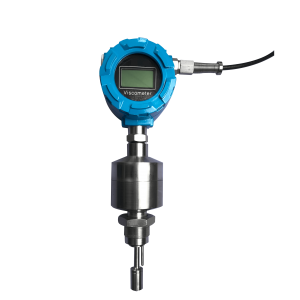
Temperature is maintained at roughly 210°C with tight tolerances, as deviations alter the degree of neutralization and salt solubility. Pressure control, often set near 1.8 MPa in pre-polycondensation steps, ensures the correct phase behavior and reaction kinetics. Residence time in reactors is calibrated to allow full conversion, while avoiding excessive thermal exposure that could degrade the product. This balancing act is further refined using data from inline viscosity and density meters.
Catalyst selection and dosage have a pronounced effect on the nylon 66 polymerization phase, which follows salt formation. Typical catalyst dosages are around 0.1 wt% to optimize molecular weight and promote efficient polymer chain growth. Overdosing can accelerate the reaction but risks uncontrolled branching or color formation; underdosing hampers polymerization and mechanical properties. Proper metering and rapid mixing of the catalyst, often in solution with the salt feed, enhances overall efficiency.
Each of these parameters is dynamically adjusted in real time based on quality data. For instance, if inline density monitoring reveals deviations indicating excess or insufficient neutralization, reactant feed rates are modulated accordingly. This feedback loop is vital to preventing off-ratio salt, which would later jeopardize polymer viscosity and end-use performance.

Density of Salt Solution: Monitoring and Measurement Strategies
Importance of Density Monitoring in Salt Preparation
During the nylon 66 salt preparation process, density monitoring is indispensable. The stoichiometric reaction between hexamethylenediamine and adipic acid produces a salt whose purity and suitability for the nylon 66 polymer production process are directly reflected by the solution’s density. Precise density measurements reveal the reactant concentration, highlight the balance between acid and amine, and serve as a proxy for conversion completion and water content.
Maintaining optimal salt solution density is critical. Slight deviations can expose off-stoichiometry, such as excess acid or amine, which impairs polymerization efficiency, affects molecular weight distribution, and leads to inferior final properties. For example, in chemical recycling, shifts in solution density during acid-catalyzed hydrolysis alter hydrogen bonding within the polymer, fundamentally affecting enzyme accessibility and monomer recovery rates. Inadequate density control at this stage leads to incomplete conversion or waste, directly impacting plant yield and sustainability metrics.
Documentation from industrial chemical product lines reports that automated density monitoring is integral for producing consistent, high-purity salt, while simultaneously minimizing waste, optimizing throughput, and ensuring compliance with process requirements. This has become vital as regulatory and sustainability pressures intensify, requiring tighter process control and better efficiency.
Liquid Density Measurement Techniques
Historically, methods such as pycnometry or hydrometers measured salt solution density but suffered from limited precision and manual intervention, making them ill-suited for continuous industrial monitoring. Modern industrial practice prefers automated, highly accurate inline instruments.
Oscillating U-tube density meters stand out as the industry standard for salt solution density measurement. The principle is straightforward: a U-shaped tube, filled with the salt solution, oscillates at a frequency that shifts with changes in fluid density. Because denser fluids cause the tube to oscillate more slowly, sensitive electronics measure this frequency change and convert it to a direct density readout.
The choice of tube material, such as stainless steel or specialty alloys, is guided by chemical compatibility with salt solutions. These meters operate reliably on the production line and deliver rapid, repeatable results, making them well-adapted to the nylon 66 salt manufacturing environment.
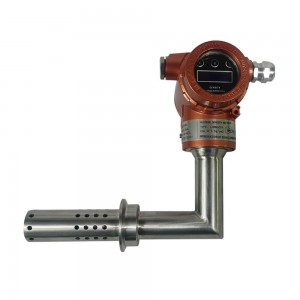
Lonnmeter specializes in robust inline density meters engineered for harsh industrial settings, ensuring stable operation and repeatable measurements even in aggressive chemical environments. Inline density meters deploy directly on process piping, allowing for real-time monitoring of salt concentration during both batch and continuous processes associated with nylon 66 salt preparation.
Calibration of these meters is crucial for accurate readings. Calibration involves standard solutions at defined densities to set reference points before the instrument is used with process fluids. This ensures that measured values reflect the true salt concentration—vital for keeping reaction conditions within strict tolerances.
Integrating Density Data for Process Control
Integrating real-time density measurement into automated process control significantly elevates operational performance in nylon 66 salt production. By embedding inline density meters directly in the manufacturing process, density data is continuously captured and fed to the control system.
Automated systems compare live density readings with preset optimal values for the salt solution. When deviations are detected, the system can make real-time adjustments—such as altering reactant flows, correcting water content, or modifying temperature set-points—to drive the process back within specification without operator intervention.
This approach prevents batch-to-batch variability, providing a closed feedback loop that addresses process drift, unexpected water uptake, or incomplete neutralization in real time. It is indispensable for optimizing the polymerization conditions that follow salt preparation. For instance, a consistent salt solution density correlates with predictable polymer molecular weight and viscosity, underpinning the high mechanical and thermal stability required for engineered nylon 66 products.
Examples from leading industrial operations underscore that integrating online density readings with routine parameters—like temperature and pH—enables multi-factor process optimization. The result is greater throughput uniformity, reduced off-spec product, and lowered energy and material consumption during the nylon 66 salt reaction. Such integration is now regarded as best practice for the chemical industry, serving both quality assurance and sustainability objectives in modern polymer production lines.
From Salt to Nylon 66 Polymer: Polycondensation and Post-Processing
Controlling the molecular structure and qualities of nylon 66 requires precise management of multiple process parameters during pre-polycondensation, melt polycondensation, and post-processing. Each phase—from initial salt solution formation to final pellet quality testing—plays a critical role in producing industrial-grade nylon 66 resin.
Pre-Polycondensation Parameters
The polycondensation step, where nylon 66 forms via the reaction of adipic acid with hexamethylenediamine, is highly sensitive to operational variables. Temperature, pressure, and reaction time are the most influential factors on molecular weight and intrinsic viscosity. Industrial polycondensation operates between 280°C and 300°C. Temperatures at the upper end of this range, coupled with extended reaction times, increase the risk of thermal degradation, introducing by-products and decreasing long-term polymer stability. To maximize molecular weight and maintain a narrow molecular weight distribution, temporary pressure drops are introduced to accelerate the removal of condensation water, while reaction time is tightly managed to prevent over-condensation or chain scission.
Pressure directly controls the evolution of volatile by-products. Starting with high pressure aids in initial reaction rates, after which the pressure is gradually reduced to facilitate efficient removal of water; improper management at this stage elevates monomer residuals and can result in inhomogeneous product batches. For example, adjusting reactor pressure profiles by as little as 0.1 MPa has been shown to enhance molecular chain uniformity and tensile strength by more than 8% compared to uncontrolled processes.
The pH of the initial salt solution, though not the principal variable during high-temperature melt processes, exerts influence in earlier solution-based or post-polycondensation steps. Maintaining the pH close to neutral (typically between 7 and 7.5) is essential for achieving a balanced stoichiometry between hexamethylenediamine and adipic acid, impacting the evenness of chain length distribution and the development of crystalline domains within the polymer. pH discrepancies can lead to non-stoichiometric mixtures, driving excessive branching or hydrolyzable linkages, which manifest as reduced mechanical strength and altered crystallinity in the finished resin. Analytical techniques—such as differential scanning calorimetry (DSC) and X-ray diffraction (XRD)—reveal increased crystalline uniformity and improved mechanical properties for pH-optimized nylon 66 samples.
Melt Polymerization and Quality Enhancement
Industrial melt polycondensation of nylon 66 enables direct synthesis without solvents, supporting both continuous fiber spinning and large-batch resin production. Achieving the desired molecular mass is contingent on precise control of reaction time, temperature, and monomer purities. Deviations from target process profiles often result in increased melt viscosity, heightened risk of local overheating, and even premature cross-linking or degradation.
The process advances in stages, starting with salt melting, reaction at constant volume under controlled pressure, and then stepwise pressure reduction to drive off water. Inline liquid density measurement techniques serve as key feedback mechanisms during these stages, providing real-time monitoring to ensure homogeneity and enable the adjustment of operational setpoints for optimal chain growth. Instruments like the inline density meter from Lonnmeter, when correctly calibrated with gravimetrically prepared calibration fluids, allow for precise assessment of salt solution and polymer melt densities. This ensures batch-to-batch consistency and timely detection of process drifts.
After polycondensation, the molten nylon 66 is extruded and immediately pelletized. Rapid cooling—usually with water or forced air—is necessary to prevent pellet agglomeration and maintain dimensional integrity. Pellet size and shape variability can occur if cooling rates are too slow or inconsistent, negatively affecting downstream material handling and processing.
The next critical stage is drying. Nylon 66 resin is naturally hygroscopic; residual surface or absorbed water leads to hydrolytic degradation during subsequent melting, causing molecular weight reduction, poor flow characteristics, and visual defects in molded parts. Drying must be performed under low dew-point air, with controlled temperature not exceeding the polymer’s tolerance to prevent premature softening or yellowing. Studies show that moisture content above 0.2% dramatically increases viscosity loss and diminishes final product strength.
Periodic quality monitoring, including Karl Fischer titration for moisture and viscosity measurements, forms part of the best practice to ensure that drying parameters yield stable, defect-minimized pellets. Optimizing every step of post-processing—from pelletization to storage—has been demonstrated to lead to superior tensile and impact strength compared to inadequately controlled protocols.
Ensuring Product Reliability Across Industrial Product Lines
Adaptability in production is essential, as industrial nylon 66 polymer is delivered across a spectrum of product lines—fibers, technical parts, films—each with specific performance requirements. This necessitates tailored adjustments in process parameters for each grade:
- Fiber-grade nylon 66 benefits from higher molecular weight for mechanical strength, requiring extended polycondensation time and increased precision in temperature control.
- Injection molding grades may tolerate lower molecular weights but demand superior pellet dryness and geometric precision to prevent processing defects.
Final quality checks rely on product-specific acceptance criteria. These include standardized measures of intrinsic viscosity, modulus, impact resistance, and, critically, moisture content. Physical appearance inspections for pellet uniformity and lack of discoloration are supported by laboratory assessment of mechanical and thermal properties. Only batches meeting all key metrics are released for industrial applications—details are summarized in technical datasheets referencing ASTM and ISO protocols.
Density monitoring also plays a preventive role; using liquid density measurement techniques during both salt preparation and polymer melt phases ensures uniform batch quality and enables rapid detection of deviations that may compromise end-use reliability. Calibration of density meters, such as those produced by Lonnmeter, is performed with certified standards to maintain tight process control and reproducibility, integral to scaling production across multiple industrial product lines.
Through rigorous control during pre-polycondensation, precise melt polymerization, and strict post-processing, nylon 66 manufacturers consistently deliver reliable, application-specific resins that meet the evolving demands of industrial product markets.






Frequently Asked Questions (FAQs)
What is nylon 66 salt, and why is it important in polymer production?
Nylon 66 salt, chemically known as hexamethylenediammonium adipate, serves as the foundation of nylon 66 polymer production. It is created through a precise 1:1 neutralization reaction between hexamethylenediamine and adipic acid. This intermediate controls the end-group content and chain length of the final polyamide. High-purity nylon 66 salt is necessary to achieve consistent mechanical strength, thermal stability, and wear resistance in engineering plastics. Off-stoichiometry or impurities in this step impair the efficiency of subsequent polymerization and reduce the quality of the final product, making salt preparation a critical determinant in the nylon 66 polymer production process.
How is the nylon 66 salt preparation process optimized for purity?
The nylon 66 salt manufacturing process relies on controlled, gradual addition of reactants. Segmented or dropwise addition of hexamethylenediamine into adipic acid under strict temperature regulation, typically at around 210°C and 1.8 MPa, minimizes localized excesses, prevents undesired byproducts, and ensures a stoichiometric ratio. An inert gas, such as nitrogen, protects the reaction from unwanted oxidation. Continuous pH and UV index monitoring confirm near-neutral conditions and absence of colored byproducts, which are markers of high-purity salt. This controlled process allows for production of colorless, stable, and reactive salt solutions suitable for direct polymerization.
What is the significance of density monitoring in the salt preparation process?
Monitoring the density of the salt solution is crucial for both process control and quality assurance during nylon 66 salt preparation. The solution’s density, measured in real time, is a direct proxy for concentration and completeness of the neutralization reaction. Stable, target density values verify that the reactant ratio is maintained and conversion has reached completion. This helps minimize deviations in downstream polymerization, limits formation of low-molecular-weight fractions, and supports consistent production quality. Employing a liquid density meter ensures these parameters remain within strict operational limits, reinforcing reliability across industrial chemical product lines.
How does the neutralization reaction work in nylon 66 salt preparation?
In the nylon 66 salt reaction, hexamethylenediamine (a diamine base) reacts with adipic acid (a dicarboxylic acid) in stoichiometric amounts. The reaction is fundamentally a neutralization: NH2-(CH2)6-NH2 + HOOC-(CH2)4-COOH → (NH3+)-(CH2)6-(NH3+)(-OOC-(CH2)4-COO-) + H2O. For ideal salt formation, the process requires precise control of reactant addition, temperature, and pH, as even small deviations can result in incomplete conversion or unwanted side reactions. The efficiency of this reaction determines the molecular structure and performance of the resultant nylon 66 polymer.
Which equipment is used for liquid density measurement in industrial nylon 66 salt production?
Accurate salt solution density measurement forms the core of process validation in large-scale nylon 66 production. Inline digital liquid density meters, such as oscillating U-tube densitometers, are commonly deployed in industrial setups. These instruments deliver continuous, real-time density readings, which help operators adjust feed rates, reactant ratios, and thermal conditions to match targeted process specifications. Lonnmeter manufactures robust inline density meters and inline viscosity meters well-suited for this level of industrial application. Routine calibration of these devices ensures reliable and repeatable performance, which is fundamental for maintaining chemical product line integrity and supporting rigorous quality management.
Post time: Dec-18-2025


