

Mold release agents are essential, specially formulated coatings applied to mold surfaces in the die cast molding process. They act as temporary barriers, preventing molten metal—such as magnesium alloys—from adhering to the mold. This isolation is crucial for efficient demolding and for preserving the surface integrity of cast magnesium alloy parts.
Significance for Magnesium Alloy Die Casting
Die casting magnesium alloys presents unique challenges. Magnesium alloys demand strict control due to their high reactivity, low viscosity, and tendency to stick or solder to mold surfaces under high temperatures and pressures.
Agents are typically sprayed onto the mold prior to each casting cycle. This application must be uniform, and mold release agent concentration analysis is vital to ensure optimal protection and demolding performance. Regular mold release agent concentration testing is adopted in advanced facilities to guarantee product consistency and maximize mold lifespan.
Water-based mold release agents are increasingly chosen for magnesium die casting, balancing performance with eco-friendly characteristics. Their cooling effect and minimal residue improve cycle time and finished part quality, fulfilling modern regulatory and production demands for effective mold release agents for die casting.

Magnesium Alloy Die Casting
*
Selecting the best water-based mold release agents involves considering the magnesium alloy type, expected surface finish, and production speed. In practice, this means matching agent properties—such as thermal stability and evaporation rate—to plant-specific molding conditions for optimal results.
Water-Based Mold Release Agents: Characteristics and Benefits
Water-based mold release agent solutions have become essential for magnesium alloy die casting and aluminum die cast molding processes. Formulated with water as the primary carrier, these agents are engineered to deliver reliable separation between mold and molten metal, ensuring cast magnesium alloy parts can be ejected cleanly without damaging either component.
Environmental Advantages
Water-based mold release agents provide significant eco-friendly benefits:
- They are free from volatile organic compounds (VOCs), cutting workplace and atmospheric emissions compared to solvent-based or oil-based agents.
- Their water carrier enables safer handling, with reduced toxicity risk to operators and minimal hazardous waste generation.
- Leading water-based agents are often PFAS-free and biodegradable, supporting industry mandates and regulatory compliance for lower environmental impact and improved workplace air quality [source].
Material Compatibility
Modern water-based release agents are designed for optimal interaction with magnesium alloys and aluminum used in die casting processes. They deliver:
- Excellent chemical stability at casting temperatures—typically from 650–700°C for magnesium and up to 720°C for aluminum—without decomposing or reacting negatively with alloy surfaces.
- Minimal risk of surface reactions or corrosion, enabling high-integrity cast magnesium alloy parts and aluminum components.
- Proven suitability for precision applications, including automotive structural parts and consumer electronics housings.
Operational Benefits
Water-based mold release agents offer key operational improvements for die cast molding:
- Clean demolding action ensures that cast parts are released without sticking, pitting, or residue—directly improving surface quality and dimensional accuracy.
- Enhanced metal flow characteristics reduce turbulence and extend filling distances in complex molds, which is vital for intricate magnesium die casting process segments.
- Minimized residue build-up and lower abrasiveness prolong mold service life, allowing for more cycles before cleaning or maintenance are needed.
- Efficient evaporation helps reduce cycle time and thermal load on dies, increasing throughput.
Wax-Based vs. Wax-Free Water-Based Agents for Magnesium Die Casting
When choosing among effective mold release agents for die casting magnesium alloys, the distinction between wax-based and wax-free water-based formulations is crucial:
- Wax-Based Water-Based Agents: These contain emulsified wax particles that offer strong release performance and form a temporary protective layer. They reduce sticking and can improve surface finish on simple geometries. However, wax residues may accumulate over time, requiring more frequent mold cleaning.
- Wax-Free Water-Based Agents: Advanced chemical formulations omit wax, relying on optimized surfactants and lubricating solids. These agents deliver consistent release, especially in complex magnesium die casting process shapes, and significantly minimize residue and fouling. This enables longer uninterrupted runs and easier post-casting processes such as surface coating or anodizing.
Recent performance comparisons demonstrate that wax-free water-based agents yield cleaner molds, stronger demolding, and less frequent maintenance, making them favored in high-volume automotive magnesium alloy die casting [source]. Both variants are effective, but wax-free options align more closely with modern efficiency and eco-friendly mold release agent concentration analysis requirements.
In summary, best water-based mold release agents combine environmental leadership, material compatibility, and superior operational outcomes, forming the foundation for clean, efficient, and sustainable die cast molding process practices.
Optimizing Mold Release Agent Application in Magnesium Alloy Die Casting
Selection of the appropriate water-based mold release agent for magnesium alloy die casting relies on several interdependent criteria. The alloy type, mold design, process temperature, and part geometry all directly impact release agent performance, efficiency, and final part quality.
Concentration Customization and Pre-Diluted Emulsions
Modern processes frequently use pre-diluted emulsions to standardize the mold release agent concentration. These emulsions are tailored for the specific needs of the magnesium alloy and the demands of the casting cycle. Customization allows operators to fine-tune the agent’s behavior, matching wetting, film thickness, and cooling characteristics to the cycle time and alloy type.
Mold release agent concentration analysis and regular adjustment are critical in maintaining optimal film performance. Operators use concentration testing techniques to verify agent uniformity and prevent buildup that could cause surface defects or dimensional variance. Understanding how to analyze mold release agent concentration ensures that process engineers maintain the fine balance between adequate lubrication and clean demolding.
Stability Under Water Conditions
The water quality used to dilute and apply water-based mold release agents significantly affects their performance. Agents with high hard water tolerance maintain emulsion stability and film-forming ability despite water mineral content. If an agent is sensitive to calcium or magnesium ions, it may flocculate, separating and losing its protective barrier function.
The best water-based mold release agents feature advanced surfactant systems and stabilizers that provide robust stability even in industrial environments with variable water quality. This ensures reliable, repeatable agent coverage, no matter the plant’s water source.
Efficiency Strategies: Coverage, Buildup, and Scrap Minimization
Achieving uniform, continuous coverage is crucial for the effective mold release agents used in magnesium die casting. Non-uniform applications result in hot spots, local sticking, and inconsistent part surface finishes. Automated or robotic spray systems, matched to the agent’s rheology and wetting properties, can maximize film uniformity.
Prevention of mold buildup is achieved both through correct agent concentration and by selecting formulations with minimal residue after part ejection. Excessive buildup leads to dimensional errors and may necessitate frequent mold cleaning, reducing process uptime.
To minimize scrap rates in the magnesium die casting process, film-forming agents must allow rapid part ejection without tearing or residue. Peer-reviewed studies report that integrating nano-dispersed fillers, such as boron nitride, into water-based systems can reduce part rejection rates by improving thermal management and minimizing adhesion issues.
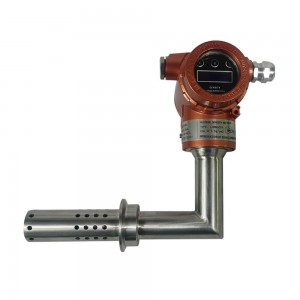
Process monitoring with devices such as inline density meters or inline viscosity meters by Lonnmeter allows for precise control of release agent properties, supporting ongoing quality assurance and consistent results.
Application Examples
- For thin-walled, complex magnesium automotive housings, a pre-diluted, water-based mold release agent with nano-enhanced stability ensures complete, residue-free coverage.
- For large-chassis parts in hard water environments, agents with high hard water tolerance maintain film integrity and reduce operational variability.
- By analyzing mold release agent concentration in real-time, a die caster can extend spray intervals, maximizing line speed while minimizing scrap due to incomplete release.
These strategies, drawn from recent peer-reviewed research and field best practices, underpin the efficient, eco-friendly, and quality-focused application of water-based mold release agents in die casting magnesium alloys.

Importance of Mold Release Agent Concentration Analysis
Mold release agent concentration analysis is critical in magnesium alloy die casting. It directly impacts demolding, surface finish, operational reliability, and cost efficiency.
Effect on Demolding, Surface Finish, and Production Efficiency
The concentration of water-based mold release agents governs how smoothly die cast magnesium alloy parts release from molds. At optimal concentrations, agents create a uniform barrier. This minimizes adhesion, reduces ejection force, and lowers the risk of parts sticking or tearing. Production cycle times decrease, and die wear is limited, improving operational reliability.
Surface finish also depends on proper concentration control. Sufficient coverage reduces surface roughness (Ra), eliminates streaks, and prevents stains or flow lines. Over-concentration can leave residues, raise surface porosity, and degrade paint adhesion. Conversely, under-concentration causes areas of poor release, leading to scuffing, tearing, or visible die marks on cast magnesium alloy parts. Studies show demolding forces decrease with optimized agent concentration and plateau at mid-range values, signaling best results around 0.5–2.0% by weight or volume, though the ideal range depends on die temperature and alloy composition.
Cost efficiency is affected by proper dosing. Excess agent increases material costs and post-processing needs. Insufficient agent results in scrap, defects, and costly downtime. Eco-friendly, water-based mold release agents may require higher concentrations for optimal results but offer advantages in workplace safety and environmental compliance.
Risks of Incorrect Concentrations
Maintaining correct mold release agent concentration is essential to avoid:
- Part defects: Insufficient agent leads to adhesion, tearing, and defective surfaces. Excess agent leaves residues, causing “fish-eye” defects, orange peel textures, and inconsistent finishes.
- Increased scrap rates: Poor agent management raises the volume of non-conforming parts, resulting in material loss and higher rework costs.
- Mold degradation: High concentrations can insulate die surfaces, disrupt thermal cycles, and accelerate wear or corrosion. Low concentrations extend cycle times and increase sticking, risking mechanical damage during part ejection.
Experimental data confirms these risks: surface measurements reveal minimum Ra at optimal concentrations, while paint adhesion and corrosion resistance decline when excess residue is present.
Methods for Mold Release Agent Concentration Measurement in Real-Time & In-Situ Environments
Reliable mold release agent concentration testing in real-time and in-situ die cast molding process conditions is essential for maintaining product quality. Key methods include:
- Inline density meters: Devices manufactured by Lonnmeter enable continuous monitoring of the agent’s density in dilute formulations. Density changes reflect concentration shifts, allowing for real-time adjustment.
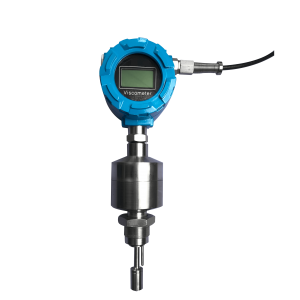
- Inline viscosity meters: Also produced by Lonnmeter, these instruments measure fluid viscosity directly in the process stream. Viscosity correlates closely with active agent concentration, especially for water-based release agent formulations.
These measurement techniques provide immediate data within the production line, supporting proactive process control. Operators use readings to fine-tune the mix ratio and application parameters, ensuring effective mold release agent performance for magnesium alloy die casting. Real-time monitoring with inline devices offers tangible benefits: lower scrap rates, reduced waste, and consistent production of high-quality, cast magnesium alloy parts.
Technologies for Real-Time & In-Situ Concentration Measurement
Industrial magnesium alloy die casting demands consistent control of process variables to maintain the quality of cast magnesium alloy parts. Continuous, real-time monitoring technologies ensure proper mold release agent concentration, a crucial factor in the die cast molding process and for the effectiveness of water-based mold release agents.
Overview of Industrial Tools and Sensors
Industrial environments integrate several sensor technologies to monitor chemical and physical conditions instantly. Inline optical sensors, such as Raman and hyperspectral imaging devices, offer non-invasive, direct feedback about chemical composition and surface condition. These sensors are positioned in the process flow, eliminating delays and errors linked to manual sampling.
Lonnmeter manufactures inline density meters and viscosity meters used directly in the process stream for water-based mold release agent concentration analysis. These devices continuously measure the physical parameters of agents, supporting mold release agent concentration testing without interrupting production.
In-Situ Analysis Techniques
Continuous Sampling
Flow cell setups, such as polyfluoroalkoxy (PFA) tubes incorporated into Raman spectroscopy platforms, permit continuous sample transport for real-time measurement. This approach avoids the need for permanently installed probes in harsh die casting environments, maintaining flexibility and reducing potential maintenance issues. Constant sampling of mold release agent solution allows operators to analyze changes over time and respond swiftly if concentration deviates from effective thresholds.
Spectroscopic Sensors
Raman spectroscopy, widely used for real-time chemical monitoring, provides immediate feedback on the composition and concentration of water-based mold release agents. Its integration with flow cells offers fast detection of changes within the die casting magnesium alloys process. Hyperspectral imaging, spanning the visible and near-infrared spectrum, reveals uniformity or contamination on mold surfaces, indicating if the agent has dispersed correctly or if there are areas at risk of poor coating. This method can reveal subtle, transient changes critical for top-quality cast magnesium alloy parts.
Electrochemical Meters
Electrochemical sensors, such as pH and conductivity meters, are often deployed inline to evaluate the ionic characteristics of water-based release agent solutions. Monitoring these values enables operators to determine if eco-friendly mold release agents remain within acceptable operational limits, underscoring the benefits of water-based release agent use and environmental compliance.
Data Integration with Process Control Systems
Effective mold release agent concentration analysis hinges on the seamless flow of measurement data into manufacturing control systems. Real-time sensor outputs are typically integrated via standard industrial communication protocols. This integration enables automated adjustments, such as regulating dilution rates or replenishing mold release agent, especially useful in magnesium die casting processes where consistency is vital.
Process control software interprets input from inline density and viscosity meters by Lonnmeter alongside other sensor data. Automated optimization ensures that water-based mold release agent concentration remains consistent, which secures part release, reduces surface defects, and optimizes the use of eco-friendly mold release agents.
Integrating inline analytical instruments and sensors into the die cast molding process guarantees prompt, precise interventions. This capability supports best water-based mold release agents for magnesium alloy die casting, enhances productivity, lowers costs, and promotes sustainable manufacturing.
Examples:
- Lonnmeter’s viscosity meters verify the optimal flow of release agents.
- Raman spectroscopic flow cell platforms detect momentary concentration drops, triggering automated dosing.
- Hyperspectral sensors identify early surface changes, guiding operator intervention.
Interpreting Measurement Data for Process Optimization
Use the logged concentration data to adjust in-process parameters for optimal release agent performance. For example, if application concentrations fall below the predefined minimum, increase the dosing rate of concentrate or reduce dilution. Conversely, values above the maximum may signal a need to decrease concentrate usage, saving costs while reducing environmental impact.
Regularly correlate concentration trends with magnesium alloy surface quality indicators, such as defect rates, porosity, and part reject percentages. Employ simple statistical control charts to visualize process stability and detect shifts over time. Apply root cause analysis on occurrences where readings deviate from set points and link findings to process events, maintenance tasks, or supply changes.
In practice, facilities using inline meters from Lonnmeter have achieved reduced waste and more stable surface quality for cast magnesium alloy parts compared to facilities using manual batch sampling. Automated real-time monitoring of water-based release agent benefits production—with faster response to deviations, more effective mold release agents for die casting, and enhanced eco-friendly mold release agent management.
By embedding best water-based mold release agents into the monitoring protocols, maintaining calibration discipline, and interpreting data through the lens of product quality, manufacturers can sustain high yields and superior finishes in the magnesium die casting process.
Environmental and Cost Efficiency Considerations
Water-based mold release agents are shaping the magnesium alloy die casting industry by supporting both environmental responsibility and operational efficiency. Their use in die casting magnesium alloys provides distinct advantages in workplace safety, waste management, and production cost—especially when integrated into optimized mold release agent concentration analysis.
Workplace Safety & Waste Management Impacts
Switching to water-based mold release agents reduces toxicity in the die cast molding process. These agents contain markedly fewer volatile organic compounds (VOCs) than traditional oil- or solvent-based alternatives, cutting workers’ exposure to hazardous chemicals and improving air quality in production zones. In magnesium die casting, minimizing VOCs is critical; magnesium’s flammability multiplies dangers associated with industrial vapors and chemical residues. Water-based solutions are non-flammable, lowering fire risks and removing many requirements for costly mitigation systems.
Skin irritation and respiratory complaints decrease, as workers are no longer routinely exposed to aggressive solvents. Water-based agents are easier to handle and store, simplifying compliance with occupational safety legislation and reducing the equipment burden for fire suppression and chemical containment. Manufacturing plants report fewer chemical incidents and less frequent waste spills, helping streamline both safety and waste management protocols.
Ventilation demands also drop because water-based systems release minimal fumes and odors. Plants can cut air management expenses—less maintenance and fewer operational hours for exhaust systems—without compromising employee comfort or process standards.
Reduction of VOCs & Cleaning Steps
The magnesium die casting process benefits directly from decreased VOC output when effective water-based mold release agents are used. These eco-friendly mold release agents help facilities comply with ECHA and OSHA regulations and industry best practices for worker health. Lower VOCs mean less need for secondary air purification and environmental controls.
Traditional oil-based agents lead to residue build-up on cast magnesium alloy parts and die surfaces, triggering frequent secondary cleaning steps and chemical waste generation. Water-based agents produce cleaner releases and reduce the need for additional cleaning cycles. This streamlines workflow, limits water and chemical consumption, and decreases production downtime associated with maintenance.
Addressing Operational Challenges in Magnesium Alloy Die Casting
Magnesium alloy die casting operates under harsh thermal and mechanical stresses, making effective process control essential. Managing temperature extremes and pressure, controlling mold release agent interactions, and ensuring consistent cast quality represent the main operational challenges.
Handling Temperature Extremes and High-Pressure Environments
Casting magnesium alloys such as AE44 and AE81 often involves die temperatures reaching 700°C. The rapid heating and cooling cycles required in the die cast molding process expose die steel to significant thermal fatigue. Thermal cycling causes incremental damage, manifesting as cracking and surface erosion, which reduces mold life and jeopardizes casting integrity. High-pressure environments further accelerate wear and increase the risk of soldering—where magnesium reacts with die surfaces and adheres, leading to costly maintenance downtime.
Newer hot-working die steels with high toughness, such as GYDCK-20 (5% Cr), exhibit improved resistance to thermal fatigue, cracking, and wear compared to traditional alloys like AISI H13. Carefully regulating casting pressure is also critical: higher intensification pressures promote uniform microstructures and reduced surface stresses, indirectly protecting the mold. Surface coatings, like AlCrN deposited by PVD, offer additional protection against alloy-die reactions and help extend mold lifespan.
Preventing Mold Buildup and Agent Transfer to Final Parts
Water-based mold release agents are favored in the magnesium die casting process for their eco-friendly profile and low residue. However, mold buildup from incomplete release agent breakdown or excessive application can lead to dimensional inaccuracies, surface defects, and contamination of cast magnesium alloy parts. Ensuring that no mold release agent transfers to the final part is crucial for maintaining mechanical properties and surface finish.
Precise mold release agent concentration analysis is necessary to strike this balance. Techniques such as inline density meters and viscosity meters, available from Lonnmeter, measure concentration variations directly in the process, facilitating accurate real-time control. Continuous monitoring allows operators to identify excessive reagent accumulation or dilution, directly preventing buildup and unintended transfer. Maintaining optimal concentration ensures release agent performance while minimizing residue—key for high-quality, defect-free cast magnesium alloy parts.

Die Cast Magnesium Alloys
*
Ensuring Consistent Surface Quality and Dimensional Accuracy
Casting process variations—such as inconsistent mold temperatures, uneven release agent application, and pressure fluctuations—result in defects that affect surface quality and dimensional consistency. Macrosegregation, cold flakes from premature solidification, and surface erosion compromise the mechanical performance of final components.
Water-based release agent benefits become most pronounced when their application is tightly controlled. Effective mold release agents for die casting reduce thermal stresses, prevent sticking, and support smooth demolding. Inline analysis and concentration testing, through tools like those provided by Lonnmeter, enable repeatable dosing and rapid corrections. Consistent measurement and adjustment ensure optimal lubrication and separation, maintaining the best conditions for uniform surface quality and precise dimensions.
Modern magnesium alloy die casting demands integrated strategies. Proper mold material selection, smart application of eco-friendly water-based mold release agents, and reliable concentration testing converge to address the most challenging aspects—delivering durable molds and high-quality cast magnesium alloy parts.






Frequently Asked Questions (FAQs)
What is the role of mold release agents in the die cast molding process?
Mold release agents act as protective barriers between molten magnesium alloys and die cast mold surfaces. Their core purpose is to prevent cast magnesium alloy parts from sticking to the molds, which enables efficient ejection of finished components. These agents protect molds from wear, corrosion, and thermal degradation caused by repeated exposure to hot metal during the magnesium die casting process. In addition, mold release agents help achieve smoother surface finishes and maintain dimensional accuracy by reducing the chance of defects like sticking or incomplete release. Regular and controlled application minimizes mold downtime due to maintenance and cleaning, promoting high productivity in die cast molding processes.
Why are water based mold release agents preferred for magnesium alloy die casting?
Water-based mold release agents are the best choice for the die casting magnesium alloys because they bring several technical and environmental benefits. These agents do not release volatile organic compounds (VOCs), drastically reducing workers’ exposure to hazardous emissions and supporting both workplace safety and environmental compliance. Their formulation ensures a clean demolding process, resulting in lower residue on cast parts and mold surfaces. Water-based release agent benefits also include their non-flammability and cooling effect on the mold surface during casting operations. These features lengthen mold life, reduce cleaning cycles, and contribute to the consistent quality of cast magnesium alloy parts.
How is mold release agent concentration analysis performed during die casting?
Mold release agent concentration analysis ensures optimal agent performance and consistent casting results. Real-time, in-situ techniques such as those using inline density meters or inline viscosity meters—like those produced by Lonnmeter—enable direct monitoring of concentration within application lines. Alternative inline measurement technologies involve spectroscopic sensors or electrochemical meters. Effective mold release agents for die casting require strict concentration control so operators must know how to analyze mold release agent concentration. Accurate, continuous monitoring prevents dilution errors that could lead to casting defects or increased scrap rates. Inline mold release agent concentration testing optimizes production quality and cost efficiency by minimizing rework and waste.
Can water based mold release agents be adjusted for different die casting process conditions?
Water-based mold release agents are typically supplied as concentrated emulsions that are diluted with water to match specific production needs. Operators can alter dilution levels to respond to changing process variables, including casting temperature, mold complexity, and the types of magnesium alloys used. For example, higher dilution ratios might be used for fine-featured molds or when processing sensitive magnesium alloys to reduce residue and avoid part sticking. Conversely, higher concentrations may be beneficial for high-temperature operations or large, complex molds that need a more robust release film. This adaptability is why water-based mold release agents are preferred for both standard and advanced magnesium die casting processes.
How do mold release agents affect the cost efficiency of die casting operations?
Strict control of mold release agent concentration and application minimizes production costs in several ways. When agents are applied at the correct concentration, mold surfaces remain clean for longer, reducing the frequency of downtime for cleaning and maintenance. This extends the lifespan of expensive die cast molds and allows for longer production runs. Efficient release reduces corrosion and sticking, minimizing defective parts and associated scrap or rework costs. Properly adjusted water-based mold release agents also lower operational expenses because less agent is wasted due to over-application. These factors combine to maximize productivity and cost effectiveness in magnesium alloy die casting.
Post time: Dec-09-2025


