

The cumene process dominates global phenol-acetone co-production, but its complex reactions and distillation steps demand precise real-time monitoring. Inline density measurement is non-negotiable here: it instantly tracks liquid stream composition across crude separation, acetone purification, and phenol refining stages, enabling quick detection of impurity shifts or process anomalies. This data directly guides distillation parameter tweaks, ensures product purity meets industrial standards, and mitigates safety risks like tower coking or unstable hydroperoxide decomposition—filling a gap that offline sampling, with its delays and drift risks, cannot address.
Overview of the Cumene Process for Phenol and Acetone Production
The cumene manufacturing process, commonly known as the Hock process, is the predominant industrial pathway for synthesizing phenol and acetone from benzene and propylene. It consists of three main stages: alkylation of benzene to form cumene, oxidation of cumene to cumene hydroperoxide, and acid-catalyzed decomposition of this hydroperoxide to yield phenol and acetone.
At the outset, benzene reacts with propylene under acidic conditions—often employing modern zeolite catalysts—to form cumene. Selectivity is crucial in this stage; process parameters such as temperature and benzene-to-propylene ratios are tightly controlled to suppress unwanted polyalkylation. The high selectivity of contemporary catalysts reduces waste and mitigates environmental impact, a key consideration in today’s regulatory climate.

Cumene Plant
*
Oxidation of cumene is conducted with air, generating cumene hydroperoxide through a radical chain reaction. This intermediate is central to the process but introduces significant operational hazards. Cumene hydroperoxide is prone to exothermic and potentially explosive decomposition under suboptimal temperature control, thus requiring robust engineering safeguards throughout storage and reaction zones.
The hydroperoxide then undergoes acid-catalyzed cleavage—most often facilitated by sulfuric acid—resulting in the simultaneous generation of phenol and acetone in a fixed 1:1 molar ratio. This ratio defines the economic symbiosis of the process, as fluctuations in the demand or market price of one product inevitability impact the viability of the other. Phenol and acetone are co-produced in millions of tons per year, with the cumene process accounting for approximately 95% of global phenol production as of 2023. Byproducts, such as alpha-methylstyrene, are recycled back into the system, further enhancing material efficiency.
The selection of cumene hydroperoxide as the key intermediate shapes both the process chemistry and infrastructure. Its controlled decomposition is pivotal for high yield and process reliability. Hydroperoxide decomposition catalysts and optimized reactor design have sharpened conversion rates while suppressing hazardous side reactions. The operation of crude distillation columns and acetone purification units further exemplifies the sophistication of industrial distillation techniques integrated downstream of the primary reaction loop. These separations are governed by rigorous distillation column design and operation strategies to support ketone purification processes that meet product grade regulations.
The cumene process presents several operational and safety challenges unique to its chemistry. Among these are precise management of radical reactions, prevention of hydroperoxide accumulation, and containment of flammable or toxic emissions within compliant environmental thresholds. Industrial installations require specialized reactors, advanced monitoring, and emergency systems due to the hazardous nature of cumene hydroperoxide and the high flammability of process streams. Even with modern process intensification and control designs, the risk profile mandates continuous surveillance, operator training, and thorough process safety analysis.
Despite ongoing research into alternative phenol production routes, the cumene process’s ability to co-produce high-purity phenol and acetone with integrated purification and recovery systems secures its role as the industry benchmark. Its interplay of market, chemistry, and process engineering shapes the global phenol and acetone market to this day.
Mechanism and Control of Cumene Hydroperoxide Decomposition
Thermal Decomposition Kinetics and Pathways
Cumene hydroperoxide (CHP) is central to the phenol-acetone co-production process. Its decomposition underpins the conversion of cumene to phenol and acetone, two high-demand industrial chemicals. The decomposition mechanism begins with homolytic cleavage of the O–O bond in CHP, generating cumyloxy radicals. These radicals rapidly undergo β-scission, producing acetone and phenol, the intended products of the cumene process.
Reaction kinetics are complex and deviate from simple first-order behavior. Differential scanning calorimetry (DSC) and integral kinetic models (Flynn-Wall-Ozawa and Kissinger-Akahira-Sunose) reveal an average activation energy of ~122 kJ/mol, with a reaction order near 0.5, demonstrating a mixed-order process. The pathway includes chain reactions involving cumyl peroxy and cumyloxy radicals, which may react further to produce byproducts such as acetophenone, α-methylstyrene, and methane.
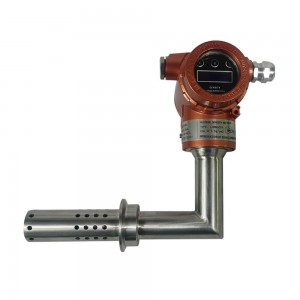
Operating conditions, including temperature, pressure, and CHP concentration, critically shape selectivity and yield in acetone and phenol production. Elevated temperatures accelerate radical initiation, increasing overall conversion rate but potentially lowering selectivity by favoring competitive side reactions. Conversely, moderate pressure and optimal CHP concentration promote phenol and acetone formation while limiting byproduct generation. Process intensification—using precise thermal control—remains an essential part of safe, high-yield phenol and acetone manufacturing, with real-time monitoring via inline density meters, such as those produced by Lonnmeter, providing reliable process feedback throughout the cumene manufacturing process.
Catalysts and Chemical Stability
Catalytic decomposition shapes both the efficiency and safety of the cumene process. Base catalysts such as sodium hydroxide (NaOH) significantly lower the onset decomposition temperature and activation energy of CHP, resulting in faster conversion but also increased risk of runaway reactions. Acidic substances, including sulfuric acid (H₂SO₄), also accelerate decomposition, though by different mechanistic routes, often altering the radical lifetime and affecting the product mix and byproduct prevalence.
The choice of catalyst directly impacts conversion rates, minimization of byproducts, and operational safety. For phenol and acetone production, controlled amounts of NaOH are often preferred in industry, as they effectively catalyze CHP decomposition and facilitate high selectivity towards desired products. However, excessive catalyst can foster uncontrolled chain propagation, raising the risk of thermal runaway and potentially hazardous byproduct formation, such as α-methylstyrene and acetophenone. Safe and consistent catalyst dosing, along with accurate process analytics, is thus paramount in cumene hydroperoxide decomposition.
Safety Management in Decomposition
CHP is thermally unstable and poses significant risk factors during handling and decomposition. These include its potential for rapid exothermic reactions, susceptibility to catalytic runaway, and sensitivity to contamination and local hotspots. Unmanaged, CHP decomposition can lead to pressure buildup, equipment rupture, and hazardous emissions.
Maintaining system stability draws on several key practices. Inline monitoring tools, such as Lonnmeter inline density meters, provide real-time insights into concentration profiles and process thermal state, ensuring timely detection of abnormal conditions. Closed process systems limit exposure and contamination. Careful control of CHP storage temperatures, use of inert atmospheres (like nitrogen), and avoidance of catalyst overdosing reduce the likelihood of runaway reactions. Calorimetric predictive assessments (using adiabatic calorimetry) are widely employed to estimate decomposition onset under process-specific conditions and calibrate emergency procedures.
Process design incorporates separation and venting systems to manage pressure surges, while temperature controllers and interlocks minimize the potential for overheating. Decomposition reactions are typically performed under controlled continuous flow, within reactors designed for rapid heat removal. These measures ensure that thermal decomposition of CHP—essential for acetone and phenol production—remains efficient and safe within the broader cumene process system.

Process Optimization in the Cumene Manufacturing Process
Enhancing Yield and Energy Efficiency
Heat integration is a foundational technique in the cumene manufacturing process for maximizing thermal efficiency. By systematically recovering and reusing thermal energy from high-temperature streams, plants can preheat feeds, reduce external utility consumption, and lower operational expenditures. The most impactful heat integration strategies typically involve the design and optimization of heat exchanger networks (HENs), guided by pinch analysis to align hot and cold composite curves for maximal recoverable heat. For example, aligning reboiler and condenser heat duties within the distillation and preheat sections can realize substantial energy savings and minimize greenhouse gas emissions generated through steam production. Current industrial case studies have reported utility reductions up to 25%, with direct benefits in energy cost and environmental compliance.
Another essential optimization lever is feed recycle. In the cumene process, complete conversion of benzene and propylene is rarely achieved in a single reactor pass. By recycling unreacted benzene and cumene, the process increases effective reactant conversion and utilizes catalyst resources more efficiently. This approach not only lowers raw material losses but also contributes to higher overall plant yield. Effective recycle loop design considers pressure drop minimization, real-time composition monitoring, and precise flow balancing. Improved recycle management also mitigates the risk of catalyst fouling and extends catalyst cycle life, reducing both downtime and catalyst replacement costs.
Exergy analysis tools such as Aspen Plus and MATLAB enable detailed thermodynamic evaluation of each plant section. Studies confirm the largest exergy losses—and thus improvement potential—are in the high-temperature distillation and separation units. Quantitative, simulation-driven targeting of these sections is therefore prioritized when seeking to optimize energy flows and minimize irreversibility across the entire plant.
Reactor and Distillation Column Operation
Optimizing reactor sizing and design is crucial to balance capital costs with operational efficiency. Reactor volume, residence time, and catalyst loading must be tuned to ensure high single-pass conversions without risking excessive pressure drop or overconsumption of utilities. For example, increasing reactor diameter can lower pressure drop but may cause inefficient mixing, while longer reactors improve conversion up to the point of diminishing returns due to reaction equilibrium limits and byproduct formation.
For the downstream distillation column, particularly crude distillation, operational tuning of reflux ratio, feed location, tray spacing, and column pressure enables sharper separation of cumene from unreacted benzene, polyisopropylbenzene, and other co-products. Efficient distillation configuration not only increases cumene recovery but also reduces the burden on reboilers and condensers, translating directly to energy cost reductions. The strategic use of side drawers or split-feed designs can improve separation between close-boiling components such as acetone and cumene, supporting the production of high-purity phenol and acetone required by the phenol and acetone market.
A representative distillation column energy profile is shown below, highlighting energy inflows at the reboiler and outflows at the condenser, with integrated side-heat recovery loops reducing total demand on the primary heating and cooling utilities.
Innovation in Reactor Design
Recent process intensification strategies are reshaping cumene reactor technology. The application of microbubble and miniaturized reactor systems increases interfacial contact between reactants, achieving faster mass transfer and higher selectivity. These unconventional reactor formats can operate at lower residence times while maintaining or surpassing conversion targets, thereby cutting energy input required per unit of product synthesized.
Microbubble reactors offer greater control over temperature spikes and reduce formation of heavy byproducts that can poison catalysts or complicate downstream separation. This improves safety—by minimizing hot spots and pressure surges—and lessens the environmental footprint through reduced emissions, waste heat, and feedstock overconsumption. In addition, miniaturized reactors enable decentralized, modular plant architectures, affordably scaling to match fluctuating market demand for phenol and acetone production.
These innovations are establishing a new benchmark for reactor efficiency and process sustainability in cumene oxidation and hydroperoxide decomposition, optimizing phenol-acetone co-production and meeting increasingly rigorous product purity standards required in acetone purification methods and ketone purification processes.
By deploying these process optimization tactics, manufacturers can achieve a superior balance between energy efficiency, plant throughput, purity targets, and sustainability without compromising on the rigorous safety standards of the cumene process.
Downstream Processing: Phenol and Acetone Separation
Separating phenol and acetone after cumene hydroperoxide decomposition demands a rigorous sequence of distillation and purification steps. Efficient management of energy and product recovery shapes the process design and operational practices in large-scale phenol and acetone production.
Sequence of Product Separation
The downstream section starts with treating the crude reactor output, which contains phenol, acetone, water, α-methylstyrene, cumene, benzene, and other minor by-products. Upon leaving the reactor, the mixture is neutralized and phase separation is conducted if significant water is present.
The first separation focus is acetone removal. Due to acetone’s low boiling point (56 °C), it is typically distilled overhead from the rest of the higher-boiling organic phase. This is achieved in a crude distillation column, where acetone, water, and light impurities go overhead, and phenol with heavier compounds remain as the bottom product. The overhead acetone may still contain water and traces of other light ends, so it may undergo subsequent drying and refining—through azeotropic or extractive distillation if ultra-high purity is required—though conventional distillation suffices in most commercial operations.
The phenol-rich residue is further purified in a sequence of distillation columns. The first removes light ends such as residual acetone, benzene, and dissolved gases. The next phenol column provides the main separation, yielding pure phenol and segregating high-boiling by-products at the column bottom. In most layouts, valuable by-products like α-methylstyrene are also recovered by side-draw or subsequent distillation steps. These columns are operated at calculated pressures and temperature schedules to maximize separation efficiency and minimize product losses.
Distillation Column and Crude Distillation Column Performance
Distillation columns are central to acetone and phenol purification. Their design and operation directly impact the purity, yield, and energy consumption within the cumene manufacturing process.
For acetone removal, the crude distillation column must offer high separation efficiency given the volatility gap between acetone and phenol. Tall columns with efficient trays or high-performance packing are used. Energy integration is crucial; heat from overhead vapor can preheat feeds or be recovered in reboiler circuits, dropping total energy usage as evidenced by process simulation studies reporting 15% reductions in specific energy consumption after implementing heat integration in major plants ([Chemical Engineering Progress, 2022]).
Operational challenges include azeotrope formation, mainly between acetone and water. Although this can complicate complete separation, the relative volatility at industrial scales usually favors conventional rectification. Pressure control is vital to avoid acetone vapor loss and maintain thermodynamic driving forces. Precise temperature management at both top and bottom ensures target compositions are achieved without thermally degrading the products.
Phenol distillation faces its own constraints. Phenol’s higher boiling point and susceptibility to oxidation mean column internals must resist corrosion, often using special alloys. Column pressure is tuned to balance energy cost and minimize decomposition risks. Products prone to thermal polymerization, such as α-methylstyrene, are swiftly removed and cooled to suppress side reactions.
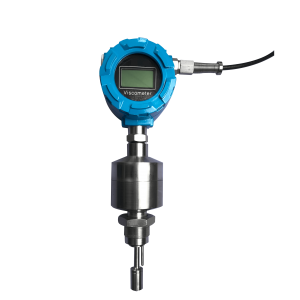
Sophisticated process controls and inline measurement devices—such as Lonnmeter inline density and viscosity meters—are routinely employed to fine-tune column operation, ensuring purity targets and column mass balances are continuously met.

Integration with Hydroperoxide Decomposition and Product Recovery
Seamless integration of decomposition, separation, and purification units is vital for the cumene process. The reaction effluent proceeds directly to downstream separation. Rapid transfer minimizes undesired side-reactions or polymerization.
Each separation step is tightly coupled to the next. Overhead acetone is quickly condensed and collected to prevent volatile losses. Phenol and co-product side streams feed subsequently into their purification steps. Where valuable by-products are recovered, their take-off streams are drawn after detailed phase and composition analysis.
A key priority is avoiding cross-contamination between light ends (acetone/water fraction) and heavier contaminants (unreacted cumene, tars). This is achieved via multiple vapor-liquid equilibrium stages within columns and the use of reflux streams. Piping and vessels are designed to minimize holdup and short-circuiting.
Recovery rates for both acetone and phenol exceed 97% in optimized plants, with losses mostly confined to unavoidable purge streams and trace volatilization. Wastewater generated throughout the process, containing dissolved organics, is kept separate and routed to advanced treatment systems to meet regulatory requirements.
Efficient integration relies on continuous monitoring of key variables: density and viscosity readings from inline meters like those from Lonnmeter verify feed quality and product purity in real-time, enabling feedback control for maximum yield and operational safety.
Efficient process design in phenol-acetone production hinges on robust separation sequences, energy-optimized distillation, close integration of reaction and purification, and continuous inline monitoring, supporting both process economy and product quality.
Advanced Techniques for Acetone Purification
The purification of acetone after phenol-acetone co-production via the cumene process is shaped by strict product quality demands. Selecting the appropriate acetone purification method depends on the final application’s purity requirements, regulatory limits, and the impurity profile created during cumene hydroperoxide decomposition and upstream reactions.
Key Principles in Purification of Acetone
Crude acetone from cumene oxidation contains significant amounts of water, phenol, α-methylstyrene, cumene, acetophenone, carboxylic acids, aldehydes, and other oxygenated organics. Downstream purification targets these impurities for removal. The backbone is staged distillation:
- Initial columns eliminate heavy and high-boiling impurities—primarily phenol, α-methylstyrene, acetophenone, and tar-forming substances—by bottom withdrawal. The middle fraction contains the acetone-water azeotrope, while light ends (like unreacted cumene) can be fractionated overhead in subsequent sections.
Azeotropic distillation is often essential for splitting difficult acetone-water mixtures, using a hydrocarbon entrainer to disrupt the azeotropic composition and boost acetone purity. Where impurities have similar boiling points, extractive distillation—with glycols or tailored solvents—is deployed. Here, the additive modifies relative volatilities, facilitating effective separation of closely related organics and maximizing acetone yield.
Beyond distillation, adsorptive purification steps remove residual phenol and polar compounds. Activated carbon, silica gel, and ion-exchange resins excel in this role between or after column stages. Where acidic organics are present, the process may include neutralization with caustic soda followed by aqueous washing to strip out salts and acids before final distillation.
High-purity acetone (≥99.5 wt% for most industrial or laboratory requirements) frequently undergoes a final “polishing” step combining fine filtration and advanced adsorption to ensure specifications for water (<0.3 wt%), phenol (<10 ppm), heavy aromatics (<100 ppm), and total non-volatiles (<20 ppm) are met. This is vital for electronics or pharmaceutical-grade acetone.
Optimization and Troubleshooting in Distillation
The effectiveness of the acetone distillation process hinges on precise distillation column design and disciplined operation. Fractionating columns are sized and operated to promote strong mass transfer and optimal separation. Several strategies maximize both purity and yield:
- Tall columns with abundant trays or high-efficiency structured packing ensure sharper separation, especially where acetone-water or acetone-cumene boiling points are close.
- Heat integration between reboilers and condensers (e.g., through vapor recompression or heat exchangers) lowers energy consumption and stabilizes temperatures, which supports consistent separation.
- Fine-tuning of reflux ratio and product withdrawal rates, guided by in-line monitoring of density and composition (with tools such as Lonnmeter inline density meters), enables rapid adjustment and precise product targeting, ensuring every batch meets tight purity criteria.
Frequent distillation issues include column flooding, foaming, and residue buildup:
Column flooding occurs if flow rates are too high—liquid carries upwards rather than downwards, sharply reducing separation efficiency. Remedying this requires reducing throughput or adjusting reflux ratios. Foaming results from high vapor velocities or from the presence of surface-active substances (e.g., tars or phenol traces). Anti-foaming agents, careful column profiling, and staged input of process streams can alleviate persistent foaming.
Residue buildup, often seen in the lowest trays or reboiler of the distillation unit, stems from oligomerization products or tar. Periodic withdrawal of bottom product, routine cleaning, and keeping temperature profiles within limits minimize tar formation and ensure column longevity.
When separating azeotropes or managing closely-boiling impurities, conventional trays may be replaced with high-efficiency packing materials. Temperature and pressure profiles along the column are maintained within tight windows. Automated instrumentation—such as continuous inline density measurement—enables operators to quickly identify off-spec product and respond in real time, increasing operational efficiency and yield.
Simplified flowchart illustrating multistage acetone distillation and purification for phenol and acetone production (own drawing based on standard practice)
The combined effect of these advanced acetone purification methods ensures safe handling of upstream by-products from the cumene manufacturing process, reliable compliance with acetone and phenol market standards, and reduced environmental impact.
Implications for Industrial Optimization and Sustainability
In the cumene manufacturing process, tightly linking process design, catalysis, and separation choices to resource efficiency is essential. Integrated process design orchestrates reaction engineering, separation technology, and energy recovery to maximize yield and reduce waste at every stage of phenol-acetone co-production. By deploying advanced catalytic systems, such as robust solid acid catalysts (including zeolites and heteropolyacids), operators achieve higher selectivity in the cumene hydroperoxide decomposition, decreasing by-product formation like α-methylstyrene and acetophenone. This selectivity boost not only improves process yields but also supports sustainability through reduced waste streams.
When choosing hydroperoxide decomposition catalysts, process intensification plays a pivotal role. For instance, hybrid catalytic approaches, which combine features of both homogeneous and heterogeneous catalysis, are gaining traction due to their increased operational flexibility and extended catalyst lifetime. Nevertheless, catalyst design must reconcile high activity and stability against issues like coking and poisoning by impurities, ensuring minimal catalyst turnover and environmental load from spent catalyst disposal. Ongoing catalyst innovations directly influence resource efficiency, curbing raw material losses and minimizing utility demands.
Process design integration, particularly during acetone purification and the acetone distillation process, remains crucial for industrial optimization. Implementation of advanced distillation column designs—such as dividing wall columns—and energy-saving membrane-based separations enable cost-effective, sustainable operations. Dividing wall columns, for example, streamline the crude distillation column operation, resulting in as much as 25% energy savings over traditional multi-column setups, while also freeing up physical plant space. Moreover, sophisticated heat integration strategies, guided by techniques like pinch analysis, have demonstrated steam consumption reductions surpassing 20%, as evidenced in documented phenol and acetone production site upgrades. These measures translate into lower greenhouse gas emissions and diminished dependency on fossil-fuel-derived steam sources.
Water and heat integration further elevate resource efficiency in the cumene oxidation process and subsequent separation steps. Cascade reuse systems and strategically placed quenching zones can reduce wastewater output by up to 40%, tackling both volume and contamination intensity of effluents. This is particularly relevant for compliance with evolving regulatory frameworks in major phenol and acetone markets, where restrictions on effluent discharge and carbon emissions are tightening.
Regulatory and environmental considerations are particularly nuanced in the phenol-acetone co-production context using the cumene process. Stringent controls on hazardous intermediates—like cumene hydroperoxide—mandate precise process control and real-time safety monitoring during high-risk operations. Environmental regulations, especially in North American and European jurisdictions, heighten requirements for effluent treatment, emission controls, and solvent/heat recycling. Compliance strategies are embedded in early-stage process design, often involving process mass intensity metrics and life cycle analysis that directly shape plant layout and technology selection.
Real-time monitoring and process optimization are integral to sustaining efficiency and minimizing unavoidable process losses. Inline density meters and viscosity meters from Lonnmeter, for example, enable continuous, in-situ control of reaction and separation parameters throughout the acetone and phenol production train. By precisely tracking product and by-product concentrations, operators can fine-tune critical variables—such as reflux ratios, cut points in distillation, and catalyst dosing—thereby reducing energy use and curbing the volume of off-spec or waste material.
Utilization of industrial distillation techniques, backed by real-time sensor data, also accelerates troubleshooting and shutdown response in the face of upset conditions. With reduced campaign-to-campaign variability and enhanced batch reproducibility, operators realize direct cost savings, lowered raw material inventories, and fewer environmental violations. As a result, real-time process optimization, catalyzed by accurate inline measurement technologies, remains indispensable for competitive, compliant, and sustainable phenol and acetone production.






Frequently Asked Questions (FAQs)
What is the cumene process and why is it important for phenol-acetone co-production?
The cumene process, also known as the Hock process, is an industrial method for co-producing phenol and acetone in a single integrated sequence. It begins with alkylation, where benzene reacts with propylene to produce cumene using solid acid catalysts such as zeolites or phosphoric acid. The cumene is then oxidized with air to form cumene hydroperoxide. This intermediate undergoes acid-catalyzed cleavage, yielding phenol and acetone in a precise 1:1 molar ratio. This process is significant because it dominates global phenol and acetone production, offering high yield efficiency and resource integration. Around 95% of global phenol is produced through this process as of 2023, underscoring its industrial and economic centrality.
How does cumene hydroperoxide decomposition impact process safety and yield?
Decomposition of cumene hydroperoxide is highly exothermic, releasing significant heat. If not managed meticulously, it can trigger thermal runaway, explosions, or fires—placing strict demands on process design and operational discipline. The careful selection of hydroperoxide decomposition catalysts and tight control of reaction conditions are critical for safe operation. Monitoring temperature and reaction rate ensures that phenol and acetone yields stay maximized while minimizing formation of by-products and safety risks. Industry best practice includes continuous system monitoring, emergency quenching, and robust reactor design to handle exothermicity and contain any pressure surges.
What role does the crude distillation column play in the cumene manufacturing process?
The crude distillation column is a pivotal unit operation after hydroperoxide cleavage. It separates phenol, acetone, unreacted cumene, and minor by-products. Efficient crude distillation column operation boosts product recovery, reduces energy usage, and produces streams that feed directly into later purification steps. The design and operation of the distillation column must account for the close-boiling points of the various constituents, requiring precision in temperature and pressure control. Failures in distillation can result in product losses, contamination, or excessive utility costs.
Why is acetone purification necessary in phenol-acetone production?
Acetone obtained from the cumene process contains a range of impurities: side-reaction products (such as methyl isobutyl ketone, isopropanol), water, and organic acids formed during oxidation and cleavage. Rigorous purification is needed so the acetone meets stringent industrial standards for downstream use in pharmaceuticals, solvents, and plastics. Purification processes, such as tight-fractionation via distillation columns, remove these impurities. Clean acetone also fetches a higher market price, reinforcing the economic rationale for effective purification.
How can process integration and reactor innovations improve the economic and environmental profile of the cumene process?
Process integration harnesses opportunities for heat recovery, recycling of unreacted materials, and streamlining of unit operations to cut energy use. For example, integrating reaction heat export or combining distillation sequences can lessen fuel and utility costs. The adoption of advancements like microbubble reactors has shown to improve mass transfer, enhance oxidation efficiency, and reduce formation of waste by-products. These innovations collectively reduce the environmental footprint by lowering emissions and wastewater generation, while also cutting overall processing costs, making phenol-acetone co-production more sustainable and economically robust.
Post time: Dec-19-2025


