

Neodymium iron boron magnets (NdFeB) are rare-earth permanent magnets that combine neodymium, iron, and boron. They are the most powerful commercial magnets. Their typical energy product (BHmax) ranges from 30 to over 50 MGOe, giving dense magnetic fields even in small volumes. This makes NdFeB magnets critical for applications where size and weight must be minimized without compromising performance.
Infiltration Process in Magnet Fabrication
The infiltration process introduces a selected resin into the interconnected pores within the magnet, typically after sintering and final machining. The goal is to enhance overall material performance by modifying the magnet’s microstructure.
Role of Resin Infiltration
Resin infiltration fills microcracks and internal pores. This action:
- Reinforces mechanical strength and toughness by effectively “binding” and supporting the fragile granular structure.
- Shields sensitive grain boundaries from moisture and aggressive contaminants, improving corrosion resistance without forming a distinct external layer.
- Maintains magnetic properties when using non-magnetic, low-permeability resin systems, so as to minimally affect remanence and coercivity.

Neodymium Iron Boron Magnet
*
Types of Resin Infiltration Treatments
The most prevalent resin systems for NdFeB magnets include epoxy resins, valued for strong chemical resistance, robust adhesion, and process versatility. Silicone resins are chosen for flexibility and thermal endurance; polyurethane resins excel in impact resistance. Hybrid or modified resins, sometimes enhanced with nano-particulates, target multi-property optimization.
The infiltration itself can be performed through vacuum pressure infiltration, which ensures deep resin penetration into even fine cracks and closed pores, or through low-pressure methods when less penetration suffices. These choices are tailored for the magnet’s microstructure and end-use demands.
Effects of Infiltration on Magnet Performance
Resin infiltration produces a marked improvement in mechanical durability. The filled pores and cracks interrupt potential crack propagation paths, boosting flexural strength and fracture toughness. This attenuates the NdFeB magnets’ tendency to chip or fracture under stress, whether mechanical or vibrational.
Corrosion resistance improves sharply. A continuous resin network within the magnet limits penetration of corrosive agents. Accelerated salt-spray and humidity tests show an order-of-magnitude reduction in corrosion rates for infiltrated magnets compared to untreated ones.
Magnetic properties remain largely preserved with careful resin formulation. Well-chosen resins add minimal non-magnetic volume—typically causing less than a 3–5% drop in remanence or coercivity. In some cases, the effect is negligible, as the resin’s low permeability limits any adverse flux leakage or internal demagnetizing effects.
Correct balancing of resin load and infiltration depth ensures improvements to mechanical and corrosive stability with little magnetic trade-off. Overloading or highly conductive fillers may cause noticeable performance reductions, so monitoring processes—such as inline chemical concentration measurement with Lonnmeter chemical concentration meters, or ultrasonic concentration measurement using Lonnmeter ultrasonic concentration meters—can maintain strict control over resin infiltration consistency. These monitoring solutions play a crucial role in chemical concentration analysis in manufacturing and provide precision in inline resin concentration monitoring and magnetic materials infiltration process control.
Resin infiltration, as part of the neodymium magnet manufacturing process, is often preferred for mission-critical, exposed, or high-vibration environments, outperforming surface coatings or platings in internal protection and long-term reliability for components demanding robust resin impregnation techniques for magnets.
Techniques for Resin Infiltration in NdFeB Magnets
Binder jetting and additive manufacturing have transformed neodymium iron boron magnet production. Binder jetting builds complex shapes by selectively applying a liquid binder onto powder beds, allowing intricate geometries not possible through traditional techniques. Following printing, the green body—characterized by inherent porosity—requires post-processing, with resin infiltration emerging as a crucial step in the neodymium magnet manufacturing process.
Resin Infiltration Process Steps
Preparation: Surface Activation and Cleaning
Proper resin infiltration begins with thorough surface preparation. Components are cleaned to remove residual binders, loose powder, and any contaminants. Surface activation, sometimes with plasma or mild etching, increases wettability and enables deeper resin penetration. A clean and activated surface ensures the resin fully infiltrates and adheres, maximizing the benefits of subsequent resin infiltration treatment for magnets.
Infiltration: Resin Types Utilized
Two principal classes of resins are employed in the resin impregnation techniques for magnets—thermosetting and thermoplastic.
- Thermosetting Resins: Epoxy and phenolic systems dominate due to their low viscosity and strong adhesion. Modified formulations, often containing nanoparticles like SiC or BN, improve thermal and mechanical stability. Low-viscosity grades (typically 50–250 mPa·s) are favored for their ability to permeate the fine pore structure left after binder jetting.
- Thermoplastic Resins: Less common, but used when flexible or reworkable infiltration support is desired.
Vacuum-assisted infiltration is the standard approach. The magnet is placed in a resin bath under vacuum to evacuate trapped gases, then exposed to atmospheric or elevated pressure to drive resin into the pores. Sequential infiltration cycles, sometimes up to 24 hours, may be applied for highly porous structures.
Curing: Conditions and Effects
Curing transforms the infiltrated resin from liquid to solid, locking in mechanical and protective benefits. Curing protocols are tailored to the resin system:
- Multi-step, low-temperature cures are preferred, as they reduce internal stress and maximize final part density.
- Extended periods at lower temperatures can limit thermal gradients, preserving coercivity and remanence.
Precise control of curing temperature and time safeguards against incomplete crosslinking or excessive thermal expansion, both of which could reduce the final magnetic material performance. This stage is especially impactful when integrating functional additives designed for thermal management or corrosion resistance.
Common Challenges in Resin Infiltration
Three challenges consistently shape the effectiveness of the magnetic materials infiltration process:
- Uniformity: Achieving consistent resin distribution throughout complex geometries is difficult. Regions with dense packing or occluded channels may remain insufficiently infiltrated, impacting overall strength and corrosion protection.
- Depth Control: Resins must reach deep, interconnected pores without blocking surface areas prematurely. Factors like resin viscosity, temperature, and vacuum/pressure profile all affect penetration depth.
- Consistency Across Batches: Batch-to-batch variability is a primary concern. Fluctuations in powder packing, binder residue, or infiltration conditions can alter density, mechanical robustness, or magnetic properties. Maintaining strict process controls and monitoring—such as inline resin concentration monitoring using tools like a Lonnmeter chemical concentration meter or a Lonnmeter ultrasonic concentration meter—is vital for repeatable results.
Resin infiltration benefits for magnets include improved mechanical strength, corrosion resistance, and tailored performance. However, excessive resin absorption may reduce magnetic volume fraction and compromise thermal expansion matching, especially under cyclic loads. Monitoring and optimizing the chemical concentration analysis in manufacturing, often with inline chemical concentration measurement or ultrasonic sensor for concentration measurement, ensures the process consistently enhances the magnet’s properties without unintended trade-offs.

The Importance of Inline Concentration Measurement During Infiltration
Accurate resin concentration is essential during the resin infiltration process for neodymium iron boron magnets. The mechanical properties and corrosion resistance of NdFeB magnets rely on a balanced infiltration that protects grain boundaries, fills microvoids, and prevents structural heterogeneity. For optimal resin infiltration benefits, concentration must allow adequate resin penetration without saturating the matrix and reducing the magnet’s strength. Studies show that an optimal range, typically 20–25 wt.% resin, results in substantial gains—such as a 30–50% increase in compressive and flexural strengths, and up to 60% improvement in fracture toughness compared to untreated magnets. Excessive resin leads to local weakening due to modulus mismatch, while insufficient resin leaves voids and cracks vulnerable to degradation.
Inline Measurement vs. Traditional Sampling
Inline chemical concentration measurement technologies, including ultrasonic concentration measurement and inline resin concentration monitoring, deliver critical improvements over manual sampling. Lonnmeter chemical concentration meters and Lonnmeter ultrasonic concentration meters are designed for real-time inline resin concentration monitoring in the neodymium magnet manufacturing process. Inline measurement offers:
- Improved Process Consistency: Inline monitoring maintains continuous control of resin concentration, minimizing batch variability and ensuring every magnet is treated with optimal levels. Uniform chemical concentration analysis in manufacturing directly correlates to consistent infiltration quality and predictable mechanical properties.
- Reduced Waste: Inline systems provide immediate feedback for operators, preventing overuse or underuse of resin. This lowers consumption, reduces scrap, and curtails costly post-processing corrections.
- Early Defect Detection: Real-time data enables rapid correction of deviations caused by fluctuating resin supply, blocked flow channels, or sensor drift. This prevents production of magnets with insufficient infiltration, decreasing quality failures and costly rework.
In contrast, traditional sampling—based on periodic manual collection and laboratory analysis—demands halt or slowdowns in the resin impregnation techniques for magnets. Manual sampling cannot capture rapid concentration changes, posing a risk of undetected batch-to-batch inconsistency. Delays between sampling and actionable results can allow defects to propagate across many magnets before intervention is possible.
Challenges in Measurement
Precision in inline resin concentration monitoring faces several technical hurdles:
- Variability in Resin Viscosity: Resin concentration affects its viscosity; higher concentrations increase resistance to flow, potentially blocking penetration into fine pores. Monitoring instruments must adapt to real-time viscosity changes, ensuring reliable readings during the infiltration process.
- Flow Rate Fluctuations: The magnetic materials infiltration process can experience sudden changes in flow rates due to pump dynamics, filter clogging, or adjustments in process parameters. If measurement tools are insensitive to flow, readings can drift, causing improper chemical concentration analysis in manufacturing.
- Environmental Factors: Temperature, humidity, and contamination from process residues can alter the accuracy of ultrasonic sensor for concentration measurement. Robust inline chemical concentration measurement systems must compensate for these shifting environmental conditions to remain accurate.
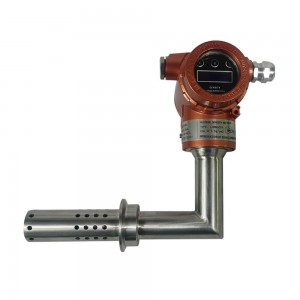
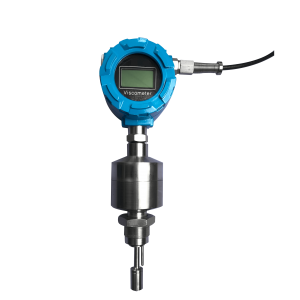
These challenges highlight the need for specialized instrumentation, such as Lonnmeter inline density meters and viscosity meters, built for the demanding requirements of resin infiltration treatment for magnets. By directly integrating real-time measurement tools into the infiltration stage, manufacturers of neodymium iron boron magnets can confidently implement high-precision resin impregnation techniques, assure product quality, and fully realize the mechanical and durability benefits of optimized infiltration.
Advanced Inline Concentration Measurement Solutions
Chemical Concentration Measurement with Lonnmeter
Lonnmeter chemical concentration meters deliver precise, real-time measurement of chemical concentration in resin infiltration processes for neodymium iron boron magnets. The principle of operation relies on two main methods: refractometric and conductometric.
Refractometric Measurement Principle:
The Lonnmeter refractometric meter determines concentration by detecting changes in the refractive index of the resin solution. The refractive index (n) is influenced by dissolved chemical components. Variations in concentration are detected as subtle changes in how light passes through the solution. Calibration curves, specific for each resin or infiltration chemical, relate measured refractive index to concentration levels. This method is non-destructive and unaffected by solution color or turbidity — an advantage over photometric approaches. For example, distinguishing a 0.01% change in acid concentration during resin impregnation treatment for magnets improves consistency and helps maintain product quality.
Conductometric Measurement Principle:
Conductometric Lonnmeters measure the solution’s electrical conductivity, which increases proportionally with the ionic concentration present. The meter uses electrodes to apply a small voltage, measuring resistance across the solution. Conductivity, given by κ = l/(R·A), varies as dissolved salts and ions change. This is especially beneficial for resin infiltration processes involving ionic species, since process deviations can be detected instantly.
Advantages for Real-Time Process Control and Documentation:
- Immediate measurement results enable operators to adjust the infiltration process before deviations impact magnet quality.
- Temperature compensation is automatic, ensuring concentration readings reflect true chemical levels, not temperature artifacts.
- Measurement data can be logged continuously for traceable documentation, streamlining regulatory compliance in magnetic materials infiltration.
- Minimal sample handling reduces human error and risk of contamination.
- Example: Continuous monitoring of resin infiltration treatment for magnets using Lonnmeter prevents under- or over-infiltration, both of which affect finished magnet properties.
Ultrasonic Concentration Measurement
Lonnmeter ultrasonic concentration meters are designed for inline resin concentration monitoring, especially suited to neodymium magnet manufacturing processes and resin impregnation techniques for magnets. Their operation leverages ultrasonic sensor technology, which analyzes the speed and attenuation of sound waves as they pass through the resin solution.
How the Lonnmeter Ultrasonic Concentration Meter Works:
- The meter transmits high-frequency sound waves through the resin solution.
- Variations in solution concentration alter both the speed and absorption of these waves.
- The sensor system interprets these changes to calculate precise chemical concentration values in real time.
Benefits:
- Non-Invasive Monitoring: Ultrasonic sensors operate without coming into direct contact with the process fluid. This approach eliminates contamination risks that can occur with invasive probes.
- High Precision: Ultrasonic meters demonstrate repeatability, with measurement error typically under 0.05% for standard resin solutions. Their sensitivity allows tuning of infiltration process for optimal resin distribution within magnets.
- Rapid Data Acquisition: With response times in milliseconds, ultrasonic sensors are ideal for continuous production environments, supporting precise chemical concentration analysis in manufacturing.
- Low Maintenance: Because the sensors make no contact with aggressive chemicals, there is minimal wear, leading to infrequent calibration and cleaning schedules.
Example Application:
Inline ultrasonic concentration measurement allows resin distribution to be fine-tuned during the infiltration of neodymium iron boron magnets, improving their performance and extending operational lifetime.
Integration with Automated Infiltration Systems
Lonnmeter meters are configured for seamless integration into automated infiltration systems in neodymium magnet manufacturing processes. Real-time feedback allows precise control of chemical dosing and infiltration rates.
- As resin concentration measurements are relayed instantly to process controllers, adjustments can be made automatically to maintain ideal process conditions.
- This integration minimizes manual operation, reduces variability, and ensures consistent resin infiltration benefits for magnets.
- Automated systems can store all measurement data for process verification, regulatory audits, and product quality validation.
Example:
During resin infiltration treatment, inline data from the Lonnmeter chemical concentration meter allows the controller to respond immediately to fluctuations, adjusting resin delivery to keep properties within specified thresholds. This ensures optimal impregnation for every batch, supporting advanced magnetic materials infiltration process standards.
Best Practices for Inline Resin Concentration Management
Precision in resin infiltration treatment for magnets, such as in the neodymium magnet manufacturing process, hinges on rigorous inline chemical concentration measurement protocols. Robust calibration, effective fouling prevention, and comprehensive data management are critical to ensuring accurate, traceable, and continuously adaptive inline resin concentration monitoring.
Calibration and Validation of Measurement Systems
Calibration begins with the use of certified standard resin solutions at various known concentrations. The Lonnmeter chemical concentration meter, including the ultrasonic concentration meter, requires setting baseline references by mapping the output readings to these known concentrations.
Each calibration run should include repeated measurements of reference standards to build a reliable sensor response curve, using statistical analysis for repeatability and error margin estimation.
During the resin infiltration process, especially in magnetic materials infiltration, sensor operational parameters—such as acoustic frequency and detection range on ultrasonic sensor for concentration measurement—must be precisely adjusted. Initial calibration should be followed by scheduled recalibration intervals throughout magnet production. This maintains measurement accuracy, compensating for potential sensor drift caused by temperature changes, resin property fluctuations, or equipment aging.
Validation involves applying experimental controls where sensor readings on infiltrating resin are periodically compared with offline laboratory chemical concentration analysis in manufacturing.
Trend discrepancies between inline versus offline methods trigger calibration review and possible sensor adjustment, ensuring the infiltration process delivers target resin concentration levels for optimal magnet quality.
Preventing Sensor Fouling and Ensuring Continuous Accuracy
Sensor fouling—buildup of resin or process contaminants on measurement surfaces—directly threatens accuracy during resin impregnation techniques for magnets.
Adopt anti-fouling protocols, leveraging physical barriers such as engineered coatings or regular mechanical wipers for the Lonnmeter density and viscosity meters.
Routine cleaning protocols should be enforced at set intervals, determined by historical sensor drift trends and manufacturing throughput.
Record fouling events and cleaning interventions in maintenance logs. Investigate persistent fouling with advanced surface engineering, optimizing the sensor’s physical properties to withstand aggressive resin environments.
Monitor baseline readings for unexplained signal changes, which may indicate partial fouling. Immediate action should be taken to clean or recalibrate the system, with minimal process interruption to safeguard continuous accuracy in inline resin concentration measurement.
Data Logging, Trend Analysis, and Adaptive Process Control
Implement extensive data logging for every inline resin concentration measurement cycle. Lonnmeter meters should provide timestamped viscosity and density data, crucial for tracking batch consistency.
Archive sensor outputs, calibration events, and cleaning interventions alongside operating conditions (resin type, flow rate, temperature) for comprehensive traceability.
Conduct regular trend analysis on logged data. Identify gradual drifts in concentration or sudden deviations that may signal process anomalies, sensor fouling, or calibration lapses.
Visualization of real‐time trends enables adaptive process control: operators can promptly adjust resin flow, infiltration rate, or meter calibration to reset process parameters.
Maintaining detailed records supports regulatory compliance and continuous process improvement in neodymium iron boron magnets production.
Leveraging robust calibration routines, strict antifouling protocols, and vigilant data management ensures that inline resin concentration monitoring delivers high-confidence, actionable data throughout the resin infiltration process for magnets.

Microstructure During Hydrogenation
*
Optimization Strategies for Resin Infiltration Treatment
Optimizing the resin infiltration process for neodymium iron boron magnets begins with precise, real-time control of resin concentration. Inline chemical concentration measurement, enabled by instruments such as the Lonnmeter chemical concentration meter and the Lonnmeter ultrasonic concentration meter, provides continuous data on resin content during both mixing and infiltration stages. These measurement tools allow manufacturers to adjust resin formulation instantly, responding to any detected variations in concentration or viscosity. For instance, if the Lonnmeter inline resin concentration monitoring system detects a drop in resin density, operators can increase the base resin proportion to maintain target performance properties for the infiltration process.
Adaptive feedback loops are central to maintaining optimal infiltration depth. Process controllers use real-time readings from ultrasonic sensor for concentration measurement and density sensors to dynamically steer the resin impregnation techniques for magnets. As resin penetrates the magnet’s microstructure, continuous feedback ensures infiltration remains within specification, compensating for variables such as changing pore structures or ambient conditions. For complex NdFeB geometries, accurate chemical concentration analysis in manufacturing prevents either under-infiltration, leading to exposed regions, or over-infiltration, which could impact mechanical performance.
Minimizing error sources requires rigorous process control. Temperature fluctuations can distort resin viscosity, causing inconsistent flow and penetration. Utilizing Lonnmeter’s inline density and viscosity meters lets operators integrate temperature compensation, ensuring that readings are normalized and resin properties are consistent regardless of external heat sources. The elimination of trapped air bubbles is equally crucial; bubbles disrupt capillary flow and may block resin from reaching certain regions inside the magnetic material. Inline monitoring systems can flag pressure anomalies or sudden changes in measurement patterns, indicating the presence of air and prompting interventions such as degassing or pressure adjustments.
Homogeneous resin mixing is also necessary for reliable infiltration results. Non-uniform resin mixtures can contain pockets of low or high concentration, leading to uneven magnetic protection or mechanical strength. Inline resin concentration monitoring, powered by Lonnmeter, ensures that the resin remains consistently blended prior to and during infiltration, with automated alerts for deviations outside set tolerances.
Precision concentration control directly supports both magnetic integrity and manufacturing yield. For neodymium iron boron magnets with intricate geometries—such as multi-segmented rotors or deeply slotted components—adaptive resin control keeps infiltration depths uniform, reducing scrap rates and enhancing corrosion resistance. Employing Lonnmeter’s advanced inline and ultrasonic measurement devices as a core part of the magnetic materials infiltration process ensures that neodymium magnet manufacturing meets stringent performance requirements without unnecessary material waste or post-process corrections.
Maximizing Magnet Performance and Longevity
In NdFeB magnet manufacturing, controlling infiltration parameters and chemical concentrations directly influences the material’s magnetic, mechanical, and corrosion-resistant properties. Inline resin concentration monitoring—especially via ultrasonic chemical concentration measurement with instruments like Lonnmeter meters—enables precise control over resin infiltration treatment for magnets, supporting the optimization of performance and durability.
Correlation Between Infiltration Parameters, Measured Concentrations, and Performance
The resin infiltration process penetrates grain boundaries and fills micro-cracks within NdFeB magnets, improving overall structural integrity. When resin concentration is precisely managed—using inline chemical concentration analysis on the production line—manufacturers achieve a uniform distribution of the resin. This uniformity ensures effective grain boundary coverage, minimizing weak points that can lead to brittleness or early failure.
Measured chemical concentrations determine the aggressiveness and penetration depth of the resin. For example, under-infiltration leads to incomplete coverage, resulting in persistent micro-cracks and poor mechanical properties. Over-infiltration, by contrast, can reduce intrinsic magnetic performance due to excessive non-magnetic phases introduced. Inline density meters and ultrasonic sensor for concentration measurement, such as those manufactured by Lonnmeter, provide real-time data, enabling adjustments and reducing process drift.
Enhanced Mechanical Strength and Toughness
The mechanical strength of neodymium iron boron magnets is historically compromised by extreme brittleness. Controlled resin infiltration, verified via inline resin concentration monitoring, leads to thinner, more resilient intergranular structures. High-speed imaging during dynamic compressive tests demonstrates that properly infiltrated magnets withstand greater loads and show slower crack propagation compared to non-treated or unevenly treated samples. These improvements are directly related to the integrity and chemistry of resin distributed throughout the grain boundaries.
Compared to magnets manufactured without careful resin impregnation techniques, those treated using optimally monitored resin infiltration processes exhibit up to 30% higher peak compressive stress, especially under dynamic loads. Uniform chemical concentration ensures that each part of the magnet receives sufficient reinforcement without sacrificing overall magnet stability.
Corrosion Resistance Optimization
Neodymium magnet manufacturing requires solutions to corrosion susceptibility, especially for automotive and electronic uses. Resin infiltration benefits for magnets include formation of a protective barrier, preventing aggressive agents—such as moisture or salts—from reaching vulnerable internal structures. Experimental simulation of harsh environments demonstrates a direct relation: magnets with carefully optimized resin infiltration show significantly reduced corrosion rates and preserve original magnetic strength over longer operational periods.
The infiltration parameters—documented by inline ultrasonic concentration meters—are essential in verifying that the resin fully coats and protects exposed grain boundaries. If the resin concentration falls below set thresholds during production, process alarms warn operators before defects or weak batches occur.
Magnetic Properties Preservation
Achieving strong magnetic performance (high coercivity and remanence) demands attention to the balance between resin content and overall phase distribution. Exact chemical concentration analysis in manufacturing—monitored by Lonnmeter inline measurement instruments—ensures that infiltration treatment strengthens grain boundaries without excessively diluting the magnetic phase. For example, integrating 0.64 wt% of a rare earth element via grain boundary diffusion leads to a coercivity increase from 16.66 kOe to 23.78 kOe—a gain closely correlated to optimal infiltration and phase control.
Regular inline monitoring of resin concentration not only maintains batch consistency but also maximizes the end performance of NdFeB magnets in high-demand applications.
Process Quality Stabilization With Lonnmeter Instruments
Automated, continuous measurement using Lonnmeter chemical concentration meter or Lonnmeter ultrasonic concentration meter ensures the resin infiltration process remains stable throughout mass production—directly reducing rework rates. Process deviations are rapidly detected and corrected, limiting the risk of out-of-spec magnets and wasted material. This real-time inline approach reduces the need for destructive offline testing, shortens feedback loops, and stabilizes product quality over time.
Manufacturers employing these inline monitoring technologies see fewer mechanical faults, better corrosion protection, and consistently high magnetic properties. The result is longer-lived, more reliable neodymium iron boron magnets ideal for demanding automotive, electronic, and energy-sector uses.
By ensuring the resin infiltration process for magnets is tightly controlled with inline concentration measurement, producers can confidently deliver advanced magnetic materials with exceptional longevity and performance.






FAQs
What benefit does resin infiltration bring to neodymium iron boron magnets?
Resin infiltration enhances the durability and lifespan of neodymium iron boron magnets by forming a protective barrier against moisture and corrosive agents. The magnet’s complex grain boundaries are vulnerable to galvanic corrosion, which causes rapid degradation and surface pitting. Resin coatings—such as epoxy resin or parylene—limit direct contact with atmospheric moisture, significantly reducing corrosion rates and inhibiting structural failure. Uniform infiltration also increases resistance to mechanical stresses encountered during assembly and operational use. Notably, resin infiltration preserves the magnetic properties by preventing loss in remanence and coercivity, enabling magnets to maintain consistent magnetic output suitable for precision applications.
How does inline concentration measurement improve the infiltration process?
Precise inline chemical concentration measurement ensures that resin infiltration occurs under controlled and repeatable conditions. Continuous monitoring enables adjustment of resin properties in real time, supporting consistent infiltration depth and homogeneous coverage throughout each magnet batch. This precision prevents under- or over-infiltration, minimizing product defects such as incomplete sealing or uneven mechanical protection. Inline measurement is essential for maintaining quality in high-volume or automated manufacturing environments, ensuring that every magnet meets stringent durability and performance standards.
What distinguishes the Lonnmeter chemical concentration meter from other solutions?
Lonnmeter’s chemical concentration meter delivers real-time readings and immediate feedback during the resin infiltration process. Unlike offline sampling, this inline analyzer continually monitors the process and facilitates automated adjustment of resin dosage and properties. Its robust design ensures accuracy in complex and large-scale production settings, making it suitable for industrial workflows demanding high throughput and tight quality control. Lonnmeter meters are optimized for the continuous chemical concentration analysis required in neodymium magnet manufacturing, featuring high-resolution sensors and rapid response times needed for effective resin impregnation techniques for magnets.
Can ultrasonic concentration meters track changes during resin infiltration?
Lonnmeter ultrasonic concentration meters offer non-invasive, high-speed tracking of resin concentration levels during infiltration. These ultrasonic sensors detect minute shifts in chemical composition without interrupting the production flow. They provide continuous measurement with rapid feedback, critical for ensuring process reliability and avoiding batch variability. The ultrasonic approach is ideal for situations requiring frequent, accurate chemical concentration analysis, particularly where resin properties must remain stable throughout the magnetic materials infiltration process.
Why is resin homogeneous mixing important in infiltration treatment?
Consistent and homogeneous resin mixing is crucial for effective resin infiltration treatment for magnets. Uniformly mixed resin ensures that every portion of the magnet is equally protected, eliminating localized weak spots that could become points of corrosion or mechanical failure. Proper mixing also supports desired functional properties, such as consistent insulation and mechanical stability across the entire batch. This is especially important for neodymium iron boron magnets used in applications demanding close tolerances and high reliability, as uneven resin distribution can compromise both corrosion resistance and operational performance.
Post time: Dec-08-2025


