

Introduction: The Role of Methanol in Coalbed Methane Extraction
Coalbed methane (CBM) extraction represents a pivotal shift toward cleaner energy sources, with methane gas sourced directly from coal seams. CBM stands out for its lower emissions profile compared to traditional fossil fuels, making it central to efforts in sustainable energy production. As industrial stakeholders intensify their focus on CBM, streamlined extraction processes and robust CBM well produced water management have become essential.
The CBM extraction process faces persistent challenges stemming from water produced during gas recovery. This water is rich in dissolved minerals and organic compounds, and under specific high-pressure, low-temperature conditions encountered in wellbores and gathering pipelines, it fosters the formation of gas hydrates. Methane hydrates obstruct essential flow lines, reducing operational efficiency and risking equipment integrity. Methanol, introduced as a thermodynamic hydrate inhibitor, plays a crucial role by altering the chemical equilibrium and suppressing hydrate nucleation, especially during colder periods or deep mining where temperature conditions favor hydrate growth.

Coalbed Methane
*
Methanol dosage control in CBM extraction demands careful management. Under-dosing can permit hydrates to form, while overdosing escalates operational cost and environmental impact. Monitoring the methanol density in production water is critical: it supports efficient methanol use, limits losses, and assures continuous flow assurance within the CBM infrastructure. Precise methanol density measurement techniques—such as in-situ methanol density measurement using advanced analyzers and calibrated density meters like those produced by Lonnmeter—enable real-time data collection within pipelines and wellheads, ensuring quick operational adjustments. This allows field operators to optimize methanol inputs according to current production conditions, streamlining CBM water management solutions and minimizing both safety risks and corrosion damage.
In addition to promoting extraction efficiency, accurate methanol density monitoring methods safeguard against the adverse effects of excessive methanol in produced water streams, such as environmental toxicity and compliance failures. Calibration of methanol density meters is therefore not merely a technical step but a foundational aspect for CBM well produced water management and coalbed methane production water treatment. In summary, the comprehensive role of methanol in CBM extraction hinges on continuous, reliable density data to align operational safety, hydrate prevention, and environmental stewardship.
Fundamentals of Coalbed Methane Production and Produced Water
Overview of Coalbed Methane Extraction
Coalbed methane (CBM) extraction targets methane gas adsorbed onto the internal surfaces of coal seams. Unlike free gas in conventional reservoirs, CBM is held within the coal matrix via physical and chemical adsorption. Production starts by reducing hydrostatic pressure, commonly achieved through pumping out formation water—known as dewatering. Lowering the pressure rebalances the adsorption equilibrium, prompting methane desorption from coal surfaces.
Desorption proceeds in stages: methane molecules migrate from internal coal surfaces through networks of micro- and macro-pores, fractures, and natural cleats. The coal matrix stores methane due to its immense internal surface area and generally low permeability. Extraction continues as water removal further decreases pressure, gradually enhancing methane release.
Field evidence shows that methane productivity depends on several factors: initial seam gas content, coal rank (sub-bituminous and bituminous seams often yield more gas), permeability evolution, and coal composition. Laboratory tracer studies can separate contributions from free and adsorbed methane pools, aiding reservoir management. Advanced nanopore imaging reveals how gas binding energies and desorption kinetics vary across different coal ranks.
Recent dual-porosity models capture gas migration pathways: methane moves from microporous coal into interconnected fractures, which serve as the primary flow conduits to production wells. Hydro-mechanical modeling demonstrates that sorption-induced strain—swelling or shrinking caused by adsorption or desorption—directly impacts permeability, influencing extraction rates.
Water removal not only enables gas desorption but causes capillary pressure changes, altering gas flow regimes. The complex multiphase environment (water, methane, occasionally CO₂) demands precise CBM well produced water management, as water chemistry itself can accelerate or retard methane release depending on ionic and organic content. Diffusion through the coal matrix controls the rate-limiting steps, shifting from surface desorption to molecular diffusion mechanisms in ultra-low permeability seams.
A typical CBM well’s produced water exhibits distinct chemical characteristics. It often includes moderate to high total dissolved solids (TDS), a range of ions (Na⁺, K⁺, Cl⁻, HCO₃⁻), and sometimes organic contaminants. Water volumes and composition vary by coal rank and formation geology, directly impacting downstream CBM production water treatment requirements.
Significance of Methanol Usage in CBM Processes
Methanol is integral to CBM workflows as a hydrate inhibitor and antifreeze agent. Produced water, often saturated with methane, poses risk of hydrate formation under pressure and temperature swings, leading to blockages in wellheads, pipelines, and surface equipment. Methanol lowers hydrate formation temperatures, ensuring unobstructed flow across variable operational conditions.
Methanol’s antifreeze role is equally critical; CBM wells commonly operate in environments where produced water can freeze, fracturing equipment or halting production. Accurate methanol dosage control in CBM extraction safeguards system integrity. Overdosing wastes resources and complicates downstream water management, while underdosing elevates risk of hydrate plugs or ice formation.
Effective CBM water management solutions depend on reliable in-situ methanol density measurement. Knowing the real-time methanol concentration in produced water helps optimize inhibitor application, minimize chemical costs, and comply with environmental regulations. Inline density meters—such as those manufactured by Lonnmeter—provide continuous, direct methanol density monitoring methods, supporting precise dosage and process safety.
Operational adherence requires rigorous methanol density meter calibration. Regular calibration ensures measurement accuracy, supports traceability, and maintains regulatory compliance. Density measurement techniques range from vibrating element sensors to ultrasonic analyzers and have become standard tools in modern CBM extraction workflows.
In summary, the use of methanol as an inhibitor and antifreeze is an inseparable element in coalbed methane extraction, directly linking produced water characteristics with dosage protocols, system reliability, and measurement instrumentation such as inline density meters.
Challenges in Methanol Management in CBM Well-Produced Water
Methanol Dosage Control and Operational Complexity
Methanol dosage control in coalbed methane (CBM) well-produced water is fraught with challenges that impact both operation and safety. Optimal methanol concentrations can be difficult to achieve due to fluctuations in water flow and temperature within CBM production systems. These variables affect both the composition of the produced water and the rate at which methanol should be injected to inhibit hydrate formation and corrosion.
Operators contend with sudden changes in flow rates, stemming from shifts in reservoir pressure or intermittent equipment operation. When water flow increases, hydrate formation risk escalates unless methanol injection is rapidly adjusted. Conversely, unexpected drops in flow reduce the required dosage, but without real-time feedback, operators risk over-injecting methanol, leading to waste and unnecessary costs.
Temperature variations, both seasonal and operational, further complicate dosing strategy. Lower ambient and underground temperatures increase hydrate formation risk, demanding higher methanol concentrations. Failing to monitor and adapt dosing in response to these fluctuations can precipitate serious incidents, such as wellhead and pipeline blockages or corrosion events.
Under-dosing methanol exposes infrastructure to hydrate blockages and accelerated corrosion, potentially interrupting gas flow and causing costly downtime. Over-dosing not only wastes chemical resources and increases operational expenses, but it also heightens environmental and safety concerns. Excess methanol in produced water can contribute to aquifer contamination, increased fire risk onsite, and more stringent regulatory scrutiny for CBM operators. Regulatory agencies strictly enforce methanol handling protocols because of its toxicity, flammability, and environmental persistence.
Issues with Traditional Methanol Density Measurement Techniques
Traditional methanol density measurement in CBM well-produced water is typically performed by grab-sampling and subsequent off-site laboratory analysis. This manual approach introduces operational delays, which are incompatible with the dynamic nature of CBM extraction, where flow and temperature conditions change frequently. Waiting on lab results prevents immediate correction of methanol dosing and increases risk for both operational errors and regulatory violations.
Manual density estimation—using periodic samples and conversion charts—is subject to human error and lag time, producing inaccurate readings that misguide methanol injection rates. These methods rely on averages or spot measurements, which may not reflect real-time changes in water composition or environmental conditions. Errors in density estimation can lead directly to dosing errors, amplifying economic, environmental, and safety risks.
The limitations of grab-sampling and manual analysis underscore the need for robust, real-time, and in-situ measurement technologies. Effective methanol density monitoring should operate continuously, adapting to rapidly changing system dynamics. Systems relying on intermittent sampling leave operators blind to minute-by-minute changes, inhibiting their ability to control dosage accurately in line with CBM water management best practices.
Modern solutions, such as the Lonnmeter inline density meters, focus solely on hardware for real-time methanol density measurement—excluding peripheral software or system integration features. These density analyzers and meters offer continuous, in-situ readings directly in the flow line, dramatically reducing latency and eliminating the inaccuracies endemic to manual techniques. Calibrated specifically for the composition ranges expected in CBM wells, these devices improve both dosing control and compliance, offering a technical solution tailored to the operational realities of coalbed methane extraction and production water treatment.

In-situ Methanol Density Measurement: Principles and Technologies
Core Principles of Methanol Density Monitoring
Methanol density measurement in coalbed methane (CBM) well-produced water exploits the distinct physical properties of methanol and water. Methanol is less dense than water—approximately 0.7918 g/cm³ at 20°C compared to water’s 0.9982 g/cm³ at the same temperature. When methanol is injected as an antifreeze or hydrate inhibitor in CBM extraction, its concentration in produced water can be inferred from the change in density against pure water references.
Density readings are influenced by the specific characteristics of CBM produced water. High levels of total dissolved solids (TDS), organic matter, and trace hydrocarbons often complicate straightforward measurements. For example, salt presence increases water density, while residual methanol lowers the overall density. Accurate methanol quantification thus requires correcting for baseline density changes due to dissolved salts and organics.
Technologies for In-situ Methanol Density Measurement
Real-time in-situ methanol density monitoring in CBM water systems leverages several instrument types:
Vibrating Tube Densitometers:
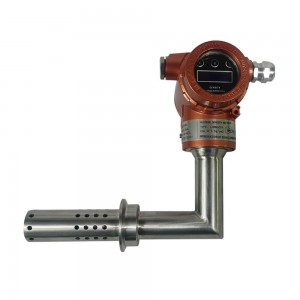
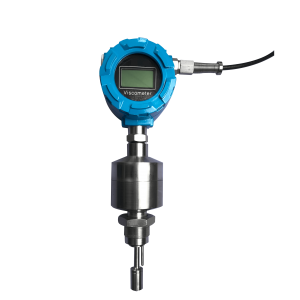
These inline devices, such as those from Lonnmeter, utilize a vibrating U-tube. The oscillation frequency changes based on the mass of fluid inside the tube—the denser the fluid, the slower the vibration. This principle yields rapid, precise measurements suited for continuous monitoring of methanol density in produced water streams. Temperature and pressure sensors are often integrated for real-time correction.
Ultrasonic Density Meters:
Ultrasonic meters determine fluid density through the propagation speed of ultrasonic waves in the medium. As methanol alters the compressibility and thus the acoustic velocity in water, ultrasonic sensors can provide robust, non-intrusive density readings, even in high-salinity CBM waters. These instruments are less affected by suspended solids and allow in-line installation.
Optical Density Sensors:
Optical techniques measure density indirectly by monitoring refractive index shifts as methanol concentration changes. In produced water, this method is affected by turbidity and color contaminants but delivers rapid results in clean or filtered process streams. Calibration is needed for traceable methanol quantification, especially in matrix-rich samples.
Each technology provides real-time insights for methanol dosage control in CBM extraction. Vibrating tube meters excel in accuracy and speed; ultrasonic meters handle heavy contamination and salinity better; optical sensors offer fast readings but require clear process water.
Sample calibration curves and error graphs are essential for understanding instrument behavior under varying CBM water conditions. For example, vibrating tube meters typically offer ±0.001 g/cm³ accuracy, while ultrasonic meters’ performance may vary with ionic strength and temperature.
Selection Criteria for Methanol Density Meters in CBM Applications
Selecting the right methanol density meter for CBM well produced water management requires careful consideration:
- Measurement Accuracy: The meter must reliably differentiate small methanol concentration changes amid complex water matrices. Higher accuracy translates to better process optimization and regulatory compliance.
- Response Time: Rapid sensor response enables real-time adjustment of methanol dosing in CBM extraction, minimizing hydrate formation risks.
- Chemical Compatibility: Instruments must resist corrosion by methanol, dissolved salts, and potential trace organics in produced water. Wetted materials should be inert to both base water and methanol.
- Maintenance Requirements: Devices should support easy cleaning and minimal downtime. Lonnmeter’s vibrating tube meters feature self-cleaning mechanisms and robust construction for extended field deployment.
- Integration with Automation Systems: Seamless connectivity with plant control systems enhances data capture and process control. Inline meters often supply outputs compatible with industrial automation protocols, facilitating automated methanol dosage control.
Calibration protocols are crucial, especially in environments with fluctuating temperature, pressure, or salinity. Methanol density meter calibration should use field water samples or matrix-matched standards to ensure reliable results across operational cycles. The chosen methanol density analyzer must align with CBM water management solutions, supporting both routine operations and regulatory reporting.
A detailed chart—such as a comparative matrix—helps visualize technology suitability for specific CBM water compositions, temperature ranges, and automation needs.
In summary, the optimal in-situ methanol density measurement solution hinges on understanding produced water challenges, aligning sensor features with application requirements, and ensuring robust calibration and integration for CBM process reliability.
Application and Optimization of Methanol Density Monitoring
Real-time Monitoring and Process Control
In-situ methanol density measurement is integral to effective methanol dosage control in coalbed methane extraction. By employing continuous monitoring devices―such as inline density meters from Lonnmeter―operators can achieve automatic, adaptive dosing based on precise density readings. This data integration with onsite control systems allows for immediate feedback and process adjustments, ensuring that methanol concentrations remain within optimal ranges for hydrate inhibition or corrosion prevention.
For CBM well operations, maintaining target methanol levels is essential to minimize hydrate formation and ensure safe, efficient gas transport. Real-time density feedback from in-situ analyzers is sent directly to automated dosing pumps, enabling dynamic control and reducing manual intervention. This closed-loop system supports consistent chemical application even as gas and water flows fluctuate, directly tying methanol consumption to actual process need rather than estimation or periodic lab sampling. Continuous methanol density monitoring supports automated dosing strategies, ensuring optimal hydrate inhibition and reducing chemical consumption.
The result is improved operational efficiency and significant reductions in methanol usage. Field reports show that integrated, sensor-led control systems have cut methanol injection rates by more than 20%, while maintaining or improving hydrate control standards.
Ensuring Accurate Measurement in Complex Water Matrices
Coalbed methane production water is complex, often containing a mix of dissolved solids, variable organic components, and fluctuating chemical loads. These conditions expose methanol density monitoring methods to interference and measurement drift. Devices such as vibrating tube densitometers have demonstrated superior accuracy and reliability in these challenging contexts compared to traditional laboratory titration or periodic spot sampling.
To sustain measurement accuracy, regular calibration of in-situ density meters is crucial. Calibration must account for matrix effects such as ionic strength, salinity, and temperature variations encountered with CBM well produced water. Using certified calibration standards and frequent zero-point checks can mitigate sensor drift and fouling, extending the longevity of measurement devices. Operators should integrate proactive maintenance schedules, including sensor cleaning and periodic recalibration aligned with manufacturer recommendations. For example, performance logs and onsite verification against reference samples ensure ongoing reliability of readings, especially in high-solids or variable chemistry environments.
Impact on Production Efficiency and Safety
Optimized methanol density monitoring has a pronounced effect on CBM water management solutions. Automated dosage control driven by real-time data directly reduces methanol wastage and unnecessary environmental discharge. Inaccurate methanol dosing can lead to both increased operational costs and greater environmental risks.
Real-time measurement and adaptive dosing systems minimize the likelihood of over-injection, helping operators stay within regulatory discharge limits while achieving target hydrate inhibition. The reduction in excess chemical use translates to cost savings and less environmental impact from chemical disposal.
Enhanced measurement also prolongs equipment life in CBM operations. Consistently correct methanol levels reduce hydrate formation and corrosive episodes in pipelines and downstream processing units, minimizing the frequency of breakdowns and unscheduled maintenance. Downtime from hydrate blockages or corrosion-induced damage is reduced, resulting in steadier production schedules.
Accurate methanol density monitoring furthermore improves safety. Operators are exposed to less chemical handling risk, as automated systems reduce manual mixing and injection processes. Field data confirms fewer emergency shutdowns and incidents in sites deploying real-time density measurement and automated dosage systems.
In summary, the application and optimization of in-situ methanol density monitoring―especially using robust inline density meters from Lonnmeter―are foundational for sustainable, efficient, and safe coalbed methane production water treatment.

Comparative Overview: In-situ vs. Traditional Measurement Approaches
Modern coalbed methane extraction operations depend on accurate methanol density measurement for precise dosage control and produced water management. In-situ vibrating tube densitometers, such as those manufactured by Lonnmeter, contrast with conventional manual and laboratory-based methods in several significant ways. Understanding these differences is essential for optimizing CBM well produced water management and coalbed methane production water treatment.
In-situ measurement technologies rely on continuous, real-time data acquisition within the process stream. A vibrating tube densitometer, for example, senses density by monitoring the frequency change of a U-shaped probe as the process fluid flows through it. These inline analyzers are directly integrated into CBM extraction lines, enabling rapid feedback for methanol dosage control and reducing time delays between sampling and result. Performance benchmarks from recent CBM literature indicate in-situ densitometers reliably achieve accuracy within ±0.0005 g/cm³ compared to laboratory reference values across diverse operating conditions. While minor drift may occur due to fouling or process contaminants, calibration routines—performed monthly or after significant operational changes—can correct most deviations and preserve measurement integrity.
Traditional manual approaches, including pycnometry and hydrometer analysis, deliver superior absolute accuracy under tightly controlled laboratory conditions, often maintaining uncertainty below ±0.0001 g/cm³. These methods isolate the sample from environmental variables, minimizing interference from temperature, pressure, or entrained coal dust. However, manual sampling carries risk of contamination, temperature drift during transport, and human error. It is also significantly more labor- and time-intensive, introducing delays and requiring specialized expertise. Manual laboratory methods remain the gold standard for regulatory reporting and scientific research, where maximum precision and traceability are required.
The trade-off between real-time in-situ measurement and manual laboratory techniques becomes clear when considering the operational goals of CBM water management solutions. While laboratory analyses remain vital for calibration benchmarks and compliance validation, in-situ density meters—especially those based on vibrating tube technology—offer unparalleled reliability and cost-effectiveness for routine methanol density monitoring. They allow process engineers to rapidly respond to density fluctuations and optimize operation without costly interruptions or manual sampling cycles. Integration with CBM production systems is typically straightforward, with most inline analyzers fitting standard pipe diameters and providing digital output for supervisory control systems.
Several comparative studies in 2023 CBM literature underscore that the slight reduction in measurement precision from in-situ monitors is outweighed by operational advantages—including immediate feedback, reduced manpower requirements, and fewer handling errors. When properly calibrated against certified methanol-water reference fluids and maintained according to manufacturer specifications, in-situ meters preserve sufficient accuracy to satisfy the demands of methanol dosage control in CBM extraction processes and most industrial coalbed methane production water treatment scenarios. Laboratory validation remains critical for calibration and research-grade measurement, while real-time monitoring drives operational efficiency.
The selection of methanol density monitoring methods in coalbed methane extraction involves balancing precision, reliability, ease of use, and cost. In-situ technologies, exemplified by Lonnmeter’s product line, offer an optimal combination of performance and operational fit for most CBM field applications, while traditional manual approaches continue to underpin calibration and research needs.
Conclusion
Precise methanol density measurement is integral to effective CBM well produced water management. Methanol serves as both a process chemical and an indicator of water quality during coalbed methane extraction. Inaccuracies in monitoring its concentration can result in non-compliance with stringent regulatory limits, leading to increased costs for water treatment, potential environmental violations, and operational inefficiencies.
Real-time, in-situ methanol density measurement technologies, such as inline density meters designed by Lonnmeter, deliver substantial advantages for coalbed methane production water treatment. By continuously monitoring methanol levels, operators can maintain optimal methanol dosage control in CBM extraction, directly improving process safety and minimizing chemical usage. Automated, immediate data facilitate rapid detection of leaks or unplanned releases, supporting swift response and minimizing ecological and health risks.
Calibration of methanol density meters remains foundational to the accuracy of these measurements. Properly calibrated, high-precision devices provide reliable inputs for process control and regulatory reporting, ensuring that mass balance calculations and emissions documentation accurately reflect site realities. These data also underpin decisions on water reuse and inform the operational status of purification and disposal systems, which are sensitive to methanol content.
The deployment of in-situ methanol density analyzers increases efficiency, reduces manual sampling and lab analysis downtime, and enables more refined adjustment of treatment processes. This capability is especially vital in regions facing tight water resources or under increased regulatory pressure, where even small improvements in process control generate significant economic and compliance benefits.
Ultimately, effective CBM water management solutions center on the ability to measure and control methanol concentrations with precision. Using advanced, in-line methanol density measurement techniques, operators not only achieve regulatory compliance but also maximize resource utilization and minimize health, safety, and environmental risks throughout the CBM water lifecycle.






Frequently Asked Questions
What is the importance of methanol in coalbed methane (CBM) extraction?
Methanol serves as a critical hydrate inhibitor and antifreeze agent in coalbed methane extraction operations. Its injection prevents the formation of ice and methane hydrate plugs in CBM pipelines, which could otherwise cause production stoppages and safety risks. Accurate dosing of methanol ensures continuous, efficient flow of CBM while safeguarding equipment integrity and maximizing extraction rates. This practice has become central to modern CBM well produced water management and aligns with dependable CBM water management solutions.
How does in-situ methanol density measurement benefit CBM well operations?
In-situ methanol density measurement allows operators to continuously monitor methanol concentrations directly within the produced water stream. This real-time data supports automatic adjustments to methanol injection rates, significantly minimizing chemical wastage and reducing operating costs. With immediate feedback, process safety improves as over- or under-dosing risks are diminished, maintaining optimal hydrate inhibition and smoother coalbed methane extraction performance.
What types of methanol density meters are suitable for CBM well-produced water?
Several methanol density measurement techniques are effective for use in CBM well produced water settings. Vibrating tube densitometers are favored for their accuracy and repeatability under varying process conditions. Ultrasonic and optical sensor-based density meters are also common, valued for their robust operation in environments with high solids, fluctuating temperatures, and variable pressures typical of coalbed methane production water treatment. Lonnmeter manufactures reliable inline density meters specifically designed for these challenging operational scenarios.
How does accurate methanol dosage control help reduce environmental impact?
Maintaining precise methanol dosage control limits excess inhibitor discharge into water streams, a growing environmental regulatory concern. Real-time in-situ methanol density monitoring methods make it possible to match chemical injection to actual process needs, preventing unnecessary chemical release. This approach helps CBM producers comply with discharge standards, lowering the ecological footprint associated with coalbed methane production.
Can in-situ methanol density monitoring be integrated with automation systems in CBM fields?
Yes, modern inline methanol density analyzers such as those from Lonnmeter can be readily integrated with field automation systems. This enables seamless, closed-loop methanol dosage control based on real-time density values, centralizing data for improved process oversight and rapid response. Integration supports efficient, scalable CBM well produced water management without constant operator intervention.
What are the calibration requirements for methanol density meters in CBM applications?
Routine calibration is essential for reliable methanol density meter operation. In CBM field environments, reference solutions of known density or onsite calibration standards are typically used. Regular calibration—performed according to manufacturer instructions—ensures measurement accuracy, supporting both chemical usage optimization and ongoing compliance with CBM water management regulations.
Post time: Dec-12-2025


