

Precise control of the acid pickling process for hot rolled strip is essential to ensure high product quality and process efficiency in steel manufacturing. Two critical risks—over-pickling and under-pickling—must be managed closely to prevent substrate damage and maintain optimal surface conditions.
Overview of Acid Pickling Process
Acid pickling process for hot rolled strip is a critical stage in steel manufacturing, specifically designed to remove oxide scales that form during hot rolling. Hydrochloric acid pickling process in steel manufacturing efficiently dissolves oxides like Fe2O3, Fe3O4, and FeO, ensuring clean metallic surfaces suitable for further processing steps such as galvanizing, coating, or bonding. The uniform removal of these scales is essential, as non-uniform pickling can lead to poor adhesion or localized defects in the steel product.
Precise acid concentration control in pickling baths directly impacts surface quality, production throughput, and operational efficiency. If acid concentration is too high, the result can be over-pickling, which corrodes the steel substrate, increases metal loss, and degrades mechanical properties such as tensile strength and bendability. Conversely, under-pickling due to low acid strength or inadequate acid delivery leaves oxide residues, causing downstream adhesion failures and aesthetic defects. Both outcomes undermine strip substrate protection and the overall quality of the finished product. This makes concentration control in acid pickling essential for process consistency, minimizing scrap, and achieving stable process parameters.
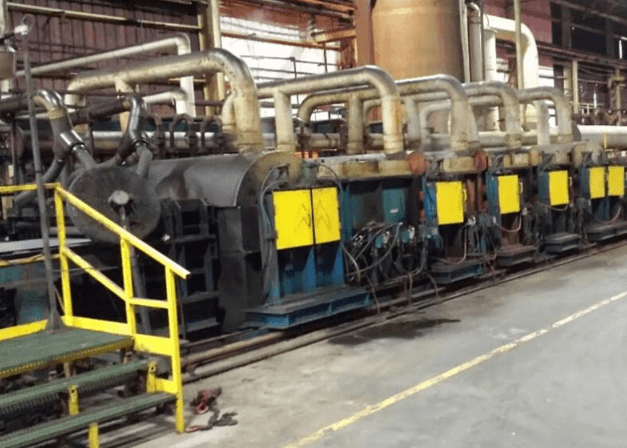
Pickle Line Metal Processing
*
Advances in acid concentration measurement techniques have transformed pickling line control in recent years. Automated tools such as the Lonnmeter automatic acid concentration meter, fork concentration meter applications in acid pickling, and coriolis flow meter for concentration measurement now provide real-time acid concentration monitoring for pickling control. These technologies enable closed-loop process control in acid pickling by continuously sensing actual HCl concentration and relaying the data to automatic acid make-up systems for pickling lines. This results in more stable acid dosing, reduction of acid consumption, and minimized waste generation. For example, flow meter concentration control in pickling process not only prevents over-pickling or under-pickling but also optimizes pickling efficiency through concentration control and supports acid consumption reduction strategies in steel pickling.
Automation solutions go beyond simple detection. Integrated process parameter stabilization uses real-time data from advanced online concentration meters to automatically adjust dosing, agitation, and bath replenishment cycles. This keeps acid strength within defined targets, ensuring consistently high surface quality and extending bath life. Automatic systems, such as those using Lonnmeter meters, have become essential for optimizing acid concentration in the pickling process, enabling manufacturers to align production quality with operational cost savings and environmental stewardship.
Fundamentals of Hydrochloric Acid Pickling in Hot Rolled Strip Treatment
Chemical Mechanisms and Substrate Considerations
The acid pickling process for hot rolled strip relies on aggressive removal of oxide scales—mainly iron oxides (FeO, Fe3O4, Fe2O3)—which form during hot rolling. Hydrochloric acid (HCl) reacts with these oxides, producing soluble iron chlorides and water. For example:
- Fe2O3 + 6 HCl → 2 FeCl3 + 3 H2O
- Fe3O4 + 8 HCl → FeCl2 + 2 FeCl3 + 4 H2O
The kinetic rate and completeness of scale dissolution depend on scale composition and thickness. Simple iron oxide layers dissolve rapidly. However, scales with complex structures—such as those containing fayalite (Fe2SiO4) from Si-rich steels—are stubborn and slow to remove. Such layers demand higher temperatures, more aggressive bath chemistry, or chemical additives for satisfactory treatment.
Chloride ions, both from HCl and intentional NaCl addition, amplify the pickling rate. Their presence increases scale dissolution through complexation and adsorption at the oxide interface, while also minimizing direct attack on the steel substrate. For instance, supplementing 10% HCl solutions with 10% NaCl has been shown to accelerate pickling and reduce unwanted corrosion of exposed steel. When dealing with challenging oxide types, such as fayalite, additives like FeCl3 boost removal rates and optimize pickling time with less substrate wastage. However, any additive introduction requires careful consideration of overall bath management and environmental effects.
Because oxide thickness and structure can be non-uniform across a coil’s width, the chemical response differs zone by zone. This variation requires tight process control, informed by continuous acid concentration measurement techniques, to ensure scale is completely removed without damaging the underlying steel.
Critical Process Parameters in Acid Pickling
Key process parameters—bath temperature, acid concentration, bath composition, and steel grade—jointly control the effectiveness and safety of hydrochloric acid pickling in steel manufacturing. Consistently high-quality results demand:
- Bath temperature typically held at 80–90°C. Higher temperature increases the dissolution rate, ensuring less pickling time and thorough scale removal. Too high, though, and steel corrosion risks rise sharply.
- Acid concentration maintained within 3–11% (w/v) HCl. This range ensures robust descaling while limiting unnecessary acid consumption and strip substrate attack. Real-time acid concentration monitoring, often with automatic concentration meters or tools like the Lonnmeter automatic acid concentration meter, stabilizes concentration within optimum bounds.
- Bath composition tailored to steel grade and scale type. For Si-rich steels, additional inhibitors or modifying agents are necessary. Corrosion inhibitors such as hydroxyethyl cellulose (HEC) reduce substrate loss and protect sensitive grades, even under aggressive acid exposure.
- Strip substrate protection is further ensured by balancing chloride ion activity and acid strength. Overly aggressive baths risk steel wastage (“over-pickling”), while weak baths may cause “under-pickling” and incomplete oxide removal, requiring costly re-work.
For process parameter stabilization, closed-loop process control systems are often implemented, integrating input from flow meter concentration control devices or fork concentration meter applications. Such systems maintain bath chemistry in tight alignment with line speed and steel surface area, directly supporting acid consumption reduction strategies and minimizing operational deviations.
Surface finish and substrate integrity are determined by the interplay of these variables. Excess temperature or acid concentration can roughen or pit the steel, particularly at coil edges or in zones with thinner oxide scale. Conversely, underpowered conditions produce patchy, unreceptive surfaces unsuitable for downstream coating or forming operations.
In summary, the hydrochloric acid pickling process in steel manufacturing is governed by the coordination of chemical reactions, substrate characteristics, and precise control of operational parameters. Ongoing acid concentration measurement and process optimization yield both improved pickling efficiency and enhanced strip substrate protection, meeting the demands of modern steel processing lines.
Challenges in Acid Pickling Process Control
Key Quality and Productivity Issues
Over-pickling occurs when the hydrochloric acid bath removes not only oxides but also attacks the steel substrate. This leads to excess dissolution, thinning of the strip, and can result in coil breakages during downstream operations. Over-pickling directly harms strip material integrity, contributing to reduced mechanical strength and increased reject rates. It often stems from poorly controlled acid concentration, high temperatures, or excessive immersion times.
Under-pickling, conversely, leaves oxide scales partially intact on the steel surface. This negatively affects cold-reduction, welding, painting, and other downstream finishing processes. Surface quality declines, increasing susceptibility to defects and corrosion. Typical causes include insufficient acid strength, low bath temperatures, or line speeds set too fast for effective scale removal.
To maintain process reliability and reduce defects, steel plants rely on robust monitoring of critical parameters such as acid concentration, immersion time, and temperature. Real-time acid concentration measurement techniques, including automatic concentration meters (for example, Lonnmeter automatic acid concentration meter), fork concentration meters, and flow meter concentration control systems, allow instant feedback to avoid pickling extremes. These systems enable closed-loop process control and stabilize batch composition, reducing the risk of both over- and under-pickling, especially during product changes or bath aging.
Acid consumption is a major operational and environmental cost driver. Hydrochloric acid usage correlates directly with throughput, steel grade, and the thickness of the surface oxide. Excessive consumption raises raw material costs, increases hazardous waste volumes, and intensifies environmental burden. Acid consumption reduction strategies in steel pickling—such as automatic acid make-up systems, continuous bath monitoring, and optimized dosing—support productivity while cutting costs and minimizing the environmental footprint.
Consistent concentration control in acid pickling, often achieved through real-time acid concentration monitoring, improves predictability and protects strip substrate throughout the production run. Maintaining proper balance between oxide removal and substrate preservation not only improves pickling efficiency but also enhances downstream product performance and customer satisfaction.
Environmental and Safety Considerations
Hydrochloric acid fumes are a significant health hazard in the pickling environment. Exposure—even at low concentrations—can cause respiratory tract irritation, chronic bronchitis, and long-term pulmonary dysfunction. Epidemiological data indicates an elevated risk of lung and laryngeal cancers among steel pickling workers with chronic exposure to HCl vapors. Continuous air monitoring, advanced ventilation, local exhaust systems, and acid fume scrubbers are necessary safeguards. Personal protective equipment such as respirators and chemical-resistant clothing remains a standard preventive measure.
Emission control technologies anchor the environmental safety strategy. Closed-loop acid regeneration systems recycle spent hydrochloric acid, minimizing both fresh acid consumption and pollutant release. Common regeneration methods include pyrohydrolysis reactors, diffusion dialysis, and acid sorption, each optimized for specific throughput and acid composition requirements. These systems allow recovery rates of up to 99.5% for HCl, thereby supporting process sustainability.
Strict process parameter stabilization is required to comply with air emission standards, such as those outlined by the EPA’s National Emission Standards for Hazardous Air Pollutants. Automated acid concentration control—through coriolis flow meters and advanced automatic concentration instruments—allows tighter regulation of bath chemistry, supporting both emission abatement and operational excellence.
Minimizing pollutant discharge, through tightly controlled acid pickling process parameters, ensures not only regulatory compliance but also protection of worker health and the surrounding environment. Real-time monitoring and integrated process control play central roles in maintaining safe, efficient, and sustainable steel pickling operations.

Inline Concentration Measurement Technologies and Their Role in Pickling Process Optimization
Principles of Inline Acid Concentration Measurement
Real-time monitoring of acid concentration is critical for precision in the hydrochloric acid pickling process for hot rolled strip. Inline acid concentration measurement enables immediate feedback on bath concentration, allowing for quick adjustments to maintain optimal pickling conditions.
Hydrochloric acid concentration directly determines both the rate and effectiveness of oxide removal. Stabilizing process parameters—especially acid concentration—prevents variability that can result in over-pickling, which causes substrate damage, or under-pickling, which leaves residual scale. By measuring acid concentration inline, operators achieve tight concentration control, reducing consumption and waste, while maximizing output quality. This continuous measurement is integral to closed-loop control systems, where concentration data drive automated acid make-up and dosing, ensuring consistent bath chemistry and reducing reliance on manual sampling.
Overview of Key Concentration Meter Technologies
Fork Concentration Meter
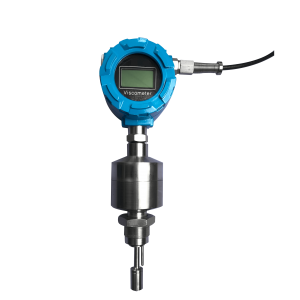
Fork concentration meters utilize a vibrating fork principle. The sensor’s tines vibrate at a resonant frequency altered by the concentration of the fluid. This method offers rapid, stable measurement for online acid bath monitoring, particularly in continuous steel strip lines. Fork concentration meters are robust, tolerate harsh conditions, and require little maintenance, making them well-suited for monitoring hydrochloric acid pickling baths in steel manufacturing. Their direct interface with automation systems streamlines data reporting for concentration control in acid pickling.
Lonnmeter Automatic Concentration Meter
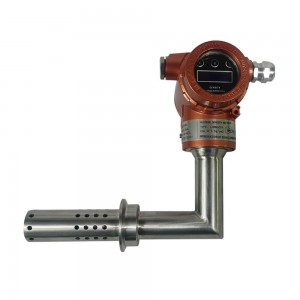
Lonnmeter’s automatic concentration meter harnesses ultrasonic technology, providing drift-free, continuous monitoring of acid bath concentration. With construction from acid-resistant alloys and polymers, the Lonnmeter system withstands aggressive hydrochloric acid pickling conditions. Its automation capabilities include real-time output of concentration data (via 4-20mA or RS485) to distributed control systems for acid make-up and dosing. This minimizes human intervention, supports bath management, and reduces process variability. When integrated into closed-loop process control, the Lonnmeter enhances pickling efficiency, reduces reject rates, and facilitates optimal acid consumption reduction strategies.
Other Flow Meter Concentration Technologies
Additional concentration measurement methods include vibrating-wire devices and those using combined sonic velocity and conductivity sensors. Each technology presents unique strengths tailored to specific pickling bath conditions. For example, vibrating-wire meters offer high measurement sensitivity but may be more affected by bath contamination. Sonic velocity/conductivity combinations can accurately differentiate acid from dissolved salt content, important for advanced hydrochloric acid pickling where both need monitoring for strip substrate protection. Selection depends on operational environment, required measurement accuracy, ease of integration, and maintenance demands.
Integration of Inline Concentration Meters in Hydrochloric Acid Pickling
For continuous pickling lines, inline concentration meters are installed directly in the acid recirculation circuit, using robust flanges and spacing to minimize exposure to mechanical or chemical stress. Batch operations leverage probe installations at strategic locations within the bath for spot or cycle monitoring.
To optimize acid concentration in the pickling process, these sensors are tied into automated acid make-up systems, ensuring real-time feedback for precise dosing. Data acquisition is typically handled via industrial control protocols, with signals routed to centralized monitoring platforms for rapid response.
Automation extends to feedback control loops that adjust acid dosing to maintain target concentrations. Proper tuning of these systems prevents over-pickling—avoiding substrate damage—and under-pickling—eliminating incomplete scale removal. The result is consistent strip quality, minimized acid consumption, and improved process parameter stabilization. Installation strategies require environmental protection for sensors, sealed cabling, and scheduled cleaning to maintain measurement reliability. Personnel must be trained for sensor management, emphasizing safety, device care, and response to operational deviations.
Closed-Loop Process Control for Pickling Bath Optimization
Importance of Real-Time Data and Feedback Systems
Accurate acid concentration measurement is central to effective closed-loop process control in the acid pickling process for hot rolled strip. Automatic concentration meters for acid concentration, including the Lonnmeter automatic acid concentration meter or fork concentration meters, are installed directly in the pickling bath circulation loop. These devices provide continuous, real-time feedback on hydrochloric acid concentration and bath concentration. The data is transmitted to a process controller, typically a programmable logic controller (PLC), which interprets the information and relays commands to dosing systems or acid make-up pumps.
Coriolis flow meters for concentration measurement, as well as flow meter concentration control systems, provide high-precision input for acid concentration management. Real-time acid concentration monitoring not only optimizes chemical utilization but also enables automated dosing adjustment—acid is added only when required to maintain the setpoint, minimizing over-dosing.
Automated adjustment mechanisms reduce human error and delay. When acid concentration falls below the optimal threshold for effective scale removal, the system initiates targeted acid addition using direct injection points. Conversely, if concentration rises toward levels that could risk substrate attack, dosing pauses or neutralization agents are automatically introduced. This approach prevents over-pickling and under-pickling, protecting strip substrate integrity and ensuring process parameter stabilization throughout hydrochloric acid pickling in steel manufacturing.
Homogeneous acid distribution is achieved via controlled mixing and real-time monitoring, further reducing the risk of localized over-pickling or under-treated regions. Automated systems rapidly respond to fluctuations from variations in strip speed, load, or upstream steel conditions, maintaining stable concentrations crucial for strip substrate protection. These closed-loop mechanisms work in synergy with inline sensors for pH, temperature, and iron content. Such comprehensive real-time data feeds enable robust process control, prevent batch inconsistencies, and support high repeatability in pickling outcomes.
Results and Value Creation
Closely integrated concentration control in acid pickling brings substantial operational, economic, and environmental benefits.
Precise management using closed-loop process control and inline acid concentration measurement reduces acid consumption by limiting excess make-up acid and accurately compensating for depletion only as needed. Coriolis flow meters, automated make-up systems, and tools like the Lonnmeter ensure the acid is replenished optimally, decreasing the frequency of bath regeneration and extending the useful life of the pickling bath. This results in less hydrochloric acid consumption and lower waste acid generation, which directly translates to reduced operational costs and minimized environmental burden, including less hazardous waste requiring treatment or disposal.
Stabilizing acid concentration has a direct impact on surface quality and yield. Automated feedback systems maintain acid in the ideal window for oxide removal without over-etching. This means reduced occurrence of defects, coil breakage, or inconsistent surface finishes—factors that affect both immediate quality and longer-term corrosion resistance. Consistent process parameters achieved through closed-loop control yield higher operational throughput and reduce rejection rates on finished product.
Optimal acid usage also brings broader strategic value—minimized acid regeneration (or recycling) events reduce plant downtime, energy use, and emissions. Environmental compliance is improved through decreased acid discharge and lower process volatilization losses. Benefits compound where recycling or recovery systems are integrated, as stabilized operation reduces the volume and variability of stream needing reclamation, making these sustainability initiatives significantly more efficient.
Inline real-time monitoring and closed-loop adjustment represent a best-in-class approach to flow meter concentration control in the pickling process. Implementation can yield rapid return on investment through acid consumption reduction, waste minimization, improved yield, and sustainable regulatory compliance. These outcomes have been confirmed in industry deployments, with documented reductions in acid usage and better stabilization of both process operations and end-product quality.
Best Practices for Automated Acid Pickling Line Operation
Continuous Monitoring and Concentration Control
Effective control of the hydrochloric acid pickling process for hot rolled strip begins with precise, real-time acid concentration measurement. Inline concentration meters—such as Coriolis flow meters, fork concentration meters, and Lonnmeter automatic acid concentration meters—should be installed directly in each pickling tank and at critical feed and discharge points. Strategic sensor placement ensures representative sampling of acid within regions of high turbulence or constant flow, minimizing dead zones and errors due to local concentration fluctuations.
Routine calibration of sensors is mandatory. Calibration cycles depend on acid aggressiveness and manufacturer guidelines but should occur at least quarterly or after scheduled maintenance stops. It is essential to use pre-defined calibration standards that match the chemical matrix of actual process baths for accuracy. Technicians must log calibration data and verify sensor drift to ensure long-term reliability.
A robust maintenance plan includes scheduled inspection, cleaning to remove iron oxide scaling, and validation against lab titration. Replace worn sensor parts promptly to prevent drift or failure, particularly in high-corrosion environments typical of industrial acid lines.
Continuous acid bath composition checks rely on live readings from automatic concentration meters. Process control software utilizes this data to regulate acid make-up rates. For example, integrating Lonnmeter automatic acid concentration meters enables real-time monitoring of HCl concentrations, eliminating guesswork and reducing the lag associated with manual titration. Closed-loop process control in acid pickling links these measurements with dosing pumps, optimizing acid supply and minimizing consumption.
Maintaining stable concentration directly prevents over-pickling—which causes excessive steel loss and acid overuse—and under-pickling, which leaves scale residues and damages surface quality. The setpoints for acid concentration should be dynamically adjusted based on the substrate, temperature, and line speed. Systems like automatic acid make-up rely on this input for fast, accurate dosing.
Configure alarm and interlock systems in the process DCS or PLC to act immediately on deviations from safe acid concentration thresholds. Primary practices include:
- Set alarm thresholds just outside of optimal process bands for HCl concentration.
- Pair each alarm with interlock actions such as automatic dosing shut-off, line speed reduction, or bath bypass routines.
- Employ predictive modeling for preemptive warnings—advanced systems trigger alarms not only on current out-of-limit readings but also on forecasted excursions based on trending data.
Frequent validation and testing of the alarm system, along with comprehensive operator training, ensure that process deviations are detected and corrected before impacting product quality or equipment safety.
Safety and Environmental Assurance
Environmental and personnel safety requires precise integration of acid pickling lines with emission abatement and acid regeneration schemes. Inline acid concentration monitoring plays a decisive role in stabilizing process conditions, directly affecting vapor generation and waste output.
Pickling lines should link real-time concentration data from flow meter concentration control systems with emission abatement controls, such as extraction hoods, covers, and mist suppression additives. When acid concentration meters detect excursions toward high concentration setpoints, automated logic should actuate vapor suppression systems or adjust ventilation accordingly to minimize hydrochloric acid vapor release.
Integrate pickling lines with acid regeneration units, such as pyrohydrolysis or fluid bed reactors. Inline concentration data should trigger acid withdrawal and fresh regenerated acid dosing in closed-loop, maintaining composition while ensuring minimal waste and energy use. This not only supports environmental targets but also provides opportunities for direct acid consumption reduction in steel pickling by enabling on-demand make-up.
Residual hazardous substances are best managed through on-line bath monitoring and periodic bath bleed. Maintain automatic pH and acid concentration tracking at all waste outlets to ensure regulatory compliance.
Preventative actions include:
- Regular inspection and maintenance of vapor suppression and abatement equipment.
- Scheduled system integrity checks to locate leaks—inline concentration or pH spikes often indicate unintended acid loss.
- Automatic shutdown and interlock routines when sustained alarm events are registered, minimizing environmental releases and occupational exposure.
- Operator training in emergency procedures, reinforced with frequent system validation drills.
Accurate, integrated process parameter stabilization—using tools like Lonnmeter and real-time monitoring—brings measurable improvement to concentration control in acid pickling, safeguarding both product quality and the environment.

Hot Rolled Steel Making Process
*
Advanced inline concentration measurement techniques, such as automatic concentration meters—including Lonnmeter systems—have transformed the hydrochloric acid pickling process for hot rolled strip and other steel substrates. By providing continuous bath monitoring of acid concentration and iron salt content, these instruments eliminate manual sampling and laboratory delays, directly enhancing safety and process reliability. Their robust, maintenance-free designs use corrosion-resistant materials suited for aggressive environments, reducing worker exposure to hazardous substances and minimizing risk during routine operations. Inline concentration systems supply immediate feedback through digital outputs, enabling fast identification of deviations and supporting ergonomic, hazard-reduced workflows.
Closed-loop automation harnesses these measurement systems, linking them to digital controllers and automatic acid make-up systems for pickling lines. This architecture dynamically adjusts acid concentration based on real-time sensor data, ensuring process parameter stabilization and consistent product quality. Automation directly mitigates over-pickling, which leads to excessive steel loss, and prevents under-pickling, which may cause surface defects. By continuously regulating flow meter concentration control and concentration control during acid pickling, manufacturers protect strip substrates and optimize each stage of chemical cleaning. These systems also support acid consumption reduction strategies by maximizing acid reuse, minimizing raw acid inputs, and reducing operational costs associated with process interruptions or rework.
The integration of fork concentration meter applications and Coriolis flow meter benefits ensures precise optimization of acid concentration throughout the pickling process. This data-driven approach improves pickling efficiency, enhances final steel quality, and supports stable, high-capacity production with minimal environmental footprint. Environmental impacts are further reduced through closed-loop acid treatment technologies, which recycle spent hydrochloric acid and reclaim water, sharply lowering hazardous waste production and supporting regulatory compliance. Real-time, automatic monitoring and control empower metal producers to meet stringent standards for both sustainability and export-grade steel.
In summary, the use of advanced, inline automatic acid concentration meters such as Lonnmeter—integrated into closed-loop process control systems—delivers reliability, high product uniformity, and measurable advances in safety and cost-effectiveness for the hydrochloric acid pickling process in steel manufacturing. These innovations enable highly stable and quality-controlled steel production while minimizing environmental impact and resource waste.






Frequently Asked Questions
What role does an acid concentration meter play in the hydrochloric acid pickling process?
An acid concentration meter is installed inline within the pickling bath to deliver real-time, continuous measurement of hydrochloric acid concentration. This real-time monitoring enables operators to maintain optimal acid levels throughout the acid pickling process for hot rolled strip. Continuous data minimizes reliance on manual sampling, which often suffers from time lags and human error. By allowing immediate adjustments to acid dosing, the meter helps prevent both over-pickling—which can cause metal loss and surface damage—and under-pickling, which results in incomplete oxide scale removal and surface defects. This approach supports stable process conditions, prolongs bath life, and lowers acid consumption, leading to reduced waste and improved strip substrate protection.
How does a Coriolis flow meter improve hydrochloric acid pickling control?
A Coriolis flow meter for concentration measurement provides precise, simultaneous readings of both flow rate and acid concentration in the pickling line. These meters eliminate routine sampling errors by continuously and directly measuring acid concentration as the fluid flows through the system. Their high accuracy supports automatic adjustments to acid dosing in a closed-loop process control scheme. As concentration changes—due to iron dissolution or acid depletion—the Coriolis meter instantly notifies the control system, which can increase or reduce acid make-up accordingly. This keeps the pickling process within the ideal range, improving pickling efficiency, reducing acid waste, and ensuring consistent quality during hydrochloric acid pickling in steel manufacturing.
Why is concentration control essential in acid pickling of hot rolled strip?
Precise concentration control in the hydrochloric acid pickling process is vital to achieve effective oxide scale removal without damaging the steel substrate. When acid concentration is too low, scale removal slows, leading to under-pickling and residual oxide layers. When acid is too strong, it risks etching or roughening the steel surface, increasing costs and potentially causing downstream processing defects. Automated concentration measurement techniques, such as the use of Lonnmeter automatic acid concentration meters, keep acid concentration within optimal parameters. This not only maximizes substrate protection but also reduces excessive acid usage and operational costs. Proper control also supports compliance with environmental standards by regulating acid emissions and minimizing hazardous waste.
What are the benefits of automatic acid make-up in pickling lines?
Automatic acid make-up systems for pickling lines integrate with inline concentration meters to adjust acid dosing precisely as required in real time. This automation reduces or eliminates manual intervention, stabilizing process parameters such as acid strength, bath temperature, and iron ion content. The benefits include:
- Reduced acid consumption, as dosing matches actual process needs and recycles recovered acid.
- Lower waste production and improved environmental compliance due to minimized over-dosing.
- Consistent process stability, which in turn enhances product quality and reduces the frequency of bath dumping.
- Improved safety for operators who have less exposure to hazardous acid environments.
Automatic acid make-up systems also enable faster adaptation to variable production rates, ensuring the acid pickling process remains optimized for hot rolled strip at all times.
Can inline fork concentration meters help prevent over-pickling?
Inline fork concentration meters offer continuous monitoring of acid strength, supporting immediate detection if the hydrochloric acid concentration drifts outside the setpoints. This instant detection makes it possible for the system to trigger acid make-up or dilution actions automatically. As a result, fork concentration meter applications in acid pickling directly mitigate the risk of over-pickling—a condition where metal loss and excess acid consumption occur due to prolonged or overly aggressive descaling. By enabling closed-loop regulation, these meters reduce the risk of operator error and maintain the acid pickling process for hot rolled strip within narrow quality and efficiency windows. This leads to optimal use of chemicals, conservation of substrate integrity, and a more sustainable operation.
Post time: Dec-01-2025


