

How to Improve Density Measurement Accuracy in Industrial Processes
Introduction: Accuracy Problems Usually Don’t Start with the Instrument
When density readings look wrong, most people assume the meter is the issue.
In real industrial setups, that’s rarely the case.
More often, accuracy problems come from how the measurement is used — where the sensor is installed, how stable the process is, and whether the system is maintained properly.
We’ve seen many cases at LONNMETER where accuracy improved significantly without changing the instrument at all. The difference came from small adjustments in setup and operation.
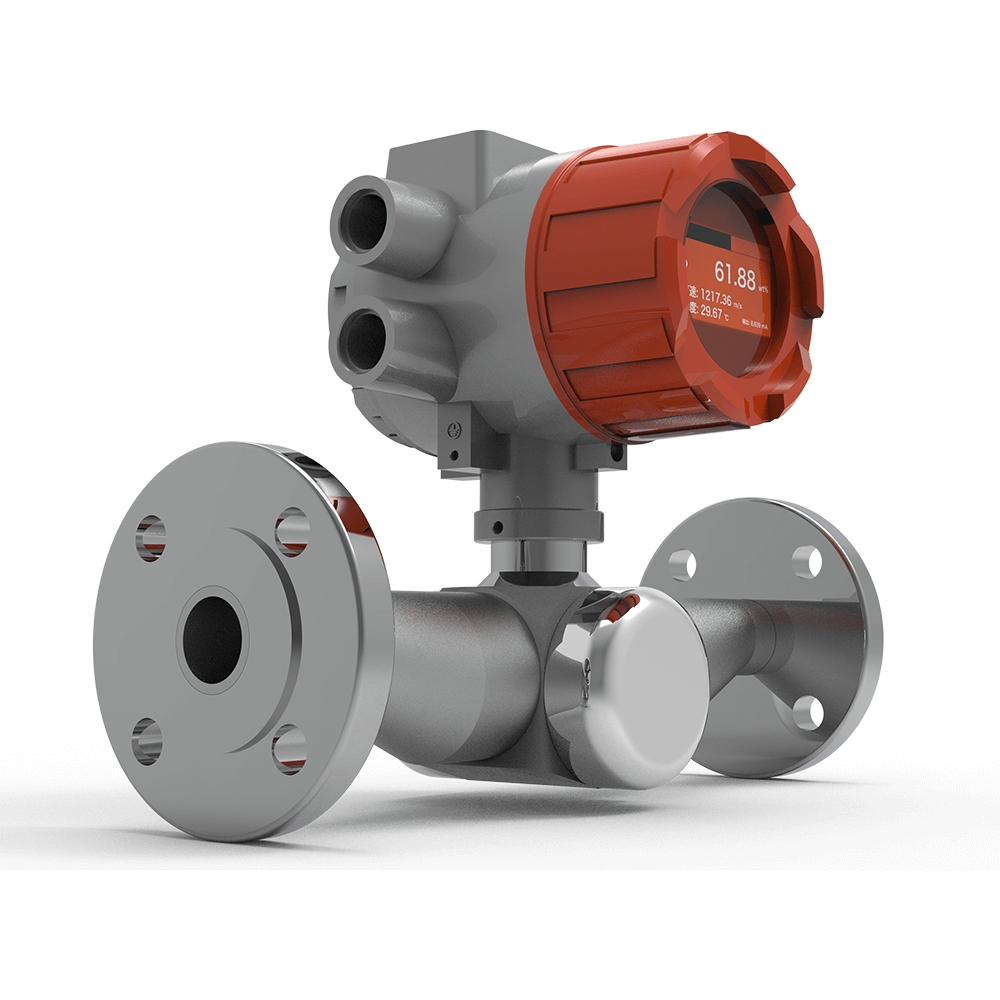
What “Accuracy” Really Means in Practice
In a controlled lab, accuracy means matching a known reference value.
In a running process, it’s a bit different.
What operators actually need is:
- stable readings
- repeatable trends
- data they can trust for decisions
If the numbers are consistent and reflect real process changes, the measurement is doing its job.
Installation: The Most Common Source of Error
Installation is often overlooked, but it has a direct impact on measurement quality.
If the sensor is installed in the wrong place, even a high-end density meter will struggle.
Typical issues include:
- placing the sensor too close to a pump
- installing in areas with strong turbulence
- incomplete contact between sensor and liquid
These conditions introduce noise into the signal, which shows up as unstable or inaccurate readings.
A better approach is simple:
- choose a section of the pipeline with steady flow
- stay away from vibration sources
- make sure the sensor is fully wetted
In many cases, relocating the sensor solves the problem immediately.
Temperature: A Quiet but Significant Influence
Density changes with temperature. Even small variations can shift the reading.
This becomes an issue when temperature compensation is missing or not working correctly.
A few practical points:
- make sure the meter includes temperature compensation
- check that the temperature sensor is reading correctly
- avoid calibrating under conditions that don’t match real operation
Ignoring temperature is one of the easiest ways to lose accuracy without realizing it.
Process Conditions: Stability Matters More Than Precision
Even with a good instrument and correct installation, unstable process conditions can still affect results.
Things that commonly interfere with measurement:
- air or gas in the liquid
- sudden flow changes
- mixing zones during product switching
These are not instrument problems — they are process realities.
To improve accuracy:
- avoid installing at high points where gas collects
- keep flow as steady as possible
- confirm the application is suitable for density measurement
Stable process conditions lead directly to stable readings.
Sensor Condition: Small Changes, Big Impact
Over time, the sensor surface can change.
Depending on the process, you might see:
- fouling or buildup
- chemical residue
- gradual corrosion
These changes are often subtle, but they affect how the sensor interacts with the liquid.
A simple maintenance routine helps:
- inspect the sensor regularly
- clean it before buildup becomes significant
- watch for slow drift in readings
It doesn’t need to be complicated, just consistent.
Calibration: Often Done, Not Always Done Right
Calibration is essential, but it’s often treated as a formality.
Common mistakes include:
- calibrating too rarely
- using reference conditions that don’t match the process
- ignoring temperature during calibration
A more practical approach:
- use a known reference fluid, such as water at a defined temperature
- perform calibration under stable conditions
- check results periodically instead of waiting for problems
Done properly, calibration keeps long-term accuracy under control.
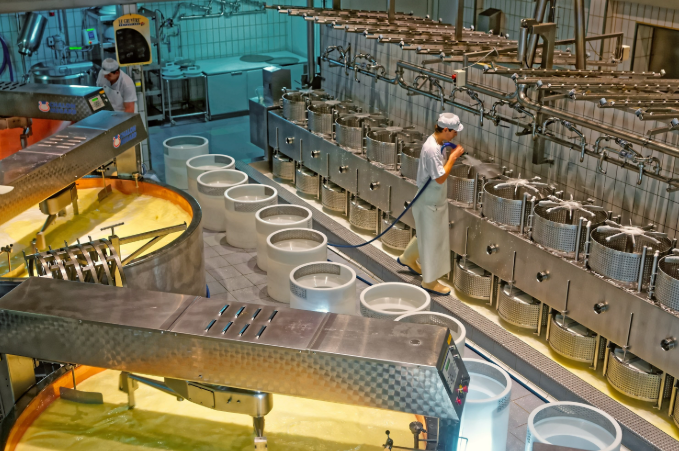
Choosing the Right Technology
Sometimes the issue isn’t installation or maintenance — it’s that the instrument isn’t suited to the application.
For example:
- multi-phase flow (gas + liquid) can confuse certain sensors
- very high viscosity may fall outside the optimal range
- fluids with heavy solids can affect measurement stability
In standard liquid processes, vibrating fork online density meters are widely used because they handle most conditions reliably.
The key is to match the technology to the actual process, not just the specification sheet.
A Quick Check When Accuracy Drops
If readings start to look unreliable, it helps to step through a simple checklist:
- Is the installation location stable?
- Has the process changed recently?
- Is temperature being handled correctly?
- Is the sensor clean?
- When was the last calibration?
Most issues can be traced back to one of these points.
How LONNMETER Supports Accurate Measurement
At LONNMETER, the focus is on making measurement work in real operating conditions.
That includes:
- helping select the right solution for the application
- providing guidance on installation
- supporting customers with calibration and maintenance
The goal is not just to supply a device, but to ensure the data it produces is actually useful.
Conclusion: Accuracy Comes from the System, Not Just the Meter
Improving density measurement accuracy doesn’t usually require a major change.
More often, it comes down to:
- installing the sensor in the right place
- keeping process conditions stable
- maintaining the sensor properly
- applying calibration in a practical way
When these factors are aligned, the measurement becomes stable, reliable, and useful for real decisions.
Need Support with Your Application?
If your density readings are unstable or difficult to trust, it’s worth reviewing the setup rather than assuming the instrument needs to be replaced.
You can find more information at:
Or reach out to LONNMETER for application advice and technical support.
Post time: Apr-29-2026


