

Introduction to Coal Preparation Plant Process
The coal preparation plant process consists of a series of steps designed to upgrade raw coal before market delivery. Coal arrives at the plant mixed with unwanted materials such as rock, ash, and sulfur. The primary goal is to remove these impurities, producing a more valuable, cleaner coal product suitable for power generation and industrial use.
Coal handling and preparation plant operations begin with coal handling, where material is transported, stored, and sized. The coal preparation process steps typically include screening, crushing, washing, and separation. Each stage targets specific impurities or focuses on sizing to optimize downstream processing.
A key element of coal processing is coal separation. This step uses physical properties—mainly density—to differentiate coal from gangue. Gangue refers to the non-coal minerals mixed in the raw feed, which must be removed to enhance calorific value and reduce pollution. The efficiency of gangue removal in coal processing relies heavily on precise density control in the separation media.
Density measurement holds crucial importance across coal washing process operations. Maintaining optimal suspension density ensures that separation techniques, such as dense medium separation, perform effectively. Reliable online density meter for coal slurry allow operators to monitor and regulate the medium, minimizing losses of clean coal and waste.

Heavy Media Separation
*
Clean coal technology and clean coal production process standards require consistent, high-quality output. Precise density management leads to improved separation, resulting in higher yields of clean coal and lower disposal of combustible fractions. Coal beneficiation process and coal washing plant design are increasingly integrated with density measurement systems for improved control.
Key terms used within coal preparation plant operations include:
- Gangue: Non-combustible minerals and rocks mixed with raw coal.
- Clean coal: The product after successful removal of impurities, with reduced ash and sulfur content.
- Coal separation: Techniques used to differentiate coal from gangue based on properties like density.
Practical coal processing methods now utilize a variety of equipment, including dense medium baths, screens, and automated control systems. Effective coal preparation ensures plant efficiency, compliance with environmental regulations, and improved marketability of the coal product.
Fundamentals of Heavy Medium Suspension
Heavy medium suspension is a cornerstone of the coal preparation plant process, enabling the efficient separation of coal from gangue and other impurities. This technique leverages the principle that materials of different densities will behave distinctly when immersed in a liquid medium of intermediate density.
Definition and Role in Coal Separation
In coal handling and preparation plants, a heavy medium suspension is a fluid mixture—most commonly water mixed with finely ground dense minerals—used to create a specific slurry density. Raw coal is introduced into the suspension, where lower-density coal floats, and higher-density gangue sinks. This density differentiation forms the basis of coal separation techniques and underpins modern clean coal technology, allowing the selective removal of unwanted material and enhancing clean coal production process yields. Dense medium separation is considered a vital coal washing process step, maximizing the recovery of valuable coal through efficiently designed coal processing methods.
Types of Medium Used
Magnetite Suspension is the most prevalent medium in coal beneficiation process operations. Magnetite, a dense and chemically inert mineral, is finely milled and suspended in water. The resulting slurry provides an adjustable density, typically between 1.3 and 1.8 g/cm³, suitable for effective separation of different coal fractions and gangue removal in coal processing. The stability and recoverability of magnetite make it economically and operationally desirable for coal washing plant design, with magnetic separators reclaiming magnetite for repeated use.
Other media have been used in special circumstances, such as ferrosilicon, galena, or barite, though these are less common due to higher costs or operational limitations. The choice of medium depends on plant objectives, process economics, and required density range.
Physical Properties Relevant to Process Performance
The performance of the coal handling preparation plant process depends on several key physical properties of the heavy medium suspension:
- Density: The medium’s density (ρ) is precisely controlled to enable selective separation. Operators typically maintain ρ within a narrow range, commensurate with the density of clean coal and the gangue. For example, a medium density of 1.5 g/cm³ allows coal (density ~1.2–1.5 g/cm³) to float while rejecting denser rock.
- Viscosity: Suspension viscosity affects coal separation kinetics. High viscosity may hinder particle movement and reduce separation sharpness, while low viscosity enables quick, efficient stratification.
- Stability: Medium stability is essential to prevent rapid settling of dense particles, which could alter the effective slurry density and compromise separation efficiency. Frequent monitoring, aided by online density meter for coal slurry such as Lonnmeter, helps maintain optimal suspension conditions.
- Particle Size Distribution: Finer medium particles offer greater stability but may be difficult to recover efficiently. Coarser particles settle quickly, requiring careful process control and equipment selection in coal processing plant operations.
Precision in managing these physical properties defines the success of coal beneficiation and the reliability of coal preparation plant operations. Coal washing plant equipment, including dense medium cyclones, baths, and drums, is engineered to maintain desired medium properties, ensuring the repeatability and robustness of coal preparation process steps.
A typical example is the operation of a dense medium cyclone: Coal feed enters the cyclone, and under centrifugal forces, particles stratify based on density in the magnetite suspension. Adjusting medium density, cyclone diameter, and feed pressure allows operators to target specific separation cut sizes (d₅₀), tailoring coal cleaning performance to market or plant requirements.
Through the judicious selection and control of heavy medium properties, coal washing and beneficiation attain high efficiency, supporting clean coal technology and sustainable plant operations.
Importance of Accurate Density Measurement
Maintaining precise suspension density in coal preparation plant process steps is vital for effective coal separation techniques and high clean coal yield. Small deviations—just 0.01 g/cm³—can lead to yield losses of 1–3% and ash content rises up to 0.5% in the clean coal product. Accuracy here determines the cut-point, which defines whether particles report to the coal or refuse streams. Therefore, exact density measurement directly influences how efficiently undesirable gangue materials are removed during coal beneficiation process and washing operations.
Accurate density control minimizes gangue removal errors in coal processing, boosting resource use. When the medium density is set too high, valuable coal can mistakenly be discarded as refuse, reducing overall clean coal production and increasing waste. If the density is too low, more gangue ends up in the coal product, raising ash content and limiting the value of the clean coal technology output. Automated coal preparation plant operations equipped with online density meter for coal slurry are proven to reduce misplacement rates by 15–20%, improving resource utilization and maintaining stable product quality.
Precise density management is also necessary for environmental responsibility in coal handling and preparation plant process. Lower gangue contamination reduces the volume of waste requiring handling and disposal, optimizing site resource use and minimizing environmental footprint. A more pure coal product results in reduced pollutants following combustion, aligning with modern clean coal production process goals. Stable density also assists with dust control: when ash and fines are efficiently separated and confined to refuse streams, airborne dust during handling diminishes, lowering risks to personnel and the surrounding area.
Studies show that frequent calibration and real-time monitoring of suspension density in coal processing plant equipment prevent density drift, keeping medium concentration within ±0.005 g/cm³ of target values. This consistency supports both coal washing plant design standards and continuous improvement in coal separation efficiency. Facilities utilizing digital measurement tools report consistently lower ash content—0.3–0.6% compared to those using manual coal processing methods.
Accurate density measurement is foundational for achieving optimal clean coal yield, efficient gangue removal in coal processing, and responsible environmental management throughout the coal handling preparation plant process. This central role underscores the importance of advanced monitoring systems and strict calibration routines in effective coal preparation operations.

Methods for Density Measurement in Coal Preparation Plants
Traditional Techniques
Manual sampling and laboratory analysis have been the backbone of coal preparation plant process control. In these methods, an operator collects a sample of the medium or coal slurry at set intervals from specific points in the system. Samples are transported to an on-site laboratory for density determination, employing either hydrometer or gravimetric methods.
The hydrometer method is widely used for rapid assessment. A sample of the suspension is poured into a calibrated cylinder, and the hydrometer is gently immersed. The relative density is read at the liquid meniscus, often requiring temperature correction for accuracy. This approach is quick but prone to several issues: entrained fine solids, bubbles, or poor visibility in turbid samples may skew results. Operator technique is a significant variable; readings can shift based on how smoothly the hydrometer floats or if the cylinder is not placed on a level surface. Hydrometers generally achieve a precision of ±0.005 to ±0.01 relative density units, making them suitable for quick checks but not for rigorous control, especially in cases of highly viscous or fine-laden suspensions. These limitations can impact coal separation techniques and the overall clean coal production process if undetected.
The balance (gravimetric) method utilizes a pycnometer or similar vessel. The vessel is carefully filled with the suspension and weighed on an analytical balance. The researcher subtracts the mass of the empty vessel and divides by the vessel volume to determine density. When meticulously performed, this method achieves higher precision (±0.001 units), making it valuable for process verification and clean coal technology research. However, it is inherently slower and introduces opportunities for error—air bubbles, temperature inconsistencies, and incomplete filling can alter results. Moreover, the process demands scrupulous calibration of weighing equipment, and sample representativeness must be maintained throughout handling to prevent erroneous conclusions about the coal beneficiation process.
Real-Time Online Density Meter Solutions
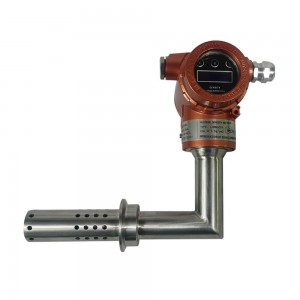
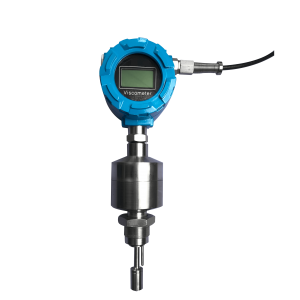
Modern coal handling and preparation plants increasingly rely on online density meter solutions to monitor the coal preparation plant process. The working principle of these devices involves continuous, real-time measurement of suspension density—typically using microwave, ultrasonic, or nuclear-based technologies. For example, a Lonnmeter online density meter utilizes electronic sensors installed directly in the coal slurry line. These devices emit signals through the slurry and measure how they are altered by the presence and concentration of solids, providing immediate readings on slurry density.
Integration into the broader coal preparation process steps is straightforward: online density meters feed continuous data into plant control systems. Operators can monitor the density of the heavy medium in separation vessels or control the proportion of magnetite or ferrosilicon in real time. With automatic feedback loops, the plant can adjust medium addition, water dilution, or separation set-points almost instantly—minimizing operator intervention and reducing reliance on manual sampling.
The advantages of automated, online density meters are substantial. Real-time monitoring ensures consistent control over dense medium separation, a critical phase in coal processing methods. Immediate detection of density fluctuations helps prevent the misplacement of valuable product or increase in refuse, preserving product quality and yield. With continuous data, coal preparation plant operations become more efficient, supporting clean coal technology goals and improving process reliability.
Equipment like the Lonnmeter online density meter has demonstrated its effectiveness in maintaining stable suspension densities and process reliability—features essential for optimizing coal washing process and gangue removal in coal processing. Unlike traditional methods, online systems eliminate sampling lag, reduce human error, and provide high-frequency data. Automated density measurement also allows for immediate response to anomalies, supporting tighter control of coal handling preparation plant process and improving energy and reagent efficiency in coal washing plant design.
While manual sampling and laboratory analysis remain important for calibration and troubleshooting, the move to online density meter for coal slurry applications marks a significant advancement in coal processing plant equipment and modern coal preparation plant operations.
Key Equipment and Technologies in Coal Handling and Preparation
Modern coal handling and preparation plants rely on a suite of specialized equipment and integrated technologies to achieve efficient coal beneficiation. Effective crushing, screening, washing, and density control underpin the coal preparation plant process and directly influence clean coal technology adoption and effective gangue removal in coal processing.
Crushers, Screens, and Washing Circuits
Crushers are essential for size reduction in the coal preparation process steps. Advanced coal crushers, such as sizers, divide run-of-mine coal into precise size ranges before washing. Sizers use opposing toothed rolls, aligning roll speed with the coal’s flow to limit unnecessary crushing. This technique reduces generation of fines, which can impede downstream separation and decrease recovery rates. For example, modern sizer technology minimizes recirculation within the crushing stage, delivering a more uniform particle size most suitable for separation by coal washing circuits and dense medium systems.
Screens follow the crushing stage, sorting coal into appropriate size fractions for the washing circuits. Efficient screening ensures washing circuits, such as heavy medium drums and classification cyclones, receive optimally sized feed. These circuits rely on the precise particle size distribution generated upstream. Proper screening supports effective coal separation techniques and cleaner product recovery.
Washing circuits, including dense medium baths and cyclones, are central to the coal washing process. These systems exploit density differences between coal and gangue, enabling precise separation. The effectiveness of these coal processing methods depends on the consistency of feed size and the stability of medium density, both established through proper crusher and screen selection and operation.
Medium Circuit and Density Control Devices
Maintaining exact medium density in the washing circuit is vital for optimal coal separation. Density control devices such as density benches, density gauges, and online density meters for coal slurry continuously monitor and adjust the density of the medium in real time. The Lonnmeter, an online density meter for coal slurry, demonstrates this use, providing immediate feedback to maintain target medium density within narrow tolerances. This level of control greatly influences product quality and separation efficiency, giving operators actionable data for maintaining stable operation within the coal handling preparation plant process.
Isolation valves and flow-diverting valves coordinate system flows, allowing precise management of medium addition, recovery, and distribution. These control elements ensure separation processes remain consistent, reducing product losses and supporting the clean coal production process.
Sensors, Valves, and Automated Control Systems
Sensors are critical in modern coal preparation plant operations. They monitor key variables such as slurry density, flow rates, pressure, and particle size distribution across the coal beneficiation process. These data streams provide actionable insights for both manual and automated adjustments to maintain process stability.
Automated control systems integrate sensor data, valve positioning, and equipment feedback to optimize separation conditions. Modern systems adjust medium density, manage tiebreaker water usage, and balance recirculation effectively, minimizing manual interventions. Automated control enhances plant throughput, product yield, and operational consistency while reducing downtime through predictive condition monitoring and maintenance alerts.
Valves, coordinated by automated systems, maintain reliable and adaptable control over all flows—raw coal delivery, medium circulation, and water addition. This comprehensive approach ensures each unit operation—crushing, screening, washing—functions as a harmonious whole, supporting advanced coal washing plant design and efficient coal processing plant equipment configurations.
Modern plant design enhances both coal separation and dust reduction, ensuring higher yields and improved safety standards throughout the coal handling and preparation plant.
Factors Influencing Heavy Medium Suspension Density
Dense medium suspensions are used across coal preparation plants to separate coal from gangue, controlling product quality and recovery rates. The density of these suspensions is affected by several key factors:
Particle Size Distribution of Coal and Gangue
The particle size distribution (PSD) of magnetite or ferrosilicon directly shapes suspension stability and density. Finer particles, particularly those under 10 microns, increase the stability of the suspension by reducing settling rates and promoting colloidal interactions. This ensures the medium maintains a uniform density during separation steps in the coal preparation process. However, suspensions dominated by fines can become viscous, making pumping and circulation difficult. In contrast, excessive coarse material settles quickly, causing density stratification and less effective coal separation. Optimal PSD requires a careful blend, often monitored and adjusted in real time using specialized equipment like online density meters for coal slurry, such as the Lonnmeter, that support coal preparation plant operations and maximize process efficiency.
Medium Composition and Rheology
The mineral composition of the medium—usually magnetite or ferrosilicon—determines achievable density and rheological behavior. The presence of fines increases viscosity and yield stress, which can challenge handling and circulation. If too few fines are present, the density drops, and more medium must be added, impacting operational costs. Rheological testing in recent years demonstrates that the right PSD (with a moderate proportion of sub-10 micron fines) balances density with manageable viscosity, ensuring consistent coal washing process performance while supporting clean coal production processes. Plants tune medium composition dynamically to achieve target densities, typically between 1.3 and 1.5 g/cm³ for most coal handling and preparation plant process settings.
Plant Operating Parameters
Day-to-day operations further influence heavy medium suspension density. Feed rate controls the volume and distribution of solid and liquid phases entering separation circuits. Higher feed rates can dilute medium concentration, leading to density fluctuations if not compensated. Agitation is essential for keeping particles suspended and preventing settling, but excessive agitation may generate excessive fines, elevating viscosity and complicating the coal separation techniques. Temperature affects both viscosity and suspension stability; warmer temperatures usually lower viscosity, but if temperatures exceed optimal ranges, they may accelerate medium degradation or volatility, disrupting the coal beneficiation process. Plant managers integrate these parameters into operating recipes, adjusting them to maintain optimal medium density for gangue removal in coal processing.
Dust Dispersion Implications for Worker Health
Handling and circulation of heavy medium suspensions result in dust dispersion, especially when using fine magnetite or ferrosilicon. Dust concentrations rise with elevated agitation, improper PSD balance, or excessive dry handling. These airborne particulates pose respiratory hazards for personnel in the coal processing plant equipment zones. Plant designs now use improved ventilation and dust collection systems to minimize exposure during coal preparation plant process steps. Inline monitoring tools, such as the Lonnmeter, can help limit dust escape by automating density control and reducing manual intervention. Proper management of dust risks is essential for modern clean coal technology deployments.
Plant operating conditions directly affect medium density and dust levels, emphasizing the need for precise control over all aspects influencing heavy medium suspension properties. Effective coal processing methods depend on an integrated approach, balancing PSD, medium composition, and operational settings for reliable clean coal recovery and safe working environments.

Coal Preparation
*
Optimization Strategies for Coal Preparation Process
Maintaining Stable Suspension Density
Maintaining a stable heavy medium suspension density is essential for efficient coal separation in any coal handling and preparation plant. Feedback systems form the foundation of process automation. Online density meters, such as those manufactured by Lonnmeter, use real-time sensors like nuclear density gauges, vibrating tube densimeters, and ultrasonic sensors to provide continuous readings of suspension density. These sensors are integrated with process control systems, triggering feedback actions if the measured density deviates from preset targets. For instance, the system can automatically regulate magnetite or water addition, ensuring the medium stays within the optimal density window for the coal washing process.
Practical adjustments involve automated valves and pumps to modulate the flow rates of dense medium and dilution water or magnetite slurry. These actions are governed by data from the online density meter for coal slurry, which constantly monitors changes and ensures that the coal preparation process remains within the desired operational range. Alarms are sent if density readings breach acceptable limits, alerting operators to potential process upsets or sensor fouling, leading to prompt corrective action.
Operator guidelines supplement automation, emphasizing vigilant monitoring of density displays, regular sensor maintenance, and prompt troubleshooting of anomalies such as erratic readings, persistent alarms, or visible inconsistencies in the product stream. Stepwise troubleshooting procedures include: verifying sensor calibration; checking for blockages or leakage in medium delivery lines; reviewing recent adjustments or setpoint changes; and isolating the cause of deviation, such as unexpected coal feed properties or equipment malfunction. Routine trend analysis and data logging further support continuous optimization and root cause diagnostics in coal preparation plant operations.
Enhancing Coal Separation Efficiency
Coal separation techniques rely on tuning the density of the heavy medium to create a precise boundary between coal and gangue. Setting the correct medium density is crucial: insufficient density results in inefficient gangue removal in coal processing, reducing the quality of clean coal; excess density causes loss of combustible material to tailings, lowering yield and increasing resource waste. Operators must fine-tune the density based on regular analysis of feed characteristics and desired product specifications.
Online process control allows continuous adjustments to maintain the separation cut-point, maximizing clean coal production and minimizing ash content. For example, in a coal beneficiation process, a medium density of 1.35–1.50 g/cm³ is typical for separating high-quality coal from higher-density impurities. Frequent laboratory checks validate the accuracy of the online systems and help maintain strong correlations between actual and targeted density, supporting consistent clean coal technology application.
Efficient coal preparation plant process also requires operators to respond quickly to changes in feed quality. If incoming coal varies in density or size, immediate recalibration of the suspension density setpoint optimizes separation. This flexibility enables the coal washing plant design to adapt to fluctuating mine output, reducing unintentional carryover of gangue and maximizing the recovery and purity of the final product.
Dust Reduction Techniques
Effective dust control is essential for safe and compliant coal preparation plant operations. Wet dust suppression systems are standard in conveyor workshops and transfer points, where water spray bars or atomizing devices keep airborne dust levels to a minimum. Clean coal production process protocols frequently integrate dust suppression with medium density management, recognizing that precise density control reduces material turbulence and agitator-induced dust formation during processing and transfer. Stable medium density means less splashing and less entrainment of fine particulates in air currents.
Additionally, well-regulated medium density prevents over-concentration of solids, reducing pipeline wear, spill risks, and associated dust generation—particularly important in enclosed coal processing plant equipment. Plant operators are tasked with routine verification of dust suppression system integrity and must promptly address leaks, spray nozzle clogs, or abrupt density shifts that could elevate dust risk. Good practice dictates periodic review of density control setpoints and dust suppression effectiveness, ensuring ongoing protection for workers, equipment, and the environment.
Maintaining optimal suspension density, precise coal separation, and robust dust suppression underpins efficient, safe, and high-quality coal handling preparation plant processes. These coal preparation process steps, supported by advanced online density monitoring and disciplined operational protocols, form the foundation of modern clean coal production.
Environmental and Safety Considerations
Proper density management in the coal preparation plant process has direct effects on reducing particulate emissions. Heavy medium suspension density determines the efficiency of separation, influencing how much fine material, such as coal dust or gangue particles, clings to coal after washing. If the medium density is not optimized, residual fine solids may escape during rinsing or handling phases, contributing to higher dust emissions during stockpiling and transport.
Dust emissions are a key concern in any coal handling and preparation plant. Coal processing methods such as dense medium separation, when executed with precise density control, help in producing cleaner coal surfaces with less attached fines. This clean coal technology enables less dust to be released into the air when the coal is handled later in the process chain. For example, if rinsing after separation is inadequate due to poorly calibrated density, fine particulates can remain adhered to the coal. These fines later become airborne during conveyor transfer or storage, elevating PM10 and PM2.5 levels, which are known to harm respiratory health and degrade ambient air quality.
Improvements in air quality and worker safety can be achieved through systematic dust mitigation tailored to the coal beneficiation process. Wet suppression is considered the most effective, applying water or specialized surfactants during and after dense medium separation. This approach prevents airborne dust by trapping fine particles on surfaces. For example, the application of wetting agents at transfer points and storage greatly reduces dust migration. The design of coal stockpiles also influences emissions: flat-topped piles, compared to conical ones, produce significantly less dust due to reduced wind exposure and turbulence at the pile surface.
Technological advances, like the use of online density meters for coal slurry (such as those from Lonnmeter), enable real-time monitoring and adjustment of suspension density. This allows for better process control during coal preparation plant operations and supports consistent application of dust suppression strategies that align with the set process parameters.
To maintain compliance with environmental standards, several recommendations emerge:
- Regular calibration and monitoring of dense medium suspension density throughout the coal washing plant design to ensure that the optimal-density range is maintained for effective separation and minimal fine retention.
- Comprehensive dust suppression at all critical points, especially at coal separation, rinsing, and material transfer stations, with a preference for wet suppression systems. If chemical suppressants are used, select phytochemical agents proven safe for workers and the environment.
- Application of real-time air quality monitoring in workplace zones to ensure PM concentration does not exceed occupational exposure limits.
- Implementation of buffer zones and controlled access areas around points of high dust emission to reduce worker exposure and offsite migration.
- Ensure plant operation and coal processing plant equipment conform to the regulatory specifications for emissions and workplace safety. This includes integrating dust control capability into the coal handling preparation plant process and performing regular environmental audits.
Adhering to these approaches ensures safe and environmentally responsible coal processing, directly supporting clean coal production process and improving both plant performance and worker health standards.






Frequently Asked Questions (FAQs)
What is the role of density measurement in the coal preparation plant process?
Density measurement serves as a central control parameter in the coal preparation plant process. It determines the effectiveness of heavy medium separation—a method that relies on the precise density of a suspension, usually magnetite and water, to separate clean coal from gangue. Maintaining proper medium density ensures coal floats while impurities like stone and shale sink, maximizing clean coal yield and efficient gangue removal. Even slight deviations in density can lower coal recovery rates and increase contamination, impacting both product quality and operational economics in coal washing process and coal beneficiation process.
How does an Online density meter improve coal preparation process performance?
An Online density meter, such as models provided by Lonnmeter, enables continuous, real-time monitoring of the heavy medium used in coal washing plant design. With instant feedback, operators can adjust the process flow, maintain optimal density levels, and ensure stable clean coal production. This minimizes downtime caused by manual sampling and reduces the risk of process upsets, leading to improved cleaning efficiency, lower energy consumption, and a more consistent clean coal production process. Closed-loop automated control systems use data from online density meters to regulate magnetite addition and water flow, further stabilizing process performance.
What is gangue and how is it separated in coal handling preparation plants?
Gangue describes the non-coal mineral matter and impurities—such as rocks, shale, and clay—that are mined together with coal. In coal handling preparation plant process, gangue is separated from coal using density-based techniques. The heavy medium suspension acts as a separator: coal, with its lower density, floats, while denser gangue sinks. This separation is driven by precisely controlled medium density and is vital for clean coal technology and enhancing product quality.
Why is dust suppression important in coal handling and preparation plants?
Dust suppression is essential for health, environmental, and equipment reasons in coal handling and preparation plant operations. Coal dust can pose respiratory hazards to workers, reduce visibility, and damage equipment through abrasion and clogging. Effective dust control—including wet suppression methods in conveyor belt workshops—lowers airborne dust, enhances workplace safety, and prolongs equipment life. Plant managers often integrate automated water sprays and dust extraction units as part of coal preparation process steps.
What equipment is involved in the coal preparation process for measuring and controlling medium density?
Key equipment for medium density measurement and control includes:
- Online density meters for coal slurry, such as Lonnmeter instruments, providing real-time data.
- Hydrometers for periodic manual verification.
- Crushers and screens for size reduction and classification.
- Washing circuits including dense medium cyclone and bath, for density-based separation.
- Automated control systems that adjust medium composition based on density readings.
These integrated systems and devices ensure stable operation, accurate density targeting, and effective gangue removal in coal processing plant equipment and coal beneficiation process. For example, online density meters directly interface with control panels to regulate magnetite dosing and maintain target density set-points, resulting in improved coal separation techniques and clean coal yield.
Post time: Dec-02-2025


