

Electrolytic Processes in Modern Gold Refining and Recycling
Gold refining and recycling is a vital segment of the global precious metals industry, spanning large-scale commercial refineries to small-scale recycling operations. This sector processes gold sourced from mined ores as well as end-of-life products such as electronics, jewelry, and dental materials. The increasing need for sustainable material management and high-purity gold drives innovation in refining practices.
Electrolytic gold refining processes have become central in both mined and recycled gold sectors. Compared to traditional pyrometallurgical and chemical methods, electrolytic refining—most notably the Wohlwill process—produces gold with unmatched purity levels of 99.99%. This high standard is critical for applications demanding minimal trace contaminants, including electronics, medical devices, and investment bullion. Industrial facilities routinely operate cycles handling from several kilograms to tons of gold, demonstrating the scalability and reliability of electrolytic methods.
Electrolytic gold recovery methods are now integral across the full industry spectrum. In large commercial operations, gold recovery electrolytic processes operate with strict monitoring of process conditions, while smaller recycling businesses harness streamlined techniques for secondary gold extraction. Lonnmeter inline gold electrolyte density meters and viscosity meters support these setups, enabling precise measurement of electrolyte composition and ensuring consistent gold deposition rates. This real-time control helps maintain optimal electrolyte density and concentration, which are critical for maximizing process efficiency and meeting purity requirements.

Gold Refining Process
*
Market dynamics exert a direct influence on refining practices. The flow of recycled gold has grown substantially, fueled by consumer electronics recycling and shifts in jewelry demand cycles. As gold prices fluctuate, refineries adapt their feedstock mix, incorporating more recycled material when mined supply tightens. These cycles affect production schedules and the selection of gold recycling techniques. Electrolytic processes offer flexibility, allowing refineries to respond swiftly to changes in feed purity and quantity. Best practices now pair advanced electrolyte density measurement with process analytics to ensure consistent output regardless of input variability, reflecting the demand for continuous optimization in gold recovery operations.
The integration of electrolytic gold refining aligns industry with responsible recycling and environmental stewardship goals. Closed-loop systems and recovery of secondary metals from anode slimes further support resource efficiency, making electrolytic gold refining a cornerstone of modern gold recycling techniques and process optimization for purity and sustainability.
Fundamentals of the Electrolytic Gold Refining Process
The electrolytic gold refining process centers on electrochemical principles, where electric currents drive the purification of gold. Gold refining and recycling through this process rely on carefully orchestrated redox reactions, controlled electrode arrangements, optimal electrolyte chemistry, and precise process monitoring.
Key Principles of the Electrolytic Gold Refining Process
At its core, the electrolytic gold refining process uses electrical energy to convert impure gold into high-purity deposits through selective electrochemical reactions. When voltage is applied, gold atoms from an impure anode oxidize into gold ions, travel through the electrolyte, and reduce to metallic gold at the cathode. This process leverages electrodeposition and redox replacement mechanisms, maximizing gold recovery and allowing for the direct removal of contaminants.
Examples of gold recovery electrolytic process applications include the recycling of jewelry, dental alloys, and the extraction of gold from electronic waste streams—key in modern gold recycling techniques.
Electrolyte Composition: Essential Chemicals for Optimal Conductivity and Gold Purity
The electrolyte bath plays a critical role in conductivity, selectivity, and the quality of gold produced. It typically contains:
- Gold chloride (AuCl₃) or potassium aurocyanide (KAu(CN)₂): Provide soluble gold ions.
- Hydrochloric acid or other acids: Enhance conductivity and control pH.
- Supporting ions: Such as chloride or cyanide, to maintain gold ion mobility and stable redox conditions.
The addition of oxidants, like copper or iron ions, can influence gold’s redox environment—improving recovery rates but requiring careful control to avoid competitive deposition of base metals. Advanced approaches also adjust electrolyte density and concentration, using precise gold electrolyte density meters, to optimize process control and ensure consistent results. Inline gold electrolyte density measurement is crucial for maintaining operational windows that maximize yield and minimize impurities.
Purification Outcomes: Removing Base Metals and Unwanted Elements
One of the primary advantages of electrolytic refining is its exceptional selectivity. As gold dissolves at the anode, base metals such as silver, copper, nickel, and zinc may dissolve but, due to differences in reduction potential, are less likely to be reduced and deposited at the cathode under standard conditions. These metals either remain in the solution or precipitate as insoluble anodic slimes along with other impurities.
These separation mechanisms make the electrolytic gold recovery process especially effective for producing high-purity gold, as undesired elements are selectively left behind. The process can also achieve robust separation of precious group metals when supported by optimal control of process parameters and cell operations. For quality assurance, inline monitoring—for example, with a gold electrolyte concentration meter or best electrolyte density meters for gold—detects unwanted rises in impurity levels and supports timely adjustments.

Environmental and Operational Considerations in Electrolytic Refining
Operational parameters such as temperature, current density, and electrolyte composition require close management to optimize yields and maintain gold purity. Inline gold electrolyte density meters, such as those produced by Lonnmeter, provide continuous feedback on electrolyte conditions, supporting best practices in process optimization and gold recycling.
Environmentally, electrolytic gold refining is favored for its closed-loop chemical management, reducing waste and hazardous emissions compared to traditional smelting and chlorination methods. Still, the process generates secondary waste such as spent electrolytes and anodic slimes, which must be handled safely to minimize environmental risk. Technological advances, including recycling of supporting chemicals and recovery of minor metals from residues, further enhance the sustainability profile of these gold recycling techniques.
In summary, the electrolytic gold refining process is grounded in strict control of electrochemical principles, tailored system design, and vigilant measurement—each essential to ensure purity, yield, and responsible recycling of gold resources.
Gold Electrolyte Density: Why Measurement Matters
Gold electrolyte density is a critical parameter in the electrolytic gold refining process. It refers to the mass per unit volume of the liquid electrolyte that dissolves gold from an impure anode, allowing it to deposit as pure gold onto a cathode. The density is primarily influenced by the concentration of dissolved gold and supporting salts, as well as the temperature and composition of the electrolyte solution.
In the context of gold recovery electrolytic methods, maintaining precise control over electrolyte density directly affects process efficiency. The movement of ions, central to gold deposition on the cathode, depends on the solution’s physical properties; density impacts both conductivity and ion mobility. When the electrolyte density is within optimal range—such as with controlled ionic strength (e.g., 2 M concentration at 25°C)—high-purity gold (up to 95.3%) can be consistently achieved while keeping the electrolyte gold concentration below 1 g/L. This optimization improves gold yield and product purity throughout the gold refining and recycling process [Maintaining optimal electrolyte density directly enhances gold recovery rates and product quality].
Improper density control hampers impurity removal. If the electrolyte becomes too dense, ion transport slows, reducing the efficiency of impurities such as silver or base metals being left behind at the anode. This, in turn, can lead to substandard cathode quality and increased operational costs due to lower process yields and more frequent maintenance requirements. For example, excessive ionic concentration can cause precipitation or incomplete gold recovery, while insufficient density may result in elevated energy consumption as the process compensates for reduced conductivity.
The energy requirements of gold deposition are closely tied to electrolyte density. Solutions with optimal density allow for more efficient transport of metal ions, reducing the electrical resistance in the cell. This leads to lower energy usage, making the gold recovery process more cost-effective and scalable. Conversely, deviation from optimal density parameters (either too dilute or too concentrated) forces operators to use higher voltages or prolong refining times, thus increasing overall energy costs.
Accurate measurement of gold electrolyte density is driven by both regulatory and environmental motivations. As refiners transition from hazardous, cyanide-based electrolytes to safer alternatives (such as HCl-glycerol-ethanol mixtures), precise control is needed to ensure compliance with environmental standards. Regulators demand traceability and proof of optimal operation to minimize environmental impact and improve workplace safety. Density meters—such as those manufactured by Lonnmeter—are essential tools for ensuring that gold recycling techniques meet mandated benchmarks while also optimizing every step of the gold refining process.
Reliable gold electrolyte density measurement, using specialized density meters, forms the backbone of electrolytic gold recovery process optimization. It enables refiners to consistently produce high-purity gold, maximize recovery rates, reduce waste generation, and keep operational costs in check. These best practices are fundamental for anyone looking to refine gold electrolytically, whether in the context of large-scale recycling or precision applications.
Gold Electrolyte Density Measurement Methods
Gold refining and recycling processes rely on precise control of electrolyte properties. Density measurement of gold electrolytes is pivotal in optimizing electrolytic gold refining and recovery. There are two primary classes of techniques: traditional (manual) methods and advanced inline meters.
Introduction to Modern Gold Electrolyte Density Meters
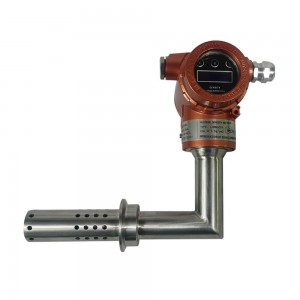
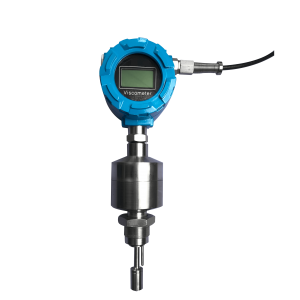
Modern gold electrolyte density meters—such as inline oscillating tube designs—address nearly every limitation of traditional tools. Lonnmeter manufactures inline density meters able to continuously monitor solution density in real time. These devices do not require manual sample handling; they are installed directly in process lines for uninterrupted measurement.
Oscillating tube meters achieve accuracy up to ±0.0001 g/cm³. Advanced temperature compensation and automated calibration ensure repeatable results across a spectrum of gold electrolyte concentrations. Inline operation limits contact with corrosive media, reducing maintenance and extending sensor lifespan. Data can be integrated into process automation platforms, yielding fast adjustments and tighter control of gold electrolyte concentration. This advancement streamlines gold recycling techniques and supports both batch and continuous gold refining and recovery operations.
Accuracy, Repeatability, and Error Sources in Density Measurement
Manual measurements are undermined by operator skill, environmental variance, and sample condition. Human errors—such as misreading a hydrometer meniscus or failing to dry a pycnometer—impact data validity. Temperature fluctuation is the most persistent error source; gold electrolytes often operate at elevated or changing temperatures, complicating compensation.
Modern gold electrolyte density meters overcome these challenges through robust sensor design and precise thermal management. Inline sensors deliver consistent readings, minimizing operator involvement and sample variance. Automated temperature correction, superior mechanical stability, and digital calibration routines provide repeatability and reproducibility unattainable with manual methods.
Digital density measurement instruments have improved the reliability, repeatability, and speed of electrolyte monitoring in gold refining and recycling, directly supporting quality assurance and process efficiency.
Challenges in Measuring High-Concentration, Corrosive Gold Electrolytes
Gold refining electrolytes are often concentrated and highly corrosive, containing acids or cyanides that degrade conventional glass instruments. Hydrometers and pycnometers suffer from material incompatibility, shortened service life, and contamination risks.
Inline meters from Lonnmeter feature robust construction to withstand aggressive chemistries. Non-glass wet parts, advanced sealing technology, and real-time monitoring capabilities make them suitable for demanding process environments. These devices maintain performance in high-concentration streams, supporting rigorous electrolytic gold refining process control and gold recovery electrolytic process management.
In summary, optimal measurement of gold electrolyte density requires shifting from traditional, manual methods to advanced inline technology, especially where process optimization, safety, and accuracy are critical.
Gold Electrolyte Density Meters: Tools and Technology
Gold electrolyte density meters are critical in gold refining and recycling. They are designed for precise, real-time measurement of electrolyte density, supporting gold recovery electrolytic processes and process optimization. Reliable density measurements help maintain correct gold electrolyte concentration, essential to each step of the gold refining process.
Core Features and Functions
Modern gold electrolyte density meters most often use vibrating tube sensor technology. These devices measure a sample’s density through the frequency shift of a tube filled with electrolyte. The detected frequency—altered by the mass of the liquid—allows for rapid, highly accurate calculations, with some units reaching accuracies of ±0.0001 g/cm³.
Other core features include:
- Digital temperature compensation, which ensures accuracy despite fluctuations in solution temperature.
- Chemical-resistant wetted parts—commonly Hastelloy C-276, tantalum, or titanium—that withstand aggressive media such as potassium cyanide, hydrochloric and sulfuric acids, prevalent in electrolytic gold recovery methods.
- Smooth, crevice-free sensor design to minimize metal retention and simplify cleaning, critical in gold refining and recycling.
Most advanced meters support integrated cleaning functions to prevent fouling, while sealing or double-containment designs protect sensitive electronics and mitigate leak risks. Many also offer contamination-resistant sample pathways and non-wetted electronics isolation.

Copper Flash cc Smelting Process
*
Lonnmeter Density Meter in Gold Refining
A Lonnmeter density meter is engineered for in-line measurement applications in the gold refining and recycling industry. During electrolytic gold refining processes, the Lonnmeter is directly installed into the process pipeline or bath system. It continuously monitors gold electrolyte density, enabling real-time control of composition.
Operators use the Lonnmeter to:
- Adjust reagent dosing based on live density readings.
- Maintain uniform electrolyte concentration and purity, crucial for electroplating or refining efficiency.
- Prevent gold loss caused by process deviations.
- Rapidly detect anomalies that might signal operational drift or contamination.
By integrating the Lonnmeter, facilities achieve tighter control over electrolytic gold recovery, driving both yield and quality through automation.
Criteria for Selecting a Reliable Gold Electrolyte Density Meter
Selection of the best electrolyte density meters for gold involves rigorous consideration of:
- Chemical Resistance: Only meters with wetted parts of resistant materials such as Hastelloy C-276 or tantalum should be used. This ensures performance longevity in cyanide and acidic systems.
- Calibration: The device must allow regular, straightforward calibration—ideally with automated routines and the capability to generate custom calibration curves for variable electrolyte compositions.
- Interface and Data Output: Industrial compatibility is crucial. The meter should support standard communication protocols (Modbus, Profibus, Ethernet) for seamless integration into control systems.
- Temperature Compensation: As density changes with temperature, high-precision automatic compensation is mandatory.
- Mechanical Durability: Look for double containment and robust enclosure design to handle potential leaks and aggressive environments.
- Maintenance Requirements: Simple, tool-free access for cleaning and inspection is preferred, given the tendency for process solutions to cause fouling.
In-Line Versus Offline Measurement Solutions
In-line measurement: Devices such as the Lonnmeter provide continuous, real-time monitoring directly within the electrolyte line or tank. Advantages include immediate detection of process upsets and seamless integration with gold recovery process optimization workflows. This method eliminates delays associated with manual sampling and reduces operator exposure to hazardous chemicals.
Advances in Density Instrumentation and Benefits for Gold Refining
Recent advancements in gold electrolyte concentration meters include:
- High-frequency digital signal processing, which sharpens resolution and enhances noise rejection in challenging gold plating baths.
- Robust self-diagnostics and predictive maintenance features, reducing unscheduled downtime.
- Enhanced wetted material and tube design to minimize sample retention, which is essential when handling high-value gold solutions.
- Rapid temperature equilibrium systems for faster, more stable density readings.
Together, these improvements enable consistent process monitoring, reinforce gold recycling techniques, and allow for greater automation and gold recovery process optimization. In high-throughput operations, these benefits directly translate into reduced gold loss, greater process reliability, and improved product quality in electrolytic gold refining processes.
Process Optimization Using Gold Electrolyte Density Measurement
Step-by-Step Integration of Density Meters into Electrolytic Gold Recovery Workflows
Integrating a gold electrolyte density meter, such as those manufactured by Lonnmeter, into electrolytic gold refining and recycling operations begins with strategic device placement. First, install a density meter at the feed solution inlet to verify gold electrolyte concentration before electrolyte enters the cell. This initial reading ensures accurate solution composition for the gold recovery electrolytic process, supporting the maintenance of ideal concentration to maximize plating efficiency.
Next, position the density meter at the cell output or along recirculation lines. Continuous density tracking here enables detection of shifts in plating effectiveness, unwanted build-up of by-products, or dilution from rinse cycles. An additional meter at the slurry or rinse stage allows operators to confirm water recovery rates and control downstream purity, refining scrap jewelry, bullion, or industrial residue. Routine calibration, using reference fluids and cleaning kits, assures accuracy; recommended protocols call for weekly validation and checks following any major maintenance or shift changes.
Data Interpretation: Understanding Density Readings and Their Implications for Process Adjustments
Gold electrolyte density readings indicate the concentration of gold ions, dissolved salts, and contaminants within the solution. An increase in density often correlates with heightened gold concentration, while decreasing measurements may signal dilution from rinse water or reagent imbalances. Sharp deviations suggest process upsets, including contamination or impurity ingress. Density readings help optimize the gold refining process steps. For example, if output density readings drop below target, operators may adjust gold solution dosing or recirculate unprocessed solution to recover more gold.
Logging and analyzing density data enables long-term process optimization and predictive maintenance. Consistent density values demonstrate stable solution chemistry, leading to reliable electrodeposition and repeatable product purity. Advanced workflows often integrate density readings into traceability and compliance databases, providing essential documentation for audits.
Feedback Control: Manual Versus Automated Adjustments Based on Real-Time Density Data
In manual feedback systems, technicians monitor live density readings and make real-time adjustments by altering current, voltage, temperature, or electrolyte flow rates. Operators may also manually dose additional gold, adjust reagent concentrations, or trigger purge cycles in response to Lonnmeter data trends. While effective, manual control relies heavily on operator skill and vigilance.
Automated workflows incorporate Lonnmeter density meters directly into plant PLC or SCADA systems. Automated density measurement supports real-time control feedback—adjusting stripping cycles, dosing logic, and temperature setpoints according to actual process conditions. This minimizes manual intervention, reduces operator error, and sustains ideal gold electrolyte density for optimal recovery. Automated systems have demonstrated improved energy efficiency and consistent gold product quality compared to manual operations, as reported in recent research articles.
Effect of Density Optimization on Gold Recovery Rates, Energy Efficiency, and Operating Costs
Optimizing gold electrolyte density enhances electrodeposition yield, reduces co-deposition of impurities, and stabilizes the electrolytic gold refining process. Plants tracking density in real-time have documented gold recovery rates exceeding 98% in electrowinning operations, alongside reduced waste generation. Precise density control also improves energy efficiency by maintaining optimal cell voltage and current; process variability drops, lowering power consumption per kilogram of gold refined. As a result, operating costs fall—fewer chemicals are wasted, fewer interventions are necessary, and product yield rises. Maintenance costs likewise decline due to fewer unexpected process failures and extended equipment life.
Quantifiable Benefits for Jewelry, Bullion Production, and Industrial Refining Sectors
For jewelry recycling facilities, improved density measurement reduces gold loss and impurity carry-over. Bullion producers benefit from higher product purity and predictable batch yields, which translates to superior market value. Industrial refineries processing electronic waste or industrial scrap report lower reagent and power consumption, increased throughput, and fewer compliance-driven process interruptions when deploying inline Lonnmeter density meters.
Gold recycling techniques using best electrolyte density meters for gold—such as Lonnmeter—consistently return higher refinement rates and reduced waste. Automated density measurement has resulted in traceable, sustainable gold recycling best practices for diverse sectors. Research confirms these improvements: Automated density monitoring leads to more efficient electrolytic gold refining with consistent product purity.
Gold Refining and Recycling: Quality, Sustainability, and Best Practices
Precise gold electrolyte density measurement sits at the core of sustainable gold refining and recycling. In modern electrolytic gold refining processes, tight management of electrolyte density optimizes both gold purity and resource efficiency, shaping best practices for commercial operations and responsible recycling.
Density Management and Its Role in Recycling & Sustainability
Gold electrolyte density influences dissolution rates, metal ion transport, and electrodeposition quality. In recycling scenarios, mixed alloy streams introduce copper, silver, and other base metals, which can shift electrolyte properties—altering viscosity, conductivity, and solubility. Elevated copper content, for example, increases solution density, complicating the gold recovery electrolytic process and raising risks of impurity co-deposition.
Regulating density with tools such as inline gold electrolyte density meters (like those manufactured by Lonnmeter) enables refineries to respond in real-time to shifts in recycled feed composition. Maintaining optimal density prevents excess chemical use, lowers emissions of volatile acids, and ensures the gold refining process steps are tightly controlled. Consistent monitoring and adjustment also support lower energy and water consumption for each unit of gold produced, fostering commercial and environmental sustainability.
Effects of Alloy Metals and Recycled Content
The presence of alloy metals in recycled gold streams changes the chemical behavior of the electrolyte. Silver and copper tend to liberate more easily or create additional side reactions at certain densities. If density is managed poorly, alloying elements can precipitate or form insoluble compounds that contaminate the gold deposit, reducing refining yield and product quality.
In advanced industrial operations, integrating recycled gold requires analyzing incoming material for alloy content, then adjusting gold electrolyte concentration meter settings to achieve balance. For example, refineries processing electronic scrap or jewelry must adapt the electrolytic gold recovery methods to account for blend variability, ensuring density supports selective gold recovery while minimizing cross-contamination.
Best Practices for Integrating Recycled Gold Streams
Leading gold recycling techniques involve:
- Pre-sorting and alloy analysis to anticipate electrolyte adjustments.
- Real-time, inline monitoring of density with high-precision gold electrolyte density meters.
- Automated dosing of chemicals based on density readings to maintain target electrolyte properties.
- Periodic calibration of instruments to handle varying gold electrolyte concentration.
Facilities using density-optimized process controls report less chemical waste, reduced operational downtime, and higher yield from diverse recycling input.
Industry Benchmarks for Electrolyte Management
Top-tier commercial refining operations benchmark electrolyte density management by:
- Achieving purity rates of 99.99% through consistent density control.
- Reducing chemical consumption per ton of input gold by 5-10% versus manual batch processing.
- Lowering hazardous waste and emissions output by up to 80% compared to uncontrolled systems.
- Implementing closed-loop systems to reuse electrolyte, reducing both fresh chemical usage and effluent discharge.
Precision in gold electrolyte density management is fundamental to efficient gold refining and responsible recycling.






Frequently Asked Questions (FAQs)
What is a gold electrolyte density meter and why is it essential for gold refining?
A gold electrolyte density meter is a precision device used to measure the density of the electrolyte solution in the electrolytic gold refining process. Density reflects the concentration of dissolved gold ions, acids, and additives that directly influence electrochemical reactions during refining. Accurate gold electrolyte density measurement helps maintain electrolyte composition within tight limits, preventing inefficiencies like poor deposition, excess waste, and inconsistent gold purity. Continuous monitoring ensures operators can swiftly correct deviations, maximizing yield and reducing energy and reagent use—steps crucial for optimizing gold refining and recycling operations.
How does the Lonnmeter density meter work in gold refining applications?
The Lonnmeter density meter is equipped with a digital sensor that delivers real-time readings of the gold electrolyte’s density. Designed for durability, its corrosion-resistant construction withstands harsh refining environments. Installed inline, it continuously samples the process stream and transmits data to a local display, enabling immediate process adjustments. This inline system allows refiners to sustain optimal electrolyte conditions without interrupting operations, supporting high-purity gold recovery and improved process efficiency.
Why is electrolyte density measurement significant for gold recovery electrolytic process?
Maintaining correct electrolyte density is vital to the electrolytic gold recovery process. Density impacts:
- Deposition Rate: Proper concentration facilitates predictable gold deposition on the cathode. Low density slows recovery; high density can lead to undesirable side reactions.
- Impurity Removal: Maintaining optimal density maximizes removal of base metals and minimizes impurities in the recovered gold.
- Operational Stability: Stable electrolyte conditions reduce risk of passivation, sudden chemical losses, or uncontrolled voltage changes, making refining safer and more consistent.
Regular measurement is a proven gold recovery process optimization method, necessary for achieving rigorous gold purity standards while conserving resources.
Can improper electrolyte density affect recycled gold quality?
Yes, poor control of electrolyte density can seriously compromise gold recycling techniques. If the density drifts outside recommended limits, incomplete purification may occur, resulting in elevated impurity content in recycled gold. Such process errors also waste energy and chemicals, increasing operational costs and reducing sustainability. Rigorous gold electrolyte density measurement is best practice in producing gold for jewelry or bullion, where purity and consistency are essential.
Are there differences between in-line and offline gold electrolyte density measurement methods?
In-line measurement—such as with Lonnmeter—provides continuous, immediate data from the electrolyte stream, empowering on-the-fly adjustments. This is key for industrial-scale gold refining and recycling, where process interruptions are costly. Offline methods involve collecting samples for laboratory analysis, yielding detailed results but with delays that can limit responsiveness. Offline testing may suit smaller operations, routine calibration, or troubleshooting specific issues, but lacks the real-time advantages of inline approaches for process control.
Post time: Dec-08-2025


