

Continuous flow measurement is an irreplaceable foundation for effective flotation reagent dosing in mineral processing, serving as the critical link between process stability, metal recovery, and cost efficiency. By delivering real-time, precise data on reagent delivery rates and slurry dynamics, it enables plants to dynamically adapt to shifting ore mineralogy, pulp conditions, and operational variables—mitigating the risks of underdosing (which reduces recovery) and overdosing (which wastes chemicals and degrades concentrate quality).
Reagent Dosing in Flotation Efficiency
The Fundamentals of Flotation Reagent Dosing
Precise flotation reagent dosing is essential for optimizing the separation of valuable minerals in a mineral processing plant. The exact sizing and control of reagent dosage determine the efficiency of flotation cells, affecting both recovery rates and concentrate quality. When collectors, such as xanthate or dithiophosphate collectors, are not appropriately dosed, outcomes shift rapidly. Overdosing xanthate can oversaturate mineral surfaces, causing not only increased mass flow rate measuring device alarms but also the unintended activation of gangue particles, sharply decreasing selectivity. Conversely, underdosing leads to insufficient attachment, reducing the mineral mass collected and lowering overall yield. Dithiophosphate collector usage faces similar constraints; precise control mitigates excessively high reagent costs and unnecessary chemical consumption, supporting sustainable flotation reagent cost efficiency practices.

Flotation Reagents in the Mineral Processing
*
Mining frothers play a contrasting but equally critical role. Their levels directly influence froth stability, bubble size, and carrying capacity. Overdosing frother leads to overly stable froth, which can trap excess gangue, reducing concentrate grade even as apparent flotation rates rise. Underdosing destabilizes froth, causing valuable hydrophobic particles to drain from the cell and lowering recovery.
Froth stability, intimately connected with both reagent addition and operational variables, also affects mass transfer inside flotation cells. Stable froth allows proper attachment of air bubbles to mineral particles, facilitating effective transfer to the concentrate stream. Disrupted froth conditions, from poor dosing, undermine this process, impacting the mass flow units of measurement for recovered product.
Achieving optimal flotation performance hinges on rapid, precise adjustments to reagent dosing—especially in response to dynamic ore conditions. Consistent application contributes to reagent dosage optimization, reducing the likelihood of costly reagent wastage and supporting strategies for higher metal recovery rates.
Key Variables Affecting the Flotation Process
Flotation reagent dynamics adapt to several variables. Ore mineralogy, specifically particle size distribution, heavily influences how reagents interact with the slurry. Finer particles require adjustment of reagent types and feed rates, as they offer more surface area for adsorption and can rapidly alter the mass flow rate passing through the flotation cell. If the device to measure mass flow rate flags significant changes, corresponding modifications to reagent addition often follow to maintain required selectivity and recovery.
The pulp pH is a primary chemical control; it affects both collector activity and frother efficacy. For example, xanthate dosing in flotation becomes critical at different pH levels, with acidic conditions enhancing adsorption on sulfide minerals while reducing activity on undesirable silicates. When pH drifts from target, even minorly, mineral surface chemistry and thus flotation kinetics can shift, demanding careful reagent re-optimization.
Slurry aeration interacts closely with frother and collector dosing. Increased air flow enhances bubble dispersion but may demand higher frother concentration to maintain froth structure. If aeration rises without adjustment, volatile froth collapse or unwanted gangue entrainment in the concentrate often occurs.
Operational parameters—impeller speed, cell residence time, and pulp density—further shape reagent requirements. Faster impeller speeds can break down bubbles prematurely, driving up frother demand. Changes in pulp density or slurry viscosity, possibly measured with equipment like an inline density meter from Lonnmeter, alter interaction rates between reagents and mineral particles, further influencing optimal dosing. These variables are especially relevant for metal recovery rate optimization in mining, as real-time adjustments to reagent feed can quickly correct process deviations and enhance metal yield through flotation.
In summary, accurate flotation reagent dosing is a continuous balancing act that depends on ore characteristics, operational parameters, and equipment feedback. Only by considering each influencing factor—collector and frother types, dosing rates, mass flow rate monitoring, pH control, and aeration—can a mineral processing plant improve selectivity, recovery, and cost efficiency simultaneously.
The Importance of Continuous and Accurate Mass Flow Measurement
Principles and Technologies for Mass Flow Rate Measurement
Continuous and accurate measurement of mass flow rate is fundamental to optimizing reagent dosing in mineral processing plants. In flotation circuits, precise delivery and monitoring of reagents—such as xanthate and dithiophosphate collectors—directly influence separation efficiency, reagent cost efficiency, and overall metal yield.
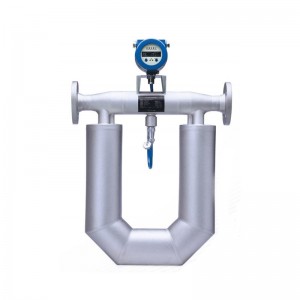
Coriolis mass flow meters are employed as a primary mass flow rate measuring device. These instruments work by inducing vibration in sensor tubes; as reagent passes through, the mass flow generates a phase shift in the vibration proportional to the actual mass flow rate. This measurement principle allows Coriolis meters to reliably capture not only flow rate but also crucial physical properties such as density and viscosity—even compensating for temperature or process fluid variations. Their accuracy consistently approaches 0.05% error under correct installation and calibration practices, making them a preferred device to measure mass flow rate in real-time reagent control applications.
Mass flow units of measurement most commonly used in flotation reagent dosing include kilograms per hour (kg/h), tonnes per hour (t/h), and, in some cases, grams per second (g/s). Selection of units depends on the scale of operation and the control granularity desired for specific reagent types. Using appropriate mass flow units helps ensure dosing adjustments translate to tangible improvements in both reagent cost reduction strategies and metal recovery rate optimization.
The importance of high-resolution, real-time measurement lies in its ability to provide immediate feedback. By identifying deviations from target mass flow rates, operators can rapidly intervene, preventing episodes of under-dosing (reducing recovery rates) or over-dosing (inflating reagent costs and risking process instability).

Integration of Sensor Technologies for Reagent Dosing Control
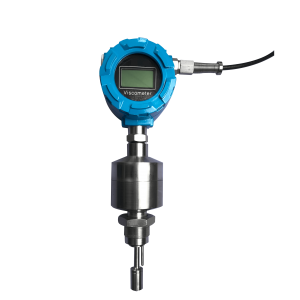
Online sensors and analyzers—including inline density and viscosity meters by Lonnmeter—are strategically positioned throughout the reagent delivery pipelines and at dosing points in the flotation circuit. This placement enables them to collect uninterrupted, real-time data on the properties and rates of reagent flow, delivering a steady stream of actionable information for process controllers.
Coriolis mass flow meters form the backbone of this continuous monitoring system, especially in the context of collectors (such as xanthate and dithiophosphate) and mining frothers. High-precision mass flow rate measurement supplies operators with reliable dosing information regardless of changing process conditions—temperature fluctuations, viscosity shifts, or variations in slurry composition.
Feedback loops are key to this system’s success: Data from online sensors drives automated dosing controls which dynamically adjust reagent delivery. For example, if mass flow drops due to blockages or viscosity shifts, feedback mechanisms can immediately correct the dosing rate, ensuring that metal recovery rates remain at target levels and reagent cost efficiency is preserved. This live adjustment capability is especially vital where reagent dosage optimization can mean the difference between marginal and optimal metal yields.
Integrated sensor networks, anchored by mass flow meters and complemented with density and viscosity sensors, enable consistent dosing outcomes in the face of process variability. Operators benefit from early warning of anomalies—spikes in flow, drops in density, or irregular reagent behavior—allowing for rapid intervention and minimizing the risk of compromised separation or excess reagent consumption.
Ultimately, enhanced measurement precision and automated control feedback translate into reduced chemical wastage, improved metal yield through flotation, and significant operational cost savings—core objectives in any reagent dosage optimization program.
Strategies for Optimizing Flotation Reagent Dosing
Automation and Remote Tuning of Dosing Systems
Automating flotation reagent dosing systems enables mineral processing plants to rapidly adapt to changes in ore feed and process variability. Closed-loop control, driven by real-time process measurements, ensures that reagent dosing continually responds to dynamic operating conditions. For instance, inline mass flow rate measuring devices—such as the density and viscosity meters manufactured by Lonnmeter—supply essential data to dosing controllers. This feedback closes the loop between measured slurry properties and reagent addition rates, ensuring that the process remains on target despite fluctuations.
Proper calibration and regular validation of these devices are critical. If mass flow units of measurement or calibration standards drift, control systems may become inaccurate, leading to over-dosing or under-dosing. Scheduled calibration routines and cross-checks with manual samples guard against these inefficiencies. Furthermore, maintaining a continuous data record bolsters auditing and process improvement efforts. Effective use of closed-loop control, supported by reliable device data, has been shown to reduce reagent consumption by up to 20% and improve metal recovery rates by several percentage points, significantly influencing both cost efficiency and metal yield in flotation circuits.
Diagnostic Signs of Improper Reagent Dosing
Flotation reagent dosing must be precisely balanced. Visual cues often provide the first indication of dosing issues. Common signs of under-dosing include low froth column heights, large froth bubbles with poor mineral carryover, and weak or unstable froth structure at the cell surface. Analytical observations—such as reduced mass pull, lower metal grades, and declining recovery—also suggest that insufficient collector or frother has been added.
Over-dosing manifests differently. Excessive frother addition can lead to puffed, thick froth layers, small bubbles, and persistent overly stable froth that interferes with concentrate removal. Over-dosing of collectors may result in increased entrainment of gangue minerals, reducing concentrate grade. Continuous monitoring of key indicators like froth column height, bubble size, and flotation stability provides actionable insight. Inline sensors and density/viscosity meters, when coupled with rigorous data validation, help flag these issues early, allowing operators to adjust dosing rates before process performance suffers.
Practical Guidance for Collector and Frother Addition
Effective dosing strategies for collectors and frothers hinge on stage-wise application and adaptability. For xanthate dosing in flotation, distribution across rougher and cleaner stages is essential, with initial higher concentrations tapering to refined, lower doses downstream. Dithiophosphate collector usage typically complements xanthates, with careful adjustment according to sulfide mineral target and ore characteristics.
Mining frothers selection must reflect both circuit design and ore type. Stage-specific frother dosages can be tuned to control bubble size and froth stability, supporting selective mineral recovery. Real optimization demands fine-tuning of reagent blends—not merely following set recipes. Operators must routinely analyze feed variability and recovery trends to recalibrate addition rates. Inline mass flow measurement devices, like those provided by Lonnmeter, can be leveraged to determine precise slurry properties for each stage, ensuring dosing matches both throughput and process demand.
Lowering reagent consumption, a key focus for cost reduction in mineral processing, hinges on these active feedback and adjustment practices. Optimized dosing drives higher metal recovery rates and enhances overall flotation yield without raising chemical expenses, benefiting both plant economics and sustainability.
Achieving Cost Efficiency and Maximizing Metal Recovery
Reducing Reagent Consumption While Maintaining Performance
Precise reagent dosing is central to cost control in mineral processing plants. Regulatory strategies for reducing reagent consumption focus on employing automated mass flow rate measuring devices such as inline density meters, which deliver rapid and reliable feedback on slurry conditions. By directly tying the amount of xanthate, dithiophosphate collectors, and mining frothers added to the real-time mass flow units of measurement, plants minimize over-dosing and wasted chemicals while safeguarding recovery performance.
For example, using a device to measure mass flow rate integrated with real-time process analytics enables immediate corrections when data trends show dosing inefficiencies. Tight control lowers overall chemical consumption, cuts the frequency of reagent procurement, and reduces storage and handling costs. Analytics platforms that log dosing data continuously help operators identify persistent overuse and wastage, unlocking opportunities for reagent cost reduction strategies and improved profit margins. These data-backed optimizations not only limit reagent expense but also reduce the environmental burden of excess discharge.
Enhancing Recovery Rates through Precise Dosing Control
Optimized reagent dosage in flotation relies on balancing the chemical input precisely with the ore’s mass flow. Direct measurement and regulation of mass flow units of measurement prevent the erratic dosing that typically results from manual adjustments. Plants that implement continuous monitoring with inline density and viscosity meters, such as those manufactured by Lonnmeter, feed this real-time data into dosing systems, securing stable and effective reagent addition.
This rigor results in measurable gains. For instance, in trials where integrated mass flow controlled dosing replaced manual methods, plants recorded up to 1.5% higher concentrate recovery rates, with notable reductions in tailings loss. A pilot site reported improved performance in metal recovery rate optimization in mining by synchronizing collector dosage with measured changes in slurry mass flow and composition—particularly during feed variability. Such process stability through consistent dosing translates to higher and more predictable mineral yields, supporting both improved plant economics and operational sustainability.
A case example discussed in recent literature illustrated that optimized xanthate dosing in flotation, where feedback was derived from mass flow readings, led to a 17% cut in reagent usage per ton milled. At the same time, metal recovery rates increased—demonstrating the dual benefit of reagent dosage optimization and strategies for higher metal recovery rates.
Continuous process analytics combined with advanced instrumentation ensure the link between reagent dosing and ore feed remains robust. The end result is a step-change in flotation reagent cost efficiency, reduced operational variability, and sustainable improvements to enhancing metal yield through flotation.
Plants seeking further reagent consumption reduction can employ data-backed adjustments during periods of lower feed grades or altered mineralogy, maintaining consistent output regardless of input fluctuations. This methodological approach is among the recommended methods to reduce reagent consumption in mining without risking recovery loss, demonstrating proven quantitative and economic benefits at both pilot and industrial scale.

The Relationship Between Dosing Technology, Recovery, and Plant Profitability
Optimized flotation reagent dosing in mineral processing plants directly impacts process performance, influencing both recovery and profitability. Precision in reagent addition—made possible through advanced mass flow rate measuring devices such as inline density meters—plays a central role in the complex interplay between operational outcomes and economic efficiency.
Improved dosing is fundamentally linked to flotation recovery. Consistent xanthate dosing in flotation and accurate dithiophosphate collector usage enable robust bubble-particle attachment and selectivity. When plants deploy reliable mass flow rate measuring devices, they achieve tighter control of reagent input relative to slurry or pulp flow, keeping chemical conditions at their optimal level. In turn, this sustains high metal recovery rates and prevents costly fluctuations in concentrate grade. For example, studies have demonstrated that transitioning from manual reagent addition to automated systems informed by real-time flow and density data can increase recovery by 1–3 percentage points while keeping unwanted gangue minerals out of the product stream.
Economic performance benefits are equally significant. Flotation reagent dosing informed by real-time mass flow units of measurement directly reduces reagent overconsumption—a chronic challenge in legacy systems. With reagents representing a substantial share of a plant’s operational expenditure, minimizing dosage without sacrificing performance yields immediate cost savings.
Process stability—essential for sustained profitability—is markedly enhanced when dosing adjustments are tied to dynamic feedback from mass flow and density devices. Such systems quickly detect flow surges, density shifts, or blockages, enabling operators to correct deviations before they escalate into major process upsets or loss of recovery. Consistent reagent dosing supports higher throughput by reducing the risk of off-spec product, ensuring the plant safely operates closer to its design capacity.
Strategic selection and optimization of mining frothers, collectors, and modifiers become more actionable with reliable mass flow and density data. For instance, successful integration of inline devices supports not only reagent dosage optimization and cost reduction strategies but also advanced methods to reduce reagent consumption in mining without impairing metal yield.
Systematic dosing strategies, anchored by accurate real-time measurement, create a stable baseline for sustainable operations. Plants achieve an improved metal recovery rate optimization in mining when dosing is responsive to actual process needs—not to historical trial-and-error settings. As a result, enhanced mass flow measurement via Lonnmeter’s inline density and viscosity meters provides foundational data integrity for long-term flotation reagent cost efficiency and enhanced metal yield through flotation.
Peer-reviewed case studies confirm that the synergistic deployment of dosing technology with precise measurement capabilities directly supports strategies for higher metal recovery rates and tangible improvements in plant profitability, validating its role as best practice for contemporary mineral processing.






Frequently Asked Questions (FAQs)
What is a mass flow rate measuring device, and why is it essential for flotation reagent dosing?
A mass flow rate measuring device quantifies the amount of reagent or slurry delivered in a mineral processing plant. These devices provide real-time data, enabling automatic control of flotation reagent dosing. Accurate, continuous measurement is critical for effective xanthate dosing in flotation, precise dithiophosphate collector usage, and optimized mining frothers selection. This precision maximizes metal recovery rates and keeps reagent and operational costs under control. When dosing deviates, even slightly, inadequate collection or excess frothing can occur, harming both recovery and circuit stability. Automated mass flow monitoring sustains reagent dosage optimization, directly impacting metal recovery rate optimization in mining.
Which mass flow units of measurement are commonly used in mineral processing plants?
Standard mass flow units of measurement include kilograms per hour (kg/h), tonnes per hour (t/h), and grams per second (g/s). The unit chosen depends on reagent delivery rate and plant scale. For example, major collectors like xanthate are dosed in kg/h ranges in base metals flotation, while specialty mining frothers may be delivered in g/s where finer resolution is needed. Uniform measurement units across dosing skids ensure consistency in reagent consumption tracking and help operators compare the efficacy and consumption of various flotation reagents.
How do you select a reliable device to measure mass flow rate for flotation reagent dosing?
Selection of the optimal device to measure mass flow rate depends on several process criteria. For aqueous, low to moderate viscosity reagents, electromagnetic flow meters are widely used. They reliably measure flow in lines handling corrosive and slurry-laden liquids and easily integrate with control systems for automated adjustment. Coriolis flow meters are favored for their high measurement accuracy across diverse liquid viscosities and densities, directly measuring mass flow. This makes them well suited for high-value or process-critical reagents. However, they require higher investment and maintenance. Positive displacement meters excel with viscous, specialty reagents, offering high precision at low flow rates. Selection must also consider the compatibility with cleaning regimes, especially for dosing systems with clean-in-place requirements or frequent reagent changeovers. Devices should be robust to handle scale build-up, corrosion, and regular maintenance cycles prevalent in a mineral processing plant.
Why is automation of flotation reagent dosing important in modern mineral processing plants?
Automation of flotation reagent dosing achieves consistent, precise addition of collectors and frothers in response to real-time process feedback. Fluctuating feed grades or changes in slurry characteristics are quickly compensated for, enhancing both process stability and recovery rates. Automated dosing platforms, using real-time information from flow measurement devices, reduce reagent overuse and underuse—two leading contributors to inefficiencies. This shift eliminates human error inherent in manual dosing and aligns actual chemical delivery with changing mineralogy, reducing operating costs while enhancing metal recovery rates in mineral processing. Peer-reviewed case studies show that integrating advanced flow monitoring increases reagent utilization efficiency by up to 10% and delivers a measurable boost in concentrate yields.
What strategies help achieve reagent cost reduction without sacrificing higher metal recovery rates?
Continuous mass flow monitoring, combined with closed-loop automation, ensures each portion of slurry receives the correct amount and blend of reagents. Stage-wise dosing, in which reagents are added at several flotation stages rather than all at once, minimizes overconsumption and responds to the evolving needs throughout the circuit. Blending collectors, for example, alternating xanthate and dithiophosphate, allows for cost-effective targeting of specific minerals and reduces total chemical use. Regular calibration of dosing devices safeguards measurement fidelity and ensures dosing recipes remain matched to process conditions. Together, these methods to reduce reagent consumption in mining deliver consistent metal yield improvements and tangible reagent cost reduction strategies, as validated by both academic research and industry reports.
Post time: Dec-25-2025


