

Introduction to Emulsion Density in Paint Manufacturing
Emulsion density measurement is a fundamental aspect of quality control within the paint manufacturing process. Determining and maintaining the correct density of paint emulsions ensures consistent product quality across large-scale production runs. In the manufacturing process of paint, density is defined as mass per unit volume, and it is directly influenced by the concentrations of ingredients such as binders, pigments, solvents, and additives. For architectural paints, especially water-based types, emulsion density impacts not only the immediate processing parameters but also the long-term stability, usability, and application performance on building surfaces.
During the production of architectural paints, the emulsion typically consists of polymer binder particles—such as those derived from butyl acrylate and methyl methacrylate—which are dispersed in water. Butyl acrylate provides elasticity and flexibility, which are important for applications requiring a softer film and better low-temperature performance. Methyl methacrylate, on the other hand, imparts hardness, higher mechanical strength, and resistance to water and chemicals. By tuning the ratio of these monomers, manufacturers can achieve the precise film properties needed for architectural paint types such as durable wall coatings and robust exterior finishes.

Rubber Roller Manufacturing
*
Accurate emulsion density measurement is critical for several reasons: it assures batch-to-batch consistency, prevents settling or phase separation, optimizes pigment and binder usage, and maintains the proper flow, drying, and covering power of the paint. Variations in density can lead to visible defects like uneven gloss, texture inconsistency, or reduced durability, impacting the reliability and appearance of finished architectural coatings.
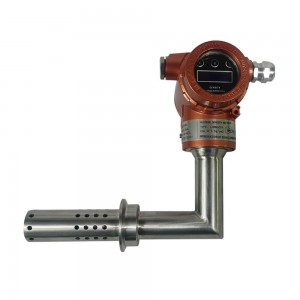
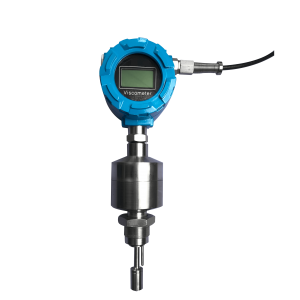
Today’s paint industry manufacturing process increasingly relies on real-time density measurement to optimize production and quality control. Devices known as liquid density meters, including inline density meters manufactured by Lonnmeter, measure density directly within the process stream. Inline systems enable immediate adjustments, ensuring that the density remains within required tolerances throughout raw material feeding, mixing, grinding, and product filling steps. This minimizes waste, reduces the need for rework, and enhances reproducibility across batches.
Key terms relevant to this discussion include butyl acrylate, methyl methacrylate, real-time density measurement, and liquid density meter. Butyl acrylate and methyl methacrylate serve as core monomer building blocks in acrylic binder emulsions, controlling flexibility and strength. Real-time density measurement refers to the continuous monitoring of density during the manufacturing process, allowing paint plants to correct for variations as they occur. A liquid density meter is the sensor or instrument used for this purpose, supporting both paint production process optimization and rigorous paint emulsion quality control. Real-time inline monitoring is essential not only for maintaining product uniformity but also for meeting regulatory and customer quality expectations in the competitive field of architectural paint application techniques.
Core Raw Materials in Emulsion Polymerization for Paint Production
Butyl Acrylate
Butyl acrylate (BA) is a cornerstone in the paint manufacturing process, especially in waterborne emulsion systems targeting architectural paints. The primary industrial route for BA synthesis relies on acid-catalyzed esterification, where acrylic acid reacts with n-butanol. This process generally uses acidic catalysts like sulfuric acid or p-toluenesulfonic acid. The reaction occurs under reflux, usually between 90–130°C, with continuous water removal to drive the equilibrium toward the ester. Ion-exchange resins are now common for increased catalyst recovery and environmental compliance. The final product undergoes repeated distillation and washing to meet paint-grade purity, including rigorous quality checks for acid value, color, and purity by gas chromatography. Trace polymerization inhibitors such as MEHQ are introduced to suppress unwanted polymerization during storage and shipping.
Functionally, butyl acrylate imparts a very low glass transition temperature (Tg) to the resulting copolymers, often below -20°C. This property is critical in paint formulas to ensure high film flexibility and robust adhesion, especially in climates with temperature extremes. Enhanced flexibility helps the paint films resist cracking and flaking over various substrates and application conditions, which is especially valuable in high-volume architectural paint types.
Butyl acrylate also boosts weather resistance in architectural coatings. Its inherent elasticity helps the paint layer accommodate substrate movement arising from changing temperatures and mechanical stresses. Moreover, BA’s molecular structure aids in resisting degradation from UV radiation—an enduring concern in exterior architectural paint application techniques. When properly formulated, BA-based resins can display significant improvements in both water repellency and environmental endurance compared to traditional systems. These polymers also show higher gloss and color retention under sunlight, helping architectural paints retain both protective and decorative qualities for longer durations. Additives, such as nano magnesium oxide, further enhance these properties—improving opacity, gloss, and even bacterial resistance without introducing biocidal toxicity, aligning with current regulatory demands for safer paint solutions.
Methyl Methacrylate (MMA)
Methyl methacrylate (MMA) is another critical monomer in advanced paint production, particularly for architectural paints that require high mechanical strength and surface durability. MMA’s role in the copolymerization process, especially alongside BA, is to impart structural hardness and increased abrasion resistance to the paint film. In the context of the manufacturing process of paint, MMA increases the glass transition temperature of copolymers, resulting in harder films that are less susceptible to physical wear and block formation during drying.
The synergy between MMA and BA is central to formulating paints with a customized balance of flexibility and hardness. By adjusting the MMA-to-BA ratio in emulsion polymerization, formulators can design coatings tailored for specific end-use requirements—balancing the elasticity supplied by BA with the mechanical strength introduced by MMA. For example, a 3:2 MMA:BA copolymer often yields a film with optimal toughness, modulus, and environmental stability. This tunability is reflected in various architectural paint application techniques, where surface conditions and performance lifespans differ dramatically.
Recent research indicates that phase morphology at the nanoscale, controlled by the precise architecture of MMA-BA copolymers, enables even further optimization. Alternative structures, such as gradient or alternating copolymers, give rise to unique self-healing properties, narrower glass transition regions, and improved resistance to water and environmental stressors. Hybrid emulsions integrating functional fillers like silica or nano magnesium oxide into the MMA-BA matrix further enhance properties like heat insulation, optical clarity, and mechanical strength, positioning these raw materials at the forefront of modern paint production process optimization.
The combined use of BA and MMA in emulsion polymerization—the backbone of many architectural paints—makes it possible to control product quality rigorously. This is enhanced by real-time emulsion density measurement and inline liquid density meters from manufacturers such as Lonnmeter, helping keep paint emulsion quality within targeted performance specifications during continuous production. Such process monitoring is crucial for density measurement in paint manufacturing, as it enables consistent film formation and stable product properties essential for both aesthetic and protective architectural applications.
Overall, butyl acrylate and methyl methacrylate form the technical foundation for waterborne paints that deliver flexibility, durability, and superior weather resistance, meeting demanding industry standards and consumer expectations for long-lasting, environmentally friendly surface coatings.
Manufacturing Process of Paint: Modern Emulsion Polymerization
Ingredient Preparation and Pre-Mixing
Accurate dosing of Butyl Acrylate (BA), Methyl Methacrylate (MMA), water, surfactants, and initiators is foundational in modern paint manufacturing. The liquid monomers BA and MMA must be added with precision since their ratio and feed rate directly control polymer structure, molecular weight, mechanical properties, and environmental safety. Inaccuracies in dosing can result in incomplete reactions, unpredictable film performance, or residual monomers that compromise both functional and regulatory standards.
The dosing process often relies on gravimetric or volumetric metering, followed by continuous agitation to distribute the monomers uniformly in the aqueous medium with surfactants. Surfactants are selected based on their ability to stabilize the growing latex particles, while initiators—commonly free-radical generators—must be introduced in solution at carefully regulated concentrations for consistent polymer growth. All ingredients are pre-mixed under controlled shear conditions to minimize local monomer concentrations and prevent premature nucleation.
pH adjustment in the pre-mix, typically to values between 7 and 9, is essential. This pH window optimizes electrostatic repulsion between latex droplets, improving dispersion stability and minimizing aggregation. It also enhances initiator efficiency, as most radical initiators perform predictably at neutral to mildly alkaline conditions. Such stabilization in the pre-mixing phase directly impacts particle size distribution and final film uniformity, which translates to better application and durability in architectural paint types.
Polymerization Reaction Stages
Polymerization is conducted in temperature-controlled reactors designed for either batch or continuous operation. For both modes, the reactor atmosphere is purged with an inert gas such as nitrogen, which prevents oxygen-induced inhibition of radical polymerization and hinders unwanted oxidation of monomers and polymers. Maintaining consistent operating temperatures—commonly in the range of 70–85°C—enables precise control of initiator decomposition rates and polymer chain propagation. Small deviations in temperature or atmospheric composition can result in variable conversion rates, broader particle size ranges, or unstable emulsions.
Batch polymerization involves charging all or most reactants at the outset, which is beneficial for custom or small-scale lots. It offers formulation flexibility but can suffer from inconsistent heat transfer, variable product quality, and increased risk of runaway reactions. In contrast, continuous and semi-continuous processes steadily supply monomers and initiators while removing polymer product, maintaining near-steady-state conditions. This enhances heat dissipation, stabilizes particle nucleation and growth, and produces more uniform latexes, critical for architectural paint application techniques where product consistency is paramount.
Many modern manufacturing setups favor semicontinuous emulsion heterophase polymerization (SEHP). Here, a carefully starved monomer feed ensures high conversion efficiency (often >90% at any point), very low residual monomer, and tight control over latex particle size. These efficiencies are vital for paint production process optimization and sustainability.
Post-Polymerization Processing
On reaction completion, the latex undergoes a neutralization step, adjusting its pH to stabilize the final emulsion and prepare it for downstream handling. Agents such as ammonia or sodium hydroxide are dosed precisely; improper neutralization may destabilize the colloidal system and degrade gloss or scrub resistance in the final paint.
Filtration is critical post-polymerization. It removes coagulum, aggregates, and unreacted impurities, which if left in, cause defects like pinholes or uneven gloss in architectural paints. Multistage filtration setups may be used to achieve the target purity.
By-product separation addresses removal of residual monomers or low-molecular-weight fragments, often by controlled vacuum stripping or chemical scavenging (“redox chase”), ensuring compliance with safety and environmental regulations. Yield optimization often involves reclaiming unreacted materials and integrating solvent or energy recycling measures, making contemporary paint industry manufacturing processes more sustainable and cost-efficient.
Throughout, quality assurance depends on real-time viscosity and solids measurements and particle size distribution analysis. Here, the use of Lonnmeter inline density meters enables continuous emulsion density measurement, a key parameter for correlating with solids content and product uniformity. These meters provide real-time density measurement in paint manufacturing, supporting robust paint production process optimization and supporting immediate corrective action if deviations are detected. Viscosity checks further ensure the finished emulsion meets processability and application standards vital for paint emulsion quality control.
Integrated, data-driven monitoring at every stage—ingredient preparation, polymerization, and post-treatment—delivers the process reliability and product consistency necessary in industrial and architectural paint sectors.
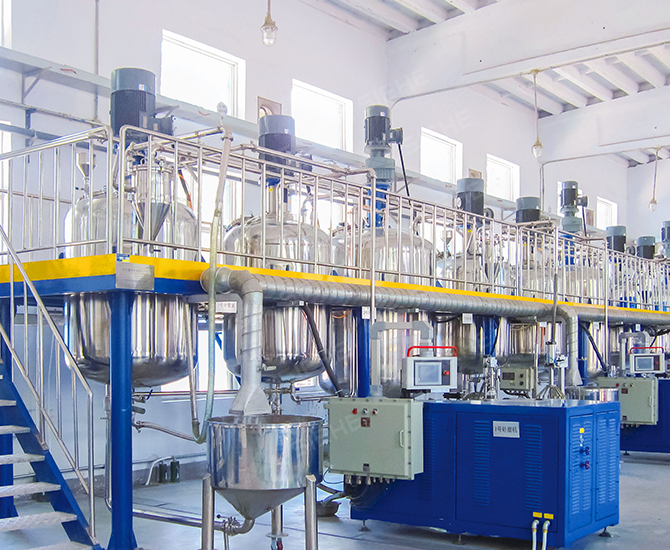
Emulsion Density Measurement: Principles and Techniques
Emulsion density plays a pivotal role in the paint manufacturing process, particularly for formulations incorporating Butyl Acrylate and Methyl Methacrylate in architectural paints. Density is intrinsically linked to solids content, dispersity, and viscosity—key determinants of both in-process behavior and the final coating performance. The interplay between density and these properties shapes the texture, opacity, and durability of the dried paint film, influencing both application techniques and the range of achievable architectural paint types.
Density in paint emulsions rises as solids content increases. The compactness of resins, pigments, and other solids relative to the aqueous phase drives this trend. For example, a paint emulsion with high polymer loading demonstrates not only elevated density, but also increased viscosity and film-forming capacity. However, the relationship is not linear; as particle size distribution broadens or as deformable polymer particles are introduced, it is possible to increase solids without a corresponding spike in viscosity, allowing for higher density while maintaining acceptable flow for various architectural paint application techniques. Effective emulsion density measurement ensures that these targeted attributes are consistently achieved, supporting paint production process optimization and quality control throughout all stages.
Multiple measurement techniques exist for evaluating emulsion density in the paint industry manufacturing process:
Offline Gravimetric Methods: Traditional gravimetric analysis—where the mass of a known emulsion volume is measured—offers direct, reliable density values. This approach remains an industry baseline, especially for batch quality control. However, delays due to sample preparation and limited frequency make it unsuitable for real-time adjustments in dynamic manufacturing environments.
Real-Time Density Measurement: Advancements in sensor technology have established real-time solutions that deliver near-instantaneous feedback on emulsion density. Methods like ultrasonic measurement—using speed of sound to estimate density—and oscillating U-tube systems—directly measuring mass-related oscillation frequency—allow immediate detection of process variation, essential for the paint production process’s fast-paced settings. Integration of these real-time methods provides precise, actionable data enabling immediate process adjustments, critical to sustaining optimal density throughout continuous production.
Inline Monitoring: Inline liquid density meters, such as those produced by Lonnmeter, are engineered specifically for uninterrupted, on-line monitoring within process lines. These instruments enable continuous data acquisition, bridging the gap between laboratory and process control. Inline monitoring ensures constant oversight of the density profile without extracting samples, reducing risk of contamination or operator error. This is vital for high-throughput sectors like paint industry manufacturing, where product uniformity and waste minimization are priorities.
The use of a liquid density meter in such processes directly supports consistent product performance. Continuous, inline measurement makes it feasible to regulate feed rates, control additive dosing, and detect shifts in emulsion quality due to raw material variability or process disturbances. For instance, inline density readings immediately expose any deviation in targeted Butyl Acrylate or Methyl Methacrylate content, allowing operators to correct mixing parameters and maintain compliance with paint emulsion quality control standards. This approach minimizes off-spec production, reduces resource wastage, and optimizes the manufacturing process of paint across all architectural paint types.
Studies have demonstrated that inline density measurement, when paired with insights from viscosity and particle size distribution analytics, offers the highest reliability in achieving consistent flow and film-forming characteristics in waterborne emulsions. The application of liquid density meters facilitates a data-driven optimization strategy, supporting both the rapid adaptation of new formulations—including sustainable or recycled binder systems—and the steady, robust operation of large-scale paint production lines.
Real Time Density Measurement in Paint Manufacturing
The adoption of advanced liquid density meters has transformed the manufacturing process of paint, particularly within architectural paints and emulsion systems. In-line instruments, such as those manufactured by Lonnmeter, provide continuous, real-time density measurement and control throughout the paint production process. Positioned directly in transfer lines, these meters monitor density changes during blending, emulsification, and adjustment stages. This enables instant feedback that is essential for maintaining consistent product quality while handling complex mixtures containing Butyl Acrylate, Methyl Methacrylate, solvents, pigments, and various additives.
Deployment of automated, in-line density meters supports reliable control of paint emulsion quality. These devices deliver data directly from the process stream, eliminating the need for manual sampling and laboratory tests, which can delay corrections if off-spec batches occur. Paint industry manufacturing process lines benefit from this uninterrupted monitoring, ensuring that every batch meets density specifications critical for color consistency, coverage, stability, and viscosity.
Real-time density monitoring produces clear advantages for paint production process optimization. Continuous tracking minimizes raw material waste by allowing immediate detection and correction of deviations. For instance, if solvent content drifts during the addition of water to latex emulsion, the meter detects even small changes in density, prompting automatic regulation of input streams. This rapid response reduces off-spec product, prevents costly disposal, and ensures uniform formulation—crucial for architectural paint types that demand tight specification ranges for both performance and regulatory compliance. Batch-to-batch product consistency is further reinforced, vital for large projects or repeat orders where color and finish uniformity must be guaranteed.
Process integration is streamlined with digital communication capabilities. Lonnmeter’s liquid density meters offer interfaces such as 4–20 mA and RS485 outputs, suited for seamless integration with PLC-based automation, a standard in the modern paint industry manufacturing process. Direct connection to PLC systems enables density data to inform real-time control logic: adjusting pump speeds, valve positions, and dosing routines as required to maintain target specifications. As a result, processes such as dispersion of Titanium Dioxide, addition of coalescents, or thinning with solvents are tightly regulated, reducing human error. Data acquisition for traceability and regulatory compliance is automated, facilitating audit trails for every batch.
Modern paint manufacturers rely on these integrated in-line density control solutions to uphold stringent quality controls across a diverse set of architectural paint applications and formulations. The robustness and adaptability of instruments like those from Lonnmeter ensures reliability in a variety of manufacturing conditions, all while enabling continuous process improvement across the paint production lifecycle.
Quality Assurance and Performance Optimization
Maintaining emulsion stability during storage and shipment is paramount in the paint manufacturing process. In the production of architectural paints, such as those utilizing Butyl Acrylate and Methyl Methacrylate, precise emulsion density measurement serves as a frontline safeguard against destabilization. The density of an emulsion directly governs the suspension balance between the dispersed (polymer or pigment) and continuous (aqueous) phases. Should the density mismatch, gravitational forces induce particle movement that accelerates phase separation, flocculation, and sedimentation, leading to paint spoilage and compromised product shelf life. Maintaining the correct density, supported by real-time measurement using a liquid density meter, is critical to ensuring these risks are minimized during the extended storage and varying temperature cycles endured during shipment.
The interplay between emulsion density and product performance is multifaceted. For paint producers, quality hinges on the reproducibility of each batch. Even minor variations in density can be traced to measurable deviations in viscosity, color uniformity, film continuity, and application properties. Inline density measurements, especially those obtained at critical control points via devices such as the Lonnmeter inline density meter, feed immediate data to quality control teams, enabling fast decisions and real-time process corrections. This approach is fundamental to paint emulsion quality control by supporting statistical process control, reducing batch-to-batch variation, and thereby boosting economic efficiency.
The impact of density control transcends stability—it significantly affects key performance metrics in architectural paints. Drying time, for example, is governed by the water and solids content of the emulsion. A higher density usually signifies higher solids content, which can accelerate the coalescence of polymer particles. This speeds up film formation, producing more robust, defect-resistant coatings suitable for diverse architectural paint application techniques. However, excessively high emulsion density may impede workability, limit the open time needed for blending or corrections, and increase the risk of internal film stress during water evaporation—potentially causing cracking or inhibiting optimal weatherability.
Film formation is further influenced by emulsion density, as a balanced density ensures close-packed particles, supporting the development of a continuous, impervious film. Peer-reviewed studies have confirmed that properly adjusted density yields films less prone to porosity, minimizing routes for moisture or chemical ingress and enhancing resistance to UV degradation and environmental exposure—properties central to the weatherability of architectural paint types. Manufacturers must fine-tune emulsion density to strike the optimal balance between application ease, rapid drying, and long-term performance stability.
Real-time density measurement and control become especially relevant in the large-scale paint industry manufacturing process, where economic losses from instability and inconsistent field performance can be substantial. Ensuring the proper density not only maintains product appearance and workability across storage, shipment, and application, but also protects the manufacturer’s reputation and end-user satisfaction. In architectural paint manufacturing, achieving this level of quality assurance through advanced process instrumentation, like inline density meters, is now industry best practice.

Economic and Environmental Considerations
Efficient emulsion density measurement plays a critical role in optimizing raw material use across the paint manufacturing process. In the production of architectural paints, where ingredients like Butyl Acrylate and Methyl Methacrylate are core monomers, achieving the correct emulsion density ensures that raw material dosing matches the precise requirements of each batch. This minimizes overuse or under-addition of expensive chemicals and pigment dispersions, reducing both costs and resource consumption.
Precise density measurement in the manufacturing process of paint is especially important given the formulation complexity of modern architectural paint types. Small deviations in density can lead to significant variations in viscosity or pigment suspension, forcing manufacturers to perform corrective dosing or even rework entire batches. This not only wastes raw materials but also increases labor and energy expenditure. Inline techniques, such as Lonnmeter’s liquid density meter, provide real-time feedback that supports immediate process corrections and tight control over material usage during paint production process optimization.
Stable emulsions result in fewer process disruptions and product defects. When the density of the emulsion is properly controlled, issues like phase separation, sedimentation, or coalescence are minimized. These defects often necessitate remedial action—adding stabilizers, increasing agitation, or scrapping defective batches—all of which inflate material consumption and generate unnecessary waste. By continuously monitoring density, manufacturers reduce the frequency of such events, further conserving raw materials and curtailing landfill-bound waste streams.
Relevant data from real-time density measurement enables smarter process adjustments, particularly during the polymerization of acrylic dispersions for waterborne paints. For instance, using Lonnmeter’s inline density meters during emulsion synthesis allows manufacturers to identify deviations in monomer conversion rates or solid content as they occur. They can then fine-tune raw material feeds, temperatures, or agitation rates to maintain optimal reaction conditions. This real-time data-driven approach minimizes raw material excess, limits the carbon footprint of the paint industry manufacturing process, and helps curb emissions associated with volatile components and energy use.
For example, if a targeted emulsion density is not reached during a batch, real-time density measurement can trigger a reduction in further monomer addition or adjust surfactant levels, thus avoiding excess on costly ingredients like Butyl Acrylate. This ensures that only as much material as necessary is used, aligning with both economic goals and environmental regulations.
The impact of inline density measurement extends to waste minimization at multiple points in the paint industry manufacturing process. By enabling prompt interventions before out-of-spec material is produced, manufacturers can keep off-specification output—and associated disposal requirements—to a minimum. This leads to significant reductions in raw material waste and supports responsible environmental stewardship within the industry.
Density measurement in paint manufacturing is thus directly tied to improved sustainability. It supports efficient resource use, helps in meeting regulatory emission limits through better process stability, and enhances paint emulsion quality control. Consistent paint products mean less rework and lower production emissions. Real-time monitoring, such as that enabled by Lonnmeter’s inline meters, allows for dynamic process adjustments, ensuring that the environmental and cost benefits are realized throughout the entire manufacturing cycle.
By integrating precise density measurement into the routine practices of the paint production process, manufacturers gain a powerful lever for both cost management and environmental responsibility, increasing their competitiveness and adherence to modern sustainability standards in the paint industry.
Addressing Industry-Specific Challenges
Architectural paint manufacturing, especially with butyl acrylate (BA) and methyl methacrylate (MMA) copolymers, faces substantial emulsion density control challenges tied to both formulation variables and environmental factors. Each architectural paint type—whether for high-durability exteriors, corrosion protection, or specialty finishes—demands precise density targeting for optimal performance during application and end-use.
Unique Density Control Challenges for Architectural Paints
The inherent variability of BA/MMA ratios significantly impacts the internal structure of the polymer network. High MMA levels improve hardness and water impermeability, which are crucial for durable coatings and metal protection, but simultaneously increase glass transition temperature (Tg) and alter particle packing. These compositional shifts make it difficult to keep emulsion density within strict limits, particularly since incomplete copolymerization leaves residual monomers that unpredictably skew density and stability, risking defects in coverage and adhesion.
Pigment and filler compatibility, vital for color development and hiding power, further complicates density control. For example, rutile titanium dioxide and calcium carbonate, common in architectural formulations, have densities much higher than the aqueous acrylic matrix. Non-uniform dispersion or incompatibility increases batch-to-batch density variability and threatens the settling stability of the emulsion during storage.
Surfactant choice and concentration remain additional variables. Surfactants stabilize dispersions but also influence polymer particle size and water-polymer interactions, both of which drive bulk density. Minor shifts in water quality or batch ingredient supply can cascade into macroscopic differences in emulsion density, making repeatability a persistent struggle—a complication magnified in scaled-up, large-volume production environments.
Environmental and Application-Specific Demands
Environmental exposure further strains density control. High humidity during drying extends water evaporation, decreasing density and affecting film coalescence. Conversely, elevated temperatures accelerate evaporation, risking over-dense films that lead to cracking or poor leveling. Regional climate conditions may require adjusted formulations, driving the need for real-time measurement and tailored process control throughout the manufacturing process of paint.
Strategies for Optimal Density Amidst Batch and Scale Variations
Consistent, high-quality architectural paints need a multi-pronged approach:
- Process Parameter Control: Maintaining reactor temperature, pressure, and shear levels reduces batch inconsistencies. Advanced reactors with tight control of agitation and dosing enable more uniform copolymerization and minimize density drift.
- Precise Raw Material Metering: Automated dosing systems linked with real-time liquid density meters, such as Lonnmeter, allow direct feedback-driven adjustment. Continuous inline density measurement enables prompt correction of pigment or additive dosing, ensuring density remains within product specifications throughout grinding and dispersion.
- Quality Control and Data Trending: Implementing standard density measurement checks—supplemented by Lonnmeter’s inline readings—across batches helps detect deviations early. Trending this data supports root-cause analysis for density anomalies, whether traced to raw material variance, water quality, or equipment conditions.
- Formulation Adjustments: Modifying the ratio of coalescents, fillers, or surfactants can tune viscosity and density, compensating for unavoidable batch-to-batch variations in polymer network structure.
As an illustrative example, a medium-sheen architectural paint formulated for humid climates may require a tailored balance of MMA-rich copolymer for water resistance, extra wetting agents for pigment compatibility, and rigorous inline monitoring. Any process deviation—such as increased agitation or a new surfactant supply—would be identified by real-time density readings, prompting adjustment before the batch progresses to finishing and packaging.
Process optimization in the paint industry manufacturing process is not only about technology but also about translating density data into actionable interventions. Through a combination of advanced manufacturing process of paint techniques, judicious raw material management, and stringent real-time paint emulsion quality control, producers can mitigate the complex density stabilization challenges that are central to architectural paint performance and reliability.






Frequently Asked Questions (FAQs)
What is the significance of Butyl Acrylate in architectural painting formulations?
Butyl Acrylate is crucial for architectural paints due to its ability to significantly increase flexibility and toughness in coatings. Its low glass transition temperature allows paint films to remain pliable at low temperatures, reducing the likelihood of cracking with substrate movement and temperature fluctuations. This property helps create long-lasting, durable coatings capable of withstanding weather stress. Butyl Acrylate is also key in formulating low-VOC, water-based paints, balancing performance and environmental compliance by promoting weather resistance without sacrificing film integrity or cost-efficiency. For example, exterior wall paints with Butyl Acrylate maintain superior adhesion and aesthetic stability compared to non-BA alternatives.
How does Methyl Methacrylate contribute to the manufacturing process of paint?
Methyl Methacrylate introduces notable improvements to paint hardness and durability when used as a comonomer in emulsion polymerizations. Its inclusion in the formulation increases the surface hardness and mechanical strength of the final paint film, enhancing resistance to abrasion, scratching, and wear. These properties are vital for high-traffic areas or exterior coatings where robust, long-term surface performance is essential. When copolymerized with softer monomers like Butyl Acrylate, Methyl Methacrylate provides a tailored balance between flexibility and strength, which is central to both interior and exterior architectural paint types.
Why is emulsion density measurement essential in the paint industry manufacturing process?
Accurate emulsion density measurement is foundational for maintaining consistent quality in paint manufacturing. Density determines pigment dispersion, coverage, viscosity, and stability of the finished product. Small deviations can lead to inferior film formation, visible defects, or unstable storage properties, ultimately diminishing user satisfaction. Measuring density at various production stages ensures batches meet strict quality benchmarks and perform reliably across architectural paint application techniques.
What role do real time density measurement and liquid density meters play in modern paint manufacturing?
Real-time density measurement streamlines the paint production process by offering continuous, automated feedback on emulsion characteristics directly during mixing, dispersion, and tinting. Inline density meters, such as those manufactured by Lonnmeter, capture rapid density deviations and enable immediate corrective actions, greatly reducing batch-to-batch variability, waste, and the need for manual sampling. This facilitates faster production cycles, minimizes off-spec material, and lowers resource consumption in the paint industry manufacturing process.
Can emulsion density measurement influence the economic and environmental performance of paint production?
Precise control of emulsion density helps optimize the use of key raw materials, minimizing waste and overuse of water, pigments, and binders. Decreased process variability and efficient recycling directly reduce production energy consumption, overhead costs, and environmental emissions. Improved batch yield and reduced scrap paint lower the ecological footprint, aligning with growing regulatory and sustainability pressures within the sector.
How is the manufacturing process of paint typically optimized for efficiency and quality?
Paint production is optimized through a combination of automated ingredient dosing, real-time property monitoring via inline density meters, and closed-loop feedback systems. This integrated approach maintains tight tolerances for density, viscosity, and other key physical properties, ensuring high-quality output with reduced process interruptions. Continuous monitoring restricts product variability and accelerates detection of off-spec events, reinforcing product reliability and standardization.
What parameters are vital to ensure stability in water-based acrylic emulsions for paints?
To guarantee long-term emulsion stability, careful management of pH, temperature, and particle size is required, alongside vigilant monitoring of emulsion density. Instability or unexpected density variation can signal aggregation, phase separation, or improper mixing—leading to compromised paint performance. Maintaining these parameters prevents sedimentation, supports uniform shelf life, and upholds the integrity of architectural paint types throughout storage and application.
Are batch or continuous processes better for emulsion-based paint manufacturing?
Continuous processes often deliver greater efficiency and product consistency due to constant material feed and ongoing monitoring, favoring large-scale and standardized architectural paint production. However, batch processing is still preferred for smaller runs or specialty formulations demanding flexibility and individualized quality checks. Continuous operations reduce labor, decrease facility footprint, and cut utility consumption, while batch systems enable tailored formulations and rapid switches between product types.
Post time: Dec-19-2025


