

The electroplating pretreatment process comprises a sequence of cleaning, conditioning, and activation steps to prepare surfaces for electroplating. This process removes surface contaminants, optimizes chemical activity, and creates a foundation for strong, uniform coating adhesion.
Overview of the Pretreatment Process in Electroplating
Electroplating pretreatment begins with initial cleaning to remove any oils, greases, or dirt from the substrate surface. Solvent cleaning, such as immersion in trichloroethylene or wiping with organic solvents, targets organic residues. Alkaline cleaning uses solutions containing surfactants and detergents—such as sodium carbonate and trisodium phosphate—often with agitation or electric current to further break down contaminants.
Substrates may then undergo mechanical surface preparation. Techniques like sandblasting, bead blasting, or brushing physically remove rust, scales, and persistent oxides. These mechanical methods are especially warranted for heavily oxidized or rough surfaces.
Chemical cleaning follows, typically via acid cleaners (pickling), which remove inorganic contaminants including scale, oxides, and rust. Hydrochloric acid is common for steels, while sulfuric acid is chosen for heavy scales. Proprietary mixtures with inhibitors protect the base metal from excessive attack during pickling. For non-ferrous metals, tailored solutions like sodium hydroxide for aluminum or dilute sulfuric acid for copper ensure compatibility and optimal results.

Electroplating Equipment Surface Pretreatment
*
Rinsing is interspersed throughout pretreatment steps to eliminate chemical residues and prevent unwanted reactions in subsequent treatments. Double-stage rinsing, particularly after acid pickling, significantly reduces ion carryover and enhances downstream process quality, minimizing plating defects.
Activation is the final critical chemical step. Brief immersion in dilute acids, such as 10–20% hydrochloric or sulfuric acid, removes any remaining oxides and holds the substrate in an active chemical state. For some materials, proprietary activators or a cathodic acid bath are applied.
In some cases, a flash or “strike” coat of a catalytically active metal—like copper or nickel—is added before the main coating, especially on non-metals or passive alloys. This pre-plating step improves the electroplating process’s subsequent uniformity and adhesive strength.
Role of the Surface Pre-Treatment Process in Influencing Electroplating Quality
Surface pre-treatment is critical for the overall quality of the electroplating process. Each stage directly affects the adhesive bond formed between the substrate and the subsequent electroplated layer.
Proper removal of oils, oxides, and particulates ensures the electrolyte and electrodeposited metal can make uniform contact with the base surface. Loss of adhesion, dull or uneven coatings, and blistering are most frequently traced to incomplete cleaning or improper activation steps. Surface contamination remains the leading cause of plating reject rates, accounting for more than half of all failures in industrial settings.
Ensuring Optimal Adhesive Strength Between Substrate and Coating
The adhesion of the plated layer relies on a chemically active, contaminant-free substrate. Meticulous application of pre-treatment methods for electroplating enables maximal mechanical interlocking and atomic bonding across the interface. For example, the activation step, by removing even thin oxide films, enhances the electrochemical compatibility and promotes high adhesive strength in electroplating. If activation is inadequate or the surface is re-exposed to air before plating, adhesion can degrade sharply.
Impact on Gloss, Durability, and Reduced Surface Defects
A properly executed pre-treatment sequence yields high gloss, structural durability, and minimal surface defects such as pitting, blistering, and roughness. Cleaned and conditioned surfaces provide consistent nucleation for metal deposition, resulting in uniform thickness and reflectivity.
Control of the electroplating bath composition, including the concentration of potassium permanganate solution in pre-treatment, can further enhance surface activation, especially for plastics and some metals. The optimal potassium permanganate solution concentration is determined by substrate type and desired activation. Potassium permanganate for electroplating, when properly prepared and rinsed off, increases surface roughness microscopically, providing higher mechanical interlock for the coating layer and improving both adhesion and long-term durability. Improper concentration or insufficient rinsing during potassium permanganate solution preparation for surface treatment, however, can lead to defects or staining, compromising both aesthetics and mechanical performance.
In summary, robust electroplating surface preparation techniques directly determine the performance, reliability, and appearance of electroplated components. Each step in the surface pre-treatment process—from initial degreasing to the final activation and optional strike coating—targets a specific class of contaminants or surface conditions. Mastery of this sequence is essential for high-quality electroplating with maximum adhesive strength and minimal surface flaws.
Key Surface Preparation Steps
Identifying and Removing Common Surface Contaminants
Electroplating pretreatment begins with identifying contaminants like oils, greases, oxide layers, dust, corrosion products, and old coatings. Oils and greases typically originate from manufacturing processes or handling. Oxides form naturally on metals exposed to air, reducing electrical conductivity for plating. Dust and particulate residues can remain from machining or transportation.
Insufficient removal of these contaminants results in poor adhesion, blistering, pinholes, and uneven deposition within the electroplated layer. For example, residual oils cause localized non-adherence, while oxide layers may lead to blistering or peeling under stress.
Mechanical Pretreatment Methods
Mechanical methods are fundamental in the surface pre-treatment process for electroplating. Grinding removes bulk contamination and flattens irregularities. Polishing enhances surface smoothedness, reducing micro-pits where defects may nucleate. Sandblasting (“grit blasting”) eliminates stubborn oxides, residues, and embedded particles, and increases surface roughness for better mechanical adhesion. Deburring strips away sharp edges and loose fragments that could compromise coating uniformity.
Selection criteria rely on substrate type and application needs. For example, grit blasting is superior for steel before nanocomposite nickel-tungsten (Ni-W/SiC) deposits, improving microhardness and adhesion compared to polishing. Aluminum alloys prepared with abrasive blasting respond better to corrosion resistance demands in marine usage.
Surface roughness is pivotal for adhesive strength in electroplating. Higher roughness—created by sandblasting or grinding—promotes mechanical interlocking of the deposit, anchoring electroplated coatings. Polished surfaces, while smooth, may sacrifice bond strength to achieve uniformity. Studies consistently find sandblasted surfaces provide best results in terms of adhesion and durability.
Chemical Pretreatment Techniques
Chemical pretreatments target contaminants unaddressed by mechanical methods, such as thin oil films and persistent oxide layers. Degreasing uses organic solvents or alkaline solutions to remove oils and greases completely; common agents include sodium hydroxide or trichloroethylene, depending on substrate compatibility.
Pickling, deploying acidic solutions, dissolves oxides and scales from metal surfaces. For example, sulfuric or hydrochloric acid is typical for steel, while nitric acid suits aluminum alloys. Acid etching—the controlled attack on the substrate—improves chemical readiness, which is crucial for successful metal deposition. Hydrofluoric acid etching is particularly effective for ceramics, removing siliceous layers and boosting repair bond strength.
After aggressive chemical treatment, rinsing with deionized water prevents redeposition of dissolved contaminants. Neutralization follows, using weak bases (like sodium bicarbonate) to stabilize the reactive substrate surface and avoid unwanted reactions in subsequent plating baths. This ensures both stability and compatibility with electroplating bath composition.

Electrochemical Surface Activation
Electrochemical activation further prepares the substrate surface, employing short current pulses or anodic/cathodic treatments in electrolyte baths. These techniques modify surface energy, remove residual oxides, and enhance wettability—crucial for cohesive electrolyte contact and subsequent deposition.
Principles of electrochemical activation are dictated by substrate and target coating. For example, a cathodic treatment in sodium hydroxide resets surface charge and removes lingering oxide films. This step maximizes the concentration of reactive surface sites, promoting uniform nucleation of the electroplated layer.
Overall, each pre-treatment method is selected and sequenced based on the substrate’s material properties, contaminant types, intended use, and desired electroplating quality. Mechanical roughening, chemical cleansing, and electrochemical activation together drive optimal adhesive strength and coating performance in the electroplating process.
The Role of Potassium Permanganate in Electroplating Pretreatment
Chemistry of Potassium Permanganate Solutions
Potassium permanganate (KMnO₄) is recognized for its strong oxidizing capacity in the electroplating process. When dissolved in water, KMnO₄ dissociates to release permanganate ions (MnO₄⁻), which possess a high redox potential. This enables aggressive oxidation of both organic and inorganic compounds, making it a valuable tool for surface pre-treatment in electroplating pretreatment.
The solution’s oxidizing strength is pivotal for removing persistent organic contaminants. These include oils, surfactants, and residual polymers left on metal substrates. The oxidative action proceeds via direct electron transfer, leading to the breakdown of these organic molecules into water-soluble species or complete mineralization. For example, advanced electrochemically active surfaces—such as Mo-doped MnO₂ on TiO₂ nanotube arrays—have shown to catalyze the rapid degradation of organic contaminants via both direct oxidation and formation of powerful intermediate oxidants, like Mn(III/IV) and hydroxyl radicals, which enhance the process effectiveness.
For inorganic contaminant removal, KMnO₄ solution facilitates oxidation and immobilization of heavy metals, such as Pb(II), Cd(II), and Cu(II), on surfaces or within matrices. This is largely attributed to the in-situ precipitation of MnO₂ microparticles during KMnO₄ reaction, which present abundant active sites for metal ion adsorption. Further, KMnO₄ can modify carbon-based adsorbents, such as hydrochar, by adding oxygenated functional groups and boosting their heavy metal uptake capacity—critical for high-purity surface preparation before electroplating baths are assembled.
Optimal potassium permanganate solution concentration is vital for balancing contaminant removal efficiency with surface integrity. Too high a concentration may lead to excessive surface etching or even overoxidation, while too low a level might compromise adhesive strength in electroplating and leave residues that disrupt electroplating bath composition.
Implementation in Surface Pre-Treatment Processes
Integrating potassium permanganate for electroplating into existing pre-treatment methods starts with a well-controlled solution preparation. The pre-treatment typically follows these steps:
- Surface Cleaning: Initial removal of gross soil, grease, or particulate matter using mechanical abrasion or alkaline washes.
- KMnO₄ Treatment: Submerging or spraying the substrate with a potassium permanganate solution. The concentration of potassium permanganate solution in electroplating must be matched to substrate type and contaminant load for targeted removal efficiency.
- Reaction Time: Allowing sufficient contact time for oxidation, usually between several minutes to half an hour, depending on surface composition and the type of contaminants.
- Rinse and Neutralization: Rinsing thoroughly with water to remove degraded residues and, if needed, neutralizing any remaining KMnO₄ with sodium bisulfite or a similar reductant to prevent interference with subsequent electroplating bath chemistry.
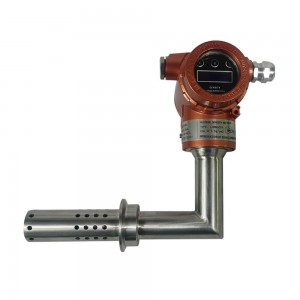
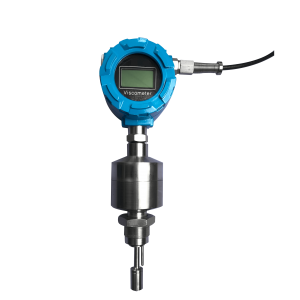
- Intermediary Checks: Employing inline density or viscosity meters from Lonnmeter to verify that residues and pretreatment chemicals have been adequately removed and surface conditions stabilized for optimal adhesive strength in electroplating.
This process can be tailored for different metals—copper, nickel, or zinc—by adjusting the potassium permanganate solution preparation for surface treatment. Monitoring pretreatment endpoints is essential for preventing overoxidation, which could compromise final electroplating quality or adhesive strength.
Potassium permanganate offers several advantages over traditional pretreatment chemicals like chromates or simple acids. It is less hazardous to handle and dispose of than hexavalent chromium compounds. KMnO₄’s broad-spectrum oxidizing ability means it can address a wide variety of organic and inorganic contaminants in one step, streamlining the number of pre-treatment stages required. Additionally, the formation of MnO₂ microparticles can enhance subsequent surface preparation techniques by improving contaminant adsorption and facilitating more uniform metal deposition on pretreated substrates.
In summary, potassium permanganate for electroplating provides an effective route for improving electroplating surface preparation techniques, with documented enhancements in both removal efficiency and final adhesive strength. Optimal implementation depends on precise control of KMnO₄ concentration and integration with process monitoring, such as density and viscosity verification by tools like those offered by Lonnmeter.

Metal Plating Process
*
Ensuring Adhesive Strength and Coating Quality
Potassium permanganate oxidation is central to electroplating pretreatment, especially for polymers such as ABS. This step addresses the primary challenge of metal layer adhesion by chemically and physically transforming the substrate surface.
Mechanism: How Potassium Permanganate Enhances Adhesive Strength
Potassium permanganate, a potent oxidizer, modifies the surface during the electroplating surface preparation process. On polymer substrates, it targets organic surface groups, especially in polybutadiene domains found in ABS plastics. The oxidation cleaves double bonds, introducing oxygen-rich functional groups such as hydroxyl (–OH) and carboxyl (–COOH). These polar groups significantly boost surface energy, improving wettability and chemical compatibility with metal ions in subsequent electroplating bath compositions.
In parallel, permanganate etching causes micro-roughening, which amplifies the surface area and provides physical anchoring sites. This micro- and nanoscale texturization makes the interface more receptive to nucleation and growth of the deposited metal layer, ultimately raising mechanical interlock and adhesive strength.
The Link Between Permanganate Pretreatment, Surface Activation, and Coating Durability
Electroplating pre-treatment methods must optimize both chemical functionality and physical texture. When potassium permanganate is applied under optimal conditions—typically at concentrations between 0.5% and 2%, for 3–10 minutes at 60–80°C—it achieves effective surface activation without causing substrate damage.
Properly oxidized surfaces display substantially higher oxygen content and surface roughness, as evidenced by XPS and SEM. These characteristics directly correlate with improved adhesion and durability of the final coating. The enhanced adhesive strength translates into superior resistance to delamination, blistering, and thermal shock cycles, critical in demanding applications such as automotive or electronics manufacturing.
Moreover, environmental drivers are accelerating the transition to permanganate-based pre-treatment. As regulatory standards restrict chromic acid use, permanganate oxidation offers comparable or superior adhesion while minimizing hazardous waste. The method is proving effective across a range of engineering plastics, including polypropylene and polycarbonate, when solution conditions are adjusted for the substrate in question.
Key Indicators for Adhesive Strength Evaluation after Surface Pretreatment
Evaluating the effectiveness of the potassium permanganate step in the surface pre-treatment process centers on several measurable indicators:
- Peel Strength Test: Quantifies the force needed to peel the plated layer from the substrate. For ABS treated with permanganate, values often increase from ~8 N/cm (untreated) to >25 N/cm, demonstrating the significant benefit of the process.
- Scratch and Abrasion Tests: Assess resistance to mechanical disbonding, reflecting not only adhesion quality but also the interplay between surface roughness and functional group density.
- Thermal Cycling and Humidity Resistance: Exposes plated samples to repeated temperature and humidity shifts, gauging the stability of the metal-polymer interface over time.
- Microscopic and Spectroscopic Analysis: SEM and XPS provide quantitative data on surface morphology and elemental composition, allowing correlation of oxygen concentration and micro-topography with empirically measured adhesion metrics.
For industrial scale monitoring, ensuring tight control and repeatability of the potassium permanganate solution concentration is crucial. This is where inline density or viscosity measurement technology, such as those provided by Lonnmeter, ensures each batch achieves the ideal solution state, supporting consistent quality in downstream plating results.
Safety, Environmental, and Operational Considerations
Handling potassium permanganate solutions in electroplating process and surface pre-treatment operations requires robust protocols for health, safety, and environmental protection. Due to its strong oxidizing properties and reactivity, every step from storage to disposal demands attention to regulatory and operational detail.
Proper Handling, Storage, and Disposal of Potassium Permanganate Solutions
Personal protective equipment (PPE) is essential whenever handling potassium permanganate. Operators should use chemical-resistant gloves, protective goggles, face shields, and lab coats to prevent skin and eye contact. Work with the chemical in well-ventilated spaces or under fume hoods to avoid inhaling dust or vapors. Avoid direct contact and the creation of aerosols—KMnO₄ dust or mist is hazardous.
Careful handling prevents dangerous reactions. Potassium permanganate reacts violently with organic materials, reducing agents, and acids, risking fire or explosion. Keep it isolated from all combustibles and incompatible chemicals at every stage of the pre-treatment methods for electroplating.
Store potassium permanganate in tightly sealed, corrosion-resistant containers (preferably HDPE or glass) in cool, dry, well-ventilated storage. Label all containers accurately. Keep away from sunlight, heat sources, and potential contaminants. Physical segregation is essential: never store with acids, flammable materials, or reducing agents.
Prevent any release to water, soil, or drains. Secondary containment, such as chemical-resistant trays under storage vessels, helps stop accidental leaks from reaching the environment. For disposal, potassium permanganate solutions must be neutralized—typically under controlled conditions with a suitable reducing agent—before being managed as hazardous waste. Dispose of all cleanup materials and rinses according to local regulations to safeguard water quality and ecosystems.
If spills occur, immediately isolate the area and remove ignition sources. Use only inert, noncombustible absorbents for cleanup. Do not sweep or vacuum dry chemicals—damp cleaning with PPE is preferred. All spill residues are managed as hazardous waste and require documentation per environmental regulations.
Environmental Impacts and Regulatory Requirements for Permanganate Usage
Potassium permanganate is toxic to aquatic life and persistent in the environment. Electroplating bath composition and surface treatment processes must incorporate safeguards that prevent unintended releases. Operational areas should be equipped with secondary containment measures and regularly inspected for leaks.
Compliance with national and regional regulations is mandatory. In the United States, the Environmental Protection Agency (EPA) enforces strict limits on permanganate discharges into water bodies. International standards also recognize potassium permanganate as a substance of concern, demanding routine documentation of inventory, usage, and disposal practices. Any accidental releases must be reported as per local legal requirements. Regulatory inspections often focus on storage conditions, spill response plans, and adherence to hazardous waste procedures.
Operator Health and Safety Guidelines
Operators must receive training relevant to the hazards of potassium permanganate use in electroplating pretreatment and surface pre-treatment processes. This includes proper use of PPE, handling spill incidents, and responding to exposures.
First aid protocols include immediate rinsing with water for skin and eye contact. If inhaled, move individuals to fresh air and seek medical evaluation. If ingested, medical attention is required—do not induce vomiting. Ready access to eyewash stations and emergency showers in work areas is non-negotiable.
Emergency drills should cover spill containment, notification of safety authorities, and evacuation protocols. Records of incidents and operator training must be maintained to meet legal and internal risk management standards.
In summary, strict safety, environmental, and operational controls are central to using potassium permanganate for electroplating. They support regulatory compliance and performance objectives such as improving adhesive strength in electroplating while safeguarding personnel and the environment. Proper monitoring tools, like those provided by Lonnmeter, further assist with safe and reliable potassium permanganate solution preparation for surface treatment and ongoing process quality control.
Troubleshooting and Best Practices
Adhesion and quality failures in the electroplating process are often rooted in issues with the surface pre-treatment process, particularly when using potassium permanganate solutions. A systematic diagnostic checklist is essential to trace failures back to pretreatment. Key factors include verifying the concentration of potassium permanganate solution in electroplating baths and ensuring solution preparation for consistent surface oxidation. Incomplete surface activation often results from incorrect concentration, inadequate temperature control, or insufficient exposure time, which can reduce adhesive strength in electroplating and cause weak bonds.
Residual contaminants, such as machining oils or remnants of previous coatings, must be eliminated through thorough cleaning and rinsing steps. Any leftover permanganate salts or organic residues can significantly diminish the effects of potassium permanganate concentration on electroplating quality. Over-etching due to excessive potassium permanganate or prolonged exposure can create brittle surfaces susceptible to delamination. Bath temperature, pH, and exposure duration must be logged and monitored to ensure optimal potassium permanganate solution concentration at every stage. Substrate variability should also be documented, as differences in resin or filler content can alter the response to pre-treatment, impacting adhesive strength in electroplating.
Diagnostic checklist:
- Confirm that the electroplating bath composition meets specified standards for potassium permanganate and other ingredients.
- Regularly check and calibrate the inline density meter from Lonnmeter to verify bath consistency.
- Monitor bath temperature and pH throughout the surface preparation process to maintain optimal potassium permanganate solution concentration.
- Use surface characterization tools—such as contact angle measurement and FTIR—to assess oxidation levels and ensure uniform surface activation.
- Perform mechanical adhesion testing (e.g., lap shear or pull-off tests) to distinguish between cohesive, adhesive, or substrate-related failures.
- Document substrate batch numbers and adhere to designated timeframes between pretreatment and adhesive application.
Adjusting process parameters is critical for consistency. Process parameters should be refined using monitoring data from inline density meters, which provide real-time values for the electroplating bath composition. For example, if density measurements indicate potassium permanganate depletion, dosing rates should be adjusted to restore the expected concentration. If density readings suggest excess permanganate, reduce dosing or increase dilution to prevent over-etching. Bath temperature controls help maintain effective surface activation, reducing the risk of adhesion failures. Agitation rates during immersion must be standardized to enhance surface contact and prevent uneven treatment.
Maintenance routines are essential to prevent bath contamination and maintain high-quality electroplating results. Routinely inspect and clean all wet process equipment, including tanks and pipelines, to eliminate build-ups of residues or precipitates. Use Lonnmeter inline density meters to track real-time bath shifts; abrupt density changes often signal contamination or chemical decomposition. Establish scheduled calibration of monitoring devices and adjust maintenance intervals based on trend data from the electroplating process. Replace bath solution at regular intervals according to operating guidelines, especially if particle counts or unfiltered residues exceed threshold values. Meticulous record-keeping, from cleaning cycles to device calibration, helps sustain optimal potassium permanganate solution preparation for surface treatment and minimizes failures linked to bath composition and contamination.
Regular adherence to these diagnostic and maintenance protocols supports consistent, reliable electroplating surface preparation techniques and enhances how to improve adhesive strength in electroplating. Incorporating process data from Lonnmeter’s inline density meters enables proactive process parameter adjustments, ultimately reducing adhesion failures and ensuring uniform results across production batches.






Frequently Asked Questions (FAQs)
What is the purpose of electroplating pretreatment?
Electroplating pretreatment is essential for surface pre-treatment processes, aiming to remove contaminants and condition the substrate before metal deposition. This includes eliminating oils, greases, oxides, and particulates, which can interfere with adhesion and coverage. Pretreatment optimizes surface roughness and chemical reactivity, enabling uniform deposition of the electrodeposited layer. Substrates like aluminum alloys and 3D-printed plastics require tailored pre-treatment methods for reliable coating quality and to reduce defects such as pits or blisters.
How does potassium permanganate enhance the electroplating process?
Potassium permanganate for electroplating is used as a strong oxidizer in the cleaning step. It reacts efficiently with organic and some inorganic residues, ensuring removal from the substrate surface. This Oxidative action creates a cleaner, more chemically active surface, leading to superior adhesive strength in electroplating and better coating performance. For challenging substrates, such as those prone to passive oxide formation, potassium permanganate solution preparation for surface treatment significantly boosts surface activation.
Why is monitoring potassium permanganate solution concentration critical?
The concentration of potassium permanganate solution in electroplating must be carefully controlled. If concentration falls below optimal levels, incomplete cleaning occurs, leading to weak adhesive strength and potential adhesion failures. If the solution is too concentrated, excessive etching may damage or roughen the substrate, causing defects. Optimal potassium permanganate solution concentration ensures efficient contaminant removal and preserves substrate integrity, directly influencing electroplating bath composition and final coating quality.
How can I accurately measure the concentration of potassium permanganate solution?
Laboratories typically rely on titrimetric analysis to quantify potassium permanganate levels. This chemical technique determines concentration with high accuracy, but is time-consuming. For continuous process control, inline sensors such as density or viscosity meters from Lonnmeter can be installed directly in the electroplating bath. These provide real-time monitoring of physical parameters related to solution concentration, supporting precise process adjustments and improving productivity.
Can potassium permanganate be used with all metals in electroplating pretreatment?
While potassium permanganate is applicable to various metals, its suitability depends on the substrate’s chemical reactivity. For example, aluminum, with its rapid oxide formation, requires tailored pre-treatment steps; inappropriate use may cause unwanted surface reactions or damage. Evaluate compatibility for each material and application. Pre-treatment methods for electroplating should always be adjusted to optimize surface preparation techniques and avoid adverse substrate effects.
Post time: Dec-08-2025


