

Density and viscosity measurement are critical for polymer-modified asphalt production: density ensures proper compaction, strength, and resistance to rutting/moisture, while viscosity governs pumpability, workability, and deformation resistance. Real-time inline measurements (e.g., ultrasonic density meters, viscosity meters) prevent phase separation, agglomeration, and pipeline blockages, optimize polymer/additive dosages, and guarantee consistent pavement performance and durability.
Understanding Asphalt Modification: Principles and Motivations
Asphalt modification refers to the enhancement of conventional asphalt binders through the addition of chemical or physical modifiers, primarily polymers. This process is vital in modern pavement engineering, directly responding to demands for improved durability, resilience, and sustainability of road surfaces.

Asphalt Modification
*
Defining Asphalt Modification and Its Role
In its unmodified state, asphalt is prone to distresses like rutting, thermal cracking, and fatigue under repeated traffic loading and temperature fluctuations. The integration of carefully selected additives transforms the binder’s mechanical and viscoelastic properties, providing greater resistance to deformation, aging, and climate-induced failures. Polymer modification, in particular, has become a cornerstone in extending pavement life and performance, delivering documented improvements in field and laboratory settings.
This approach ensures that highways, urban roads, and heavy-load infrastructure maintain serviceability longer, reducing the frequency and cost of repairs. The resulting pavements are better equipped to withstand high temperatures without rutting, and low temperatures without cracking, enabling networks to function under more extreme and variable environments.
Process Stability and Quality Control in Polymer Modified Asphalt Production
Managing stability throughout polymer modified asphalt production demands close control of several variables. Polymer type and dosage must be matched with asphalt feedstock through thorough compatibility testing, as even small mismatches trigger phase separation or binder inconsistencies. Optimal concentrations—typically identified through experimental testing—help achieve target softening points, tensile strengths, and ductility, while excess polymer may decrease flexibility or create processing challenges.
Temperature is crucial in polymer asphalt modification techniques. Mixing typically occurs between 160°C and 185°C, with deviations resulting in poor polymer solubility or thermal degradation. Excessive temperatures can break down polymers, reducing binder performance over time. Undershooting the temperature risks incomplete polymer melting and low blend uniformity. Mixing speed is equally significant: too slow prevents sufficient dispersion, while too fast increases shear and, paradoxically, may cause particle segregation. Research shows that mixing between 500–2000 rpm, tailored to batch size and mixer geometry, strikes a balance for homogeneous blending. Dwell time—the period during which asphalt and polymer remain under agitation—must be optimized; insufficient time yields incomplete reaction, whereas excess may trigger phase separation as additives settle out of suspension.
In batch production of polymer modified asphalt, operators can precisely weigh raw materials and adjust recipes as needed for each mix. This enables corrective action in real-time if polymer concentration, temperature, or mixing characteristics deviate from specification. For example, a high-performance PMA binder for airport runways may require up-to-the-minute control over additive ratios and heat profile, with small test samples analyzed to confirm uniformity before the full batch is completed. Batch processes are especially effective for specialty, small-batch, or high-value asphalt products.
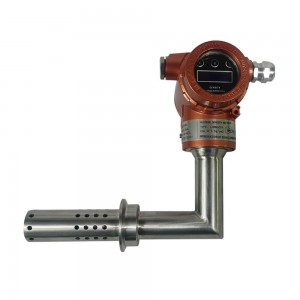
Continuous production, while efficient for high-volume output, poses challenges for process stability optimization. Material is typically metered by volume, which can introduce variation in polymer or stabilizer dosage if feed systems are not finely calibrated. Continuous systems rely on in-line measurement and real-time feedback to maintain target density and viscosity. The use of ultrasonic density meters—such as those manufactured by Lonnmeter—provides continuous, high-precision asphalt density control methods, alerting process engineers instantly to deviations that could signal phase separation, sedimentation, or feed inconsistencies. Inline viscosity meters further ensure that binder rheology remains within specification, which is critical for meeting national and project-level performance standards.
Improper control of process parameters introduces multiple risks. If mixing temperature is too low, polymers may remain unmelted and aggregate, resulting in non-uniform binder with poor performance. Overly high shear or extended dwell times may induce phase separation or promote degradation reactions, particularly in mixes with polypropylene or polyethylene waste modifiers. Phase separation—wherein polymer-rich and asphalt-rich phases physically segregate within tanks or during storage—leads to visible stratification and highly variable pavement performance. Sedimentation occurs if polymer or filler particles sink or float due to density mismatch, again producing inconsistent binder properties. These phenomena compromise not only the immediate mechanical and rheological characteristics of the asphalt but also its long-term durability under traffic and climate stresses.
Quality control, therefore, combines rigorous process design with live monitoring. Asphalt blending methods for enhanced performance depend on maintaining all critical variables within their optimal range throughout the entire process. Utilizing reliable inline metering for both density and viscosity—specifically ultrasonic density measurement in asphalt manufacturing supplied by Lonnmeter—helps maintain tight compositional control. When deviations are detected, modern practice is to flag and divert out-of-spec product for rework rather than allow it into the supply chain, reinforcing the importance of both batch discipline and automated controls in continuous operation.
Ultimately, the interplay of temperature, mixing speed, dwell time, and accurate feedstock proportioning underpins every aspect of polymer asphalt modification. Failure to uphold this discipline invites issues ranging from phase separation and sedimentation to serious binder inconsistency, threatening pavement performance and shortening service life.
Controlling Asphalt Viscosity and Density: Tools and Techniques
Precise control of asphalt viscosity is essential for smooth processing, targeted compaction, and long-term pavement performance. Viscosity influences the pumpability of asphalt—how easily it flows through pumps, pipelines, and mixing equipment during polymer modified asphalt production. If viscosity drifts outside the optimal range, asphalt can become difficult to handle, leading to blockages or inefficient coating of aggregates. Consequently, poor viscosity control can produce mixture segregation, insufficient compaction, and reduced pavement durability.
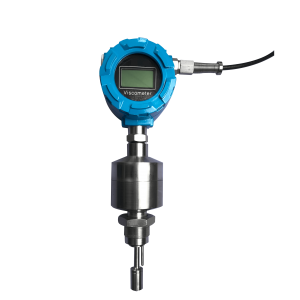
Viscosity directly affects workability as well. Lower viscosity improves pumpability but can compromise the mix’s ability to achieve optimal compaction, while excessive viscosity causes stiff flow and incomplete blending. Polymer asphalt modification techniques, such as the incorporation of SBS or PTFE, allow targeted viscosity adjustment for specific applications. Careful selection and dosing of additives using asphalt blending methods for enhanced performance ensures a balance among flow, temperature resistance, and crack mitigation. Inline viscosity meters, such as those manufactured by Lonnmeter, enable real-time assessment and tight feedback control during asphalt production and transport. These meters allow operators to adjust temperature and additive input dynamically, preventing pump blockages and ensuring each batch maintains consistent properties throughout the process.
Density control is equally significant. Optimal asphalt density is a determinant of compaction quality, pavement strength, and durability. Inadequate density leaves excess air voids, promoting moisture infiltration, rutting, and fatigue failure. Conversely, over-compaction can expel too much binder, resulting in brittle, crack-prone surfaces. Modern asphalt density control methods use continuous, non-destructive technologies to provide real-time feedback. Among these, the ultrasonic density meter for asphalt—integrated into production pipelines or monitoring stations—offers immediate readings of material density by interpreting sound wave transmission through the mixture. These readings support in-situ adjustments, contributing to uniform compaction and reducing the risk of density-related weaknesses.
Ultrasonic density measurement in asphalt manufacturing is especially relevant for process monitoring and quality assurance. By installing Lonnmeter’s ultrasonic density meters at key points in the mixing and transfer process, operators access live density profiles, identifying any deviations as soon as they arise. This supports proactive mitigation strategies, such as adjusting mixing speed or aggregate feed, maintaining density consistency across the entire volume produced.
Density and viscosity fluctuations can threaten both production efficiency and long-term pavement integrity. Large, abrupt jumps in viscosity—often resulting from incompatible additives or temperature swings—cause inconsistent coating and inhomogeneous compaction. Asphalt feedstock compatibility testing is a proactive strategy; by verifying that the base bitumen, polymers, and other modifiers mix smoothly, manufacturers minimize the risk of such disturbances. Blockage prevention in asphalt pipelines leverages inline sensors: as soon as a rise in viscosity is detected, operators can intervene before material accumulates or pipelines become obstructed, applying well-documented pipeline blockage solutions in asphalt transport.
Rheological properties assessment forms the scientific backbone of stable asphalt process management. Tests such as dynamic shear rheometry not only quantify viscoelastic behavior but also reveal how a mixture will respond under operational stress and temperature. Understanding these properties links directly to process stability—stable rheology equates to consistent viscosity and density throughout production, compaction, and cooling. Well-defined rheological profiles mean uniform mixes, improved compaction, and minimized segregation.
The integration of real-time viscosity and density measurement instruments, especially those employing ultrasonic and inline techniques, optimizes process control. Data-driven adjustments—made possible with tools from manufacturers like Lonnmeter—ensure that each batch meets specification for pumpability, workability, strength, and durability, supporting advanced asphalt process stability optimization and elevating the overall quality of modern pavements.

Preventing Blockages and Maintaining Process Flow in Asphalt Pipelines
Blockages in asphalt pipelines, particularly during polymer modified asphalt production, stem from the complex interactions of polymers with asphalt, variable process conditions, and insufficient control over key blend properties. In polymer asphalt modification techniques, issues like phase separation, high solids content, and sudden viscosity spikes can initiate partial or complete restrictions within the line.
Common causes of blockages include chemical or morphological incompatibility between asphalt and the chosen polymer. Incompatible blends, especially those involving recycled polymers such as PET or PE, tend to phase-separate or aggregate, creating zones of high viscosity that slow down flow and trap particulates. These polymer-rich deposits may remain suspended during high-shear mixing but can settle once shear decreases or during temperature drops, forming dense slugs or gels within the pipeline. Rapid heating or incomplete mixing further exacerbates these effects, often resulting in unblended polymer chunks accumulating at pipeline bends or constrictions. Poor solubility of specific polymers or excessive concentration can also abruptly increase blend viscosity, narrowing the operating safety window for pipeline flow.
Variations in temperature profiles along the pipeline influence local viscosity and process stability. Localized hot or cold spots—caused by uneven heat distribution or insulation failures—act as nucleation sites for solidification or phase separation, negatively impacting polymer asphalt modification techniques. This is particularly prominent in long-distance or poorly insulated lines, where even slight temperature gradients can drastically affect flow. Slow-moving or stagnant flow regions promote settling of asphaltenes and undispersed polymers, leading to restriction buildup.
Maintaining consistent asphalt density and viscosity requires diligent, continuous monitoring. Inline tools such as Lonnmeter ultrasonic density meters allow real-time feedback on asphalt density control methods and directly track the propagation of phase transitions or polymer aggregation. Coupled with inline viscosity meters, these systems detect the onset of viscosity changes well before critical blockage thresholds are reached, providing a window for process adjustment. Integration of these non-intrusive meters enables early identification of blend instability events, supporting stable flow in both routine and highly modified polymer asphalt blending scenarios.
Effective prevention relies on a set of mutually reinforcing asphalt blending methods for enhanced performance and flow stability. Inline filtration remains a core defense: mesh screens or sintered metal filters, tailored to the specific blend and operating environment, trap agglomerates, scale, and residual solids before they can accumulate in vulnerable pipeline sections. Regular, scheduled filter inspection and cleaning cycles are necessary due to the tendency for polymer-rich and high-solids blends to rapidly foul filtration elements. Filtration systems need to be backed by robust temperature control and heating strategies. Even minor drops below optimal blend temperature can trigger local solidification, overwhelming downstream filters.
Agitation protocols—ranging from continuous mechanical mixing to periodic high-shear pulses—support homogeneous dispersion and prevent settling. Mechanical agitation within both blend tanks and pipeline segments helps keep high-molecular-weight polymers and asphaltenes suspended, directly combating stratification and the risk of local accumulation. Consistent agitation is especially crucial during periods of reduced throughput or process interruption.
Real-time monitoring is essential for both blockage prevention in asphalt pipelines and broader process stability optimization. Automated feedback systems, utilizing ultrasonic density measurement in asphalt manufacturing and inline viscometry, facilitate dynamic adjustment of heating, mixing, and pump rates according to evolving blend properties. These control interventions minimize human error and adapt process conditions to actively prevent blockages, even as feedstock properties or environmental conditions shift.
The role of process surveillance extends further with advanced inspection devices—such as intelligent pipeline pigs or robotic probes—which assess pipeline interior conditions. These tools identify wall-thickness deviations or developing obstructions, enabling preventative maintenance before blockages cause operational interruptions.
In summary, preventing restrictions in modified asphalt lines mandates a comprehensive approach: controlled blending protocols, robust agitation and filtration regimes, precise temperature management, and above all, continuous density and viscosity monitoring using devices such as Lonnmeter ultrasonic density meters. These strategies together ensure trouble-free transport, process efficiency, and consistent product quality across the expanding range of modern polymer-modified asphalt and recycled blend designs.

Sustainability and Recycling in Asphalt Modification
The integration of recycled polymers, notably polyethylene terephthalate (PET) and polyethylene (PE), has become central to advancing sustainability in polymer modified asphalt production. These recycled plastics, derived from post-consumer or industrial waste, are incorporated through refined polymer asphalt modification techniques such as the dry and wet blending methods. Both approaches align with circular economy principles by diverting plastics from landfills and embedding them into long-lasting pavement infrastructure.
Recent experimental studies document that recycled PET and PE not only decrease raw material demand but also significantly enhance mechanical properties of asphalt mixtures. PET-modified asphalt improves tensile strength, resistance to cracking, and long-term durability, while PE adds ductility and bolsters deformation resistance across a wide temperature range. The synergy between PET and PE allows customization of mechanical outcomes—for example, a combination of 6% PE with 2% PET has been reported to optimize compressive strength and overall stability.
Incorporation of these polymers influences core physical metrics: viscosity, density, and temperature sensitivity of the asphalt binder. With recycled PE or PET, binder viscosity typically increases, advancing rutting resistance, especially under high-load or elevated temperature conditions. However, excessive polymer content can push viscosity too far, hindering workability during asphalt blending and paving. This underscores the need for careful dosage control, robust asphalt feedstock compatibility testing, and optimized asphalt blending methods for enhanced performance.
Density changes also accompany polymer addition. As polymers interact within the bituminous matrix, there is a measurable impact on density—critical for mixture compactability and volumetric standards. Inline asphalt density control methods using ultrasonic density meters, such as those manufactured by Lonnmeter, provide precise monitoring to maintain specification targets. Similarly, asphalt process stability optimization often relies on real-time ultrasonic density measurement in asphalt manufacturing to detect and correct deviations, directly supporting consistent quality when using recycled content. This is particularly important since density and viscosity shifts must be managed to prevent insufficient compaction or risk of early-life deformation.
Mechanical assessment of recycled polymer-modified asphalt consistently points to improvements in Marshall stability, rutting resistance assessed via Hamburg wheel tracking, and fatigue life. Laboratory data confirm that properly dosed PET and PE mixtures outperform conventional controls in both high- and low-temperature tests, with PET contributing to chemical stability and anti-aging properties. Notably, such modified asphalts extend service life by 14–65% compared to traditional pavements, which delays expensive and carbon-intensive maintenance interventions.
Environmental benefits are multifaceted. The use of recycled polymers curtails greenhouse gas emissions—not only by minimizing virgin material extraction but also through prolonged pavement lifespans and fewer rehabilitation cycles. Life cycle assessments reveal substantial reductions in total energy consumption and carbon footprint, particularly when local waste streams supply the modifier feedstock. For communities, this translates into less landfill burden and lower net emissions per kilometer of roadway constructed or rehabilitated.
Quality assurance (QA) remains paramount, as performance variability can stem from inconsistent recycled plastic sources or suboptimal blending. Advanced QA protocols now encompass a suite of rheological tests (e.g., Rolling Thin Film Oven Test for aging simulation, dynamic shear rheometry for stiffness and elasticity) and physical property evaluations (Marshall stability, penetration, ductility, and softening point). Only through strict QA, backed by statistical process control and robust onsite measurement tools—including inline density and viscosity meters from Lonnmeter—can producers guarantee uniformity and long-term performance. These continuous QA steps are vital for seamless asphalt process stability optimization and blocking pipeline blockage solutions in asphalt transport or during recycling operations.
Overall, the successful use of recycled PET and PE in asphalt modification demonstrates a practical and impactful pathway toward more sustainable road infrastructure. The dual achievement of improved mechanical performance and notable environmental gains substantiates the ongoing transition to greener, high-value polymer modified asphalt production.






FAQs
What is the purpose of asphalt modification in pavement engineering?
Asphalt modification targets the improvement of binder properties to address the high demands of modern traffic and the challenges of harsh environments. By integrating modifiers such as polymers, recycled plastics, or crumb rubber, engineers can boost resistance to rutting, fatigue, and thermal cracking. For example, polyethylene terephthalate (PET) increases tensile strength and thermal stability, while crumb rubber adds flexibility and prolongs pavement life. These methods support pavement durability and reduce the need for frequent maintenance. Moreover, polymer asphalt modification techniques help meet sustainability goals by incorporating recycled materials and optimizing structural performance under stress.
How does asphalt blending affect the properties of the final pavement?
Blending, whether incorporating reclaimed asphalt pavement (RAP) or combining virgin and aged binders, directly determines pavement performance. Effective blending ensures a homogeneous mix, which influences viscosity, density, workability, and mechanical strength. Insufficient blending can lead to weak zones, reduced fatigue resistance, and variable durability. For example, partial blending with RAP may lower active binder content, leading to cracking or reduced rutting resistance. Consistent blending is achieved through optimized asphalt blending methods for enhanced performance, ensuring polymers and additives disperse thoroughly within the binder matrix for superior strength and uniformity.
What is polymer modified asphalt production and why is quality control essential?
Polymer modified asphalt production incorporates synthetic polymers into asphalt binders to enhance properties such as rutting resistance, flexibility, and thermal stability. The efficacy of this process depends on carefully controlled blending ratios, mixing times, and temperature profiles. Quality control is critical—monitoring parameters like viscosity and density through inline meters ensures polymers are uniformly distributed, prevents phase separation, and enables reproducible, high-quality output. Without rigorous quality assurance, polymer asphalt modification techniques may result in inconsistent binder performance and reduced lifespan of pavements.
Why is asphalt density control important and how is it achieved?
Maintaining correct asphalt density is fundamental for pavement durability. Improperly compacted asphalt risks premature rutting, cracking, and reduced service life. Technologies such as ultrasonic density meters provide precise, real-time measurements, allowing for immediate adjustments during production. This non-destructive approach is integrated into modern asphalt density control methods, giving operators the data needed to maintain consistent quality and compaction, which aligns with stringent industry standards. For example, Lonnmeter’s inline density meters offer robust ultrasonic density measurement in asphalt manufacturing processes, delivering actionable insights within seconds.
What causes blockages in asphalt pipelines and how can they be prevented?
Blockages stem from sudden viscosity increases, inconsistent feedstock compatibility, or temperature drops causing asphaltene and wax deposition inside pipelines. Poorly mixed modifiers or inadequate heating also increase risk. Prevention starts with stable process temperatures, reliable blending methods, and real-time monitoring by inline density meters. Regular calibration of instruments and good insulation practices minimize hotspots or cold pockets. For instance, monitoring asphalt viscosity control techniques in real-time allows early adjustment, reducing the possibility of pipeline blockage and sustaining smooth transit flows—key for modern blockage prevention in asphalt pipelines.
How does feedstock compatibility influence process stability in asphalt modification?
Feedstock compatibility is vital for asphalt process stability optimization. A compatible base binder reacts uniformly with polymers or additives, facilitating homogeneous blending and reducing phase separation risks. Incompatible feedstocks can yield uneven dispersion, higher viscosity spikes, and increased risk of blockages or subpar mechanical properties. Asphalt feedstock compatibility testing is performed via rheological and molecular analyses to assess interaction potential. This step is crucial in polymer modified asphalt production to ensure long-term pavement performance and production reliability.
What is the role of ultrasonic density meters in asphalt processing?
Ultrasonic density meters are instrumental in asphalt manufacturing for continuous, inline density measurement. These devices emit ultrasonic pulses through the asphalt stream and calculate density based on wave propagation speed, correlating with material compaction and viscosity. Their realtime feedback enables tight control over asphalt density, helping operators detect deviations instantaneously. Integration of such meters, including those from Lonnmeter, improves quality assurance, reduces material waste, and enhances compliance with asphalt density control methods. Ultrasonic density meter for asphalt processing is a proven solution for ensuring the high performance required in today’s pavement industry.
Post time: Dec-16-2025


