

Accurate, continuous density measurement is critical for naphtha manufacturing and ethylene cracker operations—it reflects feedstock properties (hydrocarbon makeup, sulfur content, etc.), guides real-time process adjustments (furnace temperature/residence time), minimizes off-spec risks, reduces fouling/coke deposition, and supports compliance and petrochemical plant efficiency, with inline tools like oscillating tube densitometers and temperature/pressure compensation ensuring reliability.
Overview of Naphtha Manufacturing and Ethylene Cracking Processes
The naphtha manufacturing process forms a foundational pillar of the modern petrochemical sector. Naphtha, a volatile hydrocarbon blend ranging from C5 to C12, is predominantly sourced through crude oil distillation and processing of condensates. The importance of naphtha stems from its versatility: as a primary feedstock for ethylene and propylene production, it also serves key roles in gasoline blending, solvent synthesis, and the creation of specialty chemicals.

Naphtha Production Stages
*
Naphtha manufacturing begins with feedstock preparation, targeting the removal of contaminants from crude oil or condensates. Contaminant control, such as sulfur removal, is vital to protect downstream process units and align with environmental regulations. The next step is the primary distillation—using atmospheric or vacuum columns to extract naphtha as a light fraction. Hydrotreatment follows, refining naphtha by extracting residual sulfur, nitrogen, and metals. This stage greatly improves feedstock quality for subsequent chemical conversion steps.
Further upgrades include catalytic reforming and isomerization, which tailor naphtha’s composition according to its intended application. Reforming enhances octane ratings for gasoline, while isomerization adjusts hydrocarbon structure to better suit chemical syntheses. These refining steps define the final product’s suitability for downstream cracking or blending.
Naphtha’s role as core ethylene cracker furnace feedstock is due to its balanced molecular structure. When introduced to the steam cracking process, naphtha’s composition supports diverse product yields—including a mix of ethylene, propylene, butadiene, benzene, toluene, and xylene. This flexibility underpins integrated chemical complexes, which require both major olefins and valuable co-products to maximize profitability and meet market demands.
Within an ethylene cracker furnace, the process unfolds in several tightly controlled stages:
- Feedstock Preheating: Naphtha is blended with dilution steam, primarily to inhibit coke formation. This mixture is rapidly preheated, providing the thermal energy necessary for cracking reactions.
- Steam Cracking (Radiant Zone): The preheated stream enters furnace tubes, exposed to temperatures between 850°C and 950°C. Under these high temperatures and short residence times, hydrocarbon bonds break, producing ethylene, propylene, and other light olefins.
- Quench and Product Separation: Upon exit, the cracked gas is cooled instantly in a quench section to arrest undesirable secondary reactions and preserve ethylene yield. The resulting product stream undergoes separation using fractionation towers, decanters, and absorbers, splitting the individual olefins and by-products.
- Product Purification: Finally, each product stream is purified to specified qualities, removing any residual contaminants via absorbers, molecular sieves, and distillation columns.
The type of cracked feedstock directly shapes product distribution. Naphtha creates a robust co-product portfolio but has a lower ethylene yield—typically 25–35% by weight of feed. By contrast, alternative feeds like ethane offer ethylene yields of up to 80% but with minimal co-products. This divergence shapes plant design, economic outcomes, and the complexity of liquid density measurement challenges.
Ethylene crackers utilizing naphtha require advanced density measurement instruments and liquid density testing equipment throughout the process. Density measurement tools monitor naphtha feed quality, blending accuracy, and help optimize the cracker’s operational efficiency. Accurate liquid density measurement informs methods to measure liquid density and supports product yield modeling, highlighting the practical integration of density measurement equipment—critical for operators of large-scale ethylene plants.
Understanding the naphtha manufacturing process and its subsequent role in ethylene cracking is central to leveraging the petrochemical industry’s product versatility and operational performance. The interplay between feedstock type, process configuration, and measurement technology drives plant optimization and aligns with evolving market and environmental requirements.
Process Optimization and Critical Control Parameters
Precise control of process variables within an ethylene cracker furnace directly determines ethylene yield and process efficiency. The selection of feedstock, regulation of furnace conditions, and management of reaction times are the foundation of optimized naphtha manufacturing processes.
Selection of feedstock is a primary lever. Lighter naphtha and alternative feeds like ethane present lower density and are rich in paraffins, enhancing ethylene selectivity while reducing unfavorable by-products and coke formation. In contrast, cracked feedstock with higher density—due to heavier hydrocarbons—results in lower ethylene yield and increased emissions. Studies demonstrate that each incremental rise in C8+ content correlates to yield losses, illustrating the importance of continuous feedstock characterization and control.
Within the furnace, maintaining optimal coil-outlet temperatures (≈850°C) is essential for maximizing primary cracking reactions. Deviations lead to undesired secondary reactions or excessive coke deposition. Residence time must be meticulously tuned; if too brief, conversion suffers, but if prolonged, ethylene is consumed in consecutive reactions, reducing output. The interplay of temperature and residence time, adjusted for the density and composition of the feed, is the bedrock of operational excellence.
Density measurement is the critical technique that enables this level of control. Using advanced density measurement instruments, such as Lonnmeter’s inline density meters, operators obtain real-time data on liquid feedstock properties. Such density measurement equipment provides immediate feedback on the composition of incoming naphtha and cracked feedstocks. This feedback informs furnace adjustments for burner flow, steam drum pressure, and arch oxygen, safeguarding yield even as feed properties fluctuate.
Methods to measure liquid density in this context include real-time monitoring with dedicated density measuring instruments for liquids, chiefly through inline sensors that withstand high temperatures and pressures typical of ethylene cracker operations. These tools mitigate the risk of feed variability leading to yield losses and allow tight integration with process control systems.
Accurate liquid density measurement techniques support predictive control and optimization. Operators leverage density measurement tools to determine whether incoming feedstocks are fit for efficient conversion or if blending is required. For example, naphtha batches can be dynamically scheduled and blended based on measured density values, ensuring that furnace conditions stay in an optimal regime for ethylene production.
Liquid density testing equipment directly impacts scheduling, raw material selection, and energy use. When densitometers highlight a shift toward higher-density feed, process engineers can intervene by adjusting furnace temperature, steam ratio, or reaction time, returning the process to efficiency. In modern plants, real-time density data sourced from robust equipment also supports multigranularity modeling for feed allocation and throughput management.
In sum, process optimization in ethylene manufacturing hinges on continuous monitoring and control of key process variables: feedstock selection, furnace parameters, and reaction duration. The deployment of reliable density measurement instruments from Lonnmeter allows for actionable process insights, protecting yield and enabling sustainable, efficient operation across all stages of naphtha cracking.

Principles and Significance of Density Measurement
Density measurement serves as a cornerstone for controlling naphtha manufacturing processes and ethylene cracker furnace operations. In naphtha-steam cracking, density provides immediate insight into both feedstock origin and its refining history, making it indispensable for process management. The density of naphtha—often quantified by standardized liquid density measurement techniques such as ASTM D4052—reflects not only the hydrocarbon makeup but also changes in sulfur content, aromaticity, and paraffin distribution. These variations directly influence product yields, operational efficiency, and fouling tendencies in ethylene cracker furnaces, reinforcing density as a key indicator of feed quality and crackability.
Density measurements allow plant operators to monitor the consistency of cracked feedstock in real time. By capturing density fluctuations, it becomes possible to adjust furnace temperatures and residence times swiftly, optimizing product distributions and minimizing the risk of off-specification streams. Such in-line control is fundamental in maximizing ethylene production, reducing coke deposition, and extending the operational cycles of cracking furnaces.
At its core, density is defined as mass per unit volume (ρ = m/V). Measuring density in a refinery context involves determining the precise mass and volume of a liquid sample under specific temperature and pressure conditions. Industrial density measurement instruments focus on accurate mass and volume quantification by several methods. Oscillating tube densitometry, notably used in Lonnmeter inline density meters, calculates density by detecting frequency changes in a vibrating U-tube filled with sample fluid—changes that directly correspond to the sample’s density. This method achieves uncertainties below 0.1% with rigorous calibration and is used widely due to its reliability and throughput.
Other fundamental approaches include hydrostatic weighing and pycnometry. However, these are largely relegated to laboratory analysis or quality control sampling since they often require more manual intervention and cannot provide the continuous, real-time measurements needed in modern plant settings. In industrial plants, high-precision density measurement equipment is routinely installed at critical points in the process flow to continuously test liquid density, enabling prompt operational responses to deviations and supporting compliance with product specifications.
It is essential that density measurement devices account for temperature and pressure effects, as both environmental and process-induced variations can significantly alter the measured value. Advanced instruments integrate temperature compensation to ensure mass and volume readings correspond to standardized reference conditions, a task made more challenging but also more accurate by innovations in sensor design and calibration routines.
In summary, accurate and continuous measurement of liquid density using robust tools like inline oscillating tube meters is integral to quality assurance and process optimization in the naphtha manufacturing process and ethylene cracker furnace operations. These density measurement techniques provide critical data for maintaining feedstock integrity, improving product consistency, and ultimately driving the economic and operational performance of petrochemical plants.
Advanced Density Measurement Technologies and Tools
The shift from traditional to sensor-based liquid density measurement has transformed process industries like naphtha manufacturing, ethylene cracker furnace operations, and continuous monitoring of cracked feedstock. Early density measurement techniques relied on manual or semi-automated procedures, demanding substantial sample handling and extended operator time. Capillary viscometers, the hydrostatic method, and Archimedes’ principle were foundational but time-consuming, often yielding single-point laboratory data rather than real-time process control.
Conventional density measuring instruments, such as Coriolis flow meters or oscillating tube viscometers, delivered improved accuracy but still faced challenges. For example, Coriolis meters can experience accuracy loss with multiphase mixtures, entrained gas, or irregular flows—conditions common in the petrochemical industry. These methods generally require extensive maintenance, calibration, and introduce delays due to sample extraction or manual operation.
Modern density measurement equipment has introduced compact sensors with integrated digital processing that foster real-time, inline liquid density testing. Sensor technology such as tuning fork densitometers, acoustic and capacitive devices, and x-ray absorption systems now provide continuous, in situ measurements, eliminating the need for external sampling and reducing human error.
Density Measurement Instruments and Tools
Density measurement instruments can be divided into several main categories, each employing different physical principles:
Vibrational Techniques (Tuning Fork, Cantilever):
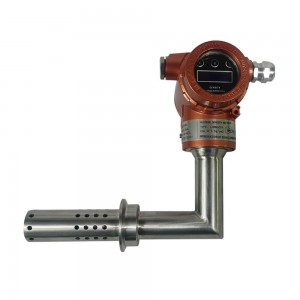
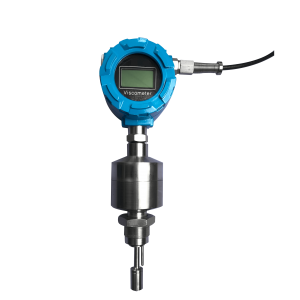
Vibrational sensors, including Lonnmeter inline density meters, rely on the shift in resonance frequency as a fluid passes through or interacts with a vibrating element. In tuning fork instruments, two prongs are set to oscillate; the fluid’s density affects their natural frequency. Environments with steady flow, such as pipelines in ethylene cracker furnaces, benefit from these tools due to high stability and rapid response. Cantilever-based devices offer similar principles, with sensitivity suitable for both Newtonian and non-Newtonian fluids. These are highly effective for continuous control in blending, reforming, and throughput monitoring, with compensation for temperature and pressure fluctuations ensuring reliable operation in harsh petrochemical conditions.
Acoustic Sensors:
Acoustic sensors measure the speed of sound through a liquid, which varies with fluid density and composition. By transmitting an ultrasonic pulse across a defined path and capturing its transit time, the sensor computes density directly. Acoustic devices are beneficial for streams containing multiphase mixtures—like cracked feedstock—where rapid phase changes are common. Distributed acoustic sensing (DAS) and fiber optic arrays further enable detailed mapping of flow regimes and density variation without process interruption. These systems excel in applications requiring minimal sample disturbance, sustained at high throughput and varying phase ratios.
Pressure and Diaphragm Methods:
Pressure diaphragm-based instruments use differential pressure across a known geometry to calculate density. In extreme environments, such as visbreaking or other high-temperature naphtha units, diaphragm seals protect sensitive components while transmitting accurate pressure changes to remote or inline transmitters. Specialized materials like stainless steel and high-temperature fill fluids maintain instrument performance under conditions exceeding 400°C and high pressures, with integrated calibration ensuring traceability and measurement reliability. Regular maintenance (e.g., flushing ports) sustains accuracy in fouling-intensive processes typical for residue feedstock streams.
Magnetic Field-Based Devices:
Magnetic densimeters exploit fluid interactions with a magnetic field—either through the oscillation of a magnet inside a reference tube or via Hall effect sensors—where changes in the damping force correlate to the liquid’s density. These are advantageous for non-conductive or corrosive samples; however, they require careful compensation when used in streams with variable compositions or high temperature gradients.
X-ray Absorption Methods:
In research and specialized process environments demanding the highest accuracy at extreme temperatures and pressures, x-ray absorption provides a robust, non-invasive solution. High-energy x-rays are passed through the sample, and attenuation is measured; the degree of absorption is directly related to the sample’s density and thickness. When combined with laser-heated diamond anvil cells, this approach enables measurement at pressures above 20 GPa and temperatures above 2000 K—conditions encountered in advanced materials research and select high-pressure petrochemical studies. The technique yields uncertainties as low as 0.01%, covering both solid and liquid phases in real time and under dynamic temperature transitions.

Comparative Performance Characteristics
Modern density measurement technologies are optimized for operational efficiency and process integration. Inline measurement tools and instruments like those supplied by Lonnmeter deliver several advantages compared to traditional methods:
- Real-time, continuous measurement allows direct feedback for automated process adjustments in ethylene cracker furnaces or naphtha blending operations.
- Minimized sample handling and rapid response times reduce contamination risk and improve process safety.
- Digital compensation and calibration algorithms decrease operator-dependent variability, enhancing product consistency and quality control.
- Resistance to fouling, temperature, and pressure excursions in modern devices ensures stable measurement even with cracked feedstock flows, complex hydrocarbon mixtures, or high shearing environments.
Conventional laboratory methods remain the reference standard for calibration purposes, particularly when ultimate measurement uncertainty or traceability to SI units is required. However, for routine, high-frequency monitoring of process streams, inline density measurement equipment represents the industry standard.
Performance Characteristics and Operational Factors
Measurement reliability in industrial environments depends on several parameters. Sample volume affects both the representativeness and response speed of density readings. Instruments that work with low sample volumes must maintain tight control over measurement integrity to ensure meaningful data, especially for inline applications such as Lonnmeter’s density measurement equipment. Sensitivity is also critical—the ability to detect subtle changes in properties is paramount for maintaining product consistency and troubleshooting process upsets in cracked feedstocks or naphtha manufacturing processes.
Temperature range plays a decisive role in both instrument selection and measurement stability. Density measuring instruments for liquids must operate across a diverse spectrum, ranging from ambient to extreme furnace temperatures in ethylene cracker operations. For instance, accurate measurement at >800°C, as encountered in ethylene cracker furnaces, presents hurdles including sensor material degradation, drift, and shortened calibration cycles. High operating temperatures accelerate corrosion, induce mechanical fatigue, and force the adoption of specialized sensor coatings or robust instrument housings to extend service life and maintain accuracy.
Accuracy itself is a function of both instrument design and operational protocol. Modern density measurement techniques for liquids rely on frequent validation against certified reference standards. For cracked feedstock applications, small inaccuracies in density detection propagate into incorrect process adjustments, reducing efficiency and yield. Strict adherence to calibration routines and integration of continuous diagnostic checkpoints underpin high-precision liquid density measurement at refineries.
Measuring the density of cracked feedstocks in harsh conditions presents unique challenges. Process streams in ethylene cracker furnaces and naphtha plants often contain particulates, multiphase flow, and highly reactive hydrocarbons. Lonnmeter inline density meters are engineered to withstand these aggressive environments with reinforced construction and materials resistant to chemical and thermal stress. Despite these advances, the blend of high velocity, rapid phase changes, and local overheating inside process coils can introduce thermal and mechanical measurement error, necessitating robust sample handling and installation protocols.
Error evaluation under such extreme conditions draws on a range of analytical and imaging techniques. Traditional buoyancy and pycnometry methods yield reliable results in controlled settings but are less effective at high temperatures due to thermal expansion, edge blurring, and calibration drift. Advanced methods, including UV and thermal imaging, enhance accuracy by minimizing radiation artifacts and improving contrast in the measurement zone. Studies demonstrate that optimization of imaging conditions—such as background subtraction and elliptical fitting—can halve uncertainty margins even when working above 3000 K. Chart 1 illustrates the principal sources of error and their impact on precision:
Instrument precision validation involves repeated measurement cycles using certified reference samples. In cracked feedstock applications, calibration must accommodate not only sample viscosity effects and temperature-induced error but also long-term sensor drift. Published case studies detail that in-situ recalibration using traceable reference fluids can double instrument service life, reduce recalibration frequency, and maintain error levels well below 1% under sustained harsh conditions. Routine validation—augmented by embedded diagnostics—remains essential for continuous process viability and safety in petrochemical settings.
High-performance density measurement instruments, such as those engineered by Lonnmeter, integrate sensor arrays, automated cleaning routines, and remote calibration checks to optimize operational reliability. In liquid density testing equipment, prompt error evaluation and adaptive calibration are standard for compliance, process control, and market interoperability. Ultimately, reliable density measurement in extreme environments hinges on rigorous instrumentation design, comprehensive calibration, and systematic error monitoring—pillars fundamental to every method to measure liquid density in the petrochemical industry.
Applications of Density Measurement in Petrochemical Processes
Inline density measurement equipment, such as vibrating tube densitometers, is integral in the production of naphtha and the operation of ethylene cracker furnaces. Installed directly within process pipelines, these density measurement instruments provide continuous, real-time monitoring of liquid densities—an essential parameter for controlling raw material quality and reacting promptly to changes in processing conditions. For instance, vibrating tube densitometers determine density by measuring the resonance frequency shifts of a tube filled with process fluid; as density changes, so does the resonance frequency, yielding fast and precise data even under varying temperatures and pressures, including cryogenic conditions relevant to cracked feedstock cooling stages. Calibration with hydrocarbons like methane and ethane ensures these tools remain accurate for diverse petrochemical fluids.
In the naphtha manufacturing process, inline density meters allow operators to monitor feedstock integrity and contamination levels without manual sampling interruptions. Density measurement equipment detects subtle changes linked to process deviations or the presence of unwanted impurities—such as salts and metals—that can cause fouling in ethylene cracker furnace tubes. Real-time density readings enable adjustment of filtration rates and feedstock purification systems, helping minimize coke formation and extending furnace run times while reducing unplanned maintenance costs. By maintaining consistent feedstock quality, the density measuring instrument for liquids also improves operational reliability and environmental outcomes, as documented in multiple studies and trade reports.
Density sensor data is central to dynamic process optimization in ethylene crackers. Integrated within Distributed Control Systems (DCS), Lonnmeter’s inline density meters feed continuous data to process controllers, informing furnace temperature and feedstock flow rate adjustments. For example, deviations in density readings may indicate a shift in process composition or onset of fouling; operators can respond by fine-tuning the furnace temperature profile or modulating the throughput, thereby optimizing product yields and energy utilization. Industrial analyses highlight quantifiable benefits: improved throughput, reduced downtimes, and energy savings, with return on investment for density measurement equipment often realized within several months due to enhanced efficiency.
In terms of safety, continuous density monitoring offers early warning of anomalies that could compromise equipment integrity in ethylene cracker furnaces. Published evidence emphasizes that real-time density measurement supports preventive maintenance strategies; operators can intervene before contamination or coke buildup escalates into costly failures or safety hazards. This proactivity not only ensures safer operation but also reduces overall environmental impact by controlling emissions linked to inefficient combustion and heat transfer.
Examples from operational petrochemical plants reveal that adopting advanced liquid density testing equipment leads to more stable furnace operations, higher product quality, and compliance with tightening regulatory standards. Density measurement techniques for liquids—including vibrating tube, vibronic, and Coriolis methods—deliver the precision required for these demanding environments, often achieving accuracies of ±0.1 kg/m³ or better in high-pressure, high-temperature settings. Deviations from expected density profiles enable fast identification of process disturbances, supporting both optimization and quality assurance across naphtha manufacturing and ethylene cracking units.
The integration of Lonnmeter’s density measurement tools within these processes exemplifies how real-time data enables the chemical industry to transition from periodic manual testing to fully automated, dynamic control. As petrochemical operations become more complex and regulated, density measurement instruments are established as indispensable for both economic and safety performance.
Limitations and Solutions
Traditional density measurement instruments like pycnometers, hydrometers, and manual oscillating U-tube devices have served the petrochemical sector for decades. However, petrochemical production environments—such as ethylene cracker furnaces and naphtha manufacturing processes—pose challenges that often exceed their capabilities. Sample handling for these methods is labor-intensive and prone to inconsistency. Temperature changes during transfer can alter results, while issues such as air bubble entrapment frequently compromise accuracy. For instance, measuring the density of cracked feedstock or circulating naphtha streams requires precise control of conditions and sample purity, conditions not easily reproduced in a lab setting, especially with viscous or multiphase samples.
Under process conditions—high temperature, high pressure, or in the presence of aggressive or contaminated chemicals—traditional density measurement instruments degrade rapidly or fail to yield repeatable results. These devices generally cannot track process changes in real time, so operational teams lack fast, actionable data. For example, during the liquid density measurement of feedstock into an ethylene cracker furnace, outdated methods necessitate manual sampling, introducing delays that prevent dynamic process optimization. This lack of timely feedback can lead to suboptimal cracking severity decisions and reduce product yield.
Reliance on manual measurement also limits integration with automated plant systems. Most legacy density measuring instruments for liquids do not deliver continuous data and require significant operator intervention for calibration and maintenance. Frequent recalibration and susceptibility to drift contribute to operational uncertainty and higher resource consumption. In modern petrochemical plants prioritizing throughput and safety, these delays and inefficiencies translate to increased costs and risk exposure.
Advanced inline liquid density measurement instruments, such as those manufactured by Lonnmeter, address these limitations by delivering continuous, in-situ analysis with minimal maintenance. These tools are specifically engineered to tolerate harsh process environments—high temperatures, substantial pressure differentials, and various flow regimes encountered in petrochemical equipment. For example, inline vibrating tube densitometers and advanced acoustic density meters can be installed directly into the process or transfer lines, eliminating sample handling errors and conditions mismatches between lab and process streams. Their rapid response delivers real-time data, enabling immediate feedback and process control adjustments, vital for the naphtha manufacturing process and for optimizing feedstock properties in ethylene cracker furnaces.
Selection of appropriate density measurement tools is not universal; it must account for the process requirements and the feedstock’s physical characteristics. For instance, choosing a density measurement technique for liquids in a naphtha process demands an instrument with accuracy, repeatability, and chemical compatibility across a wide temperature and pressure range. Inline vibrating tube meters are favored for single-phase, clean liquid streams due to their high precision, while advanced acoustic or multi-sensor hybrid systems are better suited to measuring density in cracked feeds containing entrained gas or particulates. Depending on process priorities—throughput, reliability, or ease of maintenance—engineers must evaluate the density measurement equipment’s calibration requirements, integration complexity, and ongoing support needs.
In summary, enhancing reliability in liquid density testing equipment deployed in petrochemical environments depends on selecting robust solutions matched to the process and feedstock realities. Modern inline instruments bridge the gap between laboratory accuracy and real-process demands, enabling more precise, efficient, and safe operations throughout the petrochemical value chain, from cracked feedstock analysis to final naphtha quality verification.
Best Practices for Choosing and Using Density Measurement Equipment
Selecting the ideal density measuring instrument for petrochemical operations such as ethylene cracker furnaces or the naphtha manufacturing process requires careful alignment of instrument capabilities with process demands and regulatory requirements. Operators must consider chemical compatibility, measurement principle, installation conditions, accuracy needs, and expected lifecycle costs when choosing equipment for liquid density testing—including inline densitometers like those produced by Lonnmeter.
Criteria for Selecting Density Measuring Instruments
For processes involving cracked feedstock or real-time monitoring of liquid density in refineries, the primary considerations are:
Measurement Principle: Select devices based on the physical and chemical characteristics of the sample. Oscillating U-tube densitometers, which follow ASTM D4052, deliver high precision and repeatable measurements, particularly for liquid hydrocarbons. Radiometric (gamma) meters provide robust solutions for high-temperature or high-pressure scenarios encountered in ethylene cracker furnace outlets and some naphtha process streams, as they are non-intrusive and unaffected by process extremes.
Sample Compatibility: Match instrument wetted materials to the media—ensure corrosion resistance and pressure rating for harsh environments. Inline installations (directly in process flow) are optimal for continuous density measurement, while bypass options serve sampling needs for difficult fluids.
Accuracy and Reliability: Instrument choice hinges on required precision. Custody transfer points may require ±0.001 g/cm³ accuracy, while general process monitoring for produced liquids tolerates broader specification.
Process Environmental Demands: Evaluate device ratings for sustained operation under elevated pressure, rapid thermal cycling, and aggressive chemicals typical of cracker and refinery streams. Devices must tolerate fouling and maintain calibration during process fluctuations.
Integration and Automation: Instruments should enable digital integration for seamless process control, minimizing manual interventions and reducing operator errors.
Installation Tips for Accurate Density Measurement
Proper installation is crucial for reliable density measurement in environments such as high-pressure steam reformers or liquid feed lines in crackers:
Placement and Orientation: Densitometers must be installed where the process fluid is homogenous—avoid areas prone to air entrapment or sediment buildup. For inline models, ensure adequate pipe run lengths upstream and downstream to minimize flow disturbance. For vertical installations, confirm the sensor element remains fully immersed at all times.
Thermal and Mechanical Isolation: Insulate process piping to maintain sample temperature but avoid covering the instrument electronics to prevent overheating. Mount sensors away from direct sources of radiant heat or vibration, which can induce signal drift.
System Integration: Use rated piping tees and supports engineered for the pressure and temperature conditions of cracker furnace recycle lines or naphtha hydrotreating units. Confirm all mechanical connections meet site codes for strength and leak prevention.
Maintenance Access: Plan installation with clear access for periodic inspection, cleaning, and calibration to maintain density data integrity over the equipment’s operational life.
Maintenance for Long-Term Performance
Routine checks and calibrated maintenance uphold the accuracy and reliability of density measurement equipment in heavy-duty petrochemical settings:
Inspection and Cleaning: Regularly inspect sensor surfaces for buildup—especially prevalent with viscous liquids or contaminated cracked feedstock. Clean as needed to prevent measurement error.
Calibration: Use certified reference fluids for in-situ or two-point calibration across the full operating range. Dynamic calibration with actual process fluids is best for inline models. Document all calibration activities according to recognized international guidelines to maintain traceability.
Data Monitoring: Continuously track measurement outputs for signs of drift. Employ trending analyses to spot emerging issues before they affect quality control or custody transfer reliability.
Operator Training: Ensure personnel are trained in both equipment operation and emergency procedures, especially when handling high-pressure applications in ethylene cracker or naphtha production units.
Safety Considerations in High Temperature/High Pressure Scenarios
Safety is essential in the installation and use of density measurement tools in environments like furnace outlet transfer lines:
Material Specification: Select equipment with verified pressure and temperature ratings. Use certified valves, flanges, and sensor bodies resistant to creep, corrosion, and thermal shock.
Rigorous Commissioning: Leak-test all connections and comply with applicable construction codes. Confirm temperature management systems are present to avoid overheating and equipment damage.
Process Isolation & PPE: Employ automatic shut-off valves and restrict access during maintenance. Mandate use of personal protective equipment and enforce proper ventilation in case of exposure to hot, pressurized streams.
Sensor Positioning: Position devices away from intense heat sources and ensure adequate clearance for emergency egress. If possible, use remote installation for extreme environments, such as the radiant section of an ethylene cracker furnace.
Accurate, safe, and reliable liquid density measurement in petrochemical plants depends on selecting appropriate instruments—such as those offered by Lonnmeter—installed and maintained according to rigorous best practices. Adhering to these principles ensures optimal process control, product quality, and worker safety in high-demand applications.






FAQs
How can you measure the density of a liquid in an ethylene cracker furnace or naphtha process?
The density of a liquid in an ethylene cracker furnace or during the naphtha manufacturing process can be measured using inline density measurement instruments based on principles such as vibrational, acoustic, or pressure-based sensing. Oscillating U-tube densitometers are widely implemented for real-time density monitoring in harsh process environments, directly measuring the resonant frequency shift caused by changes in liquid mass. Tuning fork and acoustic sensors operate similarly by analyzing vibration patterns to determine density. These technologies are designed to withstand the elevated temperatures and pressures of ethylene cracking and are installed inline for continuous monitoring of liquid streams, providing immediate feedback for process control. Integration with modern control systems helps ensure accurate, stable readings even during rapid fluctuations in process conditions. For example, a Lonnmeter inline vibrational density meter can deliver reliable data from the naphtha feed directly to the furnace control room.
What is the role of density measurement in optimizing ethylene production from naphtha feedstock?
Accurate, real-time density measurements are central to optimizing ethylene yield from naphtha feedstocks. Variations in feedstock density reflect shifts in composition, which can affect cracking kinetics, furnace severity, and product distribution. Inline density measurement tools allow operators to promptly adjust operating parameters such as temperature, feed rate, and steam-to-hydrocarbon ratio. These adjustments help maximize ethylene output, minimize byproduct formation, and stabilize the process against feedstock variability. For instance, continuous monitoring enables early detection of off-spec feed that could lead to suboptimal performance or increased fouling, supporting consistency in both yield and product quality.
What are the main types of density measurement equipment used in petrochemical industries?
Petrochemical operations employ various density measurement instruments to monitor and control liquid processes. Inline vibrating tube densitometers are common, offering high accuracy and fast response times suitable for dynamic environments. Acoustic density meters utilize sound velocity and attenuation measurements, providing additional robustness in certain applications. Tuning fork devices analyze vibration amplitude and frequency to determine liquid density, with reliable performance across a wide temperature and pressure range. X-ray absorption systems, though less common for liquids, are used in specialized settings where non-intrusive measurement is necessary. The specific method selected depends on process demands, chemical compatibility, and integration requirements. Lonnmeter manufactures robust inline vibrational densitometers, which are particularly suitable for continuous density monitoring in ethylene cracker and naphtha processes.
How does density measurement benefit the safety and efficiency of naphtha processing and ethylene cracking?
Continuous density monitoring plays a critical safety and efficiency role in naphtha processing and ethylene production. Deviations in naphtha density often indicate changes in composition, which can affect combustion behavior, promote coke formation, or alter separation characteristics in downstream equipment. Timely density data enables control systems to react immediately by adjusting furnace parameters, modulating additives such as steam, or initiating corrective actions to maintain safe operation. This reduces the risk of operational upsets, minimizes unplanned shutdowns, and extends the run time between maintenance intervals. For example, real-time density measurement helps prevent under-cracking or coke build-up in furnace coils—both of which impact product yield and energy consumption—thereby supporting continuous, efficient production.
What should be considered when selecting a density measurement instrument for use in naphtha manufacturing or ethylene cracker furnace processes?
Selecting a suitable density measurement instrument for petrochemical processes involves several criteria. The instrument must maintain accuracy and repeatability under process-specific operating conditions—high temperature, high pressure, and exposure to aggressive chemicals. It must be compatible with the chemical characteristics of naphtha and other feedstocks, and provide fast measurement cycles to deliver actionable real-time data. The measurement range should cover all expected process fluctuations. Ease of installation, integration with distributed control systems, and straightforward maintenance are vital for long-term reliability. Inline vibrational densitometers, such as those produced by Lonnmeter, fulfill these requirements by providing precise, fast, and robust density measurement directly in the process stream, ensuring optimal performance and ease of process integration. Calibration procedures, protection against fouling, and compliance with process safety guidelines must also be factored into the selection process.
Post time: Dec-16-2025


