

Inline concentration measurement is essential for maintaining optimal degreasing fluid concentration in cold rolling processes. Using technologies such as ultrasonic concentration meters, including the Lonnmeter chemical concentration meter, enables direct and continuous monitoring of the degreasing tank process without the delays and inconsistencies inherent in manual methods.
Understanding Degreasing Fluid in the Cold Rolling Process
Degreasing fluid serves as a critical agent for steel surface preparation during the cold rolling process. Its primary function is to remove oils, particulate contaminants, and residues from steel surfaces, which if left untreated can impair downstream processes such as annealing, coating, or painting. Proper degreasing ensures the steel remains free from organic and inorganic matter, reducing the risks of corrosion and defects in the finished product.
Importance for Steel Surface Preparation
The efficacy of degreasing fluids is directly tied to their chemical concentration. An optimal concentration enables thorough removal of contaminants while minimizing chemical residues and emission of particulate matter. Recent studies have confirmed that properly maintained degreasing solutions reduce the volume and distribution of fine particulates generated during cold rolling, contributing to superior surface finishes and environmental compliance. For example, cold rolling processes, which produce finer particulates compared to hot rolling, require more precise selection and control of degreasing agents to achieve effective cleaning and emission reduction.
Overview of Degreasing Tank Process Flow
The degreasing tank is a central element in cold rolling lines. Typically, steel coils are passed through a tank filled with a blend of water and chemical cleaning agents, such as alkaline, acidic, or neutral detergents combined with surfactants and corrosion inhibitors. The tank process usually includes:
- Pre-cleaning rinse to remove loose debris.
- Immersion or spray application of degreasing fluid, which dissolves oils and lifts particulates from the surface.
- Scrubbing or agitation to ensure even chemical contact and enhance contaminant removal.
- Post-cleaning rinse to eliminate any residual cleaning agents or loosened particles.
Throughout these stages, continuous monitoring of fluid volume, chemical concentration, flow rates, and contamination levels is essential. Multiphase fluid modeling—borrowed from refining and degassing research—offers valuable insights into how inclusions and fluid composition evolve during tank operations, guiding the adjustment of chemical recipes and dosing protocols for maximum efficiency.

Degreasing Tank Process
*
Challenges in Maintaining Optimal Chemical Concentration
Maintaining the correct chemical concentration in degreasing tanks is a complex yet vital requirement. Several challenges persist:
- Depletion and dilution: Over time, cleaning efficiency declines as the chemical strength is reduced by dilution (from water influx), by reaction with contaminants, and by evaporation. Inadequate concentration leads to poor cleaning and increased risk of corrosion or recontamination.
- Emulsification and residue build-up: Heavy oil or particulate loads can saturate the fluid, forming stable emulsions or precipitates that reduce cleaning power and challenge separation systems.
- Variable process conditions: Fluctuations in tank temperature, flow rates, and steel surface condition can impact the degreasing efficacy and necessitate frequent adjustments.
- Outdated dosing and monitoring systems: Older or refurbished mills may lack reliable instruments to measure concentration, resulting in inconsistent cleaning quality and higher emissions.
Modern solutions address these issues through the use of inline concentration measurement tools such as ultrasonic concentration meters and online concentration monitoring sensors. The integration of a Lonnmeter ultrasonic concentration meter enables real-time tracking of chemical concentration, helping operators quickly adjust dosing and maintain optimal fluid conditions. Digital chemical concentration meters and ultrasonic fluid concentration sensors further support automated control, minimizing manual intervention and process variability.
For example, recalibrating chemical dosage and water-to-chemical ratio following maintenance or redesign of cold rolling mills consistently improves both cleaning efficiency and cost-effectiveness. Such recalibrations should rely on industrial concentration measurement methods that provide accurate and repeatable data on fluid composition.
In summary, understanding the role, process, and challenges associated with degreasing fluid—and deploying practical concentration measurement solutions—is fundamental for ensuring performance, compliance, and profitability in cold rolling operations.
Chemical Concentration Measurement in Degreasing
Chemical concentration measurement in degreasing fluids is foundational to effective cleaning in the cold rolling process. It determines the exact amounts of components like surfactants, solvents, and alkaline agents within solutions—each chosen to remove oils, greases, and particles from metal surfaces.
Impact of Degreasing Fluid Concentration on Process Efficiency and Product Quality
Maintaining the correct concentration in the degreasing tank process is essential for several reasons:
Cleaning Efficiency: When degreasing fluid concentration deviates—whether too dilute or too strong—the solution’s ability to break down and remove contaminants drops. Undershooting the target can leave residues, reducing corrosion resistance and impairing surface preparation for further processing.
Product Quality: In cold rolling, residual oils or particles on sheet surfaces can cause rolling defects, staining, and uneven coatings downstream. Proper degreasing assures consistent, defect-free material that meets final-use specifications.
Process Costs: Overuse of concentrated chemicals inflates operating expense through unnecessary consumption and accelerated bath replacement. Underdosing can force repeat cleaning cycles, disrupt workflow, and drive up energy and labor costs.
Routine industrial concentration measurement methods—whether manual, digital, or automated—support predictive bath adjustments, minimizing wastage and complaint rates.
Influence of Fluctuations in Concentration on Downstream Operations
Degreasing fluid concentration is not static. Bath strength fluctuates due to drag-out losses, make-up additions, cross-contamination, and chemical degradation. These variations cascade through the cold rolling line:
- Inconsistent Cleanliness: Fluctuating concentrations introduce unpredictable cleaning results, risking incomplete degreasing or excessive attack on the substrate.
- Subsequent Processing Steps: If oils remain post-degreasing, issues arise in annealing (smoke generation, spotty oxide formation), pickling (patchy coverage), or coating lines (adhesion failure, blemishes).
- Water and chemical emissions: Overcharged baths result in excess chemical in effluent streams, breaching environmental targets and increasing wastewater treatment loads.
Deploying inline concentration measurement—such as with a Lonnmeter chemical concentration meter or ultrasonic fluid concentration sensor—enables tight process control. This ensures downstream equipment performance, regulatory compliance, and sustainable operation throughout the production cycle. Even small deviations in concentration have outsized impact on quality, cost, and environmental burden, making accurate chemical concentration measurement a technical and operational necessity.
Inline Concentration Measurement: Why It Matters
Real-time inline concentration measurement offers distinct advantages:
It provides constant feedback, allowing automatic adjustments if chemical concentration drifts beyond setpoints. This tight control helps enforce specification for metal surface cleanliness, minimizing defects that would impact downstream processes such as annealing, coating, or painting. An ultrasonic concentration meter can detect changing surfactant or degreaser levels within seconds, preventing both residue build-up and incomplete cleaning, which are common root causes of defects.
These instruments to measure concentration, like the Lonnmeter ultrasonic concentration meter, automate chemical dosing decisions. This reduces human error, labor costs, and the risk of over- or under-dosing. Inline concentration measurement also eliminates manual sampling lag, giving process operators critical data to maintain uniform bath conditions.
Digital chemical concentration meters facilitate online concentration monitoring of degreasing fluid in industrial settings. Data from these meters can be fed into process control systems, ensuring bath concentrations are logged, analyzed, and tracked over time. This documentation supports traceability and rapid troubleshooting if quality deviations occur.
In contrast, offline or batch sampling methods—such as manual titration or periodic metering—have notable limitations:
Sampling is discontinuous, often creating delays between detection of abnormal chemical concentration and corrective action. This lag can result in prolonged periods of suboptimal surface cleaning or excessive chemical use.
Human error in sampling, titration technique, or calculations can contribute to inaccurate chemical concentration measurement, leading to batch contamination or wasted resources.
Offline methods require additional labor and present higher operational costs. Frequent handling also raises the chance of safety incidents, sample contamination, or inconsistencies in process record keeping.
Monitoring concentration at critical points within degreasing tanks is vital for cold rolling process efficiency and product quality. Key points include:
- The inlet, where fresh degreasing fluid enters the tank—real-time measurement ensures the incoming solution matches specification.
- The outlet, where processed metal exits—measuring here verifies the bath has maintained sufficient cleaning power.
- Recirculation lines, where fluid is regenerated or filtered—inline concentration measurement helps optimize chemical dosing and extend fluid life.
Industrial concentration measurement methods have evolved to support these requirements. Ultrasonic fluid concentration sensors, such as those in the Lonnmeter family, now allow process engineers to monitor degreasing fluid concentration in real time, responding rapidly to fluctuations due to bath loading, chemical degradation, or operational changes.
This approach enhances quality control, improves resource efficiency, and supports regulatory compliance for chemical usage and discharge within the cold rolling process.

Ultrasonic Technology in Degreasing Fluid Concentration Measurement
Ultrasonic technology is a key instrument in chemical concentration measurement for degreasing fluids used within the cold rolling process. At its foundation, ultrasonic concentration measurement relies on how sound waves—well above the range of human hearing—travel through liquid mediums. When an ultrasonic meter, like a Lonnmeter ultrasonic concentration meter, sends a pulse into a degreasing tank, it measures parameters such as speed of sound, attenuation, and acoustic impedance, each of which varies directly with fluid concentration.
Sound velocity in liquids depends on their density and compressibility, both altered by concentration changes. For example, as more surfactants or oils are dissolved in a degreasing fluid, the density increases. The ultrasonic concentration meter detects this by measuring the time it takes for a sound pulse to cross a specific path in the fluid.
Ultrasonic meters such as the Lonnmeter stand out among industrial concentration measurement methods for several reasons:
- Non-nuclear, maintenance-free operation: Unlike optical or nuclear-based analyzers, ultrasonic units do not use radioactive sources, minimizing regulatory and safety burdens. Their robust design is compatible with aggressive chemicals found in degreasing tanks, and they resist fouling or wear since no moving parts contact the fluid.
- Continuous, online concentration monitoring: Ultrasonic meters support online concentration monitoring of degreasing fluid, fitting seamlessly into automated control systems, where manual sampling is impractical or risky.
- Tolerance for process variability: Ultrasonic concentration measurement for degreasing fluids is less affected by color, turbidity, or the presence of additives compared to optical refractometry or conductivity methods. They’re able to adapt to a wide range of concentrations, temperatures, and viscosities, particularly in turbulent industrial environments.
- Digital intelligence and self-compensation: Digital chemical concentration meters employ real-time temperature compensation and advanced signal processing, ensuring accuracy even as process conditions fluctuate. Some models are also capable of auto-calibrating to account for fluid aging or contamination.
For example, an automotive manufacturer may deploy Lonnmeter ultrasonic concentration meters throughout its degreasing tank process. These meters operate as inline concentration measurement instruments, providing immediate feedback on degreasing fluid strength and triggering automated dosing when concentrations fall outside set limits. This approach eliminates the delays and contamination risks linked to manual titration or test strips.
However, reliability hinges on compensating for temperature shifts and accounting for process-specific challenges like bubbles, suspended solids, or multi-phase mixtures. Layered compositions or dissolved gases may scatter sound waves, influencing readings, so proper sensor positioning and calibration are critical. Modern ultrasonic fluid concentration sensors use sophisticated algorithms and multi-frequency measurements to mitigate these effects and enhance selectivity, but effective measurement always starts with tailored calibration for the plant’s specific degreasing fluid composition.
In summary, ultrasonic technology—represented by tools like the Lonnmeter chemical concentration meter—provides robust, precise, and versatile solutions for degreasing fluid concentration measurement in the cold rolling process, outperforming many traditional industrial concentration measurement methods in reliability, speed, and maintainability.
Instruments for Measuring Degreasing Fluid Concentration
Precise chemical concentration measurement is crucial in the cold rolling and degreasing tank process. Key instrument types include inline ultrasonic concentration meters and manual or laboratory-based concentration meters. Each offers unique advantages and limitations that affect industrial concentration measurement methods.
Inline Ultrasonic Concentration Meters
Inline ultrasonic concentration meters operate directly within process lines or tanks. They measure concentration by analyzing ultrasonic wave velocity as it passes through the degreasing fluid. This technique allows for real-time, online concentration monitoring without need for sample extraction, making it ideal for continuous cold rolling operations.
- Accuracy: Typical stated accuracy is ±0.05% to ±0.1%. This level of precision ensures consistent control over degreasing fluid properties, critical for product quality and bath longevity. Robust temperature compensation is built-in, maintaining reliable measurement across wide operating ranges.
- Response Time: Inline ultrasonic concentration meters respond in 1–10 seconds, enabling rapid process adjustments. Advanced digital signal processing minimizes lag and stabilizes readings, even during flow turbulence or bubble formation in recirculation loops.
- Robustness and Maintenance: Designed for frequent use and harsh industrial settings, inline meters withstand temperature shifts and chemical exposure. However, fouling from particulates or emulsions necessitates periodic cleaning. Regular calibration with matching bath samples is essential for optimal accuracy, especially in facilities using proprietary degreasing solutions.
For example, many automotive manufacturers report improved process control and reduced chemical consumption when deploying inline ultrasonic fluid concentration sensors, achieving tighter tolerances than previously possible with manual methods.
Functional Comparison: Accuracy, Response, Robustness
Inline ultrasonic concentration meters—such as the Lonnmeter ultrasonic concentration meter—excel in real-time accuracy and response, ideally matched for degreasing fluid concentration measurement in automated cold rolling lines. Their output supports direct feedback to dosing pumps and chemical inventory control, minimizing human error.
Instrument Selection and Process Control Impact
The instrument to measure concentration is pivotal in optimizing degreasing fluid economy and ensuring uniform quality. Inline concentration measurement offers immediate detection of concentration drift, reducing defect rates and enabling prompt action within degreasing tank processes. This is essential to tightly regulated sectors such as automotive and electronics.
In contrast, laboratories typically validate process trends over extended periods rather than provide immediate feedback. Choosing between inline or manual measurement depends on production scale, process variability, and the criticality of bath concentration stability.
For industrial concentration measurement methods, the shift to inline ultrasonic concentration measurement for degreasing fluids supports enhanced quality, efficiency, and traceability. Use of specialized solutions like the Lonnmeter chemical concentration meter, which integrate temperature compensation and digital outputs, further extends process reliability and automation capabilities for modern cold rolling sites.

Cold Rolling Process Scheme
*
Lonnmeter Ultrasonic Concentration Meters
Features and Principles of the Lonnmeter Chemical Concentration Meter
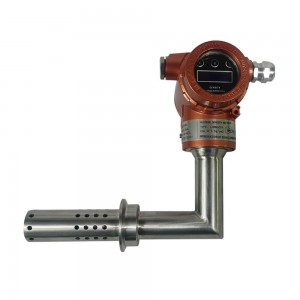
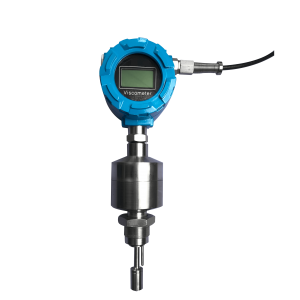
The Lonnmeter chemical concentration meter uses ultrasonic technology to measure the concentration of substances in degreasing fluids. Its core principle relies on transmitting ultrasonic waves through the fluid; the speed and attenuation of these waves change depending on the fluid’s composition. By analyzing these changes, the Lonnmeter delivers real-time readings of chemical concentration with high precision.
The system supports both transmission and reflection measurement modes. In transmission mode, ultrasonic waves propagate through the entire fluid medium. In reflection mode, the waves reflect off an interface within the tank. This flexibility allows the Lonnmeter to adapt to different tank geometries and installation constraints.
Lonnmeter meters are compatible with various degreasing agents and can assess both simple and complex mixtures, including binary and ternary solutions. The device is engineered from corrosion-resistant materials to withstand aggressive industrial chemicals. The hygienic, full-bore sensor design inhibits residue buildup and enables straightforward cleaning to maintain consistent operation.
Lonnmeter Ultrasonic Concentration Meter in Degreasing Tank Environments
Within a cold rolling degreasing tank process, the Lonnmeter ultrasonic concentration meter operates inline or directly immersed in the process stream. The meter performs continuous, automatic monitoring of degreasing fluid concentration, integrating seamlessly with the chemical dosing and recirculation systems.
Real-time signals from the Lonnmeter support precise and responsive control of fluid replenishment. The ultrasonic concentration sensor’s ability to function regardless of fluid color and optical characteristics ensures robust measurement performance, even as the degreasing bath becomes contaminated or develops particulate content over time.
The meter’s digital chemical concentration measurement is unaffected by varying flow rates, air bubbles, or suspended solids, as advanced self-diagnostic and disturbance compensation algorithms are built into the instrument. This ensures continuous process reliability and reduces the risk of undetected concentration drift affecting downstream quality.
Lonnmeter’s installation flexibility permits use in open tanks, pressurized recirculation loops, or sidestream measurement setups. This ensures optimal integration across different cold rolling chemical cleaning lines.
Case Benefits: Reliability, Reduced Maintenance, and Enhanced Safety
Deploying the Lonnmeter ultrasonic concentration meter brings measurable operational benefits to cold rolling degreasing tank processes. The meter’s absence of moving parts eliminates mechanical wear and drastically reduces maintenance demands compared to traditional sampling-based or electrochemical instruments. Built-in self-diagnostics and drift compensation minimize manual recalibration and unplanned downtime.
Chemically resistant construction ensures reliable, long-term operation in aggressive degreasing environments. By continuously providing accurate, real-time concentration data, the Lonnmeter supports tight process control, reducing chemical waste and the risk of suboptimal cleaning.
Enhanced safety is realized by reducing operator exposure to hazardous chemicals, as the instrument to measure concentration delivers online concentration monitoring without manual sampling. This digital approach to chemical concentration measurement minimizes handling errors and enables compliance with industrial safety protocols.
Facilities utilizing the Lonnmeter for ultrasonic concentration measurement for degreasing fluids report improved batch-to-batch consistency and lower total cost of ownership due to reduced labor, extended sensor lifespan, and optimized chemical usage. The adoption of such advanced industrial concentration measurement methods strengthens cold rolling process reliability and quality control at every stage.
Practical Considerations for Instrument Installation and Use
Integrating inline concentration measurement instruments, such as the Lonnmeter ultrasonic concentration meter, within cold rolling lines demands careful planning. Precise chemical concentration measurement directly affects degreasing fluid quality, process efficiency, and equipment longevity.
Guidelines for Integrating Inline Concentration Measurement Instruments
Select the instrument to measure concentration based on the degreasing fluid’s chemical properties. For most cold rolling applications, non-invasive or clamp-on ultrasonic fluid concentration sensors are ideal. These designs minimize contamination risks and make maintenance simple.
Install the sensor in a section of the process line with stable flow and minimal turbulence. Turbulence or bubbles can distort ultrasonic concentration measurement for degreasing fluids. Avoid mechanical vibration sources, like pumps or motor mounts. Proper alignment and secure attachment ensure consistent readings. Manufacturer recommendations for tube diameter and sealing must be followed to maintain sensor integrity and prevent fluid ingress.
Connect the Lonnmeter digital chemical concentration meter to the process control system. This enables real-time online concentration monitoring and rapid interventions if deviations occur. Positioning sensors away from splashes, corrosive vapor, and excessive humidity preserves electronics and helps uphold the precision required for industrial concentration measurement methods.
Common Pitfalls to Avoid in the Degreasing Tank Process
Avoid placing sensors in high-vibration zones or near sources of mechanical resonance in the degreasing tank process. This can cause erratic digital chemical concentration meter readings and reduce accuracy. Installing sensors in turbulent or poorly mixed zones risks misrepresenting actual fluid conditions.
Neglecting regular cleaning leads to sensor fouling, signal loss, and unreliable industrial concentration measurement methods. Skipping calibration or failing to follow manufacturer instructions can result in drift and inaccurate readings. Using incompatible sensors with unsuitable chemical or temperature tolerance will damage equipment and compromise safety.
Improper sensor integration—such as mismatched tube diameters, loose attachments, or poor sealings—can introduce air bubbles or ambient fluid, both of which undermine ultrasonic concentration measurement for degreasing fluids. Failing to link sensors with process control systems forfeits the benefits of automatic monitoring, alarms, and interlocks that maintain optimal degreasing tank conditions.
Proactive integration, routine maintenance, and precise installation of instruments like the Lonnmeter chemical concentration meter will maximize process reliability in cold rolling degreasing lines and prevent costly disruptions.
Process Optimization Through Accurate Concentration Control
Maintaining exact chemical concentration measurement in the degreasing tank process is a cornerstone for process optimization in cold rolling facilities. Accurate degreasing fluid concentration measurement directly affects bath life, product cleanliness, and cost efficiency. When degreasing baths are managed with tight concentration tolerances using online concentration monitoring, operational benefits are substantial.
Precise inline concentration measurement extends bath life by reducing fluctuations that degrade cleaning agents or accelerate contaminant buildup. For example, facilities integrating Lonnmeter ultrasonic concentration meters reported bath life increases up to 30%, attributed to more stable fluid conditions and less frequent tank changeovers. These improvements yield lower costs in chemical use, waste disposal, and maintenance downtime.
Product cleanliness depends on keeping degreasing fluid concentration within optimal ranges. Deviation—even by small margins—can leave residual oil or particulates, undermining both product quality and subsequent coatings or treatments. Industrial concentration measurement methods, particularly ultrasonic fluid concentration sensors, confirm that surface integrity is compromised by under-dosed fluids, while over-dosing increases unwanted residues and chemical waste. Rigorous monitoring with digital chemical concentration meters, especially in automated systems, minimizes rejects due to cleanliness failures and maintains compliance with demanding cleaning standards.
Automated feedback and control are critical for consistent concentration. Closed-loop control systems combine real-time readings from instruments to measure concentration—like the Lonnmeter chemical concentration meter—with dosing pumps or automated dilution units. Sensor data drive immediate responses, such as replenishing degreasing fluid or adjusting fresh water rates. This system not only streamlines operations but mitigates human error inherent in manual sampling and titration. Recent studies show that automated sensor-driven dosing led to reductions of up to 25% in product rejections for cleanliness issues, illustrating the impact of digital chemical concentration meter integration into degreasing tank process controls.
Continuous improvement strategies center on rigorous data collection and analysis. Facilities track fluid properties via permanent online concentration monitoring, reviewing trends to determine when process parameters need refining. Daily logs of bath conditions and sensor alarms contribute to root-cause analysis when deviations or batch failures occur. Periodic recalibration and maintenance of Lonnmeter ultrasonic concentration meters ensure sustained precision. Some plants have established cross-functional teams to review bath performance data monthly, using findings to adjust chemical formulas or sensor thresholds, further enhancing bath life and product quality.
Real-world examples highlight successful optimization: one metals processor transitioned from manual titration to inline concentration measurement using ultrasonic concentration measurement for degreasing fluids. They saw measurable cost savings in chemical purchasing, with lower annual spend, and fewer interruptions for tank exchanges. Improved sensor-driven control not only reduced expenses but ensured more consistent metal cleanliness and smoother downstream applications.
Employing advanced tools—such as Lonnmeter ultrasonic concentration meters—combined with feedback-driven automation and a culture of continuous process refinement secures reliable, efficient degreasing in cold rolling. Each element, from instrument choice to analytics practices, reinforces the link between accurate industrial concentration measurement and best-in-class operations.
Accurate chemical concentration measurement is fundamental to effective degreasing fluid management in the cold rolling process. Maintaining optimal degreasing fluid concentration in the degreasing tank process ensures thorough contaminant removal from steel surfaces. Consistently measured concentrations are critical because under-concentrated solutions may leave oils and residues, while over-concentrated fluids can cause surface damage or downstream process interference. These variations impact steel surface quality, directly affecting coating or painting adhesion, increasing potential defects, and driving up rework rates and costs.
Inline concentration measurement, especially with ultrasonic technology, stands out among industrial concentration measurement methods for degreasing fluid control. Ultrasonic concentration meters, including the Lonnmeter chemical concentration meter and Lonnmeter ultrasonic concentration meter, enable real-time, online concentration monitoring with continuous feedback. These instruments to measure concentration integrate directly into the degreasing tank process, minimizing manual sampling errors and reducing response time to process changes. Ultrasonic fluid concentration sensors use changes in sound propagation within the solution to accurately quantify chemical concentrations, allowing for immediate adjustments in dosing and process control.
Ultrasonic concentration measurement for degreasing fluids ensures consistency in the cold rolling process by enabling automated, reliable, and maintenance-light monitoring even in harsh industrial environments. Peer-reviewed reports and industrial case studies have demonstrated the benefits of implementing digital chemical concentration meters, with documented process improvements, chemical waste reduction, and better steel surface outcomes. Compared to batch or manual methods, inline ultrasonic instruments deliver quick response times, lower operator involvement, and higher measurement stability.
Ultrasonic and inline options are now standard for chemical concentration management in steel processing. Brands such as Lonnmeter provide proven solutions tailored for the demands of degreasing fluid concentration measurement, supporting closed-loop control, process optimization, and compliance with both quality and environmental standards. For modern steel mills, robust online concentration monitoring using advanced ultrasonic measurement systems delivers measurable improvements in quality assurance and cost efficiency for the degreasing stage.






FAQs
What is degreasing fluid and why is its concentration measurement important in the cold rolling process?
Degreasing fluid is a specialized cleaning liquid formulated with surfactants, wetting agents, and corrosion inhibitors. It removes rolling oils, particulate contamination, and oxides from steel surfaces during the cold rolling process. Maintaining precise degreasing fluid concentration ensures contaminants are efficiently removed, preventing downstream defects, surface staining, or corrosion. Accurate concentration control optimizes bath life and reduces chemical wastage, directly supporting consistent product quality and surface finish in cold rolling operations. If degreasing fluid is too dilute, contaminants remain on the steel and can compromise further processing. If it is too strong, excessive chemical use leads to increased costs and potential for surface etching.
How does inline concentration measurement work for degreasing tanks?
Inline concentration measurement employs sensors mounted directly in the degreasing tank or recirculation line. Ultrasonic concentration meters, such as the Lonnmeter ultrasonic fluid concentration sensor, use sound wave propagation to measure the physical properties of the fluid, translating these into concentration readings. These instruments deliver real-time concentration data, allowing continuous monitoring and immediate corrective action if concentrations drift from set limits. Such inline concentration measurement systems minimize manual sampling errors, optimize chemical dosing, and maximize the cleaning effectiveness of the degreasing tank process.
What are the advantages of using a Lonnmeter ultrasonic concentration meter for chemical concentration measurement?
A Lonnmeter ultrasonic concentration meter offers non-contact, non-nuclear chemical concentration measurement. It provides immediate and reliable digital data without disrupting the degreasing tank process. The instrument reduces the need for manual sampling, which limits exposure to chemicals and increases worker safety. Ultrasonic concentration measurement for degreasing fluids is maintenance-light, robust against tank fouling, and highly responsive. Lonnmeter meters are tailored for industrial concentration measurement methods, ensuring high accuracy even in agitated or high-temperature environments.
Are there instruments specifically designed for measuring degreasing fluid concentration?
Yes, several digital chemical concentration meter types are built for degreasing tanks. Lonnmeter chemical concentration meters and inline ultrasonic meters are specifically engineered for robust operation in industrial cold rolling lines. These instruments provide rapid, high-precision, and automated online concentration monitoring. Sensors are resistant to chemical attack from degreasing agents, operate reliably under fluctuating process conditions, and integrate easily with automated tank management systems. This dedicated design supports consistent degreasing fluid concentration measurement throughout complex production cycles.
How does accurate degreasing fluid concentration measurement optimize the cold rolling process?
Accurate chemical concentration measurement directly enhances cleaning efficiency, ensuring all oils and particulates are removed before further processing. Optimized degreasing boosts tank life, as the fluid is only changed or replenished when concentration data indicates it is necessary, reducing overall chemical consumption and disposal costs. Consistent concentration prevents under-cleaned surfaces that cause corrosion or product defects, as well as over-concentration that risks staining or unwanted surface reactions. As a result, surface quality meets stringent specifications required for downstream treatments, and plant productivity rises with fewer process interruptions and less rework due to surface issues.
Post time: Dec-02-2025


