

Debinding is a central phase in the metal injection molding (MIM) sequence, critical for producing high-quality components. Its role is to selectively remove binder material from “green” parts—molded metal powders held together by an engineered binder system—while retaining geometry and integrity. The effectiveness of debinding directly governs porosity, distortion, and mechanical properties of final parts. Inadequate debinding process management can leave residual binder, resulting in unpredictable sintering and compromised structural reliability.
Significance of Debinding in MIM Component Quality
The debinding process determines if parts will achieve target density, surface quality, and dimensional accuracy. Uncontrolled binder removal can cause:
- Cracking, via thermal or stress gradients.
- Excess porosity if binder exits too quickly or unevenly.
- Distortion as differential shrinkage acts on partially supported powder structures.
- Residual contaminants, from incomplete extraction, affecting corrosion resistance and mechanical strength.
Studies show that extending heating and holding times during thermal debinding can reduce final part porosity significantly—down from 23% to 12% in experimental cases. Thus, precise control of time-temperature profiles and atmosphere is required throughout debinding.

Metal injection molding
*
Binder Compositions: Roles and Influence on Green Part Integrity
Binders in MIM typically combine several polymeric components and additives, each with distinct debinding properties and functions. Common binder systems include mixtures of polypropylene, polyethylene, polyoxymethylene (POM), and waxes.
- Primary binder (e.g., POM) provides mechanical strength and plasticity during molding.
- Secondary binder components facilitate easier extraction—either through solvent or catalytic means—without disrupting part shape.
Binder chemistry impacts debinding rate, residual impurity levels, and green part manipulation. For example, clean binder systems like PPC/POM for titanium minimize residual carbon and oxygen, supporting compliance with ASTM F2989 medical-grade standards. Tailoring binder composition to the specific debinding method enables uniform binder escape, lowers cracking risk, and maintains powder connectivity for subsequent sintering.
Interplay Between Degreasing, Binder Removal, and Sintering Outcomes
Debinding encompasses several methods, the most prominent being solvent debinding and catalytic debinding, each interacting with industrial degreasing techniques:
- Solvent Debinding: Uses solvents to dissolve binder components, often employed as a first stage. Success relies on consistent solvent penetration, which can be monitored using liquid density meters, ultrasonic density meters, or chemical concentration meters such as the Lonnmeter ultrasonic density meter. Uniform binder removal at this stage is crucial for avoiding localized porosity.
- Catalytic Debinding: Involves the decomposition of binder (e.g., POM) in the presence of an acid catalyst, rapidly removing binder throughout the part’s volume. Control of catalyst concentration and distribution may be supported by ultrasonic liquid density measurement tools for process monitoring, ensuring consistent chemical reactions.
Degreasing—as an industrial technique—overlaps with initial binder extraction, setting the stage for complete debinding. Measured removal rates and chemical concentrations verify process success and prevent defects.
Debinding’s quality impacts sintering outcomes. If binder remnants persist or part geometry is compromised during extraction:
- Sintering may amplify distortions, as unsupported regions densify unevenly.
- Residual contaminants provoke unwanted reactions, lowering material strength and functional reliability.
Meticulous alignment between degreasing process control, binder formulation choice, and real-time monitoring with precision instruments (e.g., Lonnmeter chemical concentration meters) shapes the density, purity, and dimensional fidelity of MIM components. Optimizing all stages ensures parts meet both industrial standards and application-specific requirements.
The Degreasing Process: Preparing for Effective Debinding
Degreasing is the essential first stage in preparing metal injection molded (MIM) green parts for the debinding process. Its primary purpose is to remove the soluble, low-molecular-weight fraction of organic binders—typically waxes, oils, or polymers—from the molded part before more aggressive debinding steps. Performing degreasing efficiently helps safeguard the part’s geometry and mechanical integrity, and directly impacts the yield and quality of the final product.
Purpose and Importance of Degreasing Prior to Debinding in MIM
In MIM, green parts contain a significant proportion of binder that holds metal powders together. Before these parts are subjected to more aggressive debinding, such as thermal or catalytic debinding, the first binder removal is accomplished by degreasing. This step uses solvents or vapor-phase fluids to dissolve and extract the easily soluble binder components. Proper degreasing prevents rapid gas formation during later debinding, which can otherwise cause stresses, cracks, or internal voids, especially in complex or thin-walled geometries.
By extracting the initial binder fraction, degreasing significantly reduces risks linked to uneven or abrupt binder loss in subsequent thermal or catalytic debinding steps. This process helps maintain dimensional stability and protects delicate features critical in high-precision applications such as medical components or miniature electronics.
Common Degreasing Fluids Utilized in MIM Preparation
The selection of degreasing fluid is tied closely to the binder formulation and geometrical complexity of the part. Commonly used degreasing fluids in MIM are:
- Non-polar solvents: Acetone, heptane, and cyclohexane effectively dissolve wax-based or hydrocarbon-rich binders.
- Polar solvents: Alcohols or mixtures are applied when polymeric or polar binder systems are present.
- Specialty degreasing agents: Blended solvent systems are designed to optimize solubility, process safety, or reduce environmental impacts.
- Vapor-phase degreasing fluids: Specialized agents that use controlled vapor exposure for uniform extraction.
Industrial degreasing techniques can use immersion baths, vapor-phase chambers, or spray systems, often with agitation or ultrasonics to boost solvent penetration and binder diffusion. The degree of efficiency can be influenced by solvent temperature, concentration, exposure time, and part agitation.
Connection Between Degreasing Efficiency and Subsequent Debinding Performance
Efficient degreasing sets the tone for all downstream debinding processes. Incomplete removal of the soluble binder fraction leads to several critical issues:
- Residual binder causes uneven pore networks, increasing the likelihood of cracking or warping during thermal or catalytic debinding.
- Residues left behind may react or decompose poorly, creating surface contamination or increased porosity in the sintered part.
- When degreasing is well-optimized—using correct fluid type and process parameters—subsequent thermal or catalytic debinding proceeds more uniformly and rapidly, minimizing processing time and reducing defect rates.
Quality control in degreasing is often achieved through real-time monitoring techniques. Inline tools such as a liquid density meter or an ultrasonic density meter help track extraction progress by measuring changes in solvent density or composition. Devices like the Lonnmeter ultrasonic density meter or Lonnmeter chemical concentration meter are utilized for ultrasonic liquid density measurement, providing valuable data to prevent under- or over-processing. Such measurements ensure that the required binder fraction has been removed, directly supporting process repeatability and product quality in both solvent debinding and hybrid or catalytic debinding methods.
In summary, the degreasing process is not only about initial binder removal but is a critical, fine-tuned step that determines the success of the entire MIM debinding workflow and final part quality.
Solvent Debinding Process: Principles and Best Practices
Solvent debinding is a foundational step in the debinding process for metal injection molding (MIM) and related advanced manufacturing techniques. Selecting the appropriate solvent—and managing process parameters—directly impacts binder removal rates, part quality, and operational safety. This section details key solvent debinding methods in manufacturing, critical variables, and the value of liquid density measurement for process control.
Fundamentals of the Solvent Debinding Process
The solvent debinding process focuses on removing soluble fractions of binders from molded green parts. Common solvent options include:
- n-Heptane: Well-suited for palm stearin-based binder systems, widely applied for magnesium alloys (e.g., ZK60) and nickel superalloys at 60°C. Extraction typically completes within 4 hours, optimized for rapid degreasing and pore formation.
- Cyclohexane: An effective alternative for organic fat-containing binders, with similar temperature handling requirements.
- Acetone: Used for specific organic binder systems, especially in cases where binder chemistry supports acetone solubility.
- Water: Ideal for binders containing polyethylene glycol (PEG). When heated, water can offer milder, safer debinding versus organic solvents, particularly in additive manufacturing.
- Nitric Acid Vapor: Employed in the catalytic debinding process for polyoxymethylene (POM). Functions at higher temperatures (110–120°C) and enables selective, swift binder breakdown.
Operating temperature ranges are critical for controlling binder extraction rates and preventing excess component swelling or surface softening. For example, palm stearin removal in ZK60 magnesium alloy compacts is optimized at 60°C, balancing rapid debinding with minimal risk of part deformation.
Binder compositions and geometric complexity require careful balancing—if solvent temperature is too high or dwell time excessive, severe swelling or loss of green strength could occur. Conversely, insufficient temperature or solvent exposure can lead to incomplete binder removal, trapping residual organics.

Liquid Density Measurement in Binder Removal
In-line monitoring of solvent composition is vital for maintaining debinding process consistency. Liquid density meters—such as the Lonnmeter ultrasonic density meter and Lonnmeter chemical concentration meter—offer real-time feedback on solvent purity and binder concentration during the degreasing process.
As binder dissolves into solvent, the mixture’s density and viscosity change measurably. Ultrasonic liquid density measurement provides non-invasive, accurate quantification of chemical concentration. This enables operators to:
- Track solvent saturation levels, preventing process drift.
- Assess binder dissolution kinetics and completeness across different batches.
- Adjust solvent refresh rates, dwell time, and temperature based on real-time feedback.
- Safeguard against excessive swelling or softening events that are preceded by rapid density shifts.
Industrial Challenges: Balancing Removal Rate and Integrity
Manufacturers face ongoing challenges in solvent debinding vs catalytic debinding processes. Accelerating debinding through higher temperatures or aggressive solvents can threaten green part integrity, triggering swelling and distortion. Overly cautious conditions, meanwhile, can result in incomplete degreasing, leaving behind organics that compromise final sintering.
Effective industrial degreasing techniques balance removal speed with component stability. The choice of solvent, temperature, and measurement strategy (notably the use of ultrasonic density meters for chemical concentration monitoring) enables this equilibrium. Comprehensive predictive models, practical best practices, and real-time liquid density monitoring are all essential for consistent, high-quality binder removal in MIM and related manufacturing contexts.
Catalytic Debinding Process: Mechanisms and Process Control
Catalytic debinding is a specialist debinding process widely used in metal injection molding (MIM) and ceramic injection molding (CIM). Unlike solvent debinding, which uses liquid solvents to dissolve binder components, catalytic debinding removes the primary polymer binder by chemical reaction with an acid vapor. This section details the mechanisms, process variables, typical binder chemistries, comparative advantages, and the role of density monitoring in process control.
Chemistry of Acid Vapor Debinding
At the core of catalytic debinding, the binder system contains a polymer, most commonly polyoxymethylene (POM), which undergoes acid-catalyzed depolymerization. Traditionally, nitric acid vapor permeates the porous “green” part, reacting with the POM to produce volatile formaldehyde gas. More recently, oxalic acid powder has been employed as a vapor source in specially designed cartridges. On heating, oxalic acid sublimes to form acid vapors that similarly catalyze the breakdown of POM, facilitating safer handling and reduced environmental hazards compared to nitric acid systems.
The Role of Liquid Density Measurement in Debinding and Degreasing Fluids
In the metal injection molding (MIM) process, fluid density measurement is pivotal for both degreasing and debinding stages, as these dictate part quality, defect prevalence, and overall process efficiency. The choice and control of fluid density directly influence mass transport and binder removal dynamics during debinding methods in manufacturing, including solvent debinding and catalytic debinding process.
Why fluid density matters for MIM degreasing and debinding
Debinding process efficiency relies on optimal mass transfer between the fluid and molded “green” part. In solvent debinding, fluid density determines penetration and extraction rates. Lower-density solvents enable faster diffusion but may cause incomplete binder removal, creating internal stresses or inhomogeneous parts. In contrast, higher-density solvents tend to provide more uniform binder extraction, especially in components with thick cross-sections. This reduces cracks, warping, or trapped binder, which might otherwise compromise mechanical strength after sintering. Similar principles apply in catalytic debinding—fluid density affects capillary action and binder migration, so controlling this property is crucial across both solvent and catalytic debinding methods.
Impact of real-time density data on process optimization and defect prevention
Real-time monitoring of debinding process fluids is essential for responding to changes in solvent concentration or contamination, which can occur during repeated use. Process control benefits from continuous measurement: by using inline devices such as Lonnmeter ultrasonic density meters or chemical concentration meters, operators can correct deviations quickly. This reduces the risk of over- or under-debinding, thus preventing defects such as porosity, dimensional instability, or “black core” residues. Studies show that in stainless steel MIM applications, maintaining fluid density within a defined window improves binder removal fraction by up to 15%, with fewer post-sintering defects. This data-driven approach also cuts waste and improves batch-to-batch consistency, especially in high-throughput production environments.
Techniques for measuring fluid and solvent concentration
Traditional hydrometry remains standard in some facilities; it involves immersing a calibrated float in the fluid and reading the density off a scale. While simple, hydrometry is typically limited by manual handling, subjective readings, and inability to provide continuous data in dynamic conditions typical of industrial degreasing techniques.
Advanced density meters offer several advantages in modern process environments. Ultrasonic liquid density measurement, deployed in devices like the Lonnmeter ultrasonic density meter, detects density changes using the velocity of sound in the liquid. These inline meters are unaffected by fluid color or turbidity, delivering real-time digital output suitable for automated process controls. Chemical concentration meters from Lonnmeter work similarly and can be tailored for solvent debinding vs catalytic debinding fluids, supporting precise tracking of solvent ratios or chemical agents in mixed fluids.
Adopting real-time, inline liquid density meters strengthens catalytic and solvent debinding process control and industrial degreasing techniques, producing uniform, defect-minimized metal parts. This approach enables quick interventions, robust data collection, and ultimately higher process yields—all driven by the reliable measurement of fluid density and concentration.

Catalytic Debinding
*
Implementing Ultrasonic and Chemical Concentration Meters in MIM
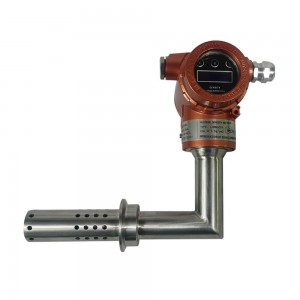
Functionality and Advantages of the Lonnmeter Ultrasonic Density Meter
The Lonnmeter ultrasonic density meter enables non-invasive, continuous, and real-time measurement of liquid density in metal injection molding (MIM) processes. By transmitting high-frequency ultrasonic waves through the medium, it calculates density based on sound velocity and attenuation. This method avoids invasive sampling, preserving process integrity and reducing contamination risk.
Continuous monitoring ensures immediate detection of anomalies such as feedstock separation, binder phase variation, or particle agglomeration. In solvent debinding processes, inline density readings help maintain the desired solvent composition, directly impacting binder removal rate and final component quality. For catalytic debinding, the meter provides instant feedback on media composition, allowing operators to adjust conditions to prevent under- or over-removal of binders.
Real-time process control enhances quality and minimizes scrap. For example, density fluctuations in binder-metal slurries can signal improper mixing or powder loading. Rapid corrective actions based on density meter outputs help sustain optimal mechanical properties and dimensional stability of the finished parts. Adaptations in degreasing techniques—such as flow rates or solvent replacement—are streamlined using data derived from the meter, ensuring consistent industrial degreasing standards are met.
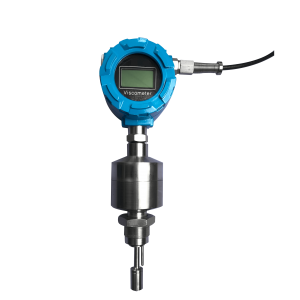
The Lonnmeter Chemical Concentration Meter
Principles of Operation
The Lonnmeter chemical concentration meter operates by measuring physical properties—such as refractive index or electrical conductivity—correlated to the concentration of dissolved substances. Certain models integrate optical or electrochemical sensors, generating precise concentration data for solvents, catalysts, or additive agents.
Optimization of Solvent or Catalytic Agent Strength
Accurate concentration measurement is pivotal in adjusting solvent or catalyst strength to suit the specific debinding process—either solvent debinding or catalytic debinding. For solvent debinding, maintaining an optimal concentration ensures fast binder dissolution without residue or distortion. In catalytic debinding, the meter helps calibrate carrier levels so the catalytic agent reacts thoroughly, balancing debinding speed with final component integrity.
Industrial degreasing techniques rely on precise control over chemical concentrations to maximize cleaning effectiveness while minimizing wastage. The Lonnmeter chemical concentration meter supplies instant data for continuous bath or feedstock management.
Enhancing Automation and Quality Assurance via Precise Monitoring
Integrating the chemical concentration meter into automated debinding systems tightens process control and bolsters quality assurance. Process corrections occur rapidly, triggered by deviations in concentration readings. This approach minimizes manual intervention, reduces operator error, and enables traceable process records.
Enhanced concentration data contributes directly to compliance with debinding methods in manufacturing standards. Operators gain reliability in batch-to-batch consistency for both solvent debinding and catalytic debinding processes. Key benefits encompass:
- Increased throughput with fewer rejects,
- Improved dimensional consistency,
- Streamlined validation of debinding process conditions.
By maintaining accurate, automated monitoring with Lonnmeter ultrasonic density and chemical concentration meters, MIM operations achieve robust control over both degreasing and debinding phases, reducing the risk of defects and ensuring product quality.
Practical Guidelines for Integrating Density Meters in MIM Operations
Selecting suitable liquid density meters for degreasing and debinding lines in metal injection molding (MIM) requires attention to the chemical nature of solvents, process temperature, and contamination risks. The chosen equipment must provide precise measurements to enable effective control of debinding methods in manufacturing, whether using solvent debinding or catalytic debinding.
Correlating Density Readings with Process Endpoints and Quality
Precise density tracking facilitates identification of key process stages in debinding. During solvent debinding, a drop in liquid density typically signals binder dissolution, indicating effective degreasing. In catalytic debinding, density shifts can help optimize catalyst concentration and exposure time for full binder removal.
Routine correlation of density readings with part quality outcomes—such as completeness of binder removal, surface condition, and dimensional stability—drives continuous improvement. For example, repeated density checks can identify incomplete debinding that may result from inadequate solvent concentration or poor circulation. Operators can establish threshold values for density at endpoints, leveraging Lonnmeter ultrasonic density meters’ real-time data to halt the process precisely when targets are met.
The use of chemical concentration meters further refines control, especially for solvents prone to volumetric changes or contamination. By linking density and concentration data, operators ensure solvent debinding vs catalytic debinding decisions remain data-driven, supporting reproducible quality and minimal scrap rates across extended production runs.
Frequent offline correlation samples—supported by inline readings—confirm the reliability of installed meters and provide insights for further process optimization, especially where tolerated density ranges are tight or where process recipes vary between product batches.
Troubleshooting Common Challenges in Degreasing and Debinding Fluid Monitoring
Measurement errors in degreasing and debinding fluid monitoring can undermine process control and final part quality. Key error sources include contamination, temperature fluctuation, and mechanical disturbance. Each disrupts the accuracy of liquid density meters and chemical concentration meters.
Addressing Measurement Error Sources
Contaminants—such as residual binder, process oils, or foreign particles—can alter fluid density. This skews readings from ultrasonic density meters, leading to false mass transfer assumptions in solvent debinding or catalytic debinding processes. Typical contamination sources include incomplete prior cleaning or debris shed from MIM tooling.
Temperature fluctuation impacts the density and viscosity of degreasing fluids. Lonnmeter ultrasonic density meters and chemical concentration meters rely on stable temperatures for repeatable measurements. If temperature drifts by even a few degrees during solvent debinding or catalytic debinding, fluid density readings become unreliable. This can cause errors in binder removal rates and jeopardize uniform debinding.
Mechanical disturbances, such as vibrations from machinery or abrupt flow rate changes, also disrupt sensor accuracy. These can cause false spikes or drops when monitoring solvent debinding process performance.
Corrective Actions and Routine Checks for Sustained Accuracy
Routine calibration is essential for maintaining sensor reliability. Operators should benchmark Lonnmeter ultrasonic density meters and chemical concentration meters at defined intervals, comparing against known standards before solvent debinding and during degreasing steps.
Frequent cleaning of sensor surfaces reduces contamination risk. Scheduled inspections of inline liquid density meter housings prevent foreign matter accumulation—a recurring issue in both solvent debinding and catalytic debinding process setups.
Temperature probes must remain accurate and synchronized with density measurements. Check probe performance weekly during high-volume runs. Validate probe readings at the start of each cycle—particularly for debinding processes sensitive to thermal profiles.
Mechanical isolation of sensors can minimize the impact of vibration. Use anti-vibration mounts and position sensors away from high-flow junctions in industrial degreasing systems. Confirm sensor stability with periodic in-process verification runs.
Role of Advanced Meters in Minimizing Human Error and Ensuring Repeatability
Lonnmeter ultrasonic density meter and chemical concentration meter technology enhance measurement repeatability. These meters maintain high accuracy during continuous inline monitoring, reducing reliance on operator judgment. Built-in temperature compensation prevents drift stemming from fluid temperature changes, a common challenge in both catalytic debinding and solvent debinding vs catalytic debinding comparisons.
Advanced meters minimize manual intervention. They provide direct digital readouts that can be logged, helping trace measurements throughout the debinding process. Systematic repeatability checks and self-diagnostics reduce manual errors that once plagued debinding methods in manufacturing.
As an example, during industrial degreasing techniques, inline Lonnmeter ultrasonic liquid density measurement detects subtle changes in fluid composition, enabling timely corrective actions. Real-time warnings trigger cleaning or recalibration—protecting process consistency without the need for specialized software or automated control systems.
These hardware solutions deliver dependable data even in demanding MIM environments, supporting defect reduction and consistent part quality across debinding and degreasing workflows.






Frequently Asked Questions (FAQs)
What is the difference between degreasing and the debinding process in metal injection molding?
Degreasing refers to the initial cleaning step to remove oils, lubricants, machining fluids, and other surface contaminants from green parts or metal powders. This process ensures the surfaces are free of residues that could interfere with later steps. Methods include solvent washing, ultrasonic baths, and aqueous solutions. Debinding, in contrast, is the controlled removal of the organic binder, which constitutes up to 40% of the molded feedstock mass. Debinding employs solvent, catalytic, thermal, or aqueous processes to extract the binder from within the part, creating a porous structure that prepares it for sintering. While degreasing focuses on external contamination, debinding targets internal binder removal essential for structural integrity and final part properties.
How does a liquid density meter aid the solvent debinding process?
A liquid density meter—such as the Lonnmeter ultrasonic density meter—provides continuous, real-time measurement of solvent concentration in the debinding bath. Variations in liquid density reveal changes in solvent purity, presence of dissolved binder fragments, and contamination levels. This monitoring enables precise control of the debinding environment, allowing rapid detection of solvent degradation or overload. As a result, manufacturers can maintain consistent binder extraction rates, limit the risk of incomplete debinding, and support predictable, repeatable part quality.
What are the key benefits of using the Lonnmeter chemical concentration meter during catalytic debinding?
Catalytic debinding uses chemical agents—such as acid vapors—to selectively break down binder components. The Lonnmeter chemical concentration meter offers direct, inline measurement of the acid vapor or catalytic agent’s concentration. By precisely tracking active chemical levels, the meter supports stable process conditions, helping to avoid under-debinding (where residual binder weakens parts) or over-debinding (which can cause shape distortion or surface defects). Reliable concentration control enhances throughput, minimizes scrap rates, and ensures binder removal occurs at the designed pace for every batch.
Why is monitoring fluid density important in the degreasing process?
Maintaining accurate degreasing fluid density is critical because it reflects the fluid’s cleaning capability and contamination load. As oils, lubricants, and dirt dissolve, the fluid’s density changes. Using a Lonnmeter ultrasonic liquid density meter lets operators track buildup of contaminants, signal when to replace or refresh fluids, and guarantee the fluid is effective from first to last part. Consistent density monitoring reduces the likelihood of surface defects, incomplete cleaning, and ensures optimal conditions for subsequent debinding and sintering.
Can solvent debinding be optimized for complex MIM geometries?
Yes. The combination of real-time density and concentration monitoring enables dynamic adjustment of debinding times and solvent strengths based on part thickness, intricate geometries, and binder types. Process models can incorporate data from inline meters like the Lonnmeter to fine-tune variables, ensuring uniform solvent penetration and binder removal throughout each part. This customization is especially beneficial for miniaturized or highly complex components, where uneven debinding risks internal voids, warping, or incomplete sintering.
Post time: Dec-08-2025


