

Understanding Condensed Liquids in Oil and Gas Processing
Defining Condensed Liquids and Gas Condensates
Condensates in the oil and gas sector are hydrocarbons that transition from a gaseous to a liquid state when temperature and pressure decrease below reservoir conditions. These condensed liquids are typically composed of light hydrocarbons—mainly straight-chain alkanes from ethane (C2) to hexane (C6+) and heavier, with a small fraction of aromatic and heteroatomic compounds. The presence of condensates, their origin, and their downstream application have important implications on hydrocarbon separation processes and market value.
A clear distinction exists between gas condensates and distillates. Gas condensates are naturally occurring liquids formed by condensation from natural gas streams, often upon reaching surface or near-surface conditions. In contrast, distillates are hydrocarbon liquids created through deliberate distillation—most notably during refining or gas processing. The separation point and the physical mechanism (condensation versus distillation) determine whether a stream is classified as a condensate or a distillate.

Process of Fractional Distillation of Petroleum
*
Further nuance arises between lease and plant condensates. Lease condensate is captured at or near the wellhead, separated from the gas phase at atmospheric pressure using field separators. It is usually incorporated into the crude oil stream for measurement and commercial purposes, displaying an API gravity typically ranging from 45 to 75. Plant condensate recovery occurs downstream at gas processing plants, where separation happens at elevated pressure and lower temperatures. The distinction affects accounting, reporting, and market valuation. Lease condensate is typically considered part of crude oil, while plant condensates are often grouped with natural gas plant liquids (NGPL). Different regulatory regimes and regional market practices further complicate classification, affecting reporting and export controls.
Condensed liquids play a critical role in hydrocarbon separation and refining. They serve as both feedstock for refineries—valued for their rich content in light hydrocarbon fractions such as gasoline, naphtha, and LPG—and as diluents to reduce the viscosity of heavy crude oils for pipeline transport. Their high volatility and lower impurity content, compared to heavier crude oils, facilitate easier processing and blending during petroleum distillation, supporting refinery flexibility and product slate optimization.
Chemical and Physical Properties Critical to Separation
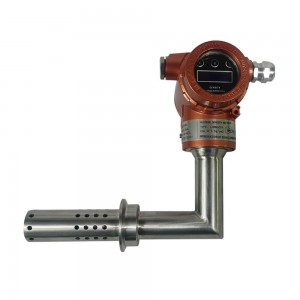
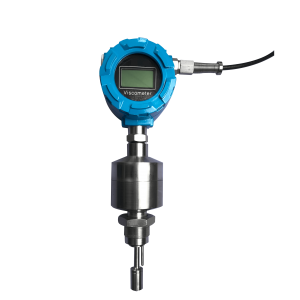
The behavior and separability of condensates in oil and gas operations are governed by a suite of physical and chemical properties. Among these, API gravity offers a measure of liquid density relative to water. Condensates, with API gravities usually between 45 and 75, are much lighter than most crudes, favoring rapid separation during oil and gas processing. Density, directly related to API, is crucial for pipeline design, custody transfer, and process control. Inline density measurement instruments, such as those produced by Lonnmeter, are deployed to monitor and ensure precise control of process parameters, especially when blending or refining light streams.
Viscosity further dictates operational performance. Condensates typically display low viscosity, which allows for efficient flow, simplified separation in multi-phase systems, and reduced energy input during mixing and pumping. Viscosity is tightly linked with temperature, chemical composition, and phase behavior; its accurate quantification is vital for production optimization and minimizing pipeline blockages.
Hydrocarbon composition—primarily the fraction of light paraffins, aromatics, and trace impurities—dictates phase behavior and refining value. Light-end dominance (butanes, pentanes, hexanes) enhances volatility, but can also introduce risks during handling due to high vapor pressure. Minor constituents, such as asphaltenes, resins, and waxes, have outsized impacts; they can precipitate as solids at lower temperatures, leading to wax deposition and operational issues in pipelines and separation trains. For example, fields like Astrakhan and Altyguyi have documented paraffin precipitation at process-relevant temperatures, necessitating careful compositional analysis and additive strategies to prevent flow assurance challenges.
The significance of property measurement extends beyond operational efficiency—it directly influences product quality control and commercial value. Reliable density and viscosity data underpin the petroleum refining and condensate processing workflow, supporting accurate separation of hydrocarbon fractions, as required in the petroleum distillation process. Modern density measurement techniques are now an integral part of process monitoring, ensuring compliance with custody transfer standards and facilitating optimization of storage and blending in both upstream and downstream operations.
Molecular composition also governs vapor–liquid equilibrium and phase behavior, especially in light hydrocarbon fractions. Under fluctuating process conditions, small differences in molecular weight or structure can cause dramatic shifts in the ratio of gas to liquid, with direct implications for separator and stabilizer design, as well as plant-wide mass balances. The routine analysis of phase envelope behavior enables refiners to select optimal petrol-distillation methods that maximize recovery while minimizing energy costs and quality losses.
Addressing these characteristics—API gravity, physical density, viscosity, and composition—forms the foundation for both efficient separation and refining of condensates and light hydrocarbon streams. Continuous and accurate measurement of these condensed liquid properties drives process control, supports hydrocarbon condensate quality control, and underpins the economics of the oil and gas value chain.
Measurement Techniques for Condensed Liquid Density
Advanced Techniques for Enhanced Precision
To address challenges inherent in measuring density for light and heavy hydrocarbon condensates, dilution methods have gained prominence. Heavy fractions are often diluted with solvents such as toluene, reducing viscosity and mitigating temperature sensitivity. This practice enables more accurate density determinations, as sample homogeneity improves and procedural errors from handling viscous fluids are reduced. The solvent-dilution approach is particularly important in characterizing complex petroleum distillation products and heavy stock blends, where densities are required for process optimization and product specification.
Novel methodologies, particularly those employing vibration-based inline density meters (such as Lonnmeter devices), overcome limitations of conventional instruments. These instruments automate sample temperature regulation, bubble detection, and viscosity compensation, which are crucial for consistency in oil and gas condensate monitoring. Automated meters also permit integration into industrial pipelines for continuous measurement, supporting hydrocarbon condensate quality control without halting process flows.
Comparative analysis shows that traditional laboratory and manual field instruments often yield density determinations with error margins unacceptable for refining light hydrocarbons and petrol distillation methods requiring strict compositional boundaries. In contrast, inline automated meters not only reduce operational variability, but also offer traceable digital output, vital for regulatory compliance, reporting, and advanced separation of hydrocarbon fractions.
Light hydrocarbon fractions pose their own measurement difficulties due to volatility and low density. Vapour losses, sample evaporation, and minor temperature shifts can skew density results. Advanced meters mitigate these effects by maintaining closed measurement environments and precise thermal management. Heavy fractions, meanwhile, benefit most from solvent treatment and viscosity compensation integrated with digital measurement.
Integration of Analytical Tools in Density Evaluation
Compositional analysis deepens precise density measurement. Gas chromatography (GC), high-performance liquid chromatography (HPLC), and gas chromatography-mass spectrometry (GCMS) reveal hydrocarbon profiles, identifying distinct light and heavy fractions within crude oil distillation and condensate extraction workflows. Such analytical tools enable a direct link between measured density and compositional attributes, advancing hydrocarbon condensate quality control and supporting the selection of blended streams for refining or petrochemical conversion.
Chromatographic data combined with density measurements facilitate the determination of condensed liquid properties in hydrocarbons, essential for fine-tuning petroleum distillation process overview and separation of hydrocarbon fractions. For example, GCMS compositional fingerprints clarify relationships between density and molecular weight distribution in refined condensates, aiding process engineers in optimizing product separation or blending.
Pressure-volume-temperature (PVT) analysis is applied to predict density and phase behaviour of condensates under operational conditions. PVT studies integrate measured densities with equilibrium property predictions, enhancing process design and supporting applications in separation of hydrocarbon fractions and refining light hydrocarbons.
In modern petroleum refining and condensate processing, combining these techniques delivers a robust framework for characterizing hydrocarbon streams, measuring density of hydrocarbon condensates, and optimizing the separation process with measurable quality control throughout every stage. This integrated approach—pairing direct density measurement instruments for condensate, like Lonnmeter’s robust inline devices, with advanced compositional analysis—strengthens the representativeness and reliability of condensed liquid properties evaluation in industrial practice.

Importance of Accurate Condensed Liquid Density Measurement
Impact on Hydrocarbon Separation and Distillation Processes
Precise condensed liquid density measurement is fundamental in hydrocarbon separation processes, especially during crude oil distillation and condensate extraction. The separation of hydrocarbon fractions relies on differences in density to guide fractionation, affecting column efficiency and cut point control. In both petroleum distillation and petrol distillation methods, density directly influences vapor-liquid equilibrium (VLE). Shifts in density alter boiling range curves, leading to variance in product quality and overall throughput.
Accurate real-time density readings are used to calculate correction factors for temperature and pressure, which impact the conversion from volumetric to mass flows. This is crucial for the precise measurement of oil and gas condensate streams as they move through distillation columns. Density-driven refinement aids operators in optimizing operating conditions by enabling precise control of heating profiles, reflux ratios, and draw-off rates for each tray or side stream. Implementing quality inline density measurement instruments for condensate, such as those manufactured by Lonnmeter, allows for constant feedback, which is necessary for adjusting process parameters to respond to feedstock variability or demand shifts.
Density measurement is also integral to equipment selection across the petroleum refining and condensate processing chain. It informs the sizing of column internals, heat exchangers, and pumps, as well as guides the selection of suitable materials for corrosive or high-pressure environments. For example, a column processing condensate with a higher paraffinic content requires distinct tray spacing or packing type, which would only be identified via accurate density and light hydrocarbon fractions analysis.
Yield prediction and specification compliance during refining light hydrocarbons depend on density data. Operators use density as a reference to maintain the required specification for products such as naphtha, gasoline, or jet fuel, each defined by discrete density and volatility windows. Small deviations in density measurement can cascade to generate off-spec material, leading to blending downgrades or costly reprocessing. This underlines the systemic role of density in light hydrocarbon fraction applications and the broader separation of hydrocarbon fractions.
Relevance to Reservoir Characterization and Production Monitoring
The measuring density of hydrocarbon condensates supports advanced approaches to reservoir characterization. Density readings, when integrated with compositional and engineering data, significantly enhance the accuracy of geological models and production forecasts. In fields producing gas condensate, subtle variations in condensed liquid density can indicate changes in reservoir connectivity, fluid contacts, or the efficiency of secondary recovery operations.
Representative density data are merged with core analysis findings, log responses, and petrophysical models, providing high-resolution maps of rock-fluid distributions. For instance, density-porosity crossplotting and machine learning-driven PVT modeling exploit density trends to characterize fluid heterogeneity. This enables operators to better predict production trends, optimize well placement, and refine completion strategies for improved hydrocarbon recovery.
Condensate density measurement techniques play a role in real-time monitoring, allowing the adjustment of exploitation tactics in response to shifting compositions. These data points reveal phase behavior changes, which are critical for maintaining pressure and drawdown strategies, as well as for identifying reservoir depletion or downtime risks. Ultimately, precise measurement ensures comprehensive integration with reservoir engineering and geological models, directly correlating with asset value and operational performance.

Quality Control and Refinery Feedstock Evaluation
Feedstock selection and blend evaluation depend heavily on the quality of oil and gas condensate streams, characterized through density and compositional data. In the context of hydrocarbon condensate quality control, density is used as a rapid check for blend compatibility and as a surrogate indicator for sulfur, metals, and aromatic content. Accurate, real-time readings from inline density measurement instruments for condensate are essential to prevent incompatible blending, which can damage refinery units or degrade catalyst performance.
Compliance with product specifications in the refinery supply chain is enforced through tight density monitoring in both routine and batch sampling regimes. Results must match required limits for saleable fractions—such as stipulated density bands for naphtha or kerosene—to meet both regulatory and commercial standards. Analytical advancements, including real-time regressions and compositional analysis, allow for highly sensitive detection of off-spec trends during feedstock transfers and process upsets.
Additionally, by integrating density readings with chromatographic and elemental analyses, refineries predict process yield and crackability for traditional and renewable oil blends. This approach enables optimized process control, improved yield targeting, and reduced operational risk through the anticipation of fouling, coking, and unit upsets. Thus, precise condensed liquid properties in hydrocarbons underpin refinery competitiveness and ensure consistency across each step of petroleum refining and condensate processing workflows.
This stylized chart shows that optimal product yield in light hydrocarbon fraction processing occurs within tight density bands, illustrating the necessity of accurate density control throughout the separation process. Deviations, even by a few kg/m³, lead to efficiency losses and possible off-spec outputs.
Accurate condensed liquid density measurement is the foundation for hydrocarbon separation processes in petroleum refining, from reservoir modeling to in-plant process optimization, feedstock evaluation, and quality control, reflecting its central role in both operational excellence and commercial success.
Practical Considerations and Best Practices
Sampling Techniques for Reliable Measurement
Representative sampling stands as the foundation for accurate condensed liquid analysis, especially in oil and gas condensate streams where errors can amplify downstream. To assess condensed liquid properties in hydrocarbons or execute light hydrocarbon fractions analysis, the sample must mirror process conditions as closely as possible. This is essential to track compositional shifts impacted by temperature, pressure, and phase distribution throughout hydrocarbon separation processes in petroleum refining.
The sampling point must be located where the fluid remains well mixed and before any phase separation occurs. For example, inserting a sample probe into a line just upstream of phase separators gives a truer cross-section of the processed fluid. All sample lines and collection vessels should be pre-conditioned and flushed with product stream to minimize contamination from residues and avoid the introduction of air, which skews density and compositional analysis.
Temperature and pressure stabilization are critical during sampling. If pressure is reduced too rapidly during crude oil distillation and condensate extraction, lighter components may flash off, altering the light hydrocarbon fraction composition and yielding unreliable results for condensate density measurement techniques. Closed-loop collection systems minimize atmospheric exposure and volatile loss, supporting more precise association between measured data and true field conditions.
Routine cleaning, immediate transfer to analysis, and sealed containment mitigate the risk of error and contamination. For custody transfer or legal quality control, standardizing these procedures ensures consistency and traceability in measuring density of hydrocarbon condensates and in hydrocarbon condensate quality control practices.
Data Handling and Integration with Engineering Parameters
Captured density and compositional data from inline instruments such as Lonnmeter’s density measurement instruments for condensate feed directly into simulation models and process control systems, supporting efficient petroleum refining and condensate processing. High-resolution measurement is integral to petroleum distillation process overview and optimization, especially when refining light hydrocarbons and controlling separation of hydrocarbon fractions.
To leverage density data for process modeling, engineers correlate laboratory or real-time instrument readings with key engineering parameters. API gravity, for instance, is directly calculated from measured density and is a crucial criterion for operation decisions, blending, and product allocation. Accurate API gravity assessments drive adjustments in the petrol distillation methods to maximize recovery and quality of light hydrocarbon fraction applications.
Gas-oil ratios, derived through combined density and compositional measurements, inform both upstream reservoir modeling and ongoing operational tuning. For instance, if density readings indicate a shift due to increased light fraction carryover, operators may adjust distillation cut points to optimize phase separation and ensure product specifications are met.
Integrating continuous data streams ensures dynamic quality control. Automated density inputs—from Lonnmeter inline meters—fit seamlessly within distributed control structures, providing the resolution and temporal fidelity necessary to regulate flow splitters, reboilers, and stabilizers. This minimizes process variability, reduces sampling intervention, and tightens product specification windows, leading to enhanced hydrocarbon condensate quality control through real-time feedback.
In summary, practical best practices center on robust sampling strategies and precise data integration. These underlie accurate light hydrocarbon fractions analysis, operational responsiveness in hydrocarbon separation processes, and effective quality management across petroleum refining and condensate processing pipelines—especially when leveraging advanced instrumentation designed to meet the evolving standards of oil and gas condensate workflows.






Frequently Asked Questions
What are condensed liquids and why are they important in oil and gas condensate processing?
Condensed liquids are hydrocarbons that shift from gas to liquid as temperature and pressure drop below their dew point during natural gas extraction. These liquids are lighter and less viscous than crude oil, often categorized by collection point—either as lease condensate at the wellhead or as plant condensate from processing plants. Both types differ from natural gas liquids (NGLs) in composition and physical properties. Their significance lies in their high market value, their role as refinery and chemical feedstocks, and their influence on operational strategies for reservoir exploitation, processing, and export. Because condensed liquids are volatile and flammable, strict operational protocols are enforced in handling, transportation, and environmental safety. Their physical characteristics, particularly density and molecular weight, directly impact efficiency, recovery rates, and downstream value creation in oil and gas condensate operations.
How is condensed liquid density measured during hydrocarbon separation processes?
Condensed liquid density measurement is essential for process control and product specification. The most common measurement methods include hydrometers, which use calibrated floats to provide a direct density or API gravity reading, and pycnometers, which determine density based on the known mass and volume of a liquid sample. Advanced analytical methods may also apply, often using solvents for more precise assessments. Predictive models like the Hankinson-Thomson (HT) and the Hankinson-Brobst-Thomson (HBT) approaches estimate the density of both saturated and compressed hydrocarbon liquids across operational conditions. In the field, reference instruments such as Lonnmeter inline density meters are widely used for continuous and accurate density monitoring, supporting real-time process optimization. All these techniques form the backbone of condensate density measurement techniques, ensuring regulatory and commercial requirements for hydrocarbon separation processes in petroleum refining are met.
What impact does condensed liquid density have on petrol distillation process outcomes?
Density is a primary physical property dictating how hydrocarbons separate during the petroleum distillation process. Condensed liquid density determines the split of material between distillate cuts such as naphtha, gasoline, and diesel. Variations in density impact the efficiency, energy usage, and yield of each distillation fraction, as lighter or denser feedstocks require different reflux and operating conditions. Accurate density measurement allows for the fine-tuning of reflux drum operations and phase separation protocols, leading to improved product quality and consistency. Studies have shown that maintaining target densities in feedstock ensures that product streams meet specification, reducing waste and optimizing refinery economics. Incorporating reliable measuring density of hydrocarbon condensates supports effective separation of hydrocarbon fractions and underpins consistent performance across crude oil distillation and condensate extraction units.
Why is accurate density data essential for refining light hydrocarbon fractions?
Light hydrocarbon fractions, typically in the C5–C10 range, are critical in producing high-value products like gasoline and petrochemicals. Accurate density data are fundamental for process modeling, controlling quality, and achieving compliance with product specifications. Refining light hydrocarbons requires the precise adjustment of separation units based on real-time density feedback—often provided by inline instrumentation like Lonnmeter meters—to maintain operational efficiency and avoid costly off-spec production. Analytical techniques, including gas chromatography combined with density analysis, are widely used to monitor both composition and physical properties. This meticulous approach allows for process flexibility and quality assurance in light hydrocarbon fractions analysis, leading to optimized throughput and energy management across hydrocarbon separation processes in petroleum refining.
What best practices should be followed for sampling condensed liquids for density measurement?
Sampling condensed liquids requires strict adherence to best practices to ensure reliability and representativeness. Samples must be collected using clean, contamination-free equipment—purged prior to use—and stored in containers that do not leach or absorb hydrocarbons. Protocols stress capturing a representative portion of the moving liquid stream, avoiding sample loss due to evaporation or flash-off, especially for low-boiling components. Containers are sealed and labeled immediately to minimize exposure. Staff follow robust safety protocols due to the flammable and volatile nature of condensed liquids. Regulatory standards, such as those issued by ASTM International, define specific practices for preparation, handling, and preservation. These tight controls are essential for valid hydrocarbon condensate quality control and support accurate, actionable results from density measurement instruments for condensate.
Post time: Dec-11-2025


