

Inline concentration measurement is central to process control and optimization in butadiene production. These techniques enable continuous tracking of product and solvent levels during critical steps such as secondary extraction, distillation, and purification. In modern process plants, real-time data from inline instruments directly feed into control systems, supporting dynamic process simulation and adjustment of operational variables like temperature, pressure, solvent addition, and water balance. This tight integration enhances extraction reliability and minimizes the formation of undesirable “popcorn polymers” or other polymeric fouling agents.
Introduction to the Butadiene Manufacturing Process
1,3-Butadiene is a vital building block in the global synthetic rubber industry, particularly in the production of butadiene rubber (BR) and styrene-butadiene rubber (SBR), which together account for millions of tons of annual consumption. Its applications extend to automotive tires, industrial goods, and construction polymers, with demand concentrated in regions like Asia-Pacific due to burgeoning manufacturing sectors and vehicle production.

Butadiene Extraction
*
The manufacturing process begins with the selection of suitable feedstocks. Traditionally, petrochemical raw materials such as naphtha and butane are most widely used. These hydrocarbons offer high yields in conventional processes and benefit from established supply chains. However, a growing focus on sustainability has propelled interest in alternative feedstocks, such as bioethanol derived from renewable sources and non-food biomass. Catalytic conversion technologies for ethanol to butadiene are gaining traction for their potential to lower carbon footprint and diversify resource inputs, though substantial scale-up and economic hurdles remain.
The core industrial method for butadiene synthesis is steam cracking. This process subjects naphtha or other light hydrocarbons to high temperatures (approximately 750–900°C) in the presence of steam. The thermal conditions break down larger molecules into smaller olefins and diolefins, with butadiene produced alongside ethylene, propylene, and other valuable by-products. After cracking, quick quenching prevents undesirable secondary reactions, followed by an intricate gas separation sequence. Butadiene is typically extracted using extractive distillation, which employs polar solvents such as DMF or NMP to separate butadiene from similar C4 hydrocarbons. Dividing-wall columns or vapor recompression may be utilized to increase energy efficiency and reduce operational costs.
Emerging “on-purpose” methods, like catalytic conversion of ethanol in multitubular or fluidized bed reactors, represent sustainable alternatives to steam cracking. These processes use multifunctional heterogeneous catalysts designed for high selectivity and stability. Catalyst and reactor configuration are crucial in optimizing conversion rates and minimizing unwanted by-products.
The overall process flow for butadiene production begins with feedstock preparation, proceeds through cracking (or catalytic conversion), and continues with product quenching, gas separation, and final extractive distillation to yield purified butadiene. Throughout, rigorous monitoring—such as continuous butadiene concentration measurement—and advanced control systems are essential for maximizing product purity, yield, and occupational safety. Legacy equipment fouling, solvent degradation, and process upsets are managed via engineering interventions and solvent purification advancements—ensuring reliable, efficient butadiene production across modern petrochemical facilities.
Essential Steps in the Butadiene Extraction Process
Thermal Cracking and Feed Preparation
Thermal cracking forms the foundation of the butadiene production process. Feedstocks such as naphtha, butane, and ethane are typically used; each offers distinct yield profiles. Naphtha, widely available, generates broader C4 fractions and moderate butadiene yields, while butane and ethane generally deliver higher selectivity to desired products.
Operating conditions in the cracking furnaces are crucial. Temperatures must be carefully controlled between 750° and 900°C, with an inert atmosphere maintained to prevent unwanted oxidation. Duration of residence time matters: very short residence times and rapid quenching prevent secondary reactions that lower butadiene selectivity and cause byproduct formation. For example, increasing temperature within this range can boost yield but also raises energy consumption and unwanted side reactions. Thus, optimal processing must balance temperature, feed flow rate, and quenching speed for maximal butadiene extraction.
Feedstock pre-treatment, especially for alternative or renewable feedstocks like bioethanol or 1,3-butanediol, involves hydrolysis or fermentation methods. Techniques such as steam explosion or liquid hot water pretreatment are employed for biomass, creating a fermentable substrate and improving overall conversion rates. Reactor design influences these steps: multitubular reactors support heat and mass transfer, whereas multibed adiabatic systems facilitate process scalability and selectivity.
Gas Separation, Primary and Secondary Extraction
Once cracking is complete, the crude gas stream enters a sequence of separation steps. Gas separation begins with quenching and primary separation to remove heavy hydrocarbons, then compression units reduce volume and raise pressure for easier handling. Drying removes moisture, which could interfere with downstream solvent performance and product quality.
Primary extraction utilizes absorbents or selective solvents in high-pressure towers. Here, butadiene is separated from other C4 compounds based on differences in solubility. Solvents such as N-methyl-2-pyrrolidone (NMP), dimethylformamide (DMF), or newer sustainable alternatives like 1,2-propylene carbonate (PC) are chosen for their butadiene affinity, stability, and safety profile. The solvent selectively dissolves butadiene, which is then stripped from the solvent by steam or reduced pressure.
Secondary extraction is implemented to maximize recovery, capturing residual butadiene from the aqueous or solvent phase lost during the first stage. This process may involve additional solvent contact or more intensive column operations. For optimized butadiene recovery (up to 98%) and purity (approaching 99.5%), parameters such as solvent-to-feed ratio (typically 1.5:1) and reflux ratio (often near 4.2:1) are finely tuned. Increasing the number of theoretical column stages boosts separation efficiency with minimal additional energy. Integration of heat recovery networks between column sections can decrease total process energy use by around 12%.
The integration of purification steps—drying, removal of by-products like acetylenes and saturates—is essential to maintain solvent effectiveness and product specification. Advanced process designs, such as dividing wall columns or intermediate reboilers with heat pumps, have shown to reduce energy demand (up to 55%) and lower overall operating costs while intensifying butadiene recovery efficiency.
Extractive Distillation and Product Purification
Extractive distillation is the key method for isolating high-purity butadiene from C4 hydrocarbon fractions. In this step, the selected solvent plays a critical role by dramatically increasing the volatility difference between butadiene and its close-boiling impurities, facilitating their effective separation.
Solvent selection is dictated by several criteria: selectivity of butadiene, chemical and thermal stability, recovery rate, environmental and safety issues, as well as cost. NMP and DMF have historically dominated but are now being replaced by green solvents like 1,2-propylene carbonate, which provide comparable separation efficiency, non-toxicity, and regulatory acceptance. Deep eutectic solvents (DES) also show promise, offering sustainability and full recyclability while maintaining high extraction performance.
Solvents are recovered and recycled via distillation and membrane filtration systems, which remove tar and foulants and extend solvent life. Integration of membrane modules for tar removal minimizes downtime and supports closed-loop operation.
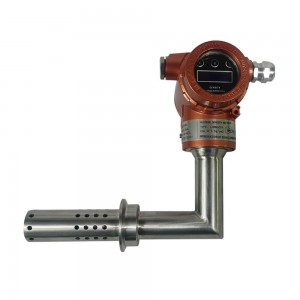
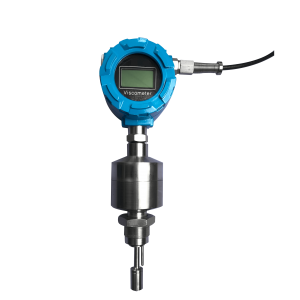
Product purification employs further distillation and sometimes hybrid extraction-distillation sequences. Advanced purification strategies, such as multistage fractionation or cascading distillation columns, ensure final butadiene product purity meets or exceeds 99.5%. Continuous monitoring—often with inline concentration measurement instruments, such as density and viscosity meters from Lonnmeter—help track butadiene content in streams and optimize process controls. These inline concentration measuring devices provide real-time data for butadiene production optimization, enabling operators to maintain consistent high product purity and minimize impurity levels.
Efficient combination of solvent choice, process integration, and continuous butadiene concentration measurement delivers a robust butadiene manufacturing process capable of meeting stringent quality and sustainability demands.

Inline Concentration Measurement: Principles and Importance
Inline concentration measurement in the butadiene manufacturing process is the real-time, continuous determination of chemical compositions directly within the process stream. This approach is fundamental to controlling and optimizing the entire butadiene extraction process, ensuring safety and maximizing efficiency throughout each critical stage.
What Is Measured?
The butadiene extraction process demands precise quantification of several substances. Primary targets include butadiene itself, whose purity levels must frequently reach or exceed 97%, as well as solvents like furfural and N-methyl-2-pyrrolidone, which are integral to liquid–liquid and secondary extraction steps. Additionally, inline concentration measuring devices for butadiene are employed to identify and track contaminants such as other volatile organic compounds and hazardous by-products—often including traces found in propylene streams, or in emissions from solvent recovery columns. Monitoring both product and impurity concentrations is essential to ensure compliance and maintain optimal operation.
Inline vs. Offline Measurement: Operational Impacts
The choice between inline and offline butadiene concentration measurement techniques has substantial operational consequences. Inline devices—such as spectrometers, sensors, and meters—are installed directly in process streams, continuously providing actionable data. This real-time feedback enables immediate corrective actions, tighter control of the butadiene concentration, and fine-tuning of solvent flows and extraction parameters. In comparison, offline measurement requires manual sampling, laboratory processing, and delayed results. Such lag times can increase risks of off-spec product, process inefficiency, and waste, as adjustments are reactive rather than proactive.
Real-time inline measurement, using instruments such as inline density meters or inline viscosity meters from Lonnmeter, supports best practices in continuous butadiene concentration monitoring. These methods greatly reduce the risk of human error and sample contamination, and also facilitate automated process controls crucial for high-volume petrochemical facilities. For instance, inline gas concentration measurement techniques have proven vital in selective hydrogenation, where immediate feedback helps modulate the reaction to reduce by-products and maintain purity.
Inline concentration analyzers deliver data in seconds, enabling proactive control. Offline sampling has inherent time delays, risking process inefficiencies.
Principle and Role in Process Control
For example, rigorous simulation models validated with inline density and viscosity data allow engineers to optimize separation efficiency and product quality—boosting butadiene yields while lowering energy and solvent consumption. Inline measurement also supports regulatory compliance by continuously monitoring air and effluent outputs for contaminants, an approach verified by spatially resolved sensor networks and recent peer-reviewed findings.
In summary, inline concentration measurement instruments for hydrocarbons—including those built specifically for butadiene—make possible the immediate operational response required for high yield, low waste, and minimal environmental impact. This direct, uninterrupted stream of data is now considered indispensable in the butadiene manufacturing process, underpinning the entire framework of extraction optimization and control.
Concentration Measuring Devices and Instrumentation in Butadiene Extraction
Implementation in Industrial Butadiene Extraction
In the butadiene extraction process, instruments are positioned at strategic sampling locations to track material flow and transformation. Typical integration points include extractor unit outlets, distillation column inlets and bottoms, and product storage tanks. Placement ensures that process changes, such as in feed composition or separation efficiency, are detected rapidly.
Data acquisition networks relay results to distributed control systems (DCS) or programmable logic controllers (PLC), allowing process engineers to oversee key performance indicators and alarm thresholds. Lonnmeter inline density and viscosity meters integrate into these frameworks via industrial-standard protocols (Modbus, Ethernet/IP), supporting automated data logging and trending.
Validated and calibrated concentration measurement instruments play a central role in process monitoring. Routine calibration against certified reference standards or correlated laboratory methods, such as off-line gel permeation chromatography, confirms measurement accuracy, ensuring reliability in process control decisions.
The direct linkage of inline butadiene concentration measurement techniques to automation platforms yields tangible benefits. Production consistency is improved as deviations are detected instantly, waste and off-spec product generation are reduced, and process yields are optimized by enabling timely corrective actions. This approach supports both routine operations and advanced process optimization, positioning butadiene extraction facilities for high efficiency and safety.
Process Optimization Leveraging Inline Concentration Measurement
Real-time inline concentration measurement forms the backbone of process optimization in the butadiene manufacturing process. By capturing and transmitting continuous data on butadiene and solvent levels, instruments such as Lonnmeter inline density and viscosity meters provide critical input for model-based optimization and advanced control strategies. Integration of these data streams into simulation platforms enables informed decision-making and fine-tuning of extraction parameters, reducing both process disturbances and variability.
When precise, real-time concentration profiles are incorporated into control loops—particularly in the butadiene extraction process and the secondary extraction process—dynamic models can adjust solvent-to-feed ratios, reflux rates, and column operations with much greater precision. For instance, simulation studies validate that butadiene yield increases by enabling feedback correction of the solvent flow and extraction temperature as soon as deviations are detected, rather than after periodic, batch sampling intervals. This allows extraction columns to operate closer to optimal phase equilibria, ensuring that target product purity consistently exceeds 99%–a substantial improvement over manual or offline approaches.
This higher level of process control directly reduces energy consumption. The ability to hold every distillation or extraction stage at its “sweet spot”—guided by measured concentration and physical properties—prevents both over-operation (which wastes steam and electrical energy) and under-operation (which leads to subpar separation, reprocessing cycles, and excess solvent usage). Published cases document energy savings ranging from 12% to 30% when inline concentration driven control is combined with heat pump integration or intermediate heating strategies. For example, much lower reboiler duty has been demonstrated in distillation columns extracting butadiene, yielding significant cost savings and reduced CO₂ emissions.
Optimizing solvent recovery is another major benefit. Inline concentration measurement instruments for hydrocarbons allow continuous monitoring of solvent load in bottoms and overhead streams. By identifying trace concentrations of solvent, operators can dynamically adjust return and purge flows, recovering more solvent before it is lost to waste or emissions. Hybrid approaches using dividing wall columns and membrane-assisted separation, tracked in real time with inline gas concentration measuring instruments, have resulted in up to 80% lower external heating requirements and increased overall recovery efficiency.
Yield maximization and impurity minimization rely on the tight feedback enabled by inline butadiene concentration measurement. For butadiene production optimization, every stage from feed preparation to final product isolation is affected. Measured data allows continuous butadiene concentration monitoring, so adjustments can be made to process parameters to favor the most selective reaction or separation conditions. As an example, optimizing extractive distillation using data from inline concentration measuring devices for butadiene supported a published case where 98% butadiene recovery and 99.5% purity was reached under adaptive operational conditions.
Furthermore, inline concentration measurement has a marked impact on operational costs and product quality. By reducing the frequency of manual sampling and off-spec production incidents, facilities save on labor, raw material, and waste disposal. Tight feedback control reduces the number of process upsets and downtime events. Product quality benefits from consistent composition and minimized impurity levels, which improves customer confidence and regulatory compliance. Accurate hydrocarbon concentration tracking directly reduces grade variability, leading to fewer batch rejections and enhanced marketability.
In energy-intensive processes like butadiene manufacturing, every incremental improvement in control yields outsized gains. Inline butadiene concentration measurement techniques remain essential for achieving optimal balance between yield, energy, and cost. Lonnmeter’s instruments, focused on density and viscosity detection, play a critical role in this continuous improvement strategy for maximizing butadiene yield, solvent recovery, and product quality, while minimizing energy usage and impurities.

Quality Assurance and Sustainability Considerations
Continuous inline butadiene concentration monitoring underpins quality assurance in the butadiene extraction process. Inline gas concentration measurement instruments integrated directly into the process stream—such as those complying with ASTM D2593-23—deliver real-time data essential for maintaining targeted product purity and regulatory compliance. By providing uninterrupted measurement, these systems safeguard adherence to stringent purity and impurity specifications specified for polymerization-grade 1,3-butadiene.
For example, continuous monitoring offers immediate quantification of butadiene and hydrocarbon impurities, capturing rapid process fluctuations that traditional offline analysis might miss. This enables rapid corrective action, reducing product off-spec events and regulatory breaches. Integration with statistical process control (SPC) protocols turns real-time measurement into actionable intelligence, minimizing variance and maintaining batch-to-batch consistency in both the primary and secondary extraction process in butadiene production.
From a sustainability perspective, inline butadiene concentration measurement instruments also play a pivotal role in minimizing emissions and solvent losses. In the butadiene manufacturing process, solvent-based extraction units are prone to losses via evaporation and fugitive emissions, classified as VOCs. Inline measurements allow immediate adjustment to operational parameters, narrowing the window for over-extraction or solvent wastage. For instance, continuous density measurement with devices like those produced by Lonnmeter enables precise detection of solvent concentrations and process phase boundaries. Fast, accurate density data drive real-time optimization of solvent recycling, directly reducing environmental impact and aligning operations with evolving VOC emission standards.
Maintaining optimal process control through real-time data also supports broader environmental compliance goals. Inline gas concentration measurement techniques not only mitigate the risk of accidental VOC releases but also ensure ongoing adherence to occupational exposure limits and environmental permit requirements.
Process safety is substantially strengthened through immediate detection of abnormal conditions. For instance, a sudden spike in butadiene concentration—triggered by valve malfunction or solvent breakthrough—can be identified within seconds by inline analyzers, allowing for swift operator response. This contrasts sharply with delayed notification from batch sampling and laboratory turnaround. Moreover, automated inline measurement reduces the frequency and necessity of manual sampling at hazardous points, lowering direct worker exposure to toxic hydrocarbons in the butadiene extraction process.
Real-time inline concentration measuring devices for butadiene not only optimize production and assure product grade but also directly serve as best instruments for butadiene concentration measurement by supporting sustainability targets, process safety, and reduced environmental liability. As regulatory and customer requirements become more stringent, these capabilities are central to the ongoing advancement in butadiene production optimization.






Frequently Asked Questions
What is the butadiene extraction process?
The butadiene extraction process focuses on isolating and purifying butadiene from hydrocarbon mixtures, most often derived from steam cracking of naphtha or other feedstocks. Extractive distillation and solvent-based extraction are the primary techniques used. These methods rely on solvents such as dimethylformamide (DMF), N-methylpyrrolidone (NMP), or increasingly, environmentally preferable solvents like 1,2-propylene carbonate (PC), which achieve high separation efficiency while supporting sustainability goals. Thermodynamic process simulations guide the selection of optimal conditions, minimizing energy use and maximizing butadiene purity and yield. Secondary purification steps, including membrane-based solvent recycling, bolster long-term operational reliability and extend solvent lifecycle by removing contaminants that accumulate in the extraction loop. The use of model-based process optimization can result in yields of up to 98% and product purities above 99.5%, with energy consumption reduced through strategic heat integration and solvent management.
How does inline concentration measurement benefit the butadiene manufacturing process?
Inline concentration measurement sharply enhances control over the butadiene production process. Sensors installed directly in the process stream provide continuous, real-time data on butadiene levels. This expedites responses to process deviations, reducing material losses and improving yield. The immediate feedback loop enabled by inline devices allows operators to adjust conditions—such as temperature, solvent ratios, and distillation parameters—on the fly, safeguarding product quality and decreasing energy consumption. Inline monitoring reduces the need for manual sampling and costly laboratory analyses, supporting compliance with regulatory thresholds for butadiene exposure while fostering safer work environments. This strategy is essential where butadiene’s volatility and hazardous nature call for precise, rapid management to mitigate risk and meet industrial standards for purity and safety.
What types of concentration measurement instruments are used in butadiene extraction?
Common concentration measurement instruments for butadiene extraction include near-infrared (NIR) analyzers, mass spectrometers (MS), and gas chromatographs (GC). NIR analyzers allow rapid, non-destructive measurements in complex hydrocarbon matrices, utilizing chemometric models and minimal sample preparation. Gas chromatographs—often coupled with mass spectrometry—enable detailed separation and identification of butadiene in volatile organic mixtures. These deliver high selectivity and sensitivity, essential for compliance and process optimization. Additionally, dedicated VOC analyzers use selective detection technology, such as ultraviolet (UV) lamps combined with filtration tubes, to provide continuous and interference-resistant concentration monitoring. These instruments are chosen for their robust operation under variable conditions and their consistent, reliable outputs, supporting both routine plant workflows and regulatory demands.
Why is secondary extraction important in butadiene production?
Secondary extraction is crucial in butadiene production for maximizing recovery and minimizing product loss. Following initial extraction, remaining streams still contain recoverable amounts of butadiene. Processing these with additional solvent or distillation steps boosts overall yield and resource utilization. Accurate predictive modeling—using methods such as NRTL-RK or COSMO-RS—helps determine the optimal combinations of solvent, temperature, and reflux ratio for secondary extraction, achieving target purities required for industrial applications. Implementing secondary extraction both reduces waste and contributes to favorable process economics, supporting compliance and sustainability objectives by enhancing utilization of feedstock and solvents while minimizing energy and utility demands.
What challenges exist in concentration measurement for butadiene processes?
Concentration measurement in butadiene processes faces several technical and operational challenges. The complex mixture of hydrocarbons, paired with butadiene’s volatility and carcinogenicity, demands instruments with high specificity and sensitivity—often at sub-ppm levels. Calibration accuracy must be maintained as process conditions fluctuate; temperature, pressure, and humidity shifts can affect sensor readings and stability. The industrial environment exposes measurement devices to harsh chemical and physical stressors, requiring robust design and frequent quality control checks. Addressing interference from coexisting compounds in the vapor stream—such as benzene and other C4 species—is critical for reliable quantification. Best practices include regular calibration routines, selection of detectors with resistance to fouling, and integration of inline measuring tools that can withstand operational rigors without loss of precision or measurement integrity. These solutions collectively enable continuous butadiene concentration monitoring and production optimization while ensuring worker safety and process compliance.
Post time: Dec-16-2025


