

Overview of Chrome Reduction in Industrial Electroplating Wastewater
Hexavalent chromium (Cr(VI)) is a significant contaminant in the industrial electroplating process. It is introduced mainly through chromic acid baths and chromate-based surface finishing steps. Resulting wastewater may contain Cr(VI) concentrations ranging from tens to hundreds of milligrams per liter, which is orders of magnitude above internationally mandated discharge limits.
Cr(VI) is highly soluble, persistent in aquatic environments, and classified as a Group 1 carcinogen. Human health risks encompass skin sensitization, ulcerative lesions, respiratory complications, genetic mutations, and increased cancer probability. Ecologically, Cr(VI) disrupts enzyme activity in plants and is toxic to aquatic organisms at concentrations as low as 0.05 mg/L. Its mobility enables migration into soil and groundwater, resulting in persistent and widespread pollution.
Given Cr(VI)'s toxicity and regulatory stringency, the chrome reduction process is an essential step in electroplating wastewater treatment. This process involves chemically converting toxic Cr(VI) to trivalent chromium (Cr(III)), which is much less hazardous and can be safely precipitated and removed. Sodium bisulfite solution is a frequently applied reducing agent, where its active concentration is monitored for optimal effectiveness. Precision dosing is achieved by measuring liquid sodium bisulfite density; inline density measurement, utilizing technologies such as oscillating density meters, ensures accurate process control and reduces chemical waste.
Environmental compliance for electroplating facilities demands ongoing reduction of hexavalent chromium to below legal limits before wastewater discharge. Regulations from the US EPA and EU typically restrict permissible Cr(VI) concentrations to less than 0.05 mg/L in effluent. Adherence to these standards requires real-time chromium ion monitoring, automated density measurement, and robust treatment workflows. Continuous inline density measurement for electroplating circuits is vital, as improper bisulfite concentration or incomplete reduction leaves Cr(VI) levels above compliance thresholds, leading to environmental liability and possible regulatory penalties.
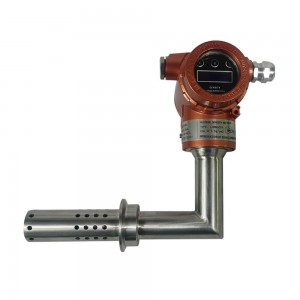
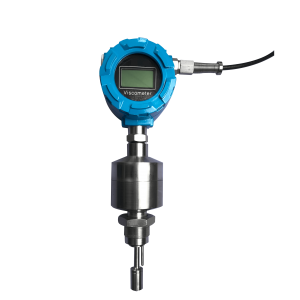
Electroplating waste management practices increasingly incorporate monitoring equipment from manufacturers such as Lonnmeter, who specialize in inline density meters. These devices provide real-time, automated data for sodium bisulfite concentration monitoring and facilitate proactive control of the chrome reduction process. Incorporating inline viscosity and density monitoring minimizes risk, enhances operational safety, and achieves stringent wastewater discharge compliance. This is foundational to modern hexavalent chromium pollution control and wastewater treatment for chromium in industrial contexts.

Chrome Plating Wastewater Treatment
*
Chemical Conversion: Hexavalent to Trivalent Chromium
Mechanism and Chemistry
Converting hexavalent chromium (Cr(VI)) to trivalent chromium (Cr(III)) is a critical step in the chrome reduction process for the industrial electroplating process and electroplating wastewater treatment. Sodium bisulfite solution and liquid sodium bisulfite are standard reducing agents applied to eliminate hexavalent chromium, which is highly toxic, soluble, and mobile, from process wastewater. The reduction occurs primarily under acidic conditions, with optimal performance at low pH (<4).
Sodium bisulfite is preferred over sulfur dioxide because it is easier to handle, does not require pressurized systems, and is more suitable for fine dosing control. Sulfur dioxide is effective as a reducing agent; however, it presents handling challenges due to its gaseous state and toxicity. In laboratory and industrial studies, sodium bisulfite achieves consistent and efficient Cr(VI) removal, given precise pH and dosage control, whereas sulfur dioxide may offer comparable reduction rates but with increased operational and safety requirements.
The effectiveness of the reduction depends heavily on pH. A pH in the range of 2-3 is optimal to maximize the rate and completeness of Cr(VI) conversion and minimize excessive bisulfite consumption and secondary sulfate formation. As the pH increases above 4, the reaction rate and efficiency decline sharply, resulting in incomplete reduction and higher chemical costs. Therefore, inline density measurement and oscillating density meter technology, such as manufactured by Lonnmeter, are increasingly used for real-time density monitoring of sodium bisulfite solutions, ensuring the correct reagent concentration is added to meet hexavalent chromium removal targets while optimizing cost and reducing waste.
Sodium bisulfite concentration monitoring also allows for adjustment of feed rate and minimizes overuse, which is critical for maintaining wastewater discharge compliance and reducing the burden of sulfate-rich effluent streams.
Precipitation and Removal
Once hexavalent chromium is chemically reduced to trivalent chromium, the next step is precipitation. Cr(III) forms insoluble chromium hydroxide when the pH of the solution is raised, usually by the addition of alkali such as sodium hydroxide.
Effective precipitation requires careful control of the pH. The optimal pH for chromium hydroxide precipitation is typically within 7.5 to 9.0. If the pH is too low, the hydroxide will not form or will redissolve; if the pH is too high, amphoteric dissolution may occur, leading to increased chromium in solution. Concentration of trivalent chromium also influences particle formation and settleability; higher Cr(III) concentrations foster more robust particle growth, improving sludge properties and ease of separation.
For optimal sludge handling in electroplating waste management, separating the chromium hydroxide precipitate efficiently is crucial. Techniques such as gravity sedimentation, clarification, and filtration are employed. Best practices involve maintaining consistent pH, optimizing flocculant addition, and using automated density measurement to monitor sludge consistency, which ties back to compliance and process stability in wastewater treatment for chromium.
Inline density measurement for electroplating, using instruments like oscillating density meters (density meter oscillation principle), provides operators with real-time feedback on the solids content and aids in process adjustments to ensure efficient sludge removal without excessive water or unreduced chromium ions. Proper separation and handling of the precipitate minimize secondary pollution and help achieve strict environmental compliance for electroplating facilities.
In summary, the combination of precise sodium bisulfite application in electroplating, rigorous pH control, and real-time process monitoring—facilitated by advanced tools such as those from Lonnmeter—forms the backbone of modern chromium reduction techniques in electroplating and ensures secure and compliant wastewater treatment operations.
Process Control and Instrumentation
Essential Monitoring Parameters
Continuous monitoring of hexavalent chromium reduction is crucial for industrial electroplating process compliance and environmental protection. Key operational parameters include pH, oxidation-reduction potential (ORP), and chromium ion concentration. Maintaining pH within the optimal range of 2.0–3.0 maximizes the reduction efficiency of hexavalent chromium and allows for precise control over the transition to trivalent chromium, minimizing pollution risks and ensuring regulatory conformity in wastewater discharge compliance.
ORP monitoring offers rapid feedback on the redox state, acting as an early indicator for incomplete hexavalent chromium removal. Gold electrodes, favored for their chemical inertness and stability, provide superior performance in demanding wastewater matrices. Unlike other metals, gold resists fouling and maintains accurate ORP signals, especially where high concentrations of chloride, heavy metals, or organic contaminants would otherwise compromise other electrode materials. For instance, during high-throughput chrome reduction processes, gold electrodes maintain calibration over extended operations and deliver reproducible results even under fluctuating chemical loads.
Chromium ion monitoring, performed with real-time analyzers, quantifies the reduction progress and ensures complete conversion. This step is pivotal as lingering hexavalent chromium poses significant health and compliance risks in electroplating wastewater treatment and management.
Inline and Automated Measurement Tools
Accurate sodium bisulfite concentration monitoring is fundamental to controlling the reduction process, as sodium bisulfite is commonly applied as a reducing agent for hexavalent chromium removal. Liquid sodium bisulfite dosing must be matched to the contaminant load, making inline density measurement vital for industrial wastewater treatment.
The oscillating density meter offers automated, inline measurement by determining solution density through the principle of density meter oscillation. As sodium bisulfite solution concentration correlates directly with density, these instruments provide a continuous, non-intrusive measurement. For example, Lonnmeter’s oscillating density meters efficiently track density changes, facilitating rapid dosing adjustments to optimize sodium bisulfite application in electroplating scenarios.
Modern density meters, including those from Lonnmeter, output a standardized 4–20 mA signal, enabling seamless integration with automated process control systems. When paired with inline pH and ORP devices, they create a closed-loop feedback mechanism. This system adjusts chemical dosing and operational parameters in real time, preventing overconsumption, underdosing, or regulatory breaches in chrome reduction processes. Data from these instruments is also used for continuous documentation and reporting to regulatory authorities.
Calibration and maintenance protocols are essential for reliable measurement. Inline density measurement tools require routine zero and span calibration using known standards of sodium bisulfite solution or demineralized water. ORP meters must be validated with certified redox buffers, and pH devices calibrated with NIST-traceable pH solutions before each operational shift, especially in wastewater treatment for chromium.
For effective environmental compliance for electroplating and hexavalent chromium pollution control, these measurement devices support:
- Automated density measurement to ensure consistent chemical dosing
- Real-time density monitoring for robust process correction
- Direct feedback to PLC or SCADA systems using 4–20 mA output
Protocols recommend daily calibration checks, monthly sensor cleaning, and periodic verification against laboratory titration methods to maintain accuracy and minimize drift. This rigorous approach is designed to preserve process stability, safeguard compliance, and optimize chromium reduction techniques in electroplating wastewater environments.
Ensuring Effective Hexavalent Chromium Removal and Environmental Compliance
Electroplating wastewater treatment programs are designed around compliance with stringent discharge standards for hexavalent chromium (Cr(VI)) concentration. The workflow typically begins with the segregation of chromium-bearing streams and follows a multi-stage reduction and monitoring process.
A standard treatment sequence starts by adjusting the pH of the wastewater, then adding a reducing agent such as liquid sodium bisulfite solution. The reduction step converts toxic hexavalent chromium to trivalent chromium (Cr(III)), which is less toxic and can be precipitated as a hydroxide. Monitoring sodium bisulfite concentration is critical to ensure sufficient reduction and to avoid excess use, which leads to unnecessary reagent costs and secondary pollution.
Advanced process control relies on in-line density measurement, provided by technologies such as oscillating density meters from Lonnmeter. Density meter oscillation measures the concentration of liquid sodium bisulfite in real time, ensuring proper dosing during the chrome reduction process. Inline density measurement for electroplating enables automated, continuous tracking of reagent strengths, minimizing operator intervention and error.
After reduction, subsequent clarification and filtration remove precipitated trivalent chromium. To verify that the effluent meets regulated standards for chromium ion concentration, wastewater discharge compliance protocols require precise analytical monitoring. Atomic absorption spectrophotometry (AAS) is a gold-standard method for detecting trace levels of both Cr(VI) and total chromium; its specificity supports reliable regulatory reporting. Colorimetric analysis, based on the diphenylcarbazide reaction, offers a rapid screening tool for residual hexavalent chromium, enabling frequent, on-site monitoring with high sensitivity.
Maintaining environmental compliance for electroplating operations hinges on the ability to consistently monitor and control chromium species throughout the wastewater treatment for chromium workflow. Automated density measurement provides immediate feedback for sodium bisulfite application in electroplating, supporting responsive control of dosing rates. Monitoring results from AAS and colorimetric assays are cross-referenced with regulatory thresholds—often ≤0.1 mg/L for Cr(VI)—to confirm pollution control efficacy and document compliance for authorities.
If the treatment process detects elevated levels of residual hexavalent chromium, adaptive strategies such as incremental reagent addition, pH re-optimization, or extended retention times are triggered. This dynamic adjustment, combined with reliable inline density monitoring by Lonnmeter meters, ensures hexavalent chromium removal effectiveness. By integrating these elements, the chrome reduction process aligns with evolving discharge standards and minimizes environmental and occupational health risks associated with hexavalent chromium exposure.

Optimization Strategies for Industrial Operations
Precise sodium bisulfite concentration monitoring is central to reducing chemical consumption and cost in the chrome reduction process during electroplating wastewater treatment. The sodium bisulfite solution serves as a crucial reagent by converting toxic hexavalent chromium (Cr(VI)) ions into the much safer trivalent chromium (Cr(III)), thus enabling compliance with environmental discharge regulations.
Inline density measurement—using instruments such as oscillating density meters—plays a vital role in monitoring and controlling sodium bisulfite levels. A Lonnmeter inline density meter continuously tracks solution density, providing real-time feedback that operators can use to infer the precise concentration of liquid sodium bisulfite in the process stream. This direct data enables on-the-fly dosing adjustments, minimizing reagent waste and lowering chemical costs. Optimized dosing not only prevents overuse of sodium bisulfite but also reduces the risk of incomplete chromium ion reduction, which would otherwise lead to regulatory violations or the need for costly retreatment.
Example: In a remediation system treating electroplating wastewater, integrating density meter oscillation for real-time bisulfite monitoring allowed reagent reductions of up to 15% while maintaining hexavalent chromium levels well below statutory limits. Real-time density monitoring supports operational stability by detecting unexpected process fluctuations early, such as sudden swings in effluent composition or sludge volume. This responsiveness curbs costly downtime and mitigates environmental compliance risks.
Managing sludge oxidation and effluent quality also directly affects operational performance and cost. Hexavalent chromium removal from industrial electroplating process effluent produces sludge, which if over-oxidized, can hinder subsequent trivalent chromium sedimentation and filtration. Effective monitoring—using inline density measurement for electroplating applications and targeted analytics—ensures the sludge’s physical characteristics remain optimal for handling and disposal. Proper control of oxidation states and effluent composition can help reduce post-process water loads, lower disposal costs, and minimize the risk of exceeding wastewater discharge compliance thresholds.
Chromium ion monitoring, combined with inline density measurement, delivers actionable insights for operational improvement. For instance, charting density values alongside chromium reduction rates enables teams to quickly correlate dosing changes with actual process outcomes. A kinetic removal curve demonstrates that maintaining sodium bisulfite concentration at the optimal threshold accelerates Cr(VI) conversion by 35%, compared with batch processing without continuous feedback:
------------------------------
| Time (min) | Cr(VI) Removal (%) | Density (g/cm³) |
|------------|-------------------|-----------------|
| 0 | 0 | 1.02 |
| 15 | 60 | 1.06 |
| 30 | 90 | 1.10 |
| 45 | 98 | 1.13 |
------------------------------
Process data and analytics further optimize chrome reduction techniques in electroplating by enabling predictive dosing and early deviation correction. Continuous monitoring of solution properties—such as density via oscillating density meters—supports rapid detection of chemical imbalances. Advanced process analytics use these real-time measurements to guide sodium bisulfite application in electroplating, minimizing both reagent expense and byproduct formation, which streamlines electroplating waste management and enhances overall system efficiency.
Reliable inline density measurement for electroplating not only supports hexavalent chromium pollution control, but also reinforces environmental compliance for electroplating operations. With Lonnmeter technology integrated at key points in the process stream, facilities can confidently maintain chromium concentrations, meet regulatory benchmarks, and sustain stable industrial operations without excessive chemical use or environmental risk.
Troubleshooting and Maintenance
Typical Challenges: Sensor Poisoning, Reagent Misdosing, Instrumentation Drift
In chrome reduction process wastewater treatment, real-time monitoring of sodium bisulfite concentration and chromium ion reduction relies on sensors exposed to highly aggressive environments. Sensor poisoning, frequently caused by the deposition of hexavalent chromium, trivalent chromium, and other contaminants, disrupts accurate inline density measurement and sodium bisulfite solution monitoring. Deposits form on probes and electrodes, leading to decreased sensitivity, erratic readings, or complete loss of function. Heavy metal ions and suspended solids can block sensor surfaces, while acidic or oxidative conditions may corrode sensor components, accelerating instrumentation drift and signal instability.
Reagent misdosing, especially with liquid sodium bisulfite, further complicates process control. Under-dosing can result in incomplete reduction of hexavalent chromium, risking non-compliance with wastewater discharge regulations. Overdosing increases chemical costs and may introduce unnecessary pollutants. Instrumentation drift—shifts in baseline response due to sensor age, fouling, or material degradation—results in unreliable sodium bisulfite concentration monitoring and requires frequent recalibration to avoid errors in automated dosing or feedback systems. These challenges make robust, continuous measurement of chromium conversion essential for environmental compliance in industrial electroplating process settings.
Maintenance Recommendations for Probes, Electrodes, and Density Meters
Regular maintenance is crucial to mitigate the effects of sensor poisoning and instrumentation drift. Probes and electrodes should be inspected frequently for visible fouling, discoloration, or physical damage. Cleaning protocols depend on the sensor type and process conditions. Mechanical cleaning (e.g., soft brushes or wipers) can remove particulate matter and surface films. Automated ultrasonic cleaning integrated into the probe assembly helps dislodge deposits in real time without requiring process downtime.
Chemical cleaning routines—using dilute acids, bases, or specialized solvents—remove persistent scale, metal oxide layers, and organic fouling. After cleaning, sensors must be rinsed thoroughly with deionized water to prevent secondary contamination. Probes and electrodes constructed from PTFE, platinum, or other corrosion-resistant materials often show improved resistance to fouling and require less aggressive cleaning.
Oscillating density meters, such as those manufactured by Lonnmeter, should be calibrated using certified reference liquids at intervals defined by process stability and manufacturer recommendations. Periodic verification ensures that drift or fouling does not affect inline density measurement accuracy, which is critical for sodium bisulfite concentration control during hexavalent chromium removal. Any signs of noise or instability in the density meter oscillation signal may indicate fouling or hardware degradation and should prompt immediate inspection and cleaning.
Replace gaskets, seals, and associated wetted parts at recommended intervals to prevent leaks and ensure sensor longevity in chemically demanding wastewater streams. Maintain a detailed service log documenting maintenance actions, recalibration events, unexpected faults, and response times to help identify recurring issues and optimize future maintenance.
Alarm and Fail-Safe Configurations
Alarm and fail-safe systems are foundational for maintaining compliance and preventing process upsets in electroplating wastewater treatment. Critical parameters—including sodium bisulfite concentration, inline density, reduction potential, and processed flow rates—should have alarm thresholds programmed into the plant’s process control systems. High-priority alarms must trigger if inline density measurement indicates deviations from setpoints for sodium bisulfite solution or if chromium ion reduction targets are not reached.
Alarm contacts from key sensors, such as Lonnmeter inline density meters, should be directly linked to process interlocks that suspend dosing pumps or divert non-compliant wastewater to holding tanks. Fail-safe logic must ensure that, in the case of sensor failure (such as persistent zero signal or out-of-range reading), the system reverts to the safest possible operating mode—for example, stopping chromium reduction dosing or isolating affected treatment lines.
Alarm delays and deadbands reduce nuisance alarms caused by minor process fluctuations, but alarm setpoints must reflect regulatory discharge limits for chromium and other hazardous constituents. In validated installations, redundancy—using parallel sensors or backup density meters—can safeguard against data loss from sensor poisoning or instrumentation failure. Regular functional testing of alarms and interlocks, verified against actual process excursions, is required to guarantee operator response time and prevent compliance breaches in industrial wastewater discharge.
Systematic maintenance, timely alarm configuration, and robust fail-safe response form the foundation of reliable sodium bisulfite concentration monitoring, hexavalent chromium pollution control, and sustainable electroplating waste management.

Efficient chrome reduction in the industrial electroplating process relies on a disciplined approach to chemical control, monitoring, and environmental compliance. The core of reliable hexavalent chromium removal is maintaining the right acid conditions—typically at pH 3—for optimal sodium bisulfite application, ensuring complete conversion of hazardous hexavalent chromium (Cr(VI)) to safer trivalent chromium (Cr(III)) as recommended by regulatory agencies and supported by industry practice. Keeping sodium bisulfite solution dosed at 3–5 times the molar Cr(VI) content helps guarantee swift, thorough reduction and predictable chromium precipitation during subsequent treatment stages.
Real-time sodium bisulfite concentration monitoring is essential for maintaining operational precision. Inline density measurement technologies, such as those based on oscillating density meter principles, give operators the means to continuously track the strength and stability of liquid sodium bisulfite feeds. Integrating automated density meters into the process enables more precise dosing adjustments, minimizes chemical overuse, and quickly detects any departure from ideal feed conditions. This high level of control supports consistent chromium reduction kinetics and compliance with both internal discharge standards and legal obligations for wastewater discharge compliance.
Accurate chromium ion monitoring further supports robust environmental compliance for electroplating facilities. Inline density measurement for electroplating not only tracks reducing agent feeds but also informs other critical control points in wastewater treatment for chromium, helping operators achieve reliable pollutant removal rates and proactively mitigate hexavalent chromium pollution control risks. Employing automated, real-time density monitoring throughout the chrome reduction process limits operator error and reduces reliance on time-consuming manual sampling, supporting both operational efficiency and adherence to environmental regulations.
Technical integration, featuring advanced instrumentation like inline density and viscosity meters from companies such as Lonnmeter, ensures the chrome reduction process remains dependable and effective across shifts and varying wastewater loads. Reliable measurement enables process engineers to respond quickly to changes, meet chromium reduction techniques in electroplating best practices, and adapt dosing strategies as needed for environmental compliance. This approach underpins sustainable electroplating waste management and allows for repeatable meeting of discharge restrictions without unnecessary chemical consumption or environmental risk.
The combination of precise sodium bisulfite concentration monitoring, inline density measurement, and comprehensive process control forms the foundation of modern, legally compliant, and efficient chromium removal practice. Robust monitoring and technological integration are not just enhancements—they are now central requirements in achieving efficient, transparent, and environmentally responsible operation.






Frequently Asked Questions
How does sodium bisulfite solution facilitate hexavalent chromium removal from electroplating wastewater?
Sodium bisulfite solution is a reducing agent applied in the chrome reduction process to convert hexavalent chromium (Cr(VI)), a carcinogenic and highly toxic contaminant, into the safer trivalent chromium (Cr(III)).
This process occurs most efficiently in acidic conditions (pH 2–5), with the reduced chromium precipitating as chromium hydroxide upon pH adjustment to alkaline levels, facilitating its removal from wastewater. This approach enables facilities to achieve strict wastewater discharge compliance by lowering Cr(VI) concentrations below detection limits, reducing environmental and health risks.
What is the significance of inline density measurement in the chrome reduction process?
Inline density measurement is crucial for controlling liquid sodium bisulfite dosing during the reduction of hexavalent chromium in industrial electroplating processes. Oscillating density meters, such as those produced by Lonnmeter, deliver real-time, automated monitoring of sodium bisulfite concentration. This ensures that the optimal ratio of reductant is added, maximizing Cr(VI) reduction efficiency while minimizing reagent waste. These meters’ oscillation frequencies are directly proportional to solution density, providing immediate feedback that maintains consistent process control, reduces operational costs, and prevents compliance failures.
Why is continuous chromium ion monitoring essential for environmental compliance in electroplating?
Continuous monitoring of chromium ion concentration—usually by spectrophotometry or colorimetry—is necessary to ensure electroplating wastewater remains within regulatory discharge limits for hexavalent chromium. Tight control at or below 0.1 mg/L is often required by environmental authorities to prevent hexavalent chromium pollution. Real-time measurement allows rapid process adjustments, minimizing the risk of regulatory violations, fines, and environmental harm from incomplete reduction or process upsets.
What role does pH play during the conversion from hexavalent to trivalent chromium?
Controlling pH is critical to both the chemical reduction and subsequent chromium precipitation steps. Acidic conditions (typically pH 2–5) are necessary during the reduction reaction, as they maintain hexavalent chromium in its most reactive ionic forms. After reduction, the solution pH is raised (often >8.5) to precipitate Cr(III) as chromium hydroxide. Proper pH adjustment ensures a rapid reaction, maximizes removal efficiency, decreases chemical usage, and streamlines effluent separation and disposal.
How can oscillating density meters improve sodium bisulfite concentration monitoring?
Oscillating density meters are used for sodium bisulfite concentration monitoring because they enable precise, inline measurement without the need for manual sampling. The vibrating tube principle directly correlates oscillation frequency shifts to changes in solution density, allowing automated feedback for chemical dosing systems. Accurate real-time density monitoring prevents both overdosing, which increases operating costs and sulfate byproducts, and underdosing, which risks incomplete chromium reduction and noncompliance. By integrating Lonnmeter devices, process stability and dosing control for sodium bisulfite application in electroplating are significantly improved, ensuring chromate reduction stays efficient and reliable.
Post time: Dec-10-2025


