

Overview of Chloropalladic Acid Impregnation Solutions
Impregnation solutions are vital in industrial and environmental processes where targeted modification of porous supports is needed for applications ranging from catalysis to precious metal recovery. The activated carbon impregnation process relies on introducing active species into the carbon’s high-surface-area matrix using tailored solutions. These solutions facilitate the adsorption and subsequent immobilization of metals or functional groups, directly impacting performance in chemical processing, environmental cleanup, and resource recycling.
Chloropalladic acid (H₂PdCl₄) stands out as an exceptional impregnating reagent for activated carbon, particularly in precious metal recovery and purification. Its high solubility in water and ability to maintain palladium in the chloro-complex state ([PdCl₄]²⁻) ensures uniform distribution of palladium ions within carbon pores during the solution impregnation technique. When deployed in the chloropalladic acid activated carbon impregnation process, this compound enables efficient adsorption of palladium ions by leveraging both chemical and physical binding mechanisms. The subsequent reduction of Pd(II) yields well-dispersed palladium nanoparticles, which are essential for superior catalytic activity and robust precious metal recycling solutions .

Platinum Catalyst Chloroplatinic Acid Hexahydrate
*
A key advantage of chloropalladic acid over other impregnation chemistry, such as chloroplatinic acid or aqua regia-derived solutions, is its enhanced selectivity for palladium during the activated carbon treatment with precious metals. Chloroplatinic acid-activated carbon impregnation is primarily utilized for platinum recovery, but differences in precursor stability and coordination chemistry often result in lower uniformity or slower kinetics compared to chloropalladic acid. Additionally, hydrometallurgical approaches using alternative metal salts may struggle with interference from other ions or require additional purification steps, whereas chloropalladic acid solutions, under optimized acidic conditions, achieve efficient palladium loading and recovery even in complex waste streams.
Uniformity and effectiveness of the impregnation solution for activated carbon remain challenging to control. Parameters such as precursor concentration, pH, contact time, and temperature all influence adsorption kinetics, dispersion quality, and the ultimate catalytic or recovery potential. In practice, maintaining a homogenous metal distribution throughout bulk activated carbon is complicated by variable pore structure and the risk of precursor aggregation. Inline density measurement in industrial processes, using equipment such as those by Lonnmeter density meters, provides a direct, continuous means to monitor solution composition during impregnation, helping ensure repeatability and process stability. Reliable online density determination methods are pivotal for adjusting process conditions in real-time, preventing issues such as incomplete impregnation, channeling, or loss of metal.
Industrial-scale adoption of chloropalladic acid-activated carbon systems hinges on their ability to deliver consistent, high-capacity palladium recovery. However, real-world scenarios often introduce additional variables: competing ions, fluctuating waste composition, and the need for selective recovery amid mixed-metal environments. Addressing these challenges frequently involves functionalizing activated carbon with additional ligands or groups to improve selectivity, though these modifications can impact cost and scalability. Process optimization—supported by precise inline density monitoring systems—remains a core requirement for maximizing the utility and sustainability of precious metal recycling solutions within a broad spectrum of industries.
The Chemistry of Chloropalladic Acid in Solution Impregnation
Chloropalladic acid (H₂PdCl₄) is a pivotal reagent in precious metal recycling solutions and in the solution impregnation technique for activated carbon. The compound’s chemical structure—palladium(II) coordinated in a square planar geometry by four chloride ions—drives its solution chemistry and interactions during the activated carbon impregnation process. Upon dissolution in water, chloropalladic acid forms a dynamic mixture: [PdCl₄]²⁻ dominates under high chloride concentrations, but as chloride levels decrease or dilution occurs, partial substitution by water leads to species like [PdCl₃(H₂O)]⁻ and [PdCl₂(H₂O)₂]. This equilibrium is sensitive to chloride activity, Pd(II) concentration, and the presence of other ligands, but remains relatively stable in acidic to near-neutral conditions.
The behavior of chloropalladic acid underpins its role in catalysis and refining. In industrial processes, such as in the preparation of catalysts from precious metal recycling solutions, these Pd(II) species enable surface modification and active site generation when impregnated onto supports like activated carbon. The efficient capture and distribution of Pd(II) complexes via the activated carbon impregnation process significantly depend on their speciation profiles and solution stability.
During activated carbon impregnation, chloropalladic acid exhibits pronounced adsorption due to both physical and chemical mechanisms. Initially, electrostatic attractions occur between the negatively charged Pd(II)-chloride complexes—primarily [PdCl₄]²⁻—and the positively charged surface regions of activated carbon. Subsequently, ligand exchange, involving partial aquation of bound species, enhances surface complexation. This process can be visualized in the adsorption isotherm curves below:
Adsorption not only immobilizes palladium but also results in modification of surface properties, boosting catalytic activity for many industrially relevant reactions. The presence of Pd on the carbon surface increases electron transfer rates and activates sites for further reaction—essential for subsequent use in hydrogenation or oxidation reactions.
Solutions prepared for activated carbon treatment with precious metals commonly feature Pd(II) concentrations in the range of 0.05–0.5 M, paired with chloride ion concentrations sufficient to secure [PdCl₄]²⁻ dominance. However, practical variations may occur, with some processes using lower Pd(II) concentrations to favor partial aquation if enhanced surface reactivity is required. The typical preparation protocol involves dissolving PdCl₂ in a concentrated HCl solution, adjusting volume and pH to achieve the desired composition, always monitoring via inline density measurement or online density determination methods to ensure precise control and repeatability.
Stability and reactivity during the impregnation solution for activated carbon arise from several factors:
- Chloride concentration: High chloride stabilizes [PdCl₄]²⁻, preventing rapid aquation and possible precipitation.
- pH control: Neutral or slightly acidic pH ensures Pd(II) remains complexed with chloride rather than forming hydroxide or aquated cations, which are less adsorbable.
- Ligand competition: Presence of other ions or organic passivators can shift the equilibrium, potentially reducing adsorption efficiency.
- Temperature: Elevated temperatures increase ligand exchange rates, which may promote faster adsorption but can also risk hydrolysis.
- Solution aging: Prolonged storage or slow mixing can result in gradual hydrolysis or precipitation, leading to loss of active Pd(II) species unless conditions are stringently maintained.
Industrial impregnation process control increasingly relies on inline density monitoring systems. Inline density measuring instruments offer precise, real-time measurements of solution density—a direct indicator of Pd(II) and chloride content—allowing fast adjustments to maintain optimal speciation and adsorption efficacy. This integration of inline density measurement in industrial processes ensures that the activated carbon treatment with precious metals consistently delivers high-performance materials for catalysis and recovery.
Continuous research, highlighted by multi-nuclear NMR and X-ray absorption studies, refines our understanding of species distribution in chloropalladic acid solutions, offering actionable data for process engineers and chemists managing solution impregnation. The chemistry of chloropalladic acid—its speciation, adsorption, and interaction pathways—remains foundational to activated carbon impregnation and the advancement of precious metal recycling solutions.
Fundamentals of Solution Impregnation Processes for Activated Carbon
The solution impregnation technique underpins the preparation of activated carbon supported with precious metals, including chloropalladic acid. This method is essential for producing catalysts for precious metal recycling solutions and for industrial applications requiring precise metal loading.
Activated carbon’s physicochemical properties are paramount in the impregnation process. Its high specific surface area, pore size distribution, and surface chemistry directly impact the accessibility and dispersion of chloropalladic acid. Activated carbon consists of micropores (<2 nm), mesopores (2–50 nm), and macropores (>50 nm), each influencing how uniformly Pd²⁺ ions from chloropalladic acid are distributed. Mesoporous carbons usually facilitate deeper penetration and more homogeneous metal dispersal, while microporous carbons may restrict uptake, leading to surface-heavy deposition and blocked pores. Surface oxygen-containing groups—especially carboxyl and phenolic functionalities—serve as anchoring sites for Pd²⁺ ions, fostering strong metal-support interactions and stabilizing dispersion after reduction.
Stepwise Overview of Solution Impregnation
The activated carbon impregnation process typically proceeds as follows:
- Pre-treatment of the Carbon: Activated carbon is oxidized or functionalized to introduce additional surface oxygen groups, enhancing its ability to adsorb metal ions.
- Preparation of Impregnation Solution: A solution of chloropalladic acid (H₂PdCl₄) is prepared, with careful control of concentration, pH, and ionic strength, all of which impact palladium speciation and uptake.
- Contacting and Mixing: The impregnating solution is added to the activated carbon via one of several methodologies: incipient wetness, wet impregnation, or through other solution application techniques. Contact time, mixing speed, and temperature are controlled to promote uniform wetting and thorough metal ion adsorption.
- Post-Impregnation Drying and Reduction: After impregnation, the material is dried, followed by a reduction step to convert Pd²⁺ to metallic palladium. The method and conditions of reduction influence final catalyst particle size and distribution.
Comparative Assessment of Impregnation Methodologies
Incipient Wetness Impregnation: The solution volume matches the carbon’s pore volume, maximizing capillary action and ensuring even distribution within the pores. This technique is suited for controlled loadings but may result in incomplete wetting if pore structure is poorly characterized or if the carbon contains excessive microporosity.
Wet Impregnation: Activated carbon is immersed in excess solution, allowing for extended contact and diffusion. This method achieves higher loading but can produce less uniform distribution if the solution is not adequately mixed, or if reduction is not carefully managed. Wet impregnation typically gives better results with mesoporous carbons, as pore accessibility is higher.
Other methods like slurry-phase or vapor-phase impregnation exist but are less common for chloropalladic acid activated carbon impregnation in industrial contexts.
Influence of Key Parameters on Uptake and Distribution
Contact Time: Prolonged contact enables greater palladium uptake, especially in carbons with complex pore networks. Short times risk incomplete adsorption and non-uniform distribution.
Temperature: Elevated temperatures increase diffusion rates and solution mobility, enhancing penetration into micropores and mesopores. However, excessive heat may alter carbon structure or cause undesirable precursor decomposition.
pH: The speciation and charge of Pd-containing ions in chloropalladic acid depend strongly on solution pH. Acidic conditions favor cationic Pd²⁺ forms that interact more readily with oxygen-rich carbon surfaces, while alkaline conditions can precipitate palladium, reducing uptake.
Mixing: Vigorous mixing ensures that Pd ions are not depleted in local solution regions, maximizing uniformity. Poor mixing can result in agglomerates, uneven loading, or surface-only deposition.
Common Pitfalls and Process Controls
Critical challenges in achieving desired loading through the activated carbon impregnation process include localized overloading, incomplete penetration, metal agglomeration, and pore blockage. Over-oxidized carbons may collapse, reducing pore volume and limiting access. Variations in carbon batch properties, solution homogeneity, or temperature profiles lead to inconsistent results.
Process controls—such as real-time solution density monitoring with inline density measurement in industrial processes—help standardize solution quality and detect concentration variances before they impact loading outcomes. Systematic control of process parameters minimizes variability and ensures reproducible results, supporting the reliability needed in precious metal recycling solutions and activated carbon treatment with precious metals.
Chart: Influence of Impregnation Parameters on Pd Loading Efficiency
| Parameter | Effect on Loading Efficiency |
| Contact Time | ↑ Uniformity, ↑ Uptake |
| Temperature | ↑ Diffusion, ↑ Penetration |
| pH | ↑ Anchoring (Acidic) |
| Mixing | ↑ Distribution |
Understanding and controlling these fundamentals yield superior catalyst performance, repeatable metal loadings, and resource-efficient processes.
Inline Density Measurement: Core Principles and Industry Relevance
Inline density measurement is foundational for process control in the impregnation solution for activated carbon, especially when working with chloropalladic acid in precious metal recycling solutions. In chloropalladic acid activated carbon impregnation, real-time online density determination methods allow precise monitoring of solution quality within production streams, eliminating the need for manual sampling or offline analysis. Maintaining exact solution density is vital because subtle variations impact palladium loading and uniformity—directly influencing the efficiency and reproducibility of the activated carbon treatment with precious metals.
Accurate inline density measurement delivers immediate feedback for automatic regulation of impregnation solution composition. This continuous density monitoring capability supports resource efficiency by minimizing palladium waste and reducing batch-to-batch variability. In the activated carbon impregnation process, small deviations in density can lead to uneven distribution of chloropalladic acid, causing localized catalytic weaknesses or excessive use of expensive precursor. Examples in catalyst manufacturing show that integrating inline density monitoring systems with dosing pumps significantly improves yield and consistency by instantly correcting feed concentrations based on measured values.
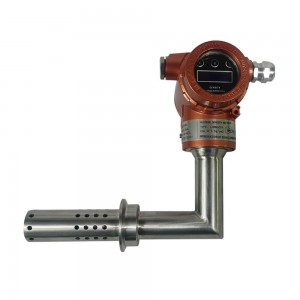
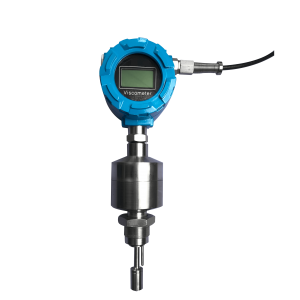
Common tools for solution impregnation technique include vibrating tube and Coriolis density meters, with ultrasonic devices also deployed for specific industrial processes. Vibrating tube densitometers operate by tracking frequency changes as fluids pass through a U-shaped tube, their sensitivity allowing accurate tracking even of aggressive, precious metal-laden solutions. Coriolis meters combine mass flow and density measurement, serving continuous operations where both process throughput and concentration must be tightly controlled. For chloropalladic acid, sensor wetted materials such as PTFE, Hastelloy, or ceramics are preferred to resist corrosion and fouling, ensuring accuracy and long-term reliability. Lonnmeter supplies these classes of inline density meters, focusing on compatibility and robust performance in challenging chemical environments.
Operational requirements in precious metal recovery and recycling mandate continuous density monitoring, both to meet internal process specifications and to comply with increasingly stringent documentation standards in regulated sectors. Automated, real-time density verification upholds consistent product quality, enables traceable records for audits, and helps maintain stable operation during high-volume production of palladium catalysts. For chloroplatinic and chloropalladic acid impregnation, inline density measurement is recognized as industry best practice, underpinning the quality assurance and resource stewardship central to modern activated carbon impregnation processes.

Integration of Inline Density Determination in Impregnation Solution Management
Best practices for integrating inline density measurement into chloropalladic acid impregnation workflows begin with sensor selection and strategic placement. Inline density meters must be positioned either immediately before or right after the impregnation step to capture representative solution data, directly reflecting process concentration at critical junctures. Placement upstream ensures accurate control of feed concentration, while downstream monitoring can validate the effectiveness of dosing and mixing.
Routine calibration is essential for sustaining density measurement integrity. For continuous operation with chloropalladic acid-containing solutions, establishing frequent, scheduled calibration cycles—using certified reference fluids or buffer solutions with well-known density values—reduces drift and improves accuracy. Calibration should document baseline sensor response, allowing later detection of deviation caused by sensor wear, corrosion, or fouling. Material compatibility is paramount: density sensors constructed with high chemical resistance materials, such as ceramic or PFA coatings, resist long-term degradation in acidic environments and extend operational lifespan. For example, sensors equipped with hafnium oxide coatings offer stability even under repeated exposure to strongly acidic impregnation solutions, ensuring reliable performance over extended periods.
Maintenance protocols involve regular cleaning to prevent particulate buildup from activated carbon or precipitated metal salts. Inspection intervals can be defined based on process fouling risk; high-throughput lines processing recycled precious metals typically require more frequent maintenance. When deploying disposable sensor technologies, such as magnetic ribbon-based designs, timely replacement as part of scheduled maintenance minimizes downtime and maintains process continuity. Conversely, robust, long-life sensors are suited for operations focused on minimizing intervention and sustaining measurement accuracy across campaign runs.
Discrepancies between measured and target density values demand rapid troubleshooting to sustain product quality. Causes range from sensor drift, air bubble interference, hardware faults, to incorrect calibration reference use. Variance outside the target density range directly impacts final activated carbon performance; lower densities may result in under-impregnated substrates with diminished catalytic activity, while excessive density can trigger precipitation, uneven metal loading, or resource waste. Reviewing sensor outputs side-by-side with laboratory titration or gravimetric checks offers insights into error sources, guiding corrective actions such as recalibration, sensor replacement, or plumbing adjustments.
Process optimization by real-time density monitoring delivers tangible benefits across activated carbon impregnation workflows. Inline sensors enable direct feedback control, allowing automated dosing of chloropalladic acid solution to hold density within strict thresholds for each batch or continuous run. This minimizes precious metal losses by tightly bounding delivered concentration, avoiding over-impregnation and costly excess chemical outflow. Environmental discharge is reduced, as precise control limits purge volumes and unreacted chemical release. Overall yield improves because product consistency is maintained; each lot receives optimal metal loading, maximizing catalytic activity and utilization rates in precious metal recycling solutions. Data from inline density measurements also supports audit trails and regulatory reporting for high-value material streams.
By tightly integrating Lonnmeter inline density meters and adhering to rigorous calibration and maintenance routines, chemical losses are minimized, environmental risks are mitigated, and activated carbon yield remains consistently high. Real-time monitoring is pivotal for advanced solution impregnation techniques and sustainable activated carbon treatment with precious metals.
Addressing Common Process Challenges in Chloropalladic Acid Impregnation Solutions
Dosing inaccuracies and incomplete mixing remain the principal bottlenecks in chloropalladic acid activated carbon impregnation. Inline density measurement in industrial processes exposes these issues in real time, transforming process transparency.
Dosing precision directly determines palladium loading, dispersion, and ultimately the performance of the final catalyst. Even minor deviations from the target dosing—due to equipment drift or delayed feedback—can cause off-spec products. Incorporating inline density monitoring instruments, such as those from Lonnmeter, synchronizes feedback between dosing pumps and reactor conditions. This enables automatic flow adjustments to maintain set concentrations, using real-time mass-to-volume ((\rho = m/V)) data. Precise dosing translates to more consistent palladium distribution, confirmed by studies where feedback-controlled dosing reduced batch variability and waste compared to manual approaches.
Mixing control is equally critical. In chloropalladic acid impregnation, the uniformity of the impregnation solution for activated carbon dictates the efficiency of adsorption and downstream metal recovery. Imperfect mixing leads to solution stratification, where concentration gradients develop within the vessel or pipeline. Inline density monitors catch these variations instantly, unlike periodic grab sampling, and prompt immediate action—be it increasing mixer agitation or adjusting dosing rates.
Since the viscosity and corrosiveness of the solution can challenge sensor stability, attention to fouling and corrosion resistance is vital. Sensors exposed to high-concentration chloropalladic acid may accumulate deposits or suffer from surface corrosion. Lonnmeter designs probes with specific wetted materials compatible with aggressive precursor solutions, minimizing sensor degradation and preserving accuracy over extended operation. Routine cleaning schedules and periodic calibrations support long-term reliability. Nevertheless, process operators must monitor calibration drift, especially under highly acidic, metal-rich conditions, and employ calibration protocols that maintain errors under 0.1%.
Sensor placement also affects fouling rates and accuracy. Installing inline density sensors downstream from mixing, yet upstream from critical dosing points, helps capture representative concentration profiles—mitigating the risk of local stratification blurring measurements. Correct placement also helps extend sensor maintenance intervals.
Failure to maintain strict density control in chloropalladic acid impregnation carries direct consequences. When the solution’s density deviates, so does the actual palladium content delivered to activated carbon. This undermines adsorption capacity, compromises catalyst uniformity, and impacts metal recovery rates. Downstream processes—especially waste treatment—must then manage inconsistent effluent characteristics, raising operating costs and risking non-compliance. Inline density monitoring enables rapid correction before these process-wide impacts cascade.
Inline density determination methods have become the backbone of solution impregnation technique for activated carbon treatment with precious metals. Lonnmeter’s robust designs, matched with continuous monitoring and maintenance protocols, address core chemical processing risks by keeping dosing, mixing, and solution homogeneity tightly under control.
Sustainable Approaches and Resource Recovery in Solution Impregnation Processes
Optimizing the impregnation solution for activated carbon, particularly with chloropalladic acid, directly supports sustainable practices in precious metal recycling solutions. Inline density measurement in industrial processes is essential for maintaining the ideal concentration of chloropalladic acid during the activated carbon impregnation process. Lonnmeter inline density meters provide continuous, real-time control over solution density, allowing precise dosing and minimizing the excessive use of precious metal salts.
Strict inline density control reduces waste by ensuring that only the required amount of chloropalladic acid is used for effective activated carbon treatment with precious metals. This precision prevents surplus residuals from entering downstream processes, lowering operational costs and environmental impact. When the activated carbon impregnation process is governed by accurate inline density monitoring systems, precious metal consumption is optimized, which maximizes the reuse of these valuable resources within closed-loop recycling ecosystems.
Environmental considerations are addressed by limiting the discharge of hazardous chloropalladic acid. By coupling solution impregnation technique with online density determination methods, facilities can actively monitor and respond to fluctuations, avoiding the risks of over-impregnation or chemical leakage. Process charts show reductions in hazardous output when density remains within a target range, driving compliance with strict emission standards and waste minimization goals.
Empirical studies on green modification of activated carbon—such as those using phosphoric acid—demonstrate that efficient solution impregnation and robust control not only enhance metal recovery yield but also improve adsorbent stability over multiple recycling cycles. This supports the principles of the circular economy, aligning chloropalladic acid activated carbon impregnation with resource-efficient practices. Comparable research highlights that optimized process conditions and real-time controls increase selectivity and efficiency, resulting in better outcomes for metal recovery and environmental protection.
Literature on statistical physics modeling and recycling batch studies underlines the relationship between robust impregnation solution management and sustainable precious metal management. Efficient inline density measurement in industrial processes directly correlates to reduced chemical consumption, minimized hazardous discharge, and enhanced resource recovery, positioning the activated carbon treatment process as a key enabler for sustainable materials management.






Frequently Asked Questions (FAQs)
What is an impregnation solution and why is its density important?
An impregnation solution is a liquid system engineered to deliver dissolved compounds, such as chloropalladic acid, into porous substrates—commonly activated carbon. In chloropalladic acid activated carbon impregnation, the solution’s density is a direct indicator of its concentration and the total amount of metal ions available for deposition. Maintaining target density ensures reproducibility in the metal loading, which is critical for applications in catalysis or precious metal recycling solutions. Even slight density deviations can lead to under- or over-impregnation, affecting both material performance and resource efficiency in the activated carbon treatment with precious metals.
How does inline density measurement improve the solution impregnation process?
Inline density measurement enables continuous, real-time oversight of the impregnation solution for activated carbon. By integrating an inline density meter, such as what Lonnmeter manufactures, operators obtain immediate feedback on solution concentration during the process. This facilitates instant corrections if deviations are detected, guaranteeing the consistency and precision required for high-value materials processing. Inline density monitoring systems cut down manual sampling errors, reduce chemical waste, and minimize disruptions—helping achieve optimal efficacy for activated carbon impregnation process control .
Why is chloropalladic acid used for impregnation of activated carbon in precious metal recycling solutions?
Chloropalladic acid is favored for its high solubility in water and rapid reactivity with carbon surfaces. These traits allow for quick and thorough impregnation, yielding activated carbon loaded with palladium that is effective for catalysis or recovery of precious metals. The solution impregnation technique using chloropalladic acid maximizes the adsorption of platinum group metals and enables high-yield recovery within precious metal recycling workflows .
What are the main challenges of inline density determination in corrosive solutions like those containing chloroplatinic acid?
Measuring the density of aggressive, acidic solutions—including chloropalladic and chloroplatinic acids—poses unique hurdles. The main challenges are sensor fouling from residue, aggressive chemical corrosion of measurement surfaces, and calibration drift caused by chemical attack over time. Sensors for online density determination methods must be constructed from robust materials, such as corrosion-resistant metals, ceramics, or specialty glass, to withstand prolonged exposure. Operators must also conduct periodic cleaning and recalibration to maintain measurement accuracy in these demanding environments. Inadequate material selection or maintenance can compromise both sensor longevity and the reliability of the inline density measurement in industrial processes .
Is inline density measurement applicable to other precious metal recycling solutions beyond chloropalladic acid?
Yes, inline density meters are broadly applicable throughout the precious metal recycling field. Whether handling gold, platinum, silver, or other metal complexes, inline sensors deliver essential real-time data during the activated carbon impregnation process or subsequent recovery steps. This universality ensures flexible adaptation to changes in feedstock or product requirements, upholding quality, yield, and process reproducibility across diverse solution impregnation techniques. Consistent inline density measurement is central for operational control in hydrometallurgy and other high-value recycling environments .
Post time: Dec-10-2025


