

Real-time density measurement is a critical innovation in the biodegradable plastic production process. Lonnmeter inline density meters measure the density of liquid propylene and slurries with continuous, highly accurate readings. This real-time monitoring enables operators to respond instantly to deviations, adjusting feed rates or process conditions to keep the polymerization within specifications.
Executive Summary
The biodegradable plastic manufacturing process represents a vital solution to the escalating issue of environmental pollution by persistent petroleum-based plastics. It targets sustainable production by transforming renewable resources, such as lignin from the pulp and paper industry, into environmentally friendly polymers with engineered properties and managed degradation rates. This field spans several key phases, from raw material selection and chemical modification, through advanced polymerization mechanisms, to conversion into finished goods via specialized molding techniques.

Biodegradable Plastic
*
The core of the biodegradable plastic production process lies in two principal polymerization approaches: condensation polymerization and ring-opening polymerization (ROP). These enable precise control over molecular weight and material structure, critical for tailoring biodegradation and mechanical performance. Recent innovation has especially focused on integrating lignin into polyester matrices, employing graft-onto and graft-from copolymerization to enhance both tensile strength and end-of-life breakdown. Synthesis via microreactor-based flow systems further sets a new standard for efficiency. Unlike traditional batch methods, microreactors offer exceptional thermal and mixing control, boosting polymerization speed while reducing energy use, and eliminating toxic metal catalysts in favor of more eco-friendly alternatives. The result is a consistent yield of polymers with improved uniformity and minimized environmental impact.
A central complexity in scaling the manufacturing process of biodegradable plastic comes from translating laboratory breakthroughs into reliable, large-scale production. Industrial adoption hinges on robust, real-time quality control. One persistent challenge is ensuring a uniform molecular weight distribution across production runs, critical for performance predictability and regulatory approval. Similarly, the mechanical and thermal properties must match the stringent requirements of packaging, consumer goods, and agricultural films.
Monitoring polymerization and controlling the process of making biodegradable plastic has advanced through precision measurement tools. Inline density and viscosity meters, such as those manufactured by Lonnmeter, play a pivotal role in real-time monitoring during propylene slurry or bulk polymerizations. These instruments allow for the continuous measurement of liquid propylene density and viscosity, enabling immediate adjustment of input parameters. Real-time propylene density monitoring contributes to maintaining batch consistency, optimizing catalyst use, and ensuring the targeted properties of the polymer—key to reducing waste and cost overruns while meeting sustainability targets. Precise propylene density meters also support process automation and documentation needed for regulatory compliance in the biodegradable plastic synthesis methods employed by industry.
Despite notable achievements, scaling up the biodegradable plastic process continues to encounter hurdles. Supplies of quality biobased feedstocks, integration of green chemistry at every stage, and the need for enhanced testing and monitoring methods demand ongoing attention. Selecting suitable biodegradable plastic molding techniques and injection processes must guarantee not only end-use performance, but also end-of-life breakdown in real environments—a target still being refined with support from improved evaluation and monitoring technologies.
In summary, innovations in continuous flow polymerization, strategic use of lignin and renewable inputs, and real-time slurry density control characterize the evolving landscape of eco-friendly plastic manufacturing. The confluence of these advances underpins the sector’s progress toward producing cost-effective, high-performance, and authentically sustainable biodegradable plastics.

Biodegradable Plastics and Their Role in Modern Manufacturing
Biodegradable plastics are engineered polymeric materials designed to break down through biological action—namely, the metabolism of microorganisms such as bacteria, fungi, or algae. This breakdown yields environmentally benign end-products like water, carbon dioxide, methane (under anaerobic conditions), and biomass. Unlike conventional polymers, which are derived from petrochemicals and are resistant to environmental degradation, biodegradable plastics contain chemical linkages that are vulnerable to microbial and enzymatic cleavage, as well as hydrolysis.
The distinction between biodegradable plastics and conventional polymers is rooted in their chemical architecture. Conventional plastics, such as polyethylene (PE) and polypropylene (PP), feature robust carbon-carbon backbones with high crystallinity and hydrophobicity, rendering them highly durable and essentially non-biodegradable. These materials persist in the environment for decades or longer, fragmenting only through slow photodegradation or thermal oxidation that does not substantively reduce their environmental impact. In contrast, biodegradable polymers often feature hydrolyzable ester, amide, or glycosidic bonds in their backbone, dramatically accelerating degradation when exposed to the right environmental and biological triggers. For instance, polylactic acid (PLA) and polyhydroxyalkanoates (PHA) incorporate such cleavable bonds, enabling breakdown through hydrolysis and microbial enzymatic action.
Biodegradable plastics can be grouped by their chemistry and raw materials. PLA is one of the most commercially significant, produced via the fermentation of renewable resources such as corn starch or sugarcane. Its structure, a linear aliphatic polyester joined by ester bonds, favors hydrolytic degradation—though primarily under the elevated temperatures and humidity typical of industrial composting. PHA, produced by microorganisms from a range of organic feedstocks like vegetable oils or starches, has a similar polyester structure but offers more rapid degradation in both soil and aquatic environments. Polybutylene succinate (PBS) and poly(butylene adipate-co-terephthalate) (PBAT) are also key biodegradable polyesters; PBS is often derived from succinic acid and butanediol sourced from plant feedstocks, while PBAT is a co-polyester combining biodegradable and aromatic units to fine-tune mechanical properties and degradation kinetics.
Starch-based plastics are widely used, formed by blending natural starch—mainly consisting of amylose and amylopectin polysaccharides—with other biodegradable or even conventional polymers for improved functionality and processability. Their breakdown relies on microbial enzymes that cleave glycosidic bonds, leading to comparatively faster environmental degradation under suitable conditions.
The shift to biodegradable plastics in manufacturing offers multiple environmental and operational benefits. First and foremost, these materials reduce the persistent plastic waste burden, as their breakdown products are further assimilated by natural biogeochemical cycles. This is increasingly critical as global regulatory and societal pressures mount to address plastic pollution and microplastics. Additionally, many biodegradable plastics utilize renewable feedstocks, which can lower greenhouse gas emissions and decrease reliance on finite fossil resources.
From a processing perspective, biodegradable plastics are versatile and compatible with established polymer forming methods, such as injection molding and extrusion. Techniques like biodegradable plastic injection molding and other molding processes are essentially adaptations of conventional thermoplastic processing, enabling straightforward integration into existing infrastructure for packaging, agriculture, and single-use items.
Operationally, real-time quality control in the production of biodegradable plastics is essential, particularly when using bio-based and variable feedstocks. Inline measurement tools, such as density meters from Lonnmeter, facilitate continuous propylene density real-time measurement and propylene slurry polymerization control. Accurate monitoring of key parameters like liquid propylene density and polymerization process conditions ensures consistent polymer quality, optimal mechanical performance, and predictable biodegradation rates. This kind of process control is an essential part of modern biodegradable polymer production, safeguarding both material properties and compliance with performance or compostability standards.
Environmental studies from the last two years highlight a fundamental insight: the actual pace and completeness of biodegradation depend not only on polymer structure but also on the environmental setting. For example, PLA requires industrial composting temperatures for rapid breakdown, while PHA and certain starch-based plastics degrade more quickly in natural soil or marine conditions. True environmental benefits are thus linked to both the selection of appropriate polymer chemistry and the establishment of supporting waste management infrastructure.
The adoption of biodegradable plastics opens up new possibilities for sustainable product design and responsible end-of-life options, especially when combined with rigorous process monitoring, efficient feedstock use, and informed material selection. Their successful integration into modern manufacturing depends on a thorough understanding of both their chemistry and the manufacturing process of biodegradable plastic, as well as responsible stewardship throughout the production, use, and disposal phases.
Raw Material Selection and Preparation
Sustainable and renewable feedstock selection is the foundation of the biodegradable plastic manufacturing process. The criteria demand a rigorous life cycle assessment (LCA) to ensure minimized greenhouse gas emissions, reduced land and water use, and effective end-of-life biodegradation. Modern LCAs account for cultivation, harvesting, processing, and downstream effects, ensuring that the sourcing of materials such as agricultural residues, non-edible biomass, or organic waste offers tangible environmental advantages.
Feedstocks must avoid competition with food supplies. Materials like switchgrass, miscanthus, crop husks, waste cooking oil, or textile waste-derived cellulose are strongly preferred. These not only promote circular economy practices but drastically lower both environmental impact and raw material costs compared to corn or sugarcane. Manufacturers must also verify that crop selection and increased demand do not cause indirect land use change, such as deforestation or biodiversity loss. Traceability, with documentation from source to polymerization, has become a standard requirement for buyers and regulators to ensure responsible supply chains.
Biodegradable plastic production also incorporates social and economic sustainability as critical selection benchmarks. Feedstocks must be sourced with certified evidence of fair working conditions and benefits to local communities. Voluntary schemes and third-party audits are commonly required before approval.
Rapid regeneration is essential. Annual crops, agriculture by-products, and rapidly replenishing materials like algae or grass are increasingly standard due to their fast renewal rates and fewer risks of ecosystem disruption. Feedstocks must also be cultivated and processed with a minimal hazardous chemical footprint; pesticide and persistent organic pollutant use is severely restricted, with a growing shift toward organic cultivation and integrated pest management.
Prioritizing waste and by-product streams aligns the manufacturing process of biodegradable plastic with broader eco-friendly plastic manufacturing processes. This involves using post-industrial or post-consumer by-products, driving resource efficiency, and supporting the circular economy.
After selection, pre-processing steps are critical to optimize monomer extraction and purity. Agricultural residues, for example, require grinding, drying, and fractionation before hydrolysis yields fermentable sugars. Starch-rich crops undergo milling and enzymatic treatments to break down complex carbohydrates. For cellulose feedstocks, chemical or mechanical pulping removes lignin and enhances processability. Each step targets maximum extraction of usable monomers like lactic acid, essential for high-yield biodegradable plastic synthesis methods and downstream plastic polymerization processes.
Pre-processed feedstocks are rigorously monitored for composition, contaminant content, and moisture. This ensures consistent input quality and reliable performance in subsequent chemical or fermentative conversion steps—directly impacting process stability, reaction yield, and overall scalability of biodegradable plastic manufacturing. Feedstock optimization is thus not only an environmental imperative; it is crucial for maintaining efficiency and throughput in all downstream process stages.

Molding and Shaping: From Compounds to Finished Goods
Biodegradable Plastic Injection Molding
Biodegradable plastic injection molding relies on the precision delivery of melted resins—such as PLA, PHA, and PBS—into a shaped cavity, where the material cools and takes on the final geometry. The process requires strict attention to the biodegradable plastic manufacturing process and incorporates specific best practices due to the chemical and thermal sensitivities of these materials.
Polylactic acid (PLA) molds between 160 and 200 °C, but best results occur at 170–185 °C. Exceeding these temperatures risks chain scission, molecular weight loss, and a drop in mechanical performance. The mold temperature is generally maintained between 25 and 60 °C. Higher mold temperatures, from 40 to 60 °C, increase crystallinity and improve mechanical strength, while rapid cooling below 25 °C can induce internal stresses and poor crystal formation. Injection pressures typically range from 60 to 120 MPa—enough to ensure mold filling while avoiding flash. PLA’s low viscosity allows moderate speeds, avoiding the risks of high shear which degrades the polymer. Most importantly, PLA must be properly dried below 200 ppm moisture (2–4 hours at 80–100 °C). Any excess water content triggers hydrolytic degradation, resulting in brittle, low-performance parts.
PHA resins, such as PHB and PHBV, share similar needs for controlled thermal processing. They mold best between 160 and 180 °C. At temperatures above 200 °C, PHAs degrade rapidly. Processors should use mold temperatures between 30 and 60 °C. The injection pressure usually ranges from 80 to 130 MPa and depends on the copolymer composition and blend. Like PLA, PHAs are highly sensitive to residual water and require drying at 60–80 °C for moisture levels below 500 ppm. Slow injection speeds minimize shear degradation, preserving polymer chain integrity.
PBS resins, while more thermally robust than PLA or PHA, still require melt processing between 120 and 140 °C. Processing at higher temperatures (> 160 °C) can degrade the matrix. Mold temperatures of 20–40 °C are common; higher temperatures aid crystallization, improving the dimensional stability of the molded item. The standard pressure range is 80–100 MPa. PBS can tolerate higher initial moisture than PLA, but it should still be conditioned at about 80 °C before molding.
Unique processing considerations for all these materials include sensitivity to both residence time and moisture uptake. Longer times in the barrel or mold at elevated temperatures accelerate degradation, creating defects like discoloration, embrittlement, and odor. Proper moisture management, achieved through pre-drying, is essential at every step of the biodegradable plastic making process. Real-time monitoring tools, such as inline density meters and inline viscosity meters manufactured by Lonnmeter, help maintain material consistency by revealing deviations in melt properties due to temperature or moisture fluctuations.
Common molding defects for biodegradable resins include splay (from excess moisture), brittle fracture (due to over-drying or too high temperature), and voids or incomplete fill (from low mold temperature or low pressure). If splay appears, implement more rigorous drying. Should cracks or brittleness arise, reduce the melt temperature and shorten residence time. Voids usually respond to higher injection pressure or a modest increase in melt temperature.
Studies demonstrate that optimizing mold temperatures leads to improved mechanical and surface properties for PLA and PBS, while minimization of melt residence time critically preserves the molecular weight of PHA resins. Cycle times, drying parameters, and in-process monitoring remain pivotal to defect-free production of biodegradable plastic parts.
Other Conversion Techniques
Beyond injection molding, several methods are vital in the steps to produce biodegradable plastic articles, each tailored to specific performance and compostability requirements.
Extrusion shapes plastic by forcing molten polymer through a die, making profiles, tubes, and sheets. In the biodegradable plastic process, extrusion produces PLA sheets for thermoforming or PBS pellets for later use. Key to quality is uniform melt density, monitored with real-time density meters such as those from Lonnmeter, ensuring consistent flow and wall thickness.
Film blowing forms thin biodegradable films (for bags or packaging) by extruding resin through a circular die and expanding it into a bubble. Controlling temperature and flow rate here is critical for even thickness and mechanical integrity, especially since biodegradable resins are often sensitive to fluctuations in moisture and temperature.
Thermoforming heats sheets of biodegradable plastics—commonly PLA—until pliable, then presses them into molds to create tray, cup, or lid shapes. Successful processing depends on uniform sheet thickness and pre-drying of input films to prevent internal bubbles and weak spots.
Blow molding creates hollow objects like bottles and containers. For biodegradable plastics such as PBS, careful control of melt strength and parison (preform) temperature is vital since these materials can be more sensitive to sag and uneven orientation during blowing.
Each conversion method should be matched to the resin and desired product. For maximum compostability and optimal performance, select the process that aligns the thermal, mechanical, and crystallization needs of the polymer with the final part’s geometry and use-case. Using on-line real-time density monitoring throughout extrusion, sheet, or bottle production ensures product consistency and reduces waste.
Properly aligning process with product—whether through biodegradable plastic injection molding, extrusion, film blowing, thermoforming, or blow molding—ensures that biodegradable plastic production techniques meet environmental and quality expectations. Every method must take proper account of unique biopolymer sensitivities, with monitoring, drying, and temperature control woven into the manufacturing process of biodegradable plastic.
Process Optimization: Monitoring and Controlling Polymer Properties
Tight process control is fundamental to the biodegradable plastic manufacturing process, dictating final polymer properties such as mechanical strength, biodegradability, and safety. Achieving optimal polymerization and compounding means closely regulating key parameters: temperature, pressure, reaction time, and the purity of all inputs.
Temperature must be controlled precisely. Deviations can alter the polymer’s molecular weight, crystallinity, and performance. Excess heat may cause chain scission or degrade sensitive monomers, resulting in weak or inconsistent biodegradable plastics. Conversely, temperatures too low impede monomer conversion, requiring inefficiently long reaction times and risking incomplete reactions.
Pressure impacts are pronounced in processes that use volatile monomers or gas-phase polymerizations, as with propylene polymerization. Elevated pressure can boost reaction rates and polymer molecular weight, but excessive pressure increases risks of equipment failure and unwanted reactions. In other processes, such as polycondensation, sub-atmospheric pressures help remove byproducts and drive the reaction to completion.
Every step in the process of making biodegradable plastic depends heavily on the absolute purity of monomers, catalysts, and solvents. Even trace moisture or metallic contaminants can trigger side reactions, initiate premature chain termination, or poison catalysts. Industrial protocols include rigorous purification of inputs and meticulous cleaning of all process equipment to safeguard consistent, high-quality output.
Slurry density is a pivotal parameter, particularly in propylene polymerization—a common technique in the production of biodegradable polymer resins. Maintaining the optimal density in the polymerization slurry directly affects reaction kinetics and, ultimately, material properties.
The advantage of on-line, real-time measurement with a propylene density meter is twofold. First, operators can achieve stable product quality through uninterrupted data on liquid propylene density. Second, immediate detection of density fluctuations allows for timely corrections—preventing the production of out-of-spec or wasted batches. Such direct process feedback is essential for maintaining uniform polymer quality, especially in high-throughput, continuous manufacturing lines.
Integrating density meters such as those produced by Lonnmeter into the polymerization reactor or compounding extruder provides a powerful tool for continual process optimization. By tracking density trends across each production run, manufacturers can statistically analyze the process, set more accurate process alarms, and implement fine-tuned control strategies. This reduces raw material waste, maximizes throughput, and directly supports the goals of eco-friendly plastic manufacturing process initiatives.
Real-time propylene density monitoring systems have a proven impact. When liquid propylene density is tightly controlled, resin consistency is improved and process upsets are minimized. Immediate feedback from density meters means process engineers can avoid overshooting targets, reducing both variability and excess consumption of energy and raw materials. These control strategies are now considered best practice in modern biodegradable plastic synthesis and compounding lines.
The integration of such real-time instrumentation supports continuous improvement in steps to produce biodegradable plastic, yielding reproducible mechanical, thermal, and degradative behaviors across production lots. This precise control backbone is indispensable as regulatory, safety, and market standards for biodegradable polymers are continually tightening.

Challenges in Industrializing Biodegradable Plastic Production
Industrializing the manufacturing process of biodegradable plastics faces value chain-wide obstacles, beginning with feedstock cost and availability. The majority of biodegradable plastic production techniques depend on agricultural raw materials such as corn, sugarcane, and cassava. Their prices are volatile due to shifting commodity markets, unpredictable weather, changing crop yields, and evolving agricultural and biofuel policies. These factors combine to disrupt the economic stability of the biodegradable plastic manufacturing process, impacting every step from feedstock procurement through to polymerization and molding.
Feedstock competition with food, animal feed, and energy use further complicates raw material access. Such competition can trigger food security debates and amplify price instability, making it difficult for manufacturers to ensure a consistent, affordable supply. In regions where particular crops are scarce, these challenges are magnified, restricting the global scalability of eco-friendly plastic manufacturing processes.
Conversion efficiency poses another hurdle. Converting biomass into monomers and, ultimately, biopolymers requires high-quality, contaminant-free feedstock. Any variation can reduce yield and escalate processing costs. Even advanced steps to produce biodegradable plastic—such as fermentation, polymerization, and molding—remain energy-intensive and sensitive to input quality. Second-generation feedstocks like agricultural waste face technical barriers including complex pre-treatment and lower overall conversion rates.
Logistical challenges add layers of complexity. Feedstock collection, storage, and transport rely on extensive infrastructure, especially for handling non-food biomass. The seasonality of harvesting can cause abrupt spikes in material costs or supply breaks. Handling, drying, and pre-treating biomass requires investment in specialized infrastructure, leading to non-standardized, high-cost processes that challenge the continuous flow required by large-scale bio-based polymer production.
Meeting varying customer and application-specific requirements creates additional pressures. Applications demand different biodegradable polymer production process parameters, such as tensile strength, degradation rate, and molding behavior. Satisfying these without sacrificing biodegradability or cost-efficiency is difficult. Customers in packaging may prioritize rapid degradation, while others, such as in automotive applications, require durability. New biodegradable plastic molding techniques and process variations must be finely tuned to these diverse performance standards, often necessitating sophisticated, adaptable processes and real-time property monitoring.
Balancing product performance, biodegradability, and scalability remains a persistent challenge. For example, increasing crystallinity can enhance product strength, but may reduce biodegradation rates. Modifying processing conditions—such as during plastic polymerization or injection molding—must be managed tightly to preserve both eco-performance and mass manufacturability. Inline measurement solutions, like Lonnmeter’s propylene density meters, provide real-time propylene density monitoring and enable precise control in the propylene polymerization slurry density step of the biodegradable plastic process, supporting consistent product quality and scalable operation.
Regulatory expectations and transparent communication have grown central in the biodegradable plastic production process. Regulations may set strict standards for compostability, biodegradation timelines, and feedstock sustainability. Differentiating between compostable, biodegradable, and oxo-degradable plastics is essential, as mislabeling or unclear product claims can result in regulatory penalties and erode consumer trust. Manufacturers must invest in clear labeling and comprehensive product documentation, demonstrating compliance and consistent eco-friendly credentials.
These layered challenges—spanning cost, supply, conversion efficiency, logistics, application alignment, product performance, and regulatory compliance—underscore the complexity of scaling the process of making biodegradable plastic. Each step, from the selection and real-time measurement of feedstocks like liquid propylene to the design of the entire biodegradable plastic making process, is interdependent and demands continuous optimization and transparency throughout the value chain.
Waste Management, End-Life, and Environmental Contributions
The breakdown of biodegradable plastics relies on a combination of environmental factors and material characteristics. Temperature plays a central role; most biodegradable plastics, such as polylactic acid (PLA), degrade efficiently only at industrial composting temperatures, typically above 55°C. At these high temperatures, the polymers soften, facilitating microbial access and enhancing enzymatic hydrolysis. In contrast, at ambient or lower temperatures—such as those in landfills or home composters—degradation rates drop dramatically, and materials like PLA may persist for years.
Humidity is equally vital. Composting systems maintain 40–60% moisture, a range that supports both microbial metabolism and the hydrolytic breakdown of polymer chains. Water serves as both a medium for enzyme transport and a reactant in polymer degradation, especially for esters, which are abundant in plastics labeled as compostable. Insufficient moisture limits all microbial activity, while excess converts aerobic composting into anaerobic conditions, impeding efficient breakdown and increasing the risk of methane generation.
Microbial activity underpins the actual conversion of plastic polymers to benign end products. Industrial composters foster diverse communities of bacteria and fungi, optimized through aeration and temperature control. These microbes secrete a range of enzymes—lipases, esterases, and depolymerases—that dismantle polymeric structures into smaller molecules like lactic acid or adipic acid, which are then converted to biomass, water, and CO₂. The composition of microbial consortia shifts over the composting process: thermophilic species dominate at peak heat but give way to mesophilic organisms as piles cool. The specific plastic’s molecular structure and crystallinity also play key roles; for example, starch-based blends become bioavailable more quickly than highly crystalline PLA.
Biodegradable plastics contribute to waste diversion by offering alternatives designed for controlled breakdown instead of accumulation. In landfill contexts, their benefit is limited unless landfill conditions are optimized for biodegradation—rare in practice due to lack of aeration and thermophilic operation. However, when directed to industrial composters, certified biodegradable plastics can be converted into stable compost, displacing organic material otherwise sent to landfill or incineration. Marine environments, characterized by low temperatures and limited microbial diversity, slow down degradation rates considerably, so biodegradable plastics should not be seen as a solution for marine littering but rather a means to prevent post-consumer accumulation if proper disposal pathways exist.
Modern waste management increasingly accommodates biodegradable plastics. Industrial composting systems are designed to create the necessary thermophilic and moisture-rich environment for effective degradation. These systems follow international protocols for aeration, moisture, and temperature regulation, tracking variables through methods such as real-time monitoring of compost pile conditions. Lonnmeter inline density meters, for example, play a critical role in process control by ensuring feedstock consistency and optimizing material flows: stable density is crucial to assess proper mixing and aeration, factors which directly affect breakdown rates in composters.
Integration into composting requires that biodegradable plastics are correctly identified and sorted. Most facilities require certification of compostability according to established standards. When these criteria are met, and operational protocols maintained, composters can process biodegradable plastics efficiently, returning carbon and nutrients to the soil and thus closing the organic loop within the eco-friendly plastic manufacturing process.
The flow of biodegradable plastics through these systems, supported by accurate process data such as Lonnmeter’s real-time density measurement, enables both reliable decomposition and environmental stewardship. However, the full environmental contribution depends not only on product design and manufacturing process of biodegradable plastic but also on consumer behavior and the effectiveness of local waste management infrastructures. Without effective collection, identification, and composting, the intended cycle—biodegradable plastic making process to soil enrichment—can be disrupted, undercutting environmental benefits.
To visualize the impact of key composting parameters on degradation speeds, the following chart summarizes the approximate degradation times for common biodegradable polymers under varying conditions:
| Polymer Type | Industrial Compost (55–70°C) | Home Compost (15–30°C) | Landfill/Aquatic (5–30°C) |
| PLA | 3–6 months | >2 years | Indefinite |
| Starch Blends | 1–3 months | 6–12 months | Markedly slowed |
| PBAT (Blends) | 2–4 months | >1 year | Years to decades |
This chart underscores the need for properly managed composting environments and supporting process monitoring for optimal environmental contributions throughout the biodegradable plastic production process.
Solutions: Strategies for Consistent, High-Quality Production
Effective, consistent, and compliant biodegradable plastic manufacturing relies on detailed Standard Operating Procedures (SOPs) and continuous process scrutiny. Plant managers and engineers should establish SOPs that specifically address how to make biodegradable plastic, emphasizing strict control and documentation at every stage. This includes raw material intake—highlighting the unique moisture sensitivity and variability of bio-based feedstocks. Ensuring lot-to-lot traceability lets facilities rapidly identify the source of deviations and take corrective action.
Managing polymerization reactions is critical within the biodegradable plastic manufacturing process. For polylactic acid (PLA), this often means tightly controlling ring-opening polymerization conditions—catalyst selection, temperature, pH, and timing—to minimize byproduct formation and molecular weight loss. With fermentation-derived polymers like polyhydroxyalkanoates (PHA), eliminating contamination through rigorous clean-in-place protocols and validated sterilization is essential for preventing yield losses and quality failures. Operations must extend documented standards through compounding, extrusion, and biodegradable plastic injection molding stages. Process parameters—such as temperature profiles, screw speeds, dwell times, and pre-processing drying (commonly 2–6 hours at 50–80°C)—must be precisely maintained to prevent biopolymer degradation.
Continuous operational monitoring forms the backbone of modern, reproducible eco-friendly plastic manufacturing processes. Using inline density meters—like those supplied by Lonnmeter—and online viscometers enables facilities to monitor propylene density, slurry concentration, and viscosity in real time. Such immediate feedback allows for direct adjustment of the process, ensuring the polymerization reaction remains within exact specifications. Real-time propylene density monitoring is especially valuable in the propylene polymerization slurry density phase, preventing off-specification batches and reducing rework and material wastage. By maintaining tight control with tools such as a Lonnmeter propylene density meter, operators can guarantee that the liquid propylene density remains stable throughout scale-up and full-capacity runs. This not only boosts process reproducibility but also upholds compliance with product standards and regulatory requirements.
Data from online monitoring are frequently visualized as process control charts. These can display minute-by-minute changes in key properties, such as viscosity and density, providing immediate warning of trend deviations (see Figure 1). Rapid corrective actions reduce the risk of producing material outside target specifications and improve the overall yield of biodegradable plastic production processes.
Scaling production while containing costs presents perennial challenges for the biodegradable plastic making process. Facilities should deploy expertly crafted cost-control frameworks: regular calibration and maintenance schedules for all monitoring equipment, bulk material sourcing with documented supplier reliability, and procedural checks on additive mixing (since certain additives can impede polymer breakdown). Comprehensive operator training and periodic certification in all critical procedures directly support reproducibility across shifts and product runs. Using standardized reference materials and inter-laboratory comparisons—such as for mechanical testing or biodegradability metrics—adds a further layer of confidence that one site’s process of making biodegradable plastic matches another’s.
The most advanced plants reference international best practices—audited SOPs for every step, rigorous chain-of-custody documentation, Statistical Process Control methodologies, and systematic reviews integrating the latest scientific findings. This approach enables high-quality, reproducible, and compliant biodegradable polymer production processes at any scale. Immediate density adjustment throughout the plastic manufacturing process using inline meters ensures both cost-effectiveness and superior product uniformity.






Frequently Asked Questions (FAQs)
What is the plastic polymerization process in biodegradable plastic manufacturing?
The plastic polymerization process involves chemical reactions that link small monomer units—such as lactic acid or propylene—into long-chain polymer molecules. For biodegradable plastics like polylactic acid (PLA), ring-opening polymerization of lactide is the industry standard, utilizing catalysts such as tin(II) octoate. This process results in high-molecular-weight polymers with target physical properties. Polymer structure and chain length, both determined during polymerization, directly affect mechanical strength and biodegradation rate. In propylene-based systems, Ziegler-Natta catalysis transforms propylene monomers into polypropylene chains. When producing biodegradable variants, researchers may copolymerize propylene with biodegradable comonomers or modify the polymer backbone with degradable groups to enhance environmental breakdown rates.
How do you make biodegradable plastic?
Biodegradable plastic is made by sourcing renewable raw materials such as sugarcane or corn, fermenting them into monomers like lactic acid, and polymerizing these into polymers such as PLA. The resulting polymers are combined with functional additives to enhance processability and performance. These mixtures are processed via shaping techniques such as injection molding or extrusion to form final products. Process parameters are tightly controlled throughout each stage to ensure the material’s integrity and end-use biodegradability. An example is PLA-based food packaging, which starts from plant starch and ends as compostable wrappers certified under standards like EN 13432.
What are the key considerations in biodegradable plastic injection molding?
Successful injection molding of biodegradable plastics relies on precise temperature management, as overheating leads to premature degradation and reduced product strength. Proper moisture control is crucial because biodegradable polymers often hydrolyze in moist conditions, affecting molecular weight and physical properties. Optimized cycle times are required to ensure thorough filling while avoiding prolonged thermal exposure. Mold design may differ from conventional plastics due to the unique flow and cooling characteristics of biodegradable resins. For example, shorter residence times and lower shear rates can maintain polymer quality and minimize waste.
How does on-line propylene density monitoring help in the biodegradable plastic production process?
Real-time measurement systems, such as inline propylene density meters from Lonnmeter, offer immediate feedback on the density of propylene within the polymerization reactor. This ensures the polymerization process remains within target parameters, allowing operators to adjust conditions rapidly. Stable propylene density supports consistent polymer chain growth and correct molecular architecture, reducing material variability and enhancing overall product yield. This is essential when manufacturing biodegradable polypropylene variants, where process control directly impacts both mechanical properties and targeted degradability.
Why is slurry density important in the propylene polymerization process?
The density of the propylene slurry—a mixture of suspended catalyst, monomer, and forming polymer—affects heat transfer, reaction rates, and catalyst efficiency. Maintaining optimal slurry density prevents hot spots, reduces risk of reactor fouling, and enables uniform polymer growth. Fluctuations in slurry density can introduce material defects and variation in the final resin’s mechanical performance and degradability profile. Tight control over slurry density is thus vital for process stability and consistent production quality in biodegradable plastic manufacturing.
What tools are used for real-time measurement of liquid propylene density?
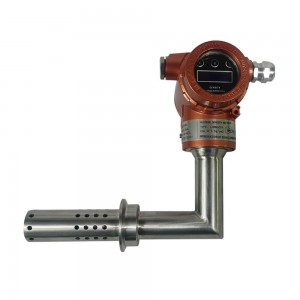
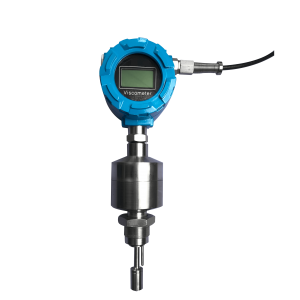
Inline density meters, such as those manufactured by Lonnmeter, are used to monitor liquid propylene density directly in production lines. These meters function under demanding process conditions, measuring density continuously and transmitting data for immediate plant control. Accurate, real-time readings enable the production team to detect deviations quickly, supporting active adjustments to reactor conditions. This results in improved polymerization control, better batch consistency, and efficient troubleshooting—critical for both pilot projects and commercial-scale biodegradable plastic production processes.
Post time: Dec-18-2025


