

Introduction to Pellet Pressing in XRF Analysis
Pellet pressing stands as a cornerstone technique in the sample preparation process for X-ray fluorescence spectroscopy (XRF). XRF is an elemental analysis method in which a sample is exposed to high-energy X-rays, causing atoms to emit secondary, element-specific fluorescent X-rays. The spectrometer detects and quantifies these emissions, enabling rapid, multi-element assessment for solid, liquid, and powdered samples.
Pressed pellet preparation ensures that powdered samples are compacted into dense, homogenous discs. This method minimizes air gaps and surface roughness, which—if left unaddressed—can absorb or scatter X-rays, impairing analytical accuracy. When powders are pressed into pellets, the X-ray path through the sample becomes stable and reproducible, allowing for more precise elemental quantification and enhanced sensitivity, especially for light elements such as magnesium or silicon.
Fundamentals of Pellet Preparation Methods
Choices in Pellet Preparation
In x-ray fluorescence spectroscopy (XRF), sample integrity and homogeneity directly determine analytical accuracy and reproducibility. Each pellet preparation method—neat powder, fused bead, and pressed pellet—offers distinct advantages and drawbacks suited for different analytical needs.
Pressed pellet techniques are widely used because they strike a balance between precision and efficiency. By compacting finely ground sample powders into smooth, void-free pellets, these methods reduce heterogeneity and minimize background scatter, which is especially critical when detecting light elements. Laboratory protocols recommend using uniform particle sizes, typically less than 50 µm, to maximize sample homogeneity during pressing and to prevent inconsistencies in measurement sensitivity. However, insufficiently uniform particles or improper pressing can compromise the integrity of the pellet, leading to cracking or poor reproducibility in trace element analysis.
Neat powder methods, though rapid and cost-effective, often struggle with particle segregation and poor surface smoothness. These challenges manifest as increased scatter and reduced sensitivity, particularly for elements present at low concentrations. As a result, neat powder pressing is primarily reserved for preliminary screenings rather than quantitative analysis.

Xrf Pelletising For Solid Samples
*
The fused bead technique overcomes many matrix effects inherent to powdered samples by dissolving the sample in flux—commonly lithium borate—and forming a homogeneous glass bead. This method delivers exceptional chemical stability and uniformity, making it ideal for precise multi-elemental analysis. Nonetheless, practical challenges such as potential flux contamination or incomplete dissolution require rigorous control of temperature, flux ratios, and mixing conditions. Advanced fusion equipment with automated temperature management and platinum crucible use can minimize these risks, but fused bead preparation remains substantially more time-consuming and resource-intensive compared to pellet pressing.
In recent research, ultrafine powder pressing—combining wet grinding to less than 4 µm with ultrahigh-pressure pressing—has emerged as a superior approach for complex matrices. These pellets show marked reductions in analytical uncertainty and major improvements in trace element detection thanks to enhanced homogeneity and surface smoothness.
Selecting the optimal pellet preparation technique depends on several criteria:
- Sample composition and matrix complexity: Hard-to-homogenize materials benefit from fused bead or ultrafine powder pressing.
- Analytical goals: High sensitivity for trace elements demands methods that minimize background scatter and enhance reproducibility, like pressed or fused pellets.
- Throughput and cost constraints: For routine, high-volume industrial analysis, pressed pellets offer speed and consistency without significant compromise in analytical quality.
- Contamination risk: Techniques that reduce sample handling and require fewer additives lower the likelihood of substrate contamination and analytical interference.
Press optimization—force, thickness, and binder amount—is crucial for pellet quality across all methods.
Role and Selection of Binders
Liquid binders play a pivotal role in pellet formation for XRF. Their primary function is to consolidate powdered samples into strong, cohesive pellets that withstand handling and analysis without cracking or crumbling. A well-selected binder augments sample integrity and prevents contamination, both of which are essential for consistent, high-resolution XRF data.
Polyvinyl alcohol (PVA) stands out as an effective liquid binder. When applied at optimized ratios (e.g., 7:1 sample to binder), PVA ensures even wetting and distribution of fine particles, yielding pellets with variation coefficients below 2%. These pellets demonstrate high mechanical strength, stable intensities across analytical cycles, and eliminate the need for supplementary surface treatments. The molecular weight and concentration of PVA affect green strength and densification, aiding robust pellet formation while minimizing risks of contamination.
Alternative binders such as cellulose or wax mixtures may be used depending on analytical requirements and sample chemistry. Cellulose imparts additional mechanical resilience, while waxes can enhance hydrophobic sample compatibility and reduce friction between pressing tools.
Liquid binders offer specific advantages over dry or powder binders:
- They improve sample pellet homogeneity by uniformly distributing sample constituents during compaction.
- Binders suppress particle segregation, mitigating inhomogeneity which could otherwise degrade detection sensitivity and measurement reproducibility.
- By reducing direct contact between sample and press surfaces, liquid binders prevent contamination—particularly relevant for trace element studies where surface interference can skew results.
- Optimized binder use resolves common causes of pellet cracking, supporting stable pellet pressing and enhanced analytical accuracy.
Examples demonstrate that using medium molecular weight PVA in aqueous form consistently produces pellets with good wetting, strong adhesion, and minimal risk of contamination. Successful protocol implementation with controlled drying yields substrate-free pressed pellets, obviating further surface treatment.
In sum, the choice of liquid binder—PVA foremost, or alternatives tailored to sample chemistry—is essential for achieving improved pellet quality, analytical accuracy, and process reproducibility in x-ray fluorescence spectroscopy.
Critical Factors Affecting Pellet Formation Stability
Binder Concentration Optimization
Optimizing the binder concentration is a decisive factor in maximizing pellet formation stability for x-ray fluorescence spectroscopy. The widely supported approach is to maintain a sample to binder ratio between 7:1 and 10:1 by mass. For typical samples, this equates to 10–14% binder, such as polyvinyl alcohol (PVA) or cellulose, which are selected for their minimal XRF interference. This ratio is derived from both peer-reviewed studies and laboratory protocols, demonstrating that it produces pellets with uniform homogeneity, superior cohesion, and improved measurement reproducibility in spectroscopy.
Pellets formed within this optimal ratio display mechanical resilience, which prevents breakage, especially during handling and transfer for XRF analysis. Too little binder, however, leads to pellet cracking or powder detachment, contaminating the sample preparation workspace and XRF instrumentation. Insufficient binder is also correlated with lower measurement repeatability due to inconsistent pellet structures. Conversely, excessive binder introduces several drawbacks. Overuse (exceeding 14% by mass) can reduce elemental detection sensitivity because binders dilute the target analyte and contribute to unwanted matrix effects, complicating analytical accuracy enhancement. High binder concentrations also may impede effective pellet compaction; mechanical studies confirm that after a threshold, more binder can result in softer, weaker pellets unless pressing pressures are strictly increased in tandem.
Selection of the binder is equally vital. Polyvinyl alcohol (PVA) is favored in pellet pressing techniques due to its XRF-invisibility and ability to produce robust, coherent pellets, supporting both routine and trace element analysis. Liquid binder for pellet making is sometimes used to facilitate mixing but must be dosed precisely to avoid over-saturation, which may compromise integrity. Pellet preparation methods for spectroscopy recommend beginning with a 7:1 proportion and fine-tuning based on empirical strength tests and analytical calibration against standards.
Charts comparing pellet failure rate versus binder ratio highlight the stability plateau within the 7:1–10:1 range, with sharp increases in fractures observed below 8% binder and a gentle decline in analytical intensity beyond 14% (see Example 1). This underscores the need for balance between highest mechanical stability and optimal XRF signal strength.
Sample Grinding and Homogenization
Achieving stable pellet formation also demands rigorous sample grinding and homogenization. Consistent reduction of particle size is essential; samples ground to less than 50 μm present minimal surface roughness and fill cavities efficiently when compressed, producing dense, smooth pellet faces. Finer particles minimize shadowing in x-ray paths and ensure that the XRF excitation and emission are not impeded by voids or irregular packing, directly improving analytical accuracy. Larger, heterogeneous particles tend to segregate during pellet pressing, yielding variable densities and increasing the risk of local weakness or pellet cracking.
Thorough sample homogenization ensures even spatial distribution of both binder and analyte. This is most reliably achieved through mechanical mixing, such as ball milling, or extended tumbling in a homogenizer. After initial blending of the ground sample and binder, additional milling or inversion blends any stratified binder, so there are no weak points where the pellet might rupture under compression. Homogenization effectiveness is verified by pellet cross-section imaging and analysis for consistency; uneven binder distribution commonly appears as regions of differential compaction or unexpected element dilution in XRF mapping.
When using pellet preparation methods for spectroscopy, maintaining mixing routines and grinder settings is vital for reproducibility. Industrial protocols recommend blending binder and analyte after preliminary premilling, then extending mill time or adding mixing steps until the distribution pattern is visually or analytically uniform. This double stage—grinding followed by multi-step homogenization—significantly lowers measurement variability and improves how to prevent pellet cracking, as shown in studies where pellet breakage rates were reduced by half through optimized blending.
In summary, both binder concentration and thorough grinding/homogenization are central pellet formation stability factors. They complement each other: the best binder ratio cannot compensate for poorly homogenized samples, and even the finest grind must be matched with correct binder content for stable, high-integrity pellets used in analytical XRF. These practices are essential for sample pellet integrity improvement, stable pellet pressing process, and optimized pellet making for XRF analysis.

Ensuring Sample Pellet Integrity and Preventing Pellet Cracking
Pressing Conditions and Techniques
Pellet integrity in X-ray fluorescence spectroscopy hinges on balanced pressing pressure, dwell time, and uniform binder distribution. Optimal pressure for a 40 mm die usually ranges between 15 and 35 tons. This range creates dense, crack-free pellets compatible with both routine and trace element analysis. Excessive pressure, however, can cause internal fractures or surface damage, compromising analytical precision.
Dwell time—holding the target pressure for one to two minutes—ensures the compacted pellet achieves full cohesion. Slow decompression following dwell time is essential; rapid pressure release often leads to trapped air and internal stress, resulting in cracked or laminated pellets.
Binder selection, such as polyvinyl alcohol (PVA), and ratio adjustment are central to sample pellet integrity improvement. Uniform binder distribution prevents weak zones and internal stress. Research confirms that thoroughly mixed binder and powder also minimize contamination and equipment damage from loose particles. A non-uniform binder matrix can manifest as pellet delaminations and post-pressing fractures, particularly after rapid pressure release. Pellets pressed with optimized binder ratios and particle sizes below 50 µm show improved durability and smoothness.
Drying times and post-pressing handling significantly affect pellet formation stability. Allowing pellets to fully dry eliminates residual moisture, which could weaken internal bonds and lead to cracking during analytical procedures. Careful removal from the die and minimal handling prevent mechanical stress and potential chipping.
Enhancing Measurement Reproducibility
Measurement reproducibility in X-ray fluorescence spectroscopy relies on minimizing pellet-to-pellet variability. Standardizing pressure, dwell time, and binder proportion across every batch is foundational. Repeated cleaning of dies and pressing tools between samples prevents carry-over contamination, which can introduce analytical interference and bias.
Contamination control is reinforced by selecting binders like PVA, which exhibit minimal spectral interference and strong pellet cohesion. Routinely homogenizing powders and binders—using methods such as vortex mixing or rotary blenders—yields pellets with consistent compaction profiles and analyte dilutions.
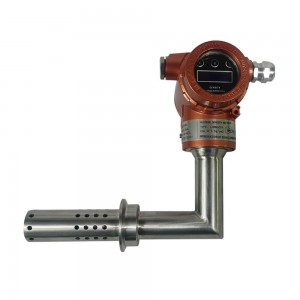
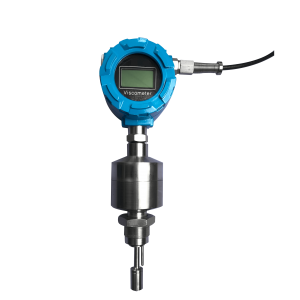
To further enhance reproducibility, always use calibrated dosing of binder and sample mass. Employ powder preparation techniques that produce particle sizes below 50 µm to reduce packing variability. Equipment such as inline density meters and viscosity meters from Lonnmeter contribute to consistent sample quality by monitoring binder-sample mixture properties before pressing, ensuring stable pellet formation processes.
Clean, controlled working environments—free from airborne particulate and residual powders—prevent external contamination and inter-pellet interference. Homogeneous binder distribution and standardized process steps substantially raise detection sensitivity in X-ray fluorescence and analytical accuracy.
Achieving Analytical Accuracy and Improved Detection Sensitivity
Homogeneity and Uniformity
Uniform pellet formation is a cornerstone of x-ray fluorescence spectroscopy, directly influencing detection sensitivity and analytical accuracy. When sample powders are finely ground and compacted with optimal binder ratios, each region of the pellet presents a consistent matrix to the incident X-rays. This uniformity ensures that absorption and scattering effects remain constant, so trace and minor elements can be detected more reliably.
Quantitatively, improvements in homogeneity yield striking gains in measurement reproducibility. For example, replicated analyses of geological pellets pressed with a polyvinyl alcohol (PVA) binder at controlled concentration demonstrate standard deviations in major element readings below 2%. In trace element assays, well-homogenized pellets minimize intensity fluctuations and reduce interference from density or particle size gradients. Experimental data confirm that pressed pellets consistently outperform loose powders, with enhanced sensitivity for low-concentration elements (such as fluorine or sodium) and highly stable calibration curves. As pellet uniformity increases, random and systematic errors arising from sample heterogeneity are minimized, raising confidence in detection of both major and trace elements.
The role of liquid binder choice is central. Polyvinyl alcohol (PVA) in a rigorously controlled ratio imparts mechanical stability and ensures the uniform distribution of analyte material. Controlled concentrations—typically 20–30% by weight for the binder—prevent cracking, crumbling, and density segregation, so each pellet provides a true representation of the bulk sample. Fine grinding to sub-10 μm particle sizes followed by staged high-pressure compaction eliminates air voids and structural defects, further enhancing analytical surface integrity and reproducibility.
Statistical Validation
Validation of analytical accuracy and detection sensitivity hinges on robust statistical methods. Laboratories typically rely on repeated measurements of certified reference materials (CRMs) to quantify both precision (repeatability) and trueness (agreement with certified values). For pressed pellets exhibiting optimal homogeneity, intra-day and inter-day measurement deviations remain under 2% for major elements, confirming reliability of results for routine and trace analysis. This high precision is especially notable when using optimized PVA binder concentrations: “Improved pellet integrity and sample stability achieved with optimized PVA ratios enables repeated, accurate XRF measurements with <2% variation.”
Quantitative validation extends through the use of calibration curves constructed from multiple reference materials. These support confidence in trace- and minor-element determinations, especially in challenging matrices requiring low detection limits. Laboratories also assess critical performance criteria such as limit of quantification, repeatability, robustness to matrix effects, and selectivity, ensuring that prepared pellets sustain analytical accuracy across a wide dynamic range. Continuous validation, paired with strict control of pellet formation variables, underpins reliable, reproducible x-ray fluorescence spectroscopy for both routine monitoring and in-depth research applications.
Studies demonstrate that the meticulous application of these pellet preparation methods—especially in the blending of PVA binder, fine particle sizing, and staged pressurization—results in uniform pellets whose X-ray interactions remain constant across multiple replicates and extended analytical periods. This uniformity, statistically validated, translates to actionable improvements in sensitivity, supporting lower detection thresholds and greater confidence in trace-level elemental reporting.
Automated Dosing and Closed-Loop Control in Pellet Preparation
Automated dosing control is fundamentally transforming pellet preparation methods for spectroscopy, particularly for high-throughput x-ray fluorescence (XRF) labs. In XRF sample preparation, precise and consistent addition of binders—whether a liquid binder for pellet making or a polyvinyl alcohol (PVA) binder—directly impacts pellet formation stability factors, sample pellet integrity, and overall analytical accuracy. Automated dosing systems execute binder weighing and addition with programmed precision, which reduces both human variability and error. Such control is vital for preventing pellet cracking and maintaining reproducible density and surface quality, hallmarks of measurement reproducibility in spectroscopy.
Closed-loop control systems further raise the standard by actively monitoring and standardizing each stage of pellet pressing. These systems constantly measure process parameters—such as pressing force, dwell time, and temperature—during pellet formation. Adjustments are automatically made in real-time to maintain every pellet within strict specification windows, improving detection sensitivity in x-ray fluorescence and minimizing batch variability. For instance, control loops regulating the stickiness temperature ensure optimal inter-particle bonding, maximizing both pellet durability and reduction of binder waste.
Integrating automated weighing, dosing, and pressing operations is the cornerstone of stable, repeatable pellet pressing processes. In practical terms, the workflow begins with pre-programmed dosing modules dispensing exact amounts of binder onto the powdered sample. Robotic weighing platforms or automated carousels then confirm target weights within milligram accuracy, even accounting for challenging materials like hygroscopic or deliquescent binders. Direct handoff to automated hydraulic or servo-driven presses completes the cycle, achieving highly uniform pressure profiles and dwell times for each pellet.
This integration ensures robust reproducibility and throughput, which is especially important in large-scale XRF laboratories. By coordinating weighing, dosing, and pressing in a seamless loop, labs can produce thousands of pellets per day with minimal operator intervention. The process also supports modular expansion: high-throughput labs can configure additional dosing stations, weighing platforms, or integrated presses as demand grows.
Continuous monitoring—often supported by inline measurement tools like density meters from Lonnmeter—enables real-time feedback. This feedback locks in optimized pellet making for XRF by swiftly detecting deviations in density or binder distribution and triggering immediate corrective action before analytical drift can occur.
Automated control also delivers safer lab environments and improved repeatability when handling diverse binder types or challenging sample matrices. Consistency in binder selection for pellet stability, achieved through real-time automated workflows, translates directly into better analytical results and higher confidence in elemental quantification.
Charts and process data in recent peer-reviewed work illustrate how closed-loop and automated dosing control reduce variation in pellet density to well below 1% across large sample batches. This kind of operational stability is essential for trace-level detection and reliable comparison between runs, anchoring high-quality XRF results.
Such comprehensive integration and real-time feedback now define the state-of-the-art in pellet pressing techniques for spectroscopic analysis. Automated dosing and closed-loop control are not merely labor-saving tools; they are fundamental drivers of analytical reproducibility, quantitative accuracy, and efficient, scalable laboratory workflows.






FAQs
What is X-ray fluorescence spectroscopy and why is pellet pressing important?
X-ray fluorescence spectroscopy (XRF) is an analytical technique used to identify and quantify elements within a material by measuring the characteristic X-ray emission of atoms when excited by an external source. Pellet pressing is essential because it transforms powdered samples into dense, uniform disks, ensuring even distribution of material. The pressed pellet’s flatness and integrity minimize surface irregularities that could scatter X-rays, reducing measurement error and variability. Consistent pellet preparation improves detection sensitivity, making quantitative results from XRF more accurate and reproducible.
How does binder concentration affect pellet formation stability and sample integrity?
Binder concentration is a critical factor in pellet formation. Too little binder leads to weak pellets prone to crumbling or cracking, while excessive binder can introduce matrix effects that distort detection sensitivity and analytical accuracy in XRF. Balancing binder-to-sample ratio ensures mechanical strength and sample homogeneity. For example, optimizing starch-based binder in catalyst pellets increased strength and preserved integrity, while improper compaction reduced stability even at higher binder dosages. Consistent binder dosing using automated systems further stabilizes pellet formation, preserving sample integrity for reliable analysis.
What are the benefits of using polyvinyl alcohol (PVA) as a liquid binder in pellet preparation?
Polyvinyl alcohol (PVA) serves as an effective liquid binder for pellet making. Its water solubility and high wetting properties facilitate thorough particle dispersion and adhesion during pellet formation. Using PVA reduces the risk of substrate contamination and supports the creation of robust, non-cracking pellets. Medium molecular weight PVA improves densification, enhances green strength, and ensures uniformity even at low concentrations. Studies show that PVA not only increases compressive strength and stability but also maintains sample homogeneity—key for precise spectroscopy. The versatility of PVA across different powdered matrices makes it optimal for liquid binder-based pellet preparation methods.
How can measurement reproducibility and analytical accuracy be improved in pellet preparation?
Measurement reproducibility and analytical accuracy depend on standardizing key steps: thorough sample grinding to achieve uniform particle size; precise binder dosing for stable pellets; and consistent pressing pressure to avoid density gradients. Automatic presses reduce human-induced variability, while closed-loop control systems ensure continuous monitoring and correction of preparation parameters. Routine maintenance of dies and strict adherence to protocol increase reliability. Personnel training and strict workflow standardization are equally important to maintain repeatability in pellet pressing and sampling. These practices decisively improve analytical outcomes in XRF applications.
What steps are recommended to prevent pellet cracking during preparation for XRF analysis?
To prevent cracking, use a suitable binder such as PVA at the optimal concentration and ensure uniform mixing of powder and binder. Control pressing force to avoid excessive stresses and regulate pellet thickness and mass for even densification. Thoroughly homogenize the sample prior to pressing, and properly dry the pellet to eliminate moisture-related structural defects. Maintaining clean grinding and weighing apparatus reduces contamination, which may induce stress points resulting in cracking. Adhering to these practices not only improves pellet formation stability but also enhances sample pellet integrity and measurement reproducibility.
Post time: Dec-11-2025


