

In spent sulfuric acid regeneration, concentration monitoring determines inherent variability of spent acid feeds—characterized by fluctuations in sulfuric acid strength, impurity levels, and organic/inorganic byproducts—that threatens process stability across decomposition, oxidation, and absorption stages, compromises safety and environmental compliance through potential process upsets, corrosion, fouling, and excessive emissions, and renders outdated intermittent manual sampling/titration methods inadequate for dynamic high-throughput operations due to analytical delays, safety risks, and inefficiency; as such, real-time inline concentration monitoring via robust sensors (e.g., density or ultrasonic meters) is critical to enabling adaptive process control, sustaining target acid strengths, minimizing deviations, reducing manual intervention and operational costs, safeguarding equipment integrity, ensuring regulatory compliance, and unlocking optimal efficiency, sustainability, and safety in spent acid recycling and reuse.

Spent Acid Regeneration
*
Overview of the Acid Regeneration Process
The Fundamentals of Spent Acid Treatment
Spent sulfuric acid is generated as a byproduct in diverse industrial operations, including petroleum refining, explosives manufacturing, and titanium dioxide production. After one or more production cycles, sulfuric acid accumulates various contaminants—metals, organic residues, or chemical by-products—diminishing its effectiveness and posing substantial disposal challenges. Regenerating this spent acid has become essential across industries to mitigate the harmful impact of acid waste on soil, air, and water systems. Uncontrolled discharge can lead to persistent heavy metal pollution and introduce hazardous substances into local ecosystems, creating regulatory and public health obligations for industrial operators.
Major industrial drivers for adopting acid regeneration include reducing raw material costs, ensuring regulatory compliance, and lessening reliance on fresh acid supplies. The acid regeneration process enables industries to recover high-quality sulfuric acid, maximizing circular resource use and minimizing hazardous transport. The environmental imperative lies in preventing untreated spent acid from entering water or soil, while the operational incentive stems from maintaining uninterrupted, cost-efficient plant performance. Regeneration also supports rapid plant turnaround by ensuring a steady recycled acid supply, especially valuable in refinery alkylation or continuous process industries.
Sustainability and cost are decisive. Reusing regenerated acid delivers substantial savings over repeated purchases of virgin sulfuric acid. The process also lessens the carbon footprint and the number of hazardous waste loads requiring high-cost, regulatory-controlled disposal routes. Recent examples from titanium dioxide production confirm that advanced recovery methods not only reclaim acid but selectively extract high-value metal impurities, further enhancing both ecological and economic returns. Plants operating acid regeneration technologies over multiple years consistently report high acid purity and significant reductions in both effluent contaminant loads and raw acid consumption.
Core Steps in Sulfuric Acid Regeneration
The sulfuric acid regeneration process consists of a closed sequence of thermal and chemical treatments, each designed for targeted contaminant removal and efficient acid recovery:
Decomposition: Spent acid streams—whether from petroleum refining or metal-processing—enter a thermal decomposition furnace. Here, combustion at temperatures of 1000–1200°C breaks down sulfuric acid (H₂SO₄) into sulfur dioxide (SO₂) and water vapor. For example, in petroleum alkylation, this phase allows for the effective oxidation of organics and sulfur species, simultaneously destroying complex organic contaminants often present in spent acids from explosives or chemical fiber plants. Proper furnace design is paramount to handle varied contamination profiles and maintain safety and efficiency.
Gas Cooling and Cleaning: The hot SO₂-rich gas, emerging from the furnace, is rapidly cooled to protect downstream equipment and optimize catalyst function. This cooled gas passes through a series of scrubbers, dust collectors, and precipitators to remove particulates, residual metals, ash, and organic material. Effective gas cleaning is critical—uncontrolled carryover of impurities can deactivate downstream catalysts and violate emission standards.
Catalytic Conversion: In the catalytic section, cleaned SO₂ gas is sequentially passed over beds of vanadium pentoxide catalysts, usually in a multi-stage, horizontal configuration. The catalyst promotes the exothermic oxidation of SO₂ to sulfur trioxide (SO₃) at around 450°C and moderate pressure. This step is finely balanced: inter-stage gas cooling manages the substantial reaction heat, supporting stable conversion rates and prolonging catalyst life. The need for careful monitoring and periodic catalyst management is highlighted by the risk of poisoning from trace metals and remaining contaminants.
Absorption: The resulting SO₃ is absorbed into a circulating stream of sulfuric acid or oleum in high-efficiency absorption towers. This step produces concentrated sulfuric acid, often at or above 98% by weight, suitable for direct re-use in industrial applications. Mist eliminators and scrubbers prevent acid aerosols from escaping, helping plants meet tight environmental compliance standards.
Integrating Oxygen-Enhanced Combustion: A growing number of regeneration facilities implement oxygen enrichment—injecting oxygen into the furnace’s combustion air—to increase flame temperatures, improve fuel utilization, and ensure complete oxidation of sulfur compounds. Industry and modeling studies verify this approach shortens total processing time, supports higher throughputs, and can reduce nitrogen oxide (NOx) formation when managed correctly. Oxygen-enriched combustion not only boosts efficiency by up to 20% but can also deliver measurable emission reductions, with real-world installations showing capacity improvements and stricter compliance with SO₂ and NOx output restrictions.
Continuous sulfuric acid concentration monitoring, often using advanced sensors such as ultrasonic acid concentration meters, underpins all these stages by allowing real-time process control and rapid response to feedstream variations. Such industrial acid concentration sensors are critical for optimizing the balance between decomposition efficiency, catalyst protection, and acid product quality throughout the regeneration sequence.

Technological Advances in Acid Regeneration
Enhanced Reactor Performance and Pollutant Control
SO₂ gas scrubbing and optimized combustion remain foundational in controlling emissions and recovering sulfuric acid from industrial waste streams. Modern acid regeneration methods incorporate specialized reactor designs such as photoelectrochemical (PEC) systems and advanced catalytic bed structures. These designs intensify SO₂ conversion efficiency through mechanistic precision, allowing more effective oxidation of SO₂ to SO₃ and ultimately to sulfuric acid, while also limiting atmospheric discharge of pollutants.
SO₂ pollutant control has benefited from the integration of spray dry scrubbing (SDS), which utilizes sorbents like trona to achieve removal efficiencies up to 94% under optimized operation. In comparative studies, trona surpasses traditional sorbents such as hydrated lime and limestone in conversion rates and residue minimization, simplifying spent sulfuric acid treatment and system maintenance costs.
Combustion technology has also advanced through the adoption of oxygen-enriched burners, precision lances, and improved atomization systems. Oxygen addition to combustion air increases furnace temperatures and drives throughput, optimizing the regeneration process. For example, raising O₂ concentration up to 51% can sharply increase fuel efficiency, with best energy yields near 37% O₂ for many industrial applications. However, higher O₂ concentrations pose NOₓ emission challenges. MILD (Moderate or Intense Low-oxygen Dilution) oxy-fuel combustion addresses this, offering less NOₓ formation and better furnace temperature uniformity than conventional enriched combustion setups.
Long-term plant operation is underpinned by robust solutions such as multi-objective optimization (MOO) in catalytic reactors, engineered to balance SO₂ conversion, SO₃ productivity, and catalyst longevity. Select formulations—such as gadolinium-doped cerium oxide—have proven stable at elevated temperatures and resistant to deactivation, significantly reducing catalyst replacement frequency. This enhances reliability and lowers total operating costs, ensuring acid regeneration methods for industrial use remain sustainable and cost-effective.
Impurity Management and Product Quality
Impurities—organics, metal ions, and other contaminants—can compromise both system integrity and product quality in spent sulfuric acid recycling and reuse. New spent acid recovery solutions emphasize targeted, high-efficiency impurity removal by leveraging adsorptive and extractive methods. For example, natural zeolites excel at stripping heavy metals like iron and copper from technical-grade sulfuric acid, achieving over 95% removal within just minutes of contact. Mechanistic studies attribute this to rapid ion exchange and isomorphous substitution, protecting downstream equipment from fouling and corrosive wear.
Two-step solvent extraction systems further refine product quality. These enable near-total separation of sulfuric acid from problematic metals such as vanadium (>99% efficiency for both), even in complex acid mixtures such as those encountered in titanium dioxide manufacture. These protocols, backed by thermodynamic modeling and spectroscopic validation, consistently yield acid of high purity suitable for direct reuse.
Process simulation models—especially those comparing azeotropic distillation and multi-effect evaporation—guide the design of recovery plants toward minimal energy input, optimal impurity rejection, and reduced contaminant volatilization. Analyses confirm that triple-effect counter-current evaporators most efficiently concentrate regenerated acid without sacrificing product quality.
Quality assurance hinges on continuous sulfuric acid concentration monitoring within the regeneration loop. Inline, real-time measurement technologies—combining density and sound velocity sensors—allow process managers to precisely track acid strength. This industrial acid concentration sensor approach outperforms discontinuous manual sampling, especially when controlling quickly fluctuating flows in spent acid recycling streams. For example, plants equipped with Lonnmeter inline density meters benefit from unbroken data on acid concentration, facilitating immediate correction of deviations and safeguarding compliance with industrial quality standards.
Additionally, ultrasonic acid concentration meter benefits include robust, maintenance-light operation and reliable output in challenging industrial environments, making them integral to real-time acid concentration monitoring systems. By maintaining strict process control and supporting full-range acid regeneration, these technologies directly enable consistent, high-quality regenerated sulfuric acid fit for demanding industrial applications.
The Need for Continuous Acid Concentration Monitoring
Variability in the composition of spent acid feeds is a defining operational challenge in industrial acid regeneration. Feed streams can fluctuate noticeably in sulfuric acid strength, impurity content, and the presence of organic or inorganic byproducts. This variability undermines process stability at each major stage: decomposition, oxidation, and absorption. For instance, inconsistent acid strength or contamination levels disrupt decomposition kinetics and resulting SO₂/SO₃ equilibria, leading to swings in plant throughput, yield, and product purity. These fluctuations drive up energy consumption and the use of consumables, contribute to corrosion and fouling, and complicate both emissions management and equipment maintenance. Material and operational costs become harder to predict, requiring more flexible process designs and adaptive operating strategies.
Controlling spent sulfuric acid concentration is also central to safety and environmental compliance. Suboptimal acid strength at any stage can precipitate process upsets—either insufficient regeneration, generating off-spec acid, or overheating and over-concentration, increasing the risk of emission surges and acute corrosion events. Excessively dilute conditions further threaten downstream utility by promoting equipment fouling or loss of process control. Without prompt correction, these deviations not only impact economic performance, but also faciliate regulatory breaches through excess SO₂ or acid mist emissions.
Manual sampling and laboratory titration have long been used for monitoring, but these intermittent methods are ill-suited to dynamic, high-throughput operations. Delays between sampling and analysis often leave operators reacting to outdated data, intensifying both the risk of process inefficiency and exposure to hazards. Furthermore, the manual approach leads to unnecessary human intervention in hazardous environments, raising safety concerns and labor costs.
Modern industrial acid regeneration increasingly depends on real-time acid concentration data to maintain optimal operation. Inline, robust process sensors—such as density or ultrasonic concentration meters—deliver continuous, high-frequency measurements that track true acid concentration as process conditions evolve. Real-time data enables immediate adjustment to dosing strategies, recycling rates, and neutralization steps. This adaptive control approach sustains target acid strengths and minimizes deviation, directly impacting product quality and maximizing recovery yields.
Accurate, continuous monitoring grants several process and economic benefits. With live concentration readings, plant personnel can eliminate most manual sampling, focusing attention on exceptions and maintenance rather than repetitive checks. Consistency in acid strength reduces burdens on dosing and neutralization systems, leading to tighter process control, higher product uniformity, and lower risk of process upsets or unplanned downtime. The threat of accelerated corrosion is diminished, as equipment is protected from excursions beyond design acid concentration limits, safeguarding heat exchangers, absorbers, and storage tanks from premature failure.
Moreover, real-time monitoring supports emissions reduction and regulatory compliance. Continuous acid concentration control ensures that exhaust gases and liquid effluents do not exceed permitted thresholds. Comprehensive sensor records can be integrated with plant data management systems for regulatory reporting, ensuring traceability and rapid audit response.
The operational advantages become tangible when monitoring technologies are specifically engineered for chemical service. For example, non-stop inline density meters (as produced by Lonnmeter) are constructed with acid-resistant materials suitable for the demanding sulfuric acid regeneration process. They offer resilience to both mechanical and chemical stress, maintaining accuracy across the full acid strength range and requiring minimal intervention for recalibration or fouling removal. Unlike legacy techniques such as refractive index measurement, density-based instruments are less impacted by feed impurities, temperature swings, or the presence of organic contaminants, making them ideal for spent acid recovery applications . Chart 1 below illustrates how inline acid concentration measurement responsiveness compares to periodic manual titration:
By integrating advanced industrial acid concentration sensors, sulfuric acid regeneration plants are able to operate more efficiently, sustainably, and safely, laying the groundwork for industry-standard performance in spent acid recycling and reuse.

Ultrasonic Concentration Meters in Acid Regeneration
Working Principles and Deployment
Ultrasonic concentration meters determine sulfuric acid concentration by transmitting ultrasonic pulses through the process liquid. The speed at which these waves travel depends on the medium’s density and the speed of sound, both of which vary with acid concentration. By accurately calculating the transit time difference between ultrasonic pulses, the meter derives concentration values continuously and with high precision. Since ultrasonic sensors often use clamp-on transducers mounted outside the pipe or vessel, they are non-intrusive and avoid direct contact with the process fluid. This is vital in acid regeneration processes where corrosion, chemical attack, and aggressive vapors rapidly degrade traditional probe-based instruments.
Such non-contact ultrasonic technology is especially well-suited for harsh, corrosive environments typical of sulfuric acid systems. Materials selection for sensor housings is critical, favoring robust options such as PTFE or PVDF to further enhance resistance, but the key innovation is the absence of wetted parts altogether. This design not only reduces the risk of sensor degradation or failure but also minimizes contamination and the need for frequent part replacement.
In comparison, traditional acid concentration measurement methods—such as differential pressure or nuclear density meters—require probe insertion or direct media exposure. This exposes sensitive parts to corrosion, increases the risk of leaks, and typically results in shorter service life, more regular maintenance, and greater process downtime. Nuclear density meters can also pose significant safety and regulatory burdens due to their reliance on radioactive sources. Ultrasonic meters, by contrast, operate maintenance-free and don’t require process interruptions for installation or servicing, greatly benefiting continuous sulfuric acid concentration monitoring and spent acid recycling applications. Multiple case studies confirm these claims, showing that ultrasonic systems have successfully outperformed older technologies in both reliability and accuracy in fertilizer and chemical plants.
Integration with Plant Process Controls
Sensor placement and installation directly impact the accuracy and stability of ultrasonic measurement in industrial acid concentration sensors. Clamp-on transducers are typically installed on straight pipe runs or tanks, avoiding turbulent flow zones, elbows, or flanges that could affect reading integrity. The recommended installation location should allow for representative sampling of the circulating acid and easy physical access for any inspection while protecting sensors from vibration and impact.
Ultrasonic sensors provide real-time digital outputs—such as 4–20 mA, Modbus, or Profibus—that seamlessly integrate with distributed control systems (DCS), programmable logic controllers (PLC), and plant monitoring platforms. This enables continuous sulfuric acid concentration monitoring and automatic feedback to critical control loops. Integration minimizes the need for manual sampling and intervention and supports spent sulfuric acid treatment techniques, including dilution, neutralization, or reclamation steps.
Customization for specific concentration ranges and different acid types is routine; sensor signal processing can be tailored to measure from dilute spent acid recovery solutions up to high-purity acid regeneration methods for industrial use. For example, calibration curves are programmed for process-specific concentration windows to ensure precision and repeatability, even as acid quality or temperature fluctuates. Lonnmeter’s ultrasonic sensors, being entirely hardware-based, offer the advantage of adaption via plant-side configuration without employing external software or requiring complex system integration.
Performance, Maintenance, and ROI
Ultrasonic acid concentration meters provide accuracy levels up to ±0.1%—suitable for both high-purity and dilute acid service. Their immediate response and digital output guarantee timely data for real-time acid concentration monitoring systems. Because there are no transmission delays or sampling bottlenecks, process deviations are detected and corrected quickly, improving spent acid recycling and reuse outcomes and minimizing quality risks.
The maintenance advantages are substantial. Externally mounted designs eliminate the need to open process lines or vessels for calibration, cleaning, or sensor replacement. Routine tasks are simple: periodic sensor cleaning (if necessary), alignment checks, and basic electronics calibration. There is no risk of sensor fouling by acid vapor or solution, which plagues traditional wetted sensors. Best practices stress verifying the clamp’s mechanical integrity and sensor positioning; if sensor faces are kept clean and undamaged, measurement drift remains negligible over time.
The economic impact of ultrasonic concentration meters is significant. By reducing unplanned downtime and maintenance, plants experience higher uptime and fewer process interruptions. Inline, real-time monitoring prevents the overuse or loss of valuable acids, directly reducing chemical waste, optimizing yield, and keeping spent acid recovery solutions within target parameters. Plants also report savings from reduced labor hours, minimized safety hazards, and avoidance of regulatory penalties related to leaks, exposure, or radioactive source handling. Overall, these factors deliver a rapid return on investment and long-term operational efficiency. For visual clarity, the chart below summarizes the key differences in maintenance and performance between ultrasonic and traditional acid concentration meters:
| Measurement Technology | Annual Maintenance (hours) | Typical Uptime (%) | Accuracy (% concentration) | Intrusion to Process |
| Ultrasonic (Clamp-on) | < 10 | 99+ | ±0.1 | None |
| Differential Pressure | 40–60 | 90–95 | ±0.3–0.5 | Yes |
| Nuclear Density | 30–50 | 92–96 | ±0.3–0.5 | Yes |
These values highlight the operational and economic advantages for sulfuric acid regeneration process control and optimization—reinforcing why non-intrusive ultrasonic meters are increasingly favored in demanding acid environments.
Sustainability, Safety, and Compliance in Spent Acid Treatment
Pollution Control and Emission Reduction
Continuous sulfuric acid concentration monitoring is central to reducing environmental and workplace hazards during spent acid treatment. Inline industrial acid concentration sensors, such as ultrasonic and density meters manufactured by Lonnmeter, provide real-time data essential for controlling spent sulfuric acid regeneration processes. By enabling operators to maintain target acid concentrations, these sensors minimize the formation of SO₂, NOₓ, and particulate emissions commonly associated with improper acid process control.
The relationship between acid concentration and emission generation is direct: over-concentrated or under-concentrated acid streams result in inefficient regeneration, increasing off-gas volumes, and leading to higher SO₂ and NOₓ releases. Effective spent acid recycling and reuse methods, when paired with continuous monitoring, make emission reduction more reliable. For example, data-driven adjustments automatically regulate feed rates and combustion parameters, mitigating the risks of both over-oxidation (resulting in more NOₓ) and incomplete oxidation (increasing SO₂).
Real-time acid concentration monitoring systems also benefit workplace safety. By minimizing off-spec products and process upsets, they reduce the risk of hazardous accidental releases or operator exposure to acid mist and noxious gases. Cleaner operation supports better air quality within the plant, directly benefiting on-site personnel health .
Accurate, inline ultrasonic acid concentration meters ensure that acid regeneration methods for industrial use remain within safe and efficient operating windows. These ultrasonic continuous acid concentration measurement techniques are resistant to contamination and are maintenance-light, fostering stable, long-term emission reductions in compliance-sensitive environments.
Supporting Regulatory and Environmental Objectives
Automated monitoring directly supports compliance with air quality and waste handling regulations in acid regeneration. Authorities such as the U.S. EPA demand comprehensive emission records and protocols that only continuous monitoring can reliably supply . Inline sensors generate robust datasets documenting every stage of the spent sulfuric acid treatment process, simplifying regulatory reporting by converting real-time measurements into verifiable documentation.
This data-driven approach eliminates much of the subjectivity and manual error inherent in periodic sampling methods. Automated systems enable instantaneous alerts for parameter deviations, supporting preventive intervention before emissions violate permitted thresholds. This level of transparency and traceability is necessary to satisfy tightening global regulations on SO₂, NOₓ, particulate matter, and hazardous waste discharge.
Compliance is not restricted to air emissions. Accurate records of spent acid recycling and reuse ensure hazardous materials are not inadvertently released to wastewater or solid waste streams. Automated monitoring also makes it feasible to comply with additional local regulations around resource recovery and emission trading schemes, particularly where real-time data is required for regulatory verification.
By producing detailed, time-stamped logs, inline monitoring meets regulatory requirements for both control and documentation. This integrated approach to compliance supports industry sustainability goals, strengthens public trust, and protects ecosystem health while ensuring the economic viability of acid regeneration operations.
Continuous sulfuric acid concentration monitoring in acid regeneration processes represents a foundational element in achieving operational, environmental, and financial success. Digital advancements have raised expectations for efficiency, compliance, and resource stewardship, with real-time acid concentration monitoring systems now central to modern spent acid recycling and reuse.
Operationally, integrating industrial acid concentration sensors—especially ultrasonic acid concentration meters—enables precise, uninterrupted process control. This supports sulfuric acid regeneration process optimization by keeping acid concentration within tight thresholds. Facilities equipped with inline measurement experience minimized acid losses, reduced downtime, and a marked drop in manual sampling needs. Automated adjustment of process parameters ensures consistent end-product quality and improved worker safety by decreasing manual exposure to hazardous acids. Studies show that plants utilizing continuous monitoring can see a 5–10% reduction in unrecuperated acid and improved throughput, maintaining yield at optimal levels—evidence of substantial efficiency gains.
Environmental performance improves as these monitoring techniques allow better spent sulfuric acid treatment. Secure real-time records support rapid remediation and regulatory documentation, contributing to safe effluent handling and decreased risk of accidental discharge. Continuous monitoring at key points prevents overuse of reagents and detects anomalies before environmental harm occurs. Such systems are vital for ensuring acid recovery aligns with sustainability and circular economy goals through minimized waste and maximized usable output.
Financially, the adoption of ultrasonic acid concentration meters delivers direct and indirect savings across the process chain. These externally mounted, non-intrusive devices—such as those provided by Lonnmeter—sidestep corrosion issues common to wetted sensors and reduce maintenance requirements and operational expenses. Their installation is swift; no process shutdowns are needed, and reliable operation means both fewer unscheduled events and longer equipment lifetime. Investment in such technology is generally recouped through reduced chemical consumption, lower waste treatment liabilities, and improved instrument longevity.
In contemporary acid regeneration methods for industrial use, the essential role of ultrasonic acid concentration measurement cannot be overstated. These advanced solutions underpin predictive maintenance strategies, automate compliance reporting, and support plant digitalization initiatives. By facilitating continuous, real-time spent acid recovery solutions, facilities gain competitive advantages—improved yields, reduced costs, enhanced safety, and environmental reputation—all underscored by reliable, accurate measurement.
With the growing need for spent acid recycling and environmental accountability, real-time acid monitoring is now a strategic must-have, converting compliance burdens into operational leverage. Plants implementing inline measurement technology, exemplified by solutions from Lonnmeter, position themselves for enduring leadership in resource efficiency and process excellence. Continuous acid concentration monitoring is vital in acid recovery, supporting efficiency and product quality.






FAQs
What is the acid regeneration process and why is it important?
The acid regeneration process refers to a sequence of industrial operations designed to recover and purify spent sulfuric acid, transforming it into fresh acid suitable for reuse. This process is integral across sectors such as refineries, fertilizers, and chemical manufacturing to enable spent acid recycling and reuse, significantly reducing chemical waste and costs. It cuts reliance on new acid supplies and mitigates the environmental impacts associated with acid disposal, emission reductions, and pollution prevention. With growing regulatory and sustainability requirements, these acid regeneration methods for industrial use have become key to ecological compliance and operational efficiencies.
How does sulfuric acid regeneration remove impurities from spent acid?
Spent sulfuric acid typically contains dissolved metals, organic compounds, and particulates. The regeneration process encompasses several stages: First, thermal decomposition combusts the spent acid, producing sulfur dioxide. Next, catalytic conversion oxidizes sulfur dioxide to sulfur trioxide, followed by absorption, where sulfur trioxide is absorbed in water or dilute acid to form highly purified sulfuric acid. Gas cleaning before and after catalytic conversion removes residual particles and unwanted gases. Each stage targets specific classes of impurities, delivering high-purity acid even for demanding applications such as electronics manufacturing.
What role does continuous acid concentration monitoring play in spent acid treatment?
Continuous sulfuric acid concentration monitoring is essential for process integrity and product consistency. By providing real-time acid strength data, it enables operators to control chemical reactions tightly, prevent excursions that could corrode equipment, and maintain acid purity within defined specifications. Continuous monitoring supports compliance with environmental and safety regulations by reducing risk of hazardous leaks or over-concentration. It also underpins predictive maintenance, allowing for early intervention before costly unplanned shutdowns. This constant data stream is particularly valuable for spent sulfuric acid treatment techniques, as precise control is vital during high-temperature cleavage, catalytic oxidation, and final absorption steps.
How do ultrasonic concentration meters work in acid regeneration plants?
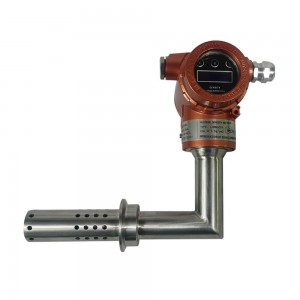
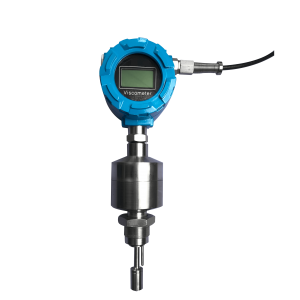
Ultrasonic acid concentration meters operate using sound wave transmission. The meter emits ultrasonic pulses through the process fluid; the speed and attenuation of these waves are directly correlated with sulfuric acid concentration. Data is processed continuously, yielding accurate, real-time measurements of acid strength even in highly corrosive environments, where conventional probes would degrade rapidly. Their non-invasive nature minimizes maintenance needs and extends service intervals, reducing downtime and operational costs. These meters are particularly suited for sulfuric acid regeneration process control, delivering long-term reliability and stable performance without frequent recalibration. Lonnmeter specializes in manufacturing these robust inline density and viscosity sensors for industrial acid concentration measurement.
Why is continuous acid concentration monitoring preferred over manual sampling in sulfuric acid regeneration?
Continuous acid concentration monitoring enhances operational safety, efficiency, and regulatory compliance compared to manual sampling. Manual methods are slow, labor-intensive, and pose exposure risks to staff. They provide only intermittent snapshots, risking undetected process deviations that can compromise product quality or plant safety. In contrast, real-time acid concentration monitoring systems detect anomalies instantly, trigger interventions when needed, and maintain process records vital for audits. Automated systems also improve process yield by optimizing reaction conditions, resulting in higher purity and reduced waste. This is especially significant in spent acid recovery solutions, where process stability directly impacts both environmental outcomes and production economics.
Post time: Dec-15-2025


