

Understanding Enteric Coating in Pharmaceuticals
Enteric coating is a specialized, polymer-based film applied to oral dosage forms—most commonly drugs in tablet, capsule, or pill format. It serves to shield the medication from the highly acidic environment of the stomach (pH 1–3), ensuring drug release only in the more neutral or alkaline conditions found in the intestines (pH ≥ 5.5–7). This barrier is fundamental for protecting acid-sensitive drugs, minimizing gastric irritation, and directing drug delivery to targeted intestinal regions.
What Is Enteric Coating?
- Definition: Enteric coating drugs utilize a water-insoluble protective layer that withstands stomach acidity but rapidly dissolves or becomes permeable at intestinal pH.
- Common Materials: These coatings frequently use methacrylic acid copolymers, hydroxypropyl methylcellulose (HPMC), cellulose acetate, polyvinyl acetate, or blends of natural polymers like alginate and pectin.
- Protection from Acidity: Many pharmaceuticals are labile in acidic conditions. Enteric coatings mitigate premature hydrolysis, oxidation, or crystallization of active ingredients while passing through the stomach .
- Targeted Delivery: By remaining intact until reaching the duodenum or farther along the gastrointestinal tract, enteric coated tablets ensure drugs are absorbed at optimal sites, enhancing both efficacy and bioavailability.
Purpose: Protecting Drug Integrity and Targeted Release

Enteric Coated Tablets and Capsules for Enhanced Drug Delivery
*
Dosage Forms: Enteric Coated Pills, Tablets, and Capsules
- Monolithic Forms: These include single-unit systems such as enteric coated pills, tablets, and capsules. Methacrylic acid copolymers are often the preferred choice for these applications due to proven acid resistance.
- Multiparticulate Systems: Enteric coating is also applied to pellets, granules, or microcapsules. This approach can lead to more uniform drug release and reduced batch variability, which is vital for generics and specialized products.
- Examples:
- Pantoprazole Tablets: Enteric-coated for delayed release, protecting the proton pump inhibitor from gastric degradation.
- Microencapsulated Plant Protein Systems: Coated for protection and targeted nutrient delivery.
Prevention of Premature Drug Release in Acidic Environments
Enteric coatings rely on pH-triggered mechanisms for drug protection:
- Polymer Insolubility at Low pH: The polymer matrix is engineered to stay intact in stomach acid. For example, methacrylic acid copolymers only dissolve when the pH rises above 5.5—the typical pH of the upper intestine.
- Physical Occlusion and Smart Systems: Advanced devices use mesoporous silica or 3D-printed shells to further prevent release until specific pH thresholds are met.
- Plasticizers & Additives: Compounds like Polysorbate 80 increase flexibility and optimize the release profile, ensuring the coating remains effective and uniform during production and storage.
Coating Uniformity and Testing
Coating uniformity is critical. Irregularities can lead to premature dissolution, loss of drug efficacy, or increased side effects. Industry utilizes commercial inline viscosity measurement systems for pharmaceuticals to maintain consistent coating viscosity—a key process variable monitored through continuous viscosity measurement and inline viscosity monitoring for coatings. Ideal coating viscosity for enteric tablets is essential for film clarity, adhesion, and functional performance.
In summary, enteric coating sustains drug integrity and controlled release, harnessing both material science and manufacturing precision. Enteric coating benefits support improved drug stability, reliable absorption, and safer oral therapy.
Key Properties Required for Effective Enteric Coating
Acid Resistance and Protection Threshold
To successfully shield active pharmaceutical ingredients from stomach acid, enteric coated tablets must form a durable, acid-resistant barrier. This barrier prevents premature drug release and degradation in gastric conditions. Functional polymers within the coating matrix remain insoluble at low pH (1–3), dissolving or dispersing only when exposed to the higher pH of the intestine (typically pH ≥ 5.5–7). For instance, blends such as alginate and pectin—especially when combined with glycerol monostearate (GMS)—have been shown to retain their integrity and prevent drug release for up to 2 hours in simulated gastric fluid, responding rapidly once intestinal pH is reached. Such results are congruent with United States Pharmacopeia (USP) delayed-release requirements, ensuring targeted drug delivery and minimizing gastric side effects.
Critical Minimum Coating Thickness for Efficacy
The effectiveness of enteric coatings is directly linked to the thickness of the applied film. Insufficient coating allows acid ingress, undermining protection. Advanced imaging methods such as optical coherence tomography (OCT) have established a critical threshold—approximately 27.4 µm—for reliable acid resistance on enteric coated pills. Commercial polymers often require even higher minimum thicknesses: Acryl-Eze® (68 µm), Aquarius™ ENA (69 µm), and Nutrateric® (65 µm). Below these values, the risk of acid permeation and premature drug release is significant. OCT enables non-destructive, real-time assessment of coating build-up during the enteric coating process steps, supporting reproducibility and regulatory compliance.
Importance of Coating Uniformity and Density
Uniformity in coating thickness, both within and between tablets, is paramount for predictable tablet performance and drug release profiles. Variances in thickness can cause some units to fail gastric resistance (if under-coated) or delay release excessively (if over-coated). Coating density complements thickness by influencing the permeability and dissolution rate of the film. Denser coatings—typically resulting from optimally chosen excipients and viscosity control—lead to reduced porosity and more robust acid protection. Innovations such as inline viscosity monitoring for coatings and continuous viscosity measurement in drug manufacturing now enable tighter process controls, minimizing intra- and inter-batch variability.
Common Excipients and Film-Forming Agents Used in Enteric Coated Tablets
Film-Forming Polymers
The film-forming polymer is the foundation of any enteric coating, responsible for pH-selective solubility:
- Methacrylate Polymers (e.g., Eudragit® L100, S100): Dissolve at pH above 6.0/7.0, widely used due to precise pH thresholds and strong acid resistance.
- Polyvinyl Acetate Phthalate (PVAP): Offers robust gastric protection, especially suitable for delayed-release products.
- Natural Polymers: Alginate, pectin, shellac, and carboxymethyl starch (CMS) are “green” alternatives with proven acid resistance. Advances in natural excipients address both sustainability and patient safety.
Plasticizers and Additives
Plasticizers such as glycerol, sorbitol, PEG 3350, and triacetin modulate film flexibility, prevent cracking, and support processability:
- PEG 3350: Maintains chemical stability, prevents leaching, and improves amorphous drug stabilization.
- Triacetin: Increases film flexibility but can migrate into the tablet core, sometimes destabilizing sensitive actives.
- Glycerol/Sorbitol: Particularly effective in natural polymer systems to improve elasticity and workability.
- Glycerol Monostearate (GMS): Enhances hydrophobicity, dramatically improving acid resistance in natural polymer-based coatings.
- Other Additives: Colorants, anti-tacking agents, and pore formers (e.g., talc, titanium dioxide, polysorbates) provide functional and processing benefits.
Acid Resistance Enhancers and Functional Additives

Challenges in Achieving Coating Uniformity and Optimal Performance
Intra-Tablet and Inter-Tablet Variability in Coating Thickness
Achieving consistent coating thickness on enteric coated tablets is critical. Intra-tablet variability denotes thickness differences across a single tablet, while inter-tablet variability measures differences between tablets in a batch. Both contribute to final product performance.
Impact of Non-Uniform Coatings on Drug Release and Efficacy
Non-uniform enteric coatings directly affect drug release profiles. Variations in thickness can erode acid resistance, resulting in premature drug release. For example, an enteric coating on abiraterone acetate increased systemic exposure by 2.6-fold compared to non-coated forms, linked to improved gastric protection. Conversely, poorly uniform coatings in pantoprazole tablets caused inconsistent functionality and bioavailability, particularly between generic and branded products.
Drug release from coated pellets is sensitive to the thickness and composition of polymer films. Longer coating times and higher atomizing pressures can yield thicker films, but uneven application leads to unpredictable release kinetics.
Environmental Process Factors: Humidity, Temperature, Drying Conditions
Environmental parameters during and after the enteric coating process have profound impacts on coating uniformity and integrity. High drying temperatures and low humidity accelerate drying but increase risks of crack formation and surface corrugation. Rapid drying often leads to structural defects, including brittle fracture or shrinkage, especially in plant-based capsules and protein films.
Post-coating storage conditions also matter. High-humidity environments at low temperatures promote brittle fracture, while high humidity at elevated temperatures can cause fusion and sticking of the coating. Techniques such as scanning electron microscopy (SEM) and X-ray computed tomography (CT) reveal that microscopic cracks or fusion directly translate into compromised barrier function and altered drug release profiles.
Role of Formulation Parameters (Polymer Type, Plasticizer, Solvent)
Enteric coating formulation determines both physical performance and drug release characteristics. The choice of polymer structures—cellulosic, acrylic-based, or synthetic types like PLGA—affects acid resistance and mechanical integrity. Plasticizers enhance flexibility and reduce the risk of cracks. Hydrophilic plasticizers (PEG 400, PEG 6000) increase permeability but may compromise acid resistance by acting as pore-formers, slowing intended drug release. Hydrophobic plasticizers (e.g., dibutyl sebacate, acetyl tributyl citrate) better maintain film coherence and barrier properties.
Solvents influence application and drying kinetics. Isopropyl alcohol–water mixtures promote homogeneous film formation with ethylcellulose-hypromellose matrix systems. The ratio and type of solvent must align with polymer and plasticizer choices to maximize coating uniformity, control permeability, and preserve acid resistance.
Matching polymer, plasticizer, and solvent systems is essential to optimize enteric coating benefits. The pharmaceutical industry relies on meticulously balanced formulations to assure performance across a variety of enteric coated tablets, pills, and complex oral dosage forms. Real-time inline viscosity measurement and monitoring further enable precise control of coating viscosity, ensuring the ideal coating viscosity for enteric tablets and facilitating coating uniformity testing in pharmaceuticals.
The Enteric Coating Process
Step-by-Step Enteric Coating Process Overview
Preparation of Coating Solution
Manufacturing enteric coated tablets, pills, and multiparticulate drug systems begins with careful selection of polymers and plasticizers. Common enteric polymers include cellulose derivatives and methacrylate-based materials such as DRUGCOAT® L 100-55. Plasticizers like triethyl citrate (TEC), polyethylene glycol (PEG 400, 6000), diethyl phthalate, and triacetin are incorporated to enhance film flexibility and mechanical strength. The solution preparation involves dissolving or dispersing polymer and plasticizer in water or organic solvent, with thorough mixing to achieve ideal coating viscosity for enteric tablets, typically between 50–100 cP depending on spraying technique and atomization requirements. Continuous viscosity measurement in drug manufacturing—using commercial inline viscosity measurement systems for pharmaceuticals—ensures batch-to-batch consistency and optimal film-forming performance. Inline viscosity monitoring for coatings reduces risks of non-uniformity and prevents adhesion problems.
Application Techniques: Pan Coating and Fluidized Bed Coating
Coating is applied by either pan coating or fluidized bed techniques, selected based on product type and desired film attributes.
Pan Coating: Tablets are placed within a perforated or plain pan that tumbles while the coating solution is sprayed in pulses. Hot air is blown to promote rapid drying. Pan coating is suitable for enteric coated tablets and pills but can result in variable coating thickness and is less optimal for multiparticulate systems. Uniformity relies on consistent pan speed, spray rate, and temperature control.
Fluidized Bed Coating: Tablets or pellets are suspended in an upward stream of heated air while the atomized coating solution is sprayed. Configurations include top spray, bottom spray (Wurster process), or tangential spray. Fluidized bed coating allows for better control over film thickness and uniformity, making it preferable for enteric coating drugs requiring precise release profiles. Innovations like rotary fluidized bed (RFB) systems enhance handling of complex pellet formulations. Coating uniformity testing in pharmaceuticals is routinely performed during and after application to confirm even distribution and adequate coverage.
Drying and Curing: Effects on Uniformity, Density, and Acid Resistance
Once the coating is applied, the tablets undergo drying and curing to stabilize the film. Drying parameters—temperature, humidity, airflow—are critical to film formation and must be tightly controlled. Curing involves subjecting the coated tablets to elevated temperature and/or humidity for a specified period (static: up to 24 hours, dynamic: 3–4 hours). This process improves polymer chain coalescence, increases tensile strength, and enhances acid resistance of the enteric layer.
Drying and curing times affect coating density and uniformity. Incomplete curing may result in poor protection against gastric acid, compromising drug delivery. Conversely, extended curing can reduce water diffusivity through the film, further improving acid resistance. At intermediate coating levels (thickness ≈ 7.5%), curing duration has modest impact, while low or high levels demand precise control. Regular inline monitoring of film thickness and composition ensures that coating meets targeted specifications.
Critical Process Control Parameters (CPK)
Process control in enteric coating focuses on several critical process parameters that affect final product quality:
- Inlet airflow: Regulates drying rate and film formation.
- Pan speed (in pan coating): Influences coating uniformity and material exposure.
- Air temperature: Directly affects solvent evaporation and polymer coalescence.
- Coating time: Determines total film deposition and thickness.
- Atomization pressure: Controls droplet size and coating spread—most significant for content uniformity.
- Fan pressure: Impacts suspension of tablets in fluidized bed processes.
Statistical process control tools like Plackett-Burman design identify the most impactful parameters. Routine calibration of equipment and continuous viscosity measurement maintain consistency. For example, drug loading consistency in enteric coated pills is highly dependent on stable pan speed and well-controlled spray rates. Coating viscosity control via inline measurement prevents deviations during manufacturing.
Ensuring Stability and Protection Over Product Shelf Life
Long-term stability of enteric coating drugs is essential for maintaining delayed-release functionality. Quality control includes analytical methods such as:
- Dissolution testing: Ensures acid resistance and confirms drug release at the targeted intestinal pH.
- Thickness measurement: Verifies adequate and uniform application of enteric film.
- Environmental monitoring: Maintains appropriate humidity and temperature during storage and manufacturing.
- Differential Scanning Calorimetry/Thermogravimetric Analysis: Evaluates film structure changes over time.
Adherence to regulatory guidelines (GMP, FDA, ICH Q8/Q9) is mandatory throughout validation, manufacturing, and quality oversight. Documentation of critical process control parameters and regular batch review safeguard product integrity. Example: In comparative stability studies of enteric coated tablets, dissolution profiles and physical integrity of the coating are monitored for up to 24 months to confirm shelf life requirements are met.
Process optimization, robust equipment calibration, and continuous inline viscosity monitoring enable consistent manufacturing and reliable enteric coating benefits for oral drugs.
Learn About More Density Meters


More Online Process Meters


The Importance of Coating Viscosity in the Enteric Coating Process
Coating viscosity is the measure of a solution’s resistance to flow, and it is foundational in enteric coating drugs and their uniform protection. Viscosity control ensures reproducible film coverage, thickness, and acid resistance for enteric coated tablets and pills. An ideal coating viscosity for enteric tablets permits consistent application without sagging, uneven distribution, or process interruptions, directly influencing coating uniformity and performance.
Impact of Coating Viscosity on Uniform Coating
Proper viscosity is pivotal for achieving uniformity in the enteric coating process. Uniform coatings allow for controlled drug release and robust acid protection – core enteric coating benefits. When viscosity is too low, the coating liquid may run or sag, leading to thin spots or incomplete coverage; too high, and it could clog atomizers or prevent even spreading, generating coating defects or rough films. Techniques such as terahertz pulsed imaging (TPI) and Raman mapping measure and assess coating uniformity, detecting suboptimal viscosity-related issues such as variable thickness and density across tablet surfaces. Studies confirm that higher viscosity solutions, especially those containing higher molecular weight polymers, produce films with greater thickness consistency and reduced defect rates, enhancing acid resistance and delayed drug release performance.
Relationship Between Coating Viscosity and Film Properties
Coating viscosity directly shapes film properties such as density, thickness, uniformity, tensile strength, and permeability. Dense, well-formed films result from optimally viscous formulations, which prevent premature swelling, erosion, or failure in simulated gastrointestinal fluids. Excessively low viscosity can cause poor mechanical properties and weak acid resistance, while films cast at high viscosity demonstrate enhanced structural integrity and barrier function. Plasticizer content and polymer grade dictate the rheology of the coating—their balance affects final film integrity. For example:
- Pantoprazole tablets: Viscosity influences thickness and density, thereby affecting delayed release qualities and dissolution profiles.
- Chitosan/zein films: Increased plasticizer lowers viscosity and modulus, increasing flexibility but decreasing barrier properties.
Uniformity testing in pharmaceuticals regularly employs imaging (TPI, SEM) and Raman mapping to verify the link between viscosity, film properties, and reliable enteric performance.
Factors Influencing Coating Viscosity
Formulation
Formulation is the leading determinant of viscosity. Higher polymer concentrations increase solution viscosity, producing physically robust and uniform films. Plasticizers—such as glycerol, PEG-400, and sorbitol—modify viscosity by increasing molecular mobility and enhancing flexibility, though excessive amounts may compromise barrier function.
- Example: In sodium alginate coatings, the percent of glycerol or PEG-400 alters viscosity, thereby tuning the wettability, stability, and final thickness of the coating.
Temperature
Temperature exerts robust control over viscosity. Increasing temperature generally lowers viscosity, improving flow and atomization in coating equipment. Melt viscosity models (Carreau and Arrhenius equations) describe how pharmaceutical coating mixes respond to temperature shifts, impacting the film formation dynamics. However, excessive temperature may over-thin the preparation, causing coating irregularities or degrading sensitive drugs.
- Example: Eudragit L 100-55 coatings show lower viscosity and improved film formation at raised temperatures, provided plasticizer levels are well controlled.
Batch Variations
Batch-to-batch variability affects viscosity, and therefore enteric coating uniformity. Raw material differences (particle size, polymer grade) and process conditions can shift solution or melt viscosity between production runs, threatening reproducibility. Inline viscosity monitoring for coatings—using process analytical technology (PAT)—helps track and adjust process deviations in real time, supporting continuous viscosity measurement in drug manufacturing.
- Example: Sodium alginate tablets from different batches can vary in swelling and erosion rates due to viscosity grade fluctuations, affecting overall drug release.
Coating viscosity control—encompassing formulation, temperature, and batch management—is vital for reproducible, functional enteric coated tablets and effective pharmaceutical enteric coating techniques.
Commercial Inline and Continuous Viscosity Measurement Systems for Enteric Coating
The Need for Real-Time Viscosity Monitoring
Maintaining consistent viscosity throughout the enteric coating process is essential for coating uniformity on pharmaceutical products such as enteric coated tablets and pills. Fluctuations in viscosity often lead to defects like uneven coating thickness, bubbling, and surface roughness, directly impacting product efficacy and appearance.
Real-time viscosity monitoring provides immediate feedback, allowing operators to maintain ideal coating viscosity for enteric tablets batch after batch. This reduces the risk of failed coating uniformity testing in pharmaceuticals, while supporting continuous process improvement and minimizing costly waste or product reprocessing. As coating solutions can evolve in viscosity due to temperature changes, solvent evaporation, or raw material variability, inline viscosity monitoring for coatings enables dynamic adjustments, preventing critical deviations in each batch and supporting regulatory compliance requirements for finished enteric coated drugs.
Available Commercial Inline Viscosity Measurement Systems
Modern pharmaceutical enteric coating techniques have driven the evolution of commercial inline viscosity measurement systems. These systems use varied operating principles and offer specific features designed for rigorous pharmaceutical manufacturing.
Operating Principles:
- Rotational Viscometers: Measure torque required to rotate an object in the coating fluid, translating mechanical resistance into viscosity values. While robust, newer alternatives may offer better hygiene and automation integration.
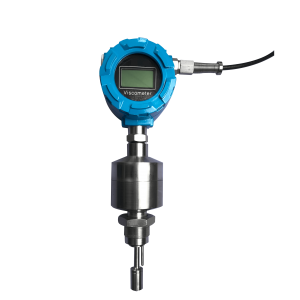
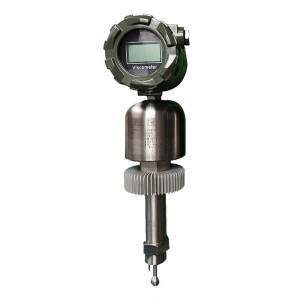
- Vibrational Sensors: Devices such as the Lonnmeter Pharma Viscometer use vibrational analysis to determine fluid viscosity and density simultaneously. These offer real-time readings, are low maintenance, and are designed for continuous operation in closed, hygienic systems.
- Ultrasonic and Solid-State Viscometers: Systems like BiODE’s solid-state viscometers employ ultrasonic waves or solid-state physical properties, making them resistant to challenging environmental conditions and ideal for continuous viscosity measurement in drug manufacturing.
- Capillary and Microfluidic Rheometers: Automated kinematic capillary viscometers and microfluidic rheology systems are suitable for small-volume viscosity testing with high accuracy, beneficial when working with costly or limited pharmaceutical coating fluids.
- Spectroscopic Techniques: Inline vibrational (e.g., Raman, IR) and fluorescence spectroscopic methods can be integrated, often employing chemometric modeling for advanced process analytics.
Key Commercial Systems:
- Lonnmeter Online Viscometers: Designed for pharmaceutical continuous manufacturing, offering broad viscosity range, low maintenance, and integration with automated coating lines.
Selection Criteria for Pharmaceutical Use:
When selecting a commercial inline viscosity measurement system for pharmaceutical enteric coating, focus on these criteria:
- Real-Time Accuracy: Essential for process control and product quality.
- Compatibility: The instrument must suit the specific type of coating process (gelatin, polymer-based, aqueous, sustained-release).
- Adaptability and Integration: Modular design and compatibility with automated control systems and Industry 4.0 frameworks.
- Maintenance and Calibration: Preference for low-maintenance, self-calibrating devices able to withstand pharmaceutical production environments.
- Environmental Robustness: Ability to maintain accuracy under varying temperature, humidity, and process fluid conditions.
Benefits of Continuous Viscosity Measurement for Enteric Coating Process Control
Continuous viscosity measurement transforms the enteric coating process with several measurable benefits:
- Coating Uniformity and Defect Prevention: Real-time feedback ensures the uniform application of enteric coating. This minimizes defects such as patchiness, bubbling, and sub-par barrier performance, supporting regulatory and market expectations for enteric coated pills and tablets.
- Process Efficiency: Automated control decreases downtime for manual sampling and adjustment, maximizing throughput and leveraging coating solution inventory more effectively.
- Material Savings and Environmental Impact: By dynamically adjusting viscosity, systems reduce wasted material and avoid unnecessary solvent use. This supports environmental sustainability and resource optimization.
- Quality Assurance and Compliance: Continuous, logged data provides documentation for each enteric coating batch, streamlining quality control and regulatory reporting.
- Return on Investment: Manufacturers see improved yield, consistent batch quality, and reduced rework or rejects following implementation of inline viscosity monitoring for coatings. These gains are documented in recent case studies and peer-reviewed research.
In summary, commercial inline viscosity measurement systems—rotational, vibrational, ultrasonic, capillary, microfluidic, and spectroscopic—form the backbone of modern coating viscosity control. Their careful selection and integration enable the highest standards of process control, quality, and efficiency for pharmaceutical enteric coating applications.
Quality Control Strategies for Uniform Coating in Pharmaceutical Manufacturing
Uniform coating is critical in manufacturing enteric coated tablets, enteric coated pills, and other oral dosage forms. Effective quality control focuses on maintaining coating consistency by integrating real-time process monitoring, robust sampling, and swift troubleshooting—each strengthened by automation and digital technologies.
Routine In-line Monitoring: Viscosity, Thickness, and Uniformity
Continuous in-line monitoring forms the cornerstone of coating uniformity.
- Viscosity: Commercial inline viscosity measurement systems, like automated in-line viscometers, deliver real-time, continuous feedback on coating viscosity. This is vital for enteric coating drugs, as improper viscosity impacts film formation, leading to defects or uneven coating coverage. Automated viscometers provide accuracy with minimal maintenance, ensuring the coating solution remains within the ideal viscosity range for enteric tablets and minimizing operator intervention.
- Thickness: Optical Coherence Tomography (OCT) enables non-destructive, in-line measurement of coating thickness. It generates real-time data on film thickness, uniformity, and even surface roughness. OCT technology correlates closely with offline porosity and hardness testing, supporting process control and rapid development of new enteric coating process steps.
- Uniformity: Automated surface imaging and spectrophotometric analysis offer additional monitoring for color, gloss, and homogeneity, all key indicators of successful pharmaceutical enteric coating techniques.
Integrated systems often combine these sensors into IoT-ready, closed-loop feedback environments, supporting Quality-by-Design (QbD) initiatives and regulatory compliance.
Sampling Protocols for Intra- and Inter-Batch Assessment
Statistical sampling ensures coating uniformity within and between batches:
- Intra-batch Sampling: Draw at least three replicates from ten unique locations within a coating drum or blender during batch production. This ensures result representation across potential process variability.
- Inter-batch Sampling: Regulatory guidance recommends analyzing a minimum of three independent batches, with at least six samples per batch when microstructural variability is low. This approach confirms batch-to-batch reproducibility in coating uniformity testing in pharmaceuticals.
- Assessments typically use thickness measurements, visual inspection, and spectroscopic methods to confirm uniformity. Acceptance criteria focus on standard deviation and the coefficient of variation, with trends assessed over time to identify persistent issues or process drift.
Troubleshooting and Corrective Actions for Coating Defects
Coating defects—such as twinning, mottling, and chipping—can compromise the function and appearance of enteric coated tablets. Troubleshooting requires targeted actions:
- Twinning: Often caused by tablet shape or pan speed. Remedies include adjusting pan rotation, optimizing the tablet core geometry, and managing batch loading.
- Mottling: Results from insufficient mixing or colorant segregation. Improve by optimizing the mixing process, fine-tuning spray rates, or reformulating pigment dispersions.
- Chipping: Linked to brittle coatings or mechanical stress. Correct by adjusting the coating formulation—raising plasticizer levels or modifying drying rates—to improve film integrity and flexibility.
Use of Corrective and Preventive Actions (CAPA) frameworks streamlines defect resolution. Root cause analysis isolates process or material deviations, while preventive actions optimize recipes and settings to avoid recurrence.
Real-time Feedback and Automation in the Coating Process
Automation and real-time feedback drive efficiency and quality in the enteric coating process:
- Advanced Control Systems: IoT-enabled platforms and process analytical technology (PAT) gather continuous process data. Systems like digital formulators and AI-enabled DataFactory environments analyze trends, enabling adaptive responses in spray rate, drying temperature, and coating viscosity.
- Immediate Corrective Adjustments: Automated systems respond to in-line measurements by instantly tweaking critical parameters, drastically reducing defect rates and material waste.
- Continuous Verification: These platforms support requirements for continuous process verification (CPV) as outlined in regulatory guidance, helping manufacturers maintain coating uniformity and quality across production cycles.
By integrating commercial inline viscosity monitoring for coatings, non-destructive thickness analytics, and automated corrective controls, pharmaceutical manufacturers achieve consistent enteric coating benefits while meeting the stringent demands of modern compliance and efficiency.
Key Takeaways for Coating Uniformity and Pharmaceutical Performance
Critical Coating Thickness: For robust acid protection, maintain a minimum enteric coating thickness of 27.4 µm. A mean thickness of ≥ 63.4 µm ensures all enteric coated pills meet dissolution criteria and deliver consistent therapeutic outcomes. Coating thickness should be confirmed using high-resolution techniques such as optical coherence tomography (OCT), which enables real-time, non-contact assessment of coating uniformity during manufacturing.
Uniformity Assessment: Utilize analytical distribution functions and statistical parameters like relative standard deviation (RSD) to quantify coating uniformity across batches. In-line OCT systems have demonstrated commercial viability, matching and often exceeding the accuracy of traditional off-line techniques by delivering inter-tablet thickness SDs as low as 9 µm (approx. 13% RSD).
Process Parameter Optimization: Monitor and optimize critical process parameters—pan speed, spray rate, inlet airflow, exhaust air temperature, gun-to-bed distance, and atomization air pressure.
Polymer and Plasticizer Selection: Choose advanced polymers for flexible, thinner films and reduced processing times. Consider stability-based options like PVAP, methacrylic acid copolymers (Eudragit L/S), polyethylene glycol (PEG) as plasticizer, or natural shellac for innovative applications. The right selection impacts film formation, drug release, and can simplify process controls.
Integrating Continuous Viscosity Measurement Systems for Robust Process Control
Inline Viscosity Monitoring: Deploy commercial inline viscosity measurement systems for pharmaceuticals to maintain the ideal coating viscosity for enteric tablets. Real-time measurement and control are essential for coating viscosity control, preventing defects from under- or over-viscous formulations.
Process Benefits:
- Ensures continuous viscosity measurement in drug manufacturing, providing instant feedback and adjustment to the enteric coating process steps.
- Minimizes batch-to-batch variability while supporting coating uniformity testing in pharmaceuticals.
- Improves response to disturbances such as formulation changes or equipment drift, leading to faster cycle times and reduced waste.
These best practices, underpinned by modern analytical tools and process controls, define the ideal approach to manufacturing high-quality, consistent enteric coated tablets and pills.
FAQs
1. What is enteric coating and why is it important for oral drugs?
Enteric coating is a specialized polymer film applied to oral dosage forms such as tablets and capsules. Its main purpose is to protect the drug from disintegration in the stomach’s acidic environment, allowing the active ingredient to be released only once it reaches the more neutral or alkaline environment of the intestine. This prevents acid-labile drugs, like certain enzymes or proton pump inhibitors, from being degraded before absorption. It also protects the stomach lining from irritation by drugs that could otherwise cause harm, such as nonsteroidal anti-inflammatory drugs (NSAIDs). For example, enteric-coated abiraterone acetate remains intact during gastric transit, enabling absorption where it is most effective. The enteric coating process is fundamental in pharmaceutical enteric coating techniques and contributes to optimal drug bioavailability, making it a key benefit in oral drug delivery.
2. How does coating viscosity affect the quality of enteric coated tablets?
Coating viscosity—how thick or fluid the coating solution is—plays a vital role in the enteric coating process steps. The solution’s viscosity controls the flow, spread, and adhesion of the polymer film on each tablet. If the coating viscosity is too low, the film may become uneven, with thin areas that fail to protect the drug in the stomach. If it is too high, buildup and defects like cracking or “orange peel” surfaces can occur. Maintaining the ideal coating viscosity for enteric tablets is essential to achieve a uniform, seamless barrier that provides consistent acid resistance and controlled drug release. Proper viscosity control also prevents manufacturing defects such as delamination and ensures reliable performance in every batch.
3. What are commercial inline viscosity measurement systems and why use them for enteric coating?
Commercial inline viscosity measurement systems for pharmaceuticals are real-time sensors or devices installed directly in coating lines. These systems continuously monitor and control the viscosity of coating solutions throughout production. Inline viscosity monitoring for coatings helps maintain target viscosity, reduces manual sampling, and quickly detects process deviations. Automated in-line viscometers and advanced systems like kinematic capillary or microfluidic viscometers support coating viscosity control by delivering stable, reproducible coatings. This minimizes variability in tablet appearance and function, secures batch quality, and helps meet good manufacturing practice (GMP) standards. Continuous viscosity measurement in drug manufacturing, especially for enteric coating drugs, results in fewer coating defects, lower rejection rates, and consistent product performance.
4. Why is coating uniformity so critical for enteric coated pills?
Enteric coating uniformity means consistent thickness and coverage on every tablet in a batch. Inconsistent coatings may lead to partial protection, causing the drug to release early in the stomach or fail to perform as intended in the intestine. This can compromise efficacy, safety, and regulatory compliance, and may increase the risk of drug degradation or patient side effects. Small differences in coating thickness directly affect drug release rates and therapeutic outcomes. Coating uniformity testing in pharmaceuticals often relies on non-destructive analytical techniques to ensure each enteric coated pill consistently delivers protection and controlled release.


